
A Kilimanjaro climb with daily oxygen monitoring significantly enhances safety by providing real-time data on your body’s acclimatization, allowing guides to detect and manage potential altitude sickness early. This approach, often integrated into reputable tour packages for 2026 and 2027, involves regular checks of blood oxygen saturation (SpO2) and pulse rate, particularly during ascent and at higher camps, enabling prompt adjustments to the climbing pace or descent if necessary. Top Guide Adventures prioritizes this critical aspect of high-altitude trekking to ensure a healthier and more successful summit bid.
Understanding the Critical Role of Oxygen Monitoring on Kilimanjaro
Climbing Mount Kilimanjaro is an extraordinary adventure, but it is also a serious undertaking that pushes the human body to its limits. The primary challenge faced by trekkers is the rapid ascent to high altitudes, which can lead to Acute Mountain Sickness (AMS). Daily oxygen monitoring is not just a trend; it’s a vital tool that has become increasingly standard for responsible Kilimanjaro operators. For those planning their expeditions in 2026 and 2027, understanding this practice is paramount for safety and success.
At altitudes above 8,000 feet (approximately 2,500 meters), the atmospheric pressure decreases, meaning there is less oxygen available with each breath. Your body needs time to adapt to these lower oxygen levels, a process known as acclimatization. When acclimatization is insufficient, AMS can develop, ranging from mild symptoms like headaches and nausea to severe, life-threatening conditions such as HAPE (High Altitude Pulmonary Edema) and HACE (High Altitude Cerebral Edema).
Daily oxygen monitoring provides objective data that complements subjective feelings. While a climber might feel ‘okay,’ their blood oxygen saturation (SpO2) could reveal a concerning trend. Conversely, some individuals might experience mild discomfort but have healthy SpO2 readings, indicating good acclimatization. This data empowers experienced guides, like those at Top Guide Adventures, to make informed decisions, ensuring every trekker’s well-being is prioritized throughout the climb.
How Daily Oxygen Monitoring Works on Kilimanjaro Expeditions
The process of daily oxygen monitoring on Kilimanjaro is straightforward yet incredibly effective. It typically involves the use of a pulse oximeter, a small, non-invasive device that clips onto a fingertip or earlobe. Within seconds, it measures two key vital signs:
- Blood Oxygen Saturation (SpO2): This indicates the percentage of hemoglobin in your red blood cells that is carrying oxygen. At sea level, SpO2 is usually between 95% and 100%. On Kilimanjaro, readings will naturally be lower, but a healthy acclimatized climber will typically maintain readings above 85-90% at higher altitudes during the day. Significant drops below this threshold, especially when coupled with symptoms, are a cause for concern.
- Pulse Rate (Heart Rate): Your heart rate increases at altitude as the body works harder to circulate oxygen. A resting pulse rate that is consistently elevated beyond what’s expected for the altitude can be another indicator of stress on the body.
Frequency of Monitoring:
Monitoring is usually conducted at least twice daily, most critically:
- In the morning: Before starting the day’s trek, to assess how the body has recovered overnight and to determine readiness for the day’s ascent.
- In the evening: Upon reaching the camp, to gauge the impact of the day’s climb and to monitor recovery.
Additional checks may be performed during the day, especially if a climber reports symptoms or if the team is traversing particularly challenging sections or ascending to significant new heights. Guides are trained to interpret these readings in conjunction with the climber’s reported symptoms and overall condition. For example, a reading of 88% SpO2 might be perfectly acceptable for one climber, while for another experiencing a headache, it could signal the onset of AMS.
Top Guide Adventures ensures all its guides are proficient in using pulse oximeters and understanding the data they provide. This commitment to utilizing modern safety protocols is a cornerstone of our approach to Kilimanjaro climbs for 2026 and 2027 expeditions.
Choosing the Right Kilimanjaro Route for Optimal Acclimatization
While daily oxygen monitoring is a critical safety tool, the choice of route plays an equally significant role in successful acclimatization. Some routes are inherently better designed to facilitate a gradual ascent, allowing your body more time to adjust to the thinning air. This is crucial for minimizing the risk of AMS and maximizing your chances of reaching the summit. For trekkers planning their 2026-2027 climbs, selecting a route that prioritizes acclimatization is as important as selecting a reputable operator.
The general principle for acclimatization is to ascend slowly, sleep at lower altitudes when possible, and ascend high and sleep low. Routes that offer this ‘climb high, sleep low’ strategy are generally considered safer and more successful.
Routes with Better Acclimatization Profiles
- Lemosho Route: Often considered one of the best routes for acclimatization due to its length (7-8 days) and its scenic western approach. It offers excellent opportunities for ‘climb high, sleep low’ days. The Lemosho route typically starts at a lower elevation, providing a gentler introduction to altitude.
- Shira Route: Similar to Lemosho, Shira is an 7-8 day trek that also offers good acclimatization. It approaches Kilimanjaro from the west and has a higher starting point than Lemosho, but still incorporates days that allow for ascending to higher points and returning to sleep lower.
- Northern Circuit: This is the longest route (9 days) and offers the highest success rates, largely due to its exceptional acclimatization profile. It circles the mountain, providing ample time for the body to adjust. The ‘climb high, sleep low’ principle is expertly integrated into its itinerary.
- Marangu Route: While popular and known for its ‘Coca-Cola’ hut-to-hut style camping, Marangu is generally considered to have a poorer acclimatization profile, especially on the shorter 5-day option. The 6-day option improves this significantly by adding an extra acclimatization day. Its direct ascent means less opportunity for ‘sleep low’.
Routes with Shorter Acclimatization Profiles
- Rongai Route: A popular alternative, especially during the rainy season, Rongai approaches from the north. While generally successful, its 6 or 7-day itineraries offer less ‘climb high, sleep low’ opportunities compared to Lemosho or Northern Circuit.
- Machame Route: Known as the ‘Whiskey’ route, Machame is a very popular 6 or 7-day trek with a high success rate. It offers a good balance of scenery and challenge, and the 7-day itinerary provides decent acclimatization, but it can be quite steep in sections.
For trekkers prioritizing safety and acclimatization, especially those concerned about altitude sickness, we strongly recommend the Northern Circuit (9 days) or the Lemosho Route (8 days) for their 2026-2027 climbs. These routes provide the necessary time and itinerary structure for your body to adapt effectively. Top Guide Adventures offers detailed itineraries for all these routes, with a focus on safety and acclimatization support, including daily oxygen monitoring.
Preparing Your Body: Pre-Climb Training and Acclimatization Strategies
A successful Kilimanjaro climb with daily oxygen monitoring begins long before you set foot on the mountain. Comprehensive preparation involves both physical training and understanding acclimatization strategies. For your 2026 or 2027 expedition, starting your preparation early is key.
Physical Training for Kilimanjaro
Kilimanjaro is not a technical climb, but it demands significant cardiovascular fitness and muscular endurance. The focus should be on:
- Aerobic Fitness: Engage in activities like hiking (with a backpack), running, cycling, and swimming for at least 3-4 times a week. Aim for sessions of 60-90 minutes.
- Strength Training: Focus on leg strength (squats, lunges, calf raises) and core strength. You’ll be carrying a daypack for hours each day, and strong legs and a stable core will make this much more manageable.
- Hiking with Elevation Gain: The best training is hiking on varied terrain, especially with inclines. If possible, do long hikes (4-6 hours) with significant elevation gain, carrying a backpack similar to what you’ll use on Kilimanjaro (around 5-10 kg).
- Consistency: Aim to train consistently for at least 3-6 months leading up to your climb.
Pre-Acclimatization Strategies
While you can’t fully replicate Kilimanjaro’s altitude at home, some strategies can help:
- High-Altitude Exposure (if possible): If you live near or can travel to higher altitudes (e.g., 6,000-8,000 feet), spending a few days there before your trip can be beneficial.
- Hypoxic Training: Specialized gyms offer altitude training rooms or tents that simulate lower oxygen levels. While potentially helpful, this is an optional and often expensive addition.
- Hydration and Nutrition: Before and during the climb, maintaining good hydration and nutrition is crucial for your body’s ability to acclimatize.
Understanding Your Body’s Signals
Even with the best training, altitude sickness is a risk. Learning to recognize the early symptoms is vital, especially when combined with daily oxygen monitoring. Common symptoms include:
- Headache
- Nausea and vomiting
- Dizziness
- Fatigue
- Loss of appetite
- Difficulty sleeping
It’s important to remember that AMS is not a sign of weakness. It’s a physiological response to altitude. Inform your guide immediately if you experience any of these symptoms, no matter how mild they seem. Your guide will assess your condition, possibly using the pulse oximeter readings, and recommend appropriate action, which might include rest, medication, or descending.
Top Guide Adventures emphasizes thorough pre-climb preparation with all our clients. We provide detailed training guides and advice to help you prepare physically and mentally for your Kilimanjaro climb with daily oxygen monitoring in 2026-2027.
What to Expect During Your Kilimanjaro Climb with Daily Oxygen Monitoring
A Kilimanjaro climb is an incredible journey, and understanding what to expect, especially regarding safety protocols like daily oxygen monitoring, can help set your mind at ease and allow you to focus on the experience. For your 2026 or 2027 adventure, here’s a typical day:
Daily Routine on the Mountain
Each day on Kilimanjaro generally follows a similar pattern:
- Morning Wake-up: You’ll be woken early, usually around 6:30-7:00 AM, with hot water for washing and tea/coffee. This is the first opportunity for your guide to check your general condition and possibly take initial vital signs before breakfast.
- Breakfast: A hearty breakfast is served, fueling you for the day ahead.
- Daily Briefing: Your lead guide will brief you on the day’s trek: the route, estimated duration, altitude gain, weather forecast, and any specific challenges.
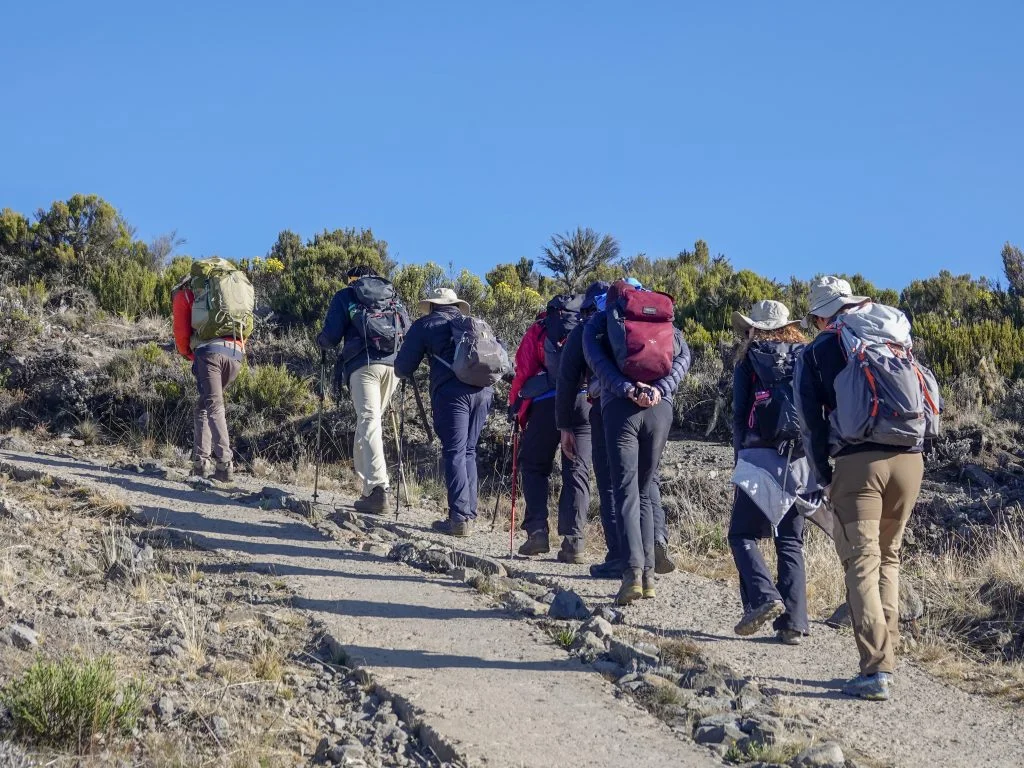
- The Trek: You’ll set off, typically walking at a slow, steady pace (‘pole pole’). Your guides will constantly monitor your condition, looking for signs of fatigue or altitude sickness. They will encourage you to drink plenty of water and eat snacks.
- Lunch: A packed lunch is usually enjoyed en route, at a scenic spot.
- Afternoon Trekking: You’ll continue your ascent towards the next campsite.
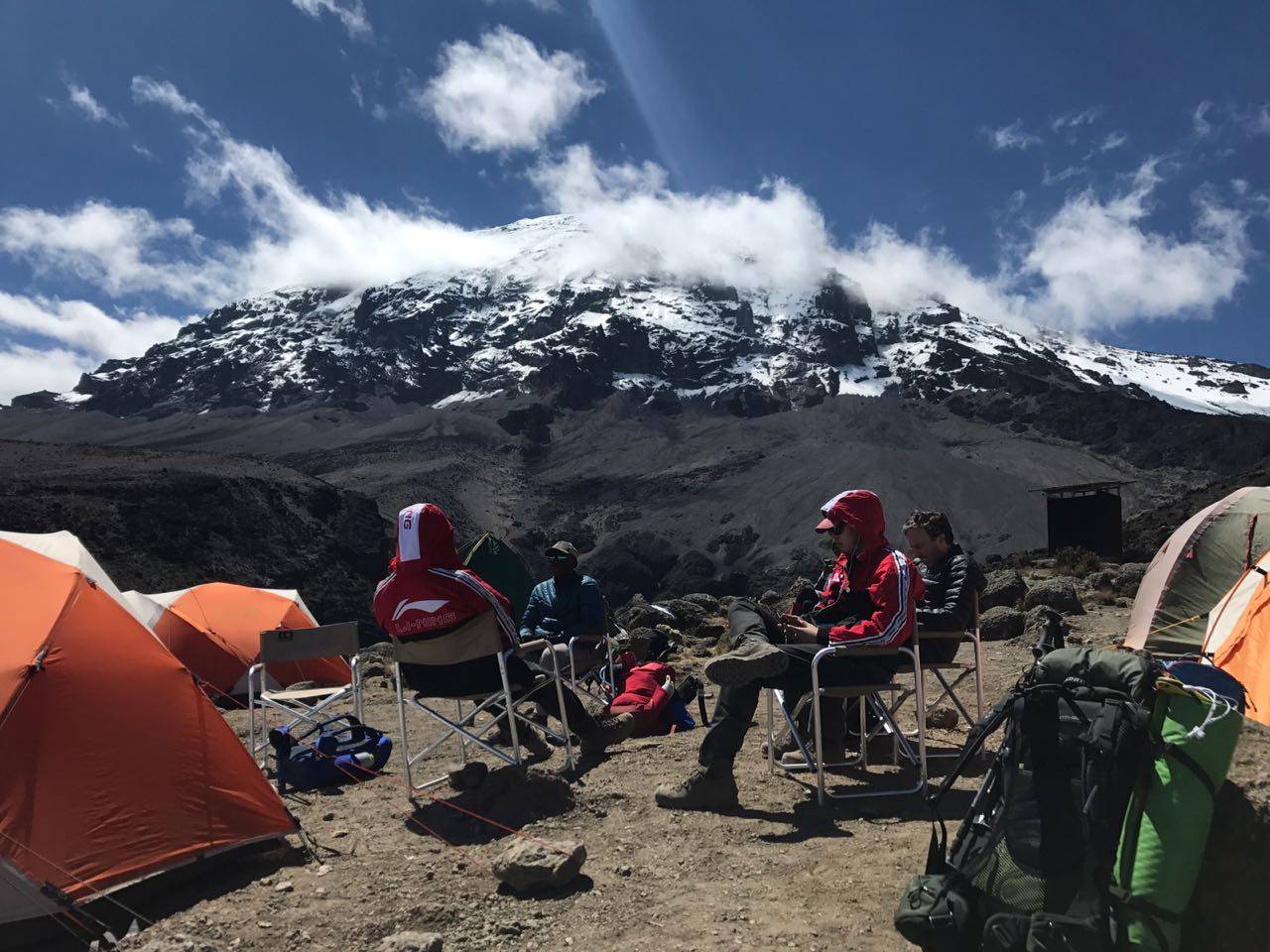
- Arrival at Camp: Upon arrival at the campsite (usually between 3:00 PM and 5:00 PM), you’ll be greeted with warm drinks and snacks.
- Evening Vital Checks: This is a crucial time for daily oxygen monitoring. Your guides will take your SpO2 and pulse rate. They will also inquire about how you are feeling, checking for any symptoms of AMS.
- Dinner: A nutritious dinner is served in the mess tent.
- Evening Briefing: The guides will discuss the next day’s itinerary and answer any questions.
- Rest: You’ll retire to your tent for rest, aiming for as much sleep as possible, though sleep can be challenging at altitude.
The Role of Guides and Support Crew
Your safety and well-being are the top priorities for the entire support crew. This includes:
- Lead Guide: Highly experienced in high-altitude trekking, first aid, and AMS management. They make the ultimate decisions regarding your safety.
- Assistant Guides: Support the lead guide, help manage the group, and conduct regular checks on individual trekkers.
- Porters: Carry the bulk of your gear, tents, food, and equipment, allowing you to focus on walking.
- Cooks: Prepare delicious and nutritious meals to keep your energy levels up.
The communication between the lead guide, assistant guides, and the entire crew is constant. If any concerns arise regarding your health, the team will act swiftly. This coordinated effort, combined with tools like daily oxygen monitoring, forms a robust safety net.
Summit Night and Descent
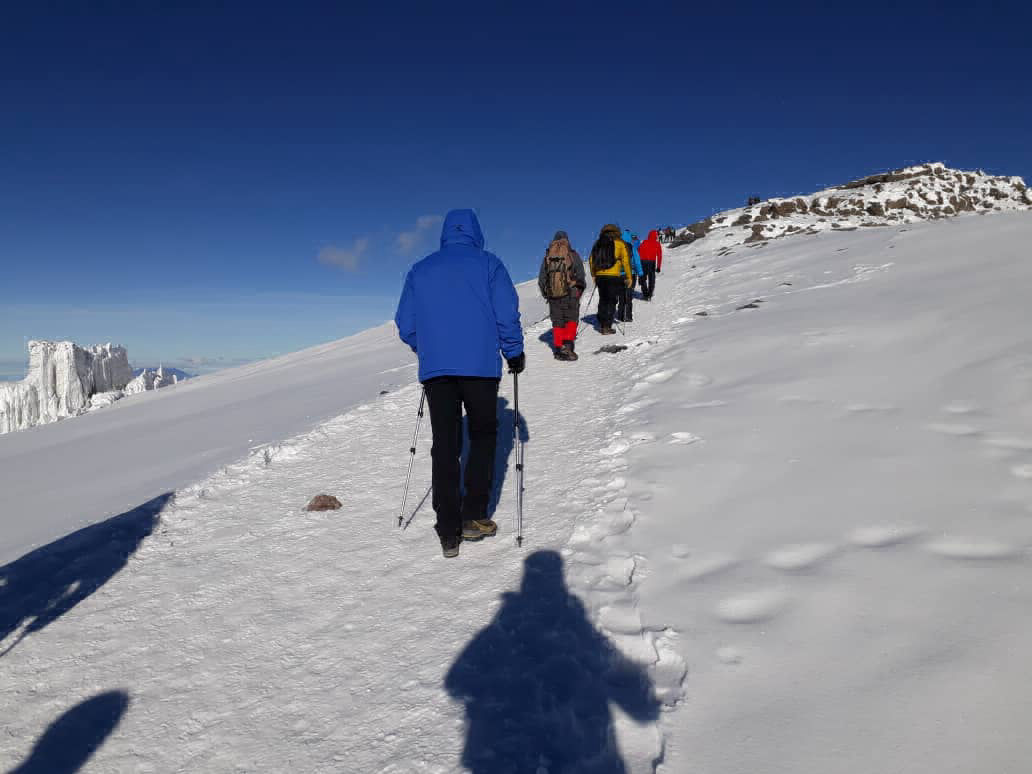
Summit night is the most challenging part of the climb. You’ll start very early, often around midnight, to reach the summit by sunrise. The pace is extremely slow, and you’ll be monitored closely. Oxygen levels will be checked regularly, especially if symptoms arise. The descent is surprisingly rapid and can be hard on the knees. It’s crucial to remain hydrated and careful even as you head down.
Top Guide Adventures ensures that our guides are not only skilled mountaineers but also compassionate individuals dedicated to your comfort and safety. Our comprehensive support system, including rigorous daily oxygen monitoring, is designed to provide peace of mind for all our clients undertaking a Kilimanjaro climb in 2026-2027.
Altitude Sickness: Symptoms, Prevention, and Management on Kilimanjaro
Altitude sickness is the most significant risk factor on any Kilimanjaro climb. Understanding its nuances, how to prevent it, and how to manage it effectively is crucial for a safe and successful trek. For your 2026 or 2027 climb, comprehensive knowledge is your best defense.
Understanding Altitude Sickness (AMS)
Acute Mountain Sickness (AMS) is an illness that can affect anyone, regardless of fitness level, when ascending to high altitudes too quickly. It occurs because the body hasn’t had enough time to adjust to the lower oxygen levels. Symptoms can vary widely and typically appear 6-24 hours after reaching a new, higher altitude.
Mild AMS Symptoms:
- Headache (often the first symptom)
- Nausea and/or vomiting
- Dizziness or lightheadedness
- Fatigue and weakness
- Loss of appetite
- Difficulty sleeping
Severe AMS (Life-Threatening Conditions):
If mild AMS is ignored or worsens, it can progress to more serious conditions:
- High Altitude Pulmonary Edema (HAPE): Fluid accumulation in the lungs. Symptoms include extreme shortness of breath (even at rest), a persistent cough (sometimes with frothy or pink sputum), chest tightness, gurgling sounds when breathing, and confusion.
- High Altitude Cerebral Edema (HACE): Fluid accumulation in the brain. Symptoms include severe headache, loss of coordination (ataxia – inability to walk a straight line heel-to-toe), confusion, disorientation, behavioral changes (irritability, apathy), drowsiness, and eventually coma.
Prevention Strategies
The best approach to altitude sickness is prevention:
- Ascend Slowly: Choose longer routes (7-9 days) that allow for gradual acclimatization. The principle of ‘climb high, sleep low’ is vital.
- Stay Hydrated: Drink at least 3-4 liters of water per day. Dehydration can mimic or worsen AMS symptoms.
- Avoid Alcohol and Smoking: These can impair acclimatization and increase dehydration.
- Eat Well: Maintain a good diet to provide your body with energy. High-carbohydrate meals are often recommended at altitude.
- Pacing: Walk slowly (‘pole pole’). Avoid overexertion.
- Medication (Diamox/Acetazolamide): Consult your doctor about taking Diamox. It can aid acclimatization but does not prevent severe AMS and has side effects. It is most effective when started 1-2 days before ascent and continued during the climb.
Management and Treatment
If symptoms of AMS appear, the following steps are taken:
- Inform Your Guide Immediately: Do not try to ‘tough it out’. Your guides are trained to assess the situation.
- Monitor Vital Signs: This is where daily oxygen monitoring becomes critical. A drop in SpO2 or a significantly elevated pulse rate, combined with symptoms, indicates a problem.
- Rest: If symptoms are mild, you may be advised to rest at the current altitude.
- Medication: Your guide may administer oxygen or medications like Diamox (if prescribed) or others to alleviate symptoms.
- Descend: The most effective treatment for moderate to severe AMS, HAPE, or HACE is immediate descent. Even a descent of 300-1000 meters can make a significant difference. For HACE or HAPE, descent is mandatory and life-saving.
Top Guide Adventures’ guides are certified in Wilderness First Aid and have extensive experience managing altitude sickness. Our commitment to daily oxygen monitoring ensures that potential issues are identified and addressed proactively, making your 2026-2027 Kilimanjaro climb as safe as possible.
Key Takeaway on Altitude Sickness
Listen to your body and communicate openly with your guide. Daily oxygen monitoring provides crucial objective data, but subjective symptoms are equally important. Never ascend with symptoms of altitude sickness. Immediate descent is the safest course of action for moderate to severe symptoms.
Kilimanjaro Climb Costs: Understanding What Influences Pricing for 2026-2027
When planning your Kilimanjaro climb for 2026 or 2027, understanding the cost structure is essential. The price of a Kilimanjaro trek can vary significantly based on several factors, including the route chosen, the duration of the trek, the quality of services provided, and the operator’s commitment to safety and ethical practices. Top Guide Adventures offers transparent pricing, detailing what is included to ensure you make an informed decision.
Factors Affecting Kilimanjaro Climb Costs
- Route Length: Longer routes (e.g., 8 or 9 days) generally cost more than shorter ones (e.g., 5 or 6 days) because they require more days of guiding, support crew, food, and accommodation.
- Operator Type: Local operators like Top Guide Adventures often provide better value and directly support the local economy compared to international operators who may have higher overheads.
- Service Level: This includes the quality of tents, sleeping mats, food, and the ratio of guides to climbers. Higher standards typically come at a higher price.
- Inclusions: What is included in the price? Key items to check are park fees, rescue fees, meals, accommodation before/after the climb, airport transfers, oxygen cylinders (if used), and porter support.
- Group Size: Private climbs are more expensive per person than joining a group.
- Ethical Treatment of Porters: Reputable companies pay fair wages and provide proper gear and food for their porters, which can influence costs.
Typical Inclusions in a Reputable Kilimanjaro Package
A comprehensive Kilimanjaro climb package from a reputable operator like Top Guide Adventures for 2026-2027 should typically include:
- Park Fees: Entrance fees, camping/hut fees, and conservation fees. These are substantial and vary by route and duration.
- Rescue Fees: Essential for emergency evacuations.
- Guides and Support Crew: Salaries for qualified lead guides, assistant guides, cooks, and porters.
- Food: All meals on the mountain, prepared by your cook.
- Accommodation: Tents and sleeping mats on the mountain. Often includes 1-2 nights of accommodation in Moshi/Arusha before and after the climb.
- Equipment: Tents, mess tent, tables, chairs, cooking equipment.
- Water: Boiled or purified water on the mountain.
- Transfer: Transport from Kilimanjaro International Airport (JRO) to your hotel and from your hotel to the park gate, and back to your hotel after the climb.
- Safety Equipment: First-aid kit, pulse oximeter for daily oxygen monitoring, and emergency oxygen (usually available upon request or for emergencies).
Estimating Costs for 2026-2027
While exact prices depend on the specific package, a mid-range to high-quality Kilimanjaro climb with a reputable operator focusing on safety and ethical treatment typically ranges from $2,000 to $4,000 USD per person for a 7-8 day trek.
- Budget operators might offer lower prices but often compromise on safety, crew welfare, or equipment quality.
- High-end operators may charge more for premium services, private facilities, or additional support.
It’s crucial to compare packages carefully, looking beyond the headline price to understand what’s included and the operator’s commitment to safety, especially regarding daily oxygen monitoring and proper acclimatization protocols. For a personalized quote for your 2026-2027 Kilimanjaro climb, contact Top Guide Adventures.
Get Your Custom Kilimanjaro Quote!
Ready to plan your 2026-2027 Kilimanjaro climb with Top Guide Adventures? We offer tailored packages that prioritize your safety, comfort, and success. Our climbs include comprehensive support, ethical crew treatment, and critical safety measures like daily oxygen monitoring.
Contact us today for a personalized quote and expert advice:
- WhatsApp: +255616946642
- Email: topguideadventures@gmail.com
- Backup Email: info@topguideadventures.com
Top Guide Adventures: Your Partner for a Safe Kilimanjaro Climb
Choosing the right tour operator is perhaps the most critical decision you’ll make when planning your Kilimanjaro climb. At Top Guide Adventures, we are deeply committed to providing exceptional, safe, and memorable experiences for every client. Our extensive knowledge of Kilimanjaro, combined with a dedication to best practices, makes us an ideal partner for your 2026 or 2027 expedition.
Our Commitment to Safety and Acclimatization
Safety is not an afterthought at Top Guide Adventures; it’s the foundation of everything we do. This is particularly evident in our approach to high-altitude trekking:
- Experienced & Certified Guides: Our guides are highly trained, with extensive experience on Kilimanjaro and certifications in wilderness first aid and high-altitude management.
- Daily Oxygen Monitoring: We ensure pulse oximeters are used for regular SpO2 and pulse rate checks, especially during critical ascent and descent phases, and at higher camps. This data is vital for proactive altitude sickness management.
- Ethical Crew Treatment: We pride ourselves on the fair treatment, adequate equipment, and proper compensation of our porters and guides. This not only ensures a happier and more efficient team but also aligns with responsible tourism principles. We are audited by Kilimanjaro Porters Assistance Project (KPAP).
- Quality Equipment: We use high-quality tents, sleeping bags (available for rent), and other gear to ensure your comfort and safety on the mountain.
- Tailored Itineraries: We recommend and operate longer routes (7-9 days) that offer superior acclimatization profiles, significantly increasing your chances of success and reducing the risk of altitude sickness.
Why Choose Top Guide Adventures for Your 2026-2027 Climb?
- Personalized Attention: As one of Tanzania’s trusted local tour companies, we offer personal attention, care, and dedicated support to every client, from initial inquiry to post-climb follow-up.
- Complete Travel Experiences: Beyond Kilimanjaro climbs, we offer comprehensive travel services across Tanzania, including safaris, Zanzibar holidays, and cultural tours.
- Local Expertise: Our deep understanding of Tanzania, its culture, and its natural wonders allows us to craft authentic and enriching experiences.
- High Success Rates: Our focus on safety, acclimatization, and well-prepared expeditions leads to high summit success rates for our clients.
- Transparent Pricing: We provide clear breakdowns of what’s included in our packages, ensuring no hidden costs.
We are passionate about sharing the majesty of Kilimanjaro with the world in a safe and responsible manner. Whether you are planning for late 2026 or early 2027, our team is ready to help you achieve your summit dream.
For a climb that prioritizes your health, safety, and overall experience, choose Top Guide Adventures. We are dedicated to making your Kilimanjaro adventure a success, supported by the best safety protocols, including daily oxygen monitoring.
Connect with Us to Plan Your Climb
Ready to take the first step towards summiting Kilimanjaro? We are here to answer all your questions and help you plan the perfect expedition for 2026-2027.
Reach out to our adventure specialists:
- WhatsApp: +255616946642
- Email: topguideadventures@gmail.com
- Backup Email: info@topguideadventures.com
Explore more about our Tanzania adventures and group departures at our group tours page, or view specific Kilimanjaro route details like the Machame Route.
Follow us on Instagram for inspiring travel stories and updates: @top_guide_adventures.
Read reviews from our happy clients on TripAdvisor: Top Guide Adventures Reviews.
Check Availability for Kilimanjaro Climb With Daily Oxygen Monitoring: Your Ultimate Safety Guide
Ready to compare dates, prices, and the best option for your group? Send the package name and travel month so the team can reply with a clear quote, availability, and what is included.
Kilimanjaro Climb With A Korean-Speaking Guide 2026-2027
Kilimanjaro Climb with a Korean-Speaking Guide is explained with current 2026-2027 planning, price, itinerary and booking information.
View package details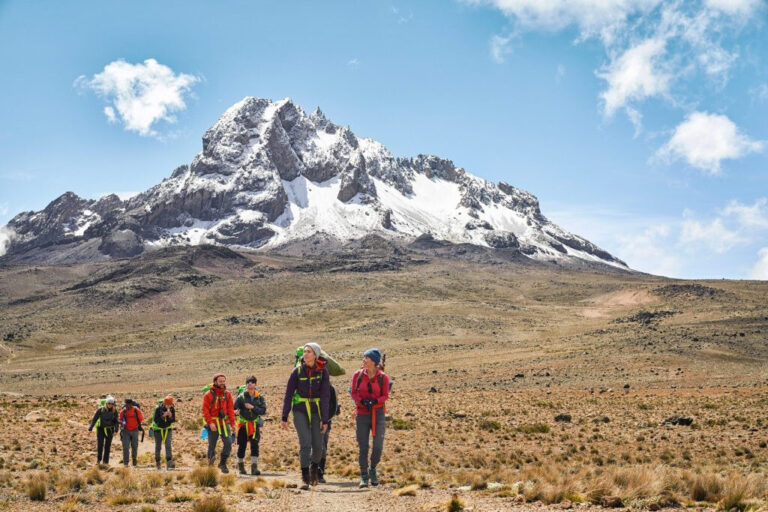
Kilimanjaro Climb With A Japanese-Speaking Guide: Your Ultimate Adventure
start your dream Kilimanjaro climb with a trusted Japanese-speaking guide from Top Guide Adventures. We provide comprehensive support, ensuring a safe and unforgettable experience on...
View package details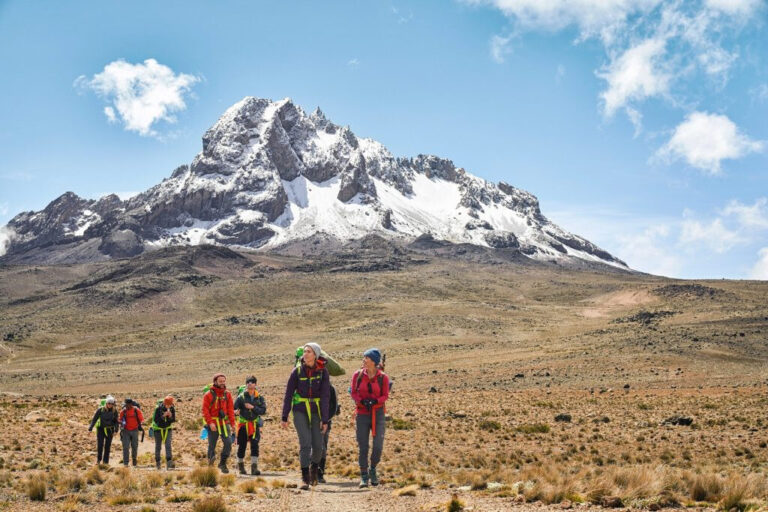
Kilimanjaro Climb With An Arabic-Speaking Guide In | Top Adventures 2026-2027
Ascend Mount Kilimanjaro with a dedicated Arabic-speaking guide. Top Guide Adventures provides comprehensive support, safety, and personalized experiences for your 2026-2027 climb.
View package details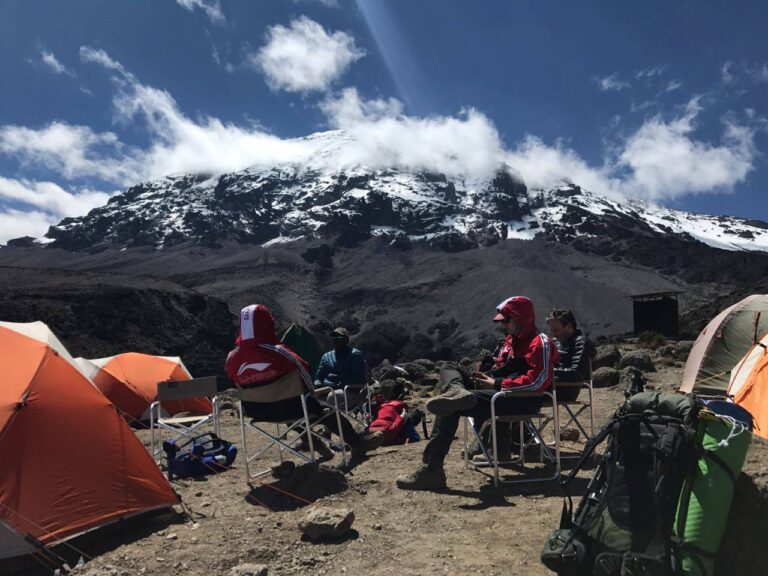
Kilimanjaro Climb With A Russian-Speaking Guide: Your Ultimate Adventure
start your Kilimanjaro adventure with a dedicated Russian-speaking guide. This comprehensive guide covers everything you need to know for a successful climb in 2026-2027, from choosing the...
View package details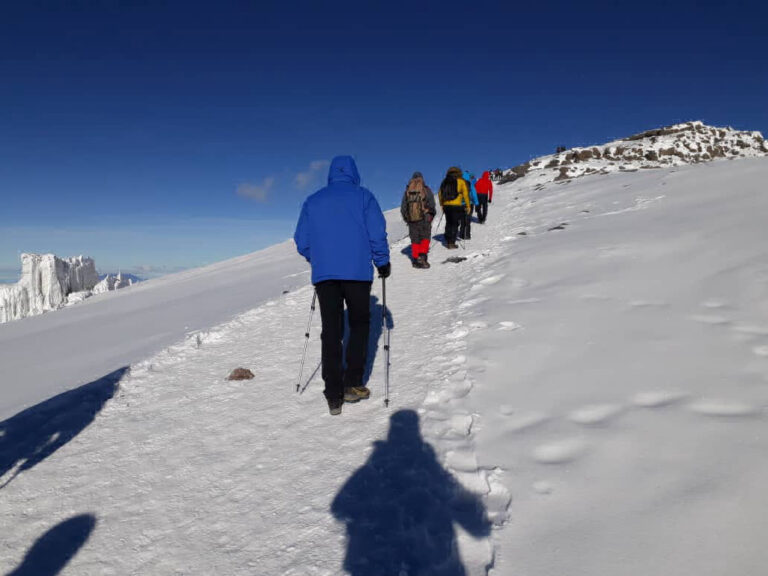
Kilimanjaro Climb With A Polish-Speaking Guide: Your Comprehensive Planning
Discover how to arrange a Kilimanjaro climb with a dedicated Polish-speaking guide. This extensive guide covers route options, preparation, costs, and booking considerations for your...
View package details
Kilimanjaro Climb With A Portuguese-Speaking Guide: Your Expert For 2026-2027
Discover everything you need to know for a Kilimanjaro climb with a Portuguese-speaking guide. Top Guide Adventures provides comprehensive planning details for your 2026-2027 ascent...
View package details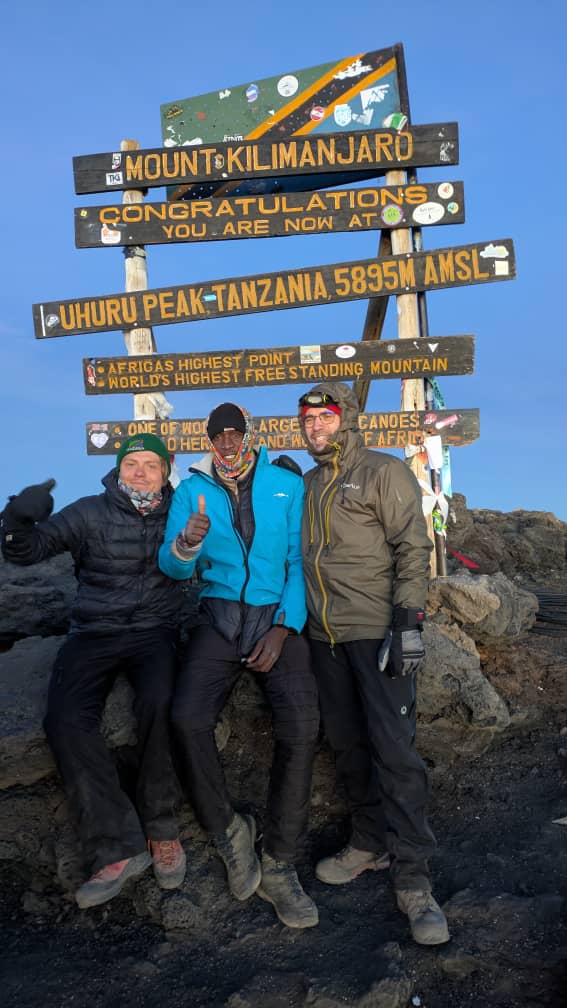
Kilimanjaro Climb With A Dutch-Speaking Guide In | Top Adventures 2026-2027
Discover the unparalleled experience of climbing Mount Kilimanjaro with a dedicated Dutch-speaking guide. Top Guide Adventures ensures your safety, comfort, and success on this iconic...
View package details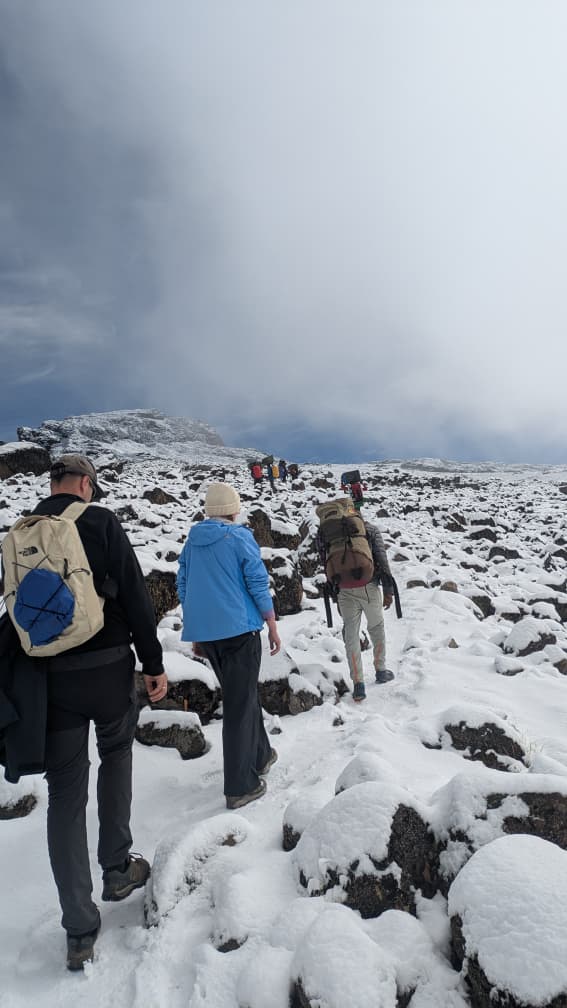
Kilimanjaro Climb With An Italian-Speaking Guide: Your Ultimate Adventure
start your dream Kilimanjaro climb with a dedicated Italian-speaking guide. Top Guide Adventures provides comprehensive support, ensuring a safe and unforgettable experience on Africa's...
View package detailsKilimanjaro Climb With A Spanish-Speaking Guide 2026-2027
Kilimanjaro Climb with a Spanish-Speaking Guide is explained with current 2026-2027 planning, price, itinerary and booking information.
View package details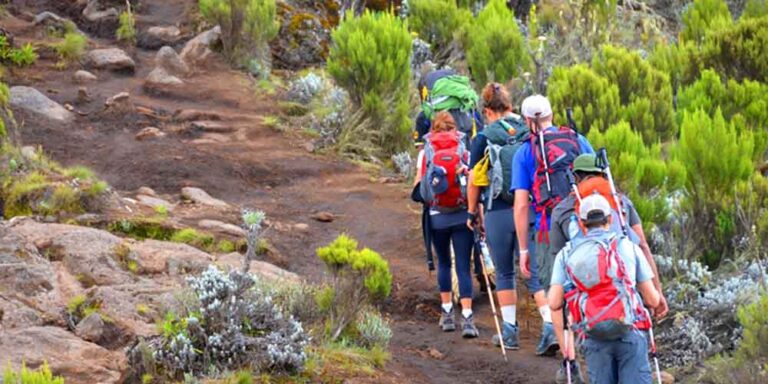
Kilimanjaro Climb With A French-Speaking Guide: Your Complete Planning
Discover the unparalleled experience of climbing Mount Kilimanjaro with a dedicated French-speaking guide. This comprehensive guide covers everything you need to know for your 2026-2027...
View package details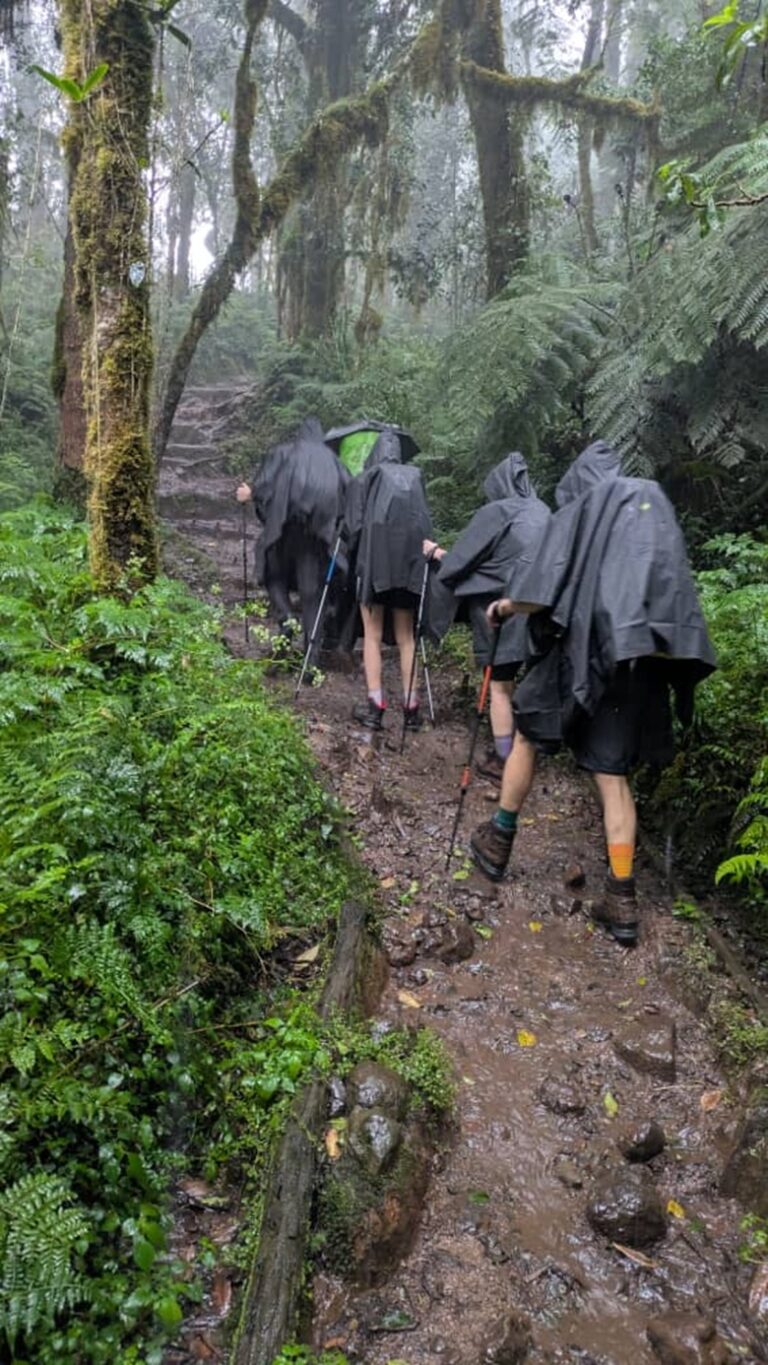
Kilimanjaro Climb With A German-Speaking Guide In | Top Adventures 2026-2027
Experience a Kilimanjaro climb with the comfort and clarity of a German-speaking guide. Top Guide Adventures provides personalized expeditions, ensuring your safety and enjoyment on...
View package detailsKilimanjaro Climb With Camp Chairs And Dining Tent Guide
Elevate your Kilimanjaro climbing experience with the added comfort of camp chairs and a dining tent. This guide details the benefits, what's included, and why these amenities are...
View package detailsNo related package matches those filters. Clear one or more filters to see the other topic-matched options.



