
A comprehensive Kilimanjaro personal first-aid kit checklist for your 2026-2027 climb should include essential items for wound care, pain relief, blister treatment, stomach issues, allergies, and altitude sickness, alongside personal medications and hygiene supplies. While your guide company will carry a comprehensive medical kit, your personal kit is crucial for immediate, individual needs on the mountain.
Why a Personal First-Aid Kit is Non-Negotiable for Kilimanjaro Climbers
Climbing Mount Kilimanjaro is an extraordinary adventure, a journey that tests your physical and mental endurance against the backdrop of impressive African landscapes. While the allure of the summit is powerful, safety must always be the paramount concern. Among the many preparations required for such an expedition, assembling a well-stocked Kilimanjaro personal first-aid kit stands out as critically important. This isn’t just about minor scrapes; it’s about being prepared for a range of potential issues, from common trekking ailments to more serious conditions that can arise at high altitudes. Your expedition team, including your guides and porters, will carry extensive medical supplies, but having your own personal kit ensures immediate access to remedies for your specific, immediate needs. This guide will walk you through exactly what to include in your Kilimanjaro personal first-aid kit checklist, empowering you to climb safely and confidently throughout your 2026 or 2027 adventure.
The success of your Kilimanjaro climb hinges on meticulous planning. This includes selecting the right route, training adequately, packing appropriate clothing, and, crucially, preparing a robust personal medical kit. Many trekkers underestimate the importance of this item, assuming the guides will handle all medical eventualities. While our experienced guides at Top Guide Adventures are trained in wilderness first aid and carry advanced medical equipment, your personal kit is your first line of defense for minor discomforts or immediate personal needs. Think of it as your personal emergency preparedness system, tailored to your body and potential issues that can arise during a challenging trek at high altitude. For 2026 and 2027 expeditions, ensure this checklist is your go-to reference.
Understanding the Unique Medical Challenges of Kilimanjaro
Kilimanjaro, standing at 5,895 meters (19,341 feet), presents a unique set of challenges for trekkers. The primary concern is altitude sickness, also known as Acute Mountain Sickness (AMS). As you ascend, the atmospheric pressure decreases, meaning less oxygen is available with each breath. This can lead to a range of symptoms, from mild headaches and nausea to severe, life-threatening conditions like High Altitude Pulmonary Edema (HAPE) and High Altitude Cerebral Edema (HACE). While your guides are trained to monitor for these symptoms and manage them appropriately, a personal first-aid kit can help address milder symptoms early.
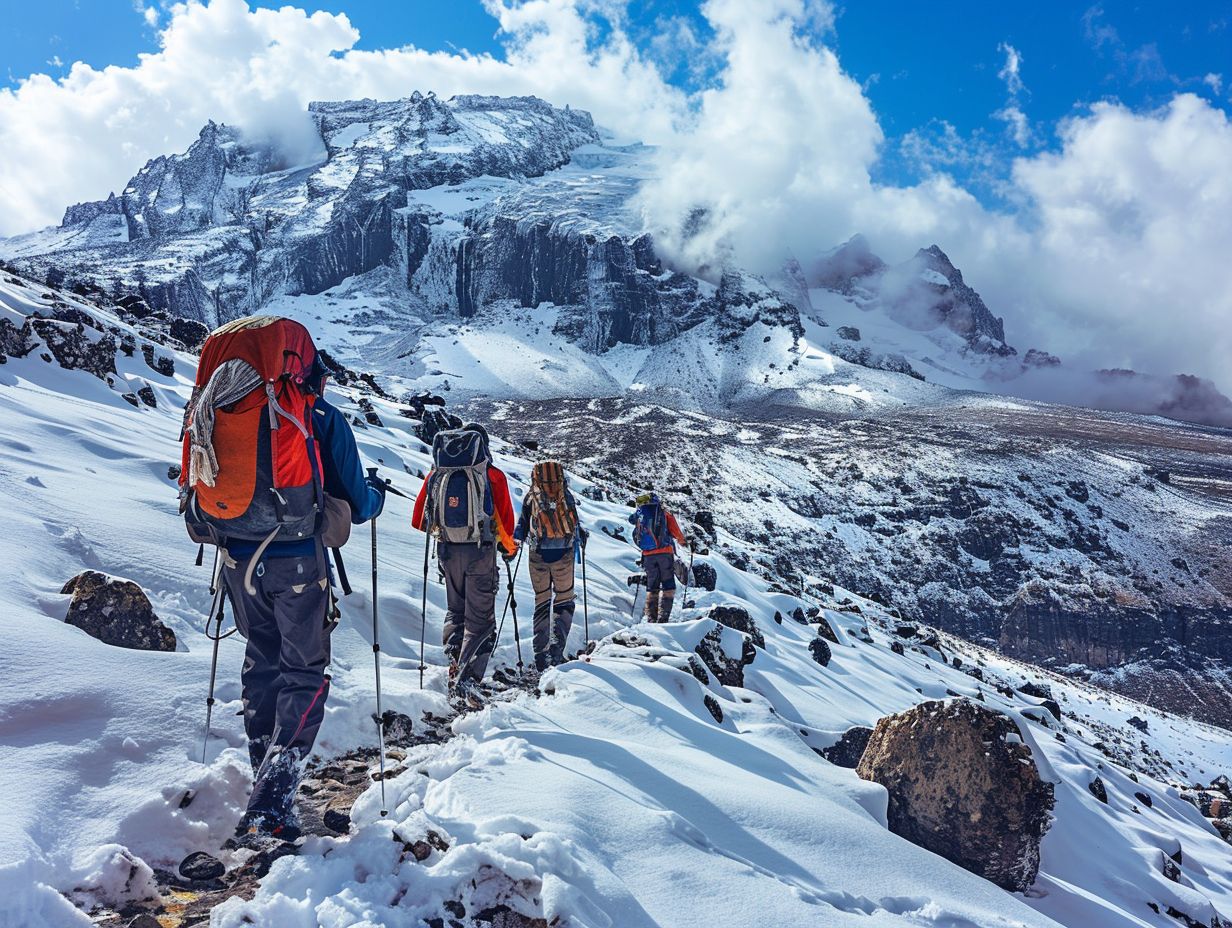
Beyond altitude, the trekking environment itself poses risks. Steep, uneven terrain can lead to falls, sprains, and cuts. Exposure to sun, wind, and cold can cause sunburn, chapped lips, and hypothermia. The change in diet and water sources can sometimes lead to digestive upset, including diarrhea and stomach cramps. Blisters are almost a certainty for any long-distance trekker. Therefore, your Kilimanjaro personal first-aid kit must be comprehensive enough to cover these common trekking issues, alongside any personal medical requirements you may have.
The Core Components of Your Kilimanjaro Personal First-Aid Kit
When constructing your Kilimanjaro personal first-aid kit checklist, it’s best to categorize the items. This ensures you don’t overlook any crucial areas. We’ll break it down into:
- Wound Care and Injury Management
- Pain Relief and Fever Management
- Digestive and Stomach Issues
- Altitude Sickness and Respiratory Support
- Allergies and Skin Reactions
- Personal Medications and Specific Needs
- Hygiene and Prevention
- Tools and Accessories
Let’s explore each category in detail, providing specific item recommendations that will serve you well on your 2026-2027 Kilimanjaro climb.
Wound Care and Injury Management
This is perhaps the most fundamental part of any first-aid kit. Minor cuts, abrasions, and blisters are common on the trail. Your kit should be equipped to handle them effectively.
- Assorted Adhesive Bandages (Plasters): Include a variety of sizes and shapes for different types of cuts and abrasions. Waterproof options are highly recommended.
- Sterile Gauze Pads: Various sizes (e.g., 2×2 inches, 4×4 inches) for covering larger wounds or applying pressure.
- Medical Tape: To secure gauze pads and dressings. Hypoallergenic tape is a good option.
- Antiseptic Wipes: Individually wrapped wipes (like Povidone-iodine or Benzalkonium chloride) for cleaning wounds and preventing infection.
- Antibiotic Ointment: Such as Neosporin or Bacitracin, to apply to cleaned wounds before bandaging to further prevent infection.
- Butterfly Closures or Steri-Strips: For closing small, clean cuts that might otherwise require stitches.
- Moleskin or Blister Treatment Pads: Essential for preventing and treating blisters. Bring enough for potential hotspots.
- Moleskin Adhesive Tape: To secure moleskin pads or create custom blister protection.
- Small Scissors: For cutting tape, gauze, or moleskin. Ensure they are sturdy and sharp.
- Tweezers: For removing splinters, thorns, or debris from wounds. Fine-tipped ones are best.
- Elastic Bandage (Ace Bandage): For supporting sprains and strains. A 3-inch width is versatile.
- Triangular Bandage: Can be used as a sling or for large wound dressing.
- Instant Cold Packs: Useful for reducing swelling and pain from sprains or bruises, though they can be bulky.
- Saline Solution or Wound Wash: A small bottle for flushing wounds thoroughly.
Remember to pack enough supplies for the entire duration of your trek. It’s always better to have a little extra than to run out. For your Kilimanjaro personal first-aid kit, prioritize items that are lightweight and easy to use in challenging conditions.
Pain Relief and Fever Management
Headaches, muscle aches, and fever can occur during the climb. Having effective pain relievers is crucial for comfort and continuing the trek.
- Acetaminophen (Paracetamol): Effective for pain relief and reducing fever.
- Ibuprofen or Naproxen (NSAIDs): Good for inflammation, muscle aches, and pain. Be aware that NSAIDs can sometimes cause stomach upset in some individuals, so consider your personal tolerance.
- Aspirin: Primarily for pain and fever, but also has blood-thinning properties. Use with caution and consult your doctor if you have any contraindications.
- Topical Pain Relief Cream/Gel: For localized muscle soreness or minor aches.
Important Note: Consult your doctor before your trip regarding the best pain relief options for your body, especially if you have pre-existing conditions. For your Kilimanjaro personal first-aid kit in 2026-2027, ensure you pack enough doses for the entire trek, considering potential headaches from altitude.
Digestive and Stomach Issues
Changes in diet, water, and altitude can disrupt your digestive system. Being prepared for common stomach ailments is essential for maintaining energy and comfort.
- Anti-diarrheal Medication: Loperamide (Imodium) is effective for stopping diarrhea.
- Laxatives: For constipation, which can also be an issue at altitude or due to dehydration. Gentle stimulant laxatives or stool softeners are good options.
- Antacids: For indigestion, heartburn, or an upset stomach.
- Anti-nausea Medication: Such as Dimenhydrinate (Dramamine) or Meclizine, can help with nausea, which is common with altitude sickness or stomach upset.
- Oral Rehydration Salts (ORS): Crucial for replenishing electrolytes lost through diarrhea, vomiting, or excessive sweating. Pack several sachets.
- Probiotics: Some trekkers find taking probiotics before and during the trip helps maintain gut health.
Maintaining hydration is key when dealing with digestive issues. Always use purified or treated water. Your Kilimanjaro personal first-aid kit should include these items to ensure you can manage discomfort and stay hydrated.
Altitude Sickness and Respiratory Support
Altitude sickness is the most significant medical risk on Kilimanjaro. While guides are trained to manage it, some personal items can help with mild symptoms or prevention.
- Acetazolamide (Diamox): This is a prescription medication commonly used for preventing and treating AMS. You MUST consult your doctor about whether this is appropriate for you and get a prescription. They will advise on dosage and potential side effects. Many climbers find it invaluable for their 2026-2027 expeditions.
- Cough Drops or Lozenges: Dry air at altitude can cause a persistent cough. Soothing lozenges can provide relief.
- Throat Spray: For sore throats caused by dry air or coughing.
- Nasal Saline Spray: To moisten nasal passages and help with congestion or dryness.
Disclaimer: Always consult with your physician before your Kilimanjaro climb regarding altitude sickness medication, including Diamox. They can assess your health and provide personalized advice. Top Guide Adventures strongly advocates for consulting medical professionals for any prescription medication needed for your climb.
Allergies and Skin Reactions
Allergies can manifest unexpectedly, and skin irritation from sun, insects, or friction is common.
- Antihistamines: Non-drowsy options like Loratadine (Claritin) or Cetirizine (Zyrtec) for daytime use, and a drowsy option like Diphenhydramine (Benadryl) for nighttime if needed. Essential for any allergic reactions.
- Hydrocortisone Cream (1%): For relieving itching from insect bites, rashes, or minor skin irritations.
- Sunscreen: High SPF (30-50+), broad-spectrum. The sun is intense at high altitudes.
- Lip Balm with SPF: To protect against sunburn and chapping.
- Insect Repellent: While insects are less common at higher altitudes, they can be present at the base and in lower sections. DEET-based repellents are effective.
Protecting your skin is vital. Sunburn can significantly impact your comfort and ability to acclimatize. Ensure your Kilimanjaro personal first-aid kit includes robust sun protection for your 2026-2027 trek.
Personal Medications and Specific Needs
This is where your kit becomes truly individual. Any pre-existing conditions or specific health needs must be addressed.
- Prescription Medications: Bring a sufficient supply of all prescription medications, plus a few extra days’ worth in case of travel delays. Keep them in their original packaging with clear labels.
- Medications for Chronic Conditions: If you have asthma, diabetes, heart conditions, or any other chronic illness, ensure you have ample supply and any necessary related equipment (e.g., inhalers, glucose monitor).
- Eye Drops: For dry or irritated eyes, especially in dusty conditions.
- Contact Lens Solution and Supplies: If you wear contacts, bring plenty of solution and a backup pair of glasses.
- Motion Sickness Medication: If you are prone to motion sickness during travel to/from Kilimanjaro.
It is imperative to discuss your travel plans and any health concerns with your doctor well in advance of your 2026-2027 Kilimanjaro expedition. They can help you prepare your personal medical supplies and advise on any specific risks related to your health and the mountain environment.
Hygiene and Prevention
Maintaining good hygiene is crucial for preventing illness, especially in a communal trekking environment.
- Hand Sanitizer: Alcohol-based hand sanitizer is essential for cleaning hands before eating, after using the ‘toilet’ facilities, and anytime soap and water aren’t readily available.
- Wet Wipes/Body Wipes: For freshening up during the trek, especially when showering facilities are not available.
- Tissues: Small packets are convenient.
- Small Bar of Soap or Liquid Soap: Biodegradable options are preferred.
- Toothbrush and Toothpaste: Travel-sized.
- Small Quick-Dry Towel: Lightweight and useful for hygiene.
Good hygiene practices significantly reduce the risk of infections and contribute to overall well-being on the mountain. Make these items a standard part of your Kilimanjaro personal first-aid kit.
Tools and Accessories
These items help you use your first-aid supplies effectively and manage minor issues.
- Small First-Aid Manual or Guide: A compact guide can be invaluable if you’re unsure how to treat a particular ailment.
- Emergency Whistle: For signaling in case of emergency.
- Safety Pins: Versatile for securing bandages or clothing.
- Small Waterproof Bag or Pouch: To keep your first-aid kit organized and protected from moisture. A brightly colored bag makes it easy to find.
- Duct Tape: Surprisingly useful for repairs, reinforcing gear, or even makeshift bandages.
- Small Notepad and Pen: To record symptoms, medications taken, or to leave notes.
These accessories enhance the functionality of your Kilimanjaro personal first-aid kit and are often overlooked but can prove incredibly useful.
Packing Your Kilimanjaro Personal First-Aid Kit: Tips for Efficiency
The key to a functional first-aid kit is organization and accessibility. You don’t want to be fumbling through your pack in a crisis. Here are some tips for packing your Kilimanjaro personal first-aid kit checklist items:
- Use a Dedicated Pouch: A waterproof, durable pouch or small backpack is ideal. Brightly colored pouches are easier to spot.
- Organize by Category: Group similar items together. You can use smaller ziplock bags within the main pouch to separate wound care, medications, etc. This makes finding what you need much faster.
- Repackage Items: Remove bulky packaging from medications and supplies. Place blister pads, gauze, and bandages in smaller, resealable plastic bags. Keep prescription medications in their original labeled bottles.
- Label Everything: Clearly label any repackaged items, especially medications, with the drug name and dosage.
- Accessibility is Key: Pack your first-aid kit in an easily accessible part of your daypack. You should be able to reach it quickly without having to unpack your entire backpack.
- Waterproof Everything: Moisture can ruin medications and supplies. Ensure your pouch is waterproof or place all contents inside waterproof bags.
- Check Expiry Dates: Before packing, check the expiry dates on all medications and supplies. Replace anything that is expired or close to expiring.
- Tailor to Your Needs: This checklist is a comprehensive guide, but you should tailor it to your personal medical history, known allergies, and specific comfort needs.
For your 2026-2027 climb, think about how you’ll use the kit. Will you need it during the day, or just at camp? This will influence where you store it.
What Your Expedition Company Provides (and Why Your Personal Kit is Still Essential)
At Top Guide Adventures, we prioritize the safety and well-being of every climber. Our experienced guides are certified in wilderness first aid and carry comprehensive medical kits on all Kilimanjaro expeditions. These kits typically include:
- Advanced wound care supplies
- Oxygen cylinders and masks
- Portable altitude sickness medication (e.g., Diamox, Dexamethasone)
- Emergency splints and bandages
- Pain and fever relievers
- Anti-diarrheal and anti-nausea medications
- Antiseptics and disinfectants
- Basic surgical instruments
However, even with this extensive provision, your personal first-aid kit remains indispensable. Here’s why:
- Immediate Access: Your personal kit is in your daypack, allowing for instant treatment of minor issues like blisters, cuts, or headaches without needing to stop the entire group or wait for a guide.
- Personal Preferences: You might have specific brands of pain relievers or blister treatments that work best for you.
- Prescription Medications: Your personal kit is the only place for your unique prescription medications.
- Hygiene Supplies: While guides ensure general hygiene practices, your personal hand sanitizer and wipes are for your immediate use.
- Minor Comforts: Items like lip balm, sunscreen, or cough drops address minor discomforts that, while not emergencies, significantly impact your trekking experience.
- Peace of Mind: Knowing you have your own readily available supplies for common ailments provides significant psychological comfort.
Therefore, while relying on your expedition team’s medical support is crucial, a well-prepared Kilimanjaro personal first-aid kit is a vital complement, ensuring you are self-sufficient for minor needs and prepared for personal requirements.
Specific Considerations for 2026-2027 Kilimanjaro Climbs
As you plan your Kilimanjaro adventure for 2026 or 2027, keep these specific considerations in mind:
- Travel Insurance: Ensure your travel insurance covers high-altitude trekking and medical evacuation. This is non-negotiable.
- Pre-Trip Medical Check-up: Schedule a thorough check-up with your doctor at least 6-8 weeks before your climb. Discuss your fitness, any pre-existing conditions, and get advice on altitude sickness medication, vaccinations, and your Kilimanjaro personal first-aid kit.
- Vaccinations: Ensure you are up-to-date with routine vaccinations and consult your doctor or a travel clinic about recommended vaccines for Tanzania, such as Yellow Fever and Typhoid.
- Hydration Systems: Consider how you will carry and access water. Hydration packs with insulated tubes are excellent to prevent freezing at higher altitudes. Ensure your first-aid kit items are compatible with your hydration strategy.
- Environmental Factors: Be prepared for extreme temperature fluctuations. Your first-aid kit should complement your gear for sun protection, cold protection, and wind protection.
Planning ahead for your 2026-2027 climb means anticipating these factors and ensuring your Kilimanjaro personal first-aid kit is robust and relevant.
When to Seek Professional Medical Help on Kilimanjaro
While your personal first-aid kit is for self-care and minor issues, it’s crucial to know when to escalate to your expedition guides and professional medical support. Your guides are trained to assess and manage:
- Symptoms of Serious Altitude Sickness: Severe headache unresponsive to pain relief, persistent vomiting, dizziness, confusion, loss of coordination (ataxia), shortness of breath at rest, chest tightness, or altered mental state are signs of HACE or HAPE and require immediate descent and medical attention.
- Injuries Requiring Professional Care: Suspected fractures, deep or gaping wounds, severe sprains, or any injury that significantly impairs mobility.
- Persistent or Severe Illness: High fever, severe dehydration, uncontrollable vomiting or diarrhea, or any condition that is not improving with basic treatment.
- Cardiac or Respiratory Distress: Any symptoms suggesting serious heart or lung problems.
Always communicate openly with your guides. They are your primary resource for safety on the mountain. If you experience any concerning symptoms, no matter how minor they seem, inform your guide immediately. They can assess the situation and decide on the best course of action, which may include administering medication from the main medical kit, providing oxygen, or initiating a descent. Your Kilimanjaro personal first-aid kit is for immediate, personal use, but the expedition team’s expertise is paramount for serious medical concerns.
Frequently Asked Questions About Kilimanjaro First-Aid Kits
Here are some common questions we receive about preparing a first-aid kit for Kilimanjaro:
Q1: Do I really need my own first-aid kit if the guides have one?
Yes. Your personal kit is for immediate, minor needs, personal medications, and comfort items. It ensures you can address blisters, headaches, or small cuts without delay. The guide’s kit is for more serious emergencies and is not for individual, ongoing personal use.
Q2: How much medication should I pack?
Pack enough for the duration of your trek, plus a few extra days’ supply to account for any unforeseen delays. For over-the-counter items like pain relievers or anti-diarrheals, consider how frequently you might need them.
Q3: Can I bring my own prescription medications?
Absolutely. It’s crucial to bring all necessary prescription medications. Keep them in their original packaging with your name clearly visible. Ensure you have enough for the entire trip plus a buffer.
Q4: What about altitude sickness medication like Diamox?
Diamox (Acetazolamide) is a prescription drug. You MUST consult your doctor to see if it’s suitable for you and to obtain a prescription. Your guides can administer it if needed, but personal consultation is essential.
Q5: How should I pack my first-aid kit for easy access?
Pack it in your daypack, in a dedicated, waterproof pouch, and keep it in an easily accessible pocket. You should be able to retrieve it without unpacking your main bag.
Q6: Are there any specific items for blister prevention and treatment?
Yes, moleskin, specialized blister bandages (like Compeed), and athletic tape are essential. Also, good quality, moisture-wicking socks are your first line of defense.
Q7: What if I have allergies?
Pack sufficient antihistamines (both drowsy and non-drowsy), an epinephrine auto-injector (EpiPen) if prescribed, and any other allergy-specific medications. Inform your guide about your allergies.
Conclusion: Your Safety, Our Priority
Preparing a thorough Kilimanjaro personal first-aid kit is an integral part of planning a safe and successful climb. By carefully selecting items from this comprehensive checklist and tailoring it to your individual needs, you significantly enhance your preparedness for the challenges of Mount Kilimanjaro. Remember, while our team at Top Guide Adventures provides extensive medical support and expertise, your personal kit is your immediate resource for comfort and minor ailments.
We are committed to ensuring your Kilimanjaro adventure is not only unforgettable but also as safe as possible. For any questions regarding your expedition, packing, or medical preparations for your 2026 or 2027 climb, please do not hesitate to reach out to us. Let us help you prepare for an incredible journey to the Roof of Africa.
Contact us today to start planning your Kilimanjaro adventure:
WhatsApp: +255616946642
Email: topguideadventures@gmail.com
Backup Email: info@topguideadventures.com
Visit our website for more information on our Kilimanjaro climbs and other Tanzanian adventures:
Check Availability for Kilimanjaro Personal First-Aid Kit Checklist For A Safe Climb 2026-2027
Ready to compare dates, prices, and the best option for your group? Send the package name and travel month so the team can reply with a clear quote, availability, and what is included.
Kilimanjaro Climb With A Wilderness First-Responder Guide Guide
Discover the critical advantage of climbing Mount Kilimanjaro with a Wilderness First-Responder Guide. This article details why this expertise is vital for your safety, covering medical...
View package details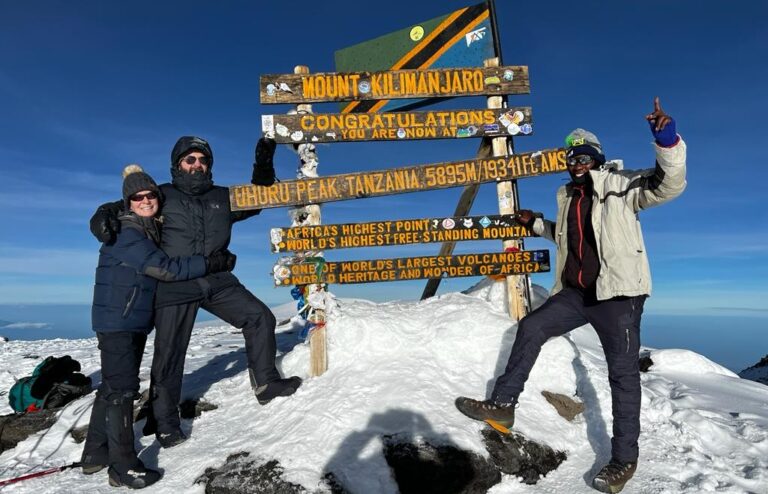
Kilimanjaro Marathon Travel Package: Your Complete Guide 2026-2027
Planning to run the Kilimanjaro Marathon? Top Guide Adventures offers comprehensive travel packages for the 2026-2027 races, covering everything from race entry and accommodation to pre...
View package details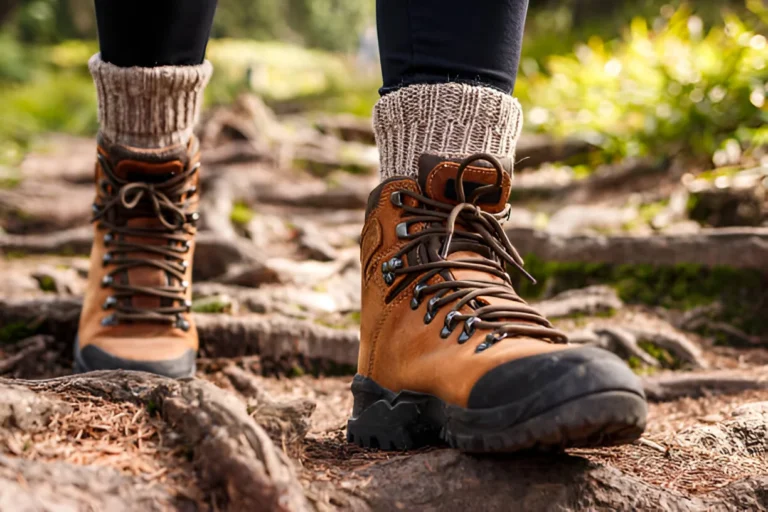
Kilimanjaro Trail-Running Holiday 2026-2027
Kilimanjaro Trail-Running Holiday is explained with current 2026-2027 planning, price, itinerary and booking information.
View package details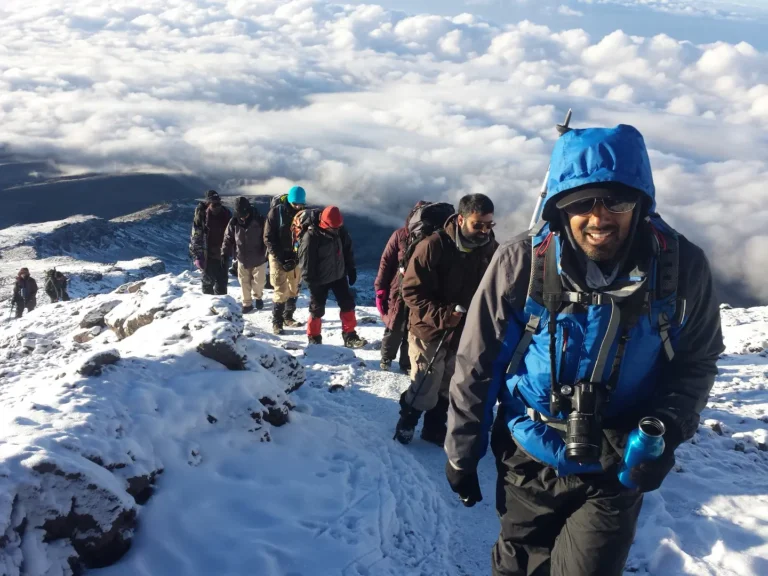
Kilimanjaro Gravel-Bike Adventure: Ultimate Tanzania Cycling Guide 2026-2027
Discover the thrill of a Kilimanjaro Gravel-Bike Adventure, blending challenging cycling with the stunning landscapes of Tanzania. This guide covers everything you need for an unforgettable...
View package details
Kilimanjaro Coffee-Farm Cycling Tour: Your Ultimate Adventure In 2026-2027
A detailed 2026-2027 guide to Kilimanjaro Coffee-Farm Cycling Tour, with clear planning and booking information for travelers.
View package details
Five-Day Cycle Around Mount Kilimanjaro 2026-2027
Five-Day Cycle around Mount Kilimanjaro is explained with current 2026-2027 planning, price, itinerary and booking information.
View package details
Three-Day Kilimanjaro Cycling Adventure: Routes, Costs & Planning 2026-2027
Experience the thrill of a Three-Day Kilimanjaro Cycling Adventure, a unique way to explore the lower slopes of Africa's highest peak. This guide covers routes, essential gear, fitness...
View package details
One-Day Kilimanjaro Foothills Bike Tour: An Unforgettable Adventure 2026-2027
Discover the beauty and culture surrounding Mount Kilimanjaro on an exhilarating one-day bike tour through its foothills. This adventure offers a unique perspective on Tanzania's iconic...
View package details
Kilimanjaro Mountain-Biking Tour From Moshi: Your Ultimate Adventure Guide
Discover the thrill of a Kilimanjaro Mountain-Biking Tour departing from Moshi. This comprehensive guide covers routes, preparation, costs, and what to expect for your 2026-2027 adventure.
View package details
Kilimanjaro Support Package For Mixed-Ability Groups: Expert Guidance Climbs
Top Guide Adventures offers specialized Kilimanjaro support packages designed for mixed-ability groups, ensuring a safe and successful climb for everyone in 2026 and 2027. This...
View package details
Kilimanjaro Family Trip: Climbing And Non-Climbing Options For 2026-2027
Organizing a Kilimanjaro family trip requires careful planning to accommodate varying interests and abilities, ensuring everyone has a memorable experience. This guide covers options for...
View package detailsKilimanjaro Scenic Experience Without Summiting: Best Views & Treks 2026-2027
Experience the majestic beauty of Mount Kilimanjaro without the demanding summit climb. This guide details the best scenic viewpoints, lower-altitude treks, and unique natural wonders...
View package detailsNo related package matches those filters. Clear one or more filters to see the other topic-matched options.



