
Arranging a Kilimanjaro climb with a Hebrew-speaking guide for your 2026-2027 adventure is achievable through specialized tour operators like Top Guide Adventures, who can connect you with guides fluent in Hebrew to enhance communication, cultural understanding, and overall comfort during your trek. This ensures a more personal and supportive experience on Africa’s highest peak.
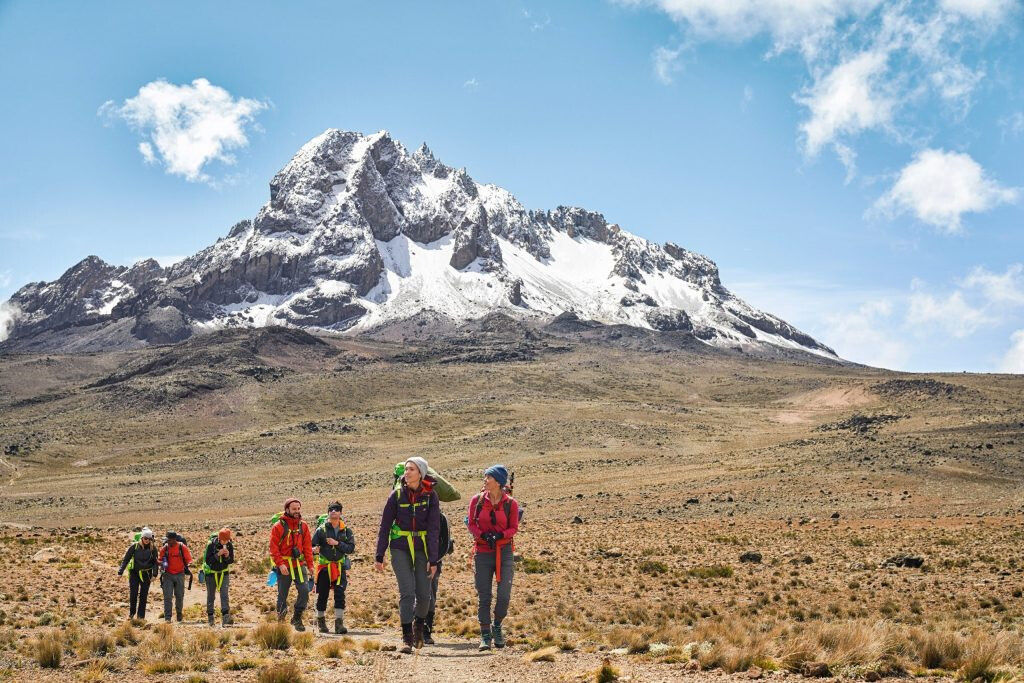
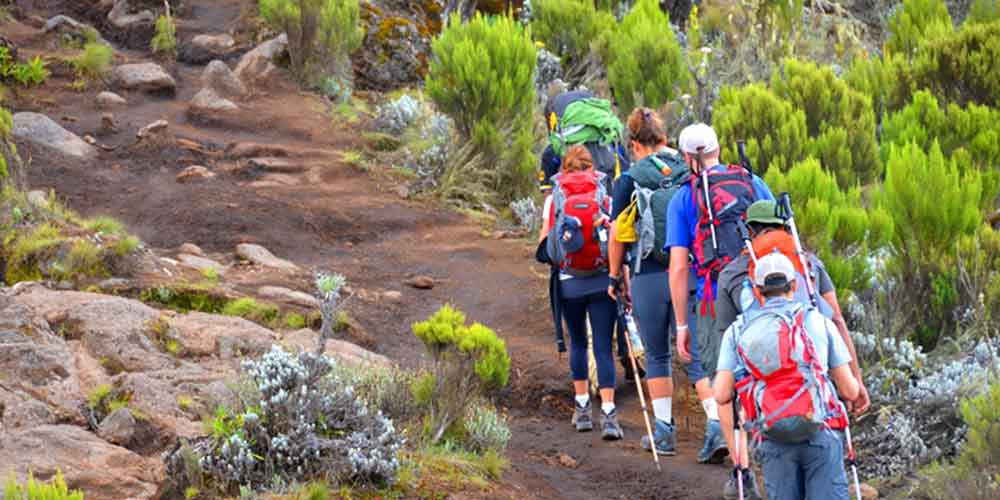
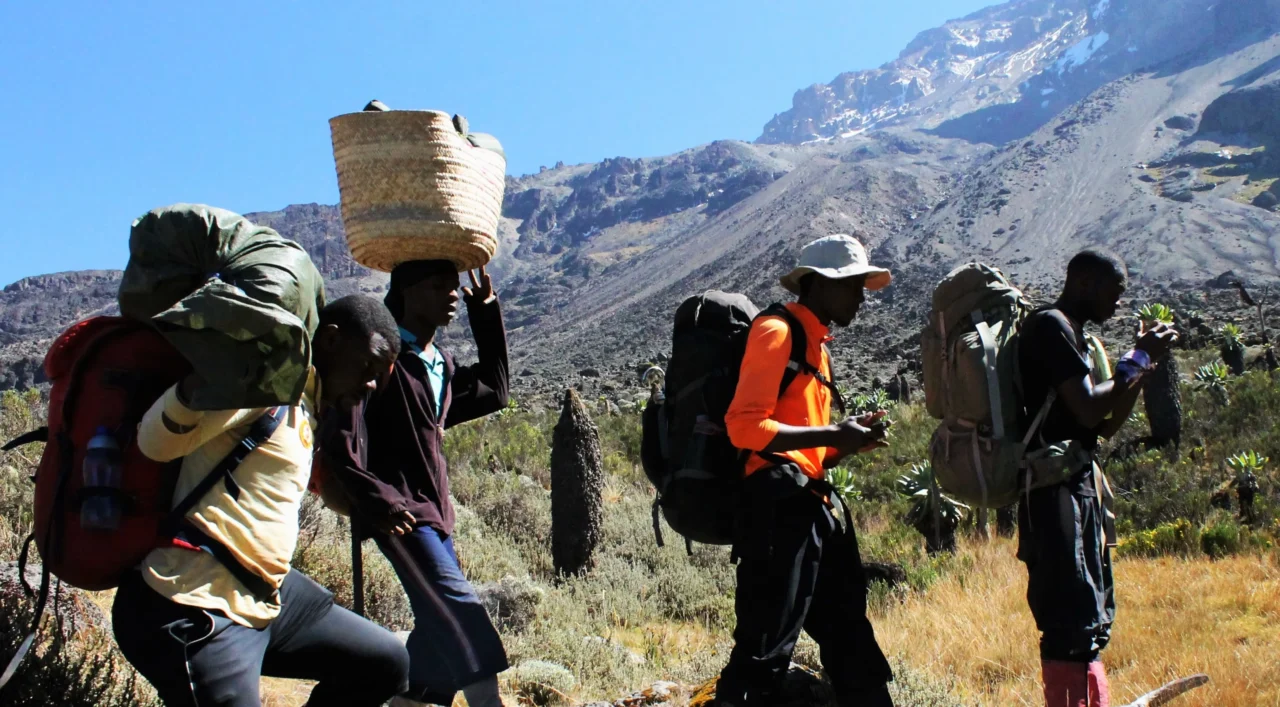
Your Kilimanjaro Dream with a Hebrew-Speaking Guide: A 2026-2027 Perspective
Climbing Mount Kilimanjaro is a bucket-list aspiration for many, a journey that transcends physical challenge and offers profound personal reward. For Hebrew-speaking travelers, the experience can be made even more meaningful and comfortable by having a guide who understands and speaks their language. At Top Guide Adventures, we recognize the unique needs of our diverse clientele and are committed to facilitating a Kilimanjaro climb with a Hebrew-speaking guide that feels personal, secure, and deeply connected.
This guide is designed to provide comprehensive information for Israeli hikers planning their ascent in 2026 or 2027. We will cover everything from selecting the right route and understanding the costs to essential preparation and what to expect on the mountain. Our aim is to equip you with the knowledge needed to make informed decisions for an unforgettable Kilimanjaro climb with a Hebrew-speaking guide.
Why Choose a Hebrew-Speaking Guide for Kilimanjaro?
The decision to climb Kilimanjaro is significant. While the mountain itself presents challenges, cultural and linguistic barriers can add an unnecessary layer of stress. A Hebrew-speaking guide offers several key advantages:
- Enhanced Communication: Clear communication is paramount for safety and comfort. A Hebrew-speaking guide can explain procedures, answer questions, and address concerns immediately and precisely, reducing misunderstandings.
- Cultural Connection: Sharing the journey with someone who understands your cultural background can foster a deeper connection and make the experience feel more like traveling with a trusted friend rather than just a guide.
- Comfort and Confidence: Knowing you can converse freely in your native language provides a significant psychological boost, increasing confidence and reducing anxiety, especially during challenging moments of the climb.
- Personalized Support: A guide who speaks Hebrew can offer more tailored advice and support, understanding specific cultural nuances or personal preferences that might influence your trek.
Finding Your Hebrew-Speaking Guide in 2026-2027
Securing a Hebrew-speaking guide requires planning, as these guides are not always readily available on demand. Top Guide Adventures specializes in arranging such personalized services. We work with a network of experienced guides, many of whom are fluent in multiple languages, including Hebrew. When you book your Kilimanjaro climb with a Hebrew-speaking guide through us, we ensure that your guide is not only professionally certified and highly experienced but also proficient in Hebrew.
The process typically involves:
- Early Inquiry: Contact us well in advance, ideally 6-12 months before your desired climbing dates for 2026 or 2027, to allow us ample time to find and confirm the availability of a suitable Hebrew-speaking guide.
- Detailed Consultation: We will discuss your specific needs, preferences, and any particular requirements you might have regarding language support during your Kilimanjaro climb.
- Guide Matching: Based on your input, we will assign a guide who best fits your profile, ensuring they meet all professional standards and linguistic requirements.
Kilimanjaro Routes: Choosing the Best Path for Your 2026-2027 Climb
Selecting the right route is crucial for success and enjoyment. Each route offers a different experience, varying in scenery, difficulty, acclimatization profile, and popularity. For a Kilimanjaro climb with a Hebrew-speaking guide, the choice of route can also impact the overall group dynamic and logistics.
Here’s a look at the most popular routes:
The Machame Route: The ‘Whiskey’ Route
Often favored for its scenic beauty and excellent acclimatization profile, the Machame Route is popular for good reason. It’s known for its ‘climb high, sleep low’ strategy, which significantly increases success rates.
- Duration: Typically 6 or 7 days. A 7-day itinerary is highly recommended for better acclimatization.
- Scenery: Offers diverse landscapes, from rainforest to alpine desert and arctic summit zone.
- Acclimatization: Good, especially on the 7-day option.
- Difficulty: Moderate to challenging.
- Crowds: Can be busy, especially during peak seasons.
- Pros: High success rate (especially 7-day), stunning views, good acclimatization.
- Cons: Can be crowded, requires camping.
This route is an excellent choice for those seeking a balance between challenge, scenery, and a good chance of reaching the summit, making it a strong contender for your Kilimanjaro climb with a Hebrew-speaking guide.
The Lemosho Route: The ‘Queen’ Route
Considered one of the most beautiful routes, Lemosho offers a more remote and pristine experience, especially in its initial stages. It also boasts a very good acclimatization profile.
- Duration: 7 or 8 days. An 8-day trek is strongly recommended for optimal acclimatization.
- Scenery: Exceptional, with dramatic views and varied ecosystems.
- Acclimatization: Excellent, one of the best.
- Difficulty: Moderate to challenging.
- Crowds: Less crowded than Machame, especially in the early days.
- Pros: Stunning scenery, excellent acclimatization, lower crowds initially, high success rates.
- Cons: Longer duration, requires camping, can be more expensive.
If you prioritize a more serene experience and superior acclimatization for your Kilimanjaro climb with a Hebrew-speaking guide, Lemosho is an outstanding option for 2026-2027.
The Marangu Route: The ‘Coca-Cola’ Route
This is the oldest and most established route. It’s known for its gentler slopes and the unique option of staying in dormitory-style huts instead of camping.
- Duration: 5 or 6 days. The 5-day option is very rushed and has a low success rate due to poor acclimatization. A 6-day trek is better.
- Scenery: Less scenic than other routes, with a more direct ascent.
- Acclimatization: Poor on the 5-day trek, adequate on the 6-day trek.
- Difficulty: Moderate, but the rapid ascent makes it challenging.
- Crowds: Can be very busy.
- Pros: Huts available (comfortable for some), less gear needed (no tent), relatively cheaper.
- Cons: Lower success rate (especially 5-day), less scenic, can be crowded.
While Marangu offers accommodation comfort, its acclimatization profile makes it less ideal for most climbers, especially when aiming for a successful Kilimanjaro climb with a Hebrew-speaking guide in 2026-2027.
The Rongai Route: The ‘Quiet’ Route
Rongai approaches Kilimanjaro from the north, offering a different perspective and generally drier conditions, making it a good choice during wetter seasons.
- Duration: 6 or 7 days.
- Scenery: Pleasant, with varied landscapes, though less dramatic than Machame or Lemosho.
- Acclimatization: Good, especially on the 7-day option.
- Difficulty: Moderate.
- Crowds: One of the least crowded routes.
- Pros: Less crowded, good acclimatization (7-day), drier conditions.
- Cons: Less scenic than western routes, requires camping, descent is via the Marangu route.
For a quieter experience and a reliable ascent, Rongai is a solid choice for your Kilimanjaro climb with a Hebrew-speaking guide.
The Northern Circuit: The ‘Grand’ Route
The longest route, offering the highest success rates due to its excellent acclimatization profile and leisurely pace. It circles the mountain, providing panoramic views.
- Duration: 9 days.
- Scenery: Spectacular and diverse, covering all aspects of the mountain.
- Acclimatization: Excellent, the best of all routes.
- Difficulty: Moderate, but the length requires good stamina.
- Crowds: Very low.
- Pros: Highest success rate, exceptional acclimatization, stunning views, least crowded.
- Cons: Longest duration, highest cost.
The Northern Circuit is the ultimate choice for those prioritizing success and acclimatization, making it an ideal, albeit longer, option for your Kilimanjaro climb with a Hebrew-speaking guide in 2026-2027.
The Umbwe Route: The ‘Challenging’ Route
This is the shortest and steepest route, offering a direct, challenging ascent. It is generally not recommended for most climbers due to its rapid ascent and poor acclimatization.
- Duration: 5 or 6 days.
- Scenery: Dramatic and wild.
- Acclimatization: Poor.
- Difficulty: Very challenging.
- Crowds: Low.
- Pros: Quickest ascent, less crowded.
- Cons: Very low success rate, poor acclimatization, very steep.
Given the inherent difficulties, Umbwe is rarely recommended for a first-time Kilimanjaro climber, especially when seeking a comfortable and successful Kilimanjaro climb with a Hebrew-speaking guide.
Cost of a Kilimanjaro Climb with a Hebrew-Speaking Guide in 2026-2027
The cost of climbing Kilimanjaro varies significantly based on the route chosen, the duration of the trek, the quality of the operator, and importantly, the inclusion of specialized services like a Hebrew-speaking guide. When planning for 2026 or 2027, it’s essential to understand what influences the price.
A Kilimanjaro climb with a Hebrew-speaking guide will generally be at the higher end of the price spectrum. This is because:
- Specialized Guide Fee: Finding and securing a qualified Hebrew-speaking guide often incurs additional costs due to their specialized skills and limited availability.
- Operator Quality: Reputable operators who can arrange such specialized services typically offer higher quality equipment, better-trained guides and crew, superior food, and more comprehensive support, all contributing to a higher price point.
- Inclusions: The total cost will depend on what is included. Standard inclusions typically cover park fees, crew wages, food, accommodation (camping or huts), rescue fees, and transfer to/from the mountain. Premium packages might include extra oxygen, portable toilets, and higher quality gear.
General Price Ranges (Estimates for 2026-2027):
For a standard 7-day Kilimanjaro climb (e.g., Machame or Lemosho) with a reputable company, you can expect costs to range from $2,000 to $4,000 USD per person. This estimate usually covers all the essentials but does not typically include the specialized fee for a Hebrew-speaking guide.
Adding a dedicated Hebrew-speaking guide could add anywhere from $300 to $1,000 USD or more to the total package, depending on the length of the climb and the specific arrangement. This makes the total cost for a Kilimanjaro climb with a Hebrew-speaking guide potentially range from $2,300 to $5,000+ USD per person.
Factors influencing the final quote for your 2026-2027 climb:
- Route Length: Longer routes require more days of guide services.
- Group Size: Private climbs are more expensive than joining a group.
- Accommodation Style: Camping vs. Huts (Marangu).
- Level of Service: Standard vs. luxury services, porter support ratio.
- Time of Year: Peak seasons (June-October, December-March) may have slightly higher prices.
For a precise quote tailored to your needs for a Kilimanjaro climb with a Hebrew-speaking guide in 2026 or 2027, it is best to contact Top Guide Adventures directly. We pride ourselves on transparency and will provide a detailed breakdown of all costs involved.
Get Your Personalized Quote for 2026-2027
Contact Top Guide Adventures for a detailed, no-obligation quote for your Kilimanjaro climb with a Hebrew-speaking guide. We offer tailor-made packages to suit your budget and preferences.
WhatsApp: +255616946642
Email: topguideadventures@gmail.com
Backup Email: info@topguideadventures.com
Preparing for Your Kilimanjaro Climb: A Comprehensive Checklist for 2026-2027
A successful Kilimanjaro climb is as much about preparation as it is about the trek itself. Proper physical conditioning, appropriate gear, and mental readiness are key. For those planning a Kilimanjaro climb with a Hebrew-speaking guide in 2026-2027, starting your preparation early is essential.
1. Physical Training
Kilimanjaro is a high-altitude trek, not a technical climb, but it demands significant physical endurance. Focus on:
- Cardiovascular Fitness: Engage in regular aerobic activities like hiking, running, cycling, or swimming. Aim for at least 3-4 sessions per week.
- Strength Training: Focus on leg strength (squats, lunges) and core stability.
- Hiking Practice: The most crucial training is hiking with a weighted backpack, ideally on varied terrain and including significant elevation gain. Try to do at least one long hike (4-6 hours) per week in the months leading up to your climb.
- Altitude Simulation: If possible, spend time at higher altitudes before your trip.
2. Gear and Equipment
Having the right gear is critical for comfort and safety. Layering is key to managing temperature changes.
Essential Kilimanjaro Gear List:
- Boots: Waterproof, broken-in hiking boots with good ankle support.
- Socks: Several pairs of wool or synthetic hiking socks.
- Base Layers: Moisture-wicking thermal tops and bottoms (merino wool or synthetic).
- Mid Layers: Fleece jacket or vest for insulation.
- Outer Layer (Insulation): A warm down or synthetic insulated jacket.
- Outer Layer (Shell): Waterproof and windproof jacket and trousers (Gore-Tex or similar).
- Headwear: Warm woolen hat, sun hat with a brim, balaclava or neck gaiter.
- Gloves: Waterproof outer gloves and warm liner gloves.
- Trekking Poles: Highly recommended to reduce strain on knees.
- Backpack: A comfortable daypack (30-40 liters) for essentials during the day.
- Duffel Bag: A large, waterproof duffel bag (80-100 liters) for porters to carry.
- Sleeping Bag: A 4-season sleeping bag rated to at least -10°C (0°F).
- Headlamp: With extra batteries.
- Water Bottles/Bladder: At least 3 liters capacity. Insulated covers are useful.
- Sun Protection: High SPF sunscreen, sunglasses, lip balm.
- Personal Items: Toiletries, personal first-aid kit, insect repellent, hand sanitizer.
- Snacks: Energy bars, nuts, dried fruit (though meals are provided).
- Documents: Passport, visa, vaccination certificates, travel insurance details.
3. Health and Vaccinations
Consult your doctor or a travel clinic 4-6 weeks before your trip regarding recommended vaccinations and malaria prophylaxis. While no specific vaccinations are mandatory for Tanzania, Hepatitis A, Typhoid, and Tetanus are often advised. Discuss altitude sickness medication (like Diamox) with your doctor.
4. Travel Insurance
Comprehensive travel insurance is mandatory. Ensure it covers:
- High-altitude trekking up to 5,895 meters (19,341 feet).
- Emergency medical evacuation and repatriation.
- Trip cancellation and interruption.
5. Visa and Passport
Ensure your passport is valid for at least six months beyond your intended stay and has sufficient blank pages. Most nationalities require a visa for Tanzania, which can often be obtained online in advance or upon arrival at Kilimanjaro International Airport (JRO).
Your Day-by-Day Kilimanjaro Experience with a Hebrew-Speaking Guide (Example: 7-Day Machame Route)
To give you a clearer picture of what to expect on your Kilimanjaro climb with a Hebrew-speaking guide, here’s a sample itinerary for the popular 7-day Machame Route. This structure allows for good acclimatization and a higher chance of summit success.
Day 1: Machame Gate (1,800m) to Machame Camp (3,050m)
Trek: Approx. 5-7 hours, 11 km (6.8 miles)
After breakfast and a briefing in Moshi, you’ll be transferred to Machame Gate. Your guide, speaking Hebrew and English, will handle park formalities. The trek begins through a vibrant rainforest, with opportunities to spot colobus monkeys. The path is relatively steep but well-maintained. You’ll arrive at Machame Camp in the afternoon.
Day 2: Machame Camp (3,050m) to Shira Camp (3,850m)
Trek: Approx. 4-6 hours, 5 km (3.1 miles)
Today’s trek moves out of the forest and onto a more exposed moorland zone. The path involves significant ascents and descents across valleys and ridges. Shira Camp offers stunning views of the Shira Plateau and Mount Kilimanjaro itself. Your Hebrew-speaking guide will ensure you stay hydrated and comfortable.
Day 3: Shira Camp (3,850m) to Barranco Camp (3,950m)
Trek: Approx. 3-5 hours, 10 km (6.2 miles)
This day is crucial for acclimatization. You’ll trek eastwards towards Kilimanjaro’s ice cap, crossing the Lava Tower (4,600m) before descending to Barranco Camp. This ‘climb high, sleep low’ principle is vital. The views are expansive, and your guide will continuously monitor your condition.
Day 4: Barranco Camp (3,950m) to Karanga Camp (4,000m)
Trek: Approx. 3-4 hours, 5 km (3.1 miles)
The day starts with the famous Barranco Wall, a challenging but rewarding scramble. Your guide will assist you through this section. After reaching the top, the terrain becomes less steep as you traverse towards Karanga Camp, situated in a valley below the imposing ice cliffs.
Day 5: Karanga Camp (4,000m) to Barafu Camp (4,650m)
Trek: Approx. 3-4 hours, 4 km (2.5 miles)
Today involves a steady ascent through an alpine desert environment. The landscape becomes increasingly barren. You’ll reach Barafu Camp, the base camp for the summit push, by early afternoon. You’ll rest, hydrate, and prepare for the night’s summit attempt. Your guide will conduct a thorough briefing.
Day 6: Barafu Camp (4,650m) to Summit (Uhuru Peak, 5,895m) and Descend to Mweka Camp (3,100m)
Trek: Approx. 7-8 hours to summit, 5-7 hours descent, 15 km (9.3 miles)
The summit night begins around midnight. You’ll trek slowly and steadily upwards in the dark, guided by your Hebrew-speaking guide and the support crew. Reaching Stella Point (5,756m) at dawn is a significant achievement, followed by the final push to Uhuru Peak, the Roof of Africa. After celebrating and taking photos, you’ll descend back to Barafu Camp for a short rest, then continue down to Mweka Camp. This is a long and demanding day.
Day 7: Mweka Camp (3,100m) to Mweka Gate (1,500m)
Trek: Approx. 3-5 hours, 10 km (6.2 miles)
Your final trek takes you through the lower forest zone back to Mweka Gate. You’ll be met by our vehicle for the transfer back to your hotel in Moshi, where you can celebrate your incredible achievement. Your Hebrew-speaking guide will be with you throughout the descent and return.
What to Expect on the Mountain: Support and Safety
Climbing Kilimanjaro is a serious undertaking, and safety is paramount. Top Guide Adventures prioritizes your well-being throughout the expedition. When you book a Kilimanjaro climb with a Hebrew-speaking guide, you benefit from:
- Experienced Guides: Our guides are certified, highly experienced in high-altitude trekking, and trained in wilderness first aid. Your Hebrew-speaking guide will be supported by a team of local guides.
- Support Crew: A dedicated team of porters will carry your main luggage, tents, food, and cooking equipment, allowing you to focus on walking with just your daypack.
- Acclimatization Strategy: We strictly adhere to proven acclimatization protocols, including ‘pole pole’ (slowly, slowly) pacing and ‘climb high, sleep low’ principles.
- Health Monitoring: Your guide will closely monitor your health for signs of altitude sickness, checking your oxygen saturation and pulse rate regularly.
- Emergency Procedures: We have robust emergency protocols in place, including access to emergency oxygen and evacuation plans.
- Communication: Guides carry radios or satellite phones for emergency communication.
Having a Hebrew-speaking guide ensures that any health concerns or comfort issues are communicated and addressed immediately, adding an extra layer of reassurance.
Dietary Needs and Food on Kilimanjaro
Our kitchens on Kilimanjaro are run by experienced chefs who prepare nutritious and delicious meals to fuel your climb. We cater to a wide range of dietary requirements, including vegetarian, vegan, gluten-free, and kosher-style meals. If you have specific dietary needs or preferences for your Kilimanjaro climb with a Hebrew-speaking guide, please inform us well in advance.
Meals typically include:
- Breakfast: Oatmeal, porridge, eggs, toast, pancakes, sausages, fruit, tea, coffee.
- Lunch: Packed lunches on the trail (sandwiches, fruit, boiled eggs, snacks) or hot lunches at campsites.
- Dinner: A three-course meal, often including soup, a main course (chicken, beef, fish, pasta, rice dishes), and dessert.
- Snacks: Biscuits, popcorn, nuts, chocolate.
- Hot Drinks: Tea, coffee, hot chocolate.
We understand that maintaining a balanced diet is important for energy levels and recovery. Your Hebrew-speaking guide can help ensure your dietary needs are met throughout the trek.
Environmental Responsibility and Responsible Trekking
Top Guide Adventures is committed to sustainable tourism and protecting the pristine environment of Kilimanjaro National Park. We adhere to Leave No Trace principles:
- Waste Management: All trash is packed out from the mountain.
- Campfire Policy: Campfires are prohibited. All cooking is done on portable stoves.
- Respect Wildlife: Do not feed or disturb animals.
- Stay on Trails: Minimize your impact by staying on designated paths.
- Porter Welfare: We ensure our porters are treated ethically, with fair wages, adequate food, and appropriate gear.
By choosing us for your Kilimanjaro climb with a Hebrew-speaking guide, you are supporting responsible tourism practices.
Planning Your 2026-2027 Kilimanjaro Adventure: Best Times to Climb
While Kilimanjaro can be climbed year-round, certain periods offer more favorable weather conditions, increasing your chances of a successful and enjoyable trek. For your Kilimanjaro climb with a Hebrew-speaking guide in 2026 or 2027, consider these seasons:
- Dry Seasons (Peak):
- January to March: Generally clear skies, good visibility, but can be cold.
- June to October: The longest dry season, offering stable weather, cooler temperatures, and clear views. This is the most popular period.
- Wet Seasons:
- April to May: Long rains, often heavy, making trails muddy and visibility poor.
- November to December: Short rains, intermittent showers, can still offer good climbing days but with higher chances of precipitation.
Peak seasons, especially June through October 2026 and 2027, tend to book up faster. Booking early is advisable if you have specific dates in mind.
Frequently Asked Questions about Kilimanjaro Climbs with Hebrew-Speaking Guides
What is the typical success rate for Kilimanjaro climbs?
Success rates vary by route and duration. Generally, longer routes with better acclimatization (like the 7-day Machame or 8-day Lemosho) have success rates of 80-90%. Shorter routes or those with poor acclimatization (like the 5-day Marangu) have much lower rates, sometimes below 50%.
Is it possible to have a private climb with a Hebrew-speaking guide?
Yes, it is possible to arrange a private Kilimanjaro climb with a Hebrew-speaking guide. This offers greater flexibility and a more personalized experience, though it comes at a higher cost than joining a group.
What is the age limit for climbing Kilimanjaro?
There is no official age limit set by the park authorities. However, children under 10 are generally not recommended due to the physical demands. For older climbers, fitness and health are the main considerations. We assess each climber individually.
Do I need special permits to climb Kilimanjaro?
Yes, all climbers must pay park fees, which are included in the package price from reputable operators like Top Guide Adventures. These fees cover entry, camping/hut accommodation, and rescue services.
What should I do if I experience altitude sickness?
Altitude sickness is a serious concern. If symptoms arise, inform your guide immediately. They will assess your condition and may recommend descending, using oxygen, or taking medication. Never ascend further if you are experiencing moderate to severe symptoms.
Can I use my phone or camera on the mountain?
Yes, you can use your phone and camera. However, battery life can be significantly reduced in the cold, and charging opportunities are limited. Consider bringing a portable power bank. Mobile signal is available in some areas but is not reliable.
Making Your Kilimanjaro Climb with a Hebrew-Speaking Guide a Reality in 2026-2027
Choosing Top Guide Adventures for your Kilimanjaro climb with a Hebrew-speaking guide means entrusting your adventure to a team dedicated to providing an exceptional, safe, and memorable experience. We understand the importance of cultural connection and clear communication, especially when undertaking a significant challenge like climbing Africa’s highest peak.
Whether you are planning for 2026 or 2027, we are here to guide you every step of the way. From selecting the perfect route that matches your fitness and aspirations to ensuring you have the right support, including a Hebrew-speaking guide, we are committed to making your dream a reality.
Don’t let language be a barrier to this incredible journey. Experience Kilimanjaro with the comfort and confidence that comes from speaking with your guide in Hebrew. Let us help you prepare for an unforgettable ascent.
Contact us today to start planning your personalized Kilimanjaro climb with a Hebrew-speaking guide:
WhatsApp: +255616946642
Email: topguideadventures@gmail.com
Backup Email: info@topguideadventures.com
We look forward to helping you reach the Roof of Africa!
Check Availability for Kilimanjaro Climb With A Hebrew-Speaking Guide: Your Adventure 2026-2027
Ready to compare dates, prices, and the best option for your group? Send the package name and travel month so the team can reply with a clear quote, availability, and what is included.
Kilimanjaro Climb With A Swahili-Speaking Guide: Your Essential Top Adventures
Ascend Mount Kilimanjaro with Top Guide Adventures, led by experienced Swahili-speaking guides. This comprehensive guide covers everything you need to know for a successful climb in...
View package details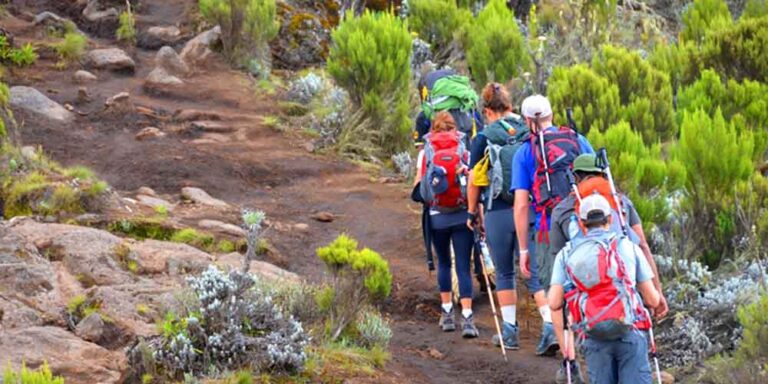
Kilimanjaro Climb With A Hindi-Speaking Guide 2026-2027
Kilimanjaro Climb with a Hindi-Speaking Guide is explained with current 2026-2027 planning, price, itinerary and booking information.
View package details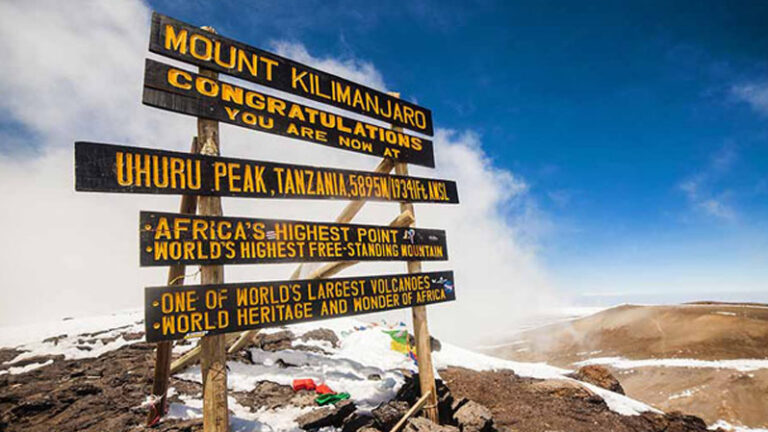
Kilimanjaro Climb With A Korean-Speaking Guide 2026-2027
Kilimanjaro Climb with a Korean-Speaking Guide is explained with current 2026-2027 planning, price, itinerary and booking information.
View package details
Kilimanjaro Climb With A Japanese-Speaking Guide: Your Ultimate Adventure
start your dream Kilimanjaro climb with a trusted Japanese-speaking guide from Top Guide Adventures. We provide comprehensive support, ensuring a safe and unforgettable experience on...
View package details
Kilimanjaro Climb With An Arabic-Speaking Guide In | Top Adventures 2026-2027
Ascend Mount Kilimanjaro with a dedicated Arabic-speaking guide. Top Guide Adventures provides comprehensive support, safety, and personalized experiences for your 2026-2027 climb.
View package details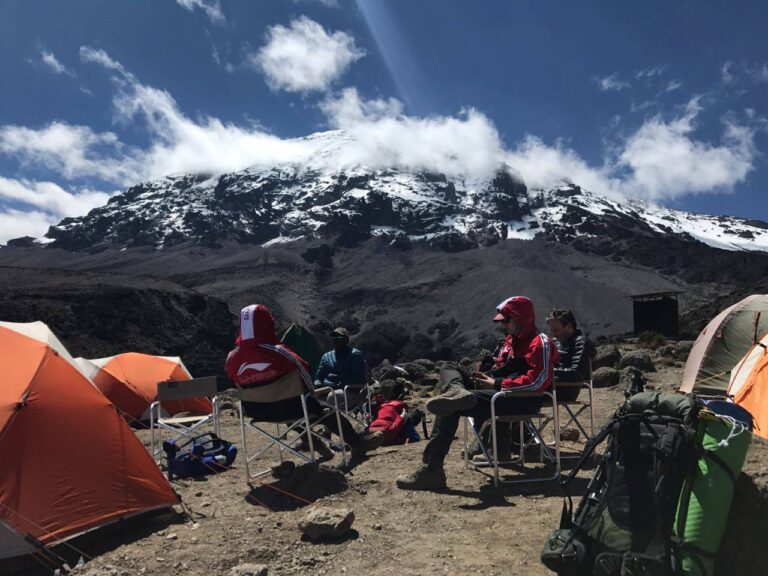
Kilimanjaro Climb With A Russian-Speaking Guide: Your Ultimate Adventure
start your Kilimanjaro adventure with a dedicated Russian-speaking guide. This comprehensive guide covers everything you need to know for a successful climb in 2026-2027, from choosing the...
View package details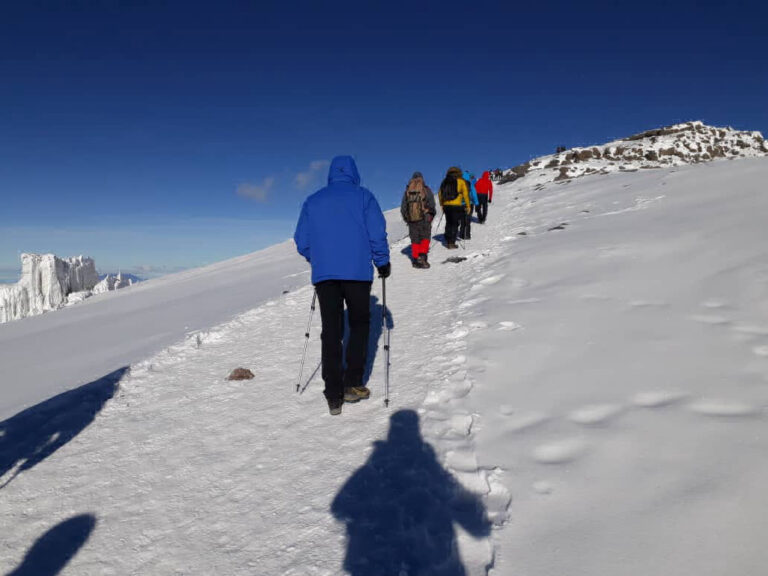
Kilimanjaro Climb With A Polish-Speaking Guide: Your Comprehensive Planning
Discover how to arrange a Kilimanjaro climb with a dedicated Polish-speaking guide. This extensive guide covers route options, preparation, costs, and booking considerations for your...
View package details
Kilimanjaro Climb With A Portuguese-Speaking Guide: Your Expert For 2026-2027
Discover everything you need to know for a Kilimanjaro climb with a Portuguese-speaking guide. Top Guide Adventures provides comprehensive planning details for your 2026-2027 ascent...
View package details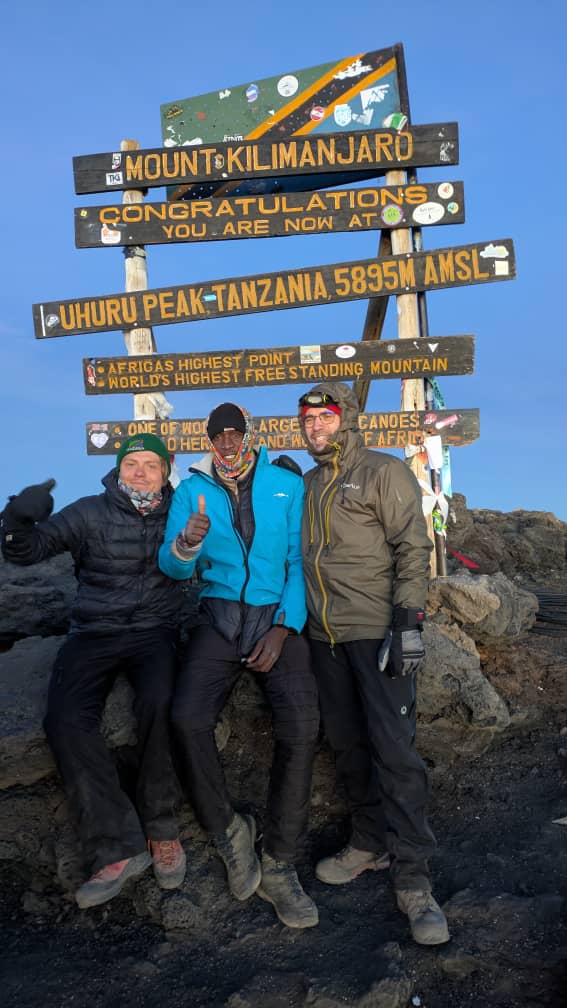
Kilimanjaro Climb With A Dutch-Speaking Guide In | Top Adventures 2026-2027
Discover the unparalleled experience of climbing Mount Kilimanjaro with a dedicated Dutch-speaking guide. Top Guide Adventures ensures your safety, comfort, and success on this iconic...
View package details
Kilimanjaro Climb With An Italian-Speaking Guide: Your Ultimate Adventure
start your dream Kilimanjaro climb with a dedicated Italian-speaking guide. Top Guide Adventures provides comprehensive support, ensuring a safe and unforgettable experience on Africa's...
View package detailsKilimanjaro Climb With A Spanish-Speaking Guide 2026-2027
Kilimanjaro Climb with a Spanish-Speaking Guide is explained with current 2026-2027 planning, price, itinerary and booking information.
View package detailsKilimanjaro Climb With A French-Speaking Guide: Your Complete Planning
Discover the unparalleled experience of climbing Mount Kilimanjaro with a dedicated French-speaking guide. This comprehensive guide covers everything you need to know for your 2026-2027...
View package detailsNo related package matches those filters. Clear one or more filters to see the other topic-matched options.



