
Yes, it is absolutely possible to add an extra day to your Kilimanjaro climb, and in many cases, it is highly recommended for better acclimatization, a more relaxed pace, and an increased success rate. Adding a day typically involves extending the trek by one day on a chosen route, allowing for a slower ascent and an additional night at higher altitudes to help your body adjust. This is a common and practical adjustment for trekkers aiming for a more comfortable and successful summit bid, especially when planning for expeditions in 2026 or 2027.
The Value of an Extra Day on Kilimanjaro: Enhancing Acclimatization and Experience
Climbing Mount Kilimanjaro is an extraordinary feat, a journey to the Roof of Africa that challenges both body and spirit. While many standard itineraries are designed to get you to the summit and back, the question of whether you can add an extra day during a Kilimanjaro climb is a practical one that many prospective trekkers consider. The answer is a resounding yes, and for good reason. Extending your trek by just one day can significantly improve your acclimatization, reduce the risk of altitude sickness, enhance your overall enjoyment of the mountain environment, and ultimately, boost your chances of reaching Uhuru Peak.
For those planning their Kilimanjaro adventure in 2026 or 2027, understanding the benefits of a more gradual ascent is crucial. The key to a successful Kilimanjaro climb lies not just in physical fitness, but in effective acclimatization to the rapidly changing altitudes. Adding an extra day provides this vital buffer, allowing your body more time to adapt to the decreasing oxygen levels as you gain elevation.
Understanding Acclimatization: The Core Reason for Extra Days
Altitude sickness, or Acute Mountain Sickness (AMS), is the primary concern for anyone climbing Kilimanjaro. It occurs when your body cannot adjust quickly enough to the lower oxygen levels at higher elevations. Symptoms can range from mild headaches and nausea to severe, life-threatening conditions like HAPE (High Altitude Pulmonary Edema) and HACE (High Altitude Cerebral Edema). The general rule of thumb for acclimatization is to ascend slowly and sleep at lower altitudes whenever possible. This is often summarized as “climb high, sleep low,” though on Kilimanjaro, the routes often don’t allow for significant descent after ascending for sleeping.
Adding an extra day to your itinerary directly supports this principle. Instead of a consecutive series of high-altitude days, you introduce a more moderate daily ascent, giving your body precious time to produce more red blood cells and adapt to the thinner air. This is particularly important as you move through the different ecological zones of Kilimanjaro, from the rainforest to the alpine desert and the arctic summit zone.
How an Extra Day Improves Your Body’s Response to Altitude
Your body undergoes significant physiological changes when exposed to high altitude. Initially, your breathing rate increases, and you might feel symptoms of AMS. With time and gradual ascent, your body starts to compensate:
- Increased Red Blood Cell Production: Your kidneys signal the bone marrow to produce more red blood cells, which carry oxygen. This process takes time, and an extra day provides this crucial period.
- Improved Oxygen Utilization: Your body becomes more efficient at extracting and using the available oxygen.
- Fluid Balance: Proper hydration is key at altitude. An extra day allows for better fluid intake and management, helping to prevent dehydration, which can exacerbate AMS symptoms.
- Reduced Stress on the Body: A slower pace means less physical exertion each day, conserving energy and reducing overall stress on your system, making it more resilient to altitude effects.
For trekkers planning their expedition for 2026 or 2027, investing in an extra day is an investment in their well-being and success. It transforms the climb from a potentially grueling race against altitude into a more manageable and enjoyable experience.
Kilimanjaro Routes and the Feasibility of Adding a Day
Not all Kilimanjaro routes are created equal when it comes to incorporating an extra day. Some routes are inherently longer and already incorporate more acclimatization days, making them more suitable for additions. Others are shorter and steeper, and while adding a day is still possible, it might require a more significant itinerary alteration.
Machame Route: A Popular Choice for Extended Climbs
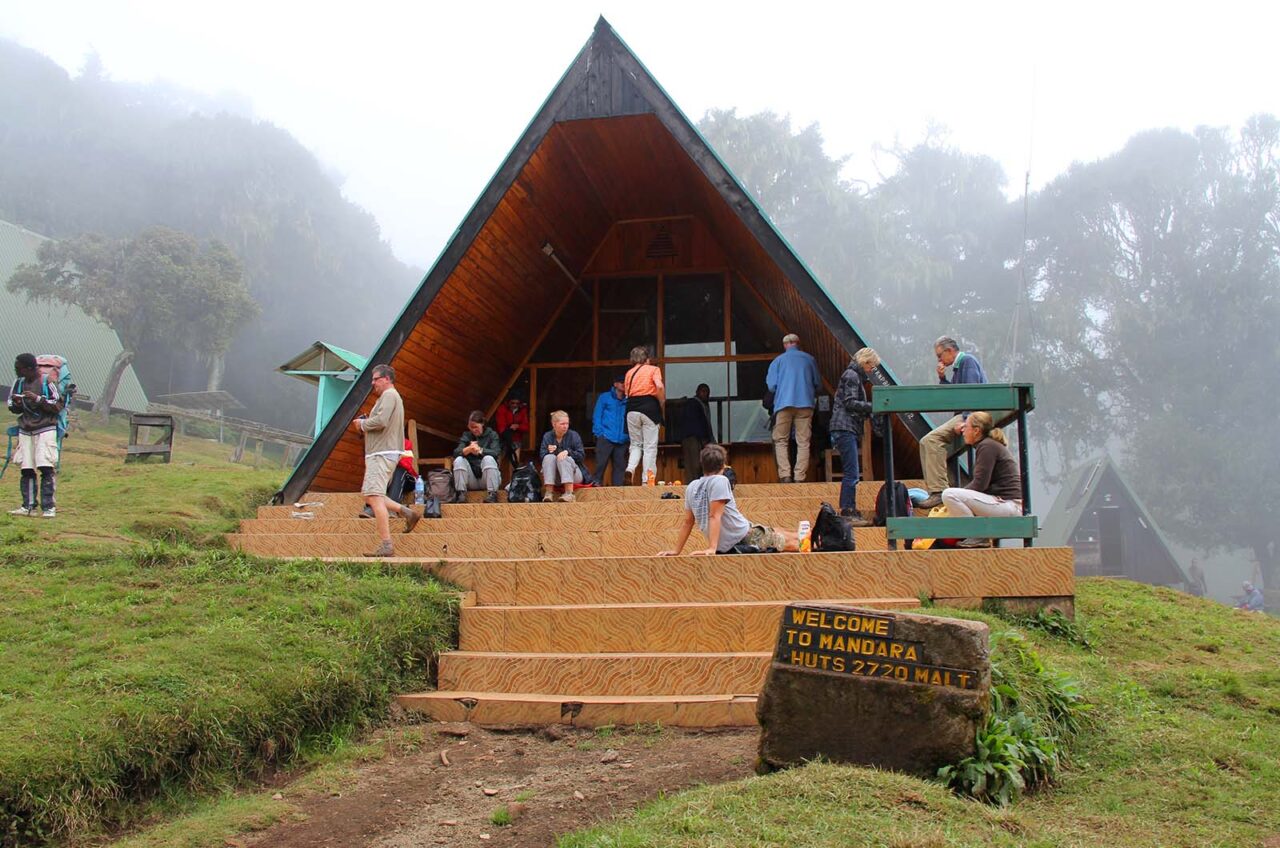
The Machame Route is one of the most popular routes on Kilimanjaro, known for its scenic beauty and good acclimatization profile. Standard Machame itineraries range from 6 to 7 days. Adding an extra day here typically means extending the 6-day itinerary to 7 days, or the 7-day itinerary to 8 days. For instance, a 7-day Machame climb is often considered the optimal balance for many climbers, and extending it to 8 days provides even greater acclimatization benefits. This typically involves an additional camping night on a segment of the route that allows for a slower progression, such as between Barranco Camp and Karanga Camp, or between Karanga Camp and Barafu Camp. This allows for a more relaxed pace on the challenging Lava Tower or Barranco Wall days.
If you are considering the Machame Route for your 2026 or 2027 climb and want to maximize your chances, the 7-day or 8-day option is highly recommended. You can find more details on group departures for the Machame Route here: Machame Route Kilimanjaro Group Departures Dates.
Lemosho Route: Already Designed for Gradual Ascent
The Lemosho Route is often praised for its excellent acclimatization profile due to its longer duration, typically 7 to 8 days. Extending a 7-day Lemosho to 8 days, or an 8-day Lemosho to 9 days, is very feasible and provides excellent acclimatization. These longer Lemosho itineraries already build in more gradual ascents and rest days, making the addition of an extra day a natural progression for an even more comfortable climb. The extra day can be inserted at various points, such as an extra night at Shira Camp or Karanga Camp, allowing for deeper acclimatization before pushing towards the summit.
Marangu Route: A Different Approach
The Marangu Route, often called the Coca-Cola route, is known for its huts and faster ascent profiles (5 or 6 days). Adding an extra day here is less common and can be tricky because the route’s design is optimized for speed. While theoretically possible by adding an extra night at one of the camps (e.g., Horombo or Kibo), it doesn’t always align with the route’s logistical flow as seamlessly as on camping routes. The shorter durations on Marangu mean that even with an added day, the acclimatization might not be as robust as on longer camping routes. For climbers prioritizing acclimatization, other routes are generally preferred, especially for 2026-2027 expeditions.
Northern Circuit: The Longest and Best for Acclimatization
The Northern Circuit is the longest route on Kilimanjaro, typically 9 days, and is renowned for its superior acclimatization. It circles the mountain, offering incredible views and a very gradual ascent. Adding an extra day to a 9-day Northern Circuit climb would make it a 10-day trek. This is arguably the best option for those who want to prioritize acclimatization and enjoy a more leisurely pace, significantly reducing the risk of altitude sickness. It’s an excellent choice for trekkers planning their climb in 2026 or 2027 who want the highest possible success rate and a more profound mountain experience.
Other Routes (Shira, Rongai, Umbwe)
Shira Route: Similar to Lemosho, Shira is a longer route (7 or 8 days) that offers good acclimatization. Adding a day is feasible and beneficial.
Rongai Route: This route is drier and approaches from the north. Standard itineraries are 6 or 7 days. Adding a day to the 7-day option can improve acclimatization.
Umbwe Route: This is the shortest and steepest route, known for its rapid ascent and challenging acclimatization. It is generally not recommended for adding days as it’s already very aggressive. Climbers often opt for longer routes or add days to the end of their descent rather than the ascent on Umbwe.
Key Takeaway for Route Selection
When deciding if you can add an extra day during a Kilimanjaro climb, consider that camping routes like Machame, Lemosho, and Northern Circuit are the most flexible and benefit most from extended itineraries. These routes are naturally suited to a slower pace, making the addition of a day a logical enhancement for your 2026-2027 expedition.
Practicalities of Adding an Extra Day: Itinerary Adjustments and Costs
Adding a day to your Kilimanjaro climb isn’t just about deciding to go slower; it involves tangible adjustments to the itinerary and, consequently, the cost. Tour operators need to factor in an additional day of guiding, porter support, camping equipment, food, park fees, and potentially transport. Understanding these elements will help you budget effectively for your 2026-2027 adventure.
How Itineraries Are Extended
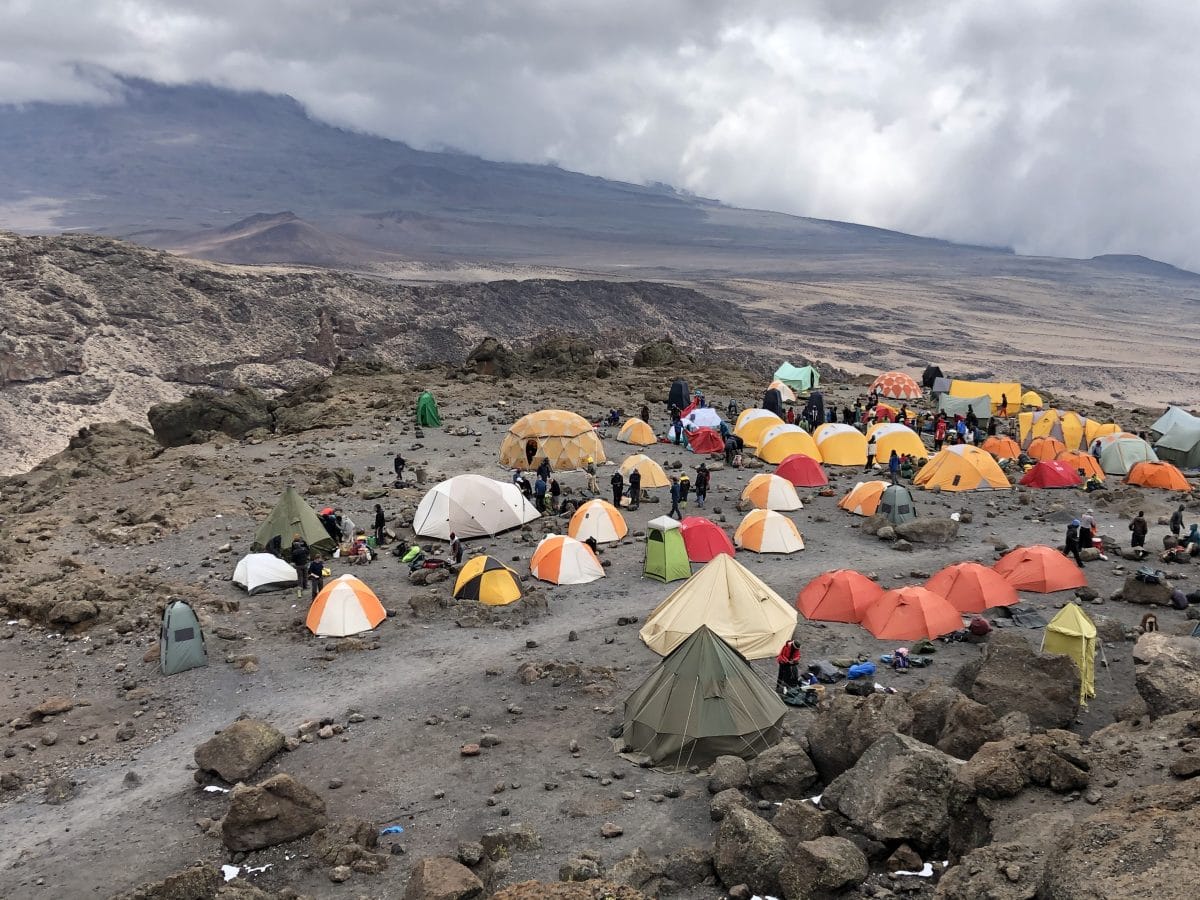
Extending an itinerary usually means splitting a longer trekking day into two. For example, instead of trekking from Camp A to Camp B in one day, you might trek from Camp A to a scenic viewpoint or a slightly higher camp, spend the night there, and then proceed to Camp B the following day. This breaks up the ascent, reduces daily mileage and elevation gain, and allows for more rest and enjoyment.
Example: Machame Route (6 Days vs. 7 Days)
- 6-Day Machame: Day 1: Mweka Gate to Machame Camp. Day 2: Machame Camp to Shira Camp. Day 3: Shira Camp to Barranco Camp. Day 4: Barranco Camp to Karanga Camp. Day 5: Karanga Camp to Barafu Camp. Day 6: Barafu Camp to Summit, descend to Mweka Camp.
- 7-Day Machame: Day 1: Mweka Gate to Machame Camp. Day 2: Machame Camp to Shira Camp. Day 3: Shira Camp to Barranco Camp. Day 4: Barranco Camp to Karanga Camp (extra day allows a more relaxed climb over Lava Tower). Day 5: Karanga Camp to Barafu Camp. Day 6: Barafu Camp to Summit, descend to Mweka Camp. Day 7: Mweka Camp to Mweka Gate.
Notice how the 7-day itinerary inserts an extra camp day, effectively making the ascent to Karanga Camp a more leisurely affair, breaking up the challenging push towards Barafu Camp.
Cost Implications
Adding an extra day will increase the overall cost of your Kilimanjaro climb. This is because:
- Park Fees: Kilimanjaro National Park charges daily fees. An extra day means an extra day of park entry fees for you and your support crew. These fees are substantial and contribute significantly to the overall package price.
- Crew Costs: Guides, porters, and cooks are paid for each day of the expedition. An additional day means additional wages, food, and equipment costs for the entire team.
- Logistics and Supplies: More food, fuel for cooking, and potentially additional camping gear (if moving camps) are required.
- Accommodation: An extra night in a tent at a campsite incurs associated costs.
The exact cost increase varies by tour operator and the specific route. However, expect an increase of roughly 10-15% for adding one day to a standard itinerary. When comparing prices for 2026 or 2027 climbs, always clarify how many days are included and the cost of extending your trek. For a personalized quote or to discuss adding days to your itinerary, you can contact Top Guide Adventures via Email or WhatsApp +255616946642.
Budgeting for an Extended Climb (2026-2027 Estimates)
While exact prices depend on the operator and inclusions, a typical 7-day climb might range from $2,000 to $3,500 USD per person. Adding an extra day (making it an 8-day climb) could add approximately $200 to $400 USD per person to this range, depending on the inclusions. Always request a detailed quote. For the most accurate pricing for your 2026-2027 climb, reach out to us directly.
What’s Included?
Reputable tour operators will include:
- Park entrance fees
- Camping fees
- Rescue fees
- All meals on the mountain
- Trained mountain guides
- Porters for carrying group gear and personal luggage (usually up to 15kg)
- Cooks
- Campsite equipment (tents, sleeping mats, cooking gear)
- Boiled water
- Portable toilets (on most routes)
When you add an extra day, ensure that all these inclusions are extended accordingly for that additional day and night.
Benefits Beyond Acclimatization: Enjoyment and Success Rates
While acclimatization is the primary driver for considering an extra day, the benefits extend to a more profound and enjoyable mountain experience. For many, Kilimanjaro is a special trip, and a more relaxed pace allows for greater appreciation of the stunning landscapes and the unique ecosystem.
A More Relaxed Pace and Reduced Fatigue
Climbing Kilimanjaro involves long trekking days, often with significant elevation gain. A slower pace means shorter daily distances and less strenuous ascents. This reduces physical fatigue, allowing you to conserve energy for the demanding summit night. Instead of rushing from camp to camp, you can take time to appreciate the views, rest adequately, and maintain a more consistent pace, which is crucial for endurance.
Enhanced Scenery and Photography Opportunities
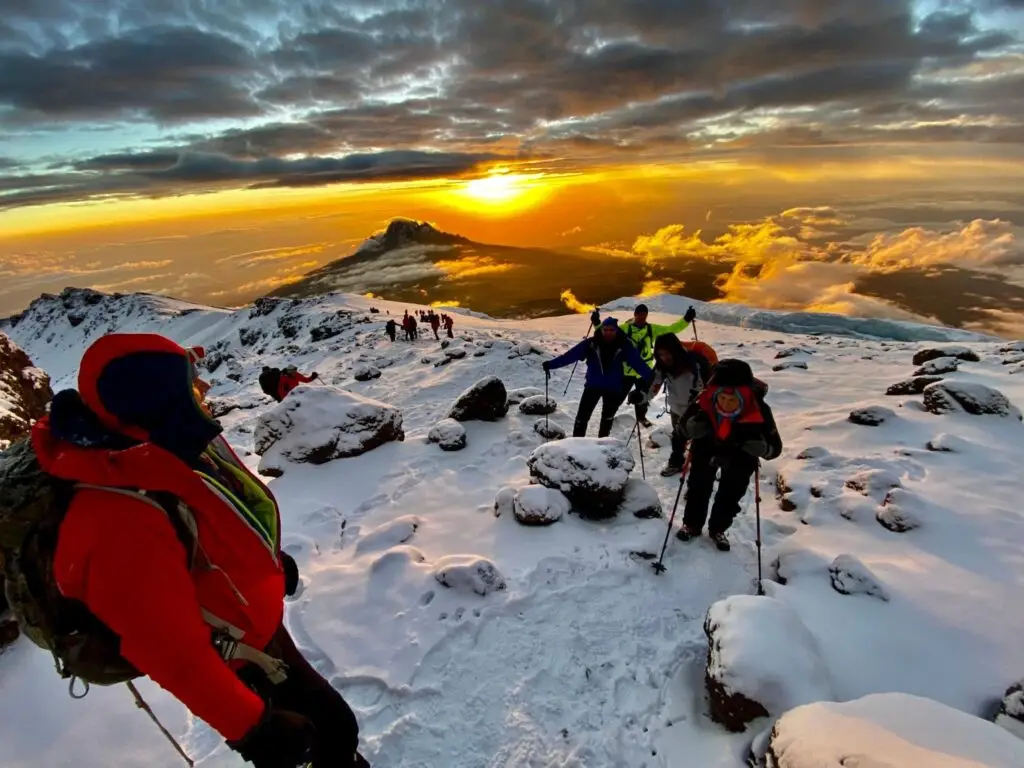
Longer itineraries allow for more time to soak in the diverse scenery of Kilimanjaro. You can pause to take photos, observe wildlife in the lower rainforest zone, and truly appreciate the changing landscapes from alpine desert to arctic summit. An extra day might allow for a short acclimatization hike from a higher camp, offering panoramic views without the pressure of a full day’s trek.
Increased Success Rates
Numerous studies and anecdotal evidence from experienced guides suggest that longer Kilimanjaro treks have higher summit success rates. The primary reason is improved acclimatization. When your body is well-adjusted to the altitude, you are less likely to suffer from AMS, which is the most common reason for climbers needing to turn back. For 2026 and 2027 expeditions, choosing a longer itinerary, perhaps by adding a day, is a strategic decision to maximize your chances of reaching Uhuru Peak.
Consider the statistics: 7-day treks generally have higher success rates than 5 or 6-day treks, and 8 or 9-day treks often boast even higher rates. Adding that extra day is a direct investment in your goal.
Psychological Benefits
The mental aspect of climbing Kilimanjaro cannot be understated. Rushing can lead to anxiety and stress. A more relaxed pace allows for greater mental preparation, reduces the feeling of being overwhelmed, and fosters a more positive mindset. You can focus on the journey, enjoy conversations with your guides and fellow climbers, and build confidence with each step.
Why an Extra Day is More Than Just ‘More Time’
- Better Acclimatization: Your body has more time to adapt.
- Reduced AMS Risk: Lower chance of debilitating altitude sickness.
- Improved Stamina: Less fatigue means more energy for the summit.
- Enhanced Experience: More time to enjoy the scenery and environment.
- Higher Success Rate: Statistically proven to increase summit chances.
- Psychological Comfort: A less stressful, more enjoyable journey.
When Adding an Extra Day Might NOT Be Necessary (Or Ideal)
While adding an extra day is generally beneficial, it’s not always a mandatory requirement for everyone, and in some specific situations, it might not be the best approach.
For Highly Acclimatized Individuals or Experienced High-Altitude Trekkers
Some individuals have a natural predisposition to acclimatize well, or they have extensive experience trekking at high altitudes. Climbers who have successfully summited other high peaks (e.g., >5,000m) and understand their body’s response to altitude might find that a standard 7-day itinerary on routes like Machame or Lemosho is sufficient. However, even experienced climbers often opt for longer treks on Kilimanjaro due to its unique altitude profile and the sheer duration of the climb.
Budgetary Constraints
As discussed, adding a day increases the cost. For trekkers with strict budget limitations for their 2026-2027 trip, a standard itinerary might be the only viable option. In such cases, focusing on other factors like choosing a reputable operator, proper physical training, and diligent hydration becomes even more critical.
Time Limitations
Some travelers have fixed travel dates and may not have the luxury of extending their time in Tanzania. In these scenarios, selecting a route that naturally offers better acclimatization within the available timeframe (e.g., a 7-day Lemosho or 8-day Northern Circuit) is the best compromise.
Routes Where It’s Less Practical
As mentioned earlier, routes like Umbwe are already extremely challenging and fast-paced. Adding a day might disrupt the route’s natural flow or not provide the intended acclimatization benefits as effectively as on longer, more gradual routes. Similarly, the Marangu route’s hut-based system can make adding an extra camping day logistically complex.
Planning Your 2026-2027 Kilimanjaro Climb with an Extended Itinerary
If you’ve decided that adding an extra day is the right choice for your Kilimanjaro adventure in 2026 or 2027, here’s how to approach the planning:
Choose the Right Tour Operator
Selecting a reputable tour operator is paramount. Look for companies that:
- Have a proven track record of successful climbs.
- Prioritize safety and have well-trained guides experienced in altitude management.
- Offer flexible itinerary options, including extended climbs.
- Provide detailed information about their itineraries, inclusions, and pricing.
- Have positive reviews and testimonials from previous clients.
Top Guide Adventures is committed to providing safe and memorable Kilimanjaro climbs. We specialize in tailoring treks to individual needs, including offering extended itineraries. Feel free to reach out to us for a personalized plan for your 2026 or 2027 climb.
Consultation and Customization
When you inquire about a climb, discuss your desire to add an extra day with your chosen operator. They can advise on which routes are best suited for extension and how the itinerary would be structured. This is an opportunity to customize your trek for optimal acclimatization and enjoyment.
Booking Considerations for 2026-2027
Booking well in advance is always recommended, especially for specific dates or extended itineraries. For 2026 and 2027 climbs, popular routes and dates, particularly during the dry seasons (January-March and June-October), tend to fill up quickly. Booking 6-12 months ahead is ideal.
When booking, ensure your contract clearly states the:
- Number of days on the mountain.
- Specific route.
- Inclusions and exclusions for the extended duration.
- Total cost and payment schedule.
Physical Preparation
Even with an extra day for acclimatization, physical preparation remains critical. Focus on cardiovascular exercises, strength training (especially legs and core), and hiking with a weighted backpack. Start your training at least 3-6 months before your climb.
Frequently Asked Questions About Adding Days to Kilimanjaro Climbs
Here are some common questions prospective climbers have regarding extending their Kilimanjaro trek:
Can I decide to add a day mid-climb?
While theoretically possible, it’s highly impractical and generally not recommended. Adding a day requires pre-arrangement with the tour operator for logistics, permits, crew, and supplies. Attempting to make such a change spontaneously on the mountain would likely incur significant extra costs, logistical nightmares, and potentially compromise the safety and quality of the trek for you and the crew.
Will adding a day significantly increase my chances of summiting?
Yes, adding a day, especially on the ascent phase, significantly improves acclimatization and reduces the risk of altitude sickness, which is the main reason for failed summit attempts. This translates directly into a higher probability of reaching Uhuru Peak.
Which routes are best for adding an extra day?
Camping routes such as the Machame, Lemosho, and Northern Circuit are the most flexible and recommended for adding extra days. The Northern Circuit, being the longest, is particularly well-suited for extensions.
How much more will it cost to add a day?
Expect
Check Availability for Can You Add An Extra Day During A Kilimanjaro Climb? 2026-2027
Ready to compare dates, prices, and the best option for your group? Send the package name and travel month so the team can reply with a clear quote, availability, and what is included.
Kilimanjaro Climb With Extra Rest Days 2026-2027
Kilimanjaro Climb with Extra Rest Days is explained with current 2026-2027 planning, price, itinerary and booking information.
View package details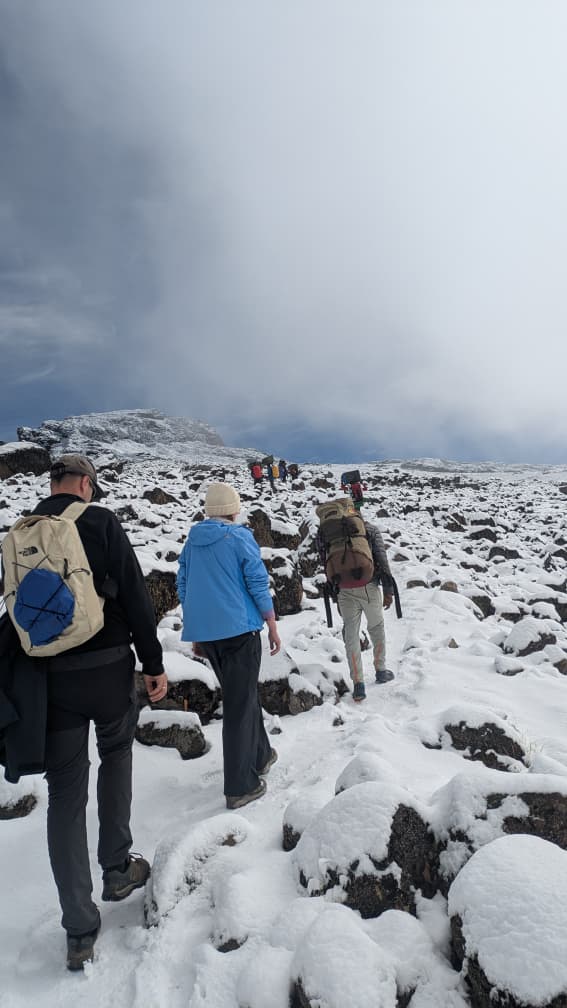
Kilimanjaro Morning Flight Vs Evening Arrival: Which Is Better For Your Climb?
Choosing between a morning and evening flight arrival at Kilimanjaro International Airport (JRO) significantly impacts your pre-climb preparations and initial acclimatization. This guide...
View package details
Kilimanjaro Full-Moon Vs Dark-Sky Climb: Which Is Best For You In ? 2026-2027
Choosing between a Kilimanjaro full-moon or dark-sky climb in 2026-2027 involves weighing unique advantages. A full-moon climb offers visibility and a magical atmosphere, while a dark-sky...
View package details
Kilimanjaro Standard Camp Vs Luxury Your Ultimate Comparison For Climbs
Choosing between standard and luxury camping on Kilimanjaro significantly impacts your trek experience. This guide breaks down the key differences in accommodation, meals, equipment, and...
View package detailsKilimanjaro Shared Tent Vs Single Making The Right Choice For Your Climb
Choosing between a shared tent and a single tent for your Kilimanjaro climb is a significant decision impacting comfort, cost, and your overall experience. This guide breaks down the pros...
View package detailsKilimanjaro Local Operator Vs. Overseas Travel Agent: Your Ultimate Climbing
Deciding who to book your Kilimanjaro climb with is crucial. This guide compares local Tanzanian operators against overseas travel agents, detailing the pros and cons of each for your...
View package details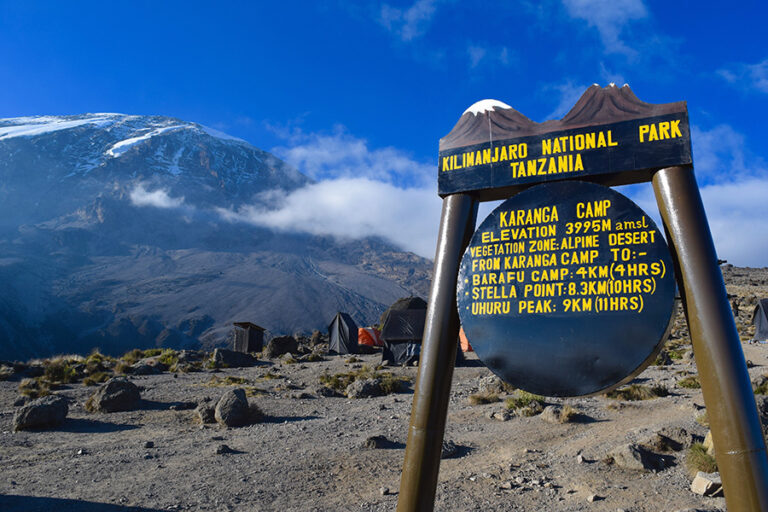
Kilimanjaro Safari And Climb Package For Seniors: Your Adventure 2026-2027
Top Guide Adventures offers tailored Kilimanjaro safari and climb packages for seniors in 2026-2027, focusing on safety, comfort, and an unforgettable Mount Kilimanjaro experience. Explore...
View package details
Kilimanjaro Climb With Private Medical Support Guide
Climbing Mount Kilimanjaro is a dream for many adventurers. Ensuring your safety and well-being is paramount, especially at high altitudes. A Kilimanjaro climb with private medical support...
View package details
Kilimanjaro Climb With Additional Personal Porter 2026-2027
Kilimanjaro Climb with Additional Personal Porter is explained with current 2026-2027 planning, price, itinerary and booking information.
View package detailsKilimanjaro Luxury Climb For Mature Travellers In | Top Guide Adventures
Discover the ultimate Kilimanjaro luxury climb experience designed specifically for mature travellers in 2026-2027. Top Guide Adventures provides unparalleled comfort, expert guides, and...
View package details
Private Kilimanjaro Climb For Senior Travellers: A Comprehensive Guide
This guide details private Kilimanjaro climbs tailored for senior travellers, covering route selection, acclimatization, safety, gear, and the benefits of a private climb with Top Guide...
View package detailsKilimanjaro Climb With A Slower Daily Pace: Your Guide To Success 2026-2027
Discover how a slower daily pace significantly enhances your Kilimanjaro climb experience. This comprehensive guide covers route selection, acclimatization strategies, essential gear, and...
View package detailsNo related package matches those filters. Clear one or more filters to see the other topic-matched options.



