
Kilimanjaro climbers descend via the Mweka Route primarily because it is the designated descent path for the most popular routes (Machame, Lemosho, Shira, and sometimes Northern Circuit) and is specifically designed for safety and efficiency, allowing climbers to reach the Mweka Gate relatively quickly and with fewer environmental impacts on the mountain’s fragile ecosystem.
Understanding the Mweka Descent: A Crucial Part of Your Kilimanjaro Climb
Reaching Uhuru Peak is the ultimate goal for any Kilimanjaro adventurer. However, the journey doesn’t end at the summit. The descent is just as critical, and for the majority of climbers, this means navigating the Mweka Route. If you’re planning your Kilimanjaro expedition for 2026 or 2027, understanding why the Mweka Route is the standard descent path is essential for your preparation and overall experience. It’s not an arbitrary choice; it’s a carefully considered decision based on logistics, safety, and environmental preservation.
At Top Guide Adventures, we’ve guided thousands of climbers down Kilimanjaro, and the Mweka Route remains our consistent choice for descending climbers from routes like Machame, Lemosho, Shira, and the Northern Circuit. This route offers a direct, efficient, and safe passage back to the lower altitudes, minimizing the strain on both the climber and the mountain itself.
The Logic Behind the Mweka Descent: Why It’s Standard Practice
The decision to use Mweka as the primary descent route isn’t a recent development; it’s a long-standing convention born out of necessity and practicality. Several key factors contribute to its status as the go-to descent path:
- Designated Descent Path: For the most popular Kilimanjaro routes – Machame, Lemosho, Shira, and the Northern Circuit – Mweka is the officially designated descent trail. This standardization simplifies logistics for tour operators, park authorities, and most importantly, climbers.
- Efficiency and Speed: The Mweka Route is generally shorter and more direct than the ascent paths for these popular routes. This means climbers can reach the Mweka Gate, the exit point, in a more reasonable timeframe, which is crucial after days of strenuous climbing and a challenging summit night.
- Safety Considerations: The trail is well-maintained and well-trodden, reducing the risk of getting lost. Furthermore, it is designed to minimize erosion and environmental impact, a critical aspect of responsible mountaineering.
- Ecosystem Protection: Kilimanjaro is a UNESCO World Heritage site, and its delicate alpine and moorland zones are protected. The Mweka Route is designed to funnel descending traffic through specific areas, reducing the impact on vegetation and wildlife habitats. Ascending and descending via the same path can lead to significant environmental degradation.
- Logistical Simplicity: Having a single, well-established descent route for multiple ascent routes simplifies the operations of park rangers, guides, and porters. It means resources are concentrated, and emergency response is more streamlined.
Comparing Mweka Descent with Other Route Options
While Mweka is the standard, it’s worth noting that some routes have their own dedicated descent paths. Understanding these differences highlights why Mweka is so widely adopted.
Marangu Route: The Unique Case
The Marangu Route, often called the “Coca-Cola” route, is unique because it is the only route where climbers ascend and descend via the same path. This means climbers on Marangu typically descend the same Coca-Cola trail they used to ascend. This is a significant difference from all other routes. While convenient for some, this shared path contributes to higher erosion rates and can make the descent feel less distinct from the ascent. For climbers choosing the Marangu route, the descent is usually completed over two days, often involving an overnight stay at the Mweka Camp.
Other Ascent Routes and Their Descent Paths
Most other popular routes utilize Mweka for descent:
- Machame Route: Ascends via Machame, descends via Mweka.
- Lemosho Route: Ascends via Lemosho, descends via Mweka.
- Shira Route: Ascends via Shira, descends via Mweka.
- Northern Circuit: Ascends via the Northern Circuit, descends via Mweka.
The Umbwe route, a very challenging and steep path, also typically descends via Mweka, though its extreme nature means it’s less commonly chosen. The Rongai Route, which approaches from the north, traditionally descends via the Marangu route, meaning climbers ascend from the north and descend on the southern side. This is a notable exception where Mweka is not the primary descent for Rongai, though in some cases, modified itineraries might involve Mweka.
The reason Mweka is preferred for the majority of routes is its strategic location on the southern side of Kilimanjaro, making it the most accessible exit point for the busy western and southern ascent trails.
The Mweka Descent Itinerary: What to Expect
The descent via Mweka is typically completed over two days, offering a structured way to return to lower altitudes. Here’s a general outline of what a Mweka descent looks like, often following a Machame or Lemosho ascent:
Day 1: Summit to Mweka Camp
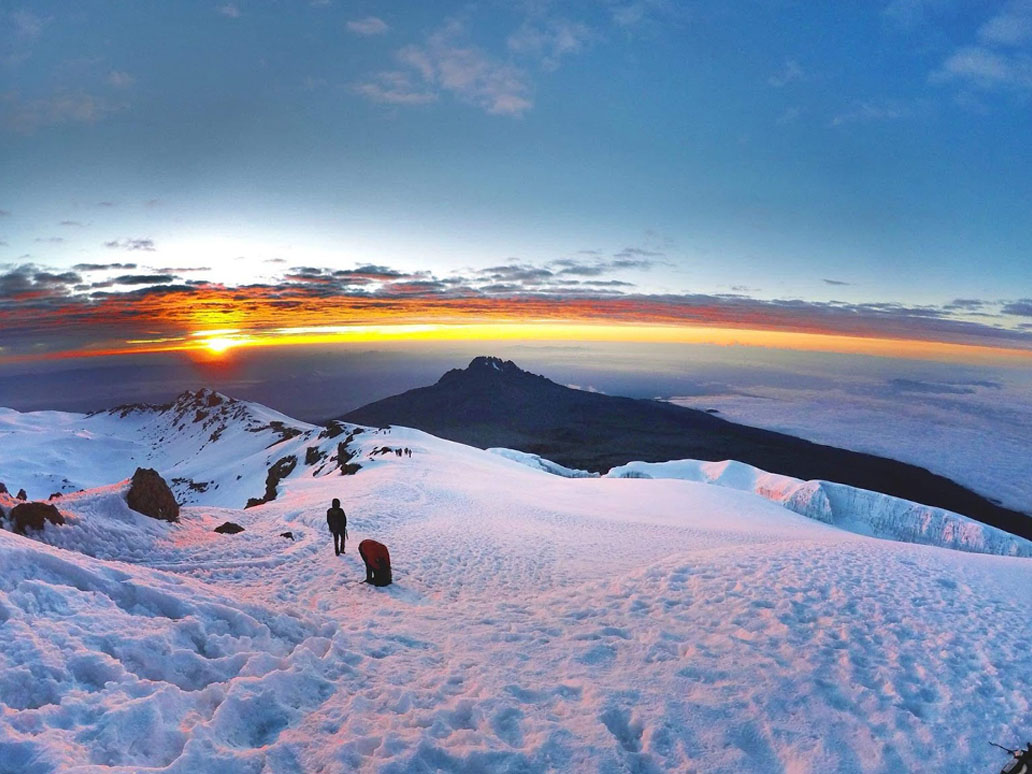
This is arguably the most demanding day of the trek. After a very early start (often around midnight to 2 AM) from Kibo Hut or Barafu Camp (depending on the ascent route), climbers begin their summit push. The climb to Uhuru Peak is steep and challenging, especially in the dark and cold. After spending a short time at the summit and taking photos, climbers begin their descent back towards Barafu Camp. Here, they typically have a short rest, grab some food, and then continue descending further to Mweka Camp (around 3,100 meters / 10,170 feet).
The descent from the summit to Barafu Camp is arduous, and continuing down to Mweka Camp is a significant undertaking. The terrain is loose scree initially, which can be tough on the knees, before transitioning to more vegetated paths as you descend. Reaching Mweka Camp signifies the end of the high-altitude trekking. This day can involve 10-15 hours of trekking.
Day 2: Mweka Camp to Mweka Gate
This is a much shorter and more relaxed day compared to the previous one. After breakfast at Mweka Camp, climbers begin their final descent to the Mweka Gate (around 1,640 meters / 5,380 feet). The trail winds through the montane forest zone, often with lush vegetation, streams, and abundant birdlife. The descent is steep but generally manageable, taking approximately 3-5 hours.
Upon arrival at Mweka Gate, climbers are usually met by their guides and support crew. This is where the official sign-out takes place, and certificates are often presented. From Mweka Gate, transportation is arranged to take climbers back to their hotels in Moshi or Arusha, marking the end of their Kilimanjaro climbing adventure.
The total trekking time for the descent over these two days is significantly less than the ascent, highlighting the efficiency of the Mweka Route as a descent path.
Benefits of Descending via Mweka
The Mweka descent offers several advantages that make it the preferred choice for most Kilimanjaro climbers:
1. Reduced Risk of Altitude Sickness
By descending quickly from the high altitudes (above 4,000 meters / 13,000 feet) to Mweka Camp (3,100 meters / 10,170 feet) on summit day, climbers significantly reduce their exposure to altitude sickness. A rapid descent is the most effective treatment for Acute Mountain Sickness (AMS). The Mweka route’s design facilitates this necessary quick descent.
2. Conserves Energy
After the grueling summit push, climbers are often exhausted. The Mweka descent is generally less technically demanding and covers a shorter distance on its second day compared to the ascent, helping climbers conserve their remaining energy. This makes the final leg of the journey more manageable and enjoyable.
3. Environmental Protection
As mentioned, the Mweka Route is a crucial part of Kilimanjaro National Park’s conservation efforts. By channeling climbers down a specific path, it minimizes damage to the mountain’s fragile ecosystems, including the unique alpine desert and forest zones. This responsible approach ensures Kilimanjaro remains pristine for future generations, a commitment Top Guide Adventures strongly supports for climbs planned in 2026 and 2027.
4. Well-Maintained and Clear Trail
The Mweka trail is one of the most frequently used descent routes. This means it is well-trodden, clearly marked, and generally well-maintained by park authorities and the guiding community. This clarity reduces the chances of hikers getting lost, especially when fatigue is a factor.
5. Logistical Efficiency for Operators
For tour operators like Top Guide Adventures, using a standardized descent route simplifies logistics. It means knowing where to expect clients, coordinating porter movements, and managing vehicle pick-ups at Mweka Gate. This efficiency translates into a smoother experience for the climber.
Potential Challenges of the Mweka Descent
While generally a positive experience, the Mweka descent isn’t without its challenges:
1. Steep and Slippery Terrain
The initial descent from Barafu Camp to Mweka Camp is on steep scree slopes. This terrain can be hard on the knees and ankles, and in wet conditions, it can become very slippery and challenging. Proper hiking boots with good ankle support and trekking poles are essential.
2. Muddy Conditions in the Forest Zone
The lower sections of the Mweka Route pass through dense rainforest. During the rainy seasons (typically March-May and November), this section can become extremely muddy and waterlogged, making the going slow and potentially uncomfortable. Waterproof gaiters and good quality waterproof hiking boots are highly recommended.
3. Fatigue
The descent on summit day, from the peak all the way down to Mweka Camp, is extremely long and physically demanding. Climbers are already depleted from the summit ascent, and continuing to descend for several more hours can be mentally and physically taxing.
4. Crowding
Because Mweka is the descent route for several popular ascent routes, it can sometimes be crowded, especially during peak climbing seasons. This can slow down the pace of the descent and may detract from the sense of solitude for some climbers.
Preparing for the Mweka Descent
Effective preparation is key to managing the challenges of the Mweka descent and ensuring a safe and enjoyable return journey. Here’s how you can prepare:
1. Physical Conditioning
Focus on leg strength and endurance training. Squats, lunges, and step-ups are beneficial. Cardiovascular exercises like running, hiking with a backpack, and cycling will build the stamina needed for long trekking days, including the demanding descent on summit day.
2. Gear Selection
Footwear: High-quality, broken-in hiking boots with excellent ankle support are non-negotiable. Consider waterproof boots, especially if climbing during or near the rainy seasons in 2026 or 2027. Gaiters are highly recommended to keep mud and water out of your boots. Trekking poles are invaluable for reducing strain on your knees and improving stability on descents.
Clothing: Layers are essential. Waterproof and windproof outer layers are crucial for unpredictable weather. Quick-drying base layers and mid-layers will help regulate body temperature.
Hydration and Nutrition: Stay hydrated throughout the climb, and ensure you’re consuming enough calories. The descent requires energy, even though it’s less strenuous than the ascent.
3. Mental Preparedness
The descent, particularly the long day from the summit to Mweka Camp, requires significant mental fortitude. Visualizing the end goal (returning home safely) and breaking down the descent into manageable segments can help maintain motivation.
Mweka Gate: The Final Stop
Mweka Gate is the official exit point from Kilimanjaro National Park for climbers descending via the Mweka Route. It’s a bustling place where climbers meet their support teams, receive their climbing certificates, and transition back to civilization. The park rangers at the gate conduct the final check-out procedures.
From Mweka Gate, your pre-arranged transportation will be waiting. Typically, this involves a drive back to Moshi or Arusha, where you can rest, celebrate your achievement, and prepare for the next leg of your Tanzanian adventure. Many climbers opt for a well-deserved hot shower and a comfortable bed after days on the mountain.
Environmental Impact and Responsible Descent
The choice of the Mweka Route for descent is deeply tied to environmental responsibility. Kilimanjaro’s unique ecosystems are fragile and susceptible to damage from heavy foot traffic. By concentrating descent traffic onto a single, well-managed trail, the park authorities aim to:
- Minimize Erosion: Steep slopes are prone to erosion, especially in areas with loose soil. A designated path helps consolidate this impact.
- Protect Vegetation: The rainforest and moorland zones are home to specific plant species. A single trail reduces the “bush-whacking” and trampling of vegetation.
- Reduce Litter: A well-defined route makes it easier to monitor and clean up any litter left behind, ensuring the mountain remains beautiful.
- Protect Wildlife Habitats: Concentrating human activity helps preserve the natural habitats of Kilimanjaro’s diverse wildlife.
As a responsible tour operator, Top Guide Adventures emphasizes the importance of adhering to Leave No Trace principles throughout the entire climb, including the descent. Climbers are encouraged to stay on the trail, pack out everything they pack in, and respect the natural environment. This commitment is crucial for preserving Kilimanjaro for future climbers in 2026, 2027, and beyond.
Timing Your Kilimanjaro Climb for Optimal Descent Conditions (2026-2027)
While the Mweka Route is used year-round, certain times offer better conditions for the descent, particularly concerning weather and trail conditions.
- Dry Seasons (January-March & June-October): These periods generally offer the best weather for climbing and descending Kilimanjaro. Trails are less muddy, and visibility is usually good, making the descent safer and more pleasant. January to March is particularly popular, followed by the longer dry season from June to October. Planning your climb for these windows in 2026 or 2027 will likely provide the most favorable descent experience.
- Rainy Seasons (April-May & November): These months bring significant rainfall, especially to the lower forest zone where the Mweka trail is located. The descent can be very muddy, slippery, and visibility may be poor. While climbs still happen, be prepared for challenging conditions.
The summit night and day are often cold and potentially icy regardless of the season, but the lower sections of the Mweka descent are most affected by the rains. Choosing your climbing dates wisely for 2026 or 2027 can significantly impact your experience of the Mweka descent.
The Role of Guides and Porters in the Mweka Descent
Your guiding team plays an indispensable role in the Mweka descent. They are responsible for:
- Navigation: Ensuring you stay on the correct path, especially in challenging weather or low visibility.
- Pacing: Helping you maintain a safe and sustainable pace, crucial for conserving energy.
- Safety Monitoring: Watching for signs of fatigue or altitude sickness and making necessary adjustments.
- Support: Providing encouragement and assistance, particularly on steep or slippery sections.
- Logistics: Coordinating with porters to ensure your gear is transported safely and efficiently to Mweka Camp and then to the gate.
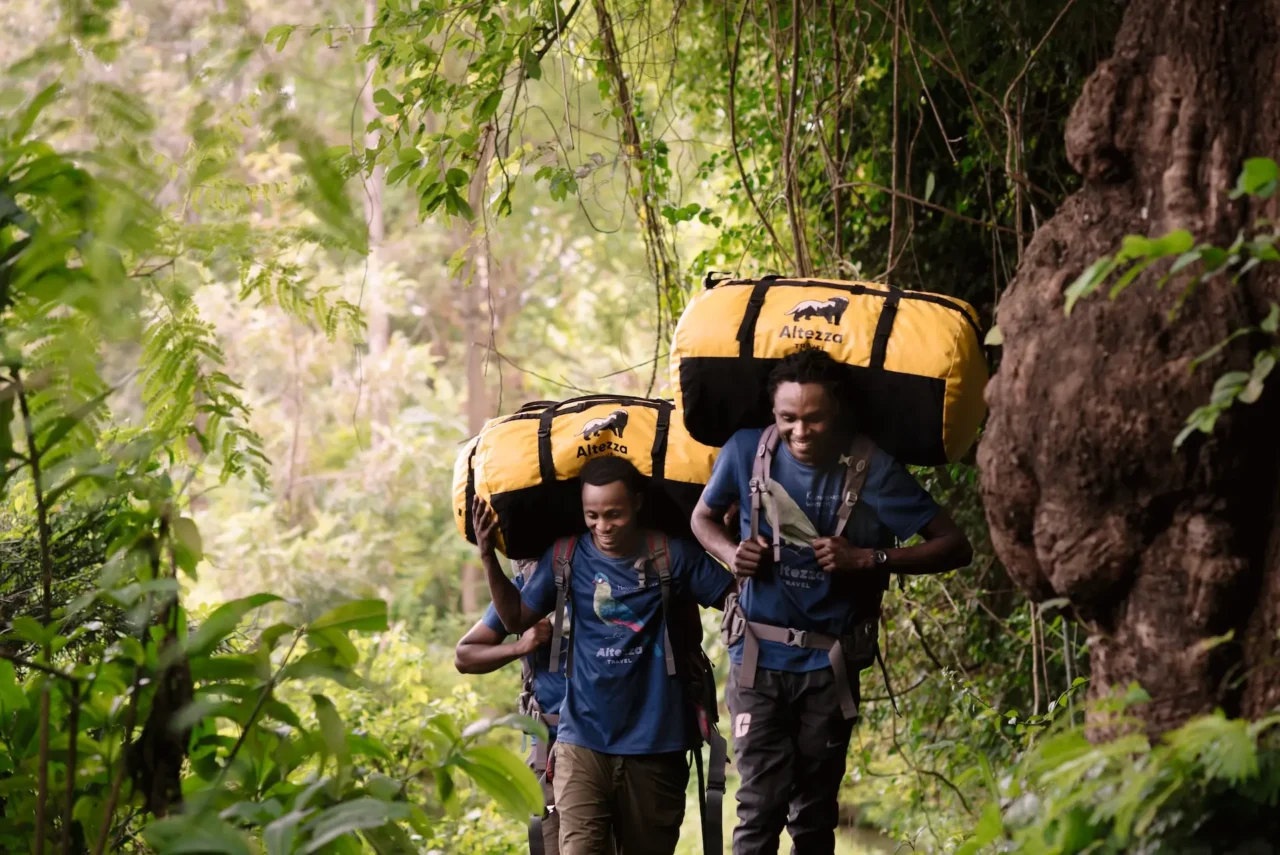
The porters carry the bulk of the equipment, making the climber’s journey lighter. Their efficiency in reaching Mweka Camp and preparing the site ensures that climbers have a place to rest and recover before the final day’s descent.
Why Top Guide Adventures Prefers Mweka for Descent
As a leading tour operator in Tanzania, Top Guide Adventures prioritizes safety, client satisfaction, and environmental stewardship. Our choice to utilize the Mweka Route for descent on routes like Machame, Lemosho, and the Northern Circuit aligns with these core values:
- Proven Safety Record: The Mweka Route is a well-established and secure descent path, allowing for a controlled and safe return to base.
- Efficient Logistics: It enables us to manage our teams and resources effectively, ensuring a smooth operation for our clients.
- Environmental Responsibility: We are committed to protecting Kilimanjaro’s natural beauty, and the Mweka Route supports this mission by minimizing ecological impact.
- Client Experience: The Mweka descent, while challenging, is a manageable and distinct experience that clients can feel proud to complete.
We meticulously plan every aspect of your climb, from the ascent to the Mweka descent, ensuring you have the best possible experience. Whether you’re planning for late 2026 or early 2027, our team is ready to guide you.
Frequently Asked Questions About the Mweka Descent
Here are some common questions climbers have about descending Kilimanjaro via Mweka:
Is the Mweka descent difficult?
The Mweka descent is physically demanding, especially the long descent on summit day from the peak to Mweka Camp. The terrain can be steep and slippery. However, it is generally considered less technically difficult than the ascent. Proper preparation and pacing are key.
How long does it take to descend the Mweka Route?
The descent typically takes two days. Day one involves descending from high camps (like Barafu) to Mweka Camp (approx. 3-5 hours from Barafu). Day two is the final descent from Mweka Camp to Mweka Gate (approx. 3-5 hours).
What gear is essential for the Mweka descent?
Essential gear includes sturdy, broken-in hiking boots with good ankle support, trekking poles, waterproof and windproof outer layers, warm clothing, and gaiters. Good hydration and energy snacks are also vital.
Can I descend via a different route if I ascend via Machame?
No, standard practice and park regulations require climbers on the Machame, Lemosho, Shira, and Northern Circuit routes to descend via the Mweka Route. It is the designated descent path for these popular routes.
What is the altitude of Mweka Camp and Mweka Gate?
Mweka Camp is situated at approximately 3,100 meters (10,170 feet), while Mweka Gate is at a much lower altitude of around 1,640 meters (5,380 feet).
When is the best time to descend via Mweka?
The dry seasons (January-March and June-October) offer the best conditions for the Mweka descent, with less mud and better visibility. Planning your 2026 or 2027 climb during these periods is advisable.
Embarking on a Kilimanjaro climb is a significant undertaking, and understanding every aspect of the journey, including the descent via the Mweka Route, is crucial for a successful and safe expedition. For detailed itinerary planning for 2026-2027, cost inquiries, or to book your adventure with a trusted local operator, please contact Top Guide Adventures:
WhatsApp: +255616946642
Email: topguideadventures@gmail.com
Backup Email: info@topguideadventures.com
We are dedicated to providing you with a personal, caring, and supportive experience from start to finish, ensuring your Kilimanjaro dream becomes a reality.
“,
“faq_schema”: [
{
“question”: “Why is the Mweka Route the standard descent path for Kilimanjaro?”,
“answer”: “The Mweka Route is the standard descent path for popular Kilimanjaro routes like Machame, Lemosho, Shira, and the Northern Circuit because it’s a designated, efficient, and safe trail designed to minimize environmental impact, prevent erosion, and allow for a quicker return to lower altitudes after reaching the summit.”
},
{
“question”: “What are the main benefits of descending Kilimanjaro via Mweka?”,
“answer”: “The benefits include reduced risk of altitude sickness due to a quicker descent, conservation of climber energy, protection of Kilimanjaro’s fragile ecosystems, a well-maintained and clear trail, and logistical simplicity for tour operators and park management.”
},
{
“question”: “What should I expect during the Mweka descent itinerary?”,
“answer”: “The descent typically takes two days. Day one involves trekking from high camps (like Barafu) down to Mweka Camp (around 3,100m). Day two is the final, shorter descent from Mweka Camp to Mweka Gate (around 1,640m), where you exit the park.”
},
{
“question”: “Are there any challenges associated with the Mweka descent?”,
“answer”: “Yes, challenges can include steep and slippery terrain (especially on the first day of descent), muddy conditions in the forest zone during rainy seasons, significant fatigue after the summit push, and potential crowding on the trail.”
},
{
“question”: “What gear is crucial for the Mweka descent?”,
“answer”: “Essential gear includes sturdy, broken-in hiking boots with ankle support, trekking poles, waterproof outer layers, warm clothing, gaiters for mud and water protection, and good hydration/energy supplies. Proper preparation is key for a safe descent.”
},
{
“question”: “When is the best time to descend Kilimanjaro via Mweka?”,
“answer”: “The dry seasons, from January to March and June to October, offer the best conditions for the Mweka descent with less mud and better visibility. Planning your climb for these periods in 2026 or 2027 is recommended for a more pleasant experience.”
}
]
}
“`
Check Availability for Why Do Kilimanjaro Climbers Descend Via Mweka? 2026-2027
Ready to compare dates, prices, and the best option for your group? Send the package name and travel month so the team can reply with a clear quote, availability, and what is included.
Kilimanjaro Tipping Mistakes And Etiquette: A Comprehensive Guide For Climbers
Navigating Kilimanjaro tipping can be confusing. This guide details common mistakes and proper etiquette for tipping your support crew, ensuring fair compensation and a positive experience...
View package details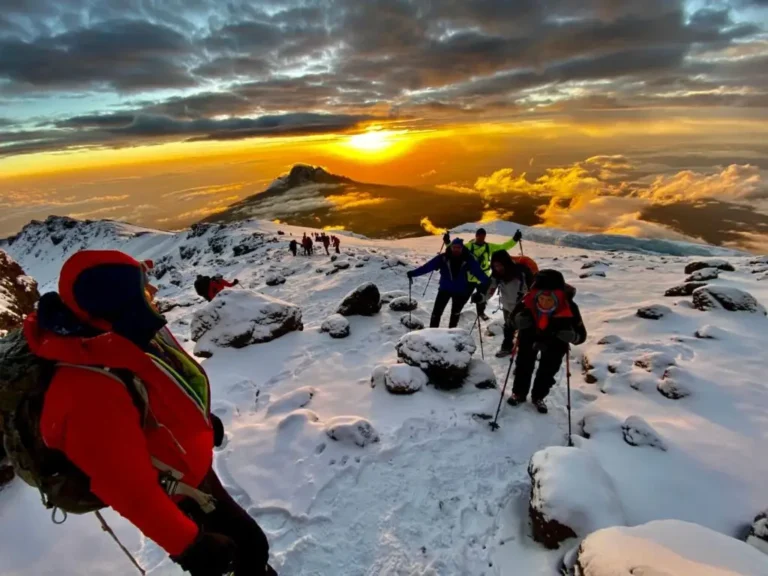
Kilimanjaro Layering Mistakes That Leave Climbers Cold: Expert Guide 2026-2027
Discover the common Kilimanjaro layering mistakes that can lead to discomfort and hypothermia. This guide provides essential tips on choosing the right gear and layering system to ensure...
View package details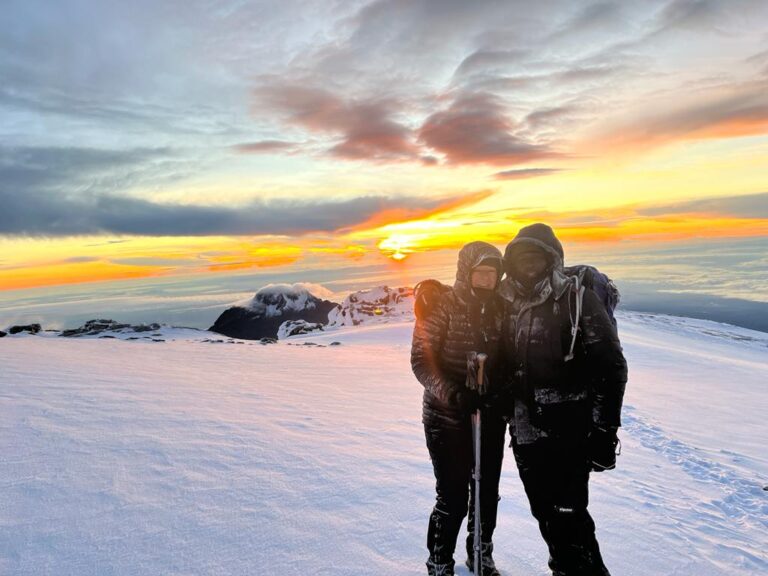
Barafu Camp Vs Kosovo On Kilimanjaro: A Definitive Comparison For Climbers
A detailed comparison of Barafu Camp and Kosovo Camp on Kilimanjaro, helping climbers decide which high-altitude staging post is best for their 2026-2027 ascent.
View package details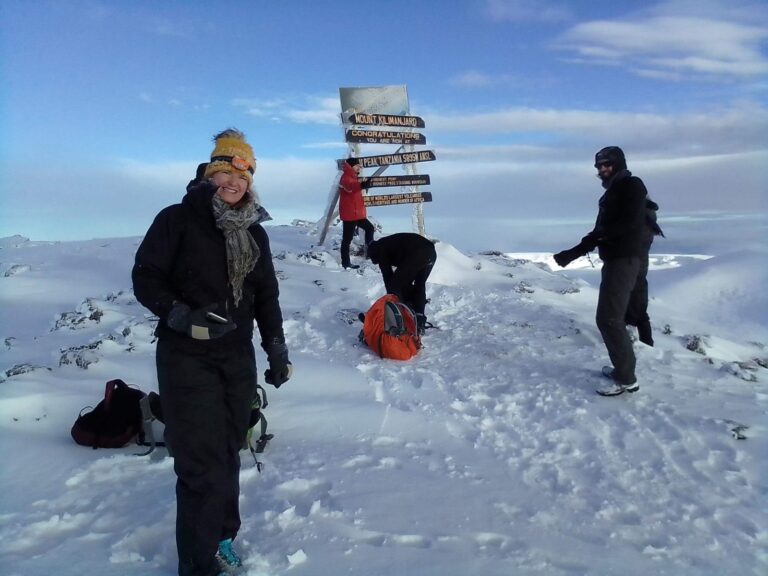
Kilimanjaro Medical Preparation For Older Climbers: Essential Guide 2026-2027
Climbing Kilimanjaro is achievable for older adventurers with thorough medical preparation. This guide covers essential health checks, fitness strategies, altitude acclimatization, and...
View package details
Best Kilimanjaro Route For Climbers Over 60: Expert Guide 2026-2027
Choosing the right Kilimanjaro route is crucial for climbers over 60. This guide details the best options, focusing on acclimatization, duration, and success rates to help you plan your...
View package details
How Altitude Affects Younger Kilimanjaro Climbers In 2026-2027
Climbing Kilimanjaro presents unique challenges, especially for younger trekkers. This guide details how altitude affects them, covering symptoms, risks, preparation, and essential safety...
View package details
Kilimanjaro Training Plan For Teen Climbers: Summit Success In 2026-2027
Prepare your teen for the ultimate adventure with a detailed Kilimanjaro training plan. This guide covers physical conditioning, mental readiness, essential gear, and acclimatization...
View package details
Kilimanjaro National Park Conservation Fees Explained For Climbers 2026-2027
Climbing Mount Kilimanjaro involves understanding various conservation fees essential for park maintenance and climber safety. This guide breaks down the current fee structure for...
View package detailsKilimanjaro Alpine Desert Ecosystem: A Comprehensive Guide For Climbers
Discover the fascinating Kilimanjaro Alpine Desert ecosystem, the harsh yet beautiful environment found above the montane forest and heath zones. This guide details its characteristics...
View package details
What Happens At Mweka Gate After Your Kilimanjaro Climb? 2026-2027
Your Kilimanjaro adventure culminates at Mweka Gate. Learn about the descent, certificate ceremony, post-climb celebrations, and what to expect logistically upon reaching the base.
View package details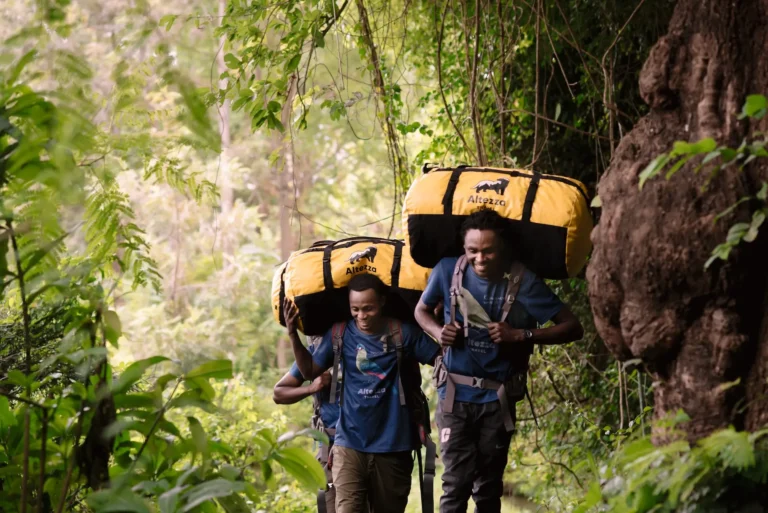
How Long Does It Take To Descend Kilimanjaro? 2026-2027
How Long Does It Take to Descend Kilimanjaro? is explained with current 2026-2027 planning, price, itinerary and booking information.
View package details
How Are Injured Climbers Evacuated From Kilimanjaro? A Comprehensive Guide
A detailed explanation of the evacuation process for injured climbers on Mount Kilimanjaro, covering procedures, equipment, and the role of guides and rescue teams.
View package detailsNo related package matches those filters. Clear one or more filters to see the other topic-matched options.



