
The Kilimanjaro rainforest ecology is a vibrant, biodiverse zone found on the lower slopes of Mount Kilimanjaro, typically between 1,800 and 2,800 meters (5,900 to 9,200 feet). This lush environment is characterized by dense vegetation, high humidity, and abundant rainfall, supporting a rich array of plant species like ferns, mosses, and various tree types, alongside diverse wildlife including monkeys, various bird species, and smaller mammals. Understanding this ecology is crucial for trekkers preparing for their 2026-2027 climbs, as it influences trail conditions, wildlife encounters, and acclimatization.
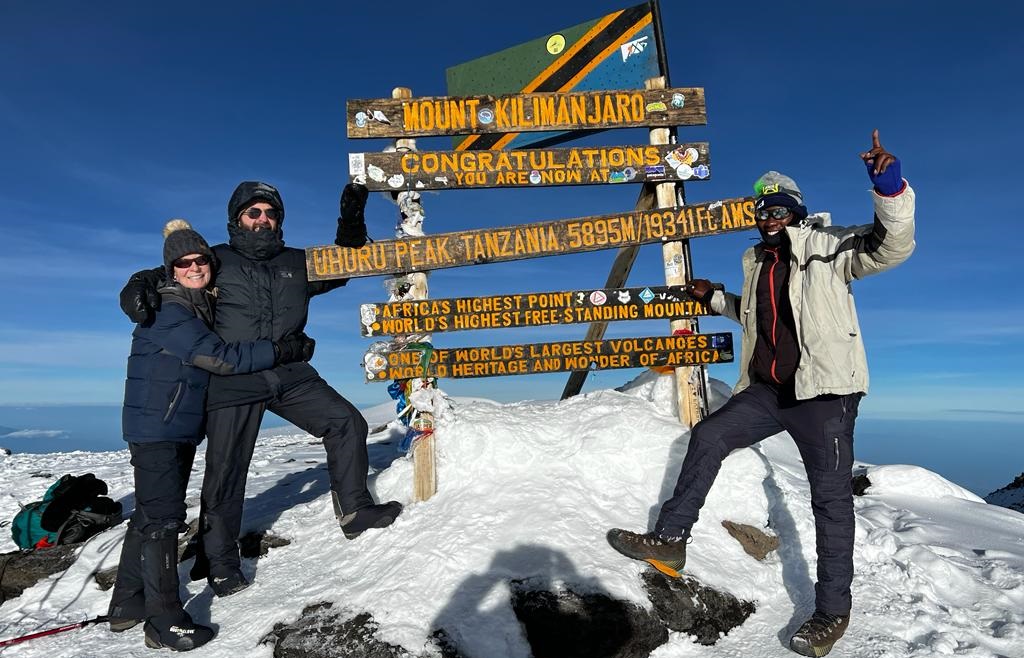
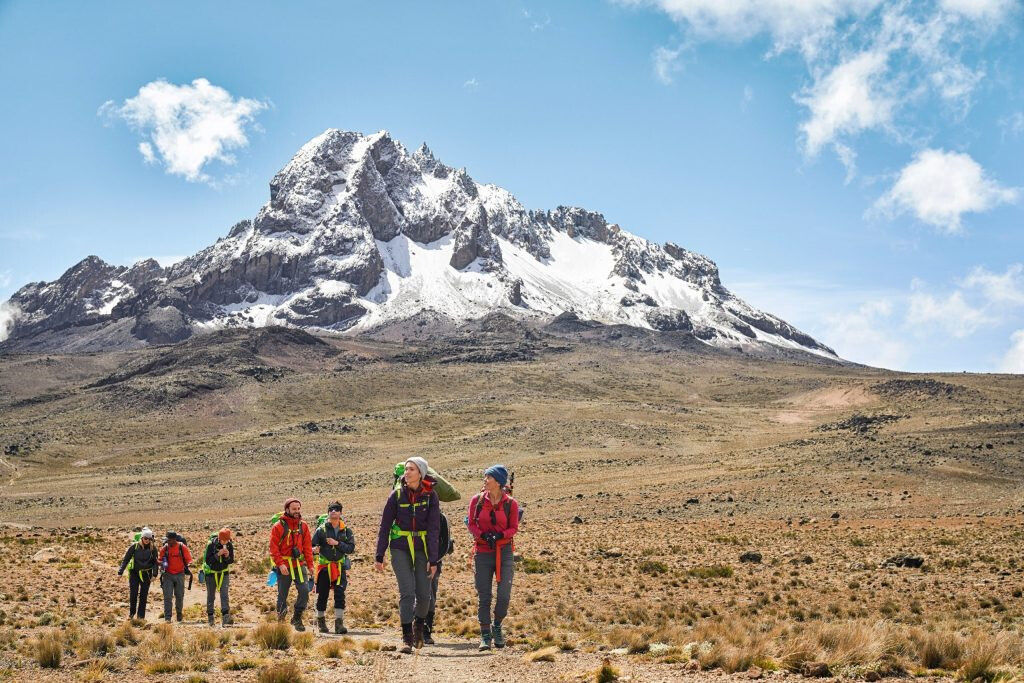
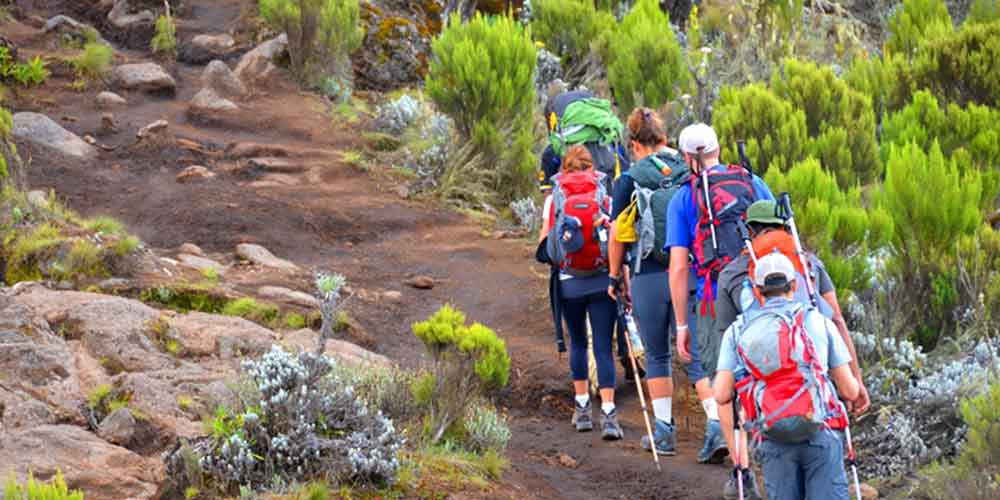
The Vital Role of Kilimanjaro’s Rainforest Belt
Mount Kilimanjaro, Africa’s highest peak, is not just a towering monolith of rock and ice; it’s a complex ecosystem that changes dramatically with altitude. The rainforest zone, often the first major ecological band encountered by trekkers, is a critical component of this mountain’s unique character and survival. It acts as a vital water catchment area, feeding rivers and streams that sustain local communities and wildlife. For those planning a Kilimanjaro climb in 2026 or 2027, recognizing the significance and unique features of this rainforest is the first step towards a successful and responsible expedition.
At Top Guide Adventures, we emphasize the importance of respecting and understanding each ecological zone you traverse. The rainforest is a gateway, preparing you for the more challenging and starker landscapes that lie above. Its dense canopy, often shrouded in mist, creates a mystical atmosphere, and its rich biodiversity offers glimpses into the mountain’s thriving life. This guide aims to provide an in-depth look at the Kilimanjaro rainforest ecology, equipping you with the knowledge needed for your adventure.
Defining the Kilimanjaro Rainforest Zone: Altitude and Characteristics
The rainforest zone on Kilimanjaro is primarily defined by its elevation and the climatic conditions associated with it. Generally, this belt extends from the mountain’s base, around 1,800 meters (5,900 feet), up to approximately 2,800 meters (9,200 feet). However, these altitudes can vary slightly depending on the specific slope, aspect (north-facing vs. south-facing), and rainfall patterns, which are influenced by seasonal monsoons.
Key Characteristics of the Rainforest Zone:
- Altitude Range: 1,800m – 2,800m (approx. 5,900ft – 9,200ft).
- Climate: High humidity, frequent rainfall (especially during rainy seasons), and moderate temperatures that are cooler than the surrounding plains but still relatively warm compared to higher zones.
- Vegetation: Dense, lush, and diverse. Characterized by a closed canopy of tall trees, abundant undergrowth, epiphytes (plants growing on other plants), mosses, ferns, and flowering plants.
- Soil: Rich in organic matter due to decomposition of plant material, often moist and sometimes muddy, especially after rain.
- Trail Conditions: Trails can be muddy, slippery, and sometimes overgrown. Visibility can be reduced by mist and fog.
This zone is the most accessible and often the most visually striking for trekkers starting their ascent. Routes like the Machame Route, Lemosho Route, and Marangu Route all begin by traversing this verdant landscape. Understanding these conditions helps in preparing the right gear, especially waterproofs and sturdy hiking boots, and in mentally preparing for the journey ahead.
Flora of the Kilimanjaro Rainforest: A Botanical Wonderland
The plant life within Kilimanjaro’s rainforest is a testament to the favorable conditions of high rainfall and fertile soil. The sheer density and variety of species are remarkable, creating a thick, green carpet that cloaks the lower slopes of the mountain. For botanists and nature enthusiasts, this zone is a treasure trove. For the average trekker, it provides a beautiful and engaging introduction to Kilimanjaro’s diverse ecosystems.
Dominant Tree Species and Their Significance
The canopy is dominated by a variety of hardwood trees that thrive in the humid environment. These giants create a shaded, moist microclimate on the forest floor. Common species include:
- Podoocarpus spp. (Yellowwood): These are among the largest trees in the forest, with distinctive needle-like leaves.
- Albizia spp. (Albizia Trees): Known for their rapid growth and often impressive stature, these trees are common in montane forests.
- Prunus spp. (Wild Cherries): While not cultivated cherries, these species are part of the forest’s native flora.
- Ocotea spp. (African Olive): A significant component of montane forests, providing habitat and food for various animals.
- Ficus spp. (Wild Figs): Many species of fig trees are found, playing a crucial role in the ecosystem as a food source for birds and mammals.
These trees not only define the forest structure but also influence the microclimate, retaining moisture and providing shelter. Their root systems help stabilize the soil on the steep mountain slopes, preventing erosion.
The Rich Understory: Ferns, Mosses, and Flowers
Beneath the towering trees, the forest floor is a mix of life. The high humidity supports an incredible abundance of:
- Ferns: A vast array of fern species, from delicate maidenhair ferns to larger tree ferns, thrive in the damp, shaded conditions.
- Mosses and Lichens: These cover tree trunks, branches, and rocks, often forming thick, verdant carpets that give the forest its characteristic lushness.
- Herbs and Shrubs: Various flowering plants, herbs, and smaller shrubs fill the spaces, contributing to the biodiversity.
- Epiphytes: Orchids, ferns, and other plants grow on the branches and trunks of larger trees, drawing moisture and nutrients from the air and rain.
While the rainforest itself might not boast the iconic giant groundsels or lobelias found at higher altitudes, its floral diversity is profound. Trekkers will notice the constant presence of vibrant green, punctuated by occasional bursts of color from flowering plants, especially after rains. The air is often thick with the scent of damp earth and decaying leaves, a signature aroma of this ecosystem.
Plant Adaptations in the Rainforest
The flora here has adapted to high rainfall, varying light levels, and the often steep terrain. Many plants have broad leaves to capture sunlight in the dense canopy. Epiphytes have developed specialized ways to anchor themselves and absorb moisture. The mosses and lichens are adept at surviving in perpetually damp conditions, playing a role in nutrient cycling.
Fauna of the Kilimanjaro Rainforest: Wildlife Encounters
The Kilimanjaro rainforest ecology is teeming with animal life, though much of it can be elusive due to the dense vegetation and the animals’ natural wariness. However, consistent observation can reveal a surprising variety of species. For trekkers, especially those on routes like Lemosho or Machame, the rainforest offers the best chances for significant wildlife sightings on Kilimanjaro itself.
Mammals of the Rainforest Belt
While large predators are absent from Kilimanjaro, the rainforest hosts a variety of mammals. The most commonly encountered are primates:
- Colobus Monkeys: These striking black-and-white monkeys are a highlight for many trekkers. They are often seen leaping through the trees or resting in the canopy.
- Blue Monkeys (Sykes’ Monkeys): Also known as Sykes’ monkeys, these primates are usually greyish with a darker face and sometimes a yellowish belly. They are curious and can often be seen in troops foraging for leaves and fruits.
- Bushbucks: These shy antelopes are more difficult to spot, but their presence is common. They are well-camouflaged within the dense undergrowth.
- Forest Hogs: Wild pigs can be found in the forest, though they are nocturnal and rarely seen by trekkers.
- Small Mammals: Various smaller creatures like squirrels, mongooses, and rodents inhabit the forest floor and lower canopy.
It’s important to remember that these animals are wild. Maintain a safe distance, never feed them, and appreciate them from afar. Their behavior and well-being depend on respectful observation.
Avian Diversity: Birds of the Rainforest
The rainforest is a haven for a multitude of bird species, making it a prime location for birdwatching on Kilimanjaro. The dense foliage provides ample nesting sites and food sources.
Commonly sighted birds include:
- Turacos: Species like the Fischer’s Turaco, with its distinctive crest and vibrant plumage, are often heard before they are seen.
- Hornbills: Various hornbill species, recognizable by their large, colorful beaks, can be spotted foraging in the trees.
- Sunbirds: Small, iridescent sunbirds flit among the flowers, feeding on nectar.
- Turtledoves and Pigeons: Many species of these birds are common residents.
- Forest Birds: A wide array of smaller forest birds, including warblers, flycatchers, and weavers, contribute to the soundscape of the forest.
The sounds of birdsong are a constant companion in this zone, adding to the sensory richness of the trekking experience. Bringing a pair of binoculars can greatly enhance your appreciation of the avian life.
Insects and Other Invertebrates
The rainforest floor and canopy are alive with insects and other invertebrates. While often overlooked, they are crucial to the ecosystem’s functioning. You’ll see various butterflies, beetles, ants, and spiders. The damp conditions also support a healthy population of earthworms and other soil organisms vital for decomposition and soil health.
Trekking Through the Kilimanjaro Rainforest: What to Expect
For most climbers, the journey begins in the Kilimanjaro rainforest. The experience here sets the tone for the entire trek. Understanding what to anticipate can help you prepare physically and mentally.
Trail Conditions and Challenges
The trails in the rainforest zone are typically well-trodden, especially on popular routes. However, the high rainfall means they can become:
- Muddy and Slippery: Especially after rain, the ground can be very slick. Sturdy hiking boots with good grip are essential. Trekking poles can also provide invaluable stability.
- Uneven: Roots and rocks can make the path uneven, requiring careful footing.
- Steep: While not as relentlessly steep as some sections higher up, there are often significant ascents and descents within this zone.
Visibility can be an issue, particularly in misty conditions, which are common. This can create a sense of being enclosed and can sometimes make navigation feel more challenging, although guides are expertly trained.
Sensory Experience: Sights, Sounds, and Smells
The rainforest offers a rich sensory experience:
- Visuals: An overwhelming greenness, from the canopy overhead to the mosses underfoot. Sunlight filters through the leaves, creating dappled patterns. Mist can add an ethereal quality, obscuring distant views but enhancing the feeling of being in a primeval forest.
- Sounds: The constant chorus of birdsong, the rustling of leaves as unseen animals move, the calls of monkeys, and the gentle drip of water from leaves after rain create a vibrant soundscape.
- Smells: The distinct aroma of damp earth, decaying vegetation, and the fresh scent of moist leaves and wood are pervasive.
This environment is a stark contrast to the drier, more open landscapes found at higher altitudes, and it’s a place to be savored.
Wildlife Spotting Opportunities
The rainforest offers the best chance to see Kilimanjaro’s larger wildlife. Keep your eyes peeled for:
- Monkeys: Colobus and Blue monkeys are frequently spotted.
- Birds: Turacos and hornbills are often seen or heard.
- Insects: Butterflies and other colorful insects are common.
Remember to always maintain a respectful distance and avoid disturbing the animals. Your guides will point out wildlife when they see it.
Acclimatization and Pace
While the rainforest zone is at a lower altitude, the initial ascent can still be strenuous. It’s important to maintain a steady, slow pace – often referred to as ‘pole pole’ (slowly, slowly). This helps your body begin the process of acclimatization, even at these lower elevations. The humidity can also make the exertion feel more intense than the actual altitude might suggest.
Transitioning to Higher Zones: The Rainforest’s Edge
As you ascend beyond the rainforest, typically above 2,800 meters (9,200 feet), the environment begins to change. The dense canopy gives way, sunlight becomes more prevalent, and the vegetation starts to thin. This transition marks the beginning of the heath and moorland zones.
Ecological Shift
The shift is gradual but noticeable:
- Vegetation: Tall trees become less common, replaced by shrubs, heather, and grasses. The iconic giant groundsels and lobelias begin to appear.
- Humidity: The air becomes drier, and rainfall might decrease, though mist can still be prevalent.
- Temperature: Temperatures begin to drop more noticeably, especially at night.
The rainforest’s role as a water source continues to be important, but its ecological dominance fades. The transition highlights the dramatic environmental gradients present on Kilimanjaro.
Conservation and Responsible Trekking in the Rainforest
The Kilimanjaro rainforest is a fragile ecosystem, and responsible trekking is paramount to its preservation. As a tour operator committed to sustainable tourism, Top Guide Adventures instills these principles in all our clients and guides.
Leave No Trace Principles
Adhering to Leave No Trace principles is essential:
- Pack It In, Pack It Out: All litter, including organic waste like fruit peels, must be carried back down the mountain.
- Stay on the Trail: Venturing off-path can damage delicate vegetation and lead to erosion.
- Respect Wildlife: Do not feed animals or disturb their habitats. Observe from a distance.
- Minimize Campfire Impact: Campfires are generally prohibited in Kilimanjaro National Park. Use stoves for cooking.
- Dispose of Waste Properly: Use designated toilets or dig catholes far from water sources when away from established camps.
The Role of Guides and Porters
Your guides and porters are knowledgeable about the local environment and conservation practices. They are trained to manage waste, follow park rules, and educate trekkers. Supporting ethical and responsible tour operators ensures that local communities benefit and that the mountain environment is protected for future generations, including for climbs planned for 2026 and 2027.
Impact of Climate Change
Like many ecosystems worldwide, Kilimanjaro’s rainforest is not immune to the effects of climate change. Changes in rainfall patterns, increased temperatures, and altered growing seasons can impact the health and distribution of plant and animal species. By trekking responsibly, we contribute to minimizing human impact and supporting the resilience of this vital ecosystem.
Planning Your Kilimanjaro Climb: Integrating Rainforest Knowledge
Understanding the Kilimanjaro rainforest ecology directly influences your preparation and trekking experience. Here’s how:
Gear Selection
The conditions in the rainforest dictate specific gear needs:
- Waterproofs: A good quality waterproof jacket and trousers are essential for rain and mist.
- Footwear: Sturdy, waterproof hiking boots with excellent ankle support and grip are non-negotiable for navigating muddy, slippery trails. Gaiters can also be very useful.
- Trekking Poles: Highly recommended for stability on uneven and slippery terrain, and to reduce strain on your knees during descents.
- Moisture-Wicking Layers: While it can be warm, the humidity means synthetic or merino wool base layers are better than cotton, which stays wet.
Physical and Mental Preparation
The initial days in the rainforest can be physically demanding due to the combination of humidity, steepness, and the sheer novelty of the environment. Ensure you are:
- Physically Fit: Engage in regular cardiovascular exercise and hiking practice.
- Mentally Prepared: Understand that the rainforest can be damp, misty, and visually monotonous for some. Embrace the atmosphere and focus on the journey.
- Hydrated: Drink plenty of water, even if you don’t feel thirsty, to combat dehydration, especially in the humid air.
Choosing the Right Route
Different routes traverse the rainforest differently:
- Machame & Lemosho Routes: These are often considered the most scenic, passing through the heart of the rainforest for extended periods, offering excellent wildlife viewing and varied landscapes. They are generally longer and more challenging but offer better acclimatization.
- Marangu Route: This route has a more direct ascent through the rainforest, often with more defined, sometimes paved, sections. It’s known as the “Coca-Cola” route and is the only one with hut accommodation.
- Shira & Rongai Routes: These also pass through the rainforest, with Rongai approaching from the drier northern side, offering a slightly different perspective.
When planning your 2026-2027 Kilimanjaro adventure, discuss route options with your tour operator to find one that best suits your preferences for scenery, challenge, and ecological experience.
Common Misconceptions About Kilimanjaro’s Rainforest
Several myths surround Kilimanjaro’s ecological zones. It’s important to clarify these:
- Myth: The rainforest is the most dangerous part of the climb. Reality: While challenging, the primary dangers on Kilimanjaro relate to altitude sickness, which becomes more prevalent at higher zones. The rainforest presents physical challenges like mud and slippery paths.
- Myth: You’ll see large, dangerous animals like lions or elephants. Reality: Kilimanjaro’s ecosystem does not support large predators or megafauna. The wildlife is primarily smaller mammals, birds, and insects.
- Myth: The rainforest is consistently warm and humid. Reality: While humid, temperatures are moderate. It’s cooler than the plains below, and can feel chilly, especially in mist or after rain. The heat is more about the humidity making exertion feel intense.
The Future of Kilimanjaro’s Rainforest Ecosystem (2026-2027 Outlook)
As we look towards 2026 and 2027, the Kilimanjaro rainforest ecology remains a critical focus for conservation efforts. The increasing number of trekkers, coupled with the ongoing impacts of climate change, necessitates continued vigilance and responsible tourism practices.
Key considerations for the near future include:
- Sustainable Tourism Growth: Managing visitor numbers and ensuring that tour operators adhere to strict environmental regulations will be crucial.
- Climate Change Monitoring: Continued research into how changing weather patterns affect the rainforest’s flora and fauna will inform conservation strategies.
- Community Involvement: Engaging local communities in conservation efforts and ensuring they benefit from tourism provides a strong incentive for protecting the mountain’s resources.
For trekkers planning their expedition in 2026 or 2027, choosing a reputable operator like Top Guide Adventures means supporting these conservation goals. We are dedicated to providing exceptional experiences while upholding the highest standards of environmental responsibility.
Conclusion: Embracing the Rainforest’s Majesty on Your Climb
The Kilimanjaro rainforest ecology is far more than just the initial stage of a climb; it’s a vital, vibrant ecosystem that offers a unique prelude to the grand adventure of ascending Africa’s roof. Its lush greenery, diverse wildlife, and distinctive atmosphere prepare you for the challenges and rewards that lie ahead.
By understanding its flora, fauna, and the specific conditions you’ll encounter, you can better prepare for your trek, enhance your appreciation of the mountain’s natural beauty, and contribute to its preservation. Whether you’re planning for 2026 or 2027, Top Guide Adventures is here to guide you through every step of your Kilimanjaro journey, ensuring a safe, memorable, and responsible expedition.
Ready to experience the Kilimanjaro rainforest and its incredible ecology firsthand? Contact us today to plan your 2026-2027 adventure. Reach us via WhatsApp +255616946642 or email us at topguideadventures@gmail.com or info@topguideadventures.com. Let’s make your Kilimanjaro dream a reality.
Check Availability for Kilimanjaro Rainforest Ecology Guide: Flora, Fauna & Trekking Insights
Ready to compare dates, prices, and the best option for your group? Send the package name and travel month so the team can reply with a clear quote, availability, and what is included.

Kilimanjaro Giant Lobelias Explained: Identification, Ecology, And Trekker
Explore the fascinating Giant Lobelias of Kilimanjaro. Learn about their remarkable adaptations to the alpine environment, where they thrive on the mountain slopes, and how to best spot...
View package details
Kilimanjaro Rainforest Bird-Watching Guide: Best Species & Trails 2026-2027
Explore the vibrant avian world within Kilimanjaro's rainforest zones. This comprehensive guide details the best bird-watching spots, target species like the Turaco and Hornbill, and...
View package details
How To Identify An Unrealistically Cheap Kilimanjaro Package 2026-2027
How to Identify an Unrealistically Cheap Kilimanjaro Package is explained with current 2026-2027 planning, price, itinerary and booking information.
View package details
How To Compare Kilimanjaro Package Inclusions For Your Climb 2026-2027
Choosing the right Kilimanjaro climb package in 2026 or 2027 involves meticulously comparing what's included. This guide breaks down essential inclusions like park fees, guide/porter...
View package details
How To Read A Kilimanjaro Climbing Quote 2026-2027
How to Read a Kilimanjaro Climbing Quote is explained with current 2026-2027 planning, price, itinerary and booking information.
View package details
Kilimanjaro Booking Checklist For First-Time Climbers: Your Essential Guide
Planning your first Kilimanjaro climb in 2026 or 2027? This detailed checklist covers everything from choosing a route and operator to packing and acclimatization, ensuring a well-prepared...
View package details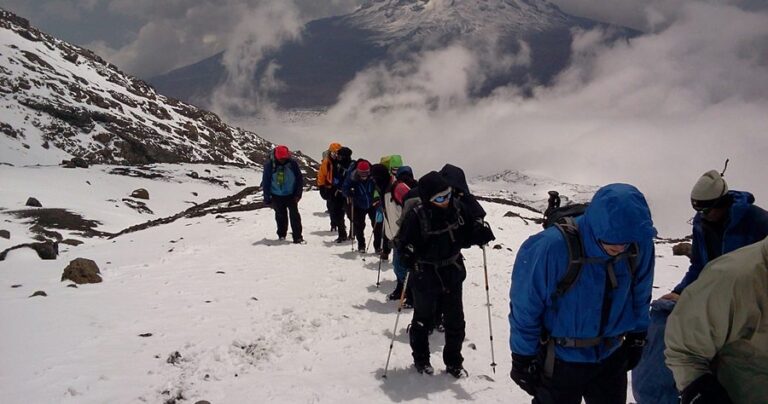
Questions Your Kilimanjaro Operator Should Answer For A Successful Climb
Choosing the right Kilimanjaro operator is crucial for a safe and memorable climb. This comprehensive guide details the essential questions you must ask your potential tour operator...
View package details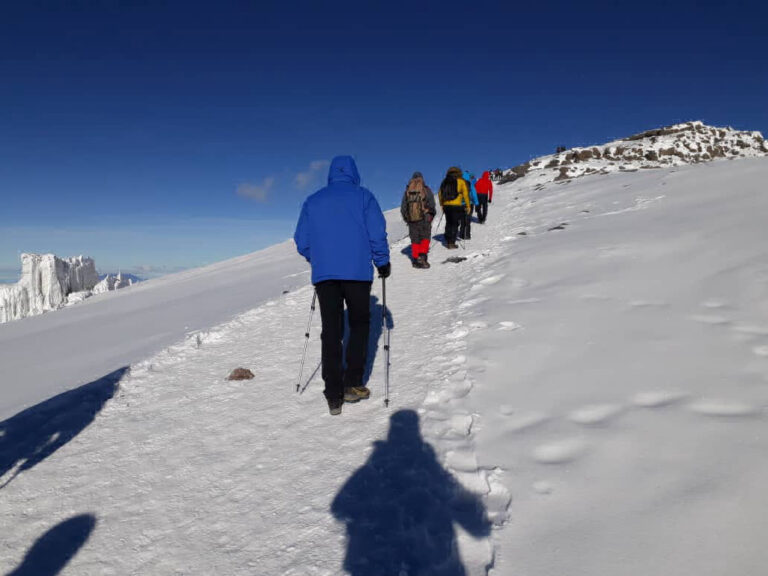
What Kilimanjaro Packages Often Leave Out 2026-2027
What Kilimanjaro Packages Often Leave Out is explained with current 2026-2027 planning, price, itinerary and booking information.
View package details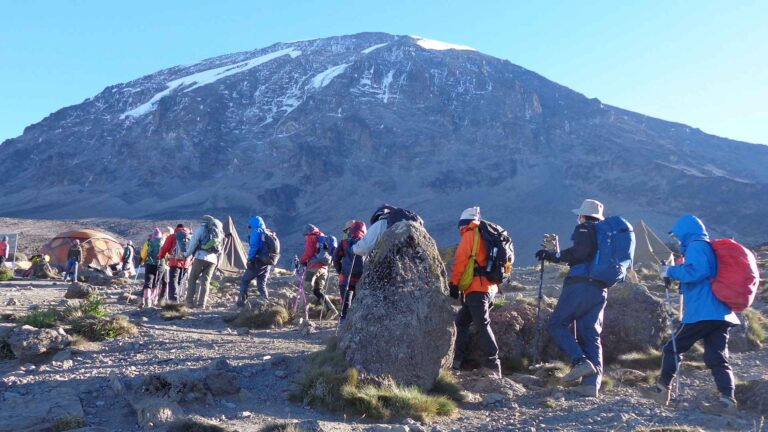
Is Kilimanjaro Really Worth The Cost? 2026-2027
Is Kilimanjaro Really Worth the Cost? is explained with current 2026-2027 planning, price, itinerary and booking information.
View package details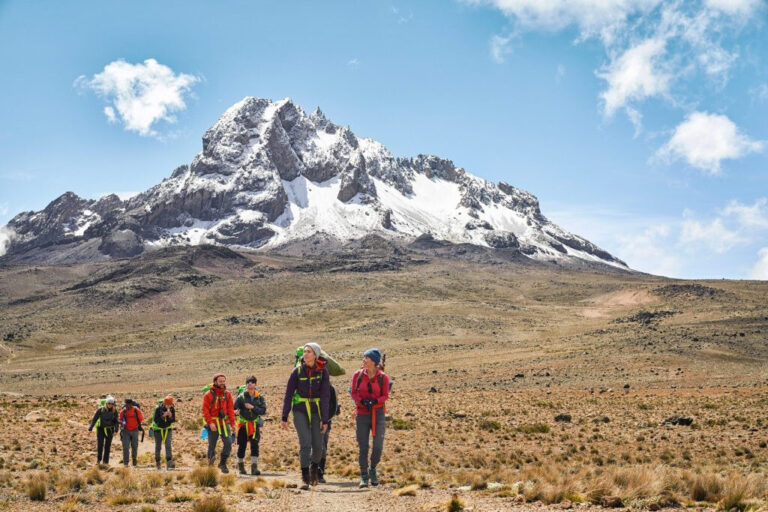
The Truth About Climbing Mount Kilimanjaro 2026-2027
The Truth about Climbing Mount Kilimanjaro is explained with current 2026-2027 planning, price, itinerary and booking information.
View package details
What Nobody Tells You About Climbing Kilimanjaro 2026-2027
What Nobody Tells You about Climbing Kilimanjaro is explained with current 2026-2027 planning, price, itinerary and booking information.
View package details30 Things To Know Before Booking Kilimanjaro: Your Expert Guide For Climbs
Your ultimate checklist for booking a Kilimanjaro climb in 2026-2027. This guide covers everything from choosing the right route and understanding costs to essential gear and preparation...
View package detailsNo related package matches those filters. Clear one or more filters to see the other topic-matched options.



