
The Kilimanjaro rainforest zone offers a remarkable, yet often overlooked, bird-watching experience, particularly along its lower slopes and the initial stages of trekking routes like Marangu and Machame. While climbing Kilimanjaro is the primary focus for most visitors, dedicated birders can spot numerous endemic and migratory species, including the striking Turacos, various Hornbills, Sunbirds, and even the elusive African Cuckoo Hawk, especially during the wetter seasons of 2026 and 2027. Successful bird-watching here involves choosing the right trails, understanding seasonal movements, and employing patient observation techniques.


Understanding Kilimanjaro’s Avian Habitats
Mount Kilimanjaro, a UNESCO World Heritage Site, is more than just Africa’s highest peak; it’s a vertical ecosystem supporting a rich diversity of life, including a significant array of bird species. The mountain’s altitude gradient creates distinct ecological zones, each with its unique flora and fauna. The rainforest zone, typically found between approximately 1,800 and 2,800 meters (5,900 to 9,200 feet), is the most biodiverse region for bird-watching on the mountain, especially in the early days of a trek.
This lush, humid environment is characterized by dense montane forests, characterized by ancient trees draped in mosses and epiphytes, clear streams, and a vibrant undergrowth. These conditions provide ample food sources, nesting sites, and shelter for a wide variety of birds. While trekkers often focus on the physical challenge of the climb, pausing to observe the avian life can greatly enrich the experience, offering unique encounters for those prepared for the Kilimanjaro rainforest bird-watching opportunities that abound.
The Ecological Zones and Their Birdlife
Kilimanjaro’s five major vegetation zones, from bottom to top, are:
- Cultivation Zone: The lowest slopes, heavily influenced by human activity, with farms and small villages. Birds here are often more common, including species adapted to agricultural landscapes.
- Rainforest Zone: The primary focus for bird-watching on the mountain. This zone is incredibly dense and humid, supporting a high diversity of forest-dwelling birds.
- Heath Zone: Transitioning from forest to moorland, with more open vegetation, giant heathers, and senecios. Bird species begin to change, favoring more open habitats.
- Alpine Desert Zone: Arid and exposed, with sparse vegetation. Birdlife is less common and adapted to harsh conditions.
- Arctic Zone: The summit area, characterized by ice and snow. Very few birds can survive here, typically only seen during brief periods.
The Kilimanjaro rainforest bird-watching potential is concentrated in the second zone, offering a stark contrast to the barrenness of the higher altitudes. Even on popular trekking routes, pockets of pristine forest offer chances to spot elusive species. Understanding these zones helps in anticipating the types of birds you might encounter on your trek in 2026 or 2027.
Best Trails for Kilimanjaro Rainforest Bird-Watching
While all routes to the summit pass through the rainforest zone, some offer better bird-watching opportunities due to their trail design, lower traffic, or specific habitat features. The early sections of these routes are prime for observing forest avifauna.
The Marangu Route: The ‘Coca-Cola’ Trail
The Marangu Route, often called the ‘Coca-Cola’ route due to its popularity and accessibility, is one of the oldest and most established paths up Kilimanjaro. It starts at the park gate at 1,860 meters and immediately enters the dense rainforest. The path is well-maintained, and you’ll often hear the calls of forest birds before you see them.
Bird-watching highlights on Marangu:
- Lower Forest Sections: The initial hours of the trek are rich with birdlife. Look for groups of Turacos, particularly the White-cheeked Turaco, and various species of barbets and woodpeckers.
- Openings and Clearings: As the trail winds through the forest, occasional clearings or areas where the canopy is less dense can offer better visibility for spotting birds like the Pied Hornbill or Silvery-cheeked Hornbill.
- Soundscapes: The dense foliage can make visual spotting difficult, but the rainforest is alive with sound. Learning to identify bird calls will significantly enhance your Kilimanjaro rainforest bird-watching experience on Marangu.
While Marangu is busy, its direct entry into the forest makes it a good starting point for birders. Early morning is the best time to see activity.
The Machame Route: The ‘Whiskey’ Route
The Machame Route is known for its scenic beauty and challenging ascent profile. It also begins in the dense rainforest, offering excellent bird-watching potential in its initial stages.
Bird-watching highlights on Machame:
- Matinos Forest Entrance: The trek starts at 1,800 meters, plunging directly into the vibrant rainforest. Expect to hear and see numerous forest species within the first day.
- Diverse Undergrowth: The Machame trail often traverses areas with richer undergrowth, providing habitat for smaller, more secretive birds like sunbirds and warblers.
- Higher Altitude Transition: As you ascend towards the Shira Plateau, the forest begins to thin, offering glimpses of birds that inhabit the transition zone between rainforest and heath.
Machame is generally considered more scenic than Marangu, and its initial forest trek provides a fantastic introduction to Kilimanjaro rainforest bird-watching. Trekkers often report hearing the calls of Turacos and seeing colorful sunbirds flitting among the flowers even on day one.
The Lemosho Route: Extended Rainforest Immersion
The Lemosho Route is longer and offers a more remote and pristine experience. It spends more time in the rainforest zone, providing ample opportunities for bird enthusiasts.
Bird-watching highlights on Lemosho:
- Extended Forest Trekking: Lemosho’s longer approach means more time spent trekking through the primary rainforest, increasing chances of encountering a wider array of species.
- Less Foot Traffic: Being a less crowded route, Lemosho offers a quieter environment, which can be advantageous for spotting shy birds.
- Rich Biodiversity: The forests traversed by Lemosho are often considered more untouched, supporting a greater density and variety of avian life.
For serious birders planning a Kilimanjaro climb in 2026 or 2027, the Lemosho route’s extended rainforest immersion makes it a top choice for maximizing Kilimanjaro rainforest bird-watching encounters.
Other Routes and Birding Potential
While Marangu, Machame, and Lemosho are the most popular, other routes like Rongai and Northern Circuit also pass through rainforest sections. However, their entry points or primary trekking areas might be less focused on this specific habitat.
- Rongai Route: Enters from the north, passing through drier areas before reaching the montane forest. Birding is good once you reach the forest but might be less consistent initially.
- Northern Circuit: The longest route, offering a comprehensive Kilimanjaro experience. It spends significant time in various zones, including the rainforest, but its focus is broader than just bird-watching.
Ultimately, the best trail for Kilimanjaro rainforest bird-watching depends on how much time you want to dedicate to this activity and your overall trekking preferences. Even a few hours dedicated to observing the forest canopy and undergrowth can yield rewarding sightings.
Key Bird Species to Look For in Kilimanjaro’s Rainforest
The montane rainforest of Kilimanjaro is home to a fascinating array of bird species. While identifying all of them can be challenging without prior knowledge, certain charismatic or common species are more likely to be encountered. Knowing what to look for can significantly enhance your bird-watching experience.
The Vibrant Turacos
Turacos are perhaps the most iconic birds of the Kilimanjaro rainforest. These medium-sized, fruit-eating birds are known for their striking plumage and distinctive calls. They often travel in small family groups and are usually found in the mid-canopy.
- White-cheeked Turaco (Tauraco leucolophus): One of the most common and visually stunning turacos in the region. Easily identifiable by its prominent white cheek patches and crest.
- Great Blue Turaco (Corythaeola cristata): While less common on Kilimanjaro itself compared to other East African forests, it’s possible to encounter this magnificent bird, distinguished by its deep blue and green plumage and large crest.
Spotting a Turaco requires patience. They are often heard before they are seen, with their loud, barking calls echoing through the forest. Look for flashes of color as they move through the trees.
Hornbills of the Montane Forest
Several species of hornbills inhabit Kilimanjaro’s rainforest, playing important roles as seed dispersers. They are typically larger birds with distinctive casques on their bills.
- Silvery-cheeked Hornbill (Bycanistes brevis): A large, impressive hornbill with a distinctive silvery-white cheek patch and a prominent casque. Often seen flying over the canopy or perched on tall trees.
- Pied Hornbill (Tockus fasciatus): Smaller than the Silvery-cheeked Hornbill, this species is also common in the forest edges and clearings.
Hornbills can often be spotted foraging in fruiting trees or flying between forest patches. Their large size and distinctive calls make them relatively easy to identify once seen.
Colorful Sunbirds
Sunbirds are small, nectar-feeding birds, often brilliantly colored, especially the males. They are common in areas with flowering plants and are a delight to watch as they flit from bloom to bloom.
- Scarlet-chested Sunbird (Nectarinia senegalensis): A common and vibrant species, with males displaying iridescent scarlet plumage on their chest.
- Variable Sunbird (Nectarinia venusta): Exhibits sexual dimorphism, with males having a metallic green or bronze plumage and females being more subdued olive-green.
- Malachite Sunbird (Nectarinia famosa): A stunning species with iridescent green plumage, often found in highland areas.
Sunbirds are active and fast-moving, making them challenging to photograph but rewarding to observe. Their presence indicates a healthy flowering undergrowth within the rainforest.
Other Notable Rainforest Species
Beyond Turacos, Hornbills, and Sunbirds, Kilimanjaro’s rainforest hosts a wealth of other avian species:
- African Cuckoo Hawk (Aviceda cuculoides): A rare and elusive raptor, its presence indicates a mature and undisturbed forest. Spotting one is a significant achievement for any birder.
- Montane White-eye (Zosterops poliogastrus): Small, active birds that often move in flocks, foraging for insects and nectar.
- Hartlaub’s Turaco (Tauraco hartlaubi): Another beautiful Turaco species found in highland forests.
- Various Flycatchers, Warblers, and Tits: Numerous smaller species inhabit the forest layers, adding to the auditory and visual richness.
- Forest Buzzard (Buteo oreophilus): A raptor that can be seen soaring over the forest canopy.
For those keen on Kilimanjaro rainforest bird-watching, carrying a good field guide specific to East African birds and binoculars is essential. The sheer variety means that even casual observers can find much to appreciate.
When is the Best Time for Bird-Watching on Kilimanjaro?
The timing of your Kilimanjaro trek can significantly impact your bird-watching success. While Kilimanjaro is a year-round destination, certain periods offer better conditions for spotting birds in the rainforest zone.
Seasonal Variations
Kilimanjaro experiences two main rainy seasons and two dry seasons:
- Long Rains: March, April, and May. This period is generally considered the least ideal for trekking due to heavy rainfall, which can make trails muddy and visibility poor. However, the lush vegetation can attract certain species, and migrant birds might be present.
- Short Rains: November. Less intense than the long rains, but still brings occasional showers.
- Dry Seasons: June to October and December to February. These are the most popular times for climbing Kilimanjaro, offering clearer skies and drier trails. Bird activity can be high as birds congregate around limited water sources, and resident species are more visible.
Breeding Seasons
The breeding season for many birds in East Africa typically coincides with the end of the dry seasons and the onset of the rains. This period, often from around September to March, can be excellent for bird-watching.
- Increased Activity: Birds are more vocal and active as they establish territories and care for their young.
- Plumage: Males may display brighter breeding plumage, making them easier to spot.
- Food Availability: The emergence of insects and ripening fruits can draw birds to specific areas.
Therefore, the dry months of June to October 2026 and December 2026 to February 2027, particularly extending into the early part of the breeding season, could offer the best combination of favorable trekking conditions and active birdlife for your Kilimanjaro rainforest bird-watching adventure.
Daily Birding Cycles
Like most birds, Kilimanjaro’s rainforest inhabitants follow a daily rhythm:
- Early Morning: Dawn is the most active time for birds. The forest comes alive with calls and foraging activity as temperatures rise. This is prime time for spotting Turacos and other forest dwellers.
- Midday: Activity generally decreases during the hottest part of the day. Birds may seek shade or rest.
- Late Afternoon: A second peak of activity often occurs before dusk as birds forage for a final meal.
Planning your trekking schedule to include early morning and late afternoon walks in the rainforest zone will maximize your chances for successful Kilimanjaro rainforest bird-watching.
Essential Gear for Kilimanjaro Bird-Watching Trekkers
While standard Kilimanjaro trekking gear is crucial, a few specific items can significantly enhance your bird-watching experience in the rainforest zone.
Optics: Binoculars are Key
High-quality binoculars are non-negotiable for any serious bird-watcher. Given the dense forest canopy, you’ll often need to observe birds at a distance or identify them within the foliage.
- Magnification: 8x or 10x magnification is generally recommended. 8x offers a wider field of view and is more stable, while 10x provides greater detail but can be harder to hold steady.
- Objective Lens Size: A 32mm or 42mm objective lens offers a good balance between light-gathering capability and portability.
- Field of View: A wider field of view helps you locate and track fast-moving birds.
- Waterproofing: Essential for the humid rainforest environment.
Consider a compact pair that is easy to carry and won’t add significant weight to your pack. A neck strap or harness is highly recommended for quick access.
Field Guides and Identification Apps
To make the most of your sightings, a reliable field guide is indispensable.
- Physical Field Guides: Look for guides specifically covering East African birds, preferably with illustrations or photographs and range maps. ‘Birds of East Africa’ by Terry Stevenson and John Fanshawe is a widely respected resource.
- Mobile Apps: Several apps can aid in identification, often with sound recordings and updated information. Merlin Bird ID, eBird, and local birding apps can be very useful, provided you have reliable battery power and potentially offline access.
Having both a physical guide and a digital option can be beneficial. Note down or sketch any unidentified birds to research later.
Clothing and Accessories
Comfortable, quiet clothing is important for bird-watching, as loud rustling can scare birds away.
- Neutral Colors: Opt for muted, natural colors like greens, browns, and grays to blend in with the environment. Avoid bright colors.
- Layering: The rainforest can be cool and damp, especially in the morning. Layers allow you to adjust to changing temperatures. Waterproof and windproof outer layers are essential.
- Quiet Fabrics: Avoid noisy synthetic materials. Natural fibers or soft-shell fabrics are preferable.
- Comfortable Footwear: Waterproof hiking boots are a must for the terrain, and good socks are crucial for preventing blisters.
Other Useful Items
- Camera with Zoom Lens: If you enjoy photography, a camera with a good telephoto lens can help capture images of distant birds.
- Notebook and Pen: For jotting down sightings, observations, and sketches.
- Headlamp or Flashlight: Essential for early morning or late afternoon birding sessions.
- Insect Repellent: While not as critical as on a safari, mosquitoes and other insects can be present in the rainforest.
Remember that Kilimanjaro trekking involves carrying your gear, so prioritize lightweight and multi-functional items. Balancing your bird-watching needs with the practicalities of climbing is key for a successful Kilimanjaro rainforest bird-watching trip in 2026-2027.
Tips for Maximizing Your Kilimanjaro Rainforest Bird-Watching Experience
Bird-watching on Kilimanjaro requires a blend of trekking preparedness and keen observation skills. The dense forest environment presents unique challenges and rewards.
Patience and Observation
The most crucial element of successful bird-watching is patience. Forest birds can be shy and well-camouflaged. Spend time observing a single area, listening carefully to the sounds around you. Often, a bird’s call will alert you to its presence before you see it.
Listen Actively
The rainforest is a symphony of sounds. Learn to distinguish different bird calls – the distinctive calls of Turacos, the drumming of woodpeckers, the chirping of sunbirds, and the alarm calls of other species. Many guides are knowledgeable about bird calls and can help you identify species by sound alone.
Scan the Canopy and Undergrowth
Birds occupy different layers of the forest. Make a habit of scanning the high canopy for larger birds like hornbills and raptors, the mid-levels for Turacos and barbets, and the undergrowth for smaller species like warblers and sunbirds.
Move Slowly and Quietly
Sudden movements and loud noises will scare birds away. Walk at a slow, deliberate pace, especially in bird-rich areas. Pause frequently to listen and look. If you are part of a trekking group, communicate your interest in bird-watching to your guide so they can help you find quieter spots or slow down when necessary.
Utilize Your Guide
Your Kilimanjaro guide is an invaluable resource. They possess extensive knowledge of the mountain, its flora, fauna, and local birdlife. Don’t hesitate to ask them about the birds you see or hear. Many guides are trained to spot wildlife and can point out species you might otherwise miss. For specialized Kilimanjaro rainforest bird-watching, consider arranging a private guide who has specific birding expertise, available through operators like Top Guide Adventures.
Respect Wildlife and Environment
Always maintain a respectful distance from birds and their nests. Avoid disturbing their natural behavior. Stick to marked trails to minimize your impact on the delicate rainforest ecosystem. Remember that Kilimanjaro is a protected national park, and adherence to park rules is mandatory.
Timing Your Trek
As discussed earlier, the dry seasons (June-October and December-February) generally offer better conditions. The period leading into and during the breeding season (September-March) can be particularly rewarding. Planning your 2026 or 2027 trek with these factors in mind will improve your bird-watching prospects.
Stay Alert on Lower Slopes
The most intense bird activity is usually found on the lower slopes of the rainforest zone, typically within the first day or two of your trek. Make the most of these initial hours before you ascend to higher, less vegetated zones.
By combining these tips with the right gear and knowledge, your Kilimanjaro rainforest bird-watching experience can become a highlight of your mountain adventure.
Challenges and Considerations for Bird-Watching on Kilimanjaro
While the Kilimanjaro rainforest offers exciting bird-watching opportunities, it’s essential to be aware of the challenges and unique considerations involved.
Dense Vegetation and Limited Visibility
The primary challenge is the density of the rainforest itself. Thick foliage, towering trees, and a multi-layered canopy can make spotting birds difficult. Many species are masters of camouflage, and their calls might be the only indication of their presence. This is where good optics and listening skills become paramount.
Steep and Uneven Terrain
Kilimanjaro’s trails, even in the rainforest, can be steep, muddy, and uneven, especially during or after rain. This makes slow, deliberate bird-watching challenging. You need to balance your desire to observe with the need for safe footing. Using a walking stick can help with stability.
Altitude Acclimatization
As you ascend, the effects of altitude will begin to be felt. Bird-watching requires a certain level of physical and mental energy. Prioritizing acclimatization is crucial for safety and enjoyment. Birding should be a secondary focus to the primary goal of safely reaching the summit.
Weather Variability
The rainforest zone is characterized by high humidity and frequent rainfall, even during drier months. Sudden downpours can occur, making observation difficult and potentially soaking your gear. Waterproof clothing and equipment are essential. Rain can also drive birds to seek shelter, reducing visible activity.
Noise and Disturbance
Kilimanjaro is a popular trekking destination. On routes like Marangu, you may encounter many other trekkers, porters, and guides. Noise and human presence can disturb wildlife. Choosing less crowded routes like Lemosho or Machame, or trekking during less busy periods in 2026-2027, can offer a more peaceful experience.
Focus vs. Trekking Goals
It’s important to remember that Kilimanjaro is primarily a challenging trek. Bird-watching should be integrated into the trek rather than being the sole focus. Trying to spend too much time on bird observation could compromise your acclimatization schedule or trekking pace, potentially affecting your summit bid. A balance is key.
Species Identification Difficulty
Identifying forest birds can be tricky. Many species look similar, and fleeting glimpses are common. Relying on field guides, apps, and knowledgeable guides is essential. Don’t be discouraged if you can’t identify every bird you see or hear.
Despite these challenges, the rewards of Kilimanjaro rainforest bird-watching are immense. The unique species, the vibrant ecosystem, and the sheer beauty of the mountain’s lower slopes offer an unforgettable experience for those who take the time to look and listen.
Integrating Bird-Watching into Your Kilimanjaro Itinerary
To effectively incorporate bird-watching into your Kilimanjaro climb, consider these itinerary adjustments and planning strategies.
Pre-Trek Birding Opportunities
Before you even start the ascent, the areas surrounding Kilimanjaro offer excellent bird-watching. Moshi and Arusha towns, along with nearby national parks like Arusha National Park (home to Mount Meru), are rich in avian life.
- Arusha National Park: Known for its diverse birdlife, including the African Fish Eagle, Turacos, and various waterbirds. A day trip here before your Kilimanjaro climb can be a fantastic warm-up for Kilimanjaro rainforest bird-watching.
- Local Lodges and Gardens: Many lodges around Moshi and Arusha have beautiful gardens that attract sunbirds, weavers, and other smaller species.
Arranging a pre-trek day tour with a local expert birding guide can provide valuable insights and help you spot species you might encounter on the mountain.
On-Trek Birding Strategy
During the trek itself, focus your bird-watching efforts on the initial days when you are in the rainforest zone.
- Early Mornings: Wake up before sunrise. The first hour or two after dawn are the most active for birds. Listen from your tent or take a short, slow walk around the campsite if permitted and safe.
- Slow Ascents: Communicate with your guide about your interest in bird-watching. Request that the group moves at a slightly slower pace during the rainforest sections.
- Lunch Breaks: Use lunch breaks in forested areas to scan the surroundings for bird activity.
- Descent Observation: The descent offers a different perspective and may reveal birds missed on the ascent, especially in different light conditions.
Choosing the Right Tour Operator
Selecting a tour operator that understands and caters to bird-watching interests can make a significant difference. Top Guide Adventures, for instance, can arrange for guides with knowledge of local birdlife or even specialized birding guides for those who want to prioritize avian encounters.
- Private Treks: Opting for a private climb allows for more flexibility in pacing and stops, which is ideal for bird-watching.
- Guide Expertise: Inquire about the birding knowledge of the guides. A good guide can significantly enhance your Kilimanjaro rainforest bird-watching experience.
When booking for 2026 or 2027, discuss your bird-watching goals with your chosen operator. They can help tailor the itinerary and ensure your guide is prepared.
Post-Trek Birding
After descending Kilimanjaro, consider extending your stay in Tanzania for more dedicated bird-watching excursions.
- Tanzania Safaris: Parks like the Serengeti, Tarangire, and Lake Manyara are world-renowned for their diverse birdlife, in addition to large mammals.
- Other Highland Forests: Explore other montane forests in Tanzania for different species.
Integrating bird-watching before, during, and after your Kilimanjaro climb ensures you maximize your chances of experiencing the rich avian diversity of the region.
Conservation and Responsible Bird-Watching on Kilimanjaro
Kilimanjaro National Park is a fragile ecosystem, and responsible tourism practices are crucial to preserve its natural beauty and biodiversity, including its birdlife.
Respecting Park Rules
Adhere strictly to all park regulations. This includes staying on marked trails, not feeding wildlife, and properly disposing of all waste. These rules protect the habitat that supports the diverse bird populations.
Minimizing Disturbance
When observing birds, do so from a distance that does not cause them stress. Avoid using playback calls excessively, as this can disrupt breeding patterns and territorial behavior. Be mindful of noise levels, especially in sensitive areas.
Leave No Trace
The ‘Leave No Trace’ principles are paramount. Pack out everything you pack in, including food scraps and wrappers. Avoid collecting any natural souvenirs, such as feathers or plants, which are protected within the park.
Supporting Local Conservation Efforts
Choose tour operators like Top Guide Adventures that demonstrate a commitment to sustainability and conservation. Reputable companies often work with local communities and contribute to park conservation initiatives. Your choice of operator in 2026-2027 can support these efforts.
Ethical Photography
If you are photographing birds, do so ethically. Avoid using excessive flash, getting too close, or baiting birds. Respect their space and natural behavior.
Responsible Kilimanjaro rainforest bird-watching ensures that future generations can also enjoy the incredible biodiversity of this unique mountain ecosystem. By being a conscious and respectful visitor, you contribute to the long-term preservation of Kilimanjaro’s natural heritage.
Planning Your 2026-2027 Kilimanjaro Bird-Watching Adventure
As you plan your trip to Kilimanjaro with a focus on its rainforest birdlife, consider these planning points for 2026 and 2027.
Booking Your Trek
It’s advisable to book your Kilimanjaro trek several months in advance, especially if you plan to travel during the peak dry seasons (June-October) or the popular holiday periods. For 2026 and 2027, early booking is recommended to secure your preferred dates and operators.
- Top Guide Adventures offers a range of Kilimanjaro climbing packages. Discuss your specific interest in Kilimanjaro rainforest bird-watching when you inquire to ensure your itinerary and guide are suitable.
- Contact them via WhatsApp +255616946642 or email at topguideadventures@gmail.com or info@topguideadventures.com to discuss tailor-made options.
Visa and Vaccinations
Ensure you have the necessary visa for Tanzania and consult your doctor regarding recommended vaccinations and malaria prophylaxis well in advance of your travel dates in 2026-2027.
Travel Insurance
Comprehensive travel insurance that covers high-altitude trekking and medical evacuation is essential for any Kilimanjaro climb.
Physical Preparation
Kilimanjaro is a strenuous trek. Engage in regular cardiovascular exercise, hiking, and strength training in the months leading up to your climb. This will not only improve your chances of reaching the summit but also enhance your ability to enjoy bird-watching activities without excessive fatigue.
Choosing Your Route
Revisit the route options and consider how much time you want to dedicate to the rainforest zone. Lemosho and Machame routes offer more extensive rainforest trekking compared to shorter routes. Discuss this with your tour operator.
By carefully planning these aspects, you can ensure a well-organized and rewarding Kilimanjaro rainforest bird-watching experience, making your 2026-2027 adventure both a successful climb and a memorable wildlife encounter.
Conclusion: An Avian Adventure Awaits on Kilimanjaro
Kilimanjaro’s rainforest zone provides a surprising and delightful dimension to the classic mountain climbing experience. While the summit draws the crowds, the vibrant avian life teeming within the lush forests offers a unique reward for those who pause to observe. From the striking Turacos and impressive Hornbills to the jewel-like Sunbirds, the opportunities for Kilimanjaro rainforest bird-watching are abundant, especially on routes like Lemosho and Machame during the optimal dry seasons of 2026 and 2027.
Success hinges on preparation: choosing the right time, packing appropriate gear like binoculars and field guides, and adopting patient, observant habits. Engaging with knowledgeable guides from reputable companies like Top Guide Adventures can elevate your experience, turning fleeting glimpses into identified species. Remember that responsible tourism practices are key to preserving this delicate ecosystem for both future trekkers and the resident wildlife.
Your Kilimanjaro adventure in 2026 or 2027 can be more than just a climb; it can be an exploration of a rich, often-missed natural world. Embrace the sounds, be patient with the sights, and let the vibrant rainforest birdlife add an unforgettable layer to your journey up Africa’s highest peak.
For personalized planning and expert guidance on your Kilimanjaro climb, including tailored experiences for bird-watching enthusiasts, contact Top Guide Adventures:
- WhatsApp: +255616946642
- Email: topguideadventures@gmail.com
- Backup Email: info@topguideadventures.com
- Website: www.topguideadventures.com
- Instagram: @top_guide_adventures
Check Availability for Kilimanjaro Rainforest Bird-Watching Guide: Best Species & Trails 2026-2027
Ready to compare dates, prices, and the best option for your group? Send the package name and travel month so the team can reply with a clear quote, availability, and what is included.

Kilimanjaro Rainforest Ecology Guide: Flora, Fauna & Trekking Insights
A comprehensive guide to the Kilimanjaro rainforest ecology, detailing its unique plant and animal life, its importance for climbers, and what to expect when trekking through this vital...
View package details
Kilimanjaro Climb With Extra Rest Days 2026-2027
Kilimanjaro Climb with Extra Rest Days is explained with current 2026-2027 planning, price, itinerary and booking information.
View package details
Kilimanjaro Climb With A Slower Daily Pace: Your Guide To Success 2026-2027
Discover how a slower daily pace significantly enhances your Kilimanjaro climb experience. This comprehensive guide covers route selection, acclimatization strategies, essential gear, and...
View package details
Best Kilimanjaro Route For Climbers Over 60: Expert Guide 2026-2027
Choosing the right Kilimanjaro route is crucial for climbers over 60. This guide details the best options, focusing on acclimatization, duration, and success rates to help you plan your...
View package details
Can You Climb Kilimanjaro At 75? Your Expert Guide For 2026-2027
Discover if climbing Kilimanjaro at 75 is achievable and what you need to know for a successful 2026-2027 summit. This comprehensive guide covers fitness, health, routes, and essential...
View package details
Can You Climb Kilimanjaro At 70? 2026-2027
Can You Climb Kilimanjaro at 70? is explained with current 2026-2027 planning, price, itinerary and booking information.
View package details
Can You Climb Kilimanjaro At 65? Your Expert Guide For 2026-2027
Climbing Kilimanjaro at 65 is achievable with proper preparation. This comprehensive guide covers everything you need to know, from health considerations and route selection to training and...
View package details
Can You Climb Kilimanjaro At 60? 2026-2027
Can You Climb Kilimanjaro at 60? is explained with current 2026-2027 planning, price, itinerary and booking information.
View package details
Can You Climb Kilimanjaro At 50? Expert Guide For 2026-2027
Discover if climbing Kilimanjaro at 50 is possible and how to prepare effectively. This comprehensive guide for 2026-2027 trekkers covers fitness, route selection, acclimatization, and...
View package detailsKilimanjaro Parent-And-Child Summit Challenge Guide
Embarking on a Kilimanjaro Parent-and-Child Summit Challenge is an extraordinary way for families to bond and achieve a monumental goal together. This guide provides essential information...
View package details
Kilimanjaro Graduation And Family Safari Package: Summit Success & Wildlife
Combine the ultimate achievement of summiting Mount Kilimanjaro with an unforgettable family safari in Tanzania. Top Guide Adventures curates these packages, blending adventure, cultural...
View package details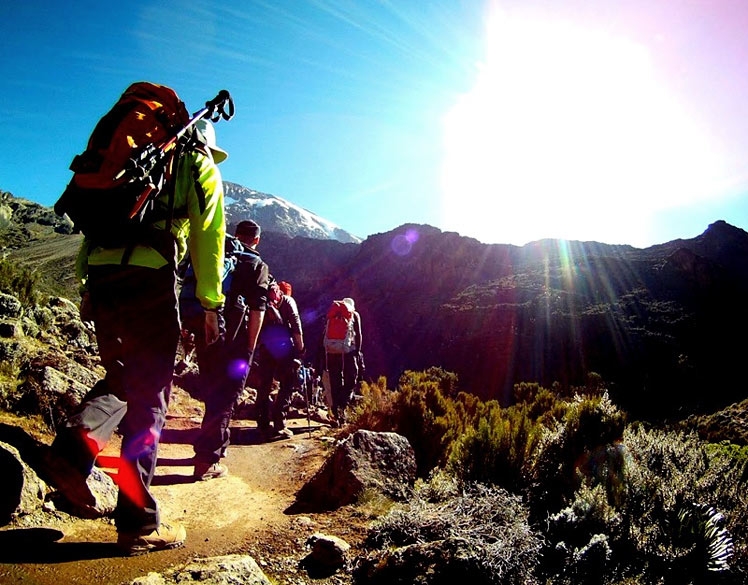
Kilimanjaro Family Safari After The Summit Guide
Extend your incredible Kilimanjaro achievement with a family safari in Tanzania. Top Guide Adventures crafts unforgettable post-summit experiences for 2026-2027, blending the thrill of...
View package detailsNo related package matches those filters. Clear one or more filters to see the other topic-matched options.



