
Yes, monkeys are indeed found on Mount Kilimanjaro, primarily in its lower forest zones. The most common species you are likely to encounter are the various types of colobus monkeys and the blue monkey (also known as the Sykes’ monkey). These primates are part of Kilimanjaro’s diverse ecosystem and add an exciting element to the trekking experience for many climbers in 2026 and 2027.
Understanding Kilimanjaro’s Unique Ecosystems and Monkey Habitats
Mount Kilimanjaro is not just a towering peak; it’s a world unto itself, a vertical ecosystem that supports an astonishing array of life. As trekkers ascend, they transition through distinct climatic and vegetation zones, each with its own characteristic flora and fauna. It is within the lower, wetter zones that primates, including various species of monkeys, find their home. Understanding these zones is key to knowing where and when you might spot monkeys on your Kilimanjaro climb in 2026 or 2027.
The Montane Forest Zone: A Primate Paradise
The journey typically begins on the slopes of Kilimanjaro, which are covered in lush, dense montane rainforest. This zone, usually found between approximately 1,800 and 2,800 meters (5,900 to 9,200 feet), is the primary habitat for Kilimanjaro’s monkeys. The rich vegetation provides ample food sources, including leaves, fruits, flowers, and insects, as well as essential shelter and nesting sites.
The forest is characterized by its tall trees, often draped with mosses and lichens, and a thick undergrowth. This environment is ideal for monkeys that are adapted to arboreal (tree-dwelling) life. The humidity and consistent rainfall in this region support the vibrant plant life that sustains these primates. For trekkers, this means the lower sections of routes like Marangu, Machame, and Lemosho are prime locations for wildlife sightings, including monkeys, especially during the early days of their ascent.
Moving Upwards: The Zones Above Monkey Habitats
As you climb higher, the montane forest gradually gives way to other zones:
- Heath and Moorland Zone: Above the forest, typically from 2,800 to 4,000 meters (9,200 to 13,100 feet), this zone features open grasslands, shrubs, and giant heathers. The vegetation becomes sparser, and the temperatures begin to drop significantly. Monkeys are rarely, if ever, seen in this zone due to the lack of dense cover and food sources they prefer.
- Alpine Desert Zone: From around 4,000 to 4,700 meters (13,100 to 15,400 feet), this is a stark, arid landscape with minimal vegetation. It is characterized by lichens, mosses, and hardy grasses. The extreme conditions make it unsuitable for monkeys.
- Arctic Zone: The summit region, above 4,700 meters (15,400 feet), is a barren, frozen landscape of rock, ice, and snow. Life here is scarce, and certainly no monkeys can survive in this environment.
Therefore, when asking “Are there monkeys on Mount Kilimanjaro?”, the answer is a definitive yes, but it’s crucial to understand they are confined to the lower forest belt. Your chances of seeing them are highest on days 1 and 2 of most trekking itineraries, as you traverse this vibrant ecosystem.
The Primate Residents of Kilimanjaro: Species You Might See
While Kilimanjaro’s wildlife isn’t as abundant as in the plains of the Serengeti, its forest zone is home to a few key primate species that often delight trekkers. Knowing what to look for can enhance your wildlife spotting opportunities during your 2026 or 2027 climb.
1. The Black-and-White Colobus Monkey (Colobus guereza)
These striking monkeys are perhaps the most iconic primate you are likely to encounter on Kilimanjaro. Their name, “colobus,” comes from the Greek word for “mutilated,” referring to their lack of a thumb, which makes them expert leapers and climbers. They possess a distinctive appearance:
- Appearance: They have a predominantly black coat with white fur running along their sides and a long, flowing white tail. A white fringe often adorns their faces, and they have a characteristic white mantle over their shoulders. Young colobus monkeys are born with a pale, almost white, coloration, gradually darkening as they mature.
- Behavior: Black-and-white colobus monkeys are diurnal and primarily arboreal, spending most of their time in the trees. They are social animals, living in troops of varying sizes, often led by a single male. They are known for their graceful movements through the canopy.
- Diet: Their diet consists mainly of leaves, but they also consume fruits, flowers, and bark. They have specialized digestive systems to handle the tough foliage.
- Where to Spot Them: You are most likely to see them in the dense montane forests, particularly on routes that pass through this zone for extended periods, such as the Machame, Lemosho, and Marangu routes. Look up into the tree canopy, especially in areas with abundant foliage. They can sometimes be seen in small family groups, feeding or resting.
Spotting a troop of colobus monkeys leaping through the trees is a memorable moment for any Kilimanjaro trekker. Their white tails and flowing manes make them quite conspicuous against the green backdrop.
2. The Blue Monkey (Cercopithecus mitis) or Sykes’ Monkey
Also known as the Sykes’ monkey, the blue monkey is another primate species that inhabits Kilimanjaro’s forest zone. Despite the name, they are not strictly blue; their coloration is more varied.
- Appearance: These monkeys typically have a greyish-blue or greyish-brown coat, with a darker face and sometimes a lighter underside. Males are generally larger and darker than females. They have a slender build and a long tail, which they use for balance.
- Behavior: Blue monkeys are diurnal and highly social, living in troops that can range from a few individuals to over a dozen. They are also arboreal but can be found foraging on the ground occasionally. They are known for their agility and speed.
- Diet: Their diet is varied, including fruits, leaves, flowers, buds, and insects. They are opportunistic feeders.
- Where to Spot Them: Similar to the colobus monkeys, blue monkeys are found in the montane forest belt. They can be more elusive than colobus monkeys due to their more cautious nature and tendency to stay higher in the canopy or in denser vegetation. Keep an eye out for movement in the trees and listen for their calls, which can include chirps and barks.
While perhaps less striking in appearance than the colobus monkey, the blue monkey’s presence adds to the rich biodiversity of Kilimanjaro’s lower slopes. Their playful nature, when observed, can be quite entertaining.
Other Potential Wildlife Sightings
While colobus and blue monkeys are the most likely primate encounters, Kilimanjaro’s lower forests are also home to other wildlife. Though less common for trekkers to see due to their shy nature or nocturnal habits, they contribute to the overall ecosystem:
- Bushbucks: These antelopes are sometimes spotted in the forest zone, though they are very shy and adept at camouflage.
- Various Bird Species: The forests teem with birdlife, offering fantastic opportunities for birdwatchers. Keep an eye out for turacos, hornbills, and sunbirds.
- Small Mammals: You might glimpse small rodents or mongooses, though larger mammals are rare at these altitudes.
It’s important to remember that Kilimanjaro is not a traditional wildlife safari destination like the Serengeti. The focus is on the ascent and the mountain’s unique flora and geology. However, any wildlife sighting, especially of monkeys, is an added bonus and a reminder of the vibrant life that exists even on Africa’s highest peak.
Maximizing Your Chances of Seeing Monkeys on Kilimanjaro (2026-2027 Treks)
While seeing monkeys on Mount Kilimanjaro is not guaranteed, certain strategies and conditions can significantly increase your likelihood of a sighting, especially for those planning their expeditions in 2026 and 2027. Being prepared and observant will make a difference.
Choose the Right Route
Some trekking routes spend more time in the montane forest zone than others, offering extended opportunities for wildlife viewing. Routes that have a longer duration and start with a gradual ascent through this habitat are generally better for spotting monkeys.
- Machame Route: Known as the “Whiskey Route,” Machame is a popular choice for its scenic beauty and high success rate. It spends considerable time traversing the montane forest, especially in the initial days.
- Lemosho Route: Often considered one of the most scenic routes, Lemosho starts in the far west of the mountain and offers excellent wildlife viewing opportunities in its early stages as it winds through the forest. It typically takes longer, allowing for more exploration of the lower slopes.
- Marangu Route: The “Coca-Cola” route is the oldest and most established. Its lower starting point and the fact that it ascends and descends the same path mean the forest zone is experienced on the first day and during the descent.
- Shira Route: Similar to Lemosho in its early stages, Shira also offers good forest experiences.
Routes that bypass the forest more quickly or have a steeper initial ascent might offer fewer chances. For example, the Rongai route starts from the north and enters the forest later, often after passing through drier moorland.
Timing Your Climb
The time of year can influence animal activity. While monkeys are present year-round, their feeding and social behaviors might vary.
- Dry Seasons (January-March, June-October): During dry periods, animals might concentrate around available water sources or specific feeding grounds. The forest can be less dense in terms of foliage, potentially making animals easier to spot. However, the forest remains moist enough to support them year-round.
- Wet Seasons (April-May, November-December): While rain can make trekking more challenging, it also means lush vegetation, which can provide more food for monkeys. They may also be more inclined to shelter in the dense canopy during heavy downpours, making them harder to see.
Ultimately, the presence of monkeys is less dependent on the season than on the specific location within the forest zone. The key is consistent habitat availability.
Be Observant and Patient
Wildlife spotting requires patience and a keen eye. Monkeys are often high in the canopy or hidden by dense foliage.
- Look Up: Your primary focus should be on the trees above you. Watch for movement, rustling leaves, or shadows that don’t seem to belong.
- Listen: Monkeys communicate through a variety of vocalizations. Listen for calls, chatter, or the sound of branches breaking as they move.
- Early Mornings and Late Afternoons: Like many animals, monkeys are often most active during the cooler parts of the day – early morning and late afternoon – when they are foraging or socializing.
- Travel with Experienced Guides: Your guides are invaluable. They are intimately familiar with Kilimanjaro’s ecosystem and know the best spots to look for wildlife. They can often spot monkeys before trekkers do and will alert you.
Respect Wildlife and Their Habitat
When you do spot monkeys, remember they are wild animals and should be observed from a respectful distance.
- Do Not Feed Them: Feeding monkeys can disrupt their natural diet, lead to dependency, and potentially cause them harm. It is strictly prohibited.
- Maintain Distance: Avoid approaching too closely, as this can stress the animals and alter their behavior.
- Keep Noise Levels Down: Loud noises can scare them away.
By following these tips, you can enhance your experience and increase your chances of encountering the fascinating monkey inhabitants of Mount Kilimanjaro during your 2026 or 2027 adventure.
The Role of Monkeys in Kilimanjaro’s Ecosystem
Monkeys, like the colobus and blue monkeys found on Kilimanjaro, play an integral role in the health and balance of the montane forest ecosystem. Their presence is not just a point of interest for trekkers but a sign of a thriving environment. Understanding their ecological function highlights why their habitat must be protected.
Seed Dispersal
Many monkey species are frugivores, meaning they eat fruits. As they consume fruits, they ingest seeds. These seeds pass through their digestive systems and are eventually dispersed in their droppings as they move throughout the forest. This process is crucial for:
- Plant Regeneration: Seed dispersal helps in the propagation of various plant species, ensuring the forest’s diversity and continued growth.
- Forest Expansion: By depositing seeds in new areas, monkeys can aid in the natural expansion and resilience of the forest, especially in areas recovering from disturbances.
The fruits of trees and shrubs in the montane forest are a significant part of the monkeys’ diet, and in turn, the monkeys are vital agents in the life cycle of these plants.
Pollination
While not as significant as specialized pollinators like bees, some monkeys contribute to pollination when they feed on flowers. They may transfer pollen from one flower to another as they move between feeding sites, aiding in the reproductive success of certain plant species.
Food Source for Predators
Although larger predators are rare on Kilimanjaro’s upper slopes, in the forest zone, monkeys can serve as prey for birds of prey (like eagles) or other smaller carnivores that inhabit the area. This places them within the food web, connecting different trophic levels.
Indicators of Forest Health
The presence of healthy, breeding populations of monkeys is often an indicator of a healthy forest ecosystem. They require specific food sources, clean water, and adequate shelter, all of which are provided by a well-functioning montane forest. A decline in monkey populations could signal environmental stress, such as habitat degradation, pollution, or a lack of food resources, which would be a concern for the overall health of Kilimanjaro’s slopes.
Impact on Vegetation Structure
Through their feeding habits, monkeys can influence the structure and composition of the forest. By selectively browsing on certain plants or consuming fruits, they can affect which species thrive and how the forest canopy and undergrowth develop over time.
For trekkers in 2026 and 2027, understanding the ecological role of these primates adds another layer of appreciation for the mountain’s biodiversity. It underscores the importance of responsible tourism practices that help preserve these delicate habitats.
Conservation Efforts and the Future of Kilimanjaro’s Monkeys
Mount Kilimanjaro, a UNESCO World Heritage Site, is subject to various conservation efforts aimed at protecting its unique ecosystems and biodiversity. The primates inhabiting its slopes, while not currently considered critically endangered on a global scale, benefit directly from these broader conservation initiatives.
Protected Area Status
Kilimanjaro National Park is a rigorously protected area. This designation provides a legal framework for conservation, prohibiting activities that could harm wildlife or their habitats, such as hunting, logging, and uncontrolled development. The park’s management aims to maintain the natural integrity of the mountain’s environment.
Sustainable Tourism Practices
As tourism is a major economic driver for the region, promoting sustainable practices is crucial. This includes:
- Regulated Trekking: Strict rules govern trekking, including designated campsites, waste management protocols, and the mandatory use of licensed guides and porters. These measures help minimize the human footprint on the mountain.
- Visitor Education: Efforts are made to educate visitors about the importance of respecting wildlife and the environment. Information is provided on how to behave responsibly on the mountain, including not feeding animals and maintaining a safe distance.
- Community Involvement: Conservation is often more successful when local communities are involved and benefit from it. The tourism industry around Kilimanjaro provides employment and economic opportunities, creating an incentive for local people to protect the mountain and its wildlife.
Monitoring Wildlife Populations
While extensive wildlife monitoring is more characteristic of savannah parks, park authorities and researchers do conduct assessments of Kilimanjaro’s biodiversity. Understanding population trends of key species, including primates, helps in identifying any potential threats and informing management strategies. For the monkeys, this means ensuring their forest habitat remains intact and healthy.
Challenges and Future Outlook (2026-2027 and beyond)
Despite conservation efforts, challenges remain:
- Climate Change: Shifting weather patterns can impact vegetation zones and water availability, potentially affecting primate food sources and habitats.
- Human Encroachment: While the national park is protected, the areas surrounding the mountain face pressure from agriculture and settlement, which can affect the lower forest boundaries.
- Impact of Increased Tourism: As Kilimanjaro remains a popular destination, managing the growing number of visitors to minimize environmental impact is an ongoing challenge.
However, the overall outlook for Kilimanjaro’s monkeys remains positive due to the strong protection afforded by the national park status and the ongoing commitment to conservation. For trekkers planning their expeditions in 2026 and 2027, this means they are likely to continue finding these fascinating creatures in their natural habitat, adding to the unique allure of climbing Mount Kilimanjaro.
Practical Advice for Trekkers: What to Expect Regarding Monkeys
When you’re preparing for your Mount Kilimanjaro trek in 2026 or 2027, it’s natural to be curious about the wildlife you might encounter. While the dramatic landscapes and the challenge of the summit are primary draws, the possibility of spotting monkeys adds an extra layer of excitement. Here’s practical advice to set your expectations and enhance your experience.
Are Sightings Guaranteed?
No, sightings of monkeys on Mount Kilimanjaro are not guaranteed. While they are present in the montane forest zone, their exact location, activity levels, and visibility can vary from day to day and from trekker to trekker. Factors such as time of day, weather, and the specific trail section you are on all play a role.
However, if you are trekking routes like Machame or Lemosho, which spend significant time in the lower forest, the probability of seeing at least one of the common species (colobus or blue monkey) is quite high. Don’t let the possibility of not seeing them detract from the overall magnificent experience of climbing Kilimanjaro.
What to Do If You See Monkeys
If you are fortunate enough to spot monkeys, here’s how to make the most of it responsibly:
- Stay Calm and Quiet: Observe them from a distance without disturbing them. Sudden movements or loud noises can cause them to flee.
- Use Binoculars or a Zoom Lens: If you have binoculars or a camera with a good zoom, use them to get a closer look without getting too close.
- Listen to Your Guide: Your guide will likely spot them first and can offer insights into their behavior and species. Follow their instructions regarding distance and interaction.
- Take Photos Responsibly: Capture the memory, but avoid using flash photography, which can startle animals.
What NOT to Do
It’s crucial to remember that you are a visitor in their natural habitat. Certain actions are strictly forbidden and harmful:
- Do NOT Feed the Monkeys: This is the most important rule. Human food can be unhealthy for monkeys, lead to aggression, and habituate them to people, making them vulnerable.
- Do NOT Try to Touch or Pet Them: They are wild animals and can bite or scratch if they feel threatened.
- Do NOT Chase Them: This causes stress and disrupts their natural behavior.
What to Pack for Wildlife Viewing
While not a primary focus for packing, a few items can enhance your wildlife viewing experience:
- Binoculars: A good pair of compact binoculars is highly recommended for spotting distant wildlife and appreciating details without disturbing the animals.
- Camera with Zoom Lens: If photography is important to you, a camera capable of capturing clear images from a distance will be useful.
- Field Guide (Optional): For the truly enthusiastic, a small field guide to East African mammals or birds might add educational value, though your guide will be the best resource.
The Role of Your Guides and Porters
Your trekking crew, especially your guides, are your best allies in spotting wildlife. They have extensive experience on Kilimanjaro and a deep understanding of its ecosystems. They know where to look, what sounds to listen for, and can often point out animals that you might otherwise miss. They are also trained to ensure the safety and well-being of both trekkers and wildlife, adhering to park regulations.
By being prepared, observant, and respectful, your trek on Mount Kilimanjaro in 2026 or 2027 can be an even richer experience, with the potential for delightful encounters with its resident monkeys.
Frequently Asked Questions About Monkeys on Kilimanjaro
Are monkeys dangerous on Mount Kilimanjaro?
Monkeys on Mount Kilimanjaro are generally not dangerous if you maintain a respectful distance. They are wild animals and can become defensive or aggressive if they feel threatened, cornered, or if you attempt to feed or touch them. The primary danger comes from human interaction. Following your guide’s advice and observing from afar is key to ensuring safety for both you and the animals.
Can I see monkeys on all Kilimanjaro routes?
You are most likely to see monkeys on routes that spend more time in the lower montane forest zone. Routes like Machame, Lemosho, and Marangu offer the best opportunities as they traverse this habitat extensively in the initial days of the trek. Routes that ascend more quickly or start in different zones might offer fewer chances.
What is the best time of year to see monkeys on Kilimanjaro?
Monkeys are present on Kilimanjaro year-round. While dry seasons might concentrate some wildlife, the montane forest zone remains lush enough to support monkeys consistently. Your chances depend more on the specific route and your observational skills rather than the season.
Are there other primates on Kilimanjaro besides monkeys?
The primary primates you are likely to encounter are the black-and-white colobus monkeys and the blue monkeys (Sykes’ monkeys). While other primates exist in Tanzania, these two species are the most commonly sighted on Mount Kilimanjaro itself. Higher altitudes and different habitats on the mountain do not support primate life.
What should I do if a monkey approaches me?
If a monkey approaches you, do not panic. Stand still and avoid direct eye contact, which can be perceived as a challenge. Do not offer food. If it persists, slowly back away without turning your back completely. Your guide will provide specific advice on how to handle such situations.
Planning Your 2026-2027 Kilimanjaro Adventure with Top Guide Adventures
As you finalize your plans for a Mount Kilimanjaro climb in 2026 or 2027, considering the wildlife you might encounter, such as the fascinating monkeys in the forest zone, adds another layer of excitement to your expedition. At Top Guide Adventures, we are dedicated to providing you with a safe, memorable, and enriching mountain experience.
We understand that every trekker is unique, which is why we offer a range of customizable itineraries and personalized support. Our experienced guides are not only experts in mountain safety and navigation but also knowledgeable about Kilimanjaro’s unique ecosystems, including its flora and fauna. They will enhance your journey by pointing out wildlife, explaining the different ecological zones, and ensuring you have the best possible chance to spot creatures like the colobus and blue monkeys.
Choosing Top Guide Adventures means opting for a company committed to responsible tourism and high standards of service. We pride ourselves on:
- Experienced and Certified Guides: Our guides are highly trained, licensed, and possess extensive knowledge of Kilimanjaro.
- Quality Equipment and Support: We provide top-quality camping gear and ensure a well-supported trek with nutritious meals.
- Safety First Approach: Your safety is our utmost priority, with thorough pre-trek briefings and on-mountain protocols.
- Sustainable Practices: We are committed to minimizing our environmental impact and supporting local communities.
Whether you’re dreaming of seeing monkeys in the forest, reaching Uhuru Peak, or simply experiencing the incredible journey up Mount Kilimanjaro, we are here to help make it a reality for your 2026 or 2027 adventure. We can assist with route selection, gear advice, and itinerary planning to suit your preferences and fitness level.
Ready to start planning your unforgettable Kilimanjaro climb? We invite you to connect with us. You can reach us via WhatsApp at +255616946642, email us at topguideadventures@gmail.com, or for further inquiries, use our backup email info@topguideadventures.com. Let Top Guide Adventures be your trusted partner in exploring the wonders of Mount Kilimanjaro and beyond.
Consider exploring our range of Machame Route climbs or our group departure dates for 2026-2027 to find a trek that suits you. We also offer incredible Tanzania safari tours if you wish to combine your climb with an unforgettable wildlife experience on the plains.
Check Availability for Are There Monkeys On Mount Kilimanjaro? Your Complete Guide 2026-2027
Ready to compare dates, prices, and the best option for your group? Send the package name and travel month so the team can reply with a clear quote, availability, and what is included.
Are There Lions On Mount Kilimanjaro? Expert Guide To Wildlife Encounters
While lions are not found on the higher slopes of Mount Kilimanjaro, they inhabit the surrounding lower-lying areas. This guide explores the wildlife you might encounter during your climb...
View package details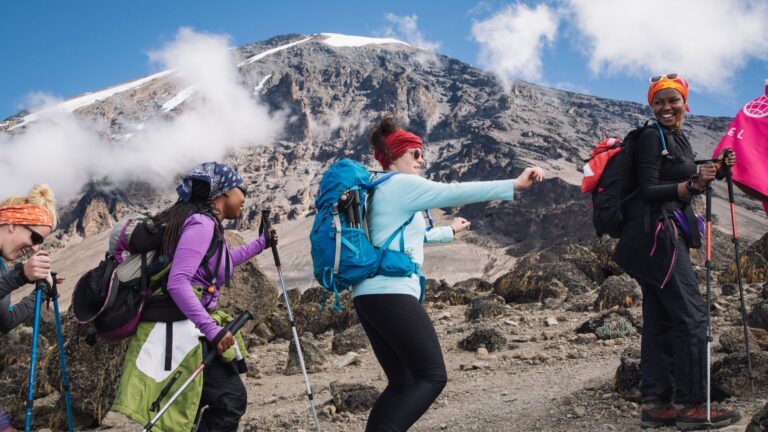
Giant Groundsels Of Mount Kilimanjaro: A Trekkers Guide 2026-2027
Explore the fascinating Giant Groundsels that define Kilimanjaro's alpine zones. This guide provides essential information for trekkers planning their 2026-2027 ascent, detailing where and...
View package details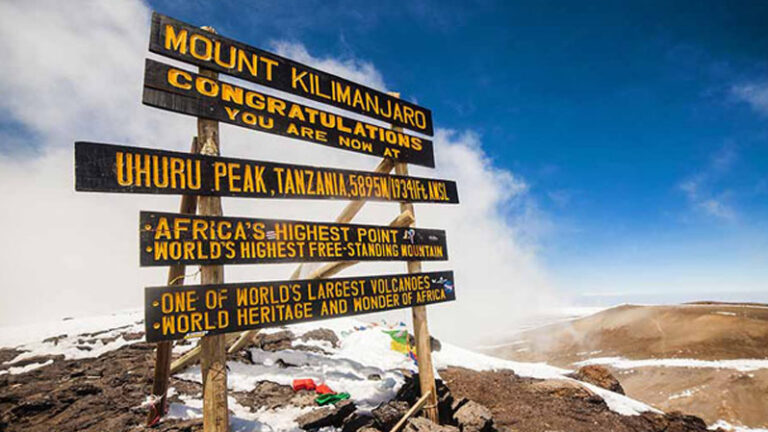
Rare Plants Found On Mount Kilimanjaro: A Botanical Expedition 2026-2027
Mount Kilimanjaro is not just a trekking destination; it's a unique ecosystem supporting rare and endemic plant species. Explore these fascinating botanical treasures, from the misty...
View package details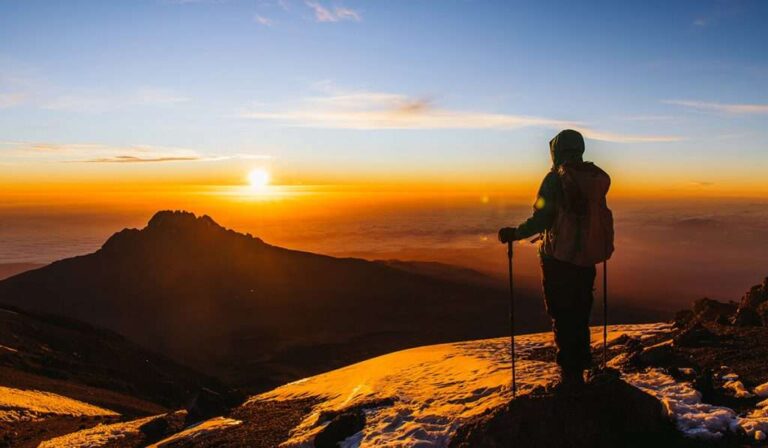
Are There Snakes On Kilimanjaro Trails? Your Guide To Wildlife Encounters
Worried about snakes on Kilimanjaro? While encounters are rare, this comprehensive guide covers the likelihood, types of snakes, and essential safety measures for trekkers in 2026 and 2027.
View package details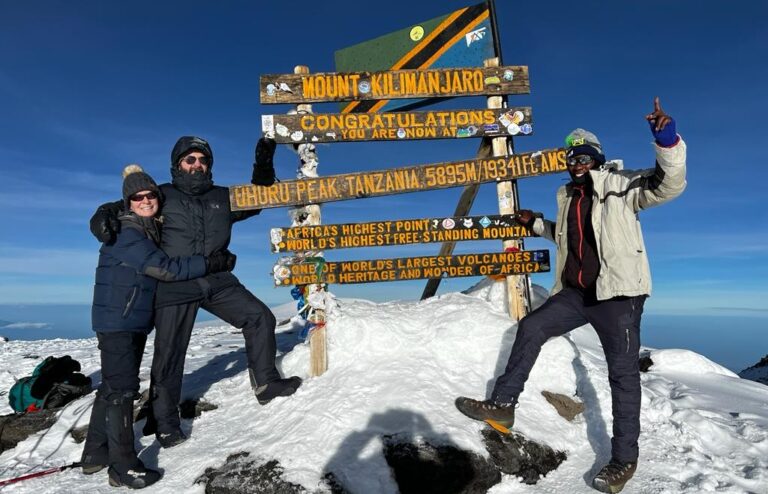
Who Pays For Kilimanjaro Mountain Rescue? 2026-2027
Who Pays for Kilimanjaro Mountain Rescue? is explained with current 2026-2027 planning, price, itinerary and booking information.
View package details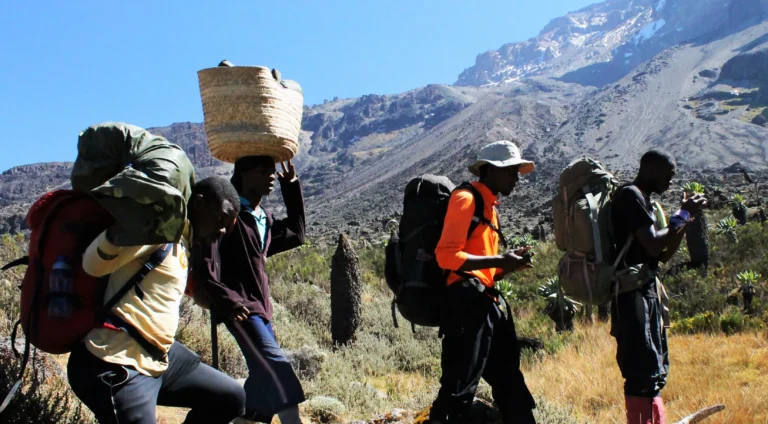
Five-Day Cycle Around Mount Kilimanjaro 2026-2027
Five-Day Cycle around Mount Kilimanjaro is explained with current 2026-2027 planning, price, itinerary and booking information.
View package details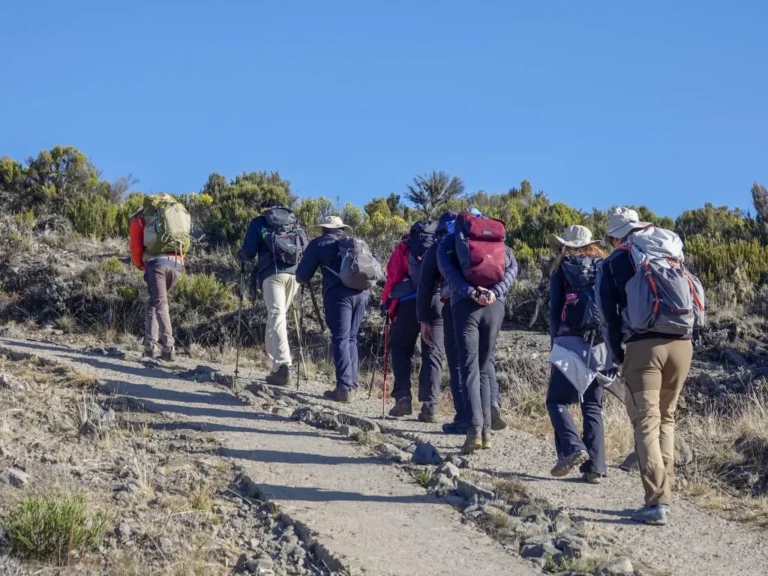
Kilimanjaro Mountain-Biking Tour From Moshi: Your Ultimate Adventure Guide
Discover the thrill of a Kilimanjaro Mountain-Biking Tour departing from Moshi. This comprehensive guide covers routes, preparation, costs, and what to expect for your 2026-2027 adventure.
View package detailsKilimanjaro Climb With A Slower Daily Pace: Your Guide To Success 2026-2027
Discover how a slower daily pace significantly enhances your Kilimanjaro climb experience. This comprehensive guide covers route selection, acclimatization strategies, essential gear, and...
View package details
Best Kilimanjaro Route For Climbers Over 60: Expert Guide 2026-2027
Choosing the right Kilimanjaro route is crucial for climbers over 60. This guide details the best options, focusing on acclimatization, duration, and success rates to help you plan your...
View package details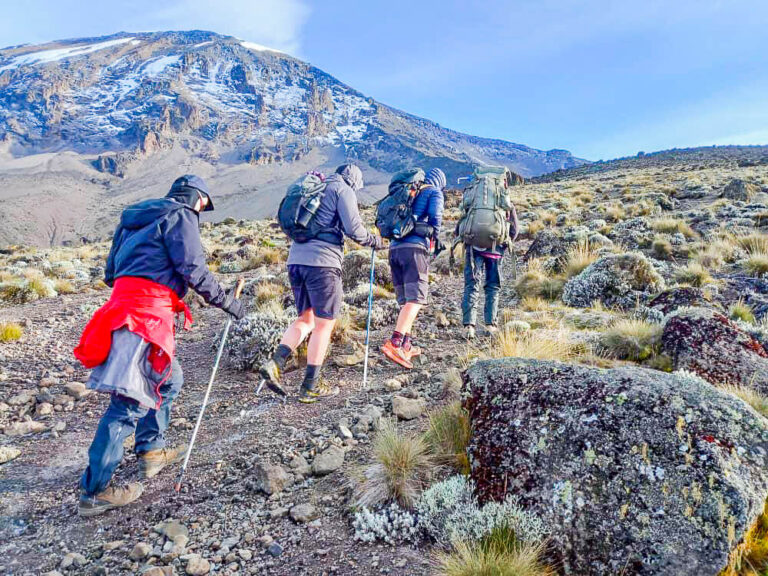
Can You Climb Kilimanjaro At 75? Your Expert Guide For 2026-2027
Discover if climbing Kilimanjaro at 75 is achievable and what you need to know for a successful 2026-2027 summit. This comprehensive guide covers fitness, health, routes, and essential...
View package details
Can You Climb Kilimanjaro At 70? 2026-2027
Can You Climb Kilimanjaro at 70? is explained with current 2026-2027 planning, price, itinerary and booking information.
View package details
Can You Climb Kilimanjaro At 65? Your Expert Guide For 2026-2027
Climbing Kilimanjaro at 65 is achievable with proper preparation. This comprehensive guide covers everything you need to know, from health considerations and route selection to training and...
View package detailsNo related package matches those filters. Clear one or more filters to see the other topic-matched options.



