
The Giant Groundsels (Senecio kilimanjari and related species) are iconic, often bizarre-looking plants found exclusively on the upper slopes of Mount Kilimanjaro, typically above 3,500 meters (11,500 feet). They are a key feature of Kilimanjaro’s unique alpine desert and moorland ecosystems, thriving in the harsh, cold, and dry conditions of the mountain’s higher reaches, and are a significant visual marker for trekkers as they ascend towards the summit zones.
Understanding Kilimanjaro’s Unique Flora: The Giant Groundsel
The ascent of Mount Kilimanjaro is a journey through diverse ecological zones, each with its own distinct vegetation. While most trekkers focus on the physical challenge of reaching Uhuru Peak, the mountain’s plant life offers a fascinating parallel adventure. Among the most striking and recognizable of these high-altitude inhabitants are the Giant Groundsels, scientifically known as members of the genus *Senecio*, with *Senecio kilimanjari* being the most prominent species endemic to Kilimanjaro. These plants are not merely botanical curiosities; they are vital indicators of the mountain’s fragile alpine environment and a testament to nature’s adaptability.
For anyone planning a Kilimanjaro climb in 2026 or 2027, understanding these unique plants can significantly enrich the trekking experience. Spotting them, learning about their adaptations, and appreciating their role in the ecosystem adds a layer of depth to the already profound journey. Top Guide Adventures is committed to providing trekkers with comprehensive knowledge, ensuring you are well-prepared not just physically, but also culturally and environmentally, for your Tanzanian adventure.
What are Giant Groundsels?
Giant Groundsels are perennial herbaceous plants that belong to the daisy family (Asteraceae). On Kilimanjaro, they have evolved into a highly specialized form, characterized by their large size, succulent leaves, and distinctive appearance. Unlike the common groundsel found in gardens, these alpine giants are adapted to survive extreme temperature fluctuations, high UV radiation, and scarce water resources. Their thick, fleshy leaves store water, while a dense covering of hairs or a waxy cuticle helps to reduce water loss and protect them from the sun’s harsh rays. The rosettes of leaves at the base can grow quite large, and the plants send up tall flower stalks, often dotted with yellow, daisy-like flowers.
Their unique morphology has led to them being described as alien-like or prehistoric. They often grow in dense stands, creating an otherworldly landscape on the barren slopes, especially in areas like the Saddle between Kibo and Mawenzi peaks, and the upper sections of the Marangu, Machame, and Lemosho routes.
The Role of Giant Groundsels in Kilimanjaro’s Ecosystem
These remarkable plants play a crucial role in Kilimanjaro’s high-altitude ecosystem. They are primary producers, forming the base of the food web in these harsh environments. Their presence helps to stabilize the soil, preventing erosion on the steep mountain slopes. Furthermore, they provide shelter and a source of moisture for some of the few animal species that can survive at these altitudes, such as certain insects and birds. The Giant Groundsel is a keystone species, meaning its presence significantly influences the health and structure of the entire alpine community. Its survival is intrinsically linked to the health of the mountain’s environment, making it an important subject for conservation efforts.
Where to Find Giant Groundsels on Kilimanjaro
Spotting the Giant Groundsels is a highlight for many trekkers, and their distribution is closely tied to the mountain’s altitudinal zones. They are most commonly encountered on the upper reaches of the mountain, above the treeline and the dense forest ecosystems.
Alpine Desert and Moorland Zones
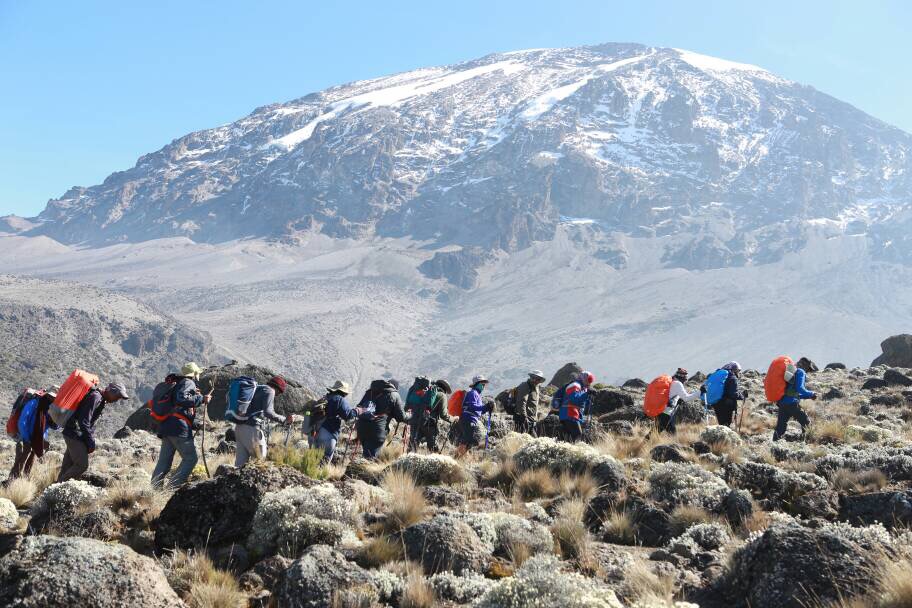
The Giant Groundsels are characteristic flora of the alpine desert and moorland zones. These zones typically begin around 3,500 meters (11,500 feet) and extend upwards towards the summit. As you ascend Kilimanjaro, you will transition from the montane forest, through the heath and moorland, and finally into the alpine desert. It is within the latter two zones that the Giant Groundsels truly flourish.
* Moorland Zone (approx. 3,500m to 4,200m / 11,500ft to 13,800ft): This zone is characterized by a mix of grasses, heathers, and the first significant sightings of Giant Groundsels. You’ll also encounter other hardy plants like lobelias and giant heathers. The landscape starts to become more open and rocky.
* Alpine Desert Zone (approx. 4,200m to 5,000m / 13,800ft to 16,400ft): This is the prime territory for Giant Groundsels. Here, the vegetation becomes sparser, dominated by these large, succulent plants, scattered grasses, and cushion plants. The terrain is often rocky, scree-covered, and increasingly barren as you gain altitude. The iconic views of Kilimanjaro’s upper slopes are often dotted with these distinctive plants.
* Arctic Summit Zone (above 5,000m / 16,400ft): Above this altitude, the conditions become too extreme for most plant life, including the Giant Groundsels. The landscape is predominantly rock, ice, and snow.
Specific Routes and Groundsel Sightings
While Giant Groundsels can be found on all routes that ascend to these altitudes, certain routes offer more consistent and dramatic sightings:
* Marangu Route: As you climb past the Mandara Huts and towards Horombo Huts, you’ll begin to see them. The trek between Horombo and Kibo Huts traverses vast moorland and alpine desert landscapes where Giant Groundsels are abundant.
* Machame Route: This route is renowned for its scenic beauty and excellent opportunities to view the Giant Groundsels, particularly in the Shira Plateau area and as you ascend towards the Barranco and Karanga valleys.
* Lemosho Route: Similar to Machame, Lemosho offers spectacular views and plentiful Groundsel sightings, especially on the Shira Plateau and the upper sections.
* Rongai Route: While approaching from the north, Rongai can be drier, but the higher you climb, the more prevalent the Giant Groundsels become, especially on the final ascent to Kibo.
* Northern Circuit & Umbwe Route: These routes also pass through the critical altitudinal bands where Giant Groundsels are found in abundance.
When trekking in 2026 or 2027, be sure to ask your Top Guide Adventures guide about the specific locations where you’re most likely to see these plants. Their knowledge of the local flora is invaluable.
Adaptations of Giant Groundsels to High Altitude
The survival of Giant Groundsels in the extreme environment of Kilimanjaro’s upper slopes is a marvel of evolutionary adaptation. These plants have developed a suite of unique characteristics to cope with conditions that would be lethal to most other forms of plant life.
Water Storage and Conservation
One of the most critical challenges at high altitudes is water scarcity, especially during dry periods. Giant Groundsels have evolved specialized succulent leaves that store significant amounts of water. These leaves are often thick and fleshy, allowing the plant to survive long droughts. Additionally, they possess mechanisms to minimize water loss:
* Waxy Cuticle: A thick, waxy layer on the surface of the leaves acts as a barrier, reducing transpiration (water evaporation).
* Hairs (Trichomes): Many species are covered in a dense layer of fine hairs, known as trichomes. These hairs serve multiple purposes: they reflect sunlight, reducing heat absorption; they trap a layer of insulating air, protecting the plant from frost; and they can help to reduce air movement across the leaf surface, further minimizing water loss.
Protection from Extreme Temperatures and UV Radiation
Kilimanjaro’s alpine zones experience dramatic temperature swings, from freezing nights to intense solar radiation during the day. Giant Groundsels have developed strategies to mitigate these extremes:
* Rosette Form: The leaves often grow in a tight rosette close to the ground. This basal arrangement helps to insulate the plant’s core and protects it from strong winds. It also allows the plant to absorb warmth radiated from the ground.
* Sunscreen Pigments: Some studies suggest that these plants may produce pigments that act like a natural sunscreen, protecting their tissues from damaging UV radiation, which is particularly intense at high altitudes due to the thin atmosphere.
* Frost Protection: The insulating hairs and the water stored within the tissues can help prevent ice crystals from forming within the plant’s cells, thus preventing frost damage.
Reproductive Strategies
Reproduction in such a challenging environment requires specialized strategies. Giant Groundsels typically produce tall, sturdy flower stalks that elevate the flowers above the insulating layer of leaves and away from the coldest ground-level temperatures. This also helps in attracting pollinators, such as insects, which might be scarce at these altitudes.
* Flowering Cycles: The timing of flowering is crucial, often coinciding with brief periods of more favorable weather. Some species may flower erratically, depending on environmental cues.
* **Seed Dispersal:** Seeds are typically light and adapted for wind dispersal, allowing them to colonize new areas of the mountain’s vast alpine desert.
These remarkable adaptations allow the Giant Groundsel to thrive where little else can, making it a symbol of resilience and a vital component of Kilimanjaro’s unique biodiversity. Understanding these adaptations adds a profound appreciation for the plant life you’ll encounter on your 2026-2027 trek.
Identifying Giant Groundsels: Key Features for Trekkers
As you trek through Kilimanjaro’s upper zones, you’ll want to be able to identify these distinctive plants. While your guide will undoubtedly point them out, knowing a few key features will enhance your observation skills.
Species on Kilimanjaro
While *Senecio kilimanjari* is the most iconic, Kilimanjaro is home to several related species of Giant Groundsel, all adapted to high altitudes. These include *Senecio johnstonii* and its subspecies. While botanists might distinguish subtle differences, for the purpose of a trek, recognizing the general form is sufficient.
Distinctive Characteristics
Look for the following features:
* **Overall Form:** The most striking characteristic is their size and unusual appearance. They are often described as looking like giant pineapples, sea urchins, or otherworldly sculptures.
* **Leaf Rosettes:** The plants typically have a basal rosette of large, fleshy leaves. These leaves can vary in shape but are generally broad and thick, often with serrated or lobed edges. The texture is usually somewhat succulent.
* **Fuzzy or Hairy Appearance:** Many Giant Groundsels are covered in a dense layer of white or greyish hairs, giving them a fuzzy or woolly appearance. This is a crucial adaptation for insulation and water conservation.
* **Tall Flower Stalks:** In season, they send up tall, sturdy stalks that can reach several feet in height. These stalks bear clusters of bright yellow, daisy-like flowers. The flowers themselves are usually quite small but form an impressive display when numerous.
* **Habitat:** Remember that you will only see these plants in the higher altitude zones, typically above 3,500 meters (11,500 feet), in the moorland and alpine desert environments. They are not found in the forest or the very highest summit areas.
Tip for Trekkers
Your Top Guide Adventures guide will be your best resource for identifying flora and fauna. Don’t hesitate to ask them questions! They have extensive knowledge of Kilimanjaro’s unique plant life and can point out the different species of Giant Groundsel and explain their adaptations.
Distinguishing from Other Alpine Plants
While Giant Groundsels are distinctive, you might also encounter other high-altitude plants on Kilimanjaro, such as giant lobelias and various hardy grasses and sedges. The Giant Groundsel’s combination of large, fleshy, often hairy leaves forming a basal rosette, and its tendency to grow as a solitary, substantial plant (rather than in dense mats like some grasses) helps differentiate it. The tall flower stalks are also a very characteristic feature.
Observing these plants closely as you trek can be a rewarding experience, offering a deeper connection to the mountain’s wild and unique environment. Planning your trek for 2026 or 2027 with this in mind will help you appreciate these botanical wonders more fully.
The Giant Groundsel and Kilimanjaro’s Climate Zones
Mount Kilimanjaro is famous for its distinct climatic zones, which change dramatically with altitude. The Giant Groundsel is intrinsically linked to these zones, thriving only in the harshest, highest environments.
A Vertical Ecosystem
Kilimanjaro boasts five distinct vegetation and climate zones, creating a vertical ecosystem that mirrors latitudinal changes found across continents:
1. Cultivation Zone (below 1,800m / 6,000ft): Lush farmland and villages, supporting coffee, bananas, and maize.
2. Rainforest Zone (1,800m – 2,800m / 6,000ft – 9,200ft): Dense, humid montane forest, home to diverse wildlife like monkeys and various bird species. No Giant Groundsels here.
3. Heath Zone (2,800m – 3,500m / 9,200ft – 11,500ft): The forest thins out, replaced by heathers, grasses, and smaller shrubs. You might start seeing some early signs of groundsel species here, but they are not yet dominant.
4. Moorland Zone (3,500m – 4,200m / 11,500ft – 13,800ft): This is where the Giant Groundsels begin to appear in significant numbers. The landscape is dominated by hardy grasses, giant heathers, and the distinctive lobelias and groundsels. The air is cooler and drier, and the vegetation is sparse and adapted to harsh conditions.
5. Alpine Desert Zone (4,200m – 5,000m / 13,800ft – 16,400ft): This is the core habitat of the Giant Groundsel. It is a stark, arid landscape with very little vegetation, characterized by large expanses of rocky terrain, scree, and sand, punctuated by clusters of Giant Groundsels and other resilient plants. The temperature drops significantly, and the sun is intense.
6. Arctic Summit Zone (above 5,000m / 16,400ft): Above the alpine desert lies a barren, frozen landscape of rock, ice, and snow. Vegetation is virtually non-existent, save for perhaps a few hardy lichens. Giant Groundsels do not survive in this extreme cold and lack of soil.
Groundsel Distribution and Altitude
The distribution of Giant Groundsels is a direct indicator of reaching the higher, more challenging altitudes of Kilimanjaro. Their presence signals that you have left the more sheltered lower slopes and are entering the harsh, exposed environment of the alpine desert. This transition is a significant milestone on any Kilimanjaro trek.
For trekkers aiming for 2026 or 2027 ascents, understanding this relationship between altitude, climate zones, and the Giant Groundsel can help you anticipate the changing landscapes and appreciate the unique ecological niche these plants occupy. The visual impact of seeing vast fields of these bizarre plants against the backdrop of Kilimanjaro’s volcanic slopes is unforgettable.
Conservation and Threats to Giant Groundsels
While Giant Groundsels are remarkably resilient, they are not immune to threats, particularly those stemming from climate change and human activity. Their specialized nature makes them vulnerable to shifts in their delicate environment.
Climate Change Impacts
Global climate change poses a significant risk to Kilimanjaro’s high-altitude ecosystems. Rising temperatures can alter the delicate balance of the zones:
* Shifting Altitudinal Zones: As temperatures rise, the traditional boundaries of the climate zones may shift upwards. This could potentially push the optimal growing conditions for Giant Groundsels to even higher altitudes, squeezing their habitat into smaller areas.
* Changes in Precipitation Patterns: Altered rainfall patterns can affect water availability, which is crucial for the survival of these succulent plants, even with their water-storing adaptations.
* Increased Competition: Warmer temperatures might allow more aggressive, lower-altitude plant species to encroach on the alpine zones, competing with the endemic Groundsel for resources.
Human Impact and Trekking
Although Kilimanjaro is a protected National Park, human activity associated with trekking can have localized impacts:
* Foot Traffic: While trekkers are encouraged to stay on marked trails, concentrated foot traffic can lead to soil compaction and erosion, affecting plant growth in popular areas.
* Litter and Pollution: Although efforts are made to keep the mountain clean, accidental littering can introduce foreign materials into the ecosystem.
* Habitat Disturbance: The construction and maintenance of campsites and huts can cause localized habitat disturbance.
Responsible Trekking Practices
Top Guide Adventures is committed to responsible tourism. We educate our clients on the importance of respecting the mountain’s environment. This includes staying on trails, packing out all trash, minimizing our impact on vegetation, and supporting conservation initiatives. By choosing responsible tour operators, trekkers can help protect the unique flora like the Giant Groundsel for future generations. Planning your 2026-2027 adventure with these principles in mind is crucial.
Conservation Efforts
Conservation efforts on Kilimanjaro focus on protecting the mountain’s biodiversity and fragile ecosystems. This includes monitoring environmental changes, managing tourism impact, and raising awareness among visitors and local communities. The Giant Groundsel, as a flagship species of the alpine zones, often benefits from these broader conservation initiatives. Research into its specific ecological needs and vulnerabilities is ongoing.
When you plan your Kilimanjaro climb with us for 2026 or 2027, you are supporting a company dedicated to sustainable tourism practices that help preserve this incredible natural wonder for years to come.
Planning Your Kilimanjaro Trek: When to See Giant Groundsels
While Giant Groundsels are present on Kilimanjaro year-round, the best time to trek and appreciate them is during the mountain’s dry seasons. These periods offer clearer skies, more stable weather, and better visibility, enhancing your chances of spotting and photographing these unique plants.
Kilimanjaro’s Dry Seasons
Kilimanjaro experiences two main dry seasons:
* January to March: This is a prime trekking season. The weather is generally dry and sunny, though it can be quite cold at higher altitudes. Giant Groundsels are readily visible, and the landscapes are clear.
* June to October: This is another excellent dry season, often considered the best time to climb due to stable weather and pleasant temperatures, although evenings and nights can be very cold. The Giant Groundsels are abundant during these months, and the views are spectacular.
The Wet Seasons
Kilimanjaro also has two wet seasons:
* April to May: This is the major rainy season, characterized by heavy rainfall, particularly on the mountain’s southern slopes. Trekking during this time can be challenging, with reduced visibility and muddy trails. While the Giant Groundsels are still present, they may be obscured by mist and rain.
* November to December: This is a shorter, less intense rainy season, often referred to as the ‘small rains’. You may experience intermittent showers, but it’s still possible to trek. Visibility can be variable.
Best Time for Groundsel Spotting
For the best experience focusing on the Giant Groundsels and the alpine landscapes, aim for the dry seasons of January-March or June-October. These periods offer the clearest views and most comfortable trekking conditions for appreciating Kilimanjaro’s unique flora. Consider booking your 2026 or 2027 trek during these prime windows.
Groundsel Flowering Times
Giant Groundsels can flower at various times throughout the year, often triggered by specific environmental conditions rather than a strict seasonal calendar. However, you are likely to see their yellow flowers during the dry seasons when conditions are most favorable for reproduction. Even when not in bloom, their distinctive foliage makes them easily recognizable.
Choosing the right time to trek in 2026 or 2027 is crucial for maximizing your enjoyment and your chances of seeing these fascinating plants in their full glory. Top Guide Adventures can help you select the ideal dates based on your preferences and the best weather windows.
What to Pack for Your Kilimanjaro Trek to See Groundsels
While the Giant Groundsels are a visual highlight, your primary focus on Kilimanjaro will be physical preparation and safety. However, being prepared for the varied conditions on the mountain will ensure you can comfortably observe the flora. The gear you need is standard for a high-altitude trek, but attention to detail can make a difference.
Essential Clothing Layers
Kilimanjaro’s weather is notoriously unpredictable, and temperatures can fluctuate dramatically. Layering is key:
* Base Layers: Moisture-wicking thermals (long johns and long-sleeved tops) made of merino wool or synthetic materials.
* Mid Layers: Fleece jackets or insulated jackets for warmth.
* Outer Layer: A waterproof and windproof jacket and trousers (Gore-Tex or similar) are essential for protection against rain, wind, and snow.
* Insulated Jacket: A warm down or synthetic insulated jacket is crucial for summit night and cold evenings.
Footwear
* Hiking Boots: Sturdy, waterproof, broken-in hiking boots with good ankle support are non-negotiable.
* Camp Shoes: Comfortable shoes or sandals for wearing around camp.
* Socks: Several pairs of warm, moisture-wicking hiking socks (wool or synthetic).
Headwear and Handwear
* Warm Hat: A wool or fleece hat that covers your ears.
* Sun Hat: A wide-brimmed hat for sun protection during the day.
* Gloves: Warm, waterproof gloves or mittens, and lighter liner gloves.
Other Essentials
* Backpack: A comfortable daypack (30-40 liters) for carrying essentials during the day’s trek, and a larger duffel bag for your main gear (handled by porters).
* Water Bottles/Hydration Reservoir: Capacity for at least 2-3 liters. Insulated covers are recommended for cold weather.
* Sun Protection: High SPF sunscreen, sunglasses (with UV protection), and lip balm.
* Headlamp: With extra batteries for early morning starts and summit night.
* Trekking Poles: Highly recommended for stability and reducing strain on joints, especially on descents.
* Personal First-Aid Kit: Including any personal medications, blister treatment, pain relievers, and antiseptic wipes.
* Camera: To capture the stunning landscapes and the Giant Groundsels.
* Snacks: High-energy snacks like nuts, dried fruit, and energy bars.
Groundsel Spotting Checklist
- Warm, waterproof outer layers for high-altitude conditions.
- Sun protection (hat, sunglasses, sunscreen) for intense alpine sun.
- Camera with extra batteries.
- Binoculars (optional, for closer observation of flora and fauna).
- A curious mind and an appreciation for unique botanical wonders!
Remember that Top Guide Adventures provides detailed packing lists to all clients, tailored to the specific route and time of year for your 2026 or 2027 climb. Your guide will also carry a comprehensive first-aid kit and emergency equipment.
The Kilimanjaro Trekking Experience with Top Guide Adventures
Choosing the right tour operator is paramount for a safe, enjoyable, and memorable Kilimanjaro climb. Top Guide Adventures prides itself on offering a personalized and supportive trekking experience, ensuring our clients are well-prepared and well-cared for from start to finish.
Why Choose Top Guide Adventures?
* Experienced Guides: Our guides are highly trained, certified, and possess extensive knowledge of Kilimanjaro’s routes, safety protocols, and unique environment, including its flora and fauna like the Giant Groundsels.
* Safety First: Client safety is our top priority. We adhere to strict safety standards, including carrying sufficient oxygen, comprehensive medical kits, and ensuring our guides are trained in high-altitude first aid. We monitor our clients closely for any signs of altitude sickness.
* Quality Equipment: We provide high-quality tents, sleeping mats, and cooking equipment, ensuring comfort and reliability throughout your trek.
* Nutritious Meals: Our cooks prepare delicious and nutritious meals designed to provide the energy needed for the demanding trek. We cater to various dietary needs.
* Ethical Treatment of Staff: We are committed to fair wages and good working conditions for our guides, porters, and cooks, ensuring an ethical and sustainable operation.
* Personalized Service: From your initial inquiry to your return home, we offer dedicated support and attention to detail. We can help you choose the best route for your fitness level and interests, whether your goal is to see the Giant Groundsels, reach the summit, or both.
Tailoring Your 2026-2027 Kilimanjaro Adventure
Whether you’re interested in a group trek or a private climb, we can tailor an itinerary to suit your needs. We offer various routes, durations, and departure dates for 2026 and 2027. When discussing your plans, let us know if spotting the Giant Groundsels is a particular interest, and we can highlight the routes and sections where they are most prominent.
Our team is available to answer all your questions regarding preparation, gear, acclimatization, and what to expect on the mountain. We aim to make your Kilimanjaro dream a reality, providing an unforgettable journey to Africa’s highest peak.
Booking Your Trek
Ready to plan your 2026 or 2027 Kilimanjaro adventure? Contact us today to discuss your options and receive a personalized quote.
* **WhatsApp:** +255616946642
* **Email:** topguideadventures@gmail.com
* Backup Email: info@topguideadventures.com
Let Top Guide Adventures guide you to the summit, through impressive landscapes, and past the unique Giant Groundsels of Mount Kilimanjaro. Your extraordinary adventure awaits!
Frequently Asked Questions about Giant Groundsels on Kilimanjaro
Why are Giant Groundsels unique to Kilimanjaro?
While related species exist elsewhere, the specific forms and adaptations of the Giant Groundsels found on Kilimanjaro, particularly *Senecio kilimanjari*, are endemic to the mountain. They have evolved in isolation to thrive in its specific high-altitude, extreme environmental conditions.
Can I touch or pick Giant Groundsels?
No, it is crucial not to touch, pick, or damage any plants on Mount Kilimanjaro. These plants are protected within the national park, and disturbing them can harm their survival and the fragile ecosystem. Always stay on marked trails and follow your guide’s instructions.
Are Giant Groundsels dangerous?
Giant Groundsels are not dangerous to humans. They are passive plants. The main dangers on Kilimanjaro are related to altitude sickness, weather conditions, and falls. Your guides are trained to manage these risks.
When is the best time to see Giant Groundsels in bloom?
Giant Groundsels can flower at various times, often triggered by rainfall. While they are visible year-round, you are most likely to see them in bloom during or shortly after the rainy seasons, though the dry seasons offer the clearest views of the mountain and its flora.
Are there animals that eat Giant Groundsels?
While the harsh environment limits large herbivores, some insects and birds may feed on parts of the Giant Groundsel. Their primary ecological role is as a foundational plant in the alpine ecosystem, providing habitat and stabilizing soil.
What are the main threats to Giant Groundsels?
The primary threats are climate change, which can alter their habitat and growing conditions, and potential human impact from increased tourism if not managed responsibly. Their specialized nature makes them vulnerable to environmental shifts.
How tall can Giant Groundsels grow?
The leafy rosettes can spread to a meter or more in diameter, and the flower stalks can reach heights of up to 2-3 meters (6-10 feet) or even more in some specimens.
Will I see Giant Groundsels on all Kilimanjaro routes?
You will see Giant Groundsels on any route that ascends above approximately 3,500 meters (11,500 feet) into the moorland and alpine desert zones. All standard routes (Marangu, Machame, Lemosho, Rongai, Umbwe, Northern Circuit) pass through these zones, offering opportunities to see them.
Check Availability for Giant Groundsels Of Mount Kilimanjaro: A Trekkers Guide 2026-2027
Ready to compare dates, prices, and the best option for your group? Send the package name and travel month so the team can reply with a clear quote, availability, and what is included.

Kilimanjaro Giant Lobelias Explained: Identification, Ecology, And Trekker
Explore the fascinating Giant Lobelias of Kilimanjaro. Learn about their remarkable adaptations to the alpine environment, where they thrive on the mountain slopes, and how to best spot...
View package details
Rare Plants Found On Mount Kilimanjaro: A Botanical Expedition 2026-2027
Mount Kilimanjaro is not just a trekking destination; it's a unique ecosystem supporting rare and endemic plant species. Explore these fascinating botanical treasures, from the misty...
View package details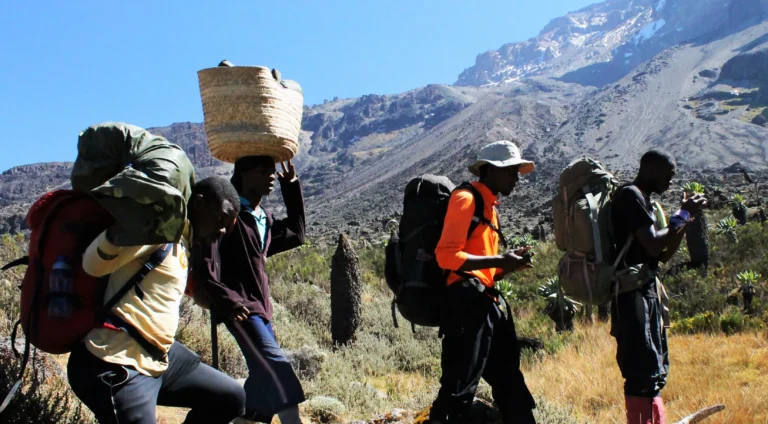
Are There Monkeys On Mount Kilimanjaro? Your Complete Guide 2026-2027
Yes, monkeys are present on Mount Kilimanjaro. This comprehensive guide details the species you might encounter, their habitats on the mountain, and tips for spotting them, crucial...
View package details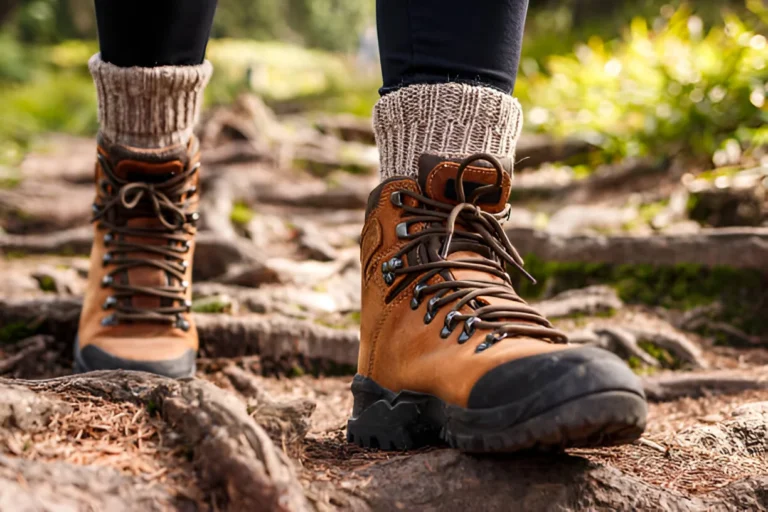
Are There Lions On Mount Kilimanjaro? Expert Guide To Wildlife Encounters
While lions are not found on the higher slopes of Mount Kilimanjaro, they inhabit the surrounding lower-lying areas. This guide explores the wildlife you might encounter during your climb...
View package details
Who Pays For Kilimanjaro Mountain Rescue? 2026-2027
Who Pays for Kilimanjaro Mountain Rescue? is explained with current 2026-2027 planning, price, itinerary and booking information.
View package detailsFive-Day Cycle Around Mount Kilimanjaro 2026-2027
Five-Day Cycle around Mount Kilimanjaro is explained with current 2026-2027 planning, price, itinerary and booking information.
View package details
Kilimanjaro Mountain-Biking Tour From Moshi: Your Ultimate Adventure Guide
Discover the thrill of a Kilimanjaro Mountain-Biking Tour departing from Moshi. This comprehensive guide covers routes, preparation, costs, and what to expect for your 2026-2027 adventure.
View package details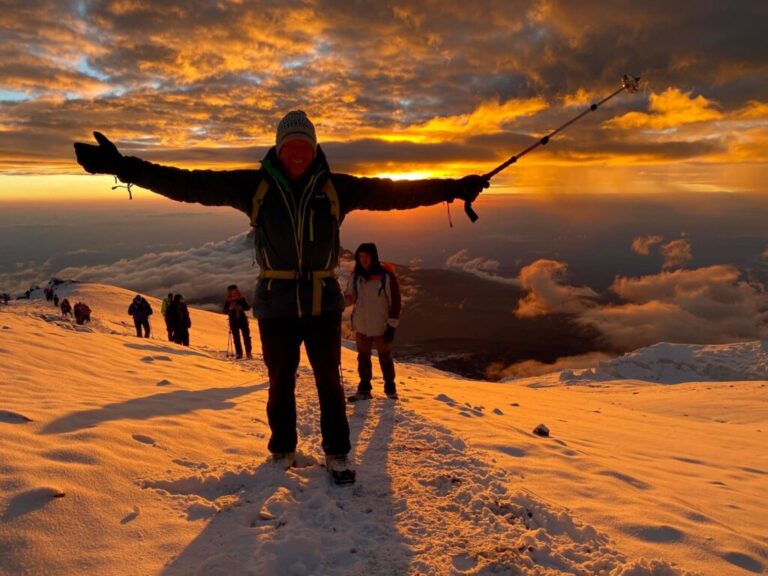
Kilimanjaro Climb With Extra Rest Days 2026-2027
Kilimanjaro Climb with Extra Rest Days is explained with current 2026-2027 planning, price, itinerary and booking information.
View package details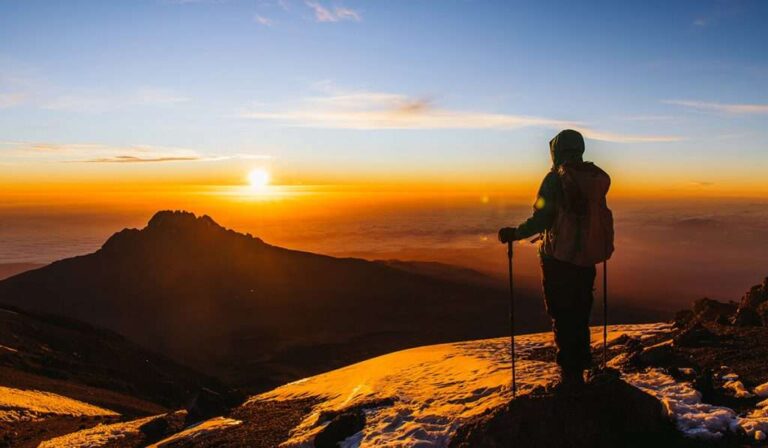
Kilimanjaro Climb With A Slower Daily Pace: Your Guide To Success 2026-2027
Discover how a slower daily pace significantly enhances your Kilimanjaro climb experience. This comprehensive guide covers route selection, acclimatization strategies, essential gear, and...
View package details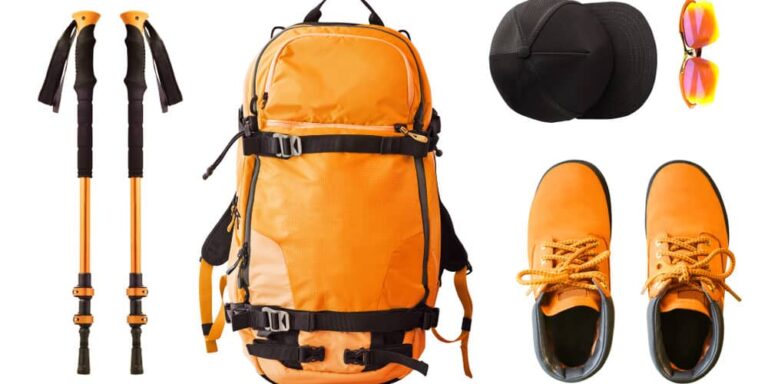
Best Kilimanjaro Route For Climbers Over 60: Expert Guide 2026-2027
Choosing the right Kilimanjaro route is crucial for climbers over 60. This guide details the best options, focusing on acclimatization, duration, and success rates to help you plan your...
View package details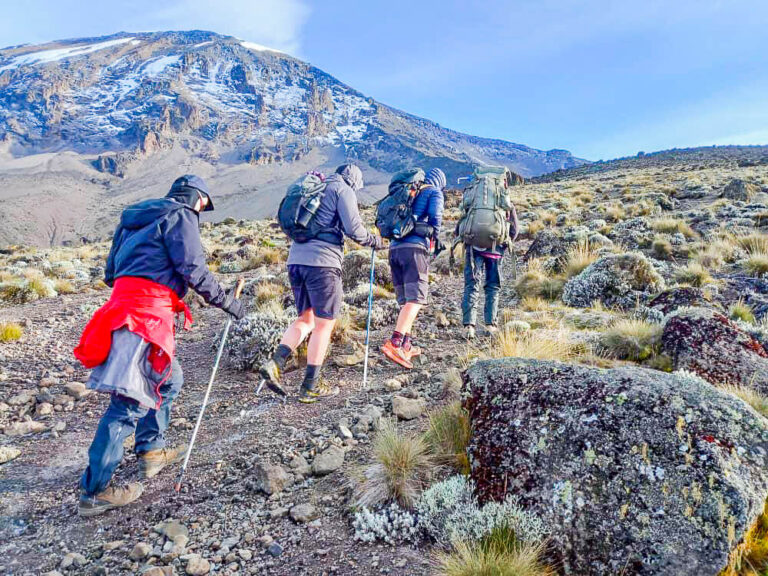
Can You Climb Kilimanjaro At 75? Your Expert Guide For 2026-2027
Discover if climbing Kilimanjaro at 75 is achievable and what you need to know for a successful 2026-2027 summit. This comprehensive guide covers fitness, health, routes, and essential...
View package details
Can You Climb Kilimanjaro At 70? 2026-2027
Can You Climb Kilimanjaro at 70? is explained with current 2026-2027 planning, price, itinerary and booking information.
View package detailsNo related package matches those filters. Clear one or more filters to see the other topic-matched options.



