
First-time Kilimanjaro climbers often make mistakes ranging from insufficient physical training and poor gear selection to underestimating altitude sickness and choosing the wrong route or operator. Avoiding these 25 common pitfalls significantly increases your chances of a safe, enjoyable, and successful summit attempt in 2026 or 2027. Key errors include not training adequately, packing inappropriate clothing, ignoring acclimatization, poor hydration, and making last-minute bookings.
The Most Common Kilimanjaro Climbing Mistakes First-Timers Make
Mount Kilimanjaro, Africa’s highest peak, beckons adventurers from around the globe. Its majestic presence and the challenge it offers make it a prime destination for trekkers. However, for many first-time climbers, the journey to the Roof of Africa is riddled with potential pitfalls. These aren’t necessarily about the mountain itself, but about the planning, preparation, and execution of the climb. Recognizing and actively avoiding these common mistakes is crucial for a safe, successful, and memorable experience, especially as you plan for peak seasons in 2026 and 2027.
At Top Guide Adventures, we’ve guided thousands of trekkers up Kilimanjaro, witnessing firsthand the challenges and triumphs. Our expertise allows us to pinpoint the recurring errors that can hinder even the most determined climbers. This comprehensive guide details the 25 most frequent Kilimanjaro climbing mistakes first-timers make, offering practical advice to help you navigate your expedition with confidence.
Mistake 1: Inadequate Physical Training
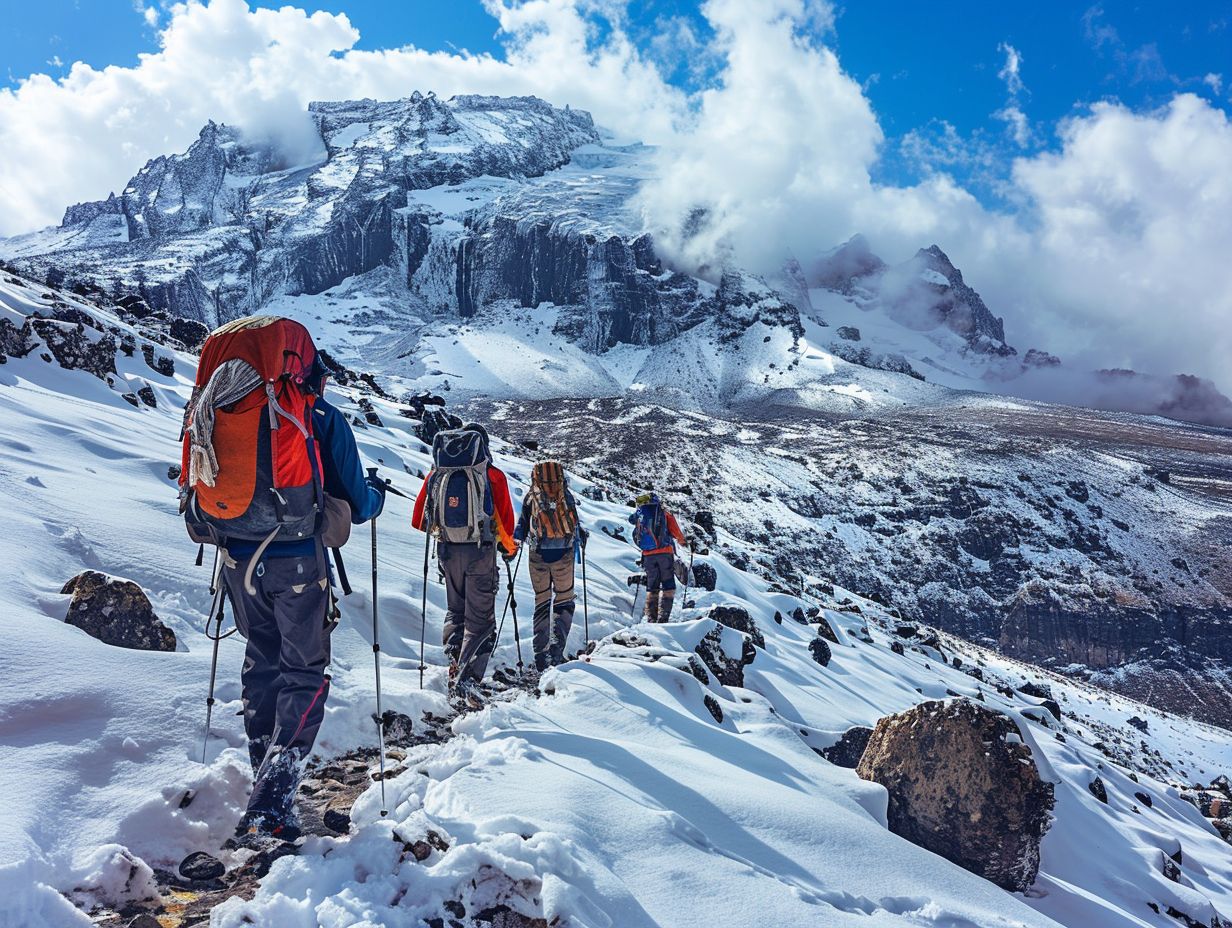
This is arguably the most significant mistake. Many first-timers underestimate the physical demands of climbing Kilimanjaro. It’s not a technical climb, but it requires sustained endurance over multiple days at increasing altitudes. Simply being generally fit is often not enough. The trek involves long days of walking, often on steep, uneven terrain, carrying a daypack, and dealing with the effects of altitude.
What to Do Instead: Comprehensive Training Plan
A well-rounded training program should focus on cardiovascular fitness, strength, and endurance. Start at least 2-3 months before your climb. Incorporate activities like:
- Hiking: Regular hikes, ideally with elevation gain and carrying a weighted backpack, are essential. Aim for at least one long hike (4-6 hours) per week.
- Cardiovascular Exercise: Running, cycling, swimming, or using an elliptical machine 3-4 times a week to build stamina.
- Strength Training: Focus on leg muscles (squats, lunges) and core strength.
- Stair Climbing: Simulate ascents by using stair climbers or actual stairs, ideally with a backpack.
The goal is to prepare your body for prolonged physical exertion in challenging conditions. Remember, the higher you go, the more tiring each step becomes due to lower oxygen levels.
Mistake 2: Choosing the Wrong Kilimanjaro Route
Kilimanjaro offers several routes, each with varying lengths, difficulty levels, scenery, and acclimatization profiles. First-timers might opt for shorter routes like Marangu (Coca-Cola route) or Machame without fully understanding the implications for success rates and acclimatization.
What to Do Instead: Prioritize Acclimatization and Success Rates
For first-time climbers, routes offering better acclimatization are paramount. These typically involve longer durations (7-8 days) and a ‘climb high, sleep low’ philosophy. Top Guide Adventures recommends routes like:
- Machame Route: (7 days) Very popular, good acclimatization, stunning scenery.
- Lemosho Route: (7-8 days) Considered one of the most scenic and offers excellent acclimatization.
- Northern Circuit: (9 days) The longest route, providing the best acclimatization and highest success rates.
Shorter routes like Marangu (5 days) have significantly lower success rates due to poor acclimatization. Your choice in 2026 or 2027 should reflect your priority: speed vs. success and enjoyment.
Mistake 3: Poor Gear Selection and Packing
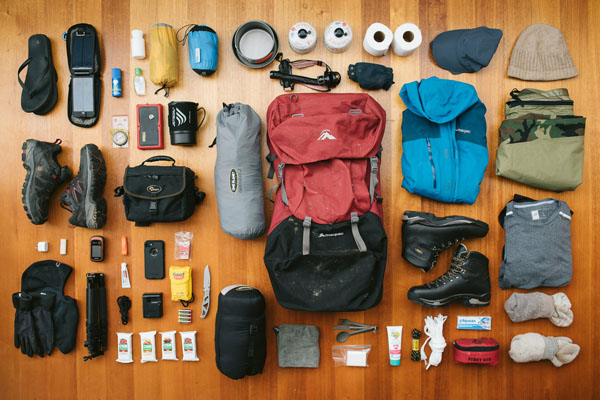
Bringing the wrong gear or forgetting essential items can lead to discomfort, frostbite, or even necessitate an early descent. This includes inadequate layering, poor-quality boots, or missing critical items like waterproofs or warm headwear.
What to Do Instead: Invest in Quality Gear and Layering
Kilimanjaro’s weather can change drastically, from hot and humid at the base to freezing at the summit. A good layering system is key:
- Base Layers: Moisture-wicking thermal tops and bottoms (merino wool or synthetic).
- Mid Layers: Fleece jacket or down vest for insulation.
- Outer Layer: Waterproof and windproof jacket and trousers (Gore-Tex or similar).
- Insulation Layer: A warm, puffy down jacket for summit night.
- Footwear: Broken-in, waterproof hiking boots with good ankle support. Bring several pairs of warm wool socks.
- Headwear: Warm beanie, sun hat, balaclava or neck gaiter for summit night.
- Gloves: Liner gloves and warm, waterproof outer gloves or mittens.
- Other Essentials: Headlamp with extra batteries, sunglasses, sunscreen, lip balm, reusable water bottles/bladder, toiletries, personal first-aid kit.
Consult your tour operator for a detailed packing list. Top Guide Adventures provides comprehensive lists to all clients planning their 2026-2027 expeditions.
Mistake 4: Underestimating Altitude Sickness (AMS)
Altitude sickness is a serious risk on Kilimanjaro. Many first-timers either ignore the symptoms, try to push through, or don’t understand its potential severity. AMS can range from mild headaches and nausea to severe, life-threatening conditions like HAPE (High Altitude Pulmonary Edema) and HACE (High Altitude Cerebral Edema).
What to Do Instead: Prioritize Acclimatization and Listen to Your Body
The best prevention is choosing a longer route (7+ days) that allows for gradual ascent. Key strategies include:
- Ascend Slowly: Follow the ‘pole pole’ (slowly, slowly) principle.
- Stay Hydrated: Drink plenty of water (3-4 liters per day).
- Avoid Alcohol and Smoking: These can exacerbate AMS symptoms.
- Eat Well: Maintain energy levels with regular meals.
- Medication: Consider Diamox (acetazolamide) after consulting your doctor.
- Communicate: Inform your guide immediately of any symptoms, no matter how minor. Your guide is trained to assess and manage AMS.
Never ascend with symptoms of moderate to severe AMS. Descent is the most effective treatment.
Mistake 5: Poor Hydration and Nutrition
Dehydration is common on Kilimanjaro and can significantly worsen altitude sickness symptoms. Similarly, neglecting proper nutrition can lead to low energy levels and fatigue.
What to Do Instead: Drink and Eat Consistently
Make hydration a priority. Drink water, herbal teas, and soup throughout the day. Aim for 3-4 liters daily. On summit night, carry at least 2 liters. Your body needs fuel. Eat the meals provided by your tour operator, even if your appetite decreases at altitude. High-carbohydrate meals are beneficial. Carry energy bars, nuts, and dried fruit for snacks between meals.
Mistake 6: Not Breaking in Hiking Boots
Wearing brand-new, stiff boots on Kilimanjaro is a recipe for blisters, foot pain, and potential injury. This can make the entire trek miserable.
What to Do Instead: Break In Your Boots Thoroughly
Purchase your hiking boots well in advance of your climb. Wear them on training hikes, gradually increasing the distance and duration. Ensure they fit well, with enough room in the toe box and good heel support. Consider bringing liner socks to prevent friction.
Mistake 7: Overpacking or Underpacking
Carrying too much weight on your back (in your daypack) makes the climb harder. Conversely, forgetting essential items like warm gloves or a headlamp can be problematic.
What to Do Instead: Pack Smartly and Use Porter Services
Your main luggage (duffel bag) will be carried by porters. Pack only essentials for the trek days in your daypack. Stick to the detailed packing list provided by your operator. For Top Guide Adventures clients, we offer guidance on essential items and what can be left at the hotel.
Mistake 8: Ignoring the Importance of ‘Pole Pole’
The Swahili phrase ‘pole pole’ means ‘slowly, slowly.’ Rushing the ascent, especially on summit night, is a common mistake that can lead to exhaustion and increase the risk of altitude sickness.
What to Do Instead: Embrace a Slow and Steady Pace
Listen to your guides. They will set a pace that is sustainable and promotes acclimatization. Focus on taking small steps, breathing deeply, and conserving energy. ‘Pole pole’ is not just about speed; it’s a mindset for the entire climb.
Mistake 9: Relying Solely on Physical Fitness
While fitness is vital, it doesn’t guarantee success or immunity to altitude sickness. Many highly fit individuals struggle on Kilimanjaro due to poor acclimatization or other factors.
What to Do Instead: Combine Fitness with Acclimatization Strategies
Physical training builds the foundation, but acclimatization is the key to reaching the summit. Respect the altitude, ascend gradually, stay hydrated, and listen to your body and guides. For 2026-2027 climbs, remember that mental fortitude is as important as physical strength.
Mistake 10: Not Using a Reputable Tour Operator
Choosing a cheap, uncertified, or inexperienced operator can compromise your safety, the quality of your experience, and the well-being of porters. Many budget operators cut corners on safety, food, equipment, and guide training.
What to Do Instead: Research and Choose Wisely
Select a company with a proven track record, certified guides, good safety protocols, and fair treatment of staff. Look for reviews and accreditations. Top Guide Adventures is a fully licensed and insured operator committed to safety, sustainability, and client satisfaction. We pride ourselves on our experienced guides and well-maintained equipment, ensuring a reliable experience for your 2026-2027 climb.
Choosing the Right Operator for Your 2026-2027 Kilimanjaro Climb
When selecting a tour operator for your Kilimanjaro adventure in 2026 or 2027, consider these factors:
- Safety Record: Do they have emergency oxygen, a comprehensive medical kit, and trained guides?
- Guide Experience: Are guides certified and experienced in high-altitude trekking and rescue?
- Group Size: Smaller groups often allow for more personalized attention.
- Inclusions: What is covered in the price? (Park fees, meals, accommodation, transfers, porterage).
- Porter Welfare: Do they adhere to fair wages and working conditions for porters?
- Reviews: Check independent review sites like TripAdvisor.
Top Guide Adventures meets and exceeds these standards, ensuring your climb is not only successful but also ethically managed.
Mistake 11: Poor Sleep Quality
Sleep deprivation at altitude can significantly impact your physical and mental state, making the climb much harder and increasing the risk of altitude sickness.
What to Do Instead: Maximize Sleep Opportunities
While deep sleep can be difficult at altitude, try to rest as much as possible. Use a comfortable sleeping bag, earplugs if sensitive to noise, and a sleeping pad for insulation. Try to relax and conserve energy during the day. Listen to your guide’s advice on when to rest.
Mistake 12: Neglecting Sun Protection
The sun’s rays are intense at high altitudes, even on cloudy days. Sunburn can lead to dehydration, headaches, and general discomfort, making the climb more challenging.
What to Do Instead: Use High SPF Sunscreen and Protective Gear
Apply high SPF sunscreen liberally and frequently, especially on exposed skin. Wear a wide-brimmed hat or cap, sunglasses with UV protection, and consider UV-protective clothing. Lip balm with SPF is also essential.
Mistake 13: Not Carrying Enough Snacks
While your operator provides meals, appetite can decrease at altitude. Having your own favorite high-energy snacks can provide a much-needed boost during long trekking days or on summit night.
What to Do Instead: Pack Your Favorite Energy-Rich Snacks
Bring a selection of energy bars, trail mix, nuts, dried fruit, or chocolate. These are lightweight and provide quick energy. Discuss snack options with your Top Guide Adventures guide before your climb.
Mistake 14: Using the Wrong Water Bottles/Bladders
Water bottles can freeze overnight at higher altitudes, especially on summit night. This can leave you without hydration when you need it most.
What to Do Instead: Insulate Your Water Supply
Use insulated water bottles or ensure your hydration bladder tubes are insulated. Many climbers wrap their bottles in a sock or fleece. Carry at least 2-3 liters of water for the trek and 4-5 liters for summit night. Your guides will often boil water for you, but carrying purification tablets or a filter is a good backup.
Mistake 15: Poor Choice of Trekking Poles
Trekking poles significantly reduce strain on your knees and ankles, especially during descents, and improve balance. Using cheap, flimsy poles or none at all is a mistake.
What to Do Instead: Invest in Quality, Adjustable Trekking Poles
Opt for lightweight, durable, and adjustable trekking poles. They help maintain rhythm, reduce impact, and provide stability on uneven terrain. Practice using them during your training hikes.
Mistake 16: Forgetting a Headlamp (and Batteries!)
A reliable headlamp is crucial for navigating in the dark, especially during the pre-dawn start on summit night. Forgetting it or having dead batteries is a critical oversight.
What to Do Instead: Pack a Reliable Headlamp with Spare Batteries
Ensure your headlamp has fresh batteries and pack a spare set. Test it before you leave home. It’s also useful for navigating around camp after dark.
Mistake 17: Not Informing Guides About Pre-existing Medical Conditions
Hiding pre-existing health issues can be dangerous. Guides need to be aware of conditions like asthma, heart problems, or diabetes to provide appropriate support and make informed decisions.
What to Do Instead: Be Transparent with Your Tour Operator and Guides
Disclose all relevant medical information to Top Guide Adventures during the booking process. Your guides will be briefed and can take necessary precautions. Always carry any personal medications you need.
Mistake 18: Underestimating Summit Night
Summit night is the most challenging part of the climb. It involves hiking through the night in extreme cold, darkness, and at very high altitude. Many first-timers are unprepared for the physical and mental toll.
What to Do Instead: Prepare Mentally and Physically for Summit Night
Ensure you have the warmest gear, especially for your hands, feet, and head. Eat well and hydrate in the days leading up to it. Mentally prepare for a long, slow, and cold ascent. Trust your guides; they are experienced in managing summit attempts.
Mistake 19: Not Having Adequate Travel Insurance
A standard travel insurance policy may not cover high-altitude trekking or emergency helicopter evacuation, which can be extremely expensive.
What to Do Instead: Secure Comprehensive Travel Insurance
Ensure your insurance covers high-altitude trekking (up to 6,000 meters) and includes emergency medical evacuation. Verify the coverage details carefully before your 2026-2027 climb.
Mistake 20: Trying to Climb Too Quickly
This is a common manifestation of Mistake #1 (inadequate training) and Mistake #8 (ignoring ‘pole pole’). Rushing leads to faster dehydration, increased risk of AMS, and quicker exhaustion.
What to Do Instead: Pace Yourself Prudently
Remember that Kilimanjaro is a marathon, not a sprint. Your guides will manage the pace. Focus on consistent, slow movement. It’s better to arrive at the summit later but safely, than to push too hard and have to turn back.
Mistake 21: Not Packing Enough Warm Layers
The temperature drops significantly as you gain altitude, especially on summit night, where it can reach -20°C (-4°F) with wind chill. Insufficient warm clothing is a major comfort and safety issue.
What to Do Instead: Layer Up with Quality Insulating Gear
Invest in a good quality down jacket, thermal base layers, fleece mid-layers, and warm accessories like a beanie and insulated gloves. Your outer shell must be waterproof and windproof. Top Guide Adventures provides detailed gear recommendations.
Mistake 22: Over-reliance on Medication for Altitude Sickness
While Diamox can aid acclimatization, it’s not a cure or a substitute for proper ascent techniques. Relying solely on medication without following acclimatization principles is a dangerous gamble.
What to Do Instead: Use Medication as a Supplement, Not a Crutch
Consult your doctor about Diamox well in advance of your climb. Understand its usage, side effects, and limitations. Prioritize gradual ascent, hydration, and communication with your guides above all else.
Mistake 23: Poor Communication with Guides
Not speaking up about discomfort, symptoms, or concerns prevents your guides from effectively assisting you. They can’t help if they don’t know there’s a problem.
What to Do Instead: Maintain Open and Honest Communication
Your guides are there to ensure your safety and success. Be honest about how you are feeling, your energy levels, and any physical issues. Early communication allows them to intervene effectively, perhaps by adjusting pace, suggesting rest, or administering basic treatment.
Mistake 24: Not Understanding Porter Etiquette and Support
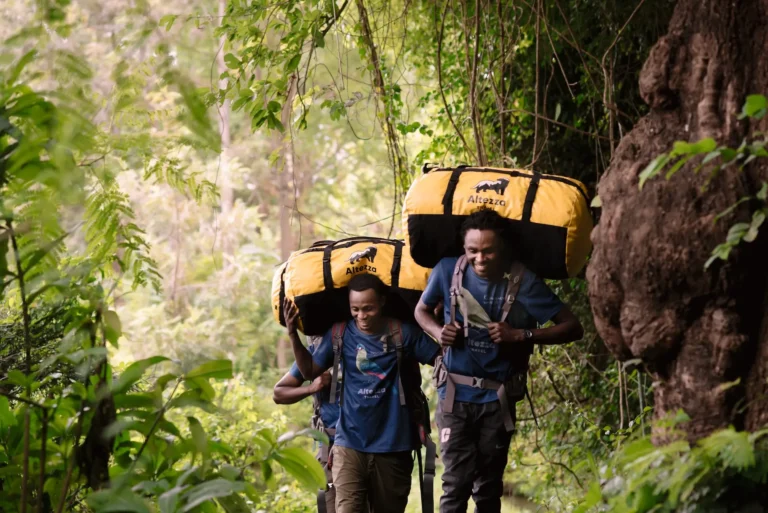
Kilimanjaro climbs rely heavily on porters. Mistreating them, overloading them, or not tipping appropriately is unethical and undermines the team effort.
What to Do Instead: Treat Porters with Respect and Follow Operator Guidelines
Always greet your porters, thank them, and follow your operator’s guidelines on porter weight limits. Tipping is customary and expected; Top Guide Adventures provides clear tipping guidelines to ensure porters are fairly compensated for their hard work. Ethical treatment of porters is a core value for us.
Mistake 25: Booking Last Minute
While spontaneous trips can be exciting, booking a Kilimanjaro climb too close to your desired dates can lead to limited availability, higher prices, and rushed preparation, especially for peak seasons in 2026 and 2027.
What to Do Instead: Plan and Book Your Climb Well in Advance
Aim to book your Kilimanjaro expedition at least 6-12 months in advance, particularly if you are targeting popular months like January, February, July, August, or September. This ensures better availability of preferred dates, routes, and potentially better pricing. Early booking allows ample time for training, gear acquisition, and necessary medical consultations. For planning your 2026 or 2027 adventure, contacting a trusted operator like Top Guide Adventures sooner rather than later is highly recommended.
Your Successful Kilimanjaro Climb Starts Here with Top Guide Adventures
Climbing Mount Kilimanjaro is an incredible achievement. By understanding and actively avoiding these 25 common mistakes, you significantly enhance your chances of a safe, enjoyable, and successful summit. Preparation is key, from your physical training and gear choices to selecting the right route and a reputable operator.
Top Guide Adventures is dedicated to providing exceptional trekking experiences on Kilimanjaro. Our experienced guides, commitment to safety, and ethical treatment of staff ensure your journey is well-supported from start to finish. Whether you’re planning for late 2026 or anytime in 2027, we are here to help you prepare for this life-changing adventure.
Ready to plan your Kilimanjaro climb and avoid the common pitfalls? Contact us today:
- WhatsApp: +255616946642
- Email: topguideadventures@gmail.com
- Backup Email: info@topguideadventures.com
Let us help you make your Kilimanjaro dream a reality in 2026-2027.
Check Availability for 25 Kilimanjaro Climbing Mistakes First-Timers Make: Avoid Them In 2026-2027
Ready to compare dates, prices, and the best option for your group? Send the package name and travel month so the team can reply with a clear quote, availability, and what is included.
How To Read A Kilimanjaro Climbing Quote 2026-2027
How to Read a Kilimanjaro Climbing Quote is explained with current 2026-2027 planning, price, itinerary and booking information.
View package details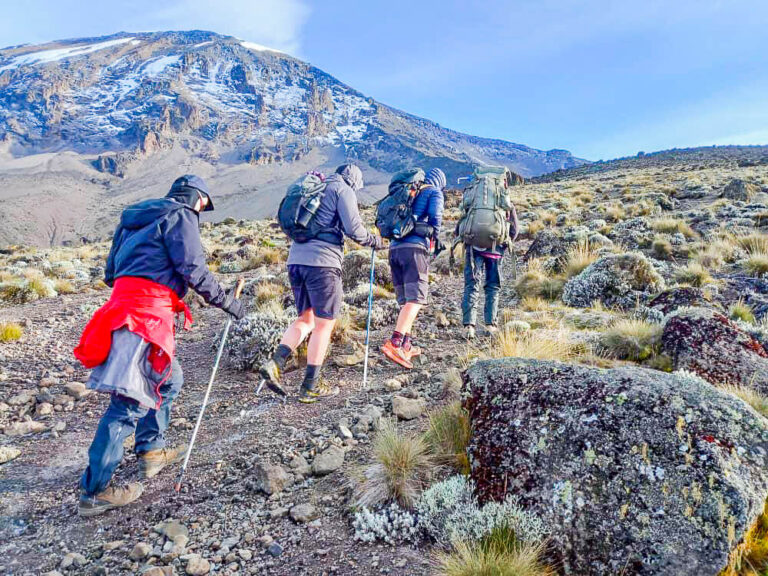
Kilimanjaro Booking Checklist For First-Time Climbers: Your Essential Guide
Planning your first Kilimanjaro climb in 2026 or 2027? This detailed checklist covers everything from choosing a route and operator to packing and acclimatization, ensuring a well-prepared...
View package details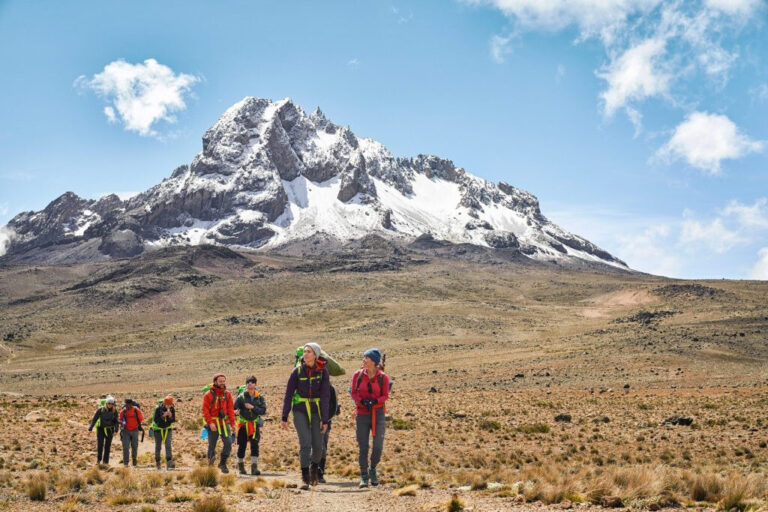
The Truth About Climbing Mount Kilimanjaro 2026-2027
The Truth about Climbing Mount Kilimanjaro is explained with current 2026-2027 planning, price, itinerary and booking information.
View package details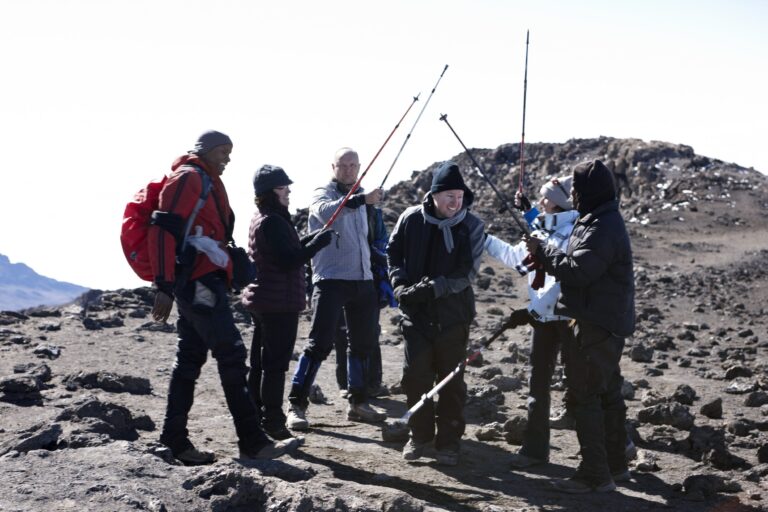
What Nobody Tells You About Climbing Kilimanjaro 2026-2027
What Nobody Tells You about Climbing Kilimanjaro is explained with current 2026-2027 planning, price, itinerary and booking information.
View package details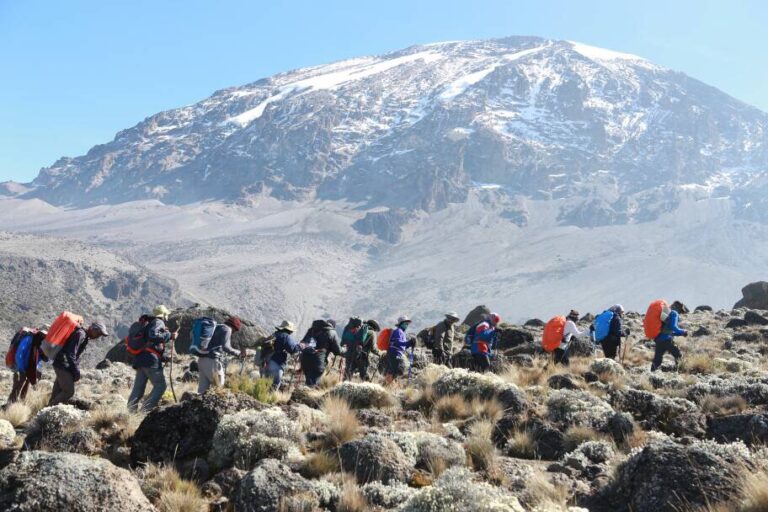
Kilimanjaro Group-Climb Mistakes: Avoid Common Pitfalls For A Successful
This guide details common Kilimanjaro group-climb mistakes, offering practical advice for trekkers aiming for a successful summit. Learn about preparation, acclimatization, gear, and...
View package details
Kilimanjaro Photography Mistakes At High Altitude 2026-2027
Kilimanjaro Photography Mistakes at High Altitude is explained with current 2026-2027 planning, price, itinerary and booking information.
View package details
Kilimanjaro Food And Nutrition Mistakes: Avoid These To Summit Successfully
Proper nutrition is crucial for a successful Kilimanjaro climb. This guide details common food and nutrition mistakes climbers make, offering expert advice on what to eat, when to eat it...
View package detailsKilimanjaro Gear-Rental Mistakes To Avoid For Your Climb 2026-2027
Planning a Kilimanjaro climb for 2026 or 2027? Renting gear can save money and hassle, but mistakes are common. This guide details the most frequent errors climbers make when renting...
View package details
Kilimanjaro Hotel Booking Mistakes: Avoid These Pitfalls For A Smooth Climb
Booking accommodation near Kilimanjaro is crucial for a successful climb. This guide details common Kilimanjaro hotel booking mistakes to help you avoid them, ensuring comfort and readiness...
View package detailsKilimanjaro Flight-Booking Mistakes: Avoid These Pitfalls For Your Climb
Planning your Kilimanjaro climb for 2026 or 2027? Don't let flight booking errors derail your adventure. This guide covers critical mistakes to avoid, from choosing the right airport and...
View package details
Kilimanjaro Tipping Mistakes And Etiquette: A Comprehensive Guide For Climbers
Navigating Kilimanjaro tipping can be confusing. This guide details common mistakes and proper etiquette for tipping your support crew, ensuring fair compensation and a positive experience...
View package details
Kilimanjaro Insurance Mistakes To Avoid For A Safe Climb In 2026-2027
Climbing Mount Kilimanjaro is a dream for many, but overlooking proper insurance can turn an incredible adventure into a costly disaster. This guide details the most common Kilimanjaro...
View package detailsNo related package matches those filters. Clear one or more filters to see the other topic-matched options.



