
To verify Kilimanjaro park fees are included in your trek package, carefully review the detailed itinerary and inclusions list provided by your tour operator. Look for specific line items detailing conservation fees, camping/hut fees, and rescue fees. Reputable companies like Top Guide Adventures will clearly state these in their quotes and on their websites, often providing a total figure or a breakdown of what the quoted price covers for your 2026-2027 climb.
Understanding Kilimanjaro Park Fees: The Foundation of Your Climb Cost
Mount Kilimanjaro, a UNESCO World Heritage Site and Africa’s highest peak, draws thousands of adventurers annually. For many, the allure of standing on its summit is a lifelong ambition. However, the journey to the top involves significant logistical and financial planning. Among the most substantial components of any Kilimanjaro trek cost are the mandatory park fees levied by the Tanzanian government. These fees are not optional; they are essential for the conservation of the mountain’s unique ecosystems and for ensuring the safety and well-being of climbers. For anyone planning a climb in 2026 or 2027, understanding how to verify these Kilimanjaro park fees are included in their package is paramount to avoiding unexpected expenses and ensuring a transparent booking process.
At Top Guide Adventures, we believe in complete transparency with our clients. We organize Kilimanjaro climbs with personal attention, care, and dedicated support, and this includes making sure you understand every aspect of your trek’s cost. This guide is designed to equip you with the knowledge to confidently confirm that your chosen tour operator has accounted for all necessary Kilimanjaro park fees in their quotation, allowing you to focus on the adventure ahead.
Why Are Kilimanjaro Park Fees So Important?
The park fees for Kilimanjaro are not arbitrary charges. They are critical for several reasons:
- Conservation Efforts: Kilimanjaro National Park is home to incredibly diverse flora and fauna, much of which is endemic. The fees contribute directly to protecting these fragile environments, managing trails, controlling erosion, and combating poaching.
- Infrastructure and Maintenance: Funds from park fees help maintain the trails, bridges, and basic facilities (like toilets and rest huts) found along the climbing routes. Without this upkeep, the trekking experience would be significantly degraded and potentially more dangerous.
- Rescue Services: A portion of the fees supports the Kilimanjaro National Park Rangers and the park’s search and rescue operations. In the event of a medical emergency or accident, these services are vital for climber safety.
- Staff Wages: Park fees also contribute to the salaries of the rangers who patrol the park, the guides and porters who support the trekkers, and the administrative staff who manage the park’s operations.
Given their importance, it’s essential that these fees are paid correctly and are reflected in your overall climb cost. Failing to do so can lead to significant problems during your trek, potentially even preventing you from starting or continuing your ascent.
The Components of Kilimanjaro Park Fees
Kilimanjaro park fees are not a single, monolithic charge. They are typically broken down into several categories, each contributing to a different aspect of your climb. Understanding these components will make it easier to verify they are included in your package and to discuss them with your tour operator.
The primary fees you should expect to see accounted for include:
- Conservation Fee: This is usually the largest component of the park fees. It’s a daily fee charged for every day you are within Kilimanjaro National Park boundaries. The current rate is approximately $70 USD per person per day. This fee is crucial for the ongoing conservation of the mountain’s natural resources.
- Camping/Hut Fee: Depending on the route and the type of accommodation you use on the mountain, you will be charged a fee for camping or using the huts. For camping, this is typically around $50-$60 USD per person per night. For hut accommodations (used on routes like the Marangu route), the fee is often higher, around $60-$70 USD per person per night.
- Rescue Fee: This fee is mandatory for all climbers and is usually a fixed amount, often around $10-$20 USD per person. It covers the costs associated with emergency rescue operations on the mountain.
- Crater Rim Fee (for specific routes): Some routes, like the Machame or Lemosho, may involve reaching Stella Point or Gilman’s Point near the crater rim. If your itinerary includes descending into the crater or walking along its rim (which is rare for standard treks but possible for advanced itineraries), there might be an additional fee. However, for most standard ascents to Uhuru Peak via these routes, the primary fees cover the trek to the rim. The Marangu route, for example, has a fee for reaching the crater itself.
It’s important to note that these figures are approximate and can change. The Tanzanian government periodically reviews and adjusts these fees. For the latest, most accurate figures for 2026-2027 climbs, it is always best to consult directly with your tour operator or check official park information if available.
How to Verify Kilimanjaro Park Fees Are Included: A Step-by-Step Guide
Verifying that Kilimanjaro park fees are included in your tour package requires diligence and clear communication with your tour operator. Here’s how to approach it:
1. Request a Detailed Quotation
When you inquire about a Kilimanjaro climb, especially for dates in 2026 or 2027, always ask for a detailed quotation. A reputable company will provide this without hesitation. This document should break down the costs associated with your trek, not just present a single lump sum.
Look for specific sections or line items that mention:
- Kilimanjaro National Park Conservation Fees
- Camping Fees / Hut Fees
- Kilimanjaro Rescue Fees
- Crater Fee (if applicable to your chosen route)
If the quote only states ‘Park Fees Included’ without any further explanation, it’s a good sign, but it’s still worth asking for clarification.
2. Examine the ‘Inclusions’ List Thoroughly
Most tour operators will have an ‘Inclusions’ and ‘Exclusions’ list as part of their package details. This is where the inclusion of park fees should be explicitly stated.
What to look for in the ‘Inclusions’:
- “All Kilimanjaro National Park entrance, camping/hut, and rescue fees”
- “Mandatory park fees for the duration of your trek”
- A specific mention of the daily conservation fee, camping fee, and rescue fee.
What to be wary of in the ‘Inclusions’:
- Vague statements like “Park fees” without specifying which ones.
- Lists that mention only “entrance fees” but omit camping/hut fees or rescue fees.
- Inclusions that seem too good to be true for the price – often, hidden costs can emerge if fees aren’t clearly itemized.
3. Ask Direct Questions
Don’t hesitate to ask your tour operator specific questions. This is what we encourage at Top Guide Adventures; your clarity is our priority. Here are some key questions to ask:
- “Can you provide a detailed breakdown of the park fees included in your package?”
- “Does your quoted price cover the daily conservation fee, the camping/hut fee, and the rescue fee for all days on the mountain?”
- “What is the exact number of days the park fees are calculated for based on the itinerary?” (e.g., a 7-day trek usually means 7 days of conservation fees and 6 nights of camping fees).
- “Are there any additional park-related fees that might not be included in the standard package?”
- “If the government increases park fees for 2026-2027, will this affect my quoted price?” (Reputable operators often absorb minor increases or have clauses about this).
4. Cross-Reference with Official Information (If Possible)
While tour operators are your primary source, you can sometimes find publicly available information on park fee structures from official Tanzanian National Parks Authority (TANAPA) sources or reputable trekking forums. This can help you gauge if the fees mentioned by your operator align with general guidelines. However, always rely on the operator’s specific quote for your package.
5. Read Reviews and Testimonials
Check reviews from previous clients, especially those who climbed in recent years (2024, 2025) or are planning for 2026-2027. Look for comments about transparency in pricing and whether clients felt surprised by any costs. Positive reviews often highlight companies that are upfront about all charges.
6. Understand the Duration Calculation
Park fees are typically calculated per person, per day. The number of days for conservation fees usually corresponds to the total number of days spent on the mountain, from the start of the trek to the end. Camping/hut fees are usually calculated per night spent on the mountain. For example, on a 7-day trek, you’ll likely have 7 days of conservation fees and 6 nights of camping fees.
Example: A 7-day trek on the Machame route for one person:
- Conservation Fee: 7 days x $70/day = $490
- Camping Fee: 6 nights x $50/night = $300
- Rescue Fee: $10-$20 (fixed)
- Total Estimated Park Fees: ~$800 – $810
This is a simplified estimate. The exact calculation depends on the specific route, the number of days, and any current fee adjustments. A tour operator should be able to provide this exact calculation for your chosen itinerary.
Common Pitfalls to Avoid Regarding Park Fees
Even with the best intentions, some trekkers encounter issues with park fees. Being aware of these pitfalls can help you prevent them:
- “Budget” Operators with Hidden Costs: Extremely low-priced packages might seem attractive, but they often cut corners. One common way is by not fully including all mandatory park fees, expecting clients to pay them upon arrival or at the gate. This can lead to significant unexpected expenses and stress.
- Misunderstanding ‘Per Person Per Day’: Ensure the operator clarifies how many days the fees cover. Some might quote a package price but not clearly state the number of days factored into the park fee calculation.
- Excluding Rescue Fees: While seemingly small, rescue fees are mandatory. Ensure they are explicitly included.
- Route-Specific Fee Discrepancies: Different routes might have slightly different fee structures or involve traversing areas with specific charges. Ensure your operator accounts for this based on your chosen route.
- Ignoring Fee Increases: While less common for bookings made well in advance, be aware that governments can adjust fees. Reputable operators will either absorb minor increases for bookings made for 2026-2027 or clearly state their policy on price adjustments due to government-mandated fee hikes.
Top Tip: Always look for a tour operator that clearly states “All Kilimanjaro National Park fees included” and provides a breakdown or assurance of what this entails. At Top Guide Adventures, we pride ourselves on this level of clarity.
Comparing Tour Operators: Park Fee Inclusion as a Key Differentiator
When comparing quotes from different tour operators for your 2026-2027 Kilimanjaro climb, the inclusion of park fees is a critical factor. It’s one of the most significant cost components, and how it’s handled can reveal a lot about an operator’s transparency and reliability.
Here’s how to use park fee inclusion in your comparison:
- Identify True Value: A lower price might be tempting, but if it excludes essential park fees, it’s not a good deal. Compare the total cost after factoring in all mandatory fees.
- Transparency Matters: Operators who clearly itemize park fees in their quotations and inclusions lists are generally more trustworthy. They have nothing to hide and want you to be fully informed.
- Look for All-Inclusive Options: While “all-inclusive” can mean different things, for Kilimanjaro treks, it should ideally mean including park fees, crew salaries, meals, accommodation (on the mountain and sometimes pre/post-trek), safety equipment, and transfers.
- Service vs. Price: Don’t sacrifice safety and quality for a slightly lower price. A well-resourced operator that includes all fees is better equipped to provide experienced guides, quality equipment, and reliable support, which are crucial for a successful and safe climb.
Example Comparison Scenario (Hypothetical for 2026-2027):
| Feature | Operator A (Budget) | Operator B (Mid-Range – e.g., Top Guide Adventures) | Operator C (Luxury) |
|---|---|---|---|
| Quoted Price (7-Day Trek) | $1500 | $2200 | $3500+ |
| Park Fees (Est. $800) | Excluded (Client pays extra) | Included (Itemized in quote) | Included (Often with a buffer) |
| Total Estimated Cost | $2300+ | $2200 | $3500+ |
| Transparency on Fees | Low | High | High |
| Inclusions Clarity | Often vague | Detailed and specific | Very detailed |
This comparison highlights how a seemingly cheaper operator can end up costing more once all mandatory fees are accounted for. Prioritizing an operator like Top Guide Adventures, where Kilimanjaro park fees are clearly stated as included, simplifies your planning and budget.
When Are Park Fees Typically Paid?
The payment schedule for your Kilimanjaro trek, including park fees, will vary by operator. However, most reputable companies structure their payments as follows:
- Deposit: An initial deposit is usually required upon booking to secure your dates and begin arrangements. This deposit often contributes towards covering initial operational costs, which may include pre-payments for park permits or other logistics.
- Balance Payment: The remaining balance is typically due a certain number of weeks or months before your trek departure date (e.g., 30-60 days prior). This final payment is when the bulk of your tour cost, including all confirmed park fees, is settled.
Crucially, if your operator states that park fees are included, they should be paid to the operator as part of your package, not directly by you at the park gate unless explicitly agreed upon for a specific reason (which is rare for standard packages).
Some operators might choose to pay the park fees on your behalf just before your trek begins, while others might include them in the final balance payment. The key is that the operator confirms they are handling these payments as part of the package price.
What if Park Fees Aren’t Included?
If you discover that park fees are not included in the quote you’ve received, you need to:
- Clarify the Exact Amount: Ask the operator to provide the precise total amount you will need to pay for all mandatory park fees.
- Determine When Payment is Due: Find out if these fees need to be paid upfront with the deposit, with the final balance, or directly at the park gate upon arrival.
- Be Prepared for Potential Increases: If you are paying separately, be aware that government fees can change. Ensure your agreement accounts for potential fluctuations, especially if booking far in advance for 2026 or 2027.
- Consider Other Operators: If the operator is unwilling or unable to provide clear details about park fees, or if they expect you to pay a significant amount separately at the last minute, it might be a red flag. It’s often safer to choose an operator that includes these essential costs transparently in their package price.
Paying significant amounts directly at the park gate can be risky. You might encounter queues, currency issues, or unexpected complications. It’s far smoother when your tour operator manages these administrative aspects.
The Role of Guides and Porters in Park Fee Compliance
Your guides and porters are instrumental in ensuring your trek runs smoothly, and this includes adherence to park regulations. They will carry the necessary park permits and documentation. When you check in at the park gate, your lead guide will present these documents. If all fees have been correctly paid and processed by the tour operator, this check-in process should be straightforward.
Your guide is also your primary point of contact for any questions on the mountain. If you have concerns about the trek’s progression or any aspect of the logistics, including fee-related confirmations, your guide is the person to ask. However, for comprehensive verification, it’s best to address these details before you start your climb.
Kilimanjaro Park Fees for 2026-2027: What to Expect
While the exact figures for 2026-2027 park fees will be confirmed by TANAPA closer to the time, the general structure and approximate amounts are unlikely to change dramatically. Based on recent trends, you can expect:
- Conservation Fees: Likely to remain around the $70 USD per person per day mark.
- Camping/Hut Fees: Expect these to be in the range of $50-$70 USD per person per night, depending on the route and accommodation type.
- Rescue Fees: Typically a fixed, modest amount, perhaps around $10-$20 USD per person.
Key Planning Point for 2026-2027: When booking your climb for 2026 or 2027, ensure your contract or booking confirmation explicitly states that all current and officially mandated park fees are included. If there’s a clause about potential fee increases, understand the terms. Reputable operators usually absorb minor increases for bookings made well in advance.
Top Guide Adventures is committed to providing clear, all-inclusive pricing for your 2026-2027 Kilimanjaro adventure. We factor in all known park fees at the time of quotation and update our pricing proactively as new information becomes available from TANAPA.
Example: How Top Guide Adventures Handles Park Fees
To illustrate our commitment to transparency, let’s consider how Top Guide Adventures ensures Kilimanjaro park fees are included in your package:
Our Approach to Kilimanjaro Park Fees
When you receive a quote from Top Guide Adventures for your Kilimanjaro climb (whether for 2026, 2027, or any other year), our pricing is based on:
- Detailed Itinerary Analysis: We calculate the exact number of days for conservation fees based on your chosen route’s duration.
- Accommodation Type: We apply the correct camping or hut fees based on your route (e.g., Machame uses camping, Marangu uses huts).
- Mandatory Fees Covered: Our quotes explicitly include the Conservation Fee, Camping/Hut Fee, and Rescue Fee.
- No Hidden Surprises: We aim for a true all-inclusive price for the mountain portion of your trek. What you see in the inclusions is what you get.
- Proactive Updates: We monitor official announcements from TANAPA regarding fee changes and adjust our pricing and client information accordingly, especially for future seasons like 2026-2027.
We believe that knowing exactly what is covered, especially essential costs like Kilimanjaro park fees, allows you to plan your budget with confidence. If you have any questions about our pricing structure or what’s included in your specific Kilimanjaro package, please do not hesitate to reach out.
Beyond Park Fees: Other Costs to Consider
While verifying Kilimanjaro park fees are included is crucial, remember that they are just one part of the overall cost of your trek. Other significant expenses to confirm with your operator or budget for separately include:
- Guide and Porter Salaries: Essential for the crew that supports your climb. Reputable operators pay fair wages.
- Food and Cooking Equipment: Meals provided on the mountain.
- Accommodation: Pre and post-trek hotel nights in Moshi or Arusha.
- Transfers: Transportation to and from the Kilimanjaro National Park gates and back to your hotel.
- Equipment Rental: Sleeping bags, trekking poles, warm clothing (sometimes included, sometimes extra).
- Travel Insurance: Mandatory for most operators, covering medical emergencies and evacuation.
- Visas: For Tanzania.
- Flights: To and from Kilimanjaro International Airport (JRO).
- Personal Expenses: Tips for the crew (a significant cultural expectation), souvenirs, drinks, etc.
Understanding the full scope of costs will help you make an informed decision and ensure a financially smooth journey to the roof of Africa.
Final Checks Before Booking Your 2026-2027 Kilimanjaro Climb
Before you commit to a tour operator for your Kilimanjaro adventure in 2026 or 2027, perform these final checks:
- Read the Contract Carefully: Pay close attention to the section on inclusions, exclusions, and payment terms. Ensure that Kilimanjaro park fees are explicitly mentioned as included.
- Confirm the Number of Trekking Days: Double-check that the number of days listed in the itinerary matches the number of days for which park fees are calculated.
- Ask About Fee Adjustments: Understand the operator’s policy regarding any potential government-mandated park fee increases between booking and your trek date.
- Seek Clarity on All Charges: If anything is unclear, ask. A good operator will be happy to explain every detail.
By taking these steps, you can confidently verify that your Kilimanjaro park fees are included, ensuring your climb is planned with financial clarity and peace of mind. This allows you to focus on the incredible challenge and rewarding experience of summiting Kilimanjaro.
Ready to Plan Your Kilimanjaro Adventure?
Planning a Kilimanjaro climb is a significant undertaking, and we understand that clarity on costs, especially essential components like park fees, is vital. Top Guide Adventures is dedicated to providing transparent, comprehensive packages for your 2026-2027 Kilimanjaro climb. We ensure all mandatory Kilimanjaro park fees are accounted for in our quotations, allowing you to prepare for your trek with confidence.
If you have any questions about how we include Kilimanjaro park fees, our different route options, or anything else related to your Tanzanian adventure, please reach out. We are here to help you create an unforgettable experience.
You can contact us via:
- WhatsApp: +255616946642
- Email: topguideadventures@gmail.com
- Backup Email: info@topguideadventures.com
Let Top Guide Adventures be your trusted partner in making your Kilimanjaro dream a reality. We look forward to helping you plan your climb for 2026 or 2027!
Check Availability for How To Verify Kilimanjaro Park Fees Are Included In Your Trek Package
Ready to compare dates, prices, and the best option for your group? Send the package name and travel month so the team can reply with a clear quote, availability, and what is included.
Kilimanjaro National Park Conservation Fees Explained For Climbers 2026-2027
Climbing Mount Kilimanjaro involves understanding various conservation fees essential for park maintenance and climber safety. This guide breaks down the current fee structure for...
View package details
Kilimanjaro Climb With Materuni Recovery Day 2026-2027
Kilimanjaro Climb with Materuni Recovery Day is explained with current 2026-2027 planning, price, itinerary and booking information.
View package details
Kilimanjaro Climb With Lake Chala Relaxation Day: Your Ultimate Post-Trek
Experience the ultimate Kilimanjaro adventure followed by serene relaxation at Lake Chala. This guide details how to combine these incredible Tanzanian experiences, covering itineraries...
View package details
Kilimanjaro Climb & West Safari: The Ultimate Tanzania Adventure 2026-2027
Experience the pinnacle of Tanzania with a combined Kilimanjaro climb and West Kilimanjaro safari. This guide details itineraries, preparation, and what to expect for your 2026-2027...
View package details
Kilimanjaro Climb With Mkomazi Rhino Safari 2026-2027
Kilimanjaro Climb with Mkomazi Rhino Safari is explained with current 2026-2027 planning, price, itinerary and booking information.
View package details
Kilimanjaro Climb With Amboseli Safari Extension: Your Ultimate Tanzania
Experience the pinnacle of African adventure by combining a challenging Kilimanjaro climb with a impressive safari in Amboseli National Park. This guide details itineraries, costs, best...
View package details
21-Day Kilimanjaro And Complete Tanzania Holiday: Your Ultimate Adventure
This comprehensive 21-day itinerary offers the ultimate Tanzanian adventure, merging the challenge of climbing Mount Kilimanjaro with the wildlife wonders of its famed national parks and...
View package details
18-Day Kilimanjaro And Northern Tanzania Grand Adventure: Trek, Safari &
An 18-day itinerary blending Kilimanjaro's summit with Northern Tanzania's wildlife and culture offers a comprehensive African experience. This adventure typically includes a multi-day trek...
View package details
17-Day Kilimanjaro, Serengeti, Ngorongoro & Zanzibar Tour: Your Ultimate
This 17-day tour combines the iconic Mount Kilimanjaro climb with unparalleled wildlife safaris in the Serengeti and Ngorongoro Crater, culminating in a relaxing beach escape in Zanzibar...
View package details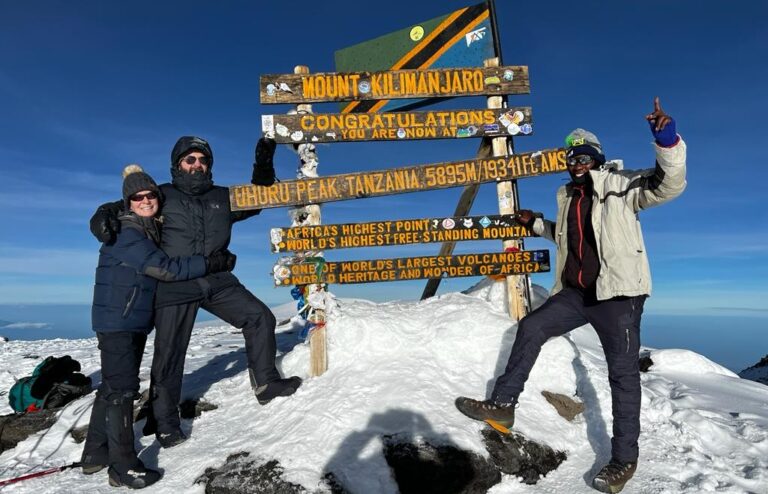
15-Day Kilimanjaro, Great Migration & Zanzibar Beach Package | Top Guide
Combine the thrill of summiting Mount Kilimanjaro, witnessing the iconic Great Migration in the Serengeti, and unwinding on the pristine beaches of Zanzibar in one unforgettable 15-day...
View package details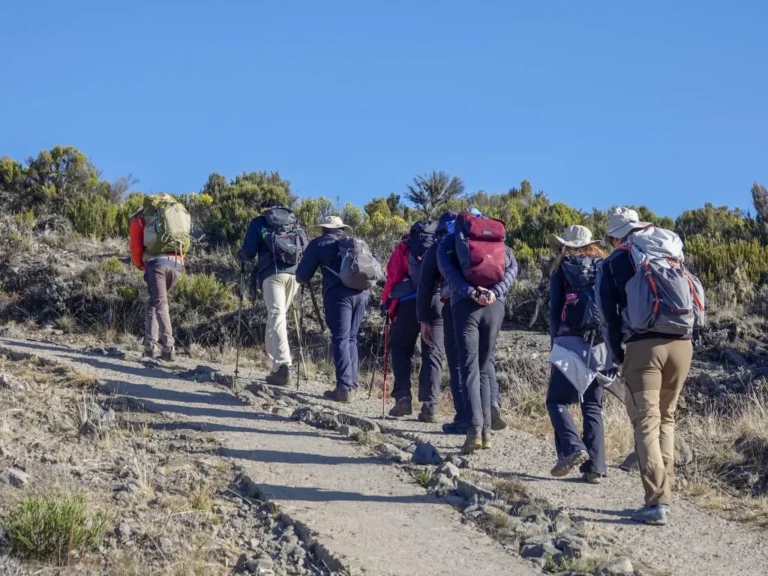
13-Day Kilimanjaro Climb, Cultural Tour & Zanzibar Holiday: Your Ultimate
This 13-day itinerary offers an unparalleled Tanzanian experience, blending the thrill of conquering Mount Kilimanjaro with deep cultural exploration and the serene beauty of Zanzibar...
View package details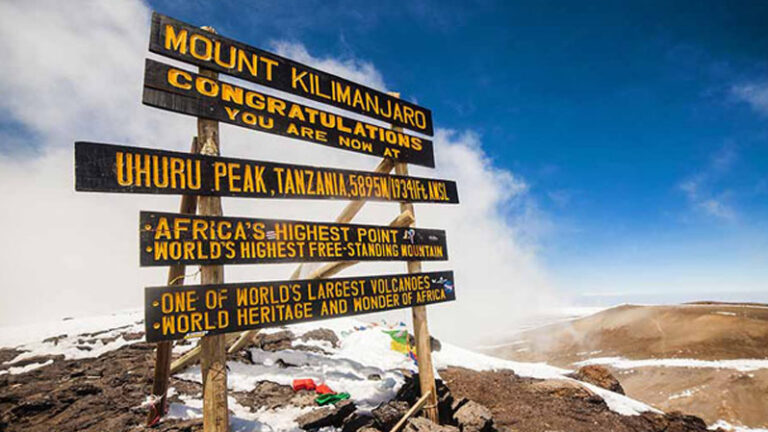
11-Day Kilimanjaro Acclimatization, Summit And Safari Package 2026-2027
11-Day Kilimanjaro Acclimatization, Summit and Safari Package is explained with current 2026-2027 planning, price, itinerary and booking information.
View package detailsNo related package matches those filters. Clear one or more filters to see the other topic-matched options.



