
A Kilimanjaro climb with a personalized training plan is essential for success, ensuring you build the specific cardiovascular endurance, muscular strength, and mental resilience needed to ascend Africa’s highest peak safely and enjoyably, with tailored programs available for 2026-2027 expeditions.

Your Personalized Kilimanjaro Training Plan: The Key to Summit Success
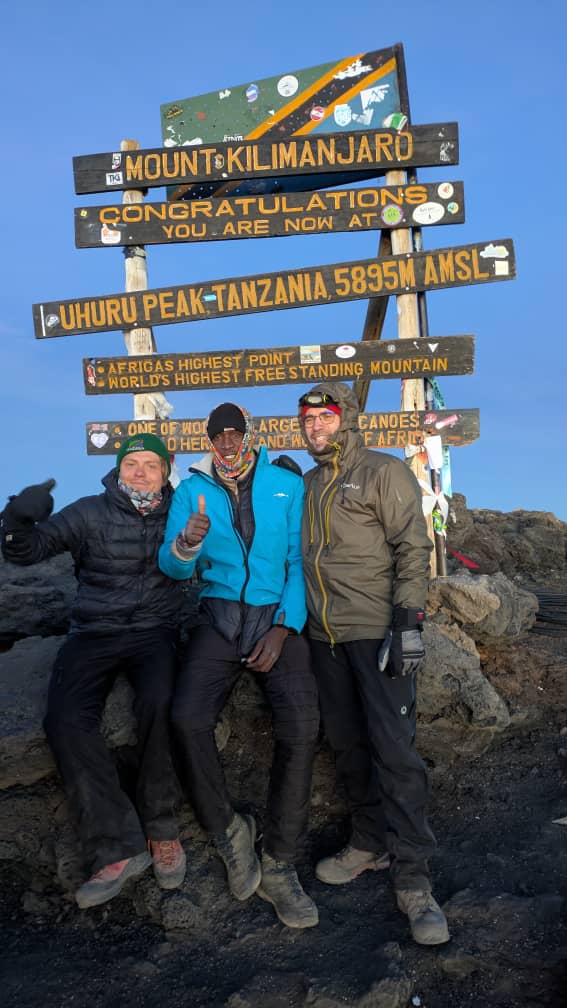
Summiting Mount Kilimanjaro is a dream for many, a challenging yet incredibly rewarding adventure that requires more than just booking a trip. The true foundation of a successful Kilimanjaro climb, especially for 2026-2027 expeditions, lies in thorough preparation. At Top Guide Adventures, we understand that every climber is unique. That’s why we emphasize the critical importance of a personalized training plan. This isn’t a one-size-fits-all approach; it’s a bespoke strategy designed around your current fitness level, available time, and specific goals for conquering Kilimanjaro.
A well-structured training plan is your roadmap to the summit. It systematically builds the physical and mental fortitude necessary to handle the altitude, the sustained effort of trekking for multiple days, and the demanding final push to Uhuru Peak. Without it, you risk exhaustion, injury, or even altitude sickness, potentially cutting your dream climb short. Our expertise, honed over years of guiding adventurers in Tanzania, allows us to craft these plans, ensuring you arrive at the base of Kilimanjaro not just ready, but confident.
The journey to the roof of Africa is as much about the preparation as it is about the climb itself. By investing time in a personalized training regimen, you’re not just preparing your body; you’re preparing your mind for the challenges ahead. This comprehensive guide will walk you through everything you need to know about creating and following a personalized training plan for your Kilimanjaro climb, whether you’re planning for late 2026 or the entirety of 2027.
Why a Personalized Training Plan for Kilimanjaro is Non-Negotiable
Climbing Kilimanjaro is not a casual hike. It’s a high-altitude trek that can last anywhere from 5 to 9 days, depending on the route chosen. The elevation gain is significant, with the summit sitting at 5,895 meters (19,341 feet). This extreme altitude means the air is thin, and your body must adapt to lower oxygen levels. This process, known as acclimatization, is paramount, but it’s significantly aided by a body that is already in good physical condition.
Here’s why personalization is key:
- Individual Fitness Levels: You might be a seasoned marathon runner, a regular gym-goer, or someone who is just starting their fitness journey. A personalized plan acknowledges your starting point and builds progression from there.
- Time Commitment: Life is busy. A plan tailored to your schedule ensures you can realistically incorporate training sessions without burnout.
- Specific Demands of Kilimanjaro: The climb requires endurance for long days of walking, strength for steep ascents and descents, and resilience to cope with changing weather conditions and varying terrain.
- Altitude Adaptation: While no training can perfectly simulate Kilimanjaro’s altitude, a fitter body adapts more efficiently. Stronger lungs and a healthier cardiovascular system can better manage the reduced oxygen.
- Injury Prevention: Rushing into a climb without adequate preparation significantly increases the risk of sprains, strains, and other injuries that could end your trek prematurely.
- Mental Preparedness: The mental aspect of climbing Kilimanjaro is often underestimated. A consistent training routine builds mental toughness and confidence, helping you push through challenging moments on the mountain.
Top Guide Adventures believes that informed preparation leads to a more successful and enjoyable experience. Our commitment to your journey means providing guidance that extends beyond logistics to the very core of your physical readiness for a Kilimanjaro climb with a personalized training plan.
Understanding the Core Components of Kilimanjaro Training
A comprehensive training plan for Kilimanjaro focuses on several key areas. These components work together to prepare your body for the unique demands of high-altitude trekking.
Cardiovascular Endurance: The Engine for Your Ascent
This is arguably the most crucial element. You’ll be walking for hours each day, often at an incline. Your heart and lungs need to be efficient at delivering oxygen to your muscles under sustained effort.
- Aerobic Activities: Aim for activities that elevate your heart rate and keep it there for extended periods.
- Frequency: At least 3-4 sessions per week, gradually increasing duration and intensity.
- Examples: Brisk walking, hiking (essential for simulating mountain terrain), running, cycling, swimming, and using an elliptical machine.
Strength Training: Supporting Your Body on the Trail
While not as intensive as a bodybuilding program, building strength is vital for supporting your joints, maintaining balance on uneven ground, and powering up steep sections.
- Focus Areas: Legs (quadriceps, hamstrings, calves), core (abdominal and back muscles), and upper body (for stability and using trekking poles).
- Frequency: 2-3 sessions per week, ideally on non-cardio days or with adequate rest between.
- Examples: Squats, lunges, step-ups (especially with weight), planks, push-ups, and exercises using resistance bands.
Hiking and Trekking Simulation: The Most Relevant Practice
There’s no substitute for actual hiking. This is where you’ll test your gear, build trail-specific endurance, and get your body accustomed to the rhythm of trekking.
- Gradual Progression: Start with shorter hikes and gradually increase the distance, elevation gain, and pack weight.
- Weekend Focus: Dedicate weekend days to longer hikes, mimicking a full day on Kilimanjaro.
- Terrain Variety: If possible, seek out hills, mountains, or even stairs to simulate ascents and descents.
Flexibility and Mobility: Preventing Strains and Improving Range of Motion
Good flexibility helps prevent muscle strains and improves your overall comfort during long days of trekking.
- Activities: Yoga, Pilates, and regular stretching routines.
- Focus: Hamstrings, hips, quads, and shoulders.
Mental Preparation: The Unseen but Crucial Element
The mental challenge of Kilimanjaro is significant. Pushing through fatigue, discomfort, and the cold requires mental resilience.
- Visualization: Imagine yourself successfully reaching the summit.
- Mindfulness: Practice staying present and managing stress.
- Problem-Solving: Develop a positive attitude towards challenges.
A personalized training plan integrates these elements, ensuring a holistic preparation for your Kilimanjaro climb, making your 2026-2027 adventure achievable.
Designing Your Personalized Kilimanjaro Training Schedule
The beauty of a personalized plan is its adaptability. It needs to fit into your life while effectively preparing you for the mountain. Here’s a framework for building yours:
1. Assess Your Starting Point
Be honest about your current fitness level. Are you sedentary? Moderately active? Very fit? This assessment is the bedrock of your plan. If you have any underlying health conditions, consult your doctor before starting any new training program.
2. Define Your Timeline
How much time do you have before your Kilimanjaro climb? Most experts recommend a minimum of 3-6 months of dedicated training. For those with less time, a more intensive program might be necessary, but it carries a higher risk of injury.
- 6+ Months Out: Focus on building a consistent base of cardiovascular fitness and general strength.
- 3-6 Months Out: Increase the intensity and duration of your cardio, introduce more specific strength training, and begin longer hikes.
- 1-3 Months Out: Simulate longer treks, increase pack weight, and fine-tune your strength and cardio.
- Last Month: Taper your training to allow your body to recover and be fresh for the climb. Focus on shorter, less intense sessions.
3. Structure Your Weekly Routine
A balanced week might look something like this (adjust based on your schedule and progress):
- Monday: Strength Training (Full Body or Lower Body/Core)
- Tuesday: Cardiovascular Training (e.g., running, cycling, 45-60 minutes)
- Wednesday: Active Recovery (light walk, stretching, yoga) or Rest
- Thursday: Cardiovascular Training (e.g., elliptical, swimming, 45-60 minutes)
- Friday: Strength Training (Upper Body/Core or focus on functional movements)
- Saturday: Long Hike (gradually increasing distance and elevation, carrying a pack)
- Sunday: Rest or light active recovery
4. Progressive Overload: The Key to Improvement
To keep improving, you must gradually increase the demands on your body. This could mean:
- Increasing Duration: Walking for longer.
- Increasing Intensity: Walking faster or uphill.
- Increasing Frequency: Adding more training sessions.
- Increasing Resistance: Carrying a heavier backpack on hikes.
5. Incorporate Specific Kilimanjaro Training Elements
Simulated Treks: Aim for at least one long hike per week, ideally on terrain that mimics mountain slopes. Gradually increase the duration of these hikes, working towards full-day treks (6-8 hours) in the months leading up to your climb. Carry the backpack you plan to use on Kilimanjaro, filled with items similar to what you’ll bring, to get accustomed to the weight and feel.
Altitude Simulation (Limited): While true altitude simulation is difficult outside of specialized facilities, you can mimic some effects. Training at higher elevations if you live nearby, or using interval training (e.g., on a treadmill with incline) that challenges your respiratory system can be beneficial. However, the best preparation is to climb Kilimanjaro itself and follow the slow ascent profile of the routes.
Gear Testing: Use your training hikes to test all your gear – boots, socks, backpack, trekking poles, waterproofs, and layers. Ensure everything is comfortable and functional. Breaking in your boots is crucial to prevent blisters.
Mental Rehearsal: During long hikes, practice staying positive, managing discomfort, and focusing on your goal. Remind yourself why you are doing this Kilimanjaro climb.
By tailoring these principles to your life, you create a robust, personalized training plan for your 2026-2027 Kilimanjaro adventure.
Key Training Considerations for 2026-2027 Climbers
As you plan your Kilimanjaro climb with a personalized training plan for 2026 or 2027, remember to factor in potential changes in weather patterns and peak seasons. Booking early for these popular years is advisable. Your training should also consider the specific route you choose, as some routes are more demanding than others. For instance, the longer routes like Lemosho or Machame offer better acclimatization profiles, which your training should complement.
Choosing the Right Kilimanjaro Route for Your Training Goals
The route you select for your Kilimanjaro climb significantly impacts the physical demands and the required training focus. Each route offers a different experience, duration, and acclimatization profile. Understanding these differences helps in tailoring your personalized training plan even further.
Popular Kilimanjaro Routes and Their Training Implications:
- Marangu Route (Coca-Cola Route): Usually 5-6 days. This is the shortest and most direct route, with hut accommodation. It has a rapid ascent profile, making acclimatization more challenging. Training should heavily emphasize cardiovascular fitness and speed to cope with the quick ascent.
- Machame Route (Whiskey Route): Typically 6-7 days. Known for its scenic beauty and excellent acclimatization profile as it ‘walks high, sleeps low’. This route is more physically demanding due to its varied terrain and significant elevation changes daily. Your training should focus on endurance, strength for ascents/descents, and sustained effort over longer periods. It’s a very popular choice for 2026 and 2027 climbs.
- Lemosho Route: Usually 7-8 days. This route offers stunning scenery and a slow, gradual ascent, providing the best acclimatization. It’s longer and requires strong endurance and consistent effort. The extended duration means your training plan needs to build stamina for prolonged trekking.
- Northern Circuit: Typically 9-10 days. The longest route, offering the best acclimatization and highest success rates. It circles the mountain, providing unique views. This route demands the highest level of endurance and mental fortitude due to its length. Your training should be the most comprehensive and longest-term.
- Rongai Route: Usually 6-7 days. This route approaches from the north, offering a different landscape and often drier conditions. It’s less crowded and has a moderate acclimatization profile. Training requirements are similar to Machame, focusing on steady endurance.
Considerations for 2026-2027 Bookings: Popular routes like Machame and Lemosho often book up quickly for peak seasons in 2026 and 2027. Choosing a longer route generally leads to higher success rates, and your training plan should reflect the commitment required for these extended treks. A Kilimanjaro climb with a personalized training plan designed for a 7-day Machame trek will differ from one for a 5-day Marangu trek.
Top Guide Adventures recommends routes like Machame or Lemosho for most first-time climbers due to their superior acclimatization profiles, which align well with a structured training program.
Training Gear: Equipping Yourself for Success
Your training isn’t just about physical exertion; it’s also about getting familiar with the gear you’ll use on the mountain. Using your actual trekking gear during training hikes is crucial.
- Hiking Boots: The most critical item. Ensure they are well-broken-in before your climb. Wear them on all your long training hikes. Look for waterproof, sturdy boots with good ankle support.
- Trekking Poles: These significantly reduce strain on your knees and improve balance, especially on descents. Practice using them on varied terrain.
- Backpack: A comfortable daypack (around 30-40 liters) is essential for carrying water, snacks, rain gear, and extra layers. Train with it loaded to simulate the weight.
- Layering System: Practice layering with your base, mid, and outer layers during training hikes in different weather conditions. This teaches you how to regulate your body temperature effectively.
- Socks: Invest in good quality, moisture-wicking hiking socks. Avoid cotton. Test different types during your training.
By using your gear during training, you identify any potential issues – rubbing boots, an uncomfortable pack, or inadequate layers – long before you reach Kilimanjaro. This proactive approach is a vital part of a successful Kilimanjaro climb with a personalized training plan.
Nutrition and Hydration: Fueling Your Preparation and Climb
Proper nutrition and hydration are foundational to any training program and are absolutely critical for high-altitude trekking.
During Training:
- Balanced Diet: Focus on whole foods – lean proteins, complex carbohydrates, healthy fats, and plenty of fruits and vegetables.
- Hydration: Drink plenty of water throughout the day, not just during workouts. Aim for at least 2-3 liters daily, more on training days.
- Pre- and Post-Workout Nutrition: Consume carbohydrates for energy before training and a mix of protein and carbs afterward to aid muscle recovery.
On Kilimanjaro:
This is where your training pays off. Your body, accustomed to consistent fueling, will better handle the demands of the mountain.
- Hydration is Paramount: Drink 3-5 liters of water per day. Altitude can dehydrate you rapidly. Your guides will ensure you have boiled and filtered water. Carry purification tablets as a backup.
- Energy-Dense Foods: Eat regularly, even when you don’t feel hungry. High-carbohydrate meals and snacks provide sustained energy. Porridge, rice, pasta, and potatoes are common on the mountain.
- Electrolytes: Consider electrolyte supplements or drinks, especially during strenuous days, to replenish lost salts.
- Listen to Your Body: Eat what you can, when you can. Your appetite may decrease at altitude, but fueling is non-negotiable for summit success.
A personalized training plan should include guidance on nutrition and hydration, preparing you not just physically but also metabolically for the rigors of your Kilimanjaro climb.
Altitude Sickness: Understanding and Mitigating Risks
Altitude sickness (Acute Mountain Sickness – AMS) is the most common ailment on Kilimanjaro and the primary reason for failed summits. While a personalized training plan can improve your body’s resilience, it cannot prevent AMS entirely. Understanding the symptoms and how to manage them is crucial.
Symptoms of AMS:
Symptoms typically appear 12-24 hours after reaching a higher altitude and can include:
- Headache (most common)
- Nausea and vomiting
- Dizziness and lightheadedness
- Fatigue and weakness
- Loss of appetite
- Difficulty sleeping
More severe forms include High Altitude Cerebral Edema (HACE) and High Altitude Pulmonary Edema (HAPE), which are life-threatening emergencies.
Prevention and Management:
- Ascend Slowly: Choose a longer route (7+ days) which allows for better acclimatization.
- Hydrate: Drink plenty of fluids.
- Avoid Alcohol and Smoking: These can exacerbate altitude effects.
- Eat Well: Maintain good nutrition.
- Medication: Consult your doctor about prescription medications like Diamox (acetazolamide), which can aid acclimatization. Your personalized training plan should ideally discuss this with your doctor.
- ‘Climb High, Sleep Low’: This principle is built into longer routes and is a key acclimatization strategy.
- Listen to Your Guides: Our experienced guides are trained to recognize AMS symptoms and will make critical decisions regarding your safety. Never ascend if you are experiencing moderate to severe symptoms. Descending is the most effective treatment.
Your personalized training plan should include discussions about altitude, its effects, and preventative measures, ensuring you are informed for your Kilimanjaro climb.
The Role of Top Guide Adventures in Your Training Journey
Top Guide Adventures is committed to ensuring your Kilimanjaro adventure is not only memorable but also safe and successful. We go beyond just organizing your trek; we support your preparation.
- Expert Advice: We provide detailed pre-trip information, including recommended training schedules and gear lists.
- Route Guidance: We help you choose the best route for your fitness level and preferences, considering acclimatization and difficulty.
- Experienced Guides: Our guides are highly trained in mountain safety, first aid, and recognizing altitude sickness. They are your primary resource on the mountain.
- Logistical Support: We handle all the complex logistics, from park permits and park fees to accommodation and meals, allowing you to focus on your training and the climb itself.
- Customizable Itineraries: While we offer standard packages for 2026-2027, we can also tailor aspects of your trip to better suit your needs.
When you book your Kilimanjaro climb with a personalized training plan through Top Guide Adventures, you gain a partner dedicated to your success from the moment you start preparing until you reach the summit and return safely.
Sample Training Progression: A 6-Month Plan
Here’s a hypothetical 6-month training progression. This is a template that would be further personalized based on individual needs.
Months 1-2: Building the Foundation
- Cardio: 3-4 sessions/week, 30-45 minutes each. Focus on moderate intensity (able to talk but not sing). Examples: brisk walking, jogging, cycling, swimming.
- Strength: 2 sessions/week. Focus on compound movements: squats, lunges, push-ups, planks, rows. Bodyweight or light weights.
- Hiking: 1 session/week, 1-2 hours, relatively flat terrain.
- Flexibility: Daily stretching or 1 yoga session/week.
Months 3-4: Increasing Intensity and Duration
- Cardio: 3-4 sessions/week, 45-60 minutes. Introduce interval training (e.g., 1 min hard, 2 min easy) once a week. Increase overall intensity.
- Strength: 2 sessions/week. Increase weight or resistance. Focus on functional strength: step-ups with weight, calf raises, core stability exercises.
- Hiking: 1-2 sessions/week. Increase duration to 3-5 hours. Introduce hills and inclines. Start carrying a light backpack (5-8 kg).
- Flexibility: Continue regularly.
Months 5-6: Peak Training and Tapering
- Cardio: 3 sessions/week, 60-75 minutes. Maintain intensity, perhaps one longer steady-state session.
- Strength: 1-2 sessions/week. Focus on maintenance, not heavy lifting. Ensure core and leg strength are maintained.
- Hiking: 1 long hike per week (6-8 hours, 15-20 km or more) with a pack (8-12 kg). Simulate back-to-back hiking days if possible (e.g., a long hike Saturday and a moderate hike Sunday). This is crucial for a Kilimanjaro climb.
- Last 2-3 Weeks: Tapering. Significantly reduce training volume and intensity. Shorter cardio sessions (20-30 mins), lighter strength work, shorter hikes (1-2 hours). Allow your body to recover and build energy reserves.
This structured approach ensures you are progressively preparing your body for the specific demands of Kilimanjaro. For 2026-2027 climbs, starting this plan well in advance is key.
Pre-Climb Checklist for Your Personalized Training Plan
- Consult your doctor regarding fitness and altitude medication.
- Choose your Kilimanjaro route and confirm your 2026-2027 climb dates.
- Invest in quality hiking boots and break them in thoroughly.
- Acquire appropriate layering clothing and waterproofs.
- Purchase suitable trekking poles and a daypack.
- Plan your nutrition and hydration strategy for training and the climb.
- Develop a realistic training schedule you can adhere to.
- Start training at least 3-6 months before your departure date.
- Practice hiking with your chosen backpack and its typical load.
- Understand the symptoms of altitude sickness and prevention methods.
- Book your Kilimanjaro climb with a trusted operator like Top Guide Adventures.
Mental Fortitude: Training Your Mind for Kilimanjaro
While physical preparation is paramount, the mental aspect of climbing Kilimanjaro cannot be overstated. The sheer duration, the altitude, the cold, and the physical exertion can be mentally taxing. A personalized training plan should incorporate mental preparation strategies.
- Positive Self-Talk: During your long training hikes, practice positive affirmations. Replace negative thoughts like “I can’t do this” with “I am strong, I can keep going.”
- Visualization: Regularly visualize yourself successfully reaching the summit, enjoying the views, and descending safely. This builds confidence and reinforces your goal.
- Focus on Process, Not Just Outcome: Concentrate on taking one step at a time, enjoying the journey, and executing your training plan. This prevents feeling overwhelmed by the distant summit.
- Embrace Discomfort: Your training hikes will inevitably involve some level of discomfort – fatigue, sore muscles, perhaps cold or wet conditions. Learn to tolerate and manage these sensations. This builds resilience for the mountain.
- Problem-Solving Mindset: Things may not always go as planned during training or on the climb. Approach challenges with a calm, problem-solving attitude.
- Mindfulness: Practice being present. Focus on your breathing, the sensation of walking, the beauty of your surroundings. This can help manage anxiety and fatigue.
By integrating these mental training techniques into your routine, you’ll be better equipped to handle the psychological challenges of your Kilimanjaro climb, making your personalized training plan truly comprehensive.
When to Start Your Kilimanjaro Training: Planning for 2026-2027
The timing of your training is as critical as its content. For a Kilimanjaro climb with a personalized training plan, starting early is always the best approach.
- Ideal Scenario (6+ Months): This allows for a gradual build-up of fitness, ample time to break in gear, and flexibility to adapt the plan if life gets in the way. It’s perfect for those who want to be exceptionally well-prepared for their 2026-2027 expedition.
- Standard Recommendation (3-6 Months): This is sufficient for individuals who are already moderately active. It provides enough time to develop the necessary endurance and strength.
- Minimum (Less than 3 Months): This is challenging and generally not recommended unless you are already very fit and accustomed to long hikes. The risk of injury and inadequate acclimatization is higher. If this is your only option, focus intensely on cardiovascular fitness and simulated hikes, and consult with a fitness professional.
Planning for 2026-2027: Peak seasons for Kilimanjaro are typically January-March and June-October. These periods book up fast. If you’re targeting a specific date in 2026 or 2027, work backward from that date to establish your training start. For example, a climb in July 2026 would mean starting a serious training program by January 2026 at the latest.
Top Guide Adventures can help you navigate booking timelines for 2026 and 2027, ensuring you have ample time to implement your personalized training plan.
Post-Climb Recovery and What’s Next
Your journey doesn’t end at the summit. Proper recovery after your Kilimanjaro climb is essential for your body to recuperate.
- Rest: Allow your body ample rest days immediately following the trek.
- Gentle Activity: Light walking, stretching, and foam rolling can aid muscle recovery.
- Nutrition: Continue with a balanced diet to replenish energy stores and support tissue repair.
- Hydration: Keep up your fluid intake.
- Listen to Your Body: Pay attention to any lingering aches or pains.
Many climbers, having successfully completed Kilimanjaro with their personalized training, find themselves eager for new adventures. Top Guide Adventures offers a range of other experiences in Tanzania, from the vast plains of the Serengeti to the spice-scented island of Zanzibar. Perhaps your next adventure will be a Tanzanian safari or exploring the Ngorongoro Crater?
Booking Your Kilimanjaro Climb with Top Guide Adventures
Ready to take on the challenge of Kilimanjaro? Top Guide Adventures is your trusted partner for an unforgettable experience. We specialize in creating safe, well-organized, and personalized Kilimanjaro climbs. Our commitment is to provide you with exceptional support, from initial planning and your personalized training plan guidance to your final descent.
We offer a variety of routes suitable for different fitness levels and preferences, with departures planned throughout 2026 and 2027. Whether you’re looking for a group trek or a private expedition, we ensure you receive the highest level of service and attention.
Contact us today to discuss your dream Kilimanjaro climb:
- WhatsApp: +255616946642
- Email: topguideadventures@gmail.com
- Backup Email: info@topguideadventures.com
Let Top Guide Adventures help you prepare thoroughly with a personalized approach, making your Kilimanjaro climb with a personalized training plan a resounding success in 2026 or 2027. We look forward to helping you reach the roof of Africa!
Check Availability for Kilimanjaro Climb With Personalized Training Plan: Your Guide 2026-2027
Ready to compare dates, prices, and the best option for your group? Send the package name and travel month so the team can reply with a clear quote, availability, and what is included.
Kilimanjaro Climb For Retired Couples: Planning Your Adventure 2026-2027
Planning a Kilimanjaro climb as a retired couple is an achievable and rewarding goal. This guide offers in-depth advice on route selection, physical preparation, essential gear, and the...
View package details
Kilimanjaro Tree-Planting Climbing Package Guide
Combine your dream Kilimanjaro climb with a meaningful conservation effort. Our Kilimanjaro Tree-Planting Climbing Package allows you to ascend Africa's highest peak while actively...
View package details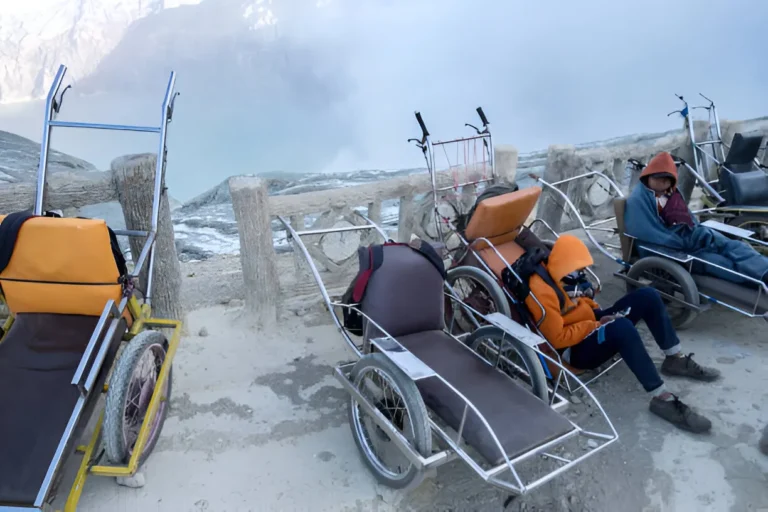
Kilimanjaro Climb With A Personal Support Assistant: Your Ultimate Guide
Climbing Mount Kilimanjaro with a personal support assistant offers unparalleled safety, comfort, and focus on your summit goals. This guide details what a personal assistant entails, its...
View package details
Kilimanjaro Hydration Mistakes Climbers Make And How To Avoid Them 2026-2027
Proper hydration is critical for a successful Kilimanjaro climb. This guide details common hydration mistakes climbers make, from under-drinking to choosing the wrong fluids, and provides...
View package details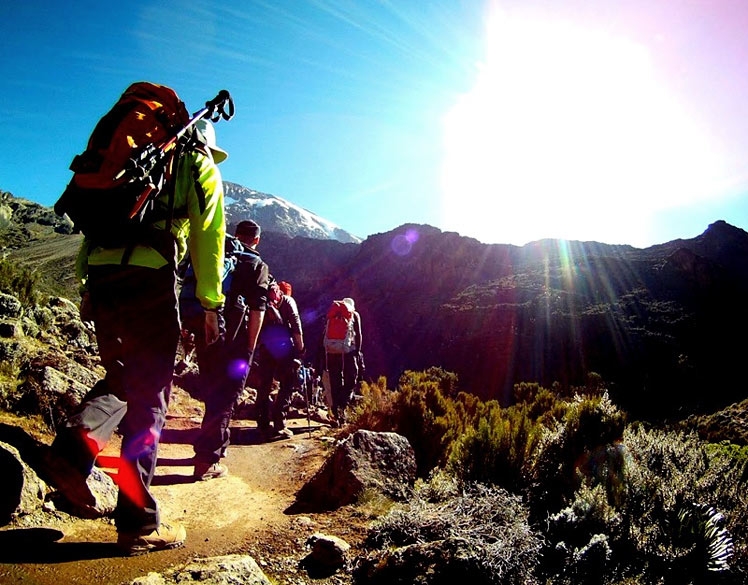
Kilimanjaro Summit-Night Mistakes To Avoid: Your Essential Guide For Climbs
Summit night on Kilimanjaro is the most challenging part of the climb. Avoiding common mistakes in acclimatization, gear, hydration, and pacing is crucial for success. This guide details...
View package details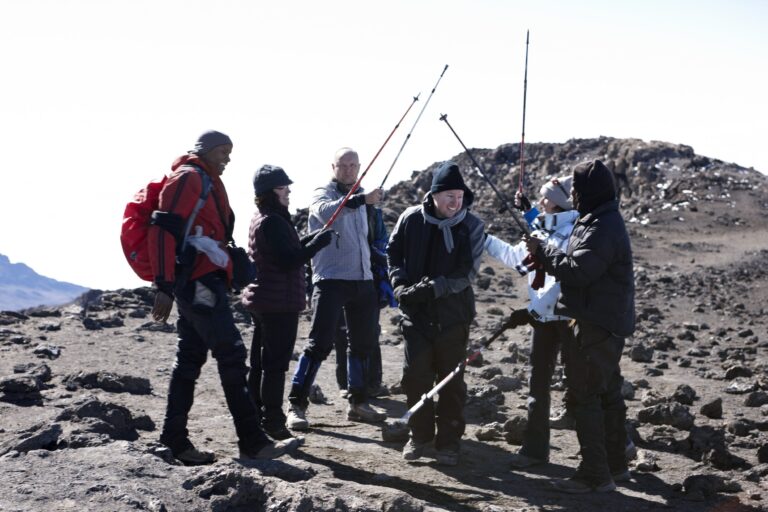
Kilimanjaro Airport Vs Arusha For Climbers: The Definitive Guide 2026-2027
A comprehensive comparison of Kilimanjaro International Airport (JRO) and Arusha Airport (ARK) for trekkers planning a Mount Kilimanjaro climb, detailing pros, cons, and booking advice for...
View package details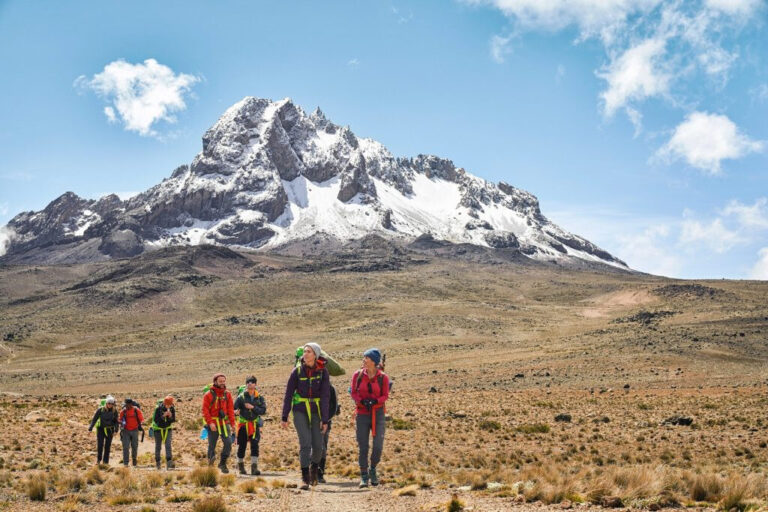
Can A 16-Year-Old Climb Kilimanjaro? Your Essential Guide 2026-2027
Discover if a 16-year-old can summit Kilimanjaro. This comprehensive guide covers age requirements, health, fitness, essential gear, and planning for younger trekkers aiming for Africa's...
View package details
Content For Parents And Young Climbers: Conquering Kilimanjaro Safely
Planning a Kilimanjaro climb with children or as a young climber requires special attention. This guide provides comprehensive content for parents and young adventurers, covering...
View package details
What Happens If It Rains Throughout Your Kilimanjaro Climb? 2026-2027
What Happens If It Rains throughout Your Kilimanjaro Climb? is explained with current 2026-2027 planning, price, itinerary and booking information.
View package details
Kilimanjaro Early-Bird Climbing Discounts For Adventures 2026-2027
Plan your 2026-2027 Kilimanjaro climb and take advantage of early-bird discounts. Top Guide Adventures offers savings for those who book in advance, ensuring a memorable and affordable...
View package details
Kilimanjaro Private Climb Price For One Person: Your Guide 2026-2027
Planning a solo ascent of Mount Kilimanjaro? This guide details the Kilimanjaro private climb price for one person, covering cost factors, inclusions, and essential planning for 2026-2027.
View package details
Kilimanjaro Wellness Retreat For Non-Climbers: Rejuvenate Near Africas
Experience the serene beauty and restorative power of Tanzania without the arduous climb. Our Kilimanjaro wellness retreats for non-climbers offer a unique blend of relaxation, cultural...
View package detailsNo related package matches those filters. Clear one or more filters to see the other topic-matched options.



