
Yes, deaf and hard-of-hearing travellers can successfully and safely climb Mount Kilimanjaro with the right preparation and support. Top Guide Adventures is experienced in accommodating trekkers with hearing impairments, ensuring clear communication through visual cues, sign language interpreters where feasible, and highly attentive guides who understand specific needs, making a Kilimanjaro climb for deaf and hard-of-hearing travellers a realistic and rewarding adventure.
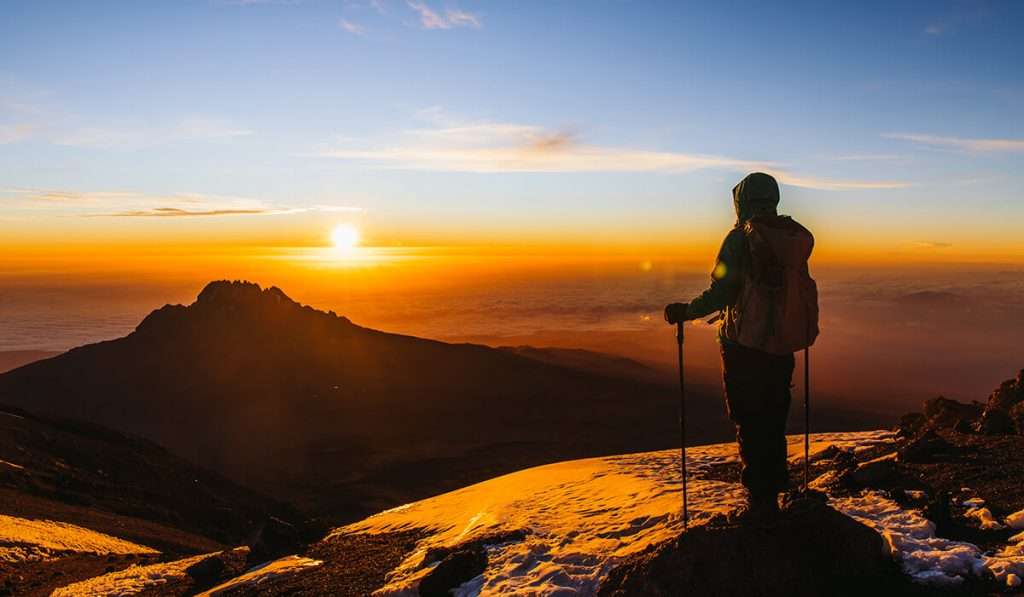
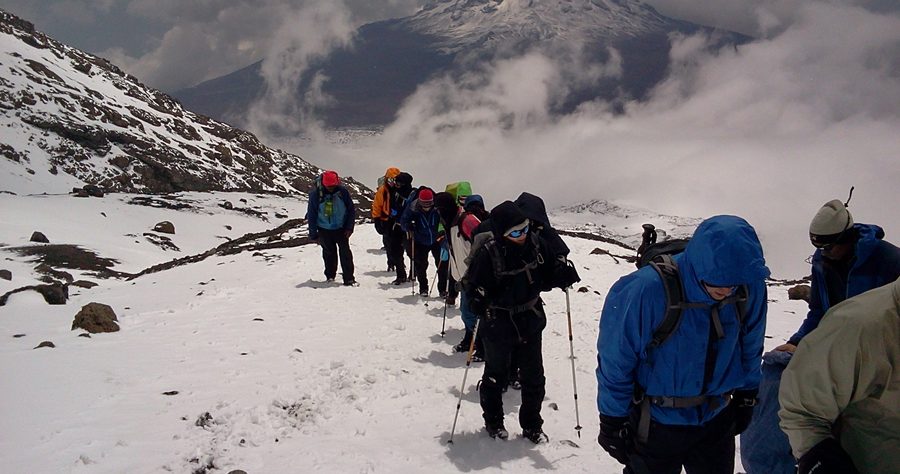
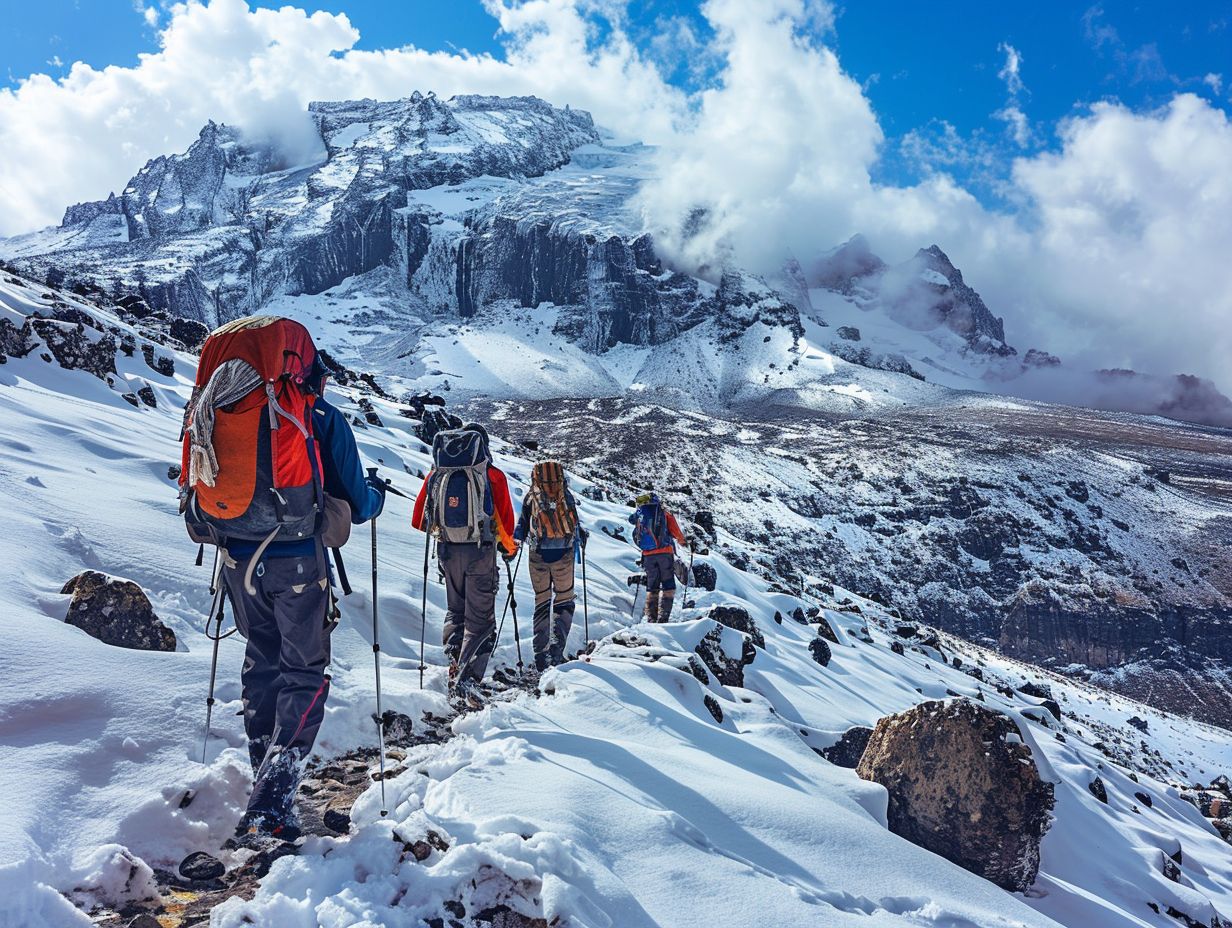
Planning Your Kilimanjaro Climb as a Deaf or Hard-of-Hearing Traveller
Mount Kilimanjaro, Africa’s highest peak, stands as a beacon for adventurers worldwide. The prospect of standing on its summit is a powerful draw, and this aspiration is not limited by hearing ability. For deaf and hard-of-hearing individuals, the journey to Uhuru Peak requires careful planning, open communication with the tour operator, and a commitment to preparedness. Top Guide Adventures understands these unique requirements and has developed protocols and trained staff to ensure a safe, enjoyable, and successful Kilimanjaro climb for deaf and hard-of-hearing travellers. Our commitment is to provide an unparalleled trekking experience, focusing on safety, accessibility, and the sheer exhilaration of reaching the Roof of Africa.
This comprehensive guide explores everything a deaf or hard-of-hearing traveller needs to know when considering a Kilimanjaro climb in 2026 or 2027. We will cover the specific considerations for communication, essential gear, route selection, acclimatization, the role of guides and support staff, and how Top Guide Adventures tailors its services to meet your individual needs. Our goal is to empower you with the knowledge to make informed decisions and to feel confident that your dream of conquering Kilimanjaro is within reach.
Understanding Communication on the Mountain
Effective communication is paramount on any high-altitude trek, and for deaf or hard-of-hearing climbers, this aspect requires special attention. On Kilimanjaro, communication primarily relies on spoken word, especially between guides and porters. However, experienced guides are adept at adapting. For a Kilimanjaro climb for deaf and hard-of-hearing travellers, the key lies in establishing clear visual communication systems before and during the trek.
Visual Cues and Gestures: Our guides are trained to use a range of universal gestures and visual signals to convey important information. This includes pointing out hazards, indicating direction, signaling breaks, and managing the pace of the group. They will also learn and utilize specific signs that you may teach them, or agree upon beforehand, to represent key instructions or status updates.
Written Communication: A small notepad and pen are invaluable tools. They allow for quick, clear, and permanent communication of detailed information, questions, or concerns. This is particularly useful for discussing health updates, route changes, or logistical details.
Sign Language Interpreters: While not standard on every trek due to logistical challenges and cost, Top Guide Adventures can explore the possibility of arranging a sign language interpreter for your climb. This would require advance booking and discussion to ensure the interpreter is experienced in trekking environments. This option significantly enhances communication but is a premium service.
Pre-Trek Briefings: A thorough pre-climb briefing is crucial. This session, conducted in person or via video call, allows us to establish communication protocols, understand your specific needs, and introduce you to your lead guide. We will discuss the most effective methods of communication for your particular level of hearing and preferred methods.
Buddy System: We strongly recommend a ‘buddy system’ where a companion (if you are travelling with one) or a designated guide or porter can act as a primary communication link, ensuring that messages are relayed accurately and promptly.
Choosing the Right Kilimanjaro Route for Accessibility
While all routes ascend Kilimanjaro, some offer logistical advantages or a more gradual acclimatization profile, which can indirectly benefit communication and overall comfort for deaf and hard-of-hearing climbers. The focus remains on safety and maximizing the chances of a successful summit, with acclimatization and clear progress being key.
Machame Route: Often considered one of the most scenic routes, the Machame route is popular for its good acclimatization profile. Its ‘climb high, sleep low’ strategy is excellent for adjusting to altitude. While it is a busier route, the consistent progress and varied terrain mean guides are constantly engaged with the group, providing ample opportunity for visual communication. We offer Machame Route Kilimanjaro group departures dates that you can join.
Lemosho Route: Similar to Machame in its scenic beauty and acclimatization, the Lemosho route is longer and starts in a more remote western area, offering a wilder experience. Its longer duration (7-8 days) allows for slower pacing and better acclimatization, which can reduce fatigue and improve clarity in communication. The fewer trekkers on the initial stages can also mean a more focused group dynamic.
Marangu Route: Known as the ‘Coca-Cola’ route, Marangu is the only route with dormitory-style accommodation in huts. While shorter (5-6 days), its rapid ascent is less ideal for acclimatization, potentially increasing the risk of altitude sickness. For a Kilimanjaro climb for deaf and hard-of-hearing travellers, the shorter duration might seem appealing, but the faster pace could complicate communication and increase physical strain. However, the fixed accommodation can offer a more stable base for communication checks.
Northern Circuit: This is the longest route, offering the best acclimatization and highest success rates. Its 9-day duration provides ample time to adapt to the altitude and enjoy the scenery. The slower pace is highly beneficial for maintaining energy levels and focus, which can aid in clear visual communication. This route is ideal for those prioritizing a comfortable and well-acclimatized climb.
Considerations for Route Selection:
- Duration: Longer routes (7-9 days) generally offer better acclimatization and a slower pace, which can be advantageous.
- Scenery: Most routes are incredibly scenic. Choose one that appeals to you visually.
- Crowds: Less crowded routes might offer a more personalized experience, though communication is manageable on busier routes with attentive guides.
- Accommodation: Huts (Marangu) versus camping (all other routes). Camping allows for more direct interaction with your core team.
Essential Gear for a Kilimanjaro Climb
Packing the right gear is crucial for any Kilimanjaro trek, and for deaf or hard-of-hearing travellers, a few additions can enhance comfort and safety. The principles of layering, warmth, and durability remain the same, but consider these specific points:
Clothing
- Layering System: Base layers (thermal), mid-layers (fleece), and outer layers (waterproof and windproof jacket and trousers).
- Insulation: A warm down or synthetic jacket is essential for summit night.
- Headwear: Warm hat covering the ears, and a sun hat. A balaclava or buff for extreme cold.
- Gloves: Waterproof outer gloves and warm liner gloves.
- Footwear: Broken-in, waterproof hiking boots. Camp shoes or trainers for evenings.
- Socks: Several pairs of thick wool or synthetic hiking socks.
Equipment
- Backpack: A comfortable daypack (30-40 litres) for essentials, and a larger duffel bag (80-100 litres) for porters.
- Sleeping Bag: A 4-season sleeping bag rated to at least -10°C (15°F).
- Trekking Poles: Highly recommended for stability and reducing strain.
- Headlamp: Essential for navigating in the dark, especially on summit night. Ensure spare batteries.
Communication Aids & Personal Items
- Notepad and Pen: A waterproof notepad and multiple pens are vital for written communication.
- Visual Alarms: Consider a vibrating alarm for your watch or a personal device if you need to be alerted to specific times (e.g., medication).
- Hearing Aids/Cochlear Implants: Ensure you have adequate battery supplies. Consider waterproof cases or dry bags for protection against moisture and dust.
- Backup Batteries: For all electronic devices, including hearing aids. Power banks are useful for charging phones.
- Sun Protection: High SPF sunscreen, lip balm, and sunglasses.
- Personal First-Aid Kit: Include any personal medications.
- Hydration: Water bottles or a hydration reservoir (CamelBak). Insulated sleeves prevent freezing.
- Snacks: High-energy snacks you enjoy.
Top Guide Adventures tip: Test any new gear thoroughly before your trip. Ensure your hearing aids or cochlear implant equipment functions well in cold and dusty conditions. Discuss any specific equipment needs with us during your pre-climb consultation.
Health and Acclimatization for All Trekkers
Altitude sickness (Acute Mountain Sickness – AMS) is a serious concern for everyone climbing Kilimanjaro, regardless of hearing ability. Proper acclimatization is the most effective way to prevent it. For deaf and hard-of-hearing climbers, maintaining good health and being attuned to physical symptoms is even more critical, as subtle signs might be missed if communication channels are not optimal.
Understanding AMS: Symptoms include headache, nausea, dizziness, fatigue, and shortness of breath. Severe forms can lead to High Altitude Pulmonary Edema (HAPE) or High Altitude Cerebral Edema (HACE), which are life-threatening.
Key Strategies for Acclimatization:
- Ascend Slowly: Choose longer routes (7-9 days) that allow for a gradual increase in altitude. The principle of ‘pole pole’ (slowly, slowly) is vital.
- Hydrate: Drink plenty of fluids (3-4 litres per day). Water, herbal teas, and clear broths are excellent. Avoid alcohol and excessive caffeine.
- Eat Well: Maintain a good intake of carbohydrates. High-altitude food can be less appealing, so bringing some preferred snacks can help.
- Avoid Exertion: Rest when you can. Avoid strenuous activity immediately upon reaching a new camp.
- Monitor Symptoms: Be honest about how you feel. Communicate any discomfort to your guide immediately. This is where clear, visual communication is essential.
Specific Considerations for Deaf/Hard-of-Hearing Climbers:
- Visual Observation: Guides will be trained to observe all climbers for signs of AMS. However, if you feel unwell, it is imperative that you communicate this visually or in writing. Your guide will regularly check in with you.
- Buddy System: As mentioned, a travel companion or a designated team member can help monitor your well-being and ensure your symptoms are communicated.
- Pre-existing Conditions: If you have any pre-existing medical conditions, discuss them with your doctor and with Top Guide Adventures well in advance.
Medical Kit: Our guides carry comprehensive medical kits, including oxygen and Diamox (acetazolamide) for AMS. Diamox can help speed up acclimatization but should only be taken under medical advice. Discuss this with your doctor before your trek. For deaf and hard-of-hearing travellers planning a Kilimanjaro climb in 2026-2027, starting a Diamox discussion with your physician 4-6 weeks before departure is recommended.
The Role of Guides and Support Staff
The success and safety of any Kilimanjaro climb hinge on the quality of the guides and support crew. For a Kilimanjaro climb for deaf and hard-of-hearing travellers, this team’s adaptability and attentiveness are even more critical. Top Guide Adventures employs highly trained, experienced guides who are not only skilled in mountaineering but also in client care.
Lead Guide: Your lead guide is your primary point of contact. They are responsible for the overall safety of the group, route planning, pace management, and monitoring health. Our lead guides assigned to trekkers with hearing impairments will be briefed on your specific communication needs and will be proactive in using visual cues and checking in.
Assistant Guides: They support the lead guide, assisting with navigation and ensuring no one falls behind. They can also serve as additional communication links.
Porters: They carry the bulk of the equipment, including tents, food, and sleeping bags. While their primary role is logistics, they are part of the team and can assist with basic visual signals and reporting any concerns about climbers to the lead guide.
Cook: Provides nourishing meals, essential for maintaining energy levels at altitude.
Training and Awareness: Our guides undergo regular training, which includes first aid, high-altitude mountaineering, and client management. We conduct specific internal briefings for teams assigned to deaf or hard-of-hearing clients to ensure they are prepared to use visual communication effectively and to understand the importance of patience and clear signaling.
Communication Protocols:
- Pre-Trek Familiarization: Guides will meet with you before the climb to establish communication methods.
- Daily Briefings: While spoken, these will be accompanied by clear gestures and written summaries if needed.
- Emergency Procedures: Guides are trained to handle emergencies. In a critical situation, visual signals and pre-arranged emergency communication plans will be enacted.
Top Guide Adventures prides itself on its dedicated team. We understand that a Kilimanjaro climb for deaf and hard-of-hearing travellers is not just about the mountain, but about the support system that makes it possible. We select guides who are not only competent but also empathetic and patient.
Safety First: Emergency Preparedness
Safety is the absolute priority on Kilimanjaro. For deaf and hard-of-hearing travellers, robust emergency protocols are in place, emphasizing clear, visual communication and rapid response.
Emergency Procedures on the Mountain:
- Communication of Symptoms: It is vital that you signal any discomfort or symptoms of altitude sickness immediately. This can be done through pre-arranged signs, writing, or by alerting a designated team member.
- Guide’s Role: Your guide is trained to assess your condition and make critical decisions, including whether to descend. They will communicate these decisions visually and clearly.
- Evacuation: In severe emergencies, evacuation is the priority. Guides are equipped with satellite phones for urgent communication with base operations. For deaf and hard-of-hearing individuals, evacuation signals will be clear and direct.
- Oxygen: Portable oxygen is carried by guides for emergency use to alleviate symptoms of altitude sickness.
What You Can Do:
- Stay Alert: Be aware of your physical condition and your surroundings.
- Communicate Proactively: Do not wait for a problem to become serious before signaling it.
- Follow Instructions: Adhere strictly to your guide’s instructions, especially during descent or in challenging conditions.
Top Guide Adventures’ Commitment: We maintain constant communication with our teams on the mountain through our office in Moshi. We have established relationships with local rescue services and medical facilities. For a Kilimanjaro climb for deaf and hard-of-hearing travellers, we ensure that our emergency plans specifically account for communication needs, making sure that any critical information is conveyed effectively and without delay.
Training and Fitness for Kilimanjaro
Physical fitness is a significant factor in the success of any Kilimanjaro climb. While hearing ability doesn’t directly impact physical capacity, the ability to clearly understand instructions and warnings can influence how well one adheres to training or safety protocols. Top Guide Adventures encourages all prospective climbers, including deaf and hard-of-hearing individuals, to undertake a dedicated training program.
Key Training Components:
- Cardiovascular Fitness: Aim for at least 3-4 sessions per week of activities like hiking, running, cycling, or swimming. Focus on endurance.
- Hiking: This is the most relevant training. Hike regularly, ideally with a weighted backpack, on varied terrain, and for extended periods (4-6 hours). Gradually increase distance and elevation gain.
- Strength Training: Focus on leg strength (squats, lunges) and core stability. Strong legs help with ascents and descents, reducing fatigue and injury risk.
- Stamina Building: Practice hiking on consecutive days if possible to simulate the multi-day trek.
Specific Advice for Deaf/Hard-of-Hearing Climbers:
- Simulate Conditions: If possible, practice hiking in noisy or distracting environments to get used to maintaining focus.
- Communication Practice: If you plan to use specific signs or gestures with your guide, practice these during your training hikes with friends or family.
- Listen to Your Body: Pay close attention to physical signals of fatigue or discomfort. Being highly attuned to your body is crucial when auditory cues might be limited.
Pre-Trip Medical Check: It is essential to consult your doctor before starting any strenuous training program and before booking your climb. Discuss your fitness level and any concerns you might have.
Top Guide Adventures can provide tailored advice on training regimes. We understand that a well-prepared body contributes significantly to a successful Kilimanjaro climb for deaf and hard-of-hearing travellers, ensuring you have the stamina and strength to enjoy the journey and reach the summit.
The Summit Night Experience
Summit night is the most challenging part of the Kilimanjaro climb. It typically begins around midnight, involving a steep ascent in darkness, cold, and thin air. For deaf and hard-of-hearing climbers, maintaining focus and clear communication during this demanding phase is critical.
Key Aspects of Summit Night:
- The Ascent: A long, steady climb, often on scree and rocky paths, heading towards Stella Point and then Uhuru Peak.
- Cold and Darkness: Temperatures can drop significantly, and visibility is limited to your headlamp beam.
- Altitude Effects: Symptoms of AMS can become more pronounced.
Communication During Summit Night:
- Constant Monitoring: Guides will be exceptionally vigilant, using their headlamps to check on each climber frequently.
- Visual Signals: Pre-arranged hand signals for ‘stop’, ‘go’, ‘water’, ‘rest’, and ‘feeling unwell’ are crucial. Your lead guide will ensure these are understood.
- Pacing: The pace is very slow (‘pole pole’). Guides will ensure you maintain this rhythm.
- Buddy Support: If you have a companion, they can provide crucial support and act as an additional communication point.
What to Expect:
- Gear Check: Ensure all your warm gear is easily accessible and worn correctly.
- Hydration and Snacks: Take small sips of water and energy snacks as encouraged by your guide.
- Mental Fortitude: Summit night is as much a mental challenge as a physical one. Focus on one step at a time.
Top Guide Adventures guides are specifically trained for summit night challenges. They understand the importance of maintaining constant visual contact and using clear, simple signals to ensure every climber, including those undertaking a Kilimanjaro climb for deaf and hard-of-hearing travellers, feels supported and safe throughout this critical phase.
Post-Climb Experience: Descent and Celebration
After reaching the summit and experiencing the sunrise from Africa’s highest point, the journey isn’t over. The descent is often faster but requires careful attention, as fatigue can increase the risk of falls.
The Descent:
- Faster Pace: The descent is typically quicker than the ascent, covering the same distance in about half the time.
- Scree Slopes: The scree slopes can be challenging. Trekking poles are invaluable here for balance.
- Fatigue: Exhaustion from summit night can make concentration difficult. Stay focused and follow your guide’s instructions.
Communication During Descent: While the immediate pressure of altitude is reduced, communication remains important for safety. Guides will continue to monitor your condition and ensure you are descending safely. Visual cues for footing and pace remain relevant.
Return to Base: Upon reaching the lower camps, you’ll have a chance to rest and enjoy a final meal with your crew. This is a time for celebration and camaraderie.
Celebration and Debrief: Top Guide Adventures ensures a fitting celebration at the end of your trek. This includes a hearty meal, sharing stories, and receiving your climbing certificate. We also conduct a brief debrief to gather feedback, which helps us continually improve our services for future clients, including those planning a Kilimanjaro climb for deaf and hard-of-hearing travellers.
Why Choose Top Guide Adventures for Your Kilimanjaro Climb?
Choosing the right tour operator is paramount, especially when specific needs must be accommodated. Top Guide Adventures is dedicated to providing exceptional service and ensuring that every client has a safe and memorable experience. We are recognized as one of Tanzania’s trusted tour companies, offering personal attention and dedicated support.
Our Commitment to Deaf and Hard-of-Hearing Travellers:
- Experienced Guides: Our guides are trained to adapt communication methods, using visual cues and gestures effectively.
- Tailored Support: We work with you before your climb to understand your communication preferences and needs.
- Safety Focus: Safety is our utmost priority, with robust protocols and well-equipped teams.
- Personalized Itineraries: We can help you select the best route and duration for your needs.
- Dedicated Support: From initial inquiry to post-climb celebration, our team provides attentive care.
- Local Expertise: As a local company, we have deep knowledge of Kilimanjaro and the surrounding environment.
We understand that a Kilimanjaro climb for deaf and hard-of-hearing travellers requires a higher level of consideration and planning. We are passionate about making this incredible achievement accessible to everyone. Our team is ready to answer all your questions and assist you in planning your adventure for 2026 or 2027.
Booking Your Kilimanjaro Climb with Top Guide Adventures
Ready to take the first step towards your Kilimanjaro summit? Booking with Top Guide Adventures is straightforward. We are committed to providing a personalized experience from the moment you contact us.
How to Book:
- Inquiry: Reach out to us with your interest in a Kilimanjaro climb for deaf and hard-of-hearing travellers. Please specify any particular needs or questions you have.
- Consultation: We will schedule a detailed consultation (phone, video call, or email) to discuss your requirements, preferred dates for 2026 or 2027, route options, and our support services.
- Itinerary & Quote: Based on our discussion, we will prepare a customized itinerary and a clear quote.
- Confirmation: Once you are happy with the plan, a deposit will secure your booking.
- Pre-Trip Preparation: We will provide you with detailed packing lists, training advice, and information leading up to your departure.
We are excited to help you achieve your dream of climbing Kilimanjaro. Our team is dedicated to ensuring your journey is safe, enjoyable, and successful. Don’t hesitate to contact us for any information regarding a Kilimanjaro climb for deaf and hard-of-hearing travellers.
Get in touch:
- WhatsApp: +255616946642
- Email: topguideadventures@gmail.com
- Backup Email: info@topguideadventures.com
- Website: www.topguideadventures.com
- Instagram: @top_guide_adventures
Let Top Guide Adventures be your trusted partner in making your Kilimanjaro dream a reality. We look forward to welcoming you to Tanzania for an unforgettable adventure in 2026 or 2027.
Check Availability for Kilimanjaro Climb For Deaf And Hard-Of-Hearing Travellers | Top Guide
Ready to compare dates, prices, and the best option for your group? Send the package name and travel month so the team can reply with a clear quote, availability, and what is included.
Kilimanjaro Climb For Neurodivergent Travellers: A Comprehensive Guide
This guide offers in-depth information for neurodivergent individuals planning a Kilimanjaro climb, focusing on preparation, route selection, and specialized support available from Top...
View package details
Kilimanjaro Climb With A Personal Support Assistant: Your Ultimate Guide
Climbing Mount Kilimanjaro with a personal support assistant offers unparalleled safety, comfort, and focus on your summit goals. This guide details what a personal assistant entails, its...
View package details
Kilimanjaro Hydration Mistakes Climbers Make And How To Avoid Them 2026-2027
Proper hydration is critical for a successful Kilimanjaro climb. This guide details common hydration mistakes climbers make, from under-drinking to choosing the wrong fluids, and provides...
View package details
Kilimanjaro Summit-Night Mistakes To Avoid: Your Essential Guide For Climbs
Summit night on Kilimanjaro is the most challenging part of the climb. Avoiding common mistakes in acclimatization, gear, hydration, and pacing is crucial for success. This guide details...
View package details
Kilimanjaro Airport Vs Arusha For Climbers: The Definitive Guide 2026-2027
A comprehensive comparison of Kilimanjaro International Airport (JRO) and Arusha Airport (ARK) for trekkers planning a Mount Kilimanjaro climb, detailing pros, cons, and booking advice for...
View package details
Kilimanjaro Climb For Retired Couples: Planning Your Adventure 2026-2027
Planning a Kilimanjaro climb as a retired couple is an achievable and rewarding goal. This guide offers in-depth advice on route selection, physical preparation, essential gear, and the...
View package details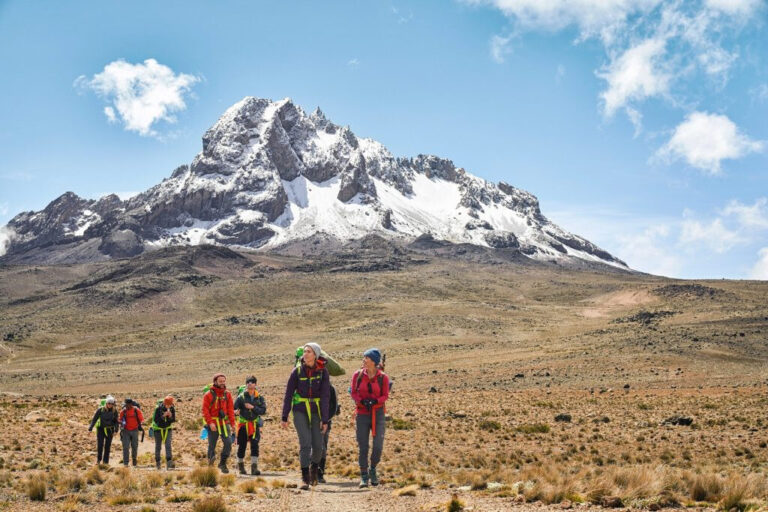
Can A 16-Year-Old Climb Kilimanjaro? Your Essential Guide 2026-2027
Discover if a 16-year-old can summit Kilimanjaro. This comprehensive guide covers age requirements, health, fitness, essential gear, and planning for younger trekkers aiming for Africa's...
View package details
Content For Parents And Young Climbers: Conquering Kilimanjaro Safely
Planning a Kilimanjaro climb with children or as a young climber requires special attention. This guide provides comprehensive content for parents and young adventurers, covering...
View package details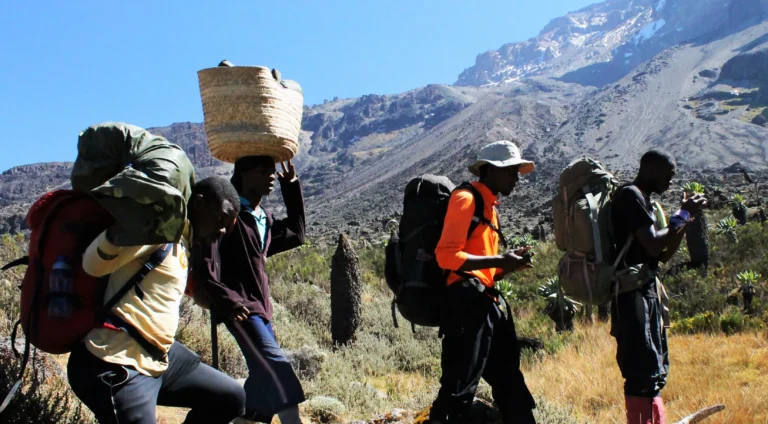
Kilimanjaro Tree-Planting Climbing Package Guide
Combine your dream Kilimanjaro climb with a meaningful conservation effort. Our Kilimanjaro Tree-Planting Climbing Package allows you to ascend Africa's highest peak while actively...
View package details
What Happens If It Rains Throughout Your Kilimanjaro Climb? 2026-2027
What Happens If It Rains throughout Your Kilimanjaro Climb? is explained with current 2026-2027 planning, price, itinerary and booking information.
View package details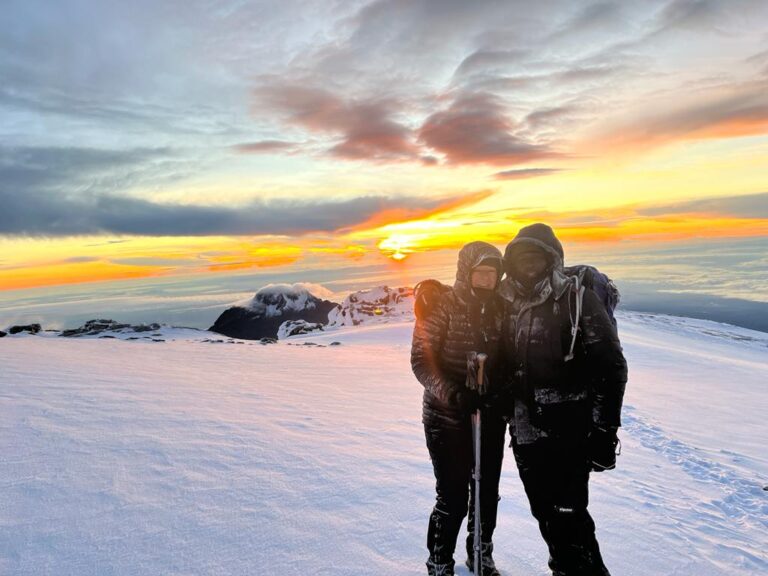
Kilimanjaro Early-Bird Climbing Discounts For Adventures 2026-2027
Plan your 2026-2027 Kilimanjaro climb and take advantage of early-bird discounts. Top Guide Adventures offers savings for those who book in advance, ensuring a memorable and affordable...
View package details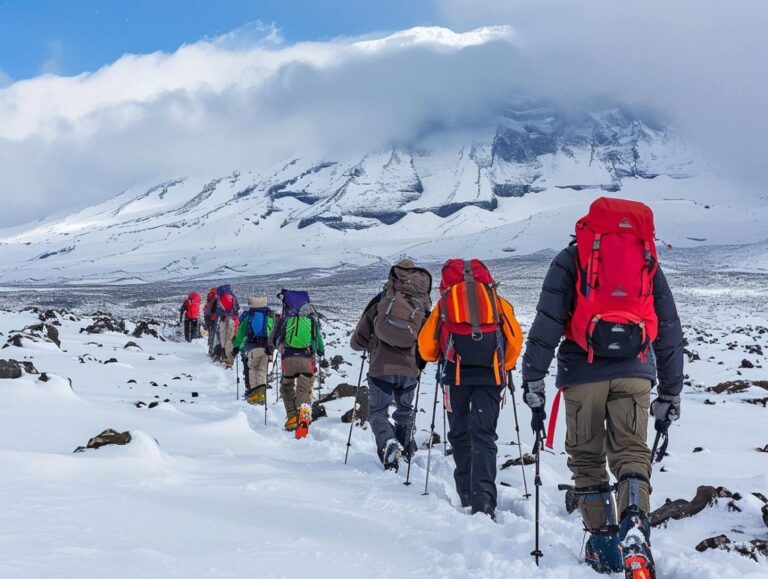
Kilimanjaro Private Climb Price For One Person: Your Guide 2026-2027
Planning a solo ascent of Mount Kilimanjaro? This guide details the Kilimanjaro private climb price for one person, covering cost factors, inclusions, and essential planning for 2026-2027.
View package detailsNo related package matches those filters. Clear one or more filters to see the other topic-matched options.



