
Tourism around Mount Kilimanjaro significantly supports local communities by creating jobs for guides, porters, cooks, and support staff, driving income into the region, funding essential infrastructure projects like schools and clinics, supporting local businesses through supply chains, and fostering cultural exchange and preservation, with responsible tour operators like Top Guide Adventures prioritizing these benefits for 2026-2027 expeditions.
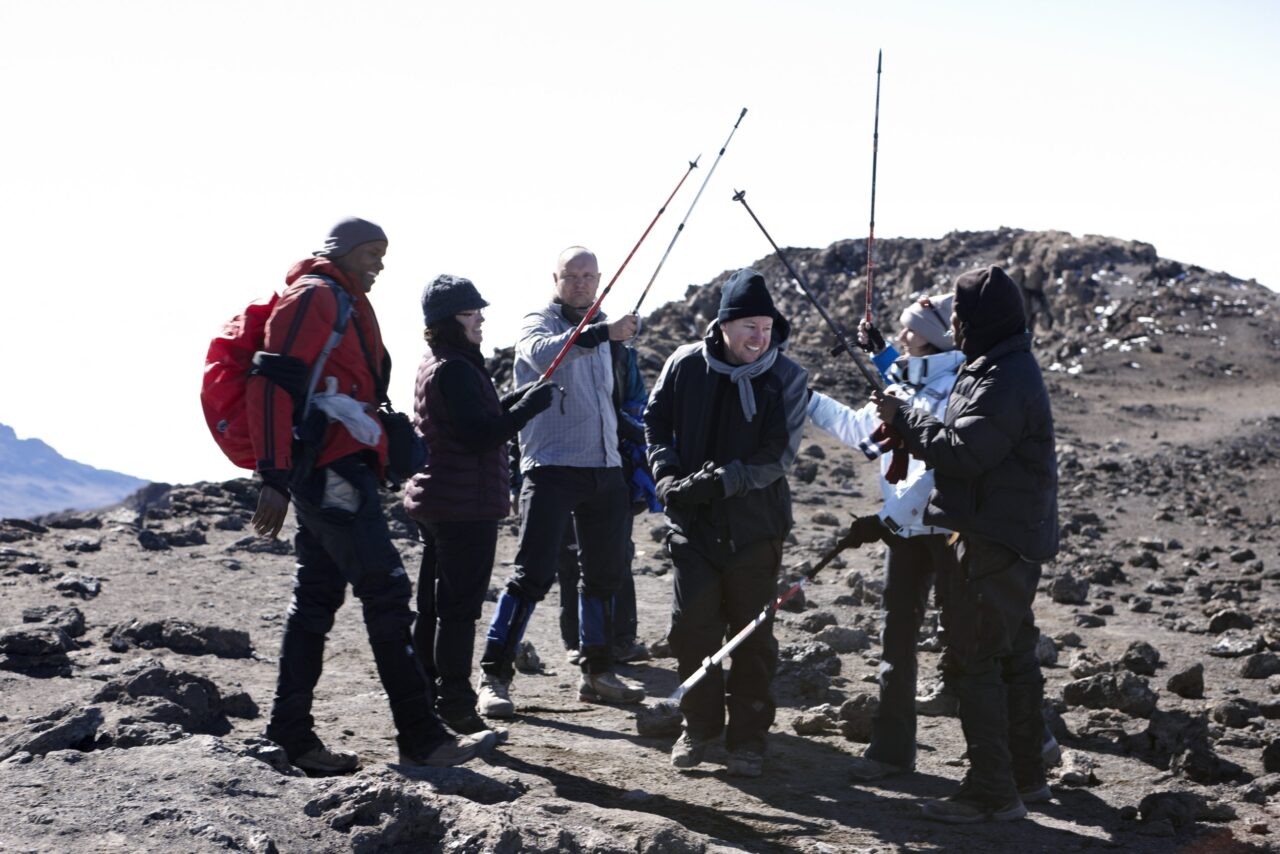
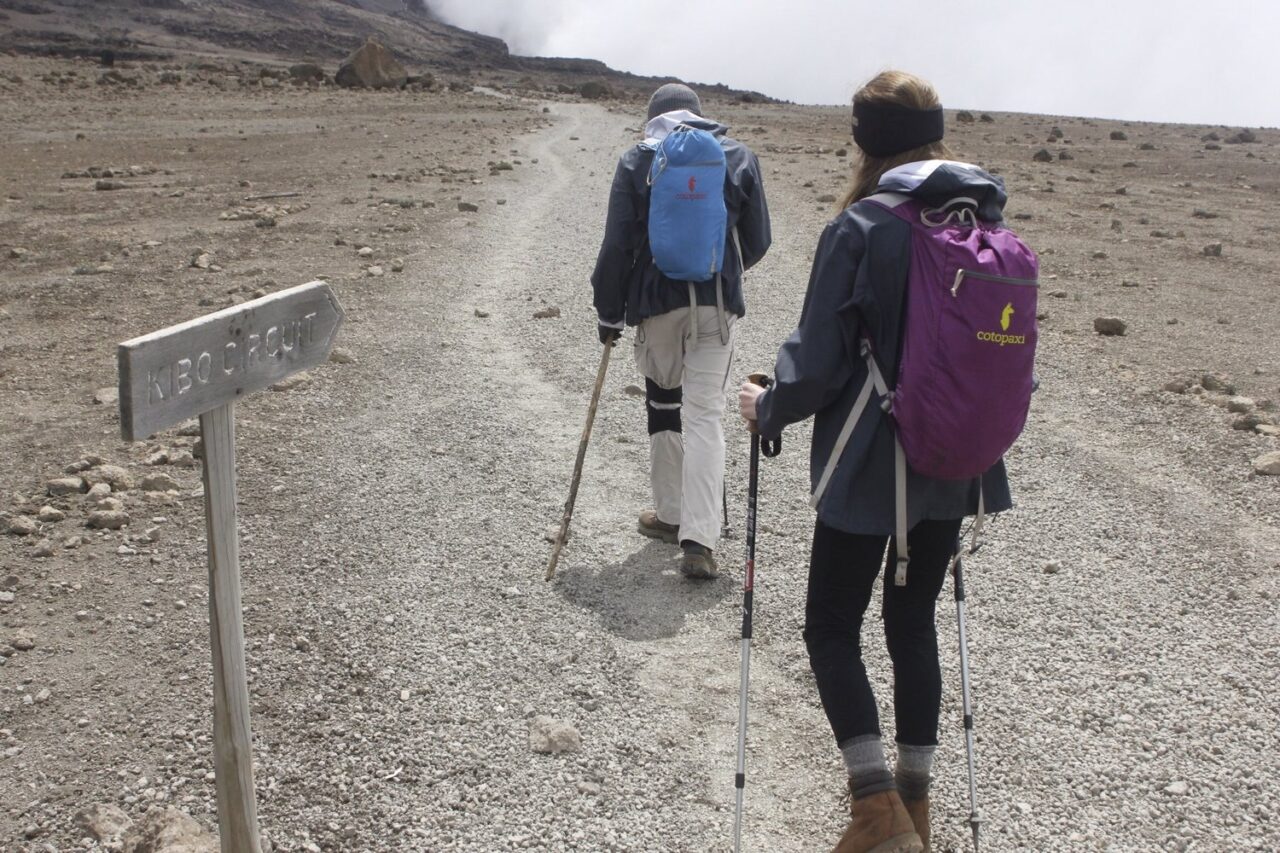
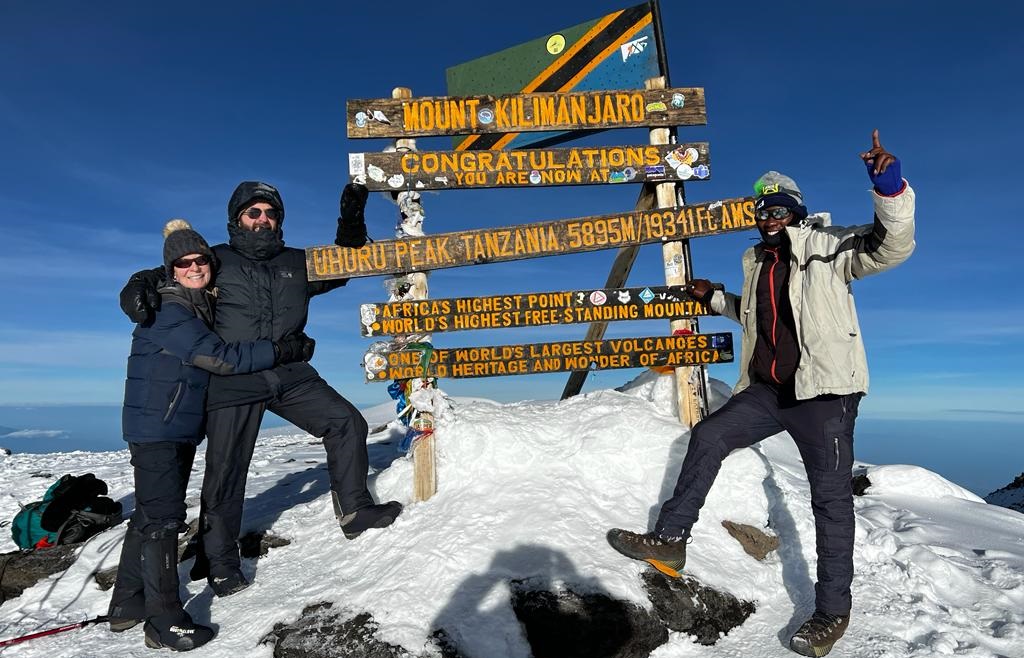
The Intertwined Destinies: Kilimanjaro and its People
Mount Kilimanjaro, a majestic dormant volcano and Africa’s highest peak, is more than just a impressive natural wonder. It is a vibrant ecosystem that supports a complex network of human communities living in its shadow. For decades, tourism has become a primary economic engine for the regions surrounding this iconic mountain, particularly in Tanzania’s Kilimanjaro Region. The influx of trekkers and travelers seeking to conquer its summit or experience its unique environment directly impacts the lives of thousands of people, shaping their livelihoods, opportunities, and cultural continuity. Understanding how tourism supports Kilimanjaro communities is crucial for any traveler aiming to make a positive contribution through their journey. At Top Guide Adventures, we are deeply committed to ensuring that the economic benefits of climbing Kilimanjaro are channeled effectively to the people who call this region home, fostering sustainable development and genuine partnerships.
The economic ripple effect of Kilimanjaro tourism extends far beyond the immediate services provided to trekkers. It touches upon agriculture, handicrafts, transportation, and a wide array of small and medium-sized enterprises. When you choose a reputable operator, your trek becomes a direct investment in the local economy. This article will explore the multifaceted ways tourism bolsters these communities, from job creation and poverty alleviation to improvements in education, healthcare, and the preservation of cultural heritage. We’ll also highlight the importance of choosing responsible tour operators who actively contribute to community development, looking ahead to the trends and opportunities for 2026 and 2027.
Economic Empowerment: Jobs and Livelihoods on the Slopes
The most immediate and significant way tourism supports Kilimanjaro communities is through the creation of diverse employment opportunities. Climbing Kilimanjaro requires a substantial support team, and the vast majority of these roles are filled by local residents. This employment is not merely seasonal; it provides a consistent source of income that allows families to plan for the future, invest in their children’s education, and improve their living standards. For many, a job on the mountain is a pathway out of poverty and a source of immense pride.
The Porter Force: Backbone of the Kilimanjaro Climb
Porters are the unsung heroes of any Kilimanjaro expedition. They carry the bulk of the equipment, including tents, food, water, sleeping bags, and personal luggage, often for days on end, ascending to extreme altitudes. These individuals, predominantly from the Chagga and other local ethnic groups, form the largest segment of the mountain workforce. Their labor is physically demanding and vital for the success and safety of every trekker. A well-organized trek ensures that porters are treated ethically, paid fairly, and provided with adequate food and shelter, directly injecting wages into their families and villages.
The employment of porters is particularly impactful in rural areas where alternative income sources may be limited. Many porters use their earnings to support extended families, pay school fees, purchase livestock, or invest in small farming ventures. The stability that this income provides is memorable. The International Porter Protection Group (IPPG) and organizations like Kilimanjaro Porters Assistance Project (KPAP) work tirelessly to advocate for better working conditions and fair wages, and responsible operators like Top Guide Adventures strictly adhere to these ethical guidelines. When planning your climb for 2026 or 2027, inquire about your operator’s porter welfare policies; this is a key indicator of their commitment to community support.
Guides and Cooks: Skilled Professionals from the Region
Beyond the porters, Kilimanjaro treks employ a significant number of skilled guides and cooks. Lead guides are experienced mountaineers, often with years of experience on Kilimanjaro and other peaks. Assistant guides provide additional support and safety oversight. Cooks are responsible for preparing nutritious and varied meals at high altitudes, a challenging task that requires considerable expertise. These roles often offer higher wages and greater responsibility compared to porter positions, providing career advancement opportunities for local individuals.
These professionals are not just employees; they are often ambassadors for their culture and their mountain. They possess intimate knowledge of the flora, fauna, geology, and cultural history of Kilimanjaro, enriching the trekking experience for clients. Investing in their training and professional development is another way tourism supports Kilimanjaro communities. Top Guide Adventures prioritizes hiring and training local guides, ensuring they are equipped with the latest safety protocols and customer service skills, ready for the busy trekking seasons of 2026 and 2027.
Support Staff and Beyond: A Wider Economic Network
The economic benefits don’t stop at the mountain’s base. The entire Kilimanjaro tourism ecosystem relies on a network of support staff and local businesses. This includes:
- Logistics and Transportation: Drivers, vehicle mechanics, and fuel suppliers who transport trekkers to and from the park gates and airports.
- Accommodation Providers: Hotels, guesthouses, and lodges in towns like Moshi and Arusha that host trekkers before and after their climbs.
- Food and Supply Chains: Farmers who grow fresh produce, butchers, bakers, and suppliers of packaged goods who provide the food and supplies needed for expeditions.
- Handicraft and Souvenir Sellers: Local artisans and vendors who sell crafts, clothing, and souvenirs to tourists, offering a direct avenue for cultural engagement and income.
- Rangers and Park Officials: While government employees, their work is funded in part by park entry fees, which are a direct result of tourism.
This broad network ensures that tourism revenue circulates widely within the Kilimanjaro communities, benefiting a diverse range of people and businesses. The demand generated by trekkers planning for 2026-2027 climbs stimulates local production and services, creating a multiplier effect that strengthens the regional economy.
Investing in the Future: Infrastructure and Social Development
Beyond direct employment, tourism revenue, particularly when managed responsibly, contributes significantly to the development of essential community infrastructure and social services. Park fees, a substantial portion of which are generated by Kilimanjaro climbs, often fund national conservation efforts, but responsible tour operators also actively engage in community-based projects. These initiatives directly improve the quality of life for local residents.
Education Initiatives: School Fees, Supplies, and Buildings
Access to quality education is a cornerstone of long-term community development. Many families in Kilimanjaro rely on the income generated from tourism to send their children to school. Beyond individual family contributions, tourism operators and traveler donations can fund larger educational projects:
- Building and Renovating Schools: Contributions can help construct new classrooms, improve existing facilities, and provide essential amenities like sanitation blocks.
- Providing School Supplies: Funds can be used to purchase textbooks, notebooks, pens, and other learning materials that are often scarce.
- Scholarships and Bursaries: Supporting talented but underprivileged students to continue their education, from primary school through to secondary and even tertiary levels.
- Teacher Training and Support: Investing in the professional development of local teachers to enhance the quality of education.
Top Guide Adventures has been involved in supporting local schools, recognizing that educated children are the future leaders and innovators of Kilimanjaro. For trekkers planning their 2026 or 2027 expeditions, there are often opportunities to contribute directly to these projects, making their journey even more meaningful.
Healthcare Access: Clinics, Equipment, and Medical Supplies
Improved healthcare is another critical area where tourism can make a tangible difference. Communities living near Kilimanjaro often face challenges in accessing adequate medical facilities and supplies. Tourism-related funding can support:
- Building and Equipping Clinics: Contributing to the construction or expansion of local health centers, and providing essential medical equipment.
- Supplying Medicines and Vaccines: Ensuring a consistent supply of necessary medications and supporting vaccination programs.
- Medical Outreach Programs: Funding mobile clinics or outreach services to reach remote communities.
- Training Healthcare Workers: Supporting the training and professional development of local doctors, nurses, and healthcare providers.
By improving healthcare infrastructure and access, tourism not only benefits the local population but also indirectly enhances the well-being and resilience of the workforce that supports the tourism industry itself. This creates a virtuous cycle of development.
Water and Sanitation Projects
Access to clean drinking water and proper sanitation facilities is fundamental to public health. Tourism can play a role in funding and implementing projects that address these basic needs:
- Water Boreholes and Wells: Drilling new boreholes or rehabilitating existing ones to provide reliable sources of clean water.
- Water Purification Systems: Installing systems to ensure water quality.
- Building Latrines and Toilets: Constructing safe and hygienic sanitation facilities in homes, schools, and public areas.
- Wastewater Management: Implementing systems to manage wastewater responsibly, protecting local water sources.
These projects have a direct and immediate impact on the health and daily lives of community members, reducing waterborne diseases and improving overall living conditions.
Supporting Local Economies: Beyond the Trek
The economic benefits of tourism extend into the everyday lives of Kilimanjaro communities by stimulating local businesses and fostering entrepreneurship. Responsible tour operators prioritize sourcing goods and services locally, creating a consistent demand that supports a wide range of small enterprises.
The Role of Local Suppliers
Every Kilimanjaro expedition requires a significant amount of supplies. Top Guide Adventures, for instance, works closely with local farmers, butchers, bakers, and distributors in towns like Moshi. This means that the money spent on food for trekkers doesn’t leave the region; it stays within the local economy, supporting agricultural livelihoods and small businesses. This includes everything from fresh produce and meat to grains, cooking oil, and other essential provisions.
This local procurement strategy is vital for economic diversification. It provides a stable market for agricultural products, encouraging farmers to invest in their land and adopt sustainable farming practices. This is particularly important as we look towards 2026 and 2027, ensuring a robust local supply chain that can meet the demands of an increasing number of trekkers.
Handicrafts and Cultural Souvenirs
The vibrant culture of the communities around Kilimanjaro is often expressed through traditional crafts and artworks. Local artisans produce a variety of items, such as carvings, beadwork, textiles, and paintings, which are popular souvenirs for tourists. Supporting these artisans through direct purchases or through tour operator partnerships:
- Preserves Traditional Skills: Encourages the continuation of age-old artistic techniques.
- Provides Income: Offers a crucial source of income for artisans and their families.
- Promotes Cultural Exchange: Allows travelers to take home a tangible piece of Tanzanian culture and connect with local traditions.
When visiting local markets or purchasing souvenirs, travelers have the opportunity to directly support these individuals and their craft. Responsible operators often facilitate these interactions, ensuring fair prices for the artisans.
Local Accommodation and Dining
While some trekkers opt for camping on the mountain, many spend time in local hotels, guesthouses, and restaurants before and after their climb. Choosing locally owned establishments means that the revenue generated stays within the community, supporting local employment and investment. These businesses often employ local staff, purchase local produce, and contribute to the local tax base.
For travelers planning their 2026 or 2027 trips, exploring options for locally owned accommodations and dining experiences can significantly amplify the positive economic impact of their visit. Top Guide Adventures can often recommend such establishments, ensuring a more authentic and community-benefiting travel experience.
Cultural Preservation and Exchange
Tourism’s impact on Kilimanjaro communities extends beyond economics to the vital realm of cultural preservation and exchange. When managed with respect and sensitivity, tourism can help maintain and celebrate local traditions, languages, and customs.
Valuing Local Traditions
The presence of international visitors can sometimes lead to the commodification or dilution of local culture. However, responsible tourism actively works to counteract this by:
- Encouraging Cultural Performances: Supporting local musicians, dancers, and storytellers by providing platforms for them to share their heritage.
- Promoting Traditional Crafts: As mentioned, valuing and purchasing traditional handicrafts helps keep these skills alive.
- Respecting Local Customs: Educating visitors on appropriate behavior, dress codes, and social etiquette when interacting with local communities.
- Supporting Cultural Tourism Initiatives: Developing and promoting tours that focus on visiting local villages, learning about traditional farming, participating in cooking classes, or understanding local brewing methods.
By valuing and actively engaging with local culture, tourism can transform from a purely transactional activity into a rich experience of mutual understanding and respect. This is particularly important for the younger generations in Kilimanjaro, who can see the value in their own heritage through the eyes of visitors.
Facilitating Meaningful Interactions
Responsible tour operators like Top Guide Adventures facilitate genuine interactions between travelers and local communities. This can include:
- Village Visits: Organized tours to nearby villages where travelers can meet residents, learn about their daily lives, and perhaps visit community projects.
- Cultural Centers and Museums: Supporting local initiatives that showcase and preserve cultural history.
- Homestays: Offering opportunities for travelers to stay with local families, providing an intimate cultural exchange.
These interactions foster empathy and understanding, breaking down stereotypes and building bridges between different cultures. They allow travelers to see beyond the tourist facade and connect with the real people of Kilimanjaro, enriching their own experience and providing economic opportunities for the host communities.
Language and Knowledge Transfer
The presence of international visitors encourages some community members to learn and practice foreign languages, particularly English. While local languages remain strong, this exposure can enhance communication and create additional job opportunities in the tourism sector. Conversely, guides and local partners often share their knowledge of local dialects, customs, and history with travelers, fostering a reciprocal learning environment.
Conservation Efforts: Protecting the Mountain and its Surroundings
While the primary focus is often on the economic and social benefits, tourism’s support for Kilimanjaro communities is intrinsically linked to the conservation of the mountain’s unique environment. A healthy mountain ecosystem is essential for the long-term sustainability of tourism itself.
Funding National Parks and Protected Areas
A significant portion of the park fees collected from Kilimanjaro climbs directly funds the management and conservation of Kilimanjaro National Park. This includes:
- Anti-Poaching Patrols: Supporting rangers who protect wildlife and prevent illegal activities within the park.
- Trail Maintenance: Ensuring the safety and accessibility of trekking routes through regular maintenance and repair.
- Environmental Monitoring: Conducting research and monitoring to understand and mitigate environmental impacts, such as erosion and waste management.
- Habitat Restoration: Implementing projects to restore degraded areas of the park.
By choosing to climb Kilimanjaro, travelers contribute to the preservation of this natural heritage for future generations. The planning for 2026 and 2027 treks should always include an awareness of these conservation efforts.
Promoting Environmental Stewardship
Responsible tourism operators actively promote environmental stewardship among their staff and clients. This includes:
- Leave No Trace Principles: Educating trekkers and crew on minimizing their environmental footprint.
- Waste Management: Implementing strict protocols for packing out all waste from the mountain, including non-biodegradable items.
- Sustainable Practices: Utilizing eco-friendly equipment, minimizing water usage, and avoiding the use of single-use plastics.
- Community Environmental Projects: Engaging local communities in conservation activities, such as tree planting or clean-up campaigns around the mountain’s base.
When tourism is conducted sustainably, it creates a powerful incentive for local communities to protect the natural resources they depend on. This is a crucial aspect of how tourism supports Kilimanjaro communities in a holistic sense.
Wildlife Protection
While Kilimanjaro itself is not primarily a wildlife-viewing destination like the Serengeti, its lower slopes and surrounding areas are home to diverse wildlife, including monkeys, various bird species, and even occasional larger mammals. Park fees and responsible tourism practices help protect these habitats and their inhabitants from encroachment and poaching.
Challenges and the Importance of Responsible Operators
Despite the significant benefits, the relationship between tourism and Kilimanjaro communities is not without its challenges. Issues such as fair wages, working conditions for porters, environmental impact, and ensuring that benefits reach the wider community require constant attention and ethical management.
Ensuring Fair Labor Practices
The welfare of porters has historically been a concern, with instances of underpayment, excessive loads, and inadequate clothing and shelter. Responsible tour operators like Top Guide Adventures prioritize fair wages, proper equipment, adequate food, and respectful treatment for all mountain crew members. Adherence to guidelines set by organizations like KPAP is essential. When booking your 2026 or 2027 climb, research the operator’s commitment to porter welfare.
Managing Environmental Impact
The sheer volume of trekkers can place a strain on Kilimanjaro’s fragile ecosystems. Effective waste management, trail maintenance, and adherence to park regulations are critical. Operators must take responsibility for their group’s environmental footprint.
Community-Owned Tourism Initiatives
To maximize benefits, there’s a growing emphasis on community-owned tourism enterprises. These initiatives ensure that profits are reinvested directly into local development projects, empowering communities to take ownership of their tourism potential. Supporting such initiatives, whether through direct booking or traveler contributions, is a powerful way to deepen the positive impact.
The Role of Top Guide Adventures
Top Guide Adventures is dedicated to maximizing the positive impact of tourism on Kilimanjaro communities. We believe in ethical employment practices, fair wages, and providing excellent working conditions for our entire team, from guides and porters to cooks and drivers. We actively engage with local suppliers, support community development projects, and promote sustainable environmental practices on the mountain.
Our commitment extends to ensuring that every trekker has an unforgettable and safe experience while contributing positively to the local economy and culture. We are proud to be a trusted partner for those looking to climb Kilimanjaro responsibly, whether planning for 2026, 2027, or beyond. Our team is always available to discuss how your adventure can directly benefit the communities around Kilimanjaro.
Planning Your 2026-2027 Kilimanjaro Adventure: Making a Difference
As you consider your Kilimanjaro climb for 2026 or 2027, remember that your choice of tour operator has a profound impact on the communities surrounding the mountain. By selecting a company that prioritizes ethical practices, fair wages, and community engagement, you become an active participant in supporting local livelihoods, education, healthcare, and conservation.
Choosing a Responsible Tour Operator
When researching operators for your 2026-2027 Kilimanjaro expedition, consider these factors:
- Porter Welfare Policies: Do they adhere to KPAP guidelines? Do they offer fair wages and proper gear?
- Local Employment: Do they prioritize hiring local guides, cooks, and support staff?
- Community Involvement: Do they have established programs or partnerships that support local schools, clinics, or other development projects?
- Environmental Practices: What are their policies on waste management and sustainability on the mountain?
- Transparency: Are they open about their pricing, inclusions, and how your money is used?
Top Guide Adventures transparently shares its commitment to these principles. We believe that a successful climb is one that not only reaches the summit but also leaves a positive and lasting legacy in the communities we work with.
Direct Contributions and Support
Beyond choosing a responsible operator, travelers can often contribute directly:
- Tipping Appropriately: While wages are paid, tips are a significant part of earnings for mountain crew. Follow recommended tipping guidelines, ensuring fair distribution.
- Donating to Community Projects: Many operators facilitate donations to local schools or conservation efforts.
- Purchasing Local Crafts: Supporting local artisans directly benefits their families.
- Respectful Engagement: Always interact with local people with respect, asking permission before taking photos and being mindful of cultural norms.
Your journey to the Roof of Africa can be a powerful force for good. By understanding how tourism supports Kilimanjaro communities, you can make informed decisions that ensure your adventure contributes to sustainable development and cultural preservation.
The Future of Kilimanjaro Tourism and Community Partnership
Looking ahead to 2026, 2027, and beyond, the partnership between Kilimanjaro tourism and local communities is set to evolve. There is a growing global awareness of the importance of sustainable and responsible travel. This trend means that travelers are increasingly seeking experiences that offer more than just adventure; they want to know that their journey benefits the places and people they visit.
This demand encourages tour operators to deepen their commitment to community development. We anticipate a greater focus on:
- Community-Based Tourism Models: Empowering local communities to own and manage tourism enterprises, ensuring greater control and benefit.
- Ethical Certifications: Increased recognition and demand for certifications that verify responsible tourism practices.
- Digital Connectivity: Leveraging technology to improve communication, booking, and the dissemination of information about community projects and ethical standards.
- Climate Resilience: Working with communities to adapt to and mitigate the impacts of climate change, which affects both the mountain ecosystem and local livelihoods.
Top Guide Adventures is committed to staying at the forefront of these developments, continuously seeking ways to enhance the positive impact of our operations. We invite you to join us in making your Kilimanjaro climb a truly meaningful experience, contributing to the enduring prosperity and well-being of the communities that make this mountain so special.
For inquiries about planning your responsible Kilimanjaro adventure for 2026 or 2027, or to learn more about our community initiatives, please do not hesitate to contact us. Your dream climb can be a powerful force for positive change. Reach out via WhatsApp +255616946642 or email us at topguideadventures@gmail.com or info@topguideadventures.com.
Check Availability for How Tourism Supports Kilimanjaro Communities: A Deep Dive With Top Guide
Ready to compare dates, prices, and the best option for your group? Send the package name and travel month so the team can reply with a clear quote, availability, and what is included.
What Does Kilimanjaro Rainforest Look Like? A Trekkers Visual Guide 2026-2027
The Kilimanjaro rainforest is a vibrant, humid zone of dense vegetation, towering trees, and diverse plant life found on the mountain's lower slopes. It's the first major ecosystem trekkers...
View package details
Kilimanjaro Climb With A Personal Support Assistant: Your Ultimate Guide
Climbing Mount Kilimanjaro with a personal support assistant offers unparalleled safety, comfort, and focus on your summit goals. This guide details what a personal assistant entails, its...
View package details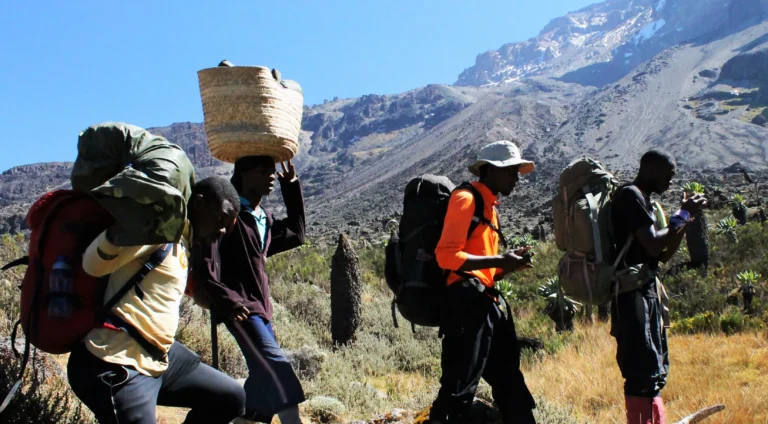
How To Know Whether You Are Ready For Kilimanjaro: A Comprehensive Guide
Climbing Mount Kilimanjaro is a significant undertaking. This guide helps you evaluate your physical, mental, and logistical readiness to ensure a safe and successful trek in 2026 or 2027...
View package details
Kilimanjaro Hydration Mistakes Climbers Make And How To Avoid Them 2026-2027
Proper hydration is critical for a successful Kilimanjaro climb. This guide details common hydration mistakes climbers make, from under-drinking to choosing the wrong fluids, and provides...
View package details
Kilimanjaro Altitude-Sickness Mistakes 2026-2027
Kilimanjaro Altitude-Sickness Mistakes is explained with current 2026-2027 planning, price, itinerary and booking information.
View package details
Kilimanjaro Summit-Night Mistakes To Avoid: Your Essential Guide For Climbs
Summit night on Kilimanjaro is the most challenging part of the climb. Avoiding common mistakes in acclimatization, gear, hydration, and pacing is crucial for success. This guide details...
View package details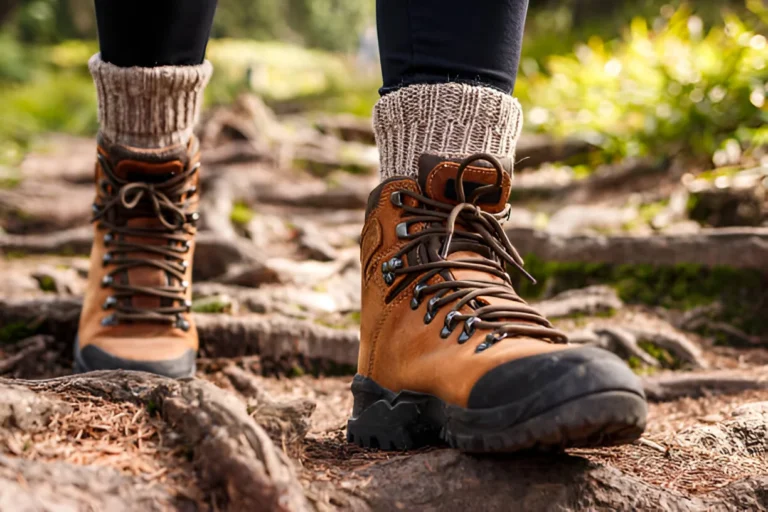
Kilimanjaro Training Mistakes That Reduce Summit Success 2026-2027
Kilimanjaro Training Mistakes that Reduce Summit Success is explained with current 2026-2027 planning, price, itinerary and booking information.
View package details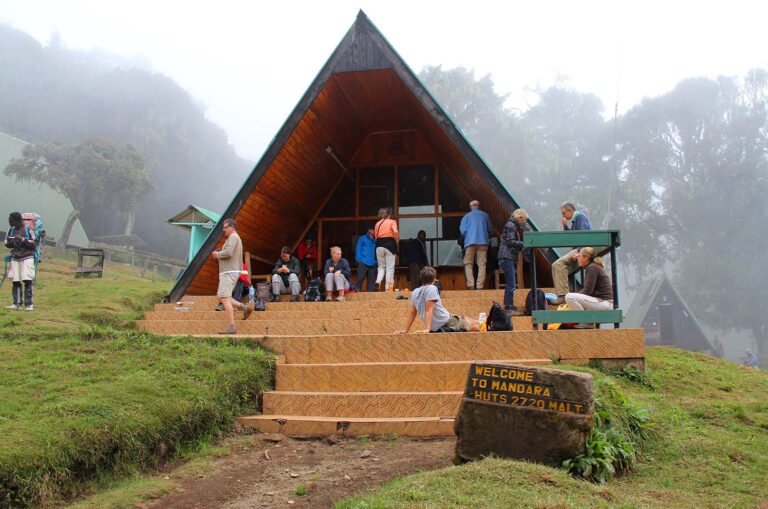
Kilimanjaro Personal Porter Vs Standard Support 2026-2027
Kilimanjaro Personal Porter vs Standard Porter Support is explained with current 2026-2027 planning, price, itinerary and booking information.
View package details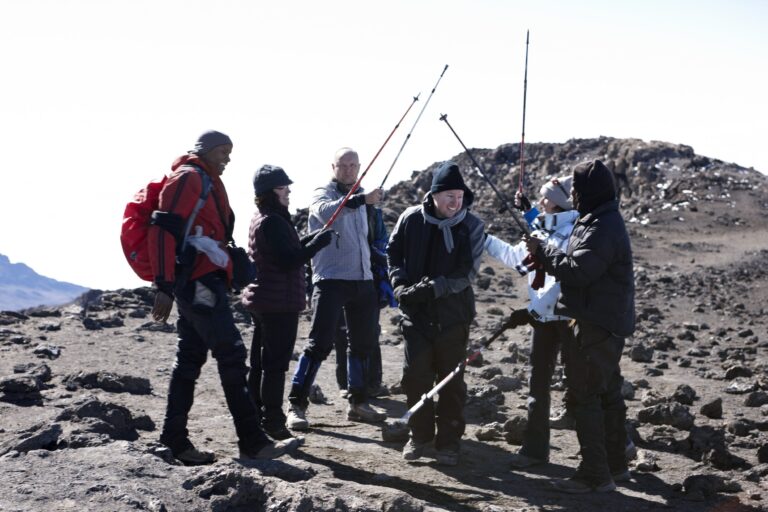
Kilimanjaro Airport Vs Arusha For Climbers: The Definitive Guide 2026-2027
A comprehensive comparison of Kilimanjaro International Airport (JRO) and Arusha Airport (ARK) for trekkers planning a Mount Kilimanjaro climb, detailing pros, cons, and booking advice for...
View package details
Kilimanjaro Climb For Retired Couples: Planning Your Adventure 2026-2027
Planning a Kilimanjaro climb as a retired couple is an achievable and rewarding goal. This guide offers in-depth advice on route selection, physical preparation, essential gear, and the...
View package details
Kilimanjaro Training Plan For Climbers Over 60 2026-2027
Kilimanjaro Training Plan for Climbers over 60 is explained with current 2026-2027 planning, price, itinerary and booking information.
View package details
Can A 16-Year-Old Climb Kilimanjaro? Your Essential Guide 2026-2027
Discover if a 16-year-old can summit Kilimanjaro. This comprehensive guide covers age requirements, health, fitness, essential gear, and planning for younger trekkers aiming for Africa's...
View package detailsNo related package matches those filters. Clear one or more filters to see the other topic-matched options.



