
The most critical Kilimanjaro altitude sickness mistakes to avoid involve inadequate acclimatization, pushing too hard too fast (poor pacing), insufficient hydration, ignoring early symptoms, and neglecting to use or properly understand altitude sickness medication. Recognizing and actively preventing these errors is key to a safe and successful climb in 2026-2027.
Understanding Kilimanjaro Altitude Sickness: The Core Challenge
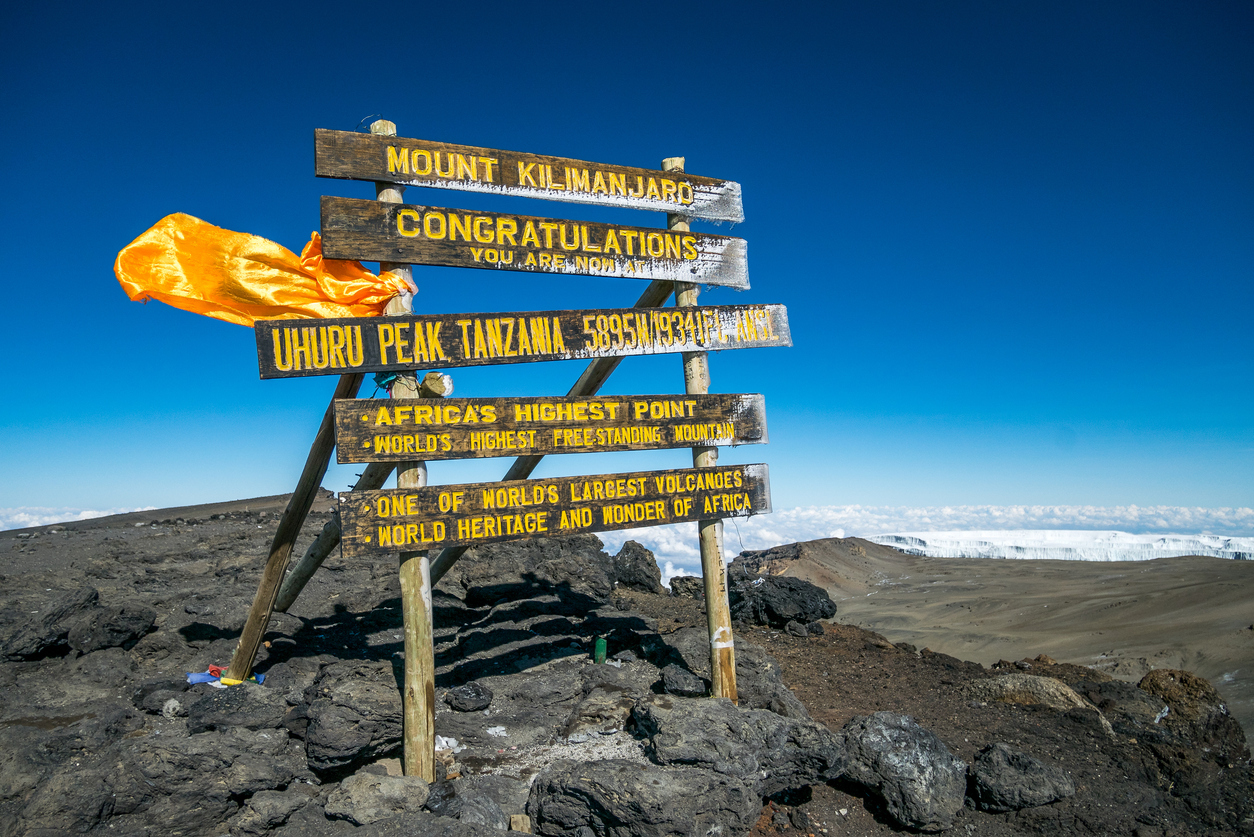
Climbing Mount Kilimanjaro, Africa’s highest peak at 5,895 meters (19,341 feet), is an extraordinary adventure. However, the sheer altitude presents a significant physiological challenge: Acute Mountain Sickness (AMS), commonly known as altitude sickness. Many trekkers underestimate its potential impact, leading to common Kilimanjaro altitude sickness mistakes that can result in discomfort, forced descent, or even severe medical emergencies. For anyone planning a climb in 2026 or 2027, understanding these pitfalls is paramount to a safe and rewarding experience.
Altitude sickness occurs when your body cannot adjust quickly enough to the lower levels of oxygen at higher elevations. The air pressure decreases as you ascend, meaning there are fewer oxygen molecules available with each breath. While AMS can affect anyone, regardless of fitness level, certain behaviors and lack of preparation significantly increase the risk. This guide will walk you through the most frequent Kilimanjaro altitude sickness mistakes and offer practical, expert advice to ensure you reach the summit and return safely.
Mistake 1: Inadequate Acclimatization – The Pace Problem
Perhaps the single most significant contributor to altitude sickness on Kilimanjaro is insufficient acclimatization. This isn’t just about spending enough days on the mountain; it’s about how those days are structured. Trekkers who choose shorter routes or attempt to ascend too quickly are essentially asking their bodies to perform an impossible feat.
Why ‘Pole Pole’ is More Than a Saying
The Swahili phrase ‘pole pole’ (slowly, slowly) is the mantra of Kilimanjaro climbers for a very good reason. Rushing your ascent is a direct invitation to altitude sickness. Your body needs time to adapt to the decreasing oxygen levels. This adaptation, known as acclimatization, involves physiological changes like increased breathing rate, increased red blood cell production, and changes in blood chemistry. These processes take time – days, not hours.
Route Choice and Acclimatization Days
Different Kilimanjaro routes offer varying acclimatization profiles. Routes like the Lemosho and Shira (which often combine into longer itineraries) are generally considered to have better acclimatization profiles because they are longer, allowing for a gradual ascent and more days on the mountain. Conversely, routes like the Marangu (‘Coca-Cola’) route, especially when done in 5 days, are notorious for their rapid ascent and higher rates of altitude sickness. A 7-day or 8-day itinerary on Lemosho or Machame provides substantially more time for the body to adjust.
Key takeaway for 2026-2027 planning: Opt for longer itineraries. A 7-day climb is the minimum recommended for a reasonable chance of success and safety. An 8-day climb significantly improves your acclimatization and summit success rates. Avoid 5-day Marangu or 6-day Machame if altitude sickness is a concern.
The ‘Climb High, Sleep Low’ Principle
This is a fundamental principle of acclimatization. Ideally, your itinerary should involve ascending to a higher altitude during the day and then descending to sleep at a lower elevation. This allows your body to get exposed to higher altitudes and then rest and recover at a more manageable level. While it’s not always perfectly achievable on every single day of a Kilimanjaro trek, well-designed itineraries incorporate this principle strategically.
Common Mistake: Ignoring Body Signals
Many trekkers, eager to reach the summit or simply wanting to keep up with faster members of their group, ignore early signs of altitude sickness. They might feel a mild headache or slight nausea but dismiss it as fatigue or dehydration. This is a dangerous mistake. AMS symptoms are your body’s way of telling you it’s struggling. Ignoring them allows the condition to worsen, potentially progressing to more severe forms like High Altitude Cerebral Edema (HACE) or High Altitude Pulmonary Edema (HAPE).
Mistake 2: Pushing Too Hard Too Fast – Overexertion
Related to inadequate acclimatization is the mistake of overexertion. This means trekking at a pace that is too fast for the altitude, especially during the initial days of the trek. Even if you are very fit, your cardiovascular system works harder at altitude, and your body needs to conserve energy for the acclimatization process.
The Danger of “Summit Fever”
Summit fever is a real phenomenon, both literally and figuratively. It’s the intense desire to reach the top that can override common sense and lead climbers to ignore warning signs. This often manifests as pushing too hard on ascents, especially on summit night. The climb to Uhuru Peak is a grueling, multi-hour ascent in the dark, cold, and at extreme altitude. Going too fast during this critical phase dramatically increases the risk of AMS and exhaustion.
Maintaining a Slow, Steady Pace
Your guides will constantly remind you to go ‘pole pole’. This isn’t just about being slow; it’s about finding a sustainable rhythm that allows you to breathe efficiently and conserve energy. Trekking too quickly leads to breathlessness, increased heart rate, and excessive fatigue, all of which exacerbate the effects of altitude. It also means you’re not breathing efficiently, hindering the oxygen uptake your body desperately needs.
Tip for 2026-2027 climbers: Listen to your guides. They are experienced in reading the signs of altitude sickness and know the optimal pace for acclimatization. Don’t feel pressured to keep up with others; set your own comfortable pace. If you feel breathless, slow down further or take a short break.
Impact of Fitness vs. Acclimatization
It’s a common misconception that high levels of cardiovascular fitness guarantee immunity to altitude sickness. While good fitness is beneficial for overall endurance on the trek, it does not prevent AMS. In fact, highly fit individuals might be more prone to overexerting themselves, thinking their body can handle more than it actually can at altitude. Acclimatization is the primary defense against altitude sickness, not just physical conditioning.
Mistake 3: Insufficient Hydration – The Dehydration Trap
Staying well-hydrated is crucial for acclimatization and overall well-being on Kilimanjaro, yet it’s a mistake many trekkers make. The dry, cold air at altitude leads to significant fluid loss through respiration and perspiration, even if you don’t feel excessively sweaty.
Why Hydration Matters at Altitude
Proper hydration helps maintain blood volume and circulation, which is essential for oxygen transport. Dehydration can mimic or worsen symptoms of altitude sickness, such as headaches, fatigue, and dizziness. It also makes your body work harder, compounding the effects of low oxygen. Aiming for 3-5 liters of fluid per day is a general guideline, though individual needs can vary.
What to Drink (and What to Avoid)
Water is the primary source, but electrolytes can be beneficial. Sports drinks or electrolyte powders can help replenish salts lost through exertion. Herbal teas are also a good option. It’s advisable to limit or avoid caffeine and alcohol. Caffeine can act as a diuretic, contributing to dehydration, and alcohol can interfere with acclimatization and mask early symptoms of AMS.
2026-2027 Planning Note: Factor in the logistics of water. Your tour operator will typically provide boiled or purified water. You’ll need to carry a water bladder or bottles and potentially purification tablets as a backup. Ensure you have insulated carriers for your water bottles, especially during colder nights, to prevent freezing.
Forgetting to Drink
One of the biggest hydration mistakes is simply forgetting to drink. The cold air can suppress your thirst sensation, and you might not feel thirsty even when your body needs fluids. Make it a habit to take regular sips from your water bottle or hydration pack throughout the day. Set reminders if necessary.
Mistake 4: Ignoring Early Symptoms – Denying AMS
This mistake is closely linked to inadequate acclimatization and overexertion. Altitude sickness symptoms are your body’s warning signals. Ignoring them, hoping they will disappear on their own, is one of the most dangerous Kilimanjaro altitude sickness mistakes you can make.
Common AMS Symptoms to Watch For
Symptoms of mild AMS can include:
- Headache (the most common symptom)
- Nausea and vomiting
- Dizziness or lightheadedness
- Fatigue and weakness
- Loss of appetite
- Difficulty sleeping
- Shortness of breath (especially on exertion)
These symptoms can appear anywhere from 6 to 24 hours after arriving at a higher altitude and can worsen rapidly.
When to Speak Up Immediately
If you experience any of these symptoms, it’s crucial to communicate them to your guide immediately. Do not try to tough it out. Your guide is trained to assess AMS and will make decisions based on your condition and the altitude.
Crucial Advice for 2026-2027 Trekkers: Honesty is paramount. Be honest with yourself and your guide about how you are feeling. Don’t downplay your symptoms to appear strong or to avoid delaying the group. Your safety is the absolute priority.
Progression to Severe AMS
If mild AMS is ignored, it can progress to severe forms:
- High Altitude Cerebral Edema (HACE): Swelling of the brain. Symptoms include severe headache, confusion, loss of coordination (ataxia), drowsiness, and potentially coma.
- High Altitude Pulmonary Edema (HAPE): Fluid accumulation in the lungs. Symptoms include severe shortness of breath (even at rest), persistent cough (sometimes with pink, frothy sputum), chest tightness, and fatigue.
Both HACE and HAPE are life-threatening emergencies that require immediate descent. The only cure for severe altitude sickness is descent to a lower altitude.
Mistake 5: Mismanagement of Altitude Sickness Medication
While acclimatization and proper pacing are the primary defenses against altitude sickness, medication like Diamox (Acetazolamide) can be a valuable tool for many trekkers. However, mismanaging or misunderstanding how to use these medications can lead to them being ineffective or causing side effects.
Who Should Consider Diamox?
Diamox is a prescription medication that helps speed up acclimatization by increasing breathing rate and altering blood chemistry. It’s not a cure for AMS, nor is it a substitute for proper acclimatization and pacing. Many people climb Kilimanjaro successfully without it, but it can significantly improve comfort and reduce the risk of mild AMS for some individuals. It is generally recommended that climbers consult their doctor about using Diamox before their trip.
Incorrect Dosage or Timing
The standard recommendation for Diamox prophylaxis is to start taking it 1-2 days before ascending to high altitude, continue taking it during the ascent, and potentially for a day or two after reaching the summit or descending. A common dosage is 125mg twice a day. Taking it only once symptoms appear is far less effective. Incorrect timing or dosage can render the medication useless or lead to unnecessary side effects.
Important 2026-2027 Pre-Trip Planning: If you plan to use Diamox, discuss it with your doctor well in advance. Obtain the prescription and understand the correct dosage, timing, and potential side effects. Inform your guide if you are taking Diamox.
Ignoring Side Effects
Common side effects of Diamox include increased thirst, frequent urination, tingling in the fingers and toes, and sometimes a metallic taste in the mouth. These are usually mild and manageable. However, some individuals may experience more significant side effects. It’s important to be aware of these and discuss them with your doctor if they are bothersome. Ignoring significant side effects and continuing the medication without consultation could be a mistake.
Relying Solely on Medication
The biggest mistake is viewing Diamox as a ‘magic pill’ that allows you to ignore all other acclimatization principles. It doesn’t. You still need to climb slowly, hydrate well, and listen to your body. Diamox is an aid, not a replacement for sound trekking practices.
Mistake 6: Underestimating the Cold and Poor Gear Choices
While not directly an altitude sickness mistake, being unprepared for the extreme cold on Kilimanjaro can exacerbate symptoms and lead to dangerous situations. Hypothermia can worsen AMS and make you more susceptible to illness. Poor gear choices are a common oversight.
Layering is Key
The temperature on Kilimanjaro can range dramatically, from warm at the base to well below freezing at the summit. The mistake is not packing appropriate clothing or not understanding how to layer effectively. The ‘layering system’ is essential:
- Base Layer: Moisture-wicking (merino wool or synthetic) to keep you dry.
- Mid Layer: Insulating (fleece or down jacket) to retain body heat.
- Outer Layer: Waterproof and windproof shell (jacket and pants) to protect against the elements.
Failing to have these layers, or bringing cotton (which loses its insulating properties when wet), is a significant error.
Essential Gear for Cold Conditions
Beyond clothing layers, specific gear is vital:
- Warm Hat: Covers ears.
- Gloves/Mittens: Multiple pairs, including warm, waterproof outer mittens.
- Warm Socks: Wool or synthetic, several pairs.
- Good Hiking Boots: Broken-in, waterproof, and with good ankle support.
- Sleeping Bag: Rated to at least -15°C (0°F), preferably lower for summit night.
- Sleeping Pad: For insulation from the cold ground.
Skipping any of these can lead to discomfort, reduced mobility, and increased risk of hypothermia, which can worsen altitude sickness symptoms.
2026-2027 Gear Check: Start gathering your gear early. Test your layers and boots before your trek. Ensure your sleeping bag is warm enough. Renting gear is an option, but ensure the quality is adequate.
Summit Night Specifics
Summit night is the coldest and most challenging part of the trek. Temperatures can drop to -20°C (-4°F) or lower, with wind chill. Wearing inadequate clothing or gear during this critical phase is a direct path to problems. This includes ensuring you have warm headwear, insulated gloves/mittens, and multiple pairs of warm socks.
Mistake 7: Poor Nutrition and Energy Management
While hydration is crucial, so is maintaining adequate energy levels through proper nutrition. Underestimating the caloric needs of trekking at altitude or making poor food choices can lead to fatigue and weakness, making you more susceptible to altitude sickness.
Caloric Needs at Altitude
Trekking Kilimanjaro burns a significant number of calories. At higher altitudes, your metabolism can also increase. Failing to consume enough food means your body lacks the fuel it needs to function optimally and acclimatize effectively. This can lead to profound fatigue, which can be mistaken for or contribute to AMS symptoms.
What to Eat (and What to Avoid)
Focus on high-carbohydrate meals, which are the body’s primary energy source and are easier to digest at altitude. Complex carbohydrates like pasta, rice, and oats provide sustained energy. While protein is important, very heavy, fatty, or protein-rich meals can be harder to digest at altitude and may contribute to nausea.
Tip for 2026-2027 Climbers: Eat what is offered by your tour company, even if you don’t feel like it. If you have specific dietary needs or preferences, discuss them with your operator well in advance. Consider bringing some high-energy snacks you enjoy (energy bars, nuts, dried fruit) for supplemental fuel, especially for summit night.
Snacking Strategy
Regular snacking is vital to maintain energy levels throughout the day. Don’t wait until meal times. Small, frequent snacks of easily digestible, energy-dense foods are best. This helps prevent energy crashes and keeps your body fueled for the ascent.
Mistake 8: Not Informing Your Guide About Pre-existing Conditions
This is a critical safety oversight. Many people have underlying medical conditions that could be aggravated by high altitude. Failing to disclose these to your tour operator and guide can have serious consequences.
Common Conditions to Disclose
This includes, but is not limited to:
- Heart conditions (e.g., high blood pressure, past heart attacks)
- Respiratory conditions (e.g., asthma, COPD)
- Diabetes
- Anemia
- Sleep apnea
- Any condition requiring regular medication
Your guide and the trekking company need this information to assess your suitability for the climb and to be prepared in case of an emergency. They may require a doctor’s note clearing you for high-altitude trekking.
Actionable Step for 2026-2027 Planning: Be completely transparent with your tour operator during the booking process. Complete any medical forms honestly and thoroughly. Consult your doctor about your travel plans and any potential risks associated with your pre-existing conditions.
The Role of the Guide
Your guide is not just a navigator; they are your primary safety contact on the mountain. They are trained in wilderness first aid and altitude sickness management. However, their ability to help you is severely limited if they don’t know your medical history. For example, certain medications might interact with altitude effects, or a condition like asthma might require specific emergency protocols.
Mistake 9: Choosing the Wrong Tour Operator
The quality and safety standards of your tour operator significantly impact your experience and safety, including how well they manage altitude sickness risks.
Safety Standards and Guide Training
A reputable operator will employ experienced guides who are certified in wilderness first aid and have extensive knowledge of altitude sickness symptoms and management. They should have robust safety protocols, including carrying comprehensive first-aid kits, oxygen cylinders, and evacuation plans. Choosing a budget operator with questionable safety records is a major Kilimanjaro altitude sickness mistake.
Itinerary Planning
As discussed, itinerary length and acclimatization profile are key. A good operator will recommend longer routes (7-8 days minimum) and explain why they offer a better chance of success and safety. They won’t pressure you into choosing the shortest, cheapest option if it compromises your well-being.
Choosing Wisely for 2026-2027: Research operators thoroughly. Look for companies that prioritize safety, employ well-trained guides, and offer well-structured itineraries. Read reviews focusing on safety and guide competence. Companies like Top Guide Adventures are known for their commitment to client safety and well-being, offering expertly planned itineraries for 2026-2027 climbs.
Communication and Support
A good operator provides clear pre-trip information and is available to answer your questions regarding altitude sickness and preparation. They should offer support and guidance throughout the planning process and be responsive to your concerns.
Mistake 10: Lack of Pre-Trip Preparation and Research
Many trekkers simply book their trip and show up, underestimating the importance of preparation beyond physical fitness.
Understanding Altitude Sickness
Educating yourself about AMS is the first step. Knowing the symptoms, causes, and prevention strategies empowers you to make informed decisions on the mountain. Reading articles, books, or consulting with travel doctors specializing in high-altitude travel is highly recommended.
Physical Conditioning
While fitness doesn’t prevent AMS, it is crucial for enduring the physical demands of the trek. Engage in regular aerobic exercise (hiking, running, cycling) in the months leading up to your climb. Focus on endurance training. Hiking with a weighted backpack on varied terrain is particularly beneficial.
2026-2027 Training Plan: Start your training regimen at least 3-6 months before your climb. Gradually increase the intensity and duration of your workouts. Include hiking in your routine, preferably with hills or stairs, to simulate the mountain environment.
Mental Preparation
Kilimanjaro is as much a mental challenge as a physical one. Be prepared for discomfort, cold, fatigue, and the psychological impact of altitude. Developing mental resilience and a positive attitude can make a significant difference, especially during difficult moments like summit night.
Advanced Strategies and Considerations for 2026-2027 Climbers
Beyond avoiding the common mistakes, experienced climbers and operators consider advanced strategies to further mitigate altitude sickness risks.
Graduated Acclimatization Schedules
Well-designed itineraries for 2026-2027 climbs incorporate a carefully planned ascent profile. For instance, the 8-day Lemosho route offers excellent acclimatization, allowing for gradual increases in altitude and strategic rest days or shorter hiking days at critical points.
Oxygen Monitoring
While not standard on all Kilimanjaro treks, some operators may offer or utilize portable pulse oximeters to check blood oxygen saturation levels. This can provide an objective measure of acclimatization and help guides identify climbers who may be struggling before severe symptoms manifest. However, it’s important to remember that normal oxygen saturation can vary, and symptoms should always be the primary indicator.
Acetazolamide (Diamox) – Further Considerations
As mentioned, Diamox is a prescription drug. While many find it beneficial, it’s not suitable for everyone. Potential contraindications include sulfa allergies. It’s also important to note that it can sometimes cause paradoxical symptoms or interfere with certain medical conditions. Always consult a healthcare professional. Some guides might recommend starting a lower dose if side effects are a concern, but this should be under medical advice.
Hydration Boosters
Beyond water, consider bringing electrolyte powders or tablets. These can be particularly useful on summit night when you might be less inclined to drink large volumes of plain water. They help maintain electrolyte balance, crucial for muscle function and overall hydration.
Nutritional Supplements
While your operator will provide food, some climbers like to bring specific high-energy snacks. Options include energy gels, chews, or bars that are easy to digest and provide a quick energy boost. These are invaluable during demanding ascents, especially summit night.
Recognizing HAPE and HACE
It cannot be stressed enough: understanding the signs of HAPE and HACE is critical. While your guide is trained, you must also be aware. HACE symptoms like confusion and loss of coordination (e.g., inability to walk a straight line – the ‘ataxia test’) are red flags. HAPE symptoms like extreme breathlessness at rest or a persistent cough producing frothy sputum are equally alarming. Prompt recognition and immediate descent are life-saving.
Planning Your 2026-2027 Kilimanjaro Climb with Safety in Mind
Successfully climbing Kilimanjaro requires meticulous planning, focusing not just on the logistics but crucially on mitigating the risks of altitude sickness. By understanding and actively avoiding the common Kilimanjaro altitude sickness mistakes detailed above, you significantly increase your chances of a safe, enjoyable, and successful summit experience.
Choosing the right partner for your adventure is paramount. At Top Guide Adventures, we are dedicated to providing safe, well-organized, and memorable Kilimanjaro climbs. Our itineraries are designed with optimal acclimatization in mind, utilizing longer routes like the 7-day and 8-day Machame and Lemosho routes. Our guides are highly experienced, trained in wilderness first aid, and committed to your safety and well-being. We believe in ‘pole pole’ and ensure our clients understand the importance of pacing, hydration, and listening to their bodies.
When planning your 2026 or 2027 Kilimanjaro expedition, remember that preparation is key. Educate yourself, train adequately, pack the right gear, and choose an operator that prioritizes your safety above all else. Don’t let preventable Kilimanjaro altitude sickness mistakes derail your dream.
For expert advice on planning your 2026-2027 Kilimanjaro climb and to learn more about our safety-focused approach, please contact us:
- WhatsApp: +255616946642
- Email: topguideadventures@gmail.com
- Backup Email: info@topguideadventures.com
We look forward to helping you achieve your Kilimanjaro dream safely.
“,
“faq_schema”: [
{
“question”: “What are the most common symptoms of Kilimanjaro altitude sickness?”,
“answer”: “The most common symptoms of Kilimanjaro altitude sickness (AMS) include headache, nausea, dizziness, fatigue, loss of appetite, and shortness of breath, especially upon exertion. These symptoms typically appear within 6-24 hours of reaching a higher altitude.”
},
{
“question”: “How long does it take to acclimatize on Kilimanjaro?”,
“answer”: “Acclimatization on Kilimanjaro is a gradual process that occurs over several days. Longer itineraries, such as 7 or 8-day climbs, provide significantly better acclimatization than shorter 5 or 6-day routes, allowing your body more time to adapt to the decreasing oxygen levels.”
},
{
“question”: “Can fitness prevent altitude sickness on Kilimanjaro?”,
“answer”: “While good physical fitness is beneficial for the endurance required for a Kilimanjaro trek, it does not prevent altitude sickness. Acclimatization is the primary factor. Fit individuals may even be more prone to overexertion if they don’t respect the pace needed for altitude adaptation.”
},
{
“question”: “Should I take medication like Diamox for Kilimanjaro?”,
“answer”: “Consulting a doctor is essential. Diamox (Acetazolamide) can help speed up acclimatization for some individuals and reduce the risk of mild AMS, but it’s not a substitute for proper acclimatization and pacing. It requires a prescription and understanding of correct dosage and potential side effects.”
},
{
“question”: “What is the best route for acclimatization on Kilimanjaro?”,
“answer”: “Routes with longer itineraries and a ‘climb high, sleep low’ profile offer the best acclimatization. The Lemosho and Machame routes, especially when climbed over 7 or 8 days, are highly recommended for their superior acclimatization benefits compared to shorter routes like Marangu.”
},
{
“question”: “What should I do if I experience altitude sickness symptoms?”,
“answer”: “If you experience any symptoms of altitude sickness, inform your guide immediately. Do not try to ignore or tough it out. Your guide will assess your condition and may recommend rest, descent, or medication. Immediate descent is the only cure for severe AMS (HACE/HAPE).”
},
{
“question”: “How much water should I drink on Kilimanjaro?”,
“answer”: “Staying well-hydrated is crucial. Aim to drink 3-5 liters of fluid per day. This includes water, herbal teas, and electrolyte drinks. The dry air at altitude leads to significant fluid loss, and dehydration can worsen altitude sickness symptoms.”
},
{
“question”: “What are the signs of severe altitude sickness (HACE and HAPE)?”,
“answer”: “Severe forms include HACE (High Altitude Cerebral Edema), with symptoms like confusion, loss of coordination, and drowsiness, and HAPE (High Altitude Pulmonary Edema), with symptoms like severe breathlessness at rest and a cough producing frothy sputum. Both are life-threatening emergencies requiring immediate descent.”
},
{
“question”: “What is the most common mistake leading to altitude sickness on Kilimanjaro?”,
“answer”: “The most common mistake is inadequate acclimatization, often caused by choosing a short route or ascending too quickly. Pushing too hard, ignoring early symptoms, and insufficient hydration are also major contributors.”
},
{
“question”: “When is the best time to climb Kilimanjaro in 2026-2027?”,
“answer”: “The best times to climb Kilimanjaro in 2026-2027 are during the dry seasons: January to March and June to October. These periods offer clearer skies and more stable weather conditions, though temperatures will still be cold at higher altitudes.”
}
]
}
“`
Check Availability for Kilimanjaro Altitude-Sickness Mistakes 2026-2027
Ready to compare dates, prices, and the best option for your group? Send the package name and travel month so the team can reply with a clear quote, availability, and what is included.
Can You Get Altitude Sickness At Lava Tower? Kilimanjaro Acclimatization
Discover if altitude sickness is a risk at Lava Tower on Mount Kilimanjaro. This guide details symptoms, prevention, and essential acclimatization strategies for climbers aiming for success...
View package details
Kilimanjaro Photography Mistakes At High Altitude 2026-2027
Kilimanjaro Photography Mistakes at High Altitude is explained with current 2026-2027 planning, price, itinerary and booking information.
View package details
Kilimanjaro Hydration Mistakes Climbers Make And How To Avoid Them 2026-2027
Proper hydration is critical for a successful Kilimanjaro climb. This guide details common hydration mistakes climbers make, from under-drinking to choosing the wrong fluids, and provides...
View package details
Kilimanjaro Summit-Night Mistakes To Avoid: Your Essential Guide For Climbs
Summit night on Kilimanjaro is the most challenging part of the climb. Avoiding common mistakes in acclimatization, gear, hydration, and pacing is crucial for success. This guide details...
View package details
Kilimanjaro Training Mistakes That Reduce Summit Success 2026-2027
Kilimanjaro Training Mistakes that Reduce Summit Success is explained with current 2026-2027 planning, price, itinerary and booking information.
View package details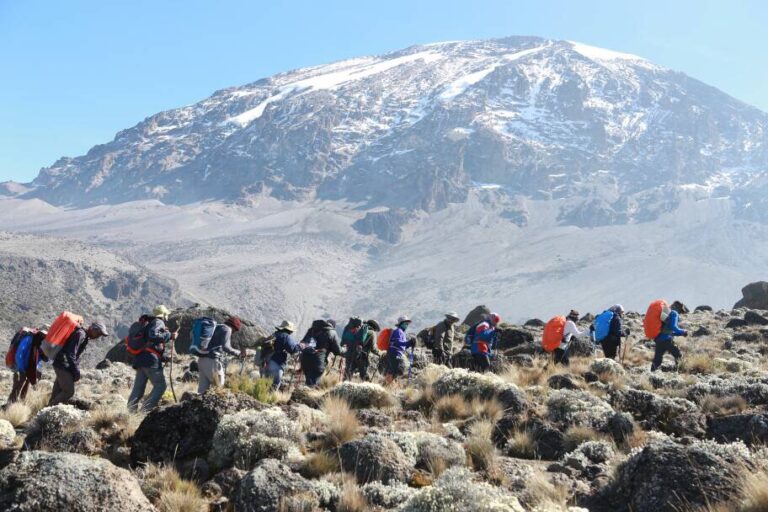
Kilimanjaro Group-Climb Mistakes: Avoid Common Pitfalls For A Successful
This guide details common Kilimanjaro group-climb mistakes, offering practical advice for trekkers aiming for a successful summit. Learn about preparation, acclimatization, gear, and...
View package detailsKilimanjaro Food And Nutrition Mistakes: Avoid These To Summit Successfully
Proper nutrition is crucial for a successful Kilimanjaro climb. This guide details common food and nutrition mistakes climbers make, offering expert advice on what to eat, when to eat it...
View package details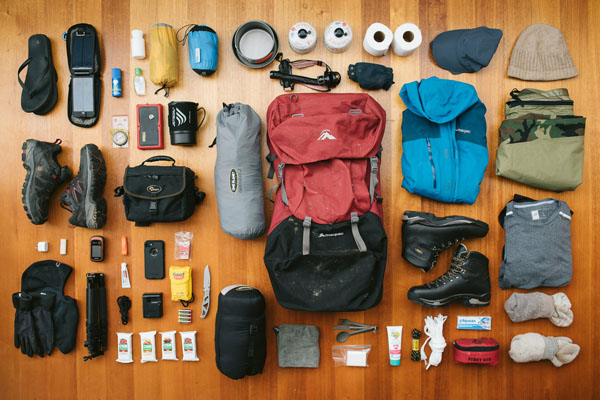
Kilimanjaro Gear-Rental Mistakes To Avoid For Your Climb 2026-2027
Planning a Kilimanjaro climb for 2026 or 2027? Renting gear can save money and hassle, but mistakes are common. This guide details the most frequent errors climbers make when renting...
View package details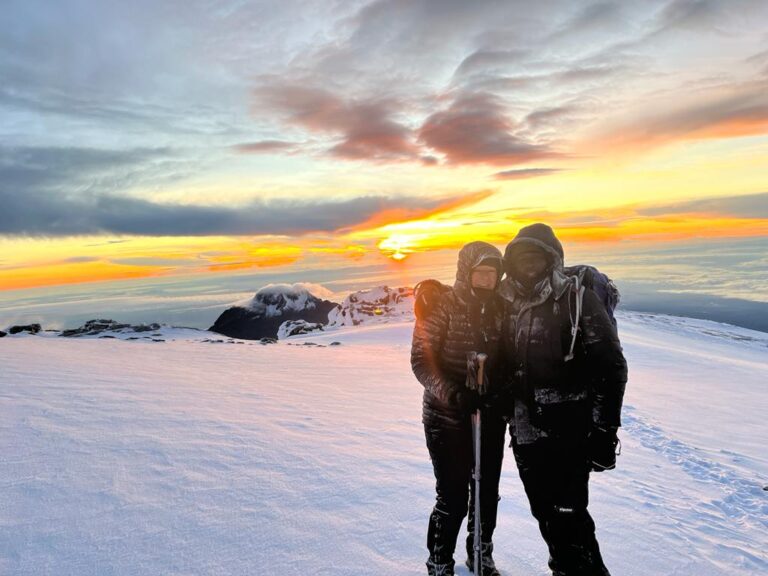
Kilimanjaro Hotel Booking Mistakes: Avoid These Pitfalls For A Smooth Climb
Booking accommodation near Kilimanjaro is crucial for a successful climb. This guide details common Kilimanjaro hotel booking mistakes to help you avoid them, ensuring comfort and readiness...
View package detailsKilimanjaro Flight-Booking Mistakes: Avoid These Pitfalls For Your Climb
Planning your Kilimanjaro climb for 2026 or 2027? Don't let flight booking errors derail your adventure. This guide covers critical mistakes to avoid, from choosing the right airport and...
View package details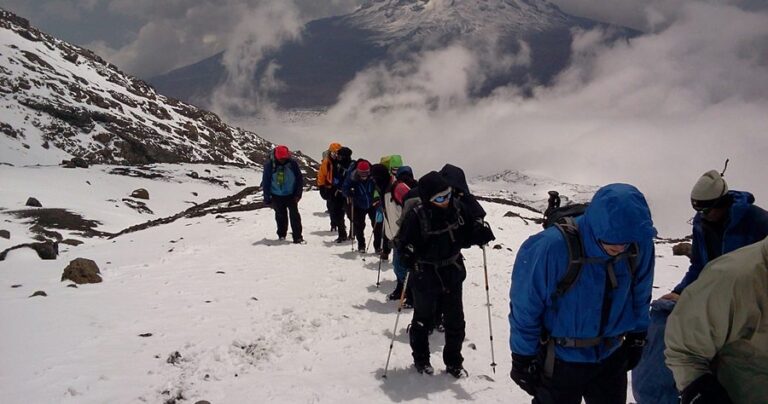
Kilimanjaro Tipping Mistakes And Etiquette: A Comprehensive Guide For Climbers
Navigating Kilimanjaro tipping can be confusing. This guide details common mistakes and proper etiquette for tipping your support crew, ensuring fair compensation and a positive experience...
View package details
Kilimanjaro Insurance Mistakes To Avoid For A Safe Climb In 2026-2027
Climbing Mount Kilimanjaro is a dream for many, but overlooking proper insurance can turn an incredible adventure into a costly disaster. This guide details the most common Kilimanjaro...
View package detailsNo related package matches those filters. Clear one or more filters to see the other topic-matched options.



