
Determining if you are ready for Kilimanjaro involves assessing your physical fitness through consistent aerobic training, ensuring you can endure long days of hiking with significant elevation gain, and confirming your mental fortitude to cope with challenges like altitude sickness, cold, and fatigue. Logistically, readiness means securing necessary funds, booking your climb with a reputable operator for 2026 or 2027, obtaining travel documents, and acquiring appropriate gear.
Understanding the Kilimanjaro Challenge: More Than Just a Hike
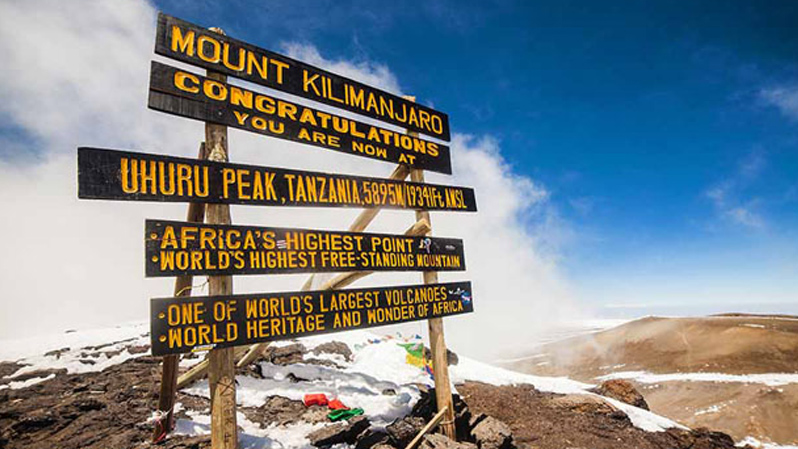
Mount Kilimanjaro, the Roof of Africa, stands as a beacon for trekkers worldwide. Its status as the highest free-standing mountain in the world, and the highest peak in Africa at 5,895 meters (19,341 feet), makes it an alluring goal. However, reaching the summit is far from a simple walk. It’s a serious expedition that demands thorough preparation. Before you even consider booking a trek for 2026 or 2027, you need to honestly evaluate your readiness. This isn’t just about physical strength; it’s a holistic assessment encompassing your physical condition, mental resilience, and logistical preparedness.
Many people dream of standing on Uhuru Peak, gazing out at the vast African landscape. But the journey to that point is arduous. The primary challenge is not the technical difficulty of the climb (there’s no technical climbing involved on standard routes), but rather the extreme altitude. As you ascend, the air becomes thinner, oxygen levels drop significantly, and your body must adapt. This process, known as acclimatization, is crucial for success and safety. Understanding these fundamental challenges is the first step in determining how to know whether you are ready for Kilimanjaro.
Physical Readiness: Building the Foundation for Your Climb
The most obvious component of readiness is physical fitness. Kilimanjaro is not a mountain to be underestimated, even for experienced hikers. While you don’t need to be an elite athlete, a solid level of cardiovascular fitness and muscular endurance is essential. The climb typically takes between 5 to 9 days, depending on the route, involving long hiking days (6-10 hours on most days) with considerable elevation changes.
Cardiovascular Endurance: The Heart of Your Training
Your heart and lungs need to be strong enough to handle sustained exertion at altitude. The best way to build this is through regular aerobic exercise. Aim for at least 3-4 sessions per week in the months leading up to your climb.
- Hiking: This is the most relevant training. Seek out hills and inclines. Practice hiking for several hours at a time, ideally with a weighted backpack to simulate carrying your daypack. Try to replicate the conditions you might face on Kilimanjaro, such as varied terrain and significant ascents.
- Running/Jogging: Excellent for building general cardiovascular fitness. Aim for at least one long-distance run per week.
- Cycling: Both road and stationary cycling are great for leg strength and cardiovascular health.
- Swimming: A good low-impact option that works your entire body and improves lung capacity.
The goal is to comfortably sustain moderate activity for extended periods. If you can easily hike for 4-5 hours with hills, you’re building a good base. For those planning a 2026 Kilimanjaro climb, starting your training now is ideal.
Leg Strength and Endurance: Supporting Your Ascent
Your legs will be doing most of the work, especially on the descents, which can be as tough on your body as the ascents. Strengthening your leg muscles will help prevent fatigue and injury.
- Squats and Lunges: These are fundamental exercises for building leg strength.
- Calf Raises: Important for pushing off during ascents.
- Step-ups: Mimic the action of stepping uphill. Use a bench or sturdy box and vary the height.
- Stair Climbing: An excellent way to build endurance and strength in your legs and cardiovascular system.
Focus on exercises that build endurance as well as strength. Performing higher repetitions with lighter weights or bodyweight can be more beneficial than heavy lifting for this type of endurance activity.
Core Strength: Stability and Support
A strong core (abdominal and back muscles) provides stability, improves posture, and helps prevent lower back pain, especially when carrying a pack for days.
- Planks: Essential for building core endurance.
- Crunches and Leg Raises: Target the abdominal muscles.
- Back Extensions: Strengthen the lower back.
Hiking with a Pack: Simulating the Real Experience
This is perhaps the most critical aspect of physical preparation. You’ll be carrying a daypack with essentials (water, snacks, rain gear, camera) throughout the climb. Your body needs to get accustomed to this weight and the associated posture changes.
- Start with a light pack (5-8 kg) on shorter hikes.
- Gradually increase the weight (up to 10-12 kg) as your fitness improves.
- Ensure your backpack fits well and is comfortable.
If you can comfortably complete a 6-8 hour hike with a moderately weighted pack on varied terrain, you are developing a good level of physical readiness for Kilimanjaro. For those booking for late 2026 or early 2027, consistent training over 6-12 months is highly recommended.
Medical Check-up: A Prudent Step
Before embarking on any strenuous physical challenge, especially one involving high altitude, it’s wise to consult your doctor. Discuss your plans for climbing Kilimanjaro and get a general check-up. This is particularly important if you have any pre-existing health conditions, such as heart problems, respiratory issues, or diabetes.
Your doctor can advise on any specific precautions you might need to take and can help assess your overall health status. They may also offer advice on altitude sickness prevention or treatment, though this is typically managed by your expedition’s guides.
Mental Preparedness: The Unseen Challenge of Altitude
Kilimanjaro is often described as a mental challenge as much as a physical one. The high altitude, potential discomfort, and the sheer length of the trek can test your mental fortitude. Being mentally prepared means understanding what to expect and developing coping strategies.
Understanding Altitude Sickness
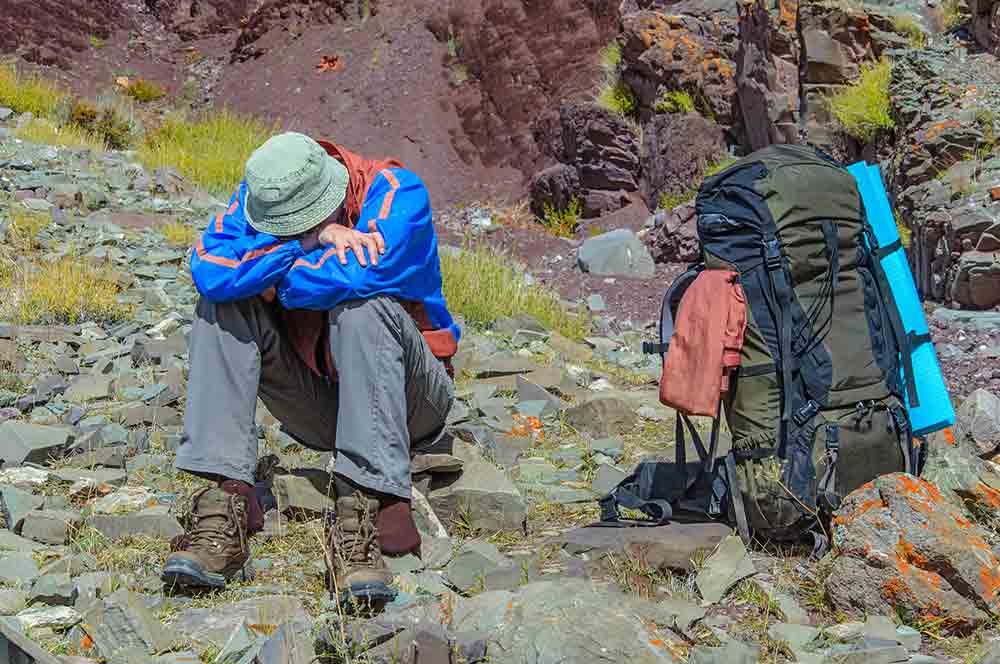
Altitude sickness (Acute Mountain Sickness – AMS) is the most significant risk on Kilimanjaro. Symptoms can range from mild headaches and nausea to severe and life-threatening conditions like High Altitude Cerebral Edema (HACE) and High Altitude Pulmonary Edema (HAPE). Your readiness depends on understanding these risks and being prepared to listen to your body and your guides.
- Symptom Recognition: Know the signs of AMS. Headaches, dizziness, nausea, fatigue, and loss of appetite are common.
- Communication: Be prepared to honestly report any symptoms to your guide, no matter how minor they seem. Your guides are trained to assess these symptoms.
- Acceptance: Understand that you might experience mild symptoms. The key is that they do not worsen, and you descend if they do.
- Patience: Acclimatization is a slow process. You must be patient with your body and the ascent.
Dealing with Discomfort and Fatigue
Even if you avoid significant altitude sickness, you will likely experience discomfort. Days are long, nights can be cold, food might not appeal, and sleep can be difficult. Mental readiness involves accepting these potential hardships and developing strategies to push through.
- Positive Mindset: Focus on the goal and the incredible experience, rather than dwelling on discomfort.
- Break it Down: Focus on reaching the next camp, or even just the next rest stop, rather than the entire climb.
- Embrace the Experience: Kilimanjaro is an adventure. Try to enjoy the unique environment and the camaraderie of your group.
Motivation and Commitment
Why do you want to climb Kilimanjaro? Having a strong, personal motivation will be your anchor when things get tough. Whether it’s a personal challenge, a milestone celebration, or a desire to see the world from a unique vantage point, holding onto that ‘why’ is crucial.
Are you prepared to commit the time and effort to training? Are you mentally tough enough to push through when tired and uncomfortable? If you can answer yes to these questions, you are building significant mental readiness for your Kilimanjaro expedition in 2026-2027.
Logistical Readiness: Planning Your Kilimanjaro Adventure
Beyond physical and mental preparation, being logistically ready ensures a smooth and stress-free experience. This involves planning, booking, and preparing all the necessary practical aspects of your trip.
Choosing Your Route and Operator
This is a critical early decision. Different routes offer varying scenery, acclimatization profiles, and difficulty levels. Popular choices include:
- Marangu Route: Often called the “Coca-Cola” route, it’s the oldest and most straightforward, with huts instead of camping. Success rates can be lower due to poorer acclimatization.
- Machame Route: Known as the “Whiskey” route, it’s very popular due to its scenic beauty and excellent acclimatization profile, leading to higher success rates. It’s camping-based.
- Lemosho Route: Offers spectacular scenery and excellent acclimatization, considered one of the best routes for success. It’s longer and more expensive.
- Shira Route: Similar to Lemosho but starts at a higher altitude.
- Rongai Route: Approaches from the north, drier, and a good option during the rainy seasons.
- Northern Circuit: The longest route, offering the best acclimatization and highest success rates, with a full circuit of the mountain.
Choosing the right route impacts your experience significantly. For a higher chance of success and a more enjoyable journey, consider longer routes like Machame, Lemosho, or Northern Circuit, especially if you are planning for Kilimanjaro 2026.
Selecting a reputable tour operator is paramount. Look for companies with:
- Experienced Guides: Certified, knowledgeable guides who prioritize safety.
- Good Safety Record: Proper emergency protocols and equipment.
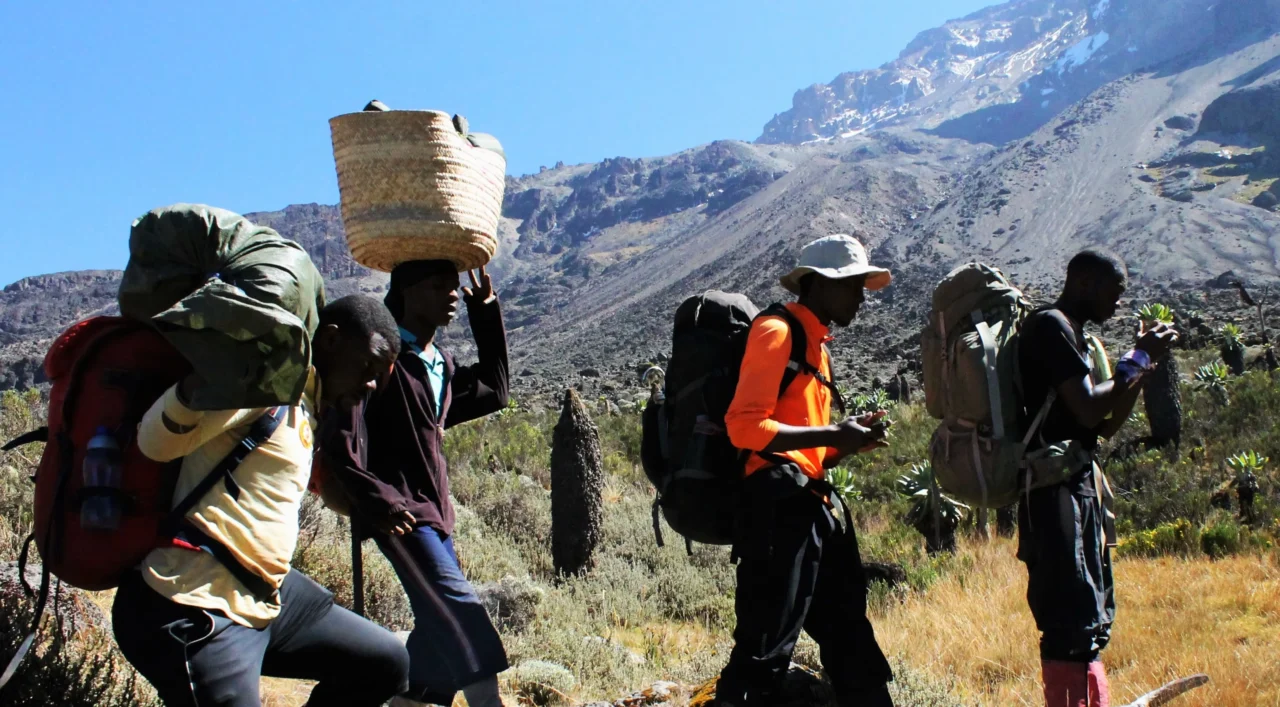
- Ethical Treatment of Porters: Fair wages and good working conditions for the crew.
- Positive Reviews: Check platforms like TripAdvisor.
- Clear Inclusions/Exclusions: Understand what your package covers.
Top Guide Adventures is a trusted local operator in Tanzania, offering comprehensive packages and personalized support for your Kilimanjaro climb. They focus on safety, ethical practices, and ensuring a memorable experience for clients planning their treks for 2026 and 2027.
Budgeting and Costs
Climbing Kilimanjaro is an investment. Costs vary widely based on the route, operator, duration, and inclusions. A typical package might range from $2,000 to $5,000+ per person for a mid-range to premium operator, excluding flights and personal gear.
Key cost components include:
- Park fees (significant portion)
- Camping fees/hut fees
- Guide and porter salaries
- Food and cooking equipment
- Transportation to/from the mountain
- Emergency support (e.g., oxygen cylinders)
Be wary of extremely cheap packages, as they often cut corners on safety, guide pay, or equipment. Ensure your budget accounts for the entire cost, including:
- The climb package itself
- International flights
- Visas
- Travel insurance (mandatory for Kilimanjaro)
- Vaccinations and medications
- Personal climbing gear (rentals are possible)
- Tips for guides and porters (a significant amount, usually $200-$400 per climber)
- Pre/post-climb accommodation and meals
For 2026-2027 climbs, start saving early. A clear understanding of the total financial commitment is essential for readiness.
Travel Documents and Visas
Ensure your passport is valid for at least six months beyond your intended stay in Tanzania and has sufficient blank pages. Most nationalities require a visa for Tanzania. You can often obtain this in advance online or upon arrival at the airport. Check the latest visa requirements for your country well before your trip.
Travel Insurance
Comprehensive travel insurance is non-negotiable for Kilimanjaro. It must cover:
- High-altitude trekking (up to 6,000 meters)
- Emergency medical evacuation (including helicopter rescue)
- Trip cancellation and interruption
Many standard travel insurance policies exclude high-altitude trekking. You will need a specialized policy. Your tour operator will likely require proof of this insurance.
Vaccinations and Health Precautions
Consult your doctor or a travel clinic about recommended vaccinations for Tanzania, such as Yellow Fever (if arriving from a risk country), Typhoid, Hepatitis A, and Tetanus. Malaria prophylaxis is also usually recommended for the lower altitudes. Discuss altitude sickness medication like Diamox (acetazolamide) with your doctor if you are concerned.
Gear and Equipment: Equipping Yourself for Success
Proper gear is crucial for comfort, safety, and success on Kilimanjaro. The mountain experiences a wide range of temperatures and weather conditions, from tropical heat at the base to freezing conditions at the summit. Being ready means having the right clothing and equipment.
Layering System: The Key to Temperature Regulation
The secret to staying comfortable is layering. You’ll add or remove layers as the temperature and your exertion level change.
- Base Layer: Moisture-wicking thermal underwear (merino wool or synthetic) to keep you dry. Avoid cotton.
- Mid Layer: Insulating layers like fleece jackets or down vests for warmth.
- Outer Layer (Shell): Waterproof and windproof jacket and trousers to protect against rain, wind, and snow.
Essential Clothing Items
- Hiking Boots: Broken-in, waterproof, sturdy hiking boots with good ankle support. This is arguably the most important piece of gear.
- Camp Shoes/Sandals: For relaxing at camp.
- Socks: Several pairs of warm, moisture-wicking hiking socks (wool blend).
- Trekking Trousers: Comfortable, quick-drying hiking trousers (not jeans).
- Warm Trousers: Fleece-lined or insulated trousers for colder sections.
- T-shirts and Long-Sleeve Shirts: Moisture-wicking fabrics.
- Fleece Jacket or Pullover: For insulation.
- Insulated Jacket: A warm down or synthetic jacket for evenings and summit night.
- Waterproof/Windproof Jacket and Trousers: Essential for unpredictable weather.
Headwear and Handwear
- Warm Hat: Wool or fleece, covering your ears.
- Sun Hat: With a wide brim for sun protection.
- Balaclava or Buff: For face protection against wind and cold.
- Gloves: A pair of warm, waterproof gloves or mittens. Thin liner gloves can also be useful.
Sleeping Gear
- Sleeping Bag: A 4-season bag rated to at least -10°C (15°F) is recommended. Many operators offer rentals.
- Sleeping Bag Liner: Adds warmth and keeps your bag clean.
Backpack and Duffel Bag
- Daypack: 30-40 liters, comfortable for carrying essentials.
- Duffel Bag: 80-100 liters, waterproof, for your main gear that porters will carry.
Other Crucial Items
- Water Bottles/Hydration Reservoir: At least 3 liters capacity.
- Water Purification Tablets/Filter: As a backup.
- Headlamp: With extra batteries. Essential for night hiking and camp.
- Sunglasses: High UV protection.
- Sunscreen: High SPF.
- Lip Balm: With SPF.
- Personal First-Aid Kit: Including blister treatment, pain relievers, and any personal medications.
- Toiletries: Biodegradable soap, toothbrush, toothpaste, wet wipes.
- Trekking Poles: Highly recommended for reducing strain on knees, especially on descents.
- Camera: With extra batteries and memory cards.
- Power Bank: For charging electronics.
- Snacks: Energy bars, nuts, dried fruit.
Many operators, including Top Guide Adventures, offer gear rental services for items like sleeping bags and trekking poles. This can be a cost-effective option if you don’t plan to use the gear again. Confirm what is included in your package and what you need to bring or rent for your 2026-2027 Kilimanjaro climb.
Assessing Your Readiness: A Personal Checklist
To help you consolidate your thoughts, here’s a checklist to gauge your readiness. Be honest with yourself:
Kilimanjaro Readiness Checklist
- Physical Training: Have you been consistently training for at least 3-6 months?
- Endurance Hiking: Can you comfortably hike for 4-6 hours with elevation changes?
- Leg Strength: Do your legs feel strong and capable of sustained effort?
- Core Strength: Do you have good core stability?
- Altitude Awareness: Do you understand the risks of altitude sickness and how to manage them?
- Mental Toughness: Are you prepared for discomfort, cold, and fatigue?
- Motivation: Do you have a strong personal reason for wanting to climb Kilimanjaro?
- Budget: Have you accounted for all costs, including flights, insurance, gear, and tips?
- Time Commitment: Have you allocated sufficient time for training, travel, and the climb itself?
- Documentation: Is your passport valid and do you have visa requirements sorted?
- Insurance: Do you have specialized travel insurance covering high-altitude evacuation?
- Gear: Do you have, or can you arrange, the essential gear required for the climb?
- Operator Choice: Have you selected a reputable and experienced tour operator?
- Health: Have you consulted a doctor regarding your fitness for high-altitude trekking?
If you can tick off most of these points, you are likely well on your way to being ready for Kilimanjaro. If there are areas where you feel unprepared, use this as a guide to focus your efforts in the remaining time before your planned 2026 or 2027 expedition.
When Are You NOT Ready for Kilimanjaro?
Conversely, it’s crucial to recognize when you might *not* be ready. Pushing yourself beyond your limits without proper preparation can lead to serious health risks and a failed summit attempt.
- Severe Pre-existing Medical Conditions: Certain heart, lung, or circulatory conditions may make high-altitude trekking too risky. Always consult your doctor.
- Lack of Consistent Training: If you’ve only recently started thinking about fitness or have a history of inactivity, Kilimanjaro is likely too ambitious for your immediate plans.
- Poor Acclimatization Knowledge: If you dismiss altitude sickness as a minor issue or aren’t prepared to follow descent protocols, you are not ready.
- Financial Strain: If the cost of the climb, insurance, and gear would put you under significant financial stress, it’s better to postpone.
- Fear of Discomfort: While everyone dislikes discomfort, if the thought of being cold, tired, and potentially unwell fills you with dread and you’re unwilling to manage it, you might struggle mentally.
- Insufficient Time: If your trip is only a few weeks away and you haven’t trained, booked insurance, or acquired gear, you are not ready.
Recognizing these signs is a sign of maturity and good judgment. It’s always better to postpone and prepare adequately than to attempt the climb unprepared.
Optimizing Your Readiness: Tips for 2026-2027 Climbers
To maximize your chances of success and enjoyment, consider these additional tips for those planning their climb for 2026 or 2027:
Key Readiness Enhancers:
- Choose a Longer Route: Routes like Lemosho, Machame, or the Northern Circuit offer better acclimatization profiles, significantly increasing your success rate and overall experience.
- Go Slow (Pole Pole): This Swahili phrase means “slowly, slowly.” It’s the mantra on Kilimanjaro. Walk slowly, talk slowly, and let your body acclimatize.
- Hydrate Relentlessly: Drink 4-5 liters of water per day. Dehydration exacerbates altitude sickness.
- Eat Well: Even if your appetite is suppressed, try to eat the provided meals and carry snacks you enjoy.
- Sleep When You Can: Rest is crucial for recovery and acclimatization.
- Listen to Your Body: Pay attention to any symptoms and communicate them to your guide immediately.
- Trust Your Guides: Your guides are experienced professionals. Follow their advice implicitly, especially regarding pace and health.
- Practice with Your Gear: Test your boots, backpack, and clothing layers on training hikes to ensure comfort and functionality.
The Role of Top Guide Adventures in Your Readiness
As a leading Tanzanian tour operator, Top Guide Adventures is committed to helping you achieve your Kilimanjaro dream safely and successfully. We understand the nuances of preparing for this incredible mountain and provide:
- Expert Advice: Our team can guide you in selecting the best route for your fitness level and preferences for your 2026-2027 climb.
- Safety First Approach: We employ highly trained guides with extensive experience in high-altitude rescue and management of altitude sickness. We carry essential safety equipment, including oxygen.
- Quality Equipment: We ensure our crew is well-equipped and can advise on your personal gear needs. We also offer rentals for key items.
- Logistical Support: From airport transfers to pre- and post-climb accommodation, we handle the details so you can focus on your preparation and the climb itself.
- Ethical Operations: We are proud of our fair treatment of porters and guides, ensuring a positive experience for our entire team.
We encourage potential climbers to reach out with any questions regarding their readiness. Our goal is to ensure you are as prepared as possible for this life-changing adventure.
Final Thoughts on Your Kilimanjaro Journey
Climbing Mount Kilimanjaro is a remarkable achievement that requires dedication and preparation. By honestly assessing your physical condition, mental resilience, and logistical planning, you can confidently determine if you are ready for this challenge. The key is thorough preparation, a respectful approach to the mountain’s altitude, and choosing the right support system.
For those targeting a climb in 2026 or 2027, the time to start preparing is now. Focus on consistent training, educate yourself about altitude sickness, and select a reputable operator like Top Guide Adventures who prioritizes your safety and success. With the right preparation, the dream of standing on the roof of Africa can become a reality.
Ready to take the next step? Contact us for personalized advice and to start planning your unforgettable Kilimanjaro adventure. You can reach us via WhatsApp at +255616946642 or email us at topguideadventures@gmail.com. For backup inquiries, use info@topguideadventures.com.
Check Availability for How To Know Whether You Are Ready For Kilimanjaro: A Comprehensive Guide
Ready to compare dates, prices, and the best option for your group? Send the package name and travel month so the team can reply with a clear quote, availability, and what is included.
30 Things To Know Before Booking Kilimanjaro: Your Expert Guide For Climbs
Your ultimate checklist for booking a Kilimanjaro climb in 2026-2027. This guide covers everything from choosing the right route and understanding costs to essential gear and preparation...
View package details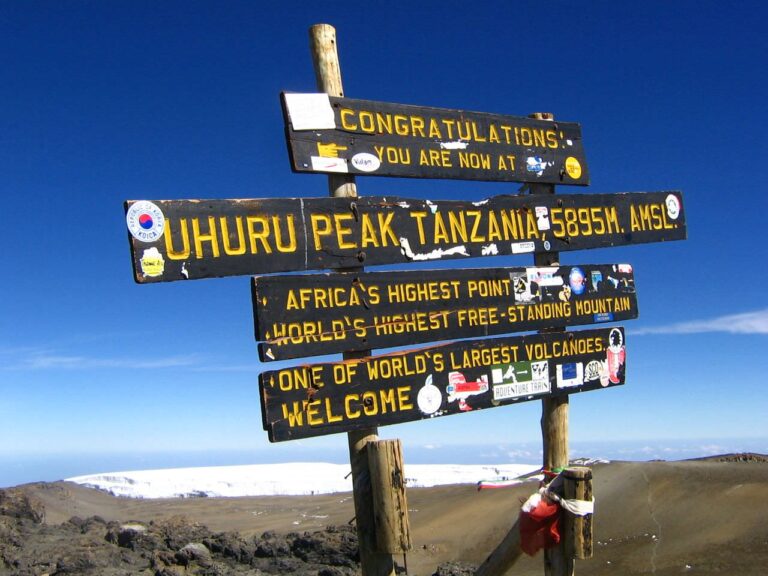
What Does Kilimanjaro Rainforest Look Like? A Trekkers Visual Guide 2026-2027
The Kilimanjaro rainforest is a vibrant, humid zone of dense vegetation, towering trees, and diverse plant life found on the mountain's lower slopes. It's the first major ecosystem trekkers...
View package details
Kilimanjaro Climb With A Personal Support Assistant: Your Ultimate Guide
Climbing Mount Kilimanjaro with a personal support assistant offers unparalleled safety, comfort, and focus on your summit goals. This guide details what a personal assistant entails, its...
View package details
Kilimanjaro Hydration Mistakes Climbers Make And How To Avoid Them 2026-2027
Proper hydration is critical for a successful Kilimanjaro climb. This guide details common hydration mistakes climbers make, from under-drinking to choosing the wrong fluids, and provides...
View package details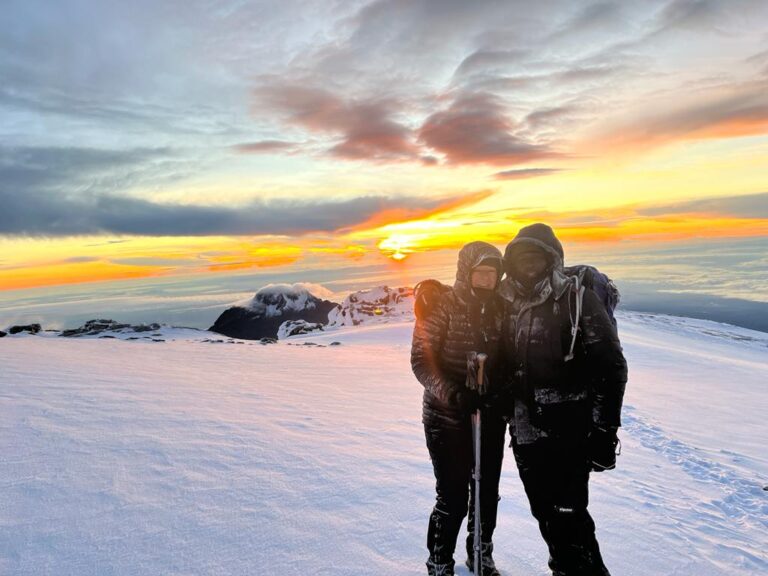
Kilimanjaro Altitude-Sickness Mistakes 2026-2027
Kilimanjaro Altitude-Sickness Mistakes is explained with current 2026-2027 planning, price, itinerary and booking information.
View package details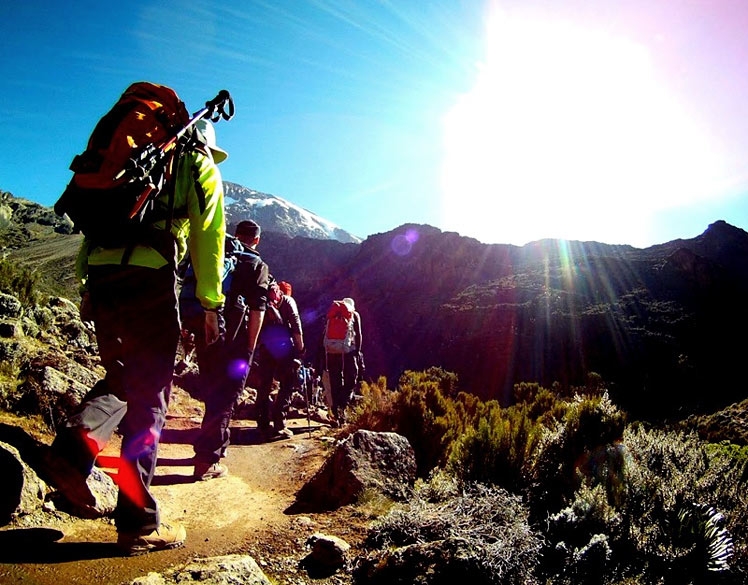
Kilimanjaro Summit-Night Mistakes To Avoid: Your Essential Guide For Climbs
Summit night on Kilimanjaro is the most challenging part of the climb. Avoiding common mistakes in acclimatization, gear, hydration, and pacing is crucial for success. This guide details...
View package details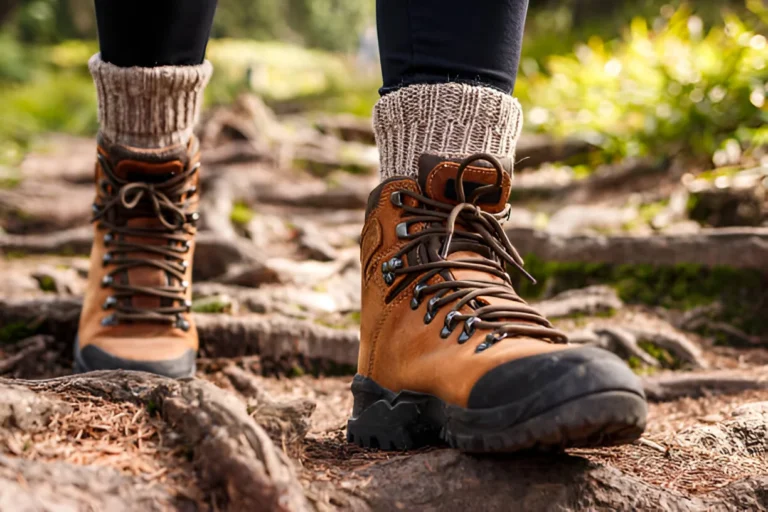
Kilimanjaro Training Mistakes That Reduce Summit Success 2026-2027
Kilimanjaro Training Mistakes that Reduce Summit Success is explained with current 2026-2027 planning, price, itinerary and booking information.
View package details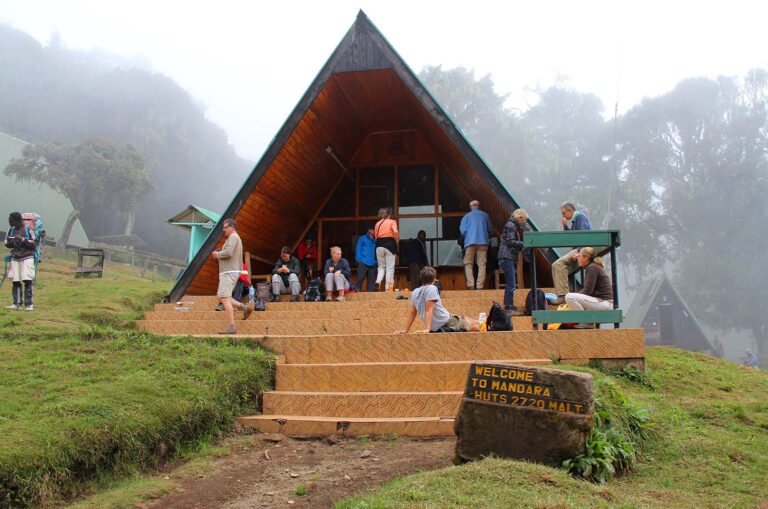
Kilimanjaro Personal Porter Vs Standard Support 2026-2027
Kilimanjaro Personal Porter vs Standard Porter Support is explained with current 2026-2027 planning, price, itinerary and booking information.
View package details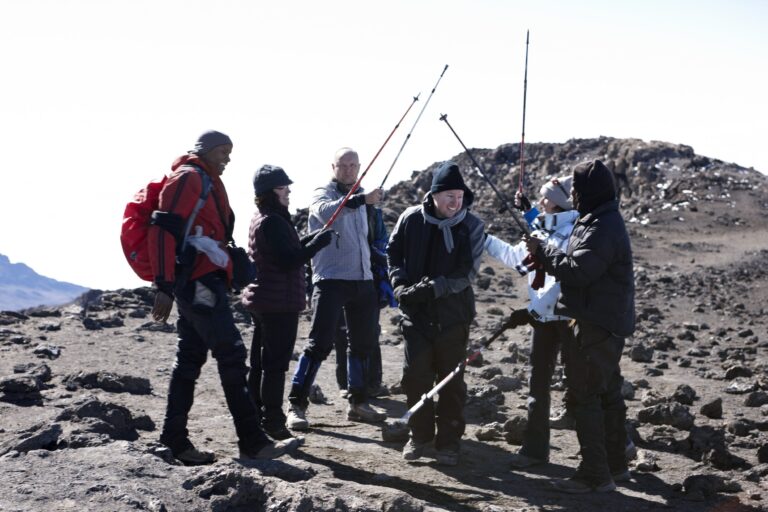
Kilimanjaro Airport Vs Arusha For Climbers: The Definitive Guide 2026-2027
A comprehensive comparison of Kilimanjaro International Airport (JRO) and Arusha Airport (ARK) for trekkers planning a Mount Kilimanjaro climb, detailing pros, cons, and booking advice for...
View package details
Kilimanjaro Climb For Retired Couples: Planning Your Adventure 2026-2027
Planning a Kilimanjaro climb as a retired couple is an achievable and rewarding goal. This guide offers in-depth advice on route selection, physical preparation, essential gear, and the...
View package details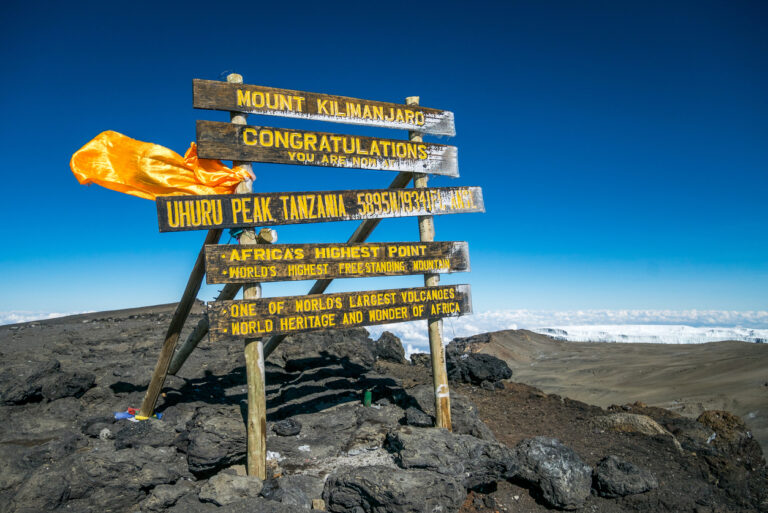
Kilimanjaro Training Plan For Climbers Over 60 2026-2027
Kilimanjaro Training Plan for Climbers over 60 is explained with current 2026-2027 planning, price, itinerary and booking information.
View package details
Can A 16-Year-Old Climb Kilimanjaro? Your Essential Guide 2026-2027
Discover if a 16-year-old can summit Kilimanjaro. This comprehensive guide covers age requirements, health, fitness, essential gear, and planning for younger trekkers aiming for Africa's...
View package detailsNo related package matches those filters. Clear one or more filters to see the other topic-matched options.



