
The deposit required for a Kilimanjaro climb typically ranges from 10% to 30% of the total trek cost. This initial payment secures your booking, reserves your preferred dates for 2026 or 2027, and allows the tour operator to begin essential preparations, such as permits and logistics. The remaining balance is usually due closer to your departure date, often 30 to 60 days before you start your climb.
Understanding the Kilimanjaro Climb Deposit: Your First Step to the Summit
Summiting Mount Kilimanjaro is a dream for many adventurers, a bucket-list achievement that demands careful planning and preparation. As you envision standing on the roof of Africa, one of the first practical questions that arises is: How much deposit is required for Kilimanjaro? This initial financial commitment is crucial for confirming your booking and ensuring a smooth journey from planning to summit. At Top Guide Adventures, we believe in transparency and clarity, so let’s break down what you can expect regarding deposits for your Kilimanjaro climb in 2026 and 2027.
The deposit serves several key purposes. Primarily, it signifies your commitment to the trek, allowing tour operators like us to allocate resources, secure necessary permits, and arrange guides and support staff. It also helps in managing cash flow for the extensive logistical arrangements that go into a successful Kilimanjaro expedition. While the exact percentage can vary slightly between operators, a standard range for a Kilimanjaro trek deposit is usually between 10% and 30% of the total package price.
Why a Deposit is Essential for Your Kilimanjaro Booking
Securing your Kilimanjaro climb involves more than just choosing a route and dates. The deposit is your tangible commitment, and for tour operators, it’s the trigger for a cascade of essential pre-expedition activities:
- Permit Acquisition: The Kilimanjaro National Park Authority requires permits for all climbers. These are often purchased in advance, and the deposit helps cover these upfront costs. For popular climbing seasons in 2026 and 2027, securing permits early is vital.
- Logistical Planning: Guides, porters, cooks, and support vehicles need to be booked well in advance, especially for peak seasons. Your deposit ensures these vital team members are confirmed for your trek.
- Resource Allocation: Your deposit allows operators to procure food supplies, camping equipment, and other necessary gear, ensuring everything is ready for your expedition.
- Date Reservation: By paying a deposit, you secure your chosen climbing dates, preventing them from being booked by other adventurers looking to climb Kilimanjaro in 2026 or 2027.
Typical Deposit Percentages and What They Cover
At Top Guide Adventures, we strive to make the booking process as straightforward as possible. For most of our Kilimanjaro packages, the deposit amount is calculated as a percentage of the total trek cost. This approach ensures that the deposit amount is proportional to the overall investment in your climb.
Standard Deposit Range:
- 10% Deposit: Some operators may offer a lower deposit, particularly for bookings made far in advance or during off-peak seasons. This is a good option if you want to secure your spot with a smaller initial outlay.
- 20% Deposit: This is a very common and balanced requirement, providing a solid commitment without being overly burdensome.
- 30% Deposit: A higher deposit might be requested by some operators, especially for private climbs or during extremely high demand periods in 2026-2027. This can sometimes indicate a more comprehensive inclusion list or premium service.
What your deposit typically covers:
- Reservation of your chosen dates and route.
- Advance purchase of Kilimanjaro National Park entry fees and camping/hut fees. These are substantial costs and are usually non-refundable once purchased by the operator.
- Initial booking confirmation with guides and support crew.
- Administrative costs associated with setting up your expedition.
It’s important to note that the deposit is generally non-refundable once paid, as it’s used to cover these immediate, non-recoverable costs. Always review the specific terms and conditions of your tour operator regarding deposit refunds and cancellations.
Important Consideration for 2026-2027 Climbs
As you plan your Kilimanjaro climb for 2026 or 2027, be aware that permit costs and park fees are subject to change. While tour operators do their best to provide accurate pricing, significant increases by the park authorities could potentially impact the final cost and, by extension, the deposit amount required. We always advise clients to book with trusted operators who communicate any potential changes transparently.
Factors Influencing the Kilimanjaro Deposit Amount
While a general range exists, the specific deposit amount requested for your Kilimanjaro climb can be influenced by several factors. Understanding these can help you better budget and prepare for your expedition.
Operator Policies
Each tour company has its own financial management strategies and risk assessment policies. Some may require a larger deposit to cover higher upfront costs or to ensure a stronger commitment from clients, especially when dealing with international bookings for 2026-2027. Others might offer more flexible deposit terms.
Type of Climb (Group vs. Private)
Booking a spot on a group climb often comes with a slightly lower deposit requirement compared to a private climb. Group departures have shared logistical costs, making the initial financial outlay for the operator less per person. For a private climb, where you have dedicated guides, crew, and potentially a custom itinerary, the operator incurs higher fixed costs from the outset, which may be reflected in a larger deposit.
Inclusions in the Package
The total cost of your Kilimanjaro trek is heavily dependent on what is included. Packages that offer more comprehensive services – such as higher quality accommodation before and after the climb, extra acclimatization days, private vehicle transfers, or higher-end equipment – will naturally have a higher overall price. Consequently, the deposit, being a percentage of this total, will also be higher.
Timing of the Booking
Booking very far in advance for peak seasons in 2026 or 2027 might sometimes involve different deposit structures, though typically the percentage remains consistent. Last-minute bookings might sometimes require a larger deposit or full payment upfront due to the compressed timeline for arrangements.
Route Choice
While most operators charge a standard deposit percentage across all routes, the total cost of longer routes (like the Lemosho or Northern Circuit) is higher than shorter ones (like Marangu or Rongai). Therefore, the deposit for these longer, more expensive routes will also be a larger sum in absolute terms, even if the percentage is the same.
When is the Kilimanjaro Deposit Due?
The deposit is typically the first payment required once you have decided on your tour operator and chosen your climbing dates. After receiving your booking confirmation and invoice, you’ll usually have a specified period, often 7 to 14 days, to submit your deposit to secure your booking.
Payment Methods for Deposits:
Reputable tour operators will offer secure and convenient payment methods. Common options include:
- Bank Transfer: A direct transfer to the company’s bank account. This is a standard method, especially for international payments. Ensure you confirm the account details carefully.
- Online Payment Platforms: Services like PayPal or Stripe may be offered for easier online transactions, though they sometimes incur small processing fees.
- Credit/Debit Card Payments: Some operators accept card payments, either online or over the phone. Be mindful of any transaction fees.
At Top Guide Adventures, we facilitate secure payments via bank transfer or online platforms to ensure your booking is confirmed promptly and safely for your 2026-2027 Kilimanjaro adventure.
The Remaining Balance: What to Expect
Paying the deposit is just the first step. The remaining balance of your Kilimanjaro climb cost needs to be settled before your departure. The timeline for this final payment is also a critical part of your budgeting and planning.
Typical Due Date for the Balance
Most tour operators require the full balance payment between 30 to 60 days before your scheduled climb date. This allows them sufficient time to finalize all arrangements, purchase final permits if needed, and ensure all logistical aspects are in place. For example, if your climb is scheduled for August 15, 2026, you might be expected to pay the balance by July 15, 2026, or even June 15, 2026.
Why this timeline?
- Permit Expiry and Re-issuance: Some permits might have specific validity periods, and operators need to ensure they are current.
- Logistics Finalization: Confirming crew numbers, food supplies, and transportation close to the date helps manage resources effectively.
- Financial Planning: This timeframe allows operators to meet their own financial obligations to suppliers and park authorities.
What if I Book Last Minute?
If you decide to book your Kilimanjaro climb for 2026 or 2027 on shorter notice, the payment terms might be adjusted. For bookings made within the final balance payment window (e.g., less than 60 days before departure), you will likely be required to pay the full tour cost upfront, including the deposit amount, to secure your spot and allow for immediate arrangements.
Kilimanjaro Deposit & Balance Payment Summary
Deposit: Typically 10%-30% of total trek cost. Due upon booking confirmation.
Balance: Remaining 70%-90%. Usually due 30-60 days before departure.
Last-Minute Bookings: Full payment (deposit + balance) often required upfront.
Note: Always confirm specific payment schedules and terms with your chosen tour operator.
Is the Kilimanjaro Deposit Refundable?
This is a crucial question for anyone planning a significant trip like climbing Kilimanjaro. Generally, the deposit paid to secure your Kilimanjaro climb is non-refundable. This is because, as soon as you pay your deposit, tour operators begin incurring costs and making non-refundable bookings on your behalf.
Reasons for Non-Refundability:
- Permit Purchases: Kilimanjaro National Park permits are often purchased immediately after a deposit is received and are usually non-transferable and non-refundable.
- Pre-booked Services: Guides, porters, and accommodation might be reserved, and cancellation policies with these providers can be strict.
- Administrative Costs: The operator invests time and resources into planning your specific expedition.
What if I need to cancel or postpone?
While the deposit itself is typically non-refundable, your options for cancellation or postponement depend entirely on the tour operator’s specific terms and conditions. Some operators may offer:
- Date Transfers: You might be able to transfer your booking to a different date, potentially for a future season like late 2026 or 2027, possibly with an administrative fee.
- Credit Towards Future Trips: In some cases, the deposit might be held as credit for a future booking with the same company.
- Partial Refunds (Rare): Very rarely, if cancellation occurs very far in advance and before significant bookings have been made, a partial refund might be considered, but this is not standard practice.
Travel Insurance is Key:
For this reason, we strongly recommend purchasing comprehensive travel insurance that includes trip cancellation and interruption coverage. This insurance can protect your investment, including your deposit and balance payments, in case unforeseen circumstances prevent you from undertaking your climb. Ensure your policy covers high-altitude trekking and medical evacuation.
Key Takeaways on Deposit Refundability:
- Deposit is generally non-refundable.
- Costs incurred by the operator (permits, bookings) are immediate.
- Check specific operator’s T&Cs for cancellation/postponement policies.
- Purchase comprehensive travel insurance.
How Top Guide Adventures Handles Kilimanjaro Deposits for 2026-2027
At Top Guide Adventures, we aim to provide a clear and supportive booking experience for your Kilimanjaro climb. We understand that planning a trek of this magnitude requires trust and transparency, especially concerning financial commitments like deposits.
Our Deposit Policy:
- Standard Deposit: For most of our Kilimanjaro packages, we require a 20% deposit of the total trek cost. This allows us to secure your preferred dates and routes for 2026 and 2027, and immediately begin the process of obtaining necessary permits and confirming your expedition team.
- When is it Due? The 20% deposit is requested upon confirmation of your booking. We will provide you with a detailed invoice outlining the deposit amount and payment instructions.
- What it Secures: This deposit guarantees your spot on your chosen climb, reserves your dates, and initiates the procurement of your park entry and camping/hut fees.
Balance Payment:
- The remaining 80% balance is typically due 45 days prior to your expedition start date. This allows us ample time to finalize all logistical arrangements, including food, equipment, and crew coordination, ensuring a smooth experience for you.
- We will send you a reminder email as the balance due date approaches.
Flexibility and Support:
- We understand that plans can change. While deposits are generally non-refundable due to upfront costs, we are committed to working with our clients. If you need to postpone your climb, please contact us as soon as possible. We will assess the situation and explore options for rescheduling your trek for a future date, potentially in late 2026 or 2027, depending on availability and any applicable fees.
- We encourage all our clients to secure comprehensive travel insurance to cover any unforeseen circumstances.
Payment Methods:
- We accept payments via secure bank transfer and through reliable online payment platforms. Full details will be provided on your booking invoice.
For any specific questions regarding deposits, balances, or payment terms for your 2026-2027 Kilimanjaro climb, please do not hesitate to reach out to our team.
Comparing Deposit Requirements: What to Look For
When comparing different tour operators for your Kilimanjaro climb, the deposit requirement is an important detail to scrutinize. While the percentage might seem straightforward, understanding the context can save you from potential issues down the line.
Key comparison points for deposits:
- Percentage: Is it 10%, 20%, or 30%? A lower percentage might seem appealing initially, but ensure it still covers essential upfront costs for the operator. A very low deposit could sometimes indicate fewer inclusions or a less robust operational structure.
- Total Package Price: Always compare the deposit as a percentage of the total cost. A 20% deposit on a $3,000 package is $600, while a 30% deposit on a $2,500 package is $750. Ensure the total price is competitive and includes what you need.
- What the Deposit Covers: Does the operator clearly state that the deposit helps secure permits? This is a good sign of transparency.
- Payment Schedule for Balance: When is the remaining balance due? A longer period between the deposit and the final payment can be beneficial for budgeting.
- Cancellation & Refund Policy: This is paramount. Understand what happens to your deposit if you need to cancel or postpone. Look for operators who offer flexibility or clear terms.
- Inclusions vs. Price: A higher deposit might be justified if the package includes more services (e.g., higher quality gear, more experienced guides, better pre/post-climb accommodation).
Example Scenario:
Operator A: 15% deposit on a $3,200 package. Deposit = $480. Balance due 60 days prior.
Operator B: 25% deposit on a $2,900 package. Deposit = $725. Balance due 30 days prior.
In this example, Operator B requires a higher initial deposit. However, their total package price is lower. You need to weigh the deposit amount against the overall value and the operator’s reputation and inclusions. For your 2026-2027 climb, consider the total financial commitment and the operator’s reliability.
Budgeting for Your Kilimanjaro Climb: Beyond the Deposit
While understanding the deposit is key, it’s just one piece of the financial puzzle for your Kilimanjaro adventure. Effective budgeting requires looking at the entire cost spectrum.
Core Trekking Costs
- Tour Operator Package: This is the largest component and includes guides, porters, cooks, park fees, camping equipment, food, and usually accommodation before and after the climb. The deposit and balance payments go towards this.
- Flights: International flights to Kilimanjaro International Airport (JRO) are a significant cost and vary greatly depending on your origin and booking time.
- Visas: If required for Tanzania, factor in the visa cost.
- Travel Insurance: As mentioned, this is essential and can range from $100 to $500+ depending on coverage.
Additional Expenses to Consider
- Tips for Crew: Tipping your guides, porters, and cooks is customary and expected. This can add up to several hundred dollars per climber. Operators usually provide guidelines for tipping.
- Personal Gear: You’ll need specialized clothing and equipment (e.g., waterproof jacket and trousers, thermal layers, hiking boots, sleeping bag, headlamp). While some can be rented, many prefer to purchase their own.
- Pre/Post-Trek Accommodation: If you extend your stay in Tanzania or require extra nights at the hotel before/after the trek, this is an additional cost.
- Vaccinations and Medications: Consult your doctor about necessary vaccinations and malaria precautions.
- Personal Expenses: Souvenirs, extra snacks, drinks, and communication costs (like SIM cards).
- Optional Activities: If you plan to go on a safari before or after your climb, or visit Zanzibar, these are separate costs.
Budgeting for 2026-2027:
When planning for 2026 or 2027, it’s wise to add a buffer of 10-15% to your initial estimates to account for potential price increases in flights, services, or park fees. Research current costs for flights and gear, and get detailed quotes from tour operators for the trek itself.
Pro Tip for Budgeting:
Get a detailed quote from your chosen operator that clearly outlines all inclusions and exclusions. This will help you accurately estimate the balance payment and identify potential extra costs like crew tips and personal gear, ensuring you have a realistic budget for your entire Kilimanjaro experience.
Frequently Asked Questions About Kilimanjaro Deposits
Here are some common questions we receive regarding the deposit required for a Kilimanjaro climb:
Q1: What is the average total cost of a Kilimanjaro climb in 2026-2027?
The total cost for a Kilimanjaro climb with a reputable operator typically ranges from $2,000 to $4,500 USD per person, depending on the route, duration, operator’s inclusions, and service level. Shorter routes like Marangu or Machame will be at the lower end, while longer routes like Lemosho or Northern Circuit, or private climbs, will be at the higher end.
Q2: Can I pay the full amount upfront instead of a deposit?
Yes, most operators allow you to pay the full amount upfront if you prefer. This can simplify your payment schedule. However, the deposit is still the initial step to secure your booking and initiate preparations.
Q3: Are park fees included in the deposit?
Park fees are a significant part of the total trek cost. While the deposit helps the operator cover these upfront costs, the full amount of park fees is typically factored into the total package price, with the deposit contributing to the initial outlay for these fees.
Q4: What happens if the park fees increase after I pay my deposit?
Reputable operators will clearly state their policy on potential price increases. Some may absorb minor increases, while others might pass them on, especially if the increase is substantial and announced by the park authorities. This is another reason to book with a transparent company and to consider travel insurance.
Q5: How far in advance should I book my Kilimanjaro climb for 2026-2027?
For peak seasons (January-March and June-October), it’s advisable to book 6 to 12 months in advance, especially for 2026 and 2027, to secure your preferred dates and routes. For off-peak seasons, 3 to 6 months might suffice, but early booking is always recommended.
Making Your Kilimanjaro Dream a Reality with Top Guide Adventures
Climbing Mount Kilimanjaro is an extraordinary adventure that requires careful planning, from understanding the financial commitments like the required deposit to preparing for the physical challenges. At Top Guide Adventures, we are dedicated to making your journey as smooth and memorable as possible.
We offer a range of Kilimanjaro packages designed to suit different preferences and budgets, all operated with the highest standards of safety, professionalism, and care. Our experienced guides and support crew are passionate about helping you achieve your summit goal while ensuring a responsible and enjoyable trekking experience.
Ready to take the first step?
Contact us today to discuss your dream Kilimanjaro climb for 2026 or 2027. We can provide detailed quotes, answer all your questions about deposits, payment schedules, routes, and preparations. Let us help you plan an unforgettable expedition to the roof of Africa.
Reach out to our team:
- WhatsApp: +255616946642
- Email: topguideadventures@gmail.com
- Backup Email: info@topguideadventures.com
Visit our website www.topguideadventures.com to explore our offerings and learn more about preparing for your Kilimanjaro adventure. We look forward to helping you conquer Kilimanjaro!
Check Availability for How Much Deposit Is Required For Kilimanjaro? | Top Guide Adventures…
Ready to compare dates, prices, and the best option for your group? Send the package name and travel month so the team can reply with a clear quote, availability, and what is included.
What To Check Before Paying A Kilimanjaro Deposit In 2026-2027
Planning to climb Kilimanjaro? Learn what crucial details to verify before paying your deposit to ensure a safe, successful, and well-organized trek in 2026 or 2027.
View package details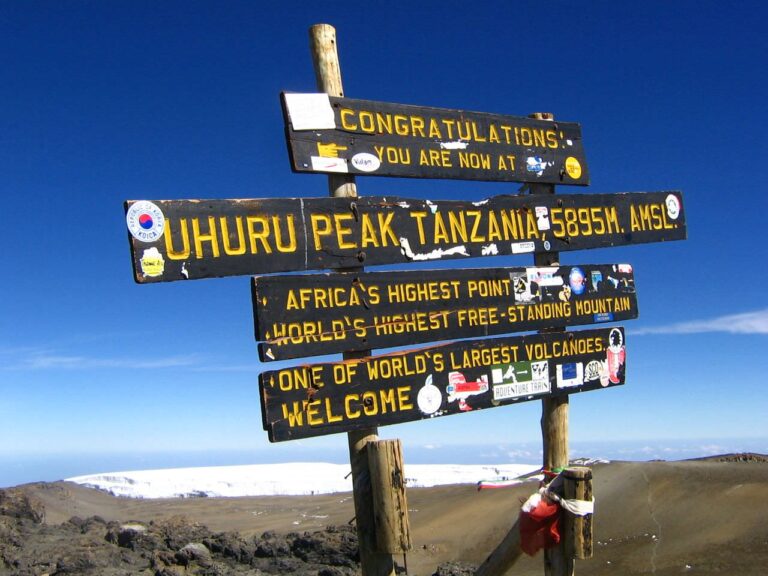
What Does Kilimanjaro Rainforest Look Like? A Trekkers Visual Guide 2026-2027
The Kilimanjaro rainforest is a vibrant, humid zone of dense vegetation, towering trees, and diverse plant life found on the mountain's lower slopes. It's the first major ecosystem trekkers...
View package details
Kilimanjaro Climb With A Personal Support Assistant: Your Ultimate Guide
Climbing Mount Kilimanjaro with a personal support assistant offers unparalleled safety, comfort, and focus on your summit goals. This guide details what a personal assistant entails, its...
View package details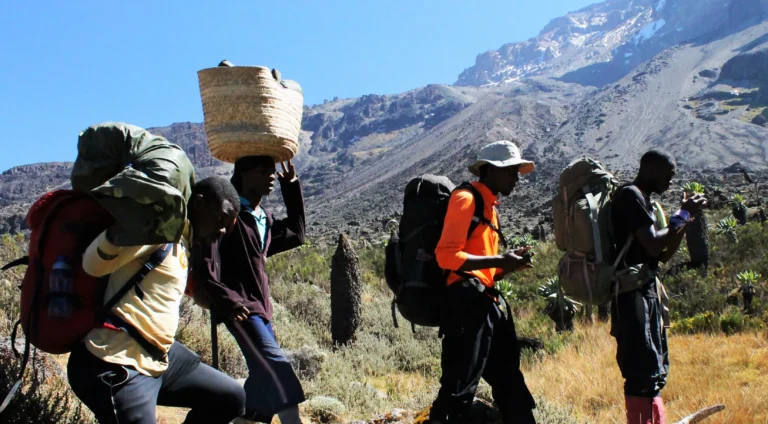
How To Know Whether You Are Ready For Kilimanjaro: A Comprehensive Guide
Climbing Mount Kilimanjaro is a significant undertaking. This guide helps you evaluate your physical, mental, and logistical readiness to ensure a safe and successful trek in 2026 or 2027...
View package details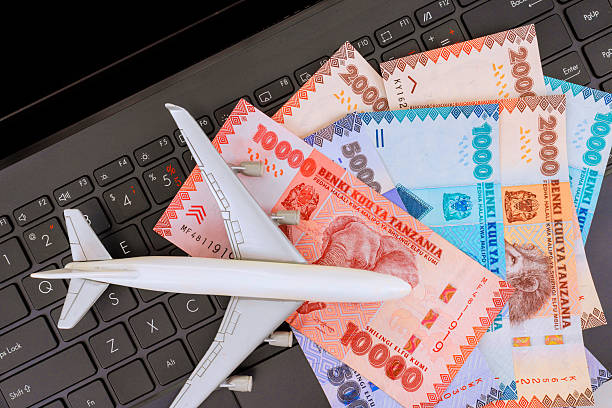
Kilimanjaro Hydration Mistakes Climbers Make And How To Avoid Them 2026-2027
Proper hydration is critical for a successful Kilimanjaro climb. This guide details common hydration mistakes climbers make, from under-drinking to choosing the wrong fluids, and provides...
View package details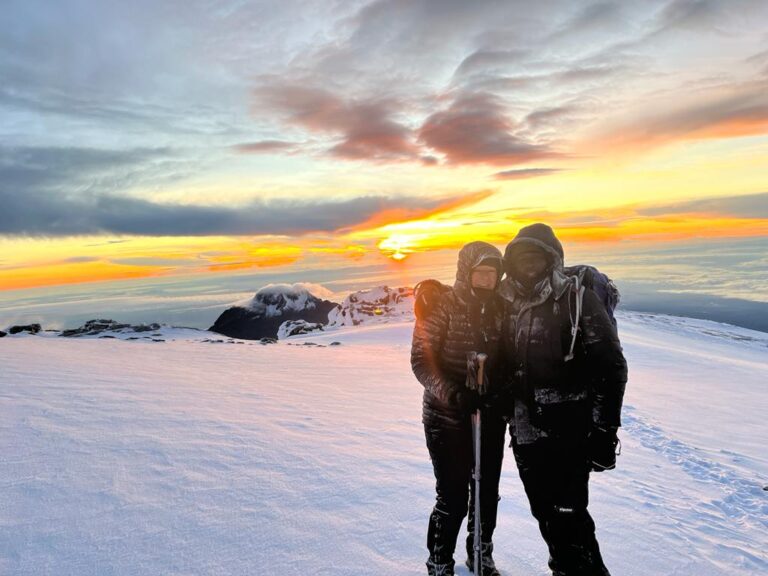
Kilimanjaro Altitude-Sickness Mistakes 2026-2027
Kilimanjaro Altitude-Sickness Mistakes is explained with current 2026-2027 planning, price, itinerary and booking information.
View package details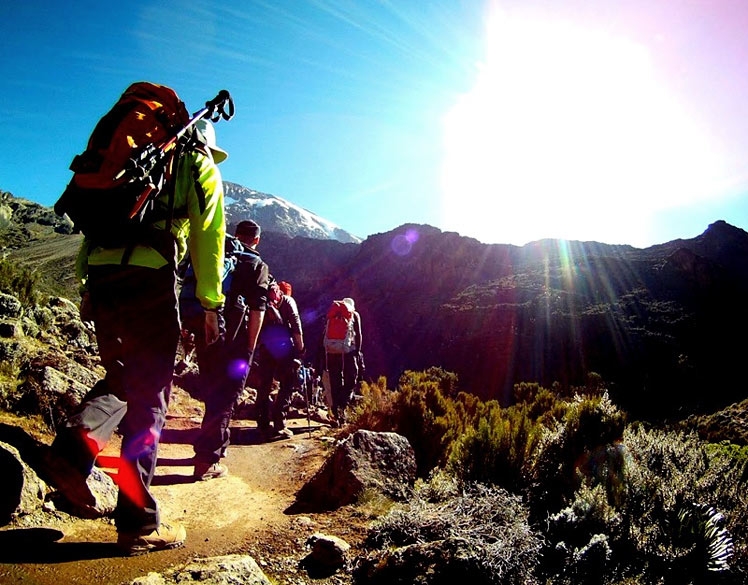
Kilimanjaro Summit-Night Mistakes To Avoid: Your Essential Guide For Climbs
Summit night on Kilimanjaro is the most challenging part of the climb. Avoiding common mistakes in acclimatization, gear, hydration, and pacing is crucial for success. This guide details...
View package details
Kilimanjaro Training Mistakes That Reduce Summit Success 2026-2027
Kilimanjaro Training Mistakes that Reduce Summit Success is explained with current 2026-2027 planning, price, itinerary and booking information.
View package details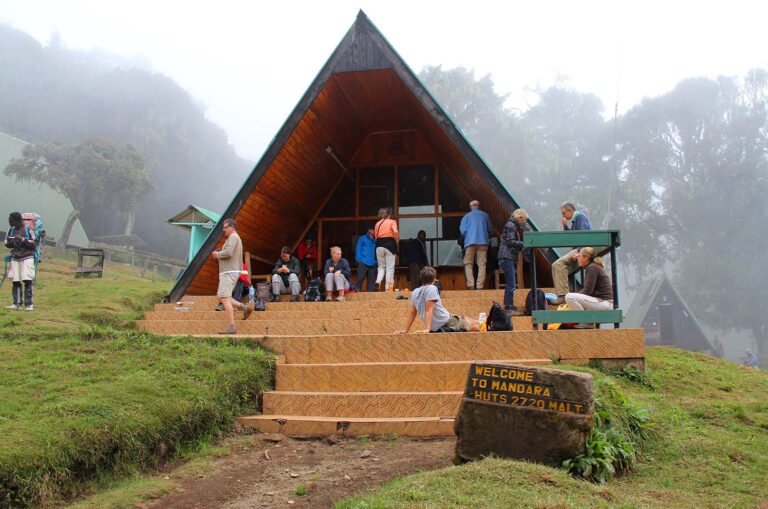
Kilimanjaro Personal Porter Vs Standard Support 2026-2027
Kilimanjaro Personal Porter vs Standard Porter Support is explained with current 2026-2027 planning, price, itinerary and booking information.
View package details
Kilimanjaro Airport Vs Arusha For Climbers: The Definitive Guide 2026-2027
A comprehensive comparison of Kilimanjaro International Airport (JRO) and Arusha Airport (ARK) for trekkers planning a Mount Kilimanjaro climb, detailing pros, cons, and booking advice for...
View package details
Kilimanjaro Climb For Retired Couples: Planning Your Adventure 2026-2027
Planning a Kilimanjaro climb as a retired couple is an achievable and rewarding goal. This guide offers in-depth advice on route selection, physical preparation, essential gear, and the...
View package details
Kilimanjaro Training Plan For Climbers Over 60 2026-2027
Kilimanjaro Training Plan for Climbers over 60 is explained with current 2026-2027 planning, price, itinerary and booking information.
View package detailsNo related package matches those filters. Clear one or more filters to see the other topic-matched options.



