
Rescheduling your Kilimanjaro climb is often possible, with policies varying significantly between operators, but typically involving deposit forfeiture, new booking fees, or full payment if changes are made close to the departure date. Top Guide Adventures offers a degree of flexibility, especially for significant unforeseen circumstances, allowing for date changes for your 2026 or 2027 climb, though specific terms apply and should be confirmed at the time of booking to understand any associated costs or deadlines.
Navigating Kilimanjaro Date-Change and Rescheduling Policy: A Comprehensive Overview
The allure of Mount Kilimanjaro, Africa’s highest peak, draws adventurers from across the globe. Planning such an expedition involves meticulous preparation, from choosing the right route and packing essentials to securing the necessary permits and arranging travel logistics. However, life is unpredictable, and sometimes, despite the best intentions, you may need to alter your scheduled climb date. Understanding the Kilimanjaro date-change and rescheduling policy of your chosen tour operator is crucial for managing expectations and ensuring a smooth transition should you need to postpone or move your trek. This guide aims to demystify these policies, providing clarity on what to expect, particularly when booking with a trusted company like Top Guide Adventures for your 2026 or 2027 climb.
When you book a Kilimanjaro climb, you are not just reserving a spot; you are securing a complex logistical operation. Tour operators commit resources, book permits, hire guides and support staff, and make advance payments. Consequently, their rescheduling policies are designed to mitigate the financial impact of last-minute changes. While some flexibility is common, especially for genuine emergencies, understanding the nuances of these policies upfront is paramount. We will explore the typical structures of these policies, factors influencing them, and how to approach a rescheduling request with your operator.
Why Rescheduling Kilimanjaro Climbs Happens: Common Scenarios
Life throws curveballs, and a Kilimanjaro climb is no exception. Recognizing the common reasons why trekkers might need to change their climbing dates helps both travelers and operators prepare for potential adjustments. For your planned expedition in 2026 or 2027, consider these frequent scenarios:
- Medical Emergencies or Illness: Unexpected health issues, either for the trekker or a close family member, are a primary reason for rescheduling. This can range from a sudden illness to a serious accident requiring recovery time.
- Family Commitments: Significant family events like weddings, funerals, or the birth of a child can arise and may conflict with your original climb dates.
- Work or Professional Obligations: Unforeseen work demands, mandatory business trips, or unexpected job changes can sometimes make it impossible to take the planned leave.
- Visa or Travel Document Issues: Delays in obtaining visas or problems with passport validity can force a postponement.
- Natural Disasters or Political Unrest: While less common for Kilimanjaro itself, broader travel disruptions in the region or globally could impact travel plans.
- Financial Reassessment: Sometimes, personal financial situations change, requiring a postponement until a more suitable time.
- Concerns about Conditions: While operators aim for the best conditions, a trekker might feel more prepared or confident to climb at a different time of year based on weather patterns or personal readiness.
At Top Guide Adventures, we understand that circumstances can change. Our aim is to work with our clients to find the best possible solution when such situations arise, ensuring your dream of climbing Kilimanjaro in 2026 or 2027 remains achievable.
Understanding the Anatomy of a Kilimanjaro Rescheduling Policy
Most tour operators, including Top Guide Adventures, structure their rescheduling policies around the timeline of the cancellation or change. The closer the change is to the departure date, the more likely it is that higher fees or forfeiture of payments will apply. This is directly linked to the non-refundable costs the operator has already incurred.
Deposit and Payment Structure
Typically, a Kilimanjaro climb booking involves an initial deposit to secure your spot and confirm your dates. The remaining balance is usually due a certain number of weeks or months before the trek commences. The deposit is often non-refundable, covering initial administrative costs and securing your place on specific departure dates or private climbs. When considering a date change, the fate of this deposit is a primary concern.
Rescheduling Fees and Deadlines
A critical element of any Kilimanjaro date-change and rescheduling policy is the presence of specific fees and deadlines. These are often tiered:
- Early Changes (e.g., more than 90 days before): Often incur a modest administrative fee, or may be accommodated with minimal penalty, especially if a new date can be easily filled. The deposit might be transferable to a new booking.
- Mid-Term Changes (e.g., 60-90 days before): Fees tend to increase. A portion of the deposit might be forfeited, or a percentage of the total trek cost could be applied as a rescheduling fee.
- Late Changes (e.g., less than 60 days before): These are the most costly. It’s common for the full deposit to be forfeited, and a significant portion, or even the full balance, of the trek cost may be due, as the operator has likely finalized all arrangements and cannot easily fill your spot.
- Very Late Changes/No-Shows (e.g., within 14-30 days): Often result in the forfeiture of the entire trip cost, as all arrangements are in place and non-cancellable.
Transferability of Payments
The key question for many is whether their payments can be transferred to a new booking. This depends heavily on the operator’s policy and the timing of the change. In many cases, especially for early changes, deposits and payments can be transferred. However, as the departure date nears, the ability to transfer payments diminishes, and fees or forfeiture become more probable.
Impact on Permits and Park Fees
Kilimanjaro National Park requires advance booking for permits and associated park fees. These are often non-refundable and non-transferable by the park authorities. If you reschedule your climb, your operator may need to purchase new permits for your new dates, which can sometimes be an additional cost passed on to you, especially if the original permits cannot be cancelled or transferred by Kilimanjaro National Park services.
Top Guide Adventures’ Approach to Kilimanjaro Date-Change and Rescheduling
At Top Guide Adventures, we are committed to providing exceptional service and understanding the challenges our clients may face. We recognize that flexibility is key when planning a significant adventure like climbing Kilimanjaro. Our approach to the Kilimanjaro date-change and rescheduling policy is built on fairness and practicality, aiming to support our clients through life’s inevitable changes.
Our Commitment to Flexibility
We strive to accommodate rescheduling requests whenever possible, particularly when faced with genuine unforeseen circumstances. Our goal is to help you achieve your Kilimanjaro dream in 2026 or 2027, even if your initial plan needs adjustment. We encourage open communication regarding any potential need to change dates.
Standard Rescheduling Terms for 2026-2027 Climbs
While each situation is assessed individually, our general policy for rescheduling a Kilimanjaro climb booked for 2026 or 2027 is as follows:
- More than 90 days before departure: We typically allow a date change with a minimal administrative fee (e.g., $50-$100 USD) to cover processing. Your deposit and any payments made can usually be transferred to your new booking, subject to availability for your preferred new dates.
- Between 60 and 90 days before departure: A rescheduling fee, often around 10-20% of the total trip cost, may apply. Your remaining balance can typically be transferred, minus any direct costs incurred by us for specific bookings related to your original date (e.g., non-refundable park fees if not transferable).
- Less than 60 days before departure: Rescheduling becomes more challenging and costly. A fee of 25-50% of the total trip cost may apply, reflecting the advanced bookings and commitments made. Transferability of payments will depend on the extent of non-recoverable costs.
- Less than 30 days before departure: At this stage, most arrangements are finalized, and permits are issued. Rescheduling may not be possible without forfeiting a significant portion or all of the trip cost. We will assess the possibility based on whether your spot can be filled and the nature of any non-cancellable bookings.
It is essential to note that these are general guidelines. The specific terms will be detailed in your booking contract and may vary depending on the exact climb package, group size, and specific vendor policies we must adhere to. We always recommend purchasing travel insurance that covers trip cancellation and interruption.
Factors Influencing Our Flexibility
Our ability to offer flexibility on Kilimanjaro date-change and rescheduling policy is influenced by several factors:
- Timing of the Request: As outlined above, the earlier you inform us, the greater our flexibility.
- Availability for New Dates: We need to ensure that guides, porters, and park slots are available for your new preferred dates. Popular climbing seasons (e.g., January-March and June-October) can book up quickly for 2026 and 2027.
- Nature of the Circumstance: While we aim for consistency, genuine emergencies or unavoidable situations (e.g., serious illness, documented family bereavements) may be viewed with greater leniency than postponements for convenience.
- Operator and Supplier Policies: We operate within the framework set by Kilimanjaro National Park, our guides’ union, and other local suppliers. Their policies on refunds and rescheduling impact our own.
How to Request a Date Change with Top Guide Adventures
If you need to reschedule your Kilimanjaro climb booked with Top Guide Adventures for 2026 or 2027, the process is straightforward:
- Contact Us Immediately: Reach out as soon as you know a change is necessary. The sooner we are informed, the better our chances of accommodating your request with minimal impact. Use our primary contact channels: WhatsApp +255616946642 or Email topguideadventures@gmail.com.
- Provide Details: Explain the reason for the rescheduling request and your preferred new dates.
- Review Our Proposal: We will review your request based on our policy, availability, and any incurred costs. We will then present you with a clear proposal outlining any applicable fees, the transferability of your payments, and the new booking terms.
- Confirm New Booking: Once you agree to the terms, we will process the changes and confirm your new Kilimanjaro climb dates.
Our backup email is info@topguideadventures.com, which you can also use for communication.
Key Takeaway for Rescheduling
The most critical factor in minimizing costs and maximizing flexibility for your Kilimanjaro date-change and rescheduling policy is early communication. Informing Top Guide Adventures as soon as possible is paramount.
Comparing Rescheduling Policies: What to Look For
When comparing different tour operators for your Kilimanjaro expedition in 2026 or 2027, understanding their rescheduling policies is as important as comparing routes or inclusions. Not all operators offer the same level of flexibility.
Variations in Operator Policies
The Kilimanjaro date-change and rescheduling policy can differ significantly between companies. Some may have very strict policies, treating any change as a cancellation and applying full forfeiture. Others might be more lenient, especially for longer-standing clients or in cases of documented hardship. Key differences often lie in:
- Fee Structures: The amount of rescheduling fees and how they are calculated (fixed fee, percentage of cost, etc.).
- Deposit Transferability: Whether the initial deposit can be fully transferred, partially transferred, or is forfeited.
- Timeframes: The specific cut-off dates for different fee tiers.
- Definition of ‘Force Majeure’: What constitutes an unavoidable circumstance that might warrant special consideration.
- COVID-19 Related Policies: While less prevalent now, some operators may still have specific clauses carried over from the pandemic era regarding postponements due to travel restrictions or illness.
Questions to Ask Your Operator
Before finalizing your booking for a 2026 or 2027 Kilimanjaro climb, ensure you ask your potential tour operator about their rescheduling policy. Here are essential questions:
- What are the specific deadlines for changing my climb date without incurring significant penalties?
- Is my deposit transferable if I need to reschedule? Are there any fees associated with transferring it?
- What is the rescheduling fee, if any, for changes made within 60 days of departure?
- Does the policy differ for private climbs versus group climbs?
- Are Kilimanjaro National Park fees and permits transferable or refundable if I reschedule? Will I need to pay for new ones?
- What documentation is required if I need to reschedule due to a medical emergency or other serious circumstance?
- Can you provide a copy of your full rescheduling and cancellation policy?
The Role of Travel Insurance
While an operator’s rescheduling policy dictates what they can offer, comprehensive travel insurance is your ultimate safety net. Ensure your policy covers:
- Trip Cancellation: Covers non-refundable costs if you cannot start your trip for a covered reason.
- Trip Interruption: Covers costs if you have to cut your trip short due to a covered reason.
- Medical Emergencies: Covers medical expenses and emergency evacuation, which is crucial for a high-altitude trek like Kilimanjaro.
- Travel Delay: Covers expenses incurred due to significant travel delays.
Always read the fine print of your travel insurance policy to understand what events are covered and the claim process. For a Kilimanjaro climb in 2026 or 2027, investing in robust travel insurance is a non-negotiable part of responsible planning.
Planning Your Kilimanjaro Climb for 2026-2027 with Flexibility in Mind
When booking your Kilimanjaro climb for the upcoming seasons of 2026 and 2027, incorporating an understanding of rescheduling possibilities can lead to a more relaxed planning experience.
Choosing Your Climb Dates Wisely
While flexibility is possible, choosing dates within the optimal climbing seasons can reduce the likelihood of needing to reschedule due to weather. The best times to climb Kilimanjaro are generally:
- January to March: Clear skies, dry weather, and cooler temperatures.
- June to October: Dry season, pleasant temperatures, and lower humidity.
The shoulder seasons (April-May and November-December) can be wetter and are generally less recommended, though they may offer fewer crowds and potentially lower costs. Planning for 2026-2027, consider these windows for the highest chance of success and minimal weather-related disruptions.
Booking Early for 2026-2027
Booking your Kilimanjaro climb well in advance for 2026 or 2027 offers several advantages, including:
- Better Availability: Securing your preferred dates, especially during peak seasons.
- More Flexible Rescheduling Options: As discussed, changes made further in advance typically incur lower fees or penalties.
- Time for Preparation: Allows ample time for physical training, acquiring gear, and making travel arrangements.
- Potential for Better Pricing: While not always the case, early booking can sometimes secure current pricing before potential annual adjustments.
Top Guide Adventures advises booking at least 6-12 months in advance for 2026-2027 climbs to ensure the best experience and maximum flexibility regarding any potential date changes.
Communicating with Your Group
If you are climbing as part of a group, clear communication about the Kilimanjaro date-change and rescheduling policy is vital. Ensure all members understand the terms and conditions related to changes. If one member needs to reschedule, it can impact the entire group’s booking. Discussing potential date shifts early and agreeing on a collective approach can prevent complications.
Understanding Kilimanjaro National Park Regulations and Rescheduling
Kilimanjaro National Park is managed by the Tanzania National Parks Authority (TANAPA). Their regulations play a significant role in how rescheduling is handled, particularly concerning permits and fees.
Permit Validity and Transferability
Kilimanjaro climbing permits are issued for specific dates and are generally non-transferable and non-refundable by TANAPA. Once a permit is purchased for a specific climber and date, it cannot simply be swapped for another date or person. This is a critical aspect that tour operators must navigate.
Operator’s Role in Permit Management
When you book with Top Guide Adventures, we handle the permit application process on your behalf. If you need to reschedule your 2026 or 2027 climb, we must liaise with TANAPA or our local contacts to determine the feasibility of transferring or reissuing permits. In most cases, if a reschedule is approved, new permits will need to be purchased for the new dates. The cost of these new permits is often borne by the trekker, either directly or as part of a rescheduling fee, depending on the timing and the operator’s policy.
Peak Season Bookings for 2026-2027
The climbing seasons for Kilimanjaro are highly sought after. For 2026 and 2027, bookings for peak periods (June-October and January-March) fill up rapidly. If you are planning to climb during these times and need to reschedule, finding availability for new dates can be challenging. This underscores the importance of:
- Booking well in advance.
- Having flexible alternative dates in mind.
- Understanding that rescheduling during peak season might incur higher costs or be more difficult due to limited availability.
Maximizing Your Chances of a Smooth Reschedule
To ensure the smoothest possible experience when dealing with the Kilimanjaro date-change and rescheduling policy, follow these best practices:
1. Read Your Contract Carefully
Before signing any agreement or paying a deposit for your 2026 or 2027 climb, thoroughly read and understand the terms and conditions, specifically the sections on cancellations and rescheduling. If anything is unclear, ask for clarification.
2. Maintain Open Communication
If you anticipate a potential need to reschedule, or if a situation arises unexpectedly, communicate with Top Guide Adventures immediately. Honest and prompt communication is key to finding a workable solution.
3. Consider Your Timing
Understand the financial implications of changing your dates based on how far in advance you notify the operator. Early notification is always your best strategy.
4. Be Prepared for Fees
Rescheduling often involves some form of fee, whether administrative or a percentage of the trip cost. Factor this potential cost into your budget and expectations.
5. Have Backup Dates
When you need to reschedule, having a few alternative dates in mind can speed up the process. This is especially true if you are aiming for a specific season in 2026 or 2027.
6. Purchase Comprehensive Travel Insurance
As reiterated, travel insurance is your most reliable protection against unforeseen circumstances that might force you to cancel or reschedule. Ensure it covers trip interruption and cancellation for a wide range of reasons.
Pro Tip for Rescheduling
When discussing your reschedule, frame your request positively. Instead of focusing on what you can’t do, express your continued commitment to climbing Kilimanjaro with your chosen operator and ask for their guidance on the best way forward for your 2026 or 2027 adventure.
The Future of Kilimanjaro Travel: 2026-2027 Considerations
As we look towards the 2026 and 2027 climbing seasons on Kilimanjaro, operators are continually refining their policies to balance client needs with operational realities. We anticipate that the core principles of rescheduling policies will remain similar, focusing on:
- Deposit Non-Refundability: Essential for operators to manage initial costs.
- Tiered Fees Based on Timing: A standard practice reflecting incurred expenses.
- Importance of Communication: Early notice is always beneficial.
- Emphasis on Travel Insurance: A recommended safeguard for all travelers.
Top Guide Adventures remains dedicated to providing clear, fair, and practical solutions for our clients. We are committed to making your Kilimanjaro climb a reality, whether it’s for 2026, 2027, or beyond, even if initial plans require adjustment. Our experienced team is here to guide you through every step, including navigating the complexities of date changes.
Conclusion: Planning Your Kilimanjaro Adventure with Confidence
The Kilimanjaro date-change and rescheduling policy is an essential aspect of planning your trek. While the idea of needing to change dates can be stressful, understanding the typical structures, asking the right questions, and choosing a reputable operator like Top Guide Adventures can significantly ease the process. Our commitment is to work with you, offering reasonable flexibility for your 2026 or 2027 climb while ensuring the operational integrity of your expedition.
Remember, early communication, a thorough review of your booking terms, and comprehensive travel insurance are your best allies. Should life present unexpected challenges, Top Guide Adventures is here to help you find a path forward to conquer Kilimanjaro. We invite you to connect with us to discuss your Kilimanjaro climb plans for 2026-2027 and to get personalized advice on our rescheduling options. You can reach us via WhatsApp at +255616946642, email us at topguideadventures@gmail.com, or our backup email info@topguideadventures.com. Let us help you make your Kilimanjaro dream a reality, adapting to life’s changes along the way.
Check Availability for Kilimanjaro Date-Change And Rescheduling Policy: Your Guide To Flexibility
Ready to compare dates, prices, and the best option for your group? Send the package name and travel month so the team can reply with a clear quote, availability, and what is included.
Kilimanjaro Guaranteed Departure Policy Explained 2026-2027
Kilimanjaro Guaranteed Departure Policy Explained is explained with current 2026-2027 planning, price, itinerary and booking information.
View package details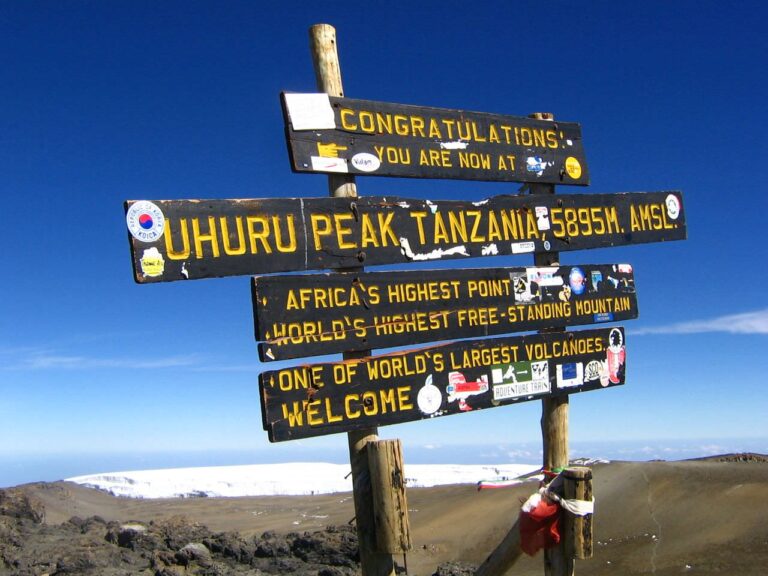
What Does Kilimanjaro Rainforest Look Like? A Trekkers Visual Guide 2026-2027
The Kilimanjaro rainforest is a vibrant, humid zone of dense vegetation, towering trees, and diverse plant life found on the mountain's lower slopes. It's the first major ecosystem trekkers...
View package details
Kilimanjaro Climb With A Personal Support Assistant: Your Ultimate Guide
Climbing Mount Kilimanjaro with a personal support assistant offers unparalleled safety, comfort, and focus on your summit goals. This guide details what a personal assistant entails, its...
View package details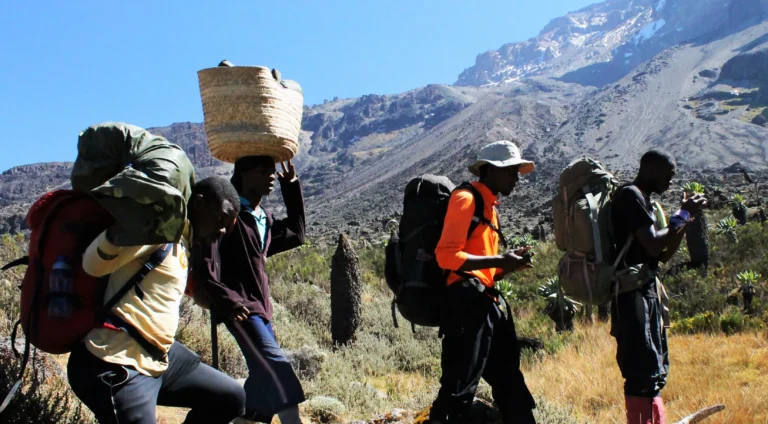
How To Know Whether You Are Ready For Kilimanjaro: A Comprehensive Guide
Climbing Mount Kilimanjaro is a significant undertaking. This guide helps you evaluate your physical, mental, and logistical readiness to ensure a safe and successful trek in 2026 or 2027...
View package details
Kilimanjaro Hydration Mistakes Climbers Make And How To Avoid Them 2026-2027
Proper hydration is critical for a successful Kilimanjaro climb. This guide details common hydration mistakes climbers make, from under-drinking to choosing the wrong fluids, and provides...
View package details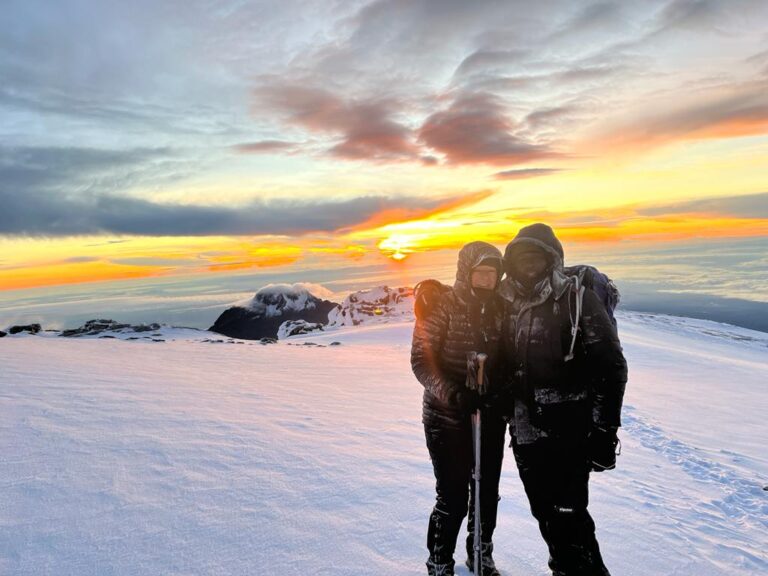
Kilimanjaro Altitude-Sickness Mistakes 2026-2027
Kilimanjaro Altitude-Sickness Mistakes is explained with current 2026-2027 planning, price, itinerary and booking information.
View package details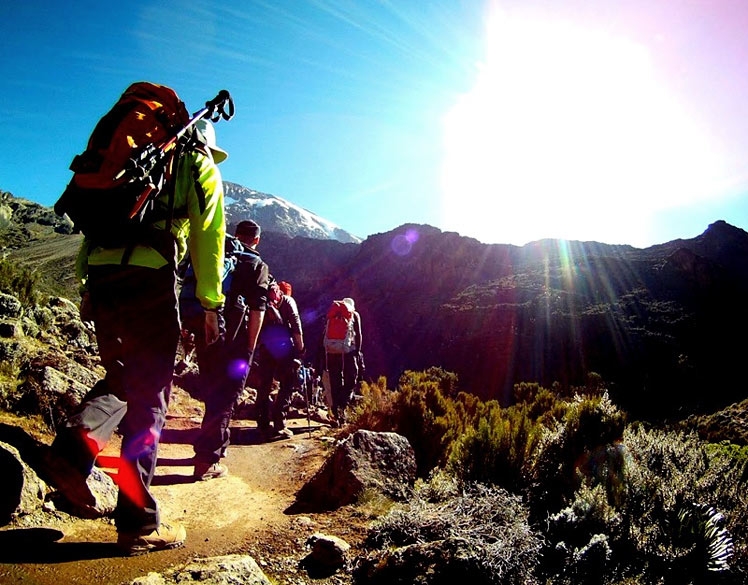
Kilimanjaro Summit-Night Mistakes To Avoid: Your Essential Guide For Climbs
Summit night on Kilimanjaro is the most challenging part of the climb. Avoiding common mistakes in acclimatization, gear, hydration, and pacing is crucial for success. This guide details...
View package details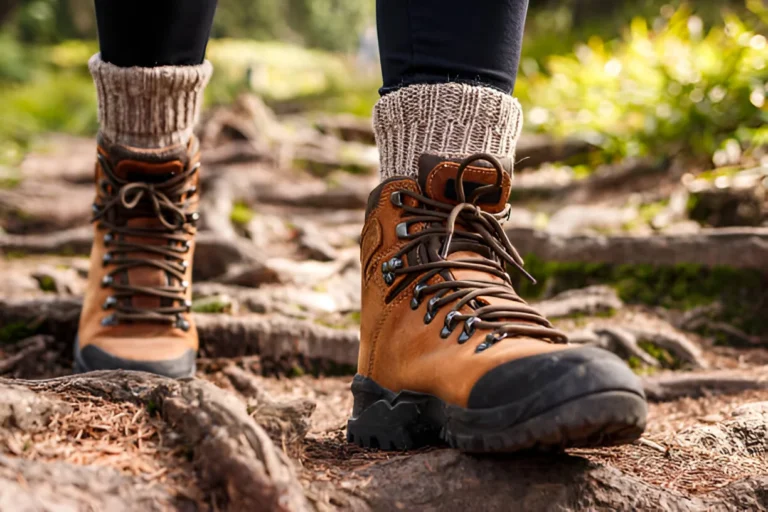
Kilimanjaro Training Mistakes That Reduce Summit Success 2026-2027
Kilimanjaro Training Mistakes that Reduce Summit Success is explained with current 2026-2027 planning, price, itinerary and booking information.
View package details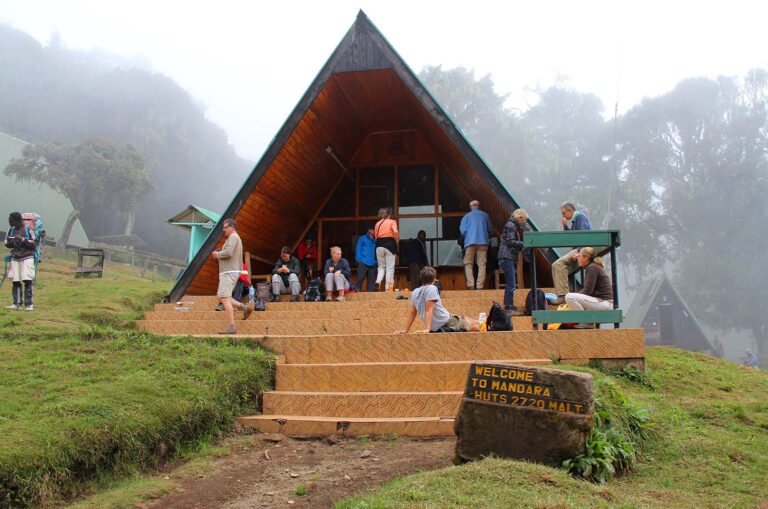
Kilimanjaro Personal Porter Vs Standard Support 2026-2027
Kilimanjaro Personal Porter vs Standard Porter Support is explained with current 2026-2027 planning, price, itinerary and booking information.
View package details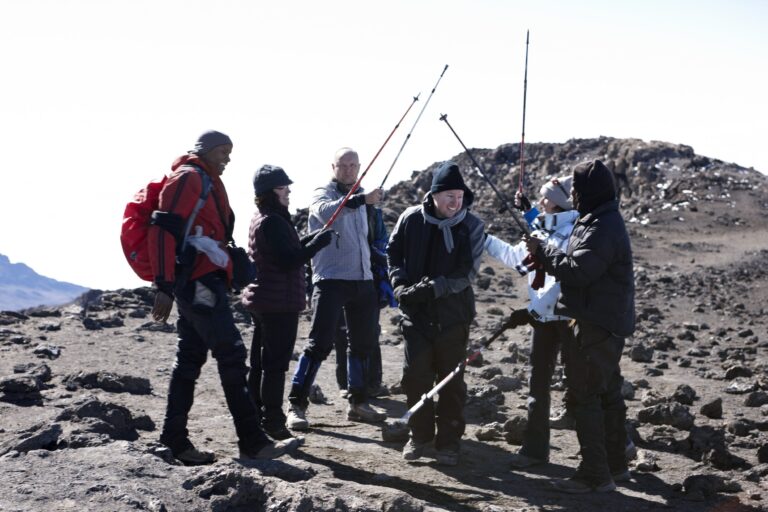
Kilimanjaro Airport Vs Arusha For Climbers: The Definitive Guide 2026-2027
A comprehensive comparison of Kilimanjaro International Airport (JRO) and Arusha Airport (ARK) for trekkers planning a Mount Kilimanjaro climb, detailing pros, cons, and booking advice for...
View package detailsKilimanjaro Climb For Retired Couples: Planning Your Adventure 2026-2027
Planning a Kilimanjaro climb as a retired couple is an achievable and rewarding goal. This guide offers in-depth advice on route selection, physical preparation, essential gear, and the...
View package details
Kilimanjaro Training Plan For Climbers Over 60 2026-2027
Kilimanjaro Training Plan for Climbers over 60 is explained with current 2026-2027 planning, price, itinerary and booking information.
View package detailsNo related package matches those filters. Clear one or more filters to see the other topic-matched options.



