
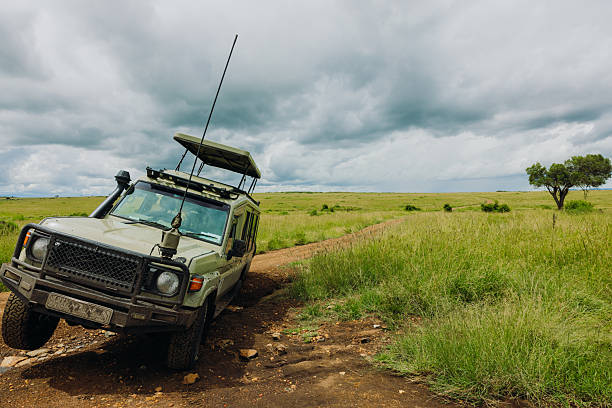

Kitulo National Park is Tanzania’s first and only national park dedicated to botanical conservation, often called the “Garden of God” for its spectacular display of wildflowers and orchids. Located in the Southern Highlands, it offers a unique safari experience focused on its incredible biodiversity, birdlife, and stunning landscapes, distinct from the typical savannah wildlife viewing found elsewhere in Tanzania, making it an ideal destination for nature lovers and hikers planning a visit in 2026 or 2027.
Introducing Kitulo National Park: A Floral Haven in the Southern Highlands
When most travelers envision a Tanzanian safari, their minds often conjure images of vast savannahs teeming with iconic wildlife – the Great Migration in Serengeti, the predator-rich plains of the Masai Mara, or the elephant herds of Tarangire. However, Tanzania holds many secrets beyond these well-trodden paths. Nestled high in the Livingstone Mountains of the Southern Highlands, Kitulo National Park presents an entirely different, yet equally captivating, natural spectacle. It is not just a national park; it is a sanctuary, a living museum, and a testament to the extraordinary botanical richness of East Africa.
Established in 2005, Kitulo is unique. It’s the country’s first national park dedicated to the conservation of its flora. While it does host some wildlife, its primary allure lies in its unparalleled collection of orchids and other wildflowers, which transform the rolling hills into a riot of color during the rainy seasons. This makes it a destination that appeals not only to traditional safari-goers seeking a change of pace but also to botanists, ornithologists, and anyone with an appreciation for the delicate beauty of the natural world. Planning a trip to Kitulo National Park in the coming years, particularly for 2026-2027, offers a chance to experience one of Africa’s most unique protected areas.
The “Garden of God”: Understanding Kitulo’s Botanical Significance
The nickname “Garden of God” (Bustani ya Mungu) is not hyperbole; it’s a fitting description for Kitulo. The park encompasses approximately 440 square kilometers of montane grassland and forest, perched at altitudes ranging from 1,500 to 2,600 meters above sea level. This high-altitude environment creates a unique microclimate that supports an astonishing diversity of plant life. It is estimated that over 350 species of vascular plants, including more than 40 types of orchids, bloom here. This makes Kitulo one of the most important and largest orchid reserves in Africa, and indeed, the world.
The floral displays are seasonal, with the peak blooming periods typically occurring between the long rains (March to May) and the short rains (September to November). During these times, the grasslands are carpeted with a breathtaking array of colors – vibrant purples, yellows, pinks, and whites from countless species of wildflowers. The sheer density and variety of these blooms are what draw many visitors, offering a visual feast unlike any other national park in Tanzania. The park’s importance extends beyond orchids; it is also home to endemic species of aloes, proteas, and giant lobelias, further enhancing its botanical value.
A Different Kind of Safari Experience
For those accustomed to the adrenaline-fueled wildlife encounters of Serengeti or the dramatic landscapes of the Ngorongoro Crater, Kitulo offers a profoundly different, more contemplative experience. While you might spot some wildlife, the focus shifts. Instead of searching for the Big Five, visitors here might spend hours marveling at a rare orchid species, identifying endemic birds, or simply soaking in the panoramic views of the rolling hills and distant mountains. The park is home to various antelopes, including the common duiker and the rare mountain reedbuck, as well as several primate species. However, these are generally shy and less frequently encountered than the flora.
The true “wildlife” of Kitulo is its botanical wealth and the birdlife it supports. Birdwatchers will find much to admire, with species such as the Denham’s bustard, alpine chat, and various sunbirds and raptors inhabiting the grasslands and forest patches. The park’s location within the Livingstone Mountains also places it within a significant Important Bird Area (IBA) recognized by BirdLife International.
Planning Your Visit to Kitulo National Park: When to Go and What to Expect
Deciding when to visit Kitulo National Park is crucial for experiencing its full splendor. The park’s appeal is intrinsically tied to its blooming seasons. Understanding these patterns will significantly enhance your trip.
Best Time to Visit for Floral Displays
The most spectacular time to visit Kitulo National Park is during the rainy seasons, when the flowers are in full bloom:
- March to May (Long Rains): This period typically sees the most intense floral displays. The landscape is lush and green, and the wildflowers, including a vast number of orchids, are at their peak.
- September to November (Short Rains): This secondary rainy season also brings a profusion of flowers, though perhaps slightly less dense than during the main rainy period. It offers a good alternative for those planning a visit later in the year.
Visiting outside these periods, during the dry season (June to August), will still offer beautiful highland scenery and opportunities for hiking and birdwatching, but the spectacular floral carpets will be less prominent. The dry season offers clearer skies and more comfortable hiking conditions, making it ideal for trekking and enjoying the panoramic views.
Travel Considerations for 2026-2027
When planning your trip for 2026 or 2027, it’s wise to book in advance, especially if you intend to travel during the peak blooming months. The infrastructure around Kitulo is developing, and accommodations can be limited. Early booking ensures you secure the best options and can coordinate transportation effectively.
Top Guide Adventures can assist in crafting the perfect itinerary for Kitulo National Park, ensuring you visit during the optimal times for floral viewing and enjoy all the park has to offer. Contact us via WhatsApp +255616946642 or Email topguideadventures@gmail.com to discuss your bespoke adventure.
Getting to Kitulo National Park
Kitulo National Park is located in the Mbeya and Njombe regions of southern Tanzania, approximately 100 kilometers northeast of Mbeya town. Accessing this remote gem requires some planning.
By Road
The most common way to reach Kitulo is by road. The journey typically starts from Mbeya, the nearest major city. The road from Mbeya to Kitulo is a mix of tarmac and dirt tracks, and the condition can vary depending on the season. During the rainy months, the dirt sections can become challenging, requiring a 4×4 vehicle.
- From Mbeya: The drive takes approximately 3-4 hours, depending on road conditions and vehicle type. The route passes through scenic highland landscapes.
- From Njombe: Kitulo is also accessible from Njombe town, which is a bit further but offers another entry point into the Southern Highlands region.
It is highly recommended to use a sturdy 4×4 vehicle, especially if you plan to visit during or immediately after the rainy seasons. Hiring a vehicle with an experienced driver is advisable, as navigation can be tricky, and road conditions can be unpredictable. Tour operators like Top Guide Adventures can arrange reliable transportation for your journey.
By Air
While there are no direct flights into Kitulo National Park itself, you can fly to the nearest airports:
- Mbeya Airport (MBI): This is the primary airport serving the region. You can catch domestic flights from Dar es Salaam or other major Tanzanian cities to Mbeya. From Mbeya, you would then arrange road transport to the park.
- Njombe Airport (JNX): Njombe also has an airport with limited flight schedules.
Once you land at Mbeya or Njombe, road transfer to Kitulo National Park will be necessary. This is often incorporated into a larger Southern Highlands itinerary.
Activities and Experiences in Kitulo National Park
Kitulo offers a range of activities that cater to nature enthusiasts and those seeking a tranquil escape.
Hiking and Trekking
Hiking is arguably the most rewarding activity in Kitulo National Park. The park’s rolling hills and diverse landscapes are perfect for walking and exploring. Trails range from gentle walks to more challenging treks, offering opportunities to:
- Discover diverse flora: Follow trails that wind through meadows carpeted with wildflowers, leading you to discover rare orchid species and other unique plants.
- Enjoy panoramic views: Ascend to higher points for breathtaking vistas of the surrounding mountains, valleys, and the vast, open skies of the Southern Highlands.
- Experience the tranquility: The park’s relative remoteness ensures a peaceful experience, allowing you to immerse yourself in nature without the crowds.
Popular hiking routes include the trails leading to the waterfalls and the scenic viewpoints within the park. Guided hikes are essential to navigate safely and learn about the local ecology.
Birdwatching
Kitulo is a paradise for birdwatchers. The park’s montane grasslands and forest patches are home to a variety of endemic and migratory bird species. Keep an eye out for:
- Endemic species: Such as the Kipengere seedeater and the Udzungwa partridge (though the latter is more common in nearby Udzungwa Mountains National Park, it’s worth looking for).
- Raptors: Various eagles and buzzards soar overhead.
- Grassland birds: Including bustards, larks, and pipits.
- Forest dwellers: In the patches of montane forest.
A good pair of binoculars and a field guide can greatly enhance your birdwatching experience. Local guides often have an excellent knowledge of bird habitats and calls.
Botanical Exploration
For botanists and plant enthusiasts, Kitulo is a dream destination. The park is renowned for its exceptional diversity of orchids, with over 40 species recorded. Beyond orchids, visitors can find:
- Endemic aloes and succulents: Adapted to the highland climate.
- Giant lobelias: Striking plants that add to the unique flora.
- Proteas: Native to Africa, these striking flowers are another highlight.
Guided walks are highly recommended for botanical exploration, as guides can point out rare species and explain their ecological significance.
Scenic Drives and Picnics
Even if you’re not keen on extensive hiking, the scenic drives through and around the park offer stunning views. Pull over at designated spots for picnics amidst the rolling hills. The fresh highland air and expansive vistas make for a refreshing and memorable experience.
Wildlife in Kitulo National Park: Beyond the Flowers
While Kitulo is celebrated for its flora, it is also home to a variety of wildlife, though sightings are typically less frequent and diverse than in the northern circuit parks. The park’s high-altitude grasslands and scattered forest patches provide habitats for several species.
Mammals
The mammal population in Kitulo is more elusive, reflecting the nature of the highland environment. Visitors may have the chance to spot:
- Common Duiker: A small antelope often seen in the grasslands.
- Mountain Reedbuck: A shy antelope found in higher altitudes.
- Bushbuck: Usually found near forest edges.
- Servaline Genet and African Civet: Nocturnal mammals that are rarely seen.
- Primates: Various monkey species, including the endemic Angolan black-and-white colobus monkey, may be present in forested areas.
Larger predators are generally absent, contributing to the park’s peaceful atmosphere. The focus remains on the smaller, more specialized fauna adapted to this unique environment.
Birds
As mentioned, birdlife is a significant attraction. The park is a crucial habitat for several bird species, some of which are endemic to the Tanzanian highlands. Notable species include:
- Denham’s Bustard: A large ground-dwelling bird of the open grasslands.
- Alpine Chat: Found in rocky areas and open moorlands.
- Streaky Seedeater: A common bird in the grasslands.
- Malachite Sunbird: Often seen flitting among flowers.
- Various raptors: Including the Ayres’s hawk-eagle and the Augur buzzard.
The park’s designation as an Important Bird Area underscores its importance for avian conservation.
Reptiles and Amphibians
The moist highland environment supports a variety of reptiles and amphibians, though these are often small and require keen observation to spot. This adds another layer of biodiversity for those interested in the smaller creatures of Kitulo.
Where to Stay: Accommodation Options Near Kitulo
Accommodation options directly within Kitulo National Park are limited, reflecting its status as a relatively new and less-developed park compared to the northern circuit. Visitors typically stay in nearby towns or arrange for mobile camping facilities.
Lodges and Guesthouses in Nearby Towns
The closest major towns offering accommodation are Mbeya and Njombe. These towns provide a range of options from basic guesthouses to more comfortable hotels.
- Mbeya: Offers the widest selection of hotels and lodges, catering to various budgets. This is a good base if you plan day trips into the park or are combining Kitulo with other Southern Highlands attractions.
- Njombe: Also provides guesthouses and lodges, often with a more local feel.
Staying in these towns means longer drives to the park entrance each day but offers more amenities and dining choices.
Camping
For a more immersive experience, camping is an option. Designated campsites within or near the park allow you to be closer to nature. These are often basic facilities, requiring you to bring your own gear or arrange for a camping package through a tour operator.
- Park Campsites: Tanzania National Parks Authority (TANAPA) may operate basic campsites within or on the fringes of the park. These usually offer essential facilities like toilets and water.
- Private Campsites: Some lodges or tour operators might arrange private campsites.
Top Guide Adventures specializes in arranging comfortable camping experiences, including all necessary equipment and experienced camp staff, for a truly adventurous stay near Kitulo National Park. This is an excellent option for 2026-2027 trips seeking authenticity.
Mobile Safaris
A mobile safari is an ideal way to explore Kitulo and the broader Southern Highlands. This involves setting up camp at different locations, allowing you to cover more ground and experience diverse landscapes without the need to pack and unpack daily. This can be fully customized to include Kitulo National Park as a key destination.
Combining Kitulo with Other Southern Highlands Destinations
Kitulo National Park is part of the larger Southern Highlands region, which offers a wealth of natural beauty and cultural experiences. Visiting Kitulo can be seamlessly integrated into a broader itinerary exploring this fascinating part of Tanzania.
Ruaha National Park
Often considered the largest national park in Tanzania, Ruaha National Park is renowned for its rugged wilderness and large elephant and lion populations. It offers a classic safari experience that contrasts beautifully with Kitulo’s focus on flora. A combination trip can provide a comprehensive Tanzanian adventure.
Njombe Highlands and Matengo Highlands
These areas offer stunning mountain scenery, waterfalls, and opportunities to interact with local communities. The rolling hills, tea plantations, and unique cultural traditions provide a rich cultural dimension to any trip.
Lake Nyasa (Lake Malawi)
The southern end of the Great Rift Valley leads to Lake Nyasa, a vast freshwater lake known for its clear waters and vibrant cichlid fish. It offers opportunities for relaxation, swimming, and exploring lakeside villages.
Livingstone Mountains
The mountain range in which Kitulo is situated offers excellent trekking opportunities, leading through remote villages and pristine natural landscapes. Exploring these mountains provides a deeper appreciation for the region’s geography and biodiversity.
Top Guide Adventures excels at creating custom itineraries that combine the unique botanical wonders of Kitulo National Park with the dramatic wildlife encounters of Ruaha and the cultural richness of the Southern Highlands. Let us help you craft your 2026-2027 Southern Tanzania adventure.
Conservation Efforts and the Future of Kitulo National Park
Kitulo National Park plays a vital role in conserving Tanzania’s unique floral heritage. As the country’s first park dedicated to botanical conservation, its establishment marked a significant step in recognizing the importance of plant diversity alongside wildlife.
Challenges and Threats
Despite its protected status, Kitulo faces challenges:
- Encroachment: Local communities sometimes rely on the park’s resources, leading to potential encroachment for grazing or collection of plants.
- Limited Resources: As a relatively new park, it may face limitations in funding, staffing, and infrastructure for effective management and anti-poaching patrols.
- Climate Change: Like all natural ecosystems, Kitulo’s delicate flora is vulnerable to the impacts of climate change, which could alter its unique habitats.
Conservation Initiatives
TANAPA (Tanzania National Parks Authority) is committed to protecting Kitulo’s unique biodiversity. Conservation efforts focus on:
- Community Engagement: Working with local communities to foster a sense of ownership and support for conservation.
- Research and Monitoring: Conducting studies to better understand the park’s flora and fauna and to monitor their populations.
- Sustainable Tourism: Developing tourism in a way that benefits conservation and local livelihoods without causing harm to the ecosystem.
By visiting Kitulo National Park responsibly, travelers contribute to these conservation efforts. Choosing eco-friendly tour operators and respecting park rules are essential aspects of sustainable tourism. Planning your visit for 2026-2027 with a responsible operator ensures your trip supports the long-term preservation of this natural treasure.
Practical Tips for Visiting Kitulo National Park
To ensure a smooth and enjoyable trip to Kitulo National Park, consider these practical tips:
What to Pack
Given the highland climate and the nature of activities, packing appropriately is key:
- Layered Clothing: Temperatures can fluctuate significantly, so pack light, medium, and warm layers.
- Rain Gear: Waterproof jacket and trousers are essential, especially during the rainy seasons.
- Sturdy Hiking Boots: Comfortable, broken-in hiking boots are a must for exploring the trails.
- Sun Protection: Hat, sunglasses, and high-SPF sunscreen, as the sun can be intense at altitude.
- Insect Repellent: While not as critical as in lowland areas, it’s good to have.
- Camera and Binoculars: For capturing the stunning scenery and observing wildlife and birds.
- Basic First-Aid Kit: Including any personal medications.
- Water Bottle: To stay hydrated.
Health and Safety
- Malaria Precautions: While the risk is lower at high altitudes, it’s advisable to consult your doctor about malaria prophylaxis.
- Vaccinations: Ensure your routine vaccinations are up to date.
- Water: Drink bottled or purified water.
- Guides: Always hike with a registered park guide for safety and to enhance your experience.
Connectivity
Mobile phone reception can be patchy or non-existent in many parts of the park and surrounding areas. Internet access is also limited. Be prepared to disconnect and enjoy the natural surroundings.
Park Fees
Park entrance fees are set by TANAPA and are subject to change. It’s best to confirm the current rates when booking your trip. These fees typically contribute to park maintenance and conservation efforts.
Why Choose Kitulo National Park for Your Next Adventure?
Kitulo National Park offers a unique proposition for travelers seeking something different in Tanzania. It’s a destination that appeals to the senses and the intellect, offering:
- Unrivaled Botanical Beauty: A chance to witness one of Africa’s most significant floral reserves in bloom.
- Tranquil Escape: A peaceful environment far from the crowds, perfect for relaxation and contemplation.
- Exceptional Birdlife: A haven for ornithologists and birdwatching enthusiasts.
- Stunning Highland Landscapes: Breathtaking vistas and invigorating hiking opportunities.
- A Unique Safari Experience: A refreshing contrast to traditional wildlife-focused safaris.
Whether you are a seasoned traveler looking for a new frontier or a nature lover seeking an immersive experience, Kitulo National Park promises an unforgettable journey. Planning your adventure for 2026 or 2027 with experienced guides ensures you make the most of this extraordinary destination.
Ready to Explore Kitulo National Park?
Let Top Guide Adventures craft your perfect Tanzanian journey. We specialize in creating personalized itineraries that highlight the unique beauty of Kitulo National Park and the wider Southern Highlands. Whether you dream of floral carpets, rare bird sightings, or scenic highland treks, we can make it happen. Contact us today to start planning your unforgettable trip for 2026-2027!
WhatsApp: +255616946642
Email: topguideadventures@gmail.com
Backup Email: info@topguideadventures.com
Visit our website for more inspiration: Top Guide Adventures
Check Availability for Kitulo National Park: Tanzanias Botanical Wonderland And Highland Safari
Ready to compare dates, prices, and the best option for your group? Send the package name and travel month so the team can reply with a clear quote, availability, and what is included.
 Rungwe Avocado And Farm Tour: Explore Tanzanias Agricultural Heart 2026-2027Discover the lush agricultural landscapes of Rungwe, Tanzania, with an immersive avocado and farm tour. This experience offers a unique glimpse…View packageKyejo Mountain Trek: Your Ultimate Guide To Tanzanias Less Crowded PlaceExplore the Kyejo Mountain Trek, a lesser-known but rewarding Tanzanian mountain adventure. This guide covers everything you need to know for…View package
 Masoko Crater Lake Adventure: Your Ultimate Tanzania Exploration GuideExplore the less crowded place of Masoko Crater Lake, a unique adventure destination in Tanzania. This guide covers everything from…View package
 Kisiba Crater Lake Tour: Your Ultimate Tanzania Adventure Guide 2026-2027A detailed 2026-2027 guide to Kisiba Crater Lake Tour, with clear planning and booking information for travelers.View package
 Tukuyu Volcanic Landscape Tour: Explore Southern Tanzanias Geothermal Wondersstart an unforgettable journey through the Tukuyu Volcanic Landscape in Southern Tanzania. This tour offers a unique exploration of geothermal…View packageTukuyu Coffee And Tea Tour: A Deep Look At Tanzanias Highland FlavorsDiscover the aromatic world of Tanzanian coffee and tea with a specialized tour in the fertile Tukuyu region. Learn about cultivation…View package
 2-Day Tukuyu Nature Discovery Package: Unveiling Southern Tanzanias HiddenDiscover the unique natural beauty of Tukuyu with our 2-day package. This itinerary focuses on waterfalls, volcanic landscapes, and local…View package
 1-Day Kiwira Natural Bridge Tour: Your Ultimate Tanzania Adventure 2026-2027Discover the geological wonder of the Kiwira Natural Bridge with a comprehensive 1-day tour from Mbeya. This itinerary is designed for…View package


