
A Lemosho Route high-end mountain expedition on Kilimanjaro provides an unparalleled trekking experience, combining the route’s exceptional scenic beauty and high success rates with superior comfort, personalized service, and expert logistical support. This approach typically involves longer itineraries (8-9 days), high-quality camping gear, gourmet meals, private toilet facilities, and a higher guide-to-client ratio, all designed to maximize acclimatization, enjoyment, and the likelihood of reaching Uhuru Peak safely during your 2026-2027 climb.
Understanding the Lemosho Route: A Premier Choice for Kilimanjaro Ascents
When considering a Kilimanjaro climb, particularly one that prioritizes comfort, scenery, and a strong chance of success, the Lemosho Route stands out. It’s consistently ranked among the top choices for trekkers aiming for a more refined mountain experience. A Lemosho Route high-end mountain expedition elevates this already superb journey by focusing on the finer details that make a significant difference at altitude and over an extended period. This isn’t just about reaching the summit; it’s about the quality of the journey, the support you receive, and the memories you create.
The Lemosho Route’s popularity stems from its gradual ascent profile, which is crucial for acclimatization, and its impressive panoramic views, especially in the initial days as you traverse the Shira Plateau. Opting for a high-end expedition means investing in an experience that caters to discerning travelers who seek both adventure and comfort. For 2026-2027 expeditions, planning with a focus on quality and service is paramount to securing the best guides and resources.
Why Choose a High-End Expedition for Your Lemosho Climb?
The concept of a ‘high-end’ expedition on Kilimanjaro is centered on providing a superior level of service and resources that directly contribute to a safer, more comfortable, and ultimately more enjoyable climb. This is particularly relevant for the Lemosho Route, which is longer and more demanding than some shorter alternatives. A premium experience addresses several key areas:
- Enhanced Acclimatization: High-end operators often recommend and facilitate longer itineraries (8 or 9 days) on the Lemosho Route. This extended duration allows for a slower pace, more rest days, and a ‘climb high, sleep low’ strategy, significantly improving acclimatization and reducing the risk of altitude sickness.
- Superior Comfort and Facilities: Expect top-tier camping equipment, including spacious tents, comfortable sleeping mats, and higher quality sleeping bags. Private toilet tents are standard, offering much-needed privacy and hygiene.
- Gourmet Dining: Forget basic trail food. High-end expeditions feature experienced camp chefs preparing varied, nutritious, and delicious meals, often with multiple courses. Fresh ingredients are prioritized, and dietary needs are expertly accommodated.
- Expert Guiding Team: A higher guide-to-client ratio (often 1:2 or 1:3) ensures more personalized attention, immediate response to any issues, and more frequent checks on your well-being. These guides are not just mountaineers but also trained in wilderness first aid and possess extensive knowledge of Kilimanjaro’s environment.
- Logistical Excellence: From airport transfers to pre- and post-climb accommodation, a high-end operator manages all logistics flawlessly. This includes ensuring adequate oxygen supplies, comprehensive first-aid kits, and reliable communication equipment.
- Sustainability and Ethics: Reputable high-end operators often demonstrate a strong commitment to ethical treatment of porters and staff, fair wages, and environmentally responsible practices on the mountain.
For travelers planning their 2026-2027 Kilimanjaro adventure, investing in a high-end Lemosho Route expedition is an investment in their overall success and well-being on Africa’s highest peak.
The Lemosho Route Itinerary: A Day-by-Day High-End Experience
The Lemosho Route is renowned for its beauty and gradual acclimatization profile. A high-end expedition typically spans 8 or 9 days, maximizing your chances of success and enjoyment. Here’s a detailed look at a 9-day Lemosho Route itinerary, emphasizing the superior elements of a premium service.
Day 1: Arrival in Moshi & Pre-Climb Briefing
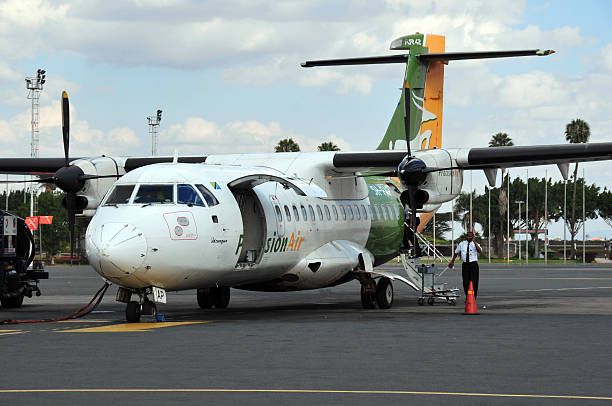
Upon arrival at Kilimanjaro International Airport (JRO), you’ll be met by your expedition representative and transferred to a comfortable, high-quality hotel in Moshi. This is not just any hotel; it’s a carefully selected establishment offering excellent amenities, Wi-Fi, and a relaxing atmosphere. Your evening includes a comprehensive pre-climb briefing with your lead guide. This session covers everything from gear checks and packing advice to detailed route information, safety protocols, and acclimatization strategies. You’ll have the opportunity to ask questions and ensure you’re fully prepared for the journey ahead. A hearty dinner and a good night’s rest are crucial before the adventure begins.
Day 2: Londorossi Gate to Mti Mkubwa Camp (3,100m / 10,170ft)
After breakfast, you’ll be driven to the Londorossi Park Gate (2,360m / 7,740ft). The journey to the gate takes approximately 2-3 hours. After park formalities, you’ll begin your trek through the montane rainforest. This is a gentle introduction to Kilimanjaro, walking on well-maintained paths. Your high-end crew will have set up a comfortable camp at Mti Mkubwa (‘Big Tree’) camp. Expect spacious tents, a private toilet tent, and hot drinks and snacks ready upon arrival. Your chef will prepare a delicious dinner. The altitude gain today is moderate, aiding initial acclimatization.
Day 3: Mti Mkubwa Camp to Shira 1 Camp (3,500m / 11,480ft)
Today’s trek continues through the forest before emerging into moorland. The path becomes steeper in places. You’ll trek for about 5-7 hours, covering a distance of around 10-12 km. The highlight is reaching the Shira Plateau, a vast, windswept moorland with stunning views of the Shira Ridge. Your camp at Shira 1 offers a dramatic setting. High-end services ensure your tents are pitched on level ground, and a communal mess tent provides a warm space for meals. Hot water for washing and a hearty, balanced dinner are provided. This day’s altitude gain is significant, and the exposure on the plateau requires good acclimatization.
Day 4: Shira 1 Camp to Shira 2 Camp (3,850m / 12,630ft)
A shorter trekking day today allows for better acclimatization. You’ll traverse the Shira Plateau, enjoying spectacular views of Mount Kilimanjaro, including the iconic Shira Needles. The terrain is undulating and can be rocky. The walk takes approximately 3-4 hours, covering about 6-8 km. Shira 2 Camp is located at a higher elevation, offering even more expansive views. Your crew will have established a comfortable camp, and the chef will prepare a nutritious dinner. This day is designed to gradually increase your altitude exposure while minimizing physical exertion.
Day 5: Shira 2 Camp to Barranco Camp (3,950m / 12,960ft) via Lava Tower (4,600m / 15,090ft)
This is a crucial acclimatization day. You’ll ascend towards the Lava Tower, a prominent volcanic plug, reaching an altitude of 4,600 meters. This ‘climb high’ element is vital for acclimatization. After a break at Lava Tower, you’ll descend to Barranco Camp. The descent is significant, helping your body adjust to lower pressure. The total trekking time is around 6-8 hours, covering about 10-12 km. Barranco Camp is situated in a stunning valley below the Great Barranco Wall. High-end services include ensuring your tents are well-protected from the elements and providing a warm, comfortable dining experience. The meal tonight will be particularly satisfying after a challenging day.
Day 6: Barranco Camp to Karanga Camp (3,995m / 13,100ft)
Today involves tackling the Great Barranco Wall, a steep but manageable climb. It’s a highlight for many, offering incredible views and a sense of accomplishment. After the wall, the path winds through alpine desert landscapes. You’ll trek for about 4-5 hours, covering approximately 5-7 km. Karanga Camp is located in a valley, providing a sheltered spot. Your expedition team will have your comfortable camp set up, and the chef will be ready with hot drinks and a delicious dinner. This day is shorter, allowing for recovery and continued acclimatization.
Day 7: Karanga Camp to Barafu Camp (4,640m / 15,220ft)
This is another significant day, as you ascend towards Barafu Camp, the base camp for your summit attempt. The landscape becomes increasingly barren and rocky. You’ll trek for about 4-5 hours, covering 4-6 km. Barafu Camp is exposed and windy, but your high-end setup ensures sturdy tents and a communal area for preparing for the summit push. The afternoon is spent resting, hydrating, and preparing your gear. Your guides will conduct a final briefing on the summit night. A high-energy dinner is served early, and you’ll aim to get as much sleep as possible before the midnight start.
Day 8: Summit Day! Barafu Camp to Uhuru Peak (5,895m / 19,341ft) and Descent to Mweka Camp (3,100m / 10,170ft)
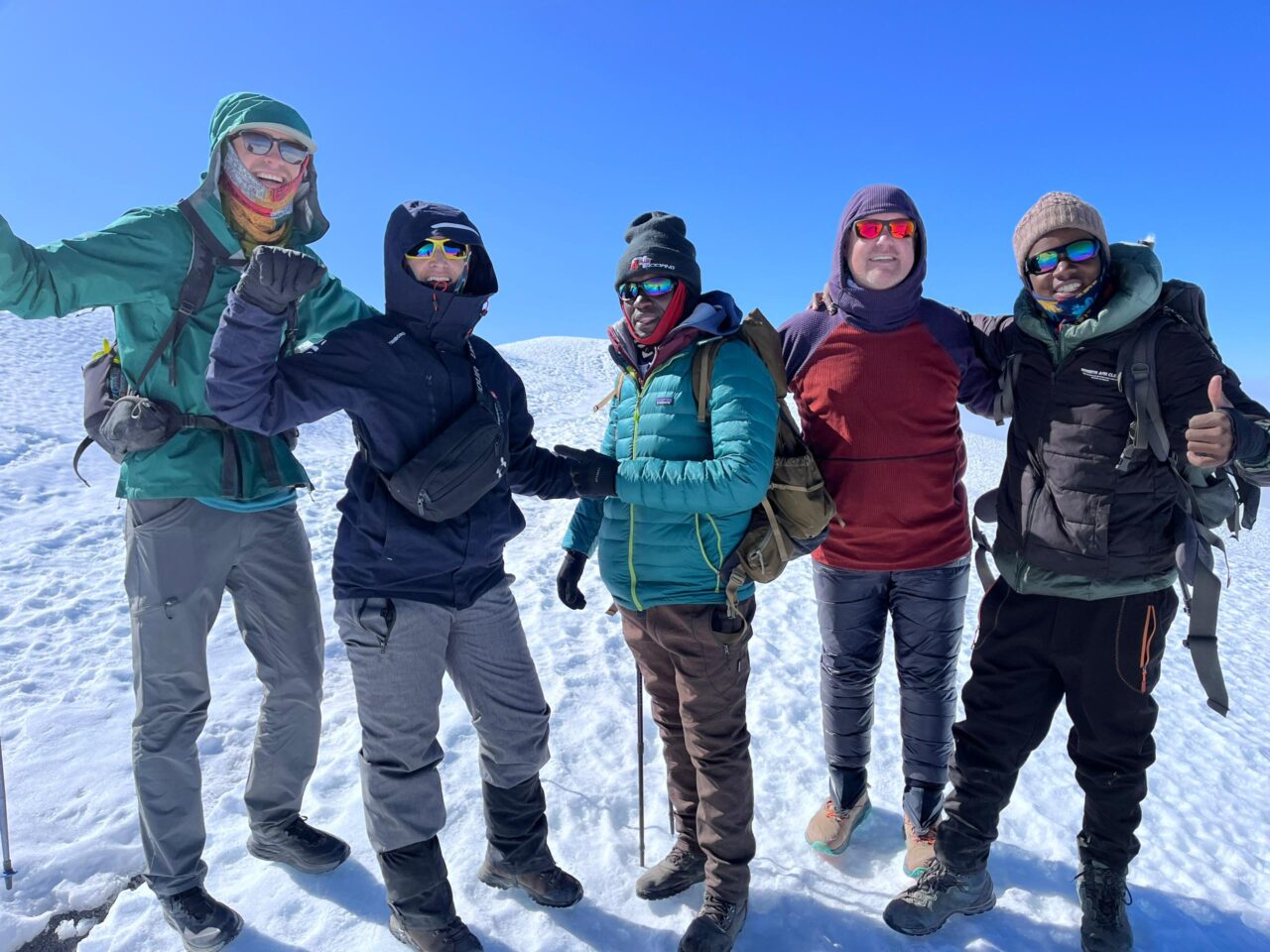
This is the ultimate challenge. You’ll begin your ascent around midnight, trekking through the night towards Stella Point on the crater rim. The climb is steep and challenging, especially in the cold and thin air. Your guides will provide constant support and encouragement. Reaching Stella Point is a major achievement, and from there, it’s a relatively gentle walk along the crater rim to Uhuru Peak, the roof of Africa. Celebrate your success! After photos, you’ll descend back to Barafu Camp for a short rest and then continue descending all the way to Mweka Camp. This is a very long and demanding day, typically 12-16 hours of trekking. Your high-end crew will have a warm meal and comfortable tents waiting at Mweka Camp, a welcome sight after your incredible achievement.
Day 9: Mweka Camp to Mweka Gate & Transfer to Moshi
After breakfast, you’ll complete the final descent through the rainforest to Mweka Gate. The trek takes about 3-4 hours. At the gate, you’ll be greeted by your expedition team and presented with your climbing certificates. You’ll then be transferred back to your hotel in Moshi for a well-deserved shower, a celebratory meal, and relaxation. Reflect on your amazing journey to the summit of Kilimanjaro. For 2026-2027 adventurers, this marks the end of the mountain phase, with options for further exploration in Tanzania.
Day 10: Departure or Further Exploration
Depending on your travel plans, you can depart from Kilimanjaro International Airport or continue your Tanzanian adventure with a safari or a Zanzibar holiday, expertly arranged by Top Guide Adventures.
Comparing Lemosho High-End with Other Kilimanjaro Routes
While the Lemosho Route offers a superior trekking experience, it’s helpful to understand how a Lemosho Route high-end mountain expedition compares to other popular Kilimanjaro routes, especially when considering the premium service aspect.
| Route | Typical Duration (High-End) | Scenery | Acclimatization | Crowds | Success Rate (High-End) | Cost Level (High-End) |
|---|---|---|---|---|---|---|
| Lemosho | 8-9 Days | Excellent (Rainforest, Shira Plateau, Barranco Wall) | Very Good (Gradual ascent) | Moderate (less crowded initially) | High (85-95%) | High |
| Machame | 7-8 Days | Very Good (Rainforest, Shira Plateau, Barranco Wall) | Good (Steeper than Lemosho) | High (most popular) | High (75-85%) | Medium-High |
| Marangu | 5-6 Days | Fair (Forest, moorland, alpine desert) | Poor (steep, fast ascent) | High | Lower (40-60%) | Medium |
| Northern Circuit | 9-10 Days | Exceptional (Circumnavigates the mountain) | Excellent (Slowest, most gradual) | Low | Very High (90-98%) | Very High |
| Umbwe | 6-7 Days | Good (Steep, direct) | Poor (very steep) | Low | Lower (60-70%) | Medium |
As the table illustrates, a Lemosho Route high-end mountain expedition offers a compelling balance. It provides the scenic beauty and excellent acclimatization of the Northern Circuit but is typically shorter and slightly less expensive at the high-end level. It surpasses the Machame and Marangu routes significantly in terms of acclimatization, scenery, and success rates, especially when opting for the longer 8 or 9-day variants. For 2026-2027 planning, Lemosho remains a top contender for those seeking a premium, scenic, and successful climb.
What ‘High-End’ Typically Includes on the Lemosho Route
The definition of ‘high-end’ can vary slightly between operators, but for a Lemosho Route high-end mountain expedition, you can expect a comprehensive package focused on quality and comfort. Here’s a breakdown of common inclusions:
Core Inclusions for a Premium Lemosho Experience:
- Park Fees: All national park entrance fees, camping fees, and rescue fees.
- Accommodation: 2 nights pre-climb and 1-2 nights post-climb in a comfortable, reputable hotel in Moshi or Arusha.
- Transfers: All airport transfers and transport to/from Kilimanjaro National Park gates.
- Guides: Highly experienced, certified lead guides and assistant guides (typically a 1:2 or 1:3 guide-to-client ratio). All guides are trained in first aid and wilderness medicine.
- Porters: Sufficient porters to carry all group camping equipment, food, and personal luggage (usually up to 15kg per client).
- Catering: All meals on the mountain (breakfast, lunch, dinner), including snacks, hot drinks, and purified drinking water. Expect varied, nutritious, and gourmet-style meals prepared by a dedicated camp chef.
- Camping Equipment: High-quality, spacious 3-4 season tents (individual or shared based on preference), comfortable sleeping mats, dining tent, table, chairs, and a private toilet tent.
- Safety Equipment: Comprehensive first-aid kit, emergency oxygen cylinders, pulse oximeters, and communication devices (satellite phone or radio).
- Water: Boiled and purified drinking water provided daily.
- Briefings: Pre-climb briefing and ongoing daily briefings from your guides.
What might be excluded or considered optional add-ons:
- Trekking Poles: Often available for rent.
- Sleeping Bags & Mats: While high-quality ones are usually provided, some clients prefer to bring their own.
- Personal Items: Clothing, toiletries, personal medications, headlamps, etc.
- Tips: Gratuities for guides, porters, and cooks are customary and expected. High-end operators often provide clear tipping guidelines.
- Travel Insurance: Essential and must cover high-altitude trekking and emergency evacuation.
- Visas and Flights: International airfare and visa fees.
- Personal Expenses: Souvenirs, alcoholic beverages, laundry services.
The Role of Acclimatization in High-End Expeditions
Altitude sickness (Acute Mountain Sickness – AMS) is the most significant risk on Kilimanjaro. A Lemosho Route high-end mountain expedition prioritizes acclimatization through several key strategies:
- Longer Itinerary: The 8-9 day Lemosho route is inherently better for acclimatization than shorter 5 or 6-day routes. The extra days allow for a slower ascent, giving your body more time to adapt to decreasing oxygen levels.
- ‘Climb High, Sleep Low’: High-end itineraries strategically incorporate days where you ascend to higher altitudes during the day (e.g., Lava Tower on Day 5) and then descend to a lower camp to sleep. This process stimulates acclimatization without prolonged exposure to extreme altitudes.
- Pacing: Guides on high-end expeditions are trained to maintain a slow, steady pace (‘pole pole’). They monitor each climber closely, ensuring no one ascends too quickly.
- Hydration and Nutrition: Emphasis is placed on drinking plenty of fluids and eating well-balanced meals. High-end operators ensure delicious and appealing food, making it easier for clients to maintain their intake.
- Monitoring: Regular checks of oxygen saturation levels and heart rate using pulse oximeters, alongside subjective symptom reporting, allow guides to identify potential issues early.
- Emergency Preparedness: The presence of emergency oxygen and experienced medical personnel means that if AMS does become severe, immediate and effective treatment can be administered.
For your 2026-2027 climb, understanding and respecting the acclimatization process is non-negotiable. A high-end expedition provides the framework and support to do this effectively.
Gear and Equipment for a High-End Lemosho Expedition
While a high-end operator provides top-quality camping gear, your personal equipment is crucial for comfort and safety. Here’s what you need to consider:
Essential Personal Gear:
- Layering System: Base layers (merino wool or synthetic), mid-layers (fleece or down jacket), and an outer shell (waterproof and windproof jacket and trousers).
- Footwear: Broken-in, waterproof hiking boots. Camp shoes or sneakers for evenings. Several pairs of warm hiking socks.
- Headwear: Warm beanie hat, sun hat with a brim, and a balaclava or neck gaiter for summit night.
- Handwear: Warm, waterproof gloves or mittens, and thinner liner gloves.
- Sleeping Bag: Rated to at least -10°C to -20°C (0°F to -4°F). High-end operators often provide these, but check.
- Backpack: A comfortable daypack (30-40L) for essentials you carry daily. A larger duffel bag (80-100L) for porters to carry (ensure it’s waterproof).
- Headlamp: With extra batteries.
- Sun Protection: High SPF sunscreen, lip balm with SPF, sunglasses.
- Hydration: Water bottles or a hydration reservoir (at least 3 liters capacity). Consider an insulated sleeve to prevent freezing.
- Personal First Aid Kit: Including blister treatment, pain relievers, antiseptic wipes, personal medications.
- Toiletries: Biodegradable soap, toothbrush, toothpaste, wet wipes, hand sanitizer.
- Trekking Poles: Highly recommended for stability and reducing strain on knees.
- Camera: With extra batteries and memory cards.
- Snacks: Energy bars, nuts, dried fruit – though a high-end chef provides plenty, personal favorites are good.
A high-end operator will provide a detailed packing list upon booking, often including recommendations for specific brands and types of gear. Ensure your gear is suitable for extreme cold and high-altitude conditions, especially if planning for the 2026-2027 season.
The Culinary Experience on a High-End Kilimanjaro Trek
One of the most significant differentiators of a Lemosho Route high-end mountain expedition is the quality of the food. Forget freeze-dried meals and basic rations. Your expedition chef is trained to prepare delicious, varied, and highly nutritious meals that provide the energy needed for the demanding trek.
- Breakfast: Options often include porridge, eggs (scrambled, fried, omelets), sausages, toast, pancakes, fruit, and yogurt.
- Lunch: Typically a packed lunch consisting of sandwiches, wraps, hard-boiled eggs, fruit, juice, and snacks. Hot soup is often provided at a midday rest stop.
- Dinner: A multi-course affair. Starters might include soup or salad, followed by a main course like chicken curry, beef stew, pasta dishes, grilled fish, or vegetable stir-fries. Desserts often include fruit, cake, or puddings.
- Snacks: Biscuits, nuts, chocolate, and fruit are provided throughout the day.
- Drinks: Freshly brewed coffee and tea, hot chocolate, and abundant purified water.
High-end operators pay close attention to dietary requirements. Whether you’re vegetarian, vegan, gluten-free, or have specific allergies, your chef will cater to your needs with delicious and safe meals. This culinary focus not only enhances comfort but also ensures you receive optimal nutrition for energy and recovery.
Safety First: High-End Standards on the Mountain
Safety is paramount on any Kilimanjaro climb, but a high-end expedition elevates the standards significantly.
- Experienced Guides: Lead guides are typically certified Wilderness First Responders (WFR) or hold equivalent medical training. They have years of experience on Kilimanjaro and a deep understanding of altitude physiology.
- Guide-to-Client Ratio: A lower ratio (1:2 or 1:3) means guides can give more individual attention, spot subtle signs of altitude sickness, and respond quickly to any issues.
- Emergency Oxygen: Multiple cylinders of supplementary oxygen are carried by the expedition team, ready for immediate use if needed.
- Medical Kits: Comprehensive medical kits, including prescription medications for altitude sickness (like Diamox), pain relief, wound care, and treatments for common ailments.
- Pulse Oximeters: Used regularly to measure blood oxygen saturation and heart rate, providing objective data on acclimatization status.
- Communication: Satellite phones or reliable two-way radios are carried for emergency communication with base operations and rescue services.
- Evacuation Plans: Well-rehearsed emergency evacuation procedures are in place, often involving park rangers and dedicated rescue teams.
- Porter Welfare: High-end operators ensure their porters are well-equipped, adequately fed, and treated ethically, contributing to a more stable and professional support team.
Choosing a Lemosho Route high-end mountain expedition means you are investing in the highest level of safety protocols and expert care available on Kilimanjaro, crucial for peace of mind during your 2026-2027 adventure.
Booking Your Lemosho Route High-End Expedition for 2026-2027
Planning a Kilimanjaro climb requires careful consideration, especially for a high-end experience. For the 2026-2027 climbing seasons, early booking is highly recommended to secure your preferred dates and ensure the availability of top guides and resources.
When selecting an operator for your Lemosho Route high-end mountain expedition, look for:
- Proven Track Record: Check reviews, testimonials, and affiliations with reputable organizations.
- Transparency: Clear inclusions and exclusions lists, detailed itineraries, and transparent pricing.
- Safety Standards: Commitment to high guide-to-client ratios, medical training, and emergency preparedness.
- Ethical Practices: Fair treatment and wages for porters and staff.
- Communication: Responsive and knowledgeable customer service that can answer all your questions thoroughly.
Top Guide Adventures specializes in crafting exceptional Kilimanjaro experiences, including high-end Lemosho Route expeditions. We understand the nuances of mountain travel and are dedicated to providing unparalleled service, safety, and success for our clients. Whether you’re planning for 2026 or 2027, we can help you tailor the perfect climb.
To discuss your dream Kilimanjaro adventure, get a personalized quote, or learn more about our Lemosho Route high-end mountain expedition offerings for 2026-2027, please reach out:
WhatsApp: +255616946642
Email: topguideadventures@gmail.com
Backup Email: info@topguideadventures.com
We are committed to making your Kilimanjaro journey a safe, memorable, and triumphant experience. Let us guide you to the Roof of Africa in comfort and style.
Check Availability for Lemosho Route High-End Mountain Expedition: Your Ultimate Kilimanjaro
Ready to compare dates, prices, and the best option for your group? Send the package name and travel month so the team can reply with a clear quote, availability, and what is included.
Kilimanjaro Climb With High-Protein Meals: Fueling Your Ascent In 2026-2027
Fueling your Kilimanjaro climb is as critical as choosing the right route. This guide focuses on the power of high-protein meals to sustain energy, aid recovery, and maximize your chances...
View package details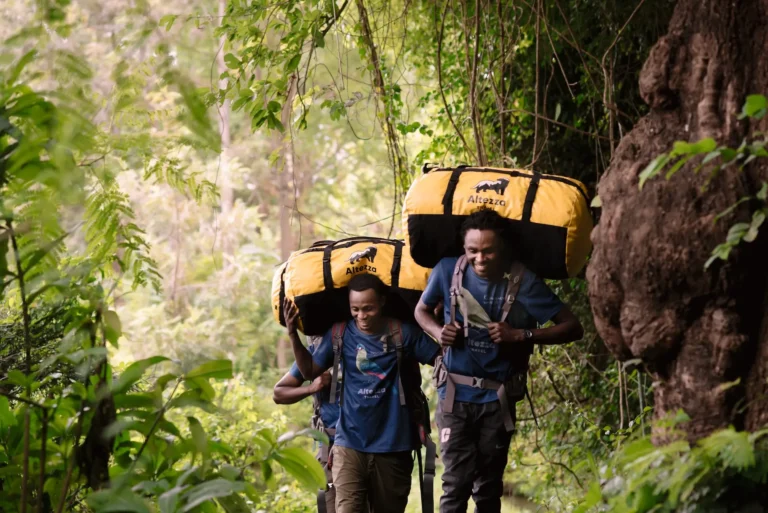
Kilimanjaro Climb With Vegan Mountain Meals: Your Expert Guide For 2026-2027
Embarking on a Kilimanjaro climb is a monumental achievement, and ensuring you have the right nutrition, especially with specific dietary needs like veganism, is crucial for success. Top...
View package details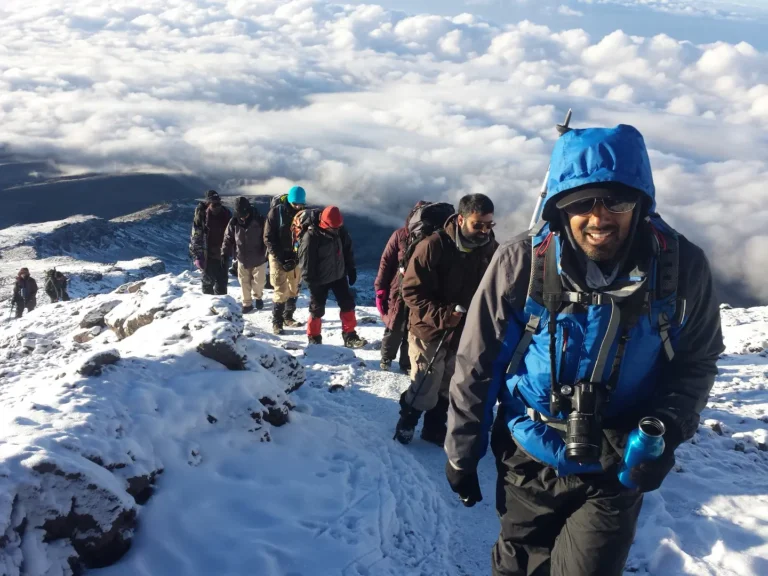
Kilimanjaro Route With The Gentlest Altitude Profile For Climbs 2026-2027
Choosing the right Kilimanjaro route is crucial for a successful and enjoyable climb, especially if you're concerned about altitude. The Marangu and Lemosho routes are often cited for their...
View package details
Kilimanjaro Airport Arrival And Mountain Briefing Package: Your Top Guide
Your journey to Kilimanjaro begins the moment you land. Top Guide Adventures provides a comprehensive Kilimanjaro Airport arrival and mountain briefing package, ensuring you are...
View package details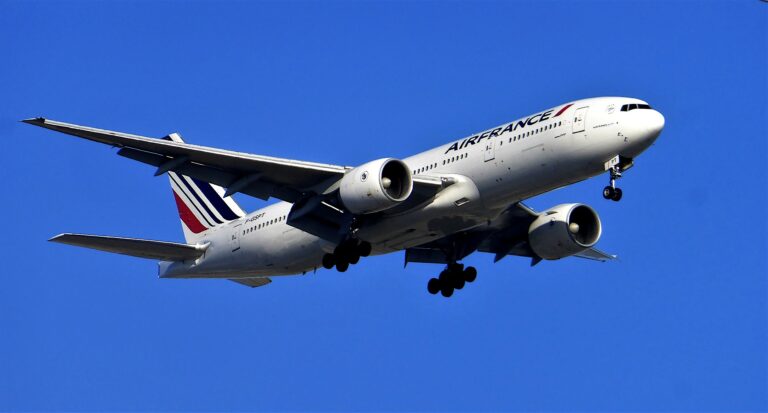
Kilimanjaro Christmas And New Year Expedition : Your Ultimate Guide 2026-2027
Climb Mount Kilimanjaro during the festive season! This comprehensive guide covers everything you need to know about a Kilimanjaro Christmas and New Year expedition for 2026-2027, from...
View package detailsKilimanjaro Valentine’s Couple Expedition: Your Ultimate Guide 2026-2027
start a unique Kilimanjaro Valentine’s Couple Expedition in 2026 or 2027. This guide covers everything couples need to know, from choosing the best route for romance and success to packing...
View package details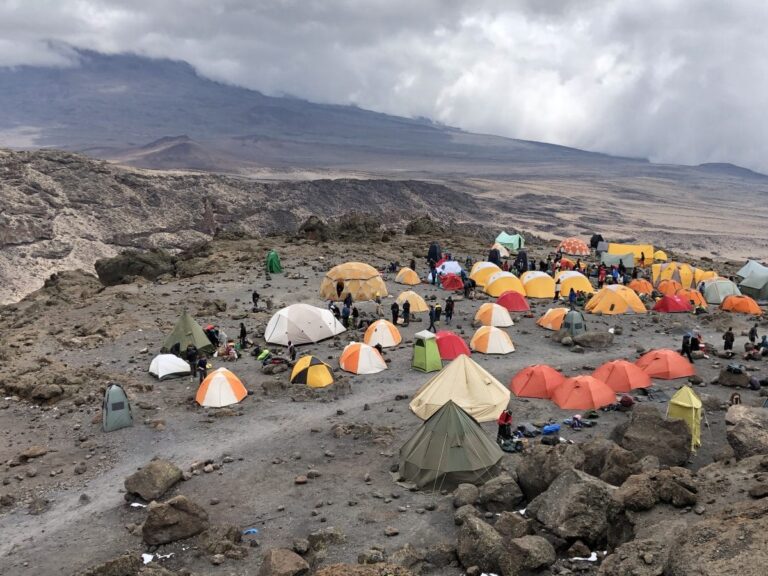
Kilimanjaro Veterans Group Expeditions For 2026-2027
Discover the unique opportunities for veterans to climb Mount Kilimanjaro together through specially organized group expeditions. Learn about the benefits, best routes, and planning...
View package details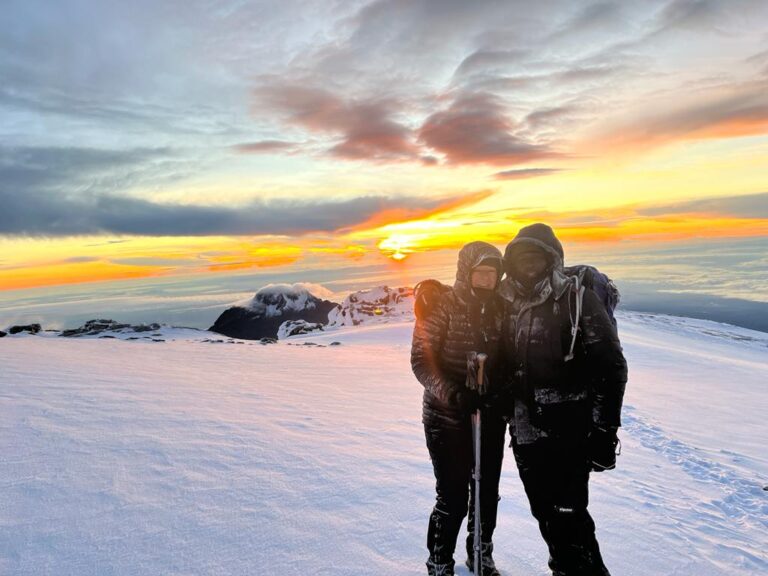
Kilimanjaro Memorial And Tribute Climb: Honoring Legacies On Africas Highest
A Kilimanjaro Memorial and Tribute Climb offers a profound way to honor a loved one's memory by ascending Africa's highest peak. Top Guide Adventures specializes in organizing these...
View package details
Kilimanjaro Anniversary Summit Expedition: Celebrating Milestones In 2026-2027
start an unforgettable Kilimanjaro Anniversary Summit Expedition in 2026 or 2027. This guide covers route selection, preparation, and what to expect for couples or groups celebrating a...
View package details
Kilimanjaro Month-By-Month Route Planner: Your Guide 2026-2027
Plan your Kilimanjaro climb with our month-by-month route planner. Covering 2026-2027, we detail weather patterns, route suitability, and expert advice for your successful summit.
View package details
Can You Drink Alcohol Before Climbing Kilimanjaro? 2026-2027
Can You Drink Alcohol before Climbing Kilimanjaro? is explained with current 2026-2027 planning, price, itinerary and booking information.
View package detailsCan You Drink Coffee On Kilimanjaro? Guide
Curious if you can enjoy your morning coffee while climbing Kilimanjaro? This comprehensive guide from Top Guide Adventures covers everything from availability on the mountain to brewing...
View package detailsNo related package matches those filters. Clear one or more filters to see the other topic-matched options.



