
The Maswa Game Reserve Area is a significant, largely protected wilderness in north-central Tanzania, bordering the Serengeti National Park, renowned for its exceptional predator populations, vast open plains, and opportunities for walking safaris and exclusive, off-the-beaten-path wildlife viewing, making it a prime destination for discerning safari-goers in 2026-2027.
Understanding the Maswa Game Reserve Area: A Wilderness Sanctuary
When planning a Tanzanian safari, many travelers immediately think of the famous Serengeti, Ngorongoro Crater, or Tarangire National Park. While these are undeniably spectacular, Tanzania harbors other, less-trodden areas that offer equally profound, if not more intimate, wildlife encounters. The Maswa Game Reserve Area stands out as one such treasure. Situated in the Simiyu Region, Maswa is not a single, formally gazetted national park but rather a collection of protected areas and concessions that form a vital ecological corridor, particularly important for the Great Migration and home to a remarkable density of predators and diverse plains game.
Its strategic location, directly west of the Serengeti and north of the Grumeti River, means that Maswa Game Reserve Area often captures significant portions of the wildebeest and zebra herds as they traverse the ecosystem. Unlike the more regulated national parks, parts of the Maswa area are managed as controlled or non-hunting areas, offering a unique blend of conservation and tourism opportunities. This allows for activities like walking safaris and night drives, which are often restricted or prohibited in more heavily visited parks. The result is a more raw, authentic, and personalized safari experience, ideal for those seeking to escape the crowds and connect deeply with the African wilderness.
For travelers looking ahead to 2026 and 2027, understanding the nuances of areas like Maswa is key to crafting a truly memorable and unique Tanzanian adventure. It represents an opportunity to witness the wild in a way that feels more personal and less commercialized, a growing desire for many modern travelers.
The Unique Appeal of Maswa: Beyond the Usual Safari Circuit
What sets the Maswa Game Reserve Area apart? It’s a combination of factors that appeal to a specific type of safari enthusiast:
- Predator Paradise: Maswa is famously known for its high concentrations of predators, including lions, leopards, cheetahs, and hyenas. The open plains and scattered acacia woodlands provide ideal hunting grounds, and the relative scarcity of vehicles means you often have front-row seats to observe their behaviors without disturbance.
- Exclusive Wildlife Encounters: Because Maswa is less developed and accessible than the main national parks, visitor numbers are significantly lower. This translates into a more private and intimate experience with the wildlife. Imagine a pride of lions resting under an acacia tree, with only your vehicle present, or tracking a leopard through the bush with a knowledgeable guide.
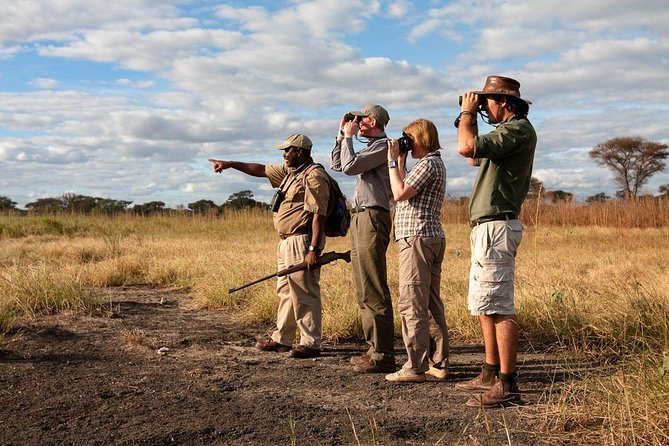
- Walking Safaris: Certain areas within or bordering Maswa Game Reserve Area permit walking safaris. Led by armed rangers, these excursions offer a completely different perspective on the bush. You’ll learn about tracking, identify smaller flora and fauna, and experience the sounds and smells of the wilderness in a way that’s impossible from a vehicle.
- Night Game Drives: Again, where permitted, night drives in Maswa offer a chance to see nocturnal animals that are rarely active during the day, such as genets, civets, bush babies, and perhaps even aardvarks or porcupines. The star-studded African night sky adds another layer of magic to these excursions.
- Proximity to the Great Migration: Depending on the time of year, Maswa Game Reserve Area can be a prime location to witness the Great Migration. The vast herds of wildebeest and zebra often utilize the plains here as they move between the Serengeti and the Maasai Mara, offering spectacular viewing opportunities, especially during river crossings in adjacent areas or when the herds are spread across the plains.
- Conservation Focus: Many lodges and operators in the Maswa region are deeply committed to conservation and community development. Staying in these areas often means contributing directly to the protection of this vital ecosystem and supporting local livelihoods.
This blend of exclusivity, diverse activities, and rich wildlife makes Maswa Game Reserve Area a compelling choice for travelers in 2026-2027 who are looking for more than just a standard safari.
Geographical Context: Where Exactly is Maswa Game Reserve Area?
Maswa Game Reserve Area is situated in the Simiyu Region of northern Tanzania. Its defining characteristic is its adjacency to the world-famous Serengeti National Park. Specifically, it lies to the west of the central Serengeti and to the north of the Grumeti River. This positioning is crucial because it places Maswa directly within the migratory path of the wildebeest and zebra herds that undertake the epic annual journey across the Serengeti ecosystem.
The area is characterized by vast, rolling plains dotted with acacia trees, kopjes (rocky outcrops), and occasional riverine forests along the Grumeti River. Its landscape is typical of the Serengeti ecosystem, providing abundant grazing for herbivores and, consequently, a rich hunting ground for predators.
It’s important to note that ‘Maswa Game Reserve Area’ is not a single, officially demarcated national park with rigid boundaries in the same way as the Serengeti. Instead, it often refers to a broader region that includes areas designated for conservation, private concessions leased to tour operators, and buffer zones around the Serengeti. This flexible management structure is what allows for the unique safari experiences, such as walking safaris and night drives, to be offered.
Understanding this geography helps explain why Maswa is so important for wildlife movement and why it offers a different safari experience. It’s a wild, expansive territory that complements the more structured national parks, providing a critical habitat and migratory corridor.
When to Visit Maswa Game Reserve Area: Timing Your Safari
The best time to visit Maswa Game Reserve Area largely depends on what you hope to see and experience. Given its position within the Serengeti ecosystem, the timing of the Great Migration plays a significant role. However, Maswa is also an excellent year-round destination due to its resident wildlife populations.
The Great Migration and Maswa
The Great Migration is a continuous movement of over 1.5 million wildebeest, zebras, and gazelles, driven by the rains in search of fresh grazing. While the exact location of the herds varies annually, the Maswa region often plays a role:
- December to March: The herds are typically found in the southern Serengeti plains, which are adjacent to or can be accessed from Maswa. This is the calving season, a fantastic time to witness newborn animals and the predator-prey dynamics that follow.
- April to May: This is the ‘long rains’ period, and the herds begin moving northwards. While this can be a quieter time for tourism, the plains are lush and green.
- June to October: The herds are generally in the western and northern Serengeti, heading towards the Maasai Mara in Kenya. River crossings, particularly of the Grumeti River (which borders Maswa), can occur during this period, offering dramatic spectacles. Maswa’s proximity means that even if the main herds are slightly north, excellent predator sightings are still common as they follow the remaining grazers.
- November: The herds begin their return journey south, often moving through the central and eastern parts of the Serengeti, potentially passing through areas accessible from Maswa.
Year-Round Wildlife Viewing in Maswa
Beyond the migration, Maswa Game Reserve Area boasts a rich resident wildlife population. This means that exceptional game viewing is possible throughout the year:
- Dry Season (June to October): Water sources become scarcer, concentrating animals around the remaining waterholes and rivers. This is generally considered peak safari season due to pleasant weather and excellent game viewing. Visitor numbers are higher, but Maswa’s exclusivity helps mitigate this.
- Wet Season (November to May): The landscape is lush and green, offering beautiful photographic opportunities. Birdlife is abundant, and this is the calving season for wildebeest and zebras. While some roads might be challenging after heavy rains, game viewing remains excellent, and the fewer visitors make it a more intimate experience.
For planning your 2026-2027 safari, consider that the peak season (June-October) offers the most reliable game viewing and best weather, but the shoulder months (May, November) can provide a great balance of good sightings, fewer crowds, and potentially better value. The wet season (December-April) is ideal for those interested in the calving season and lush landscapes, with the added benefit of very few tourists.
What to See: Wildlife in Maswa Game Reserve Area
The Maswa Game Reserve Area is a wildlife haven, supporting an incredible diversity of species. Its predator populations are particularly noteworthy, making it a dream destination for wildlife photographers and enthusiasts.
The Iconic Big Five (and More)
You can expect to encounter:
- Lions: Maswa is renowned for its lion prides. The open plains and kopjes provide excellent vantage points for hunting, and you’ll often see them lounging in the shade or on rocky outcrops.
- Leopards: These elusive cats are masters of camouflage. While sightings are never guaranteed, Maswa’s woodlands and riverine areas offer good habitat, and their presence is strong here.
- Cheetahs: The speed kings of the savanna thrive on the open plains of Maswa. Watching a cheetah stalk its prey is an unforgettable experience.
- Elephants: While not as densely populated as in parks like Amboseli or Tarangire, elephants are present in Maswa, especially near the Grumeti River.
- Buffalo: Large herds of African buffalo can be seen grazing on the plains. They are powerful and potentially dangerous animals, often found in impressive numbers.
Other Mammals of Interest
Beyond the Big Five, Maswa teems with other fascinating wildlife:
- Giraffes: Maasai giraffes are a common sight, often seen browsing on acacia trees.
- Zebras: Huge numbers of zebras are present, especially when the migration passes through.
- Wildebeest: The iconic wildebeest are a staple of the Maswa landscape, forming a significant part of the Great Migration.
- Antelopes: A variety of antelope species inhabit the area, including Thomson’s gazelles, Grant’s gazelles, impalas, topi, hartebeest, and elands.
- Primates: While less common on the open plains, baboons and vervet monkeys can be seen in wooded areas.
- Hippos and Crocodiles: Found in the Grumeti River and other permanent water sources.
- Smaller Mammals: Maswa is also home to a variety of smaller mammals, many of which are nocturnal and can be spotted on night drives, such as hyenas, wild dogs (though rare, they do pass through), jackals, servals, caracals, mongoose, and various rodents.
Birdlife
For birdwatchers, Maswa Game Reserve Area is a paradise, particularly during the wet season when migratory birds are present. Expect to see a wide array of species, including raptors like eagles and vultures, ostriches, various species of francolins, guineafowl, hornbills, rollers, bee-eaters, and water birds near the rivers.
The diversity of wildlife, especially predators, makes Maswa a highly rewarding destination for any safari, whether you are visiting in 2026 or 2027.
Activities and Experiences in Maswa Game Reserve Area
The unique management of Maswa Game Reserve Area allows for a range of activities that enhance the safari experience, offering more depth and immersion than traditional vehicle-based game drives alone.
Walking Safaris
This is perhaps one of the most significant draws of Maswa. Walking safaris offer an unparalleled connection to the environment. Accompanied by an experienced, armed ranger and guide, you’ll explore the bush on foot, learning about:
- Tracking: Identifying animal tracks and understanding their movements.
- Botany: Discovering the medicinal uses of plants and the ecological significance of different flora.
- Insects and Small Creatures: Observing the intricate details of the ecosystem that are often missed from a vehicle.
- The Senses: Truly experiencing the sights, sounds, and smells of the African bush.
Walking safaris are typically offered by specific lodges operating within or adjacent to the Maswa concessions. They are usually conducted in the early morning or late afternoon when temperatures are cooler.
Night Game Drives
Another activity that sets Maswa apart is the opportunity for night game drives. As dusk falls, the landscape transforms, and a host of nocturnal animals emerge:
- Predator Activity: Many predators, including lions and hyenas, are more active at night.
- Nocturnal Mammals: Spotting animals like bush babies, genets, civets, aardvarks, and porcupines.
- Stargazing: The absence of light pollution offers incredible views of the African night sky.
Night drives are conducted in specially equipped safari vehicles with spotlights, allowing guides to scan the bush for the reflective eyes of animals.
Classic Game Drives
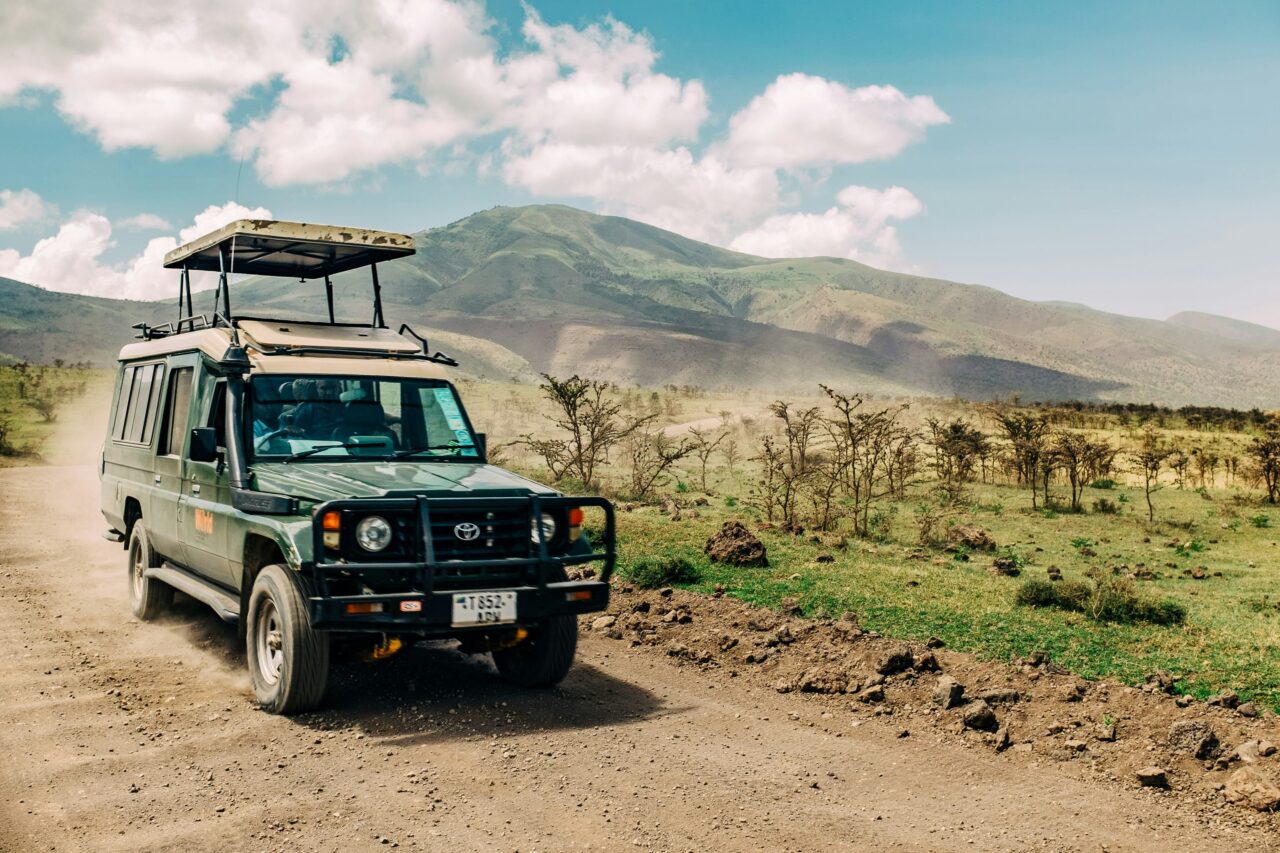
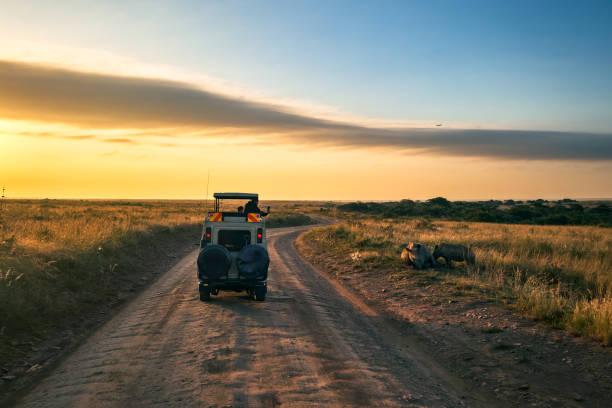
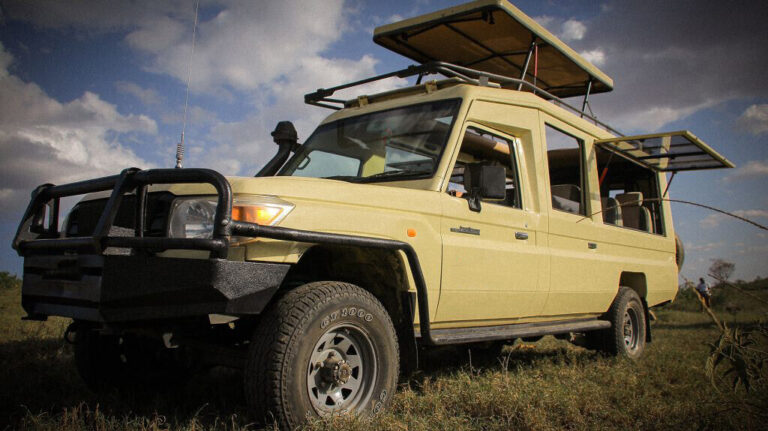
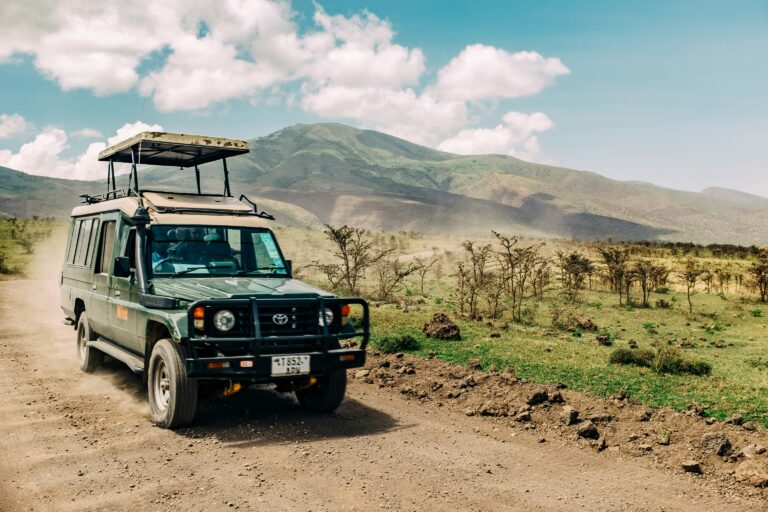
Of course, traditional game drives remain a cornerstone of the Maswa experience. These are conducted in open-top 4×4 vehicles, allowing for excellent visibility and photographic opportunities. The benefit in Maswa is the significantly lower vehicle density, ensuring that sightings are more personal and less disruptive to the wildlife.
- Off-Road Driving: In some concessions, off-road driving may be permitted to get closer to sightings, always adhering to strict ethical guidelines.
- Focus on Predators: Guides are adept at finding lions, leopards, and cheetahs, often utilizing their knowledge of the terrain and animal behavior.
- Following the Migration: If visiting during migration season, drives will focus on locating and observing the massive herds.
Cultural Encounters
While Maswa is primarily a wildlife destination, its location in Simiyu Region means that interactions with local communities, such as the Maasai or Sukuma people, can sometimes be arranged through lodges. These visits offer insights into traditional ways of life and the relationship between people and the land.
For those planning a safari in 2026-2027, combining these activities offers a comprehensive and deeply engaging exploration of the Tanzanian wilderness. The ability to walk, drive at night, and have uncrowded game drives makes Maswa a truly special destination.
Where to Stay: Accommodation Options in Maswa
Accommodation in the Maswa Game Reserve Area typically consists of high-end safari lodges and tented camps that are designed to blend into the environment and offer an intimate wilderness experience. These lodges often operate within private concessions, which allows them to offer the exclusive activities mentioned earlier.
Lodges in Maswa generally fall into the luxury or mid-to-high-end category. They prioritize sustainability, excellent guiding, and exceptional guest service. Expect:
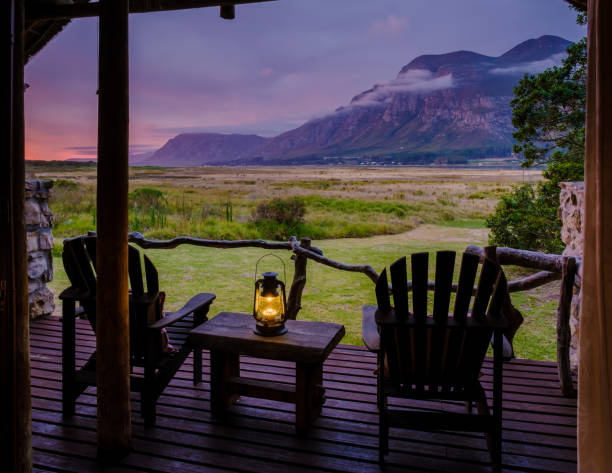
- Luxury Tented Camps: These offer the classic safari feel with large, comfortable canvas tents, often featuring en-suite bathrooms, comfortable beds, and private verandas. They provide a blend of comfort and immersion in nature.
- Safari Lodges: More permanent structures, these lodges offer similar amenities to tented camps but may have more extensive facilities, such as lounges, dining areas, and swimming pools.
- Exclusive Concessions: Many lodges operate on land leased from local communities or the government as private concessions. This exclusivity is key to offering activities like walking safaris and night drives, and it ensures that guest numbers are limited, maintaining a low-impact, high-quality experience.
Key features of Maswa accommodation:
- Intimate Settings: Lodges are typically small, with a limited number of rooms or tents, ensuring a personal atmosphere.
- Exceptional Guiding: Highly experienced and knowledgeable guides (often with specific tracking or walking qualifications) are a hallmark of Maswa camps.
- All-Inclusive Packages: Most lodges offer all-inclusive rates, covering accommodation, all meals, local drinks, and scheduled safari activities (game drives, walks, night drives).
- Proximity to Wildlife: Camps are strategically located to maximize wildlife viewing opportunities, sometimes even within earshot of roaring lions at night.
When booking for 2026 or 2027, it’s advisable to book well in advance, especially for peak season, as these exclusive camps have limited availability.
Planning Your Maswa Safari: Practical Considerations for 2026-2027
A safari to Maswa Game Reserve Area requires careful planning to ensure a smooth and rewarding experience. Here are some practical tips:
Getting There
Maswa is typically accessed via a flight into the Serengeti ecosystem. The most common route involves:
- Flying into Kilimanjaro International Airport (JRO) or Arusha Airport (ARK) in Tanzania.
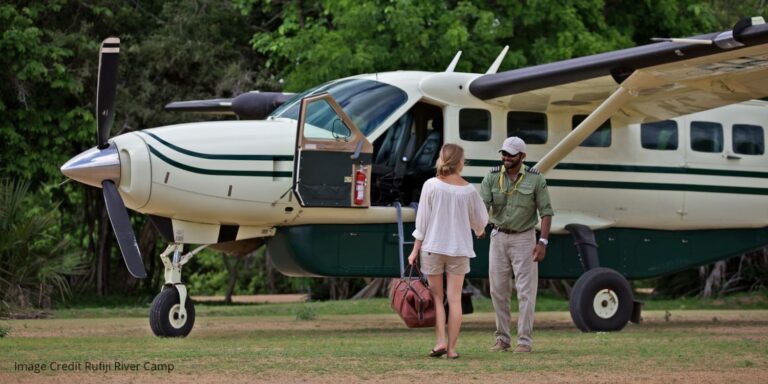
- Taking a domestic flight from Arusha to a small airstrip serving the Maswa region or the western Serengeti. These flights are usually operated by companies like Auric Air or Coastal Aviation.
- Your lodge will arrange a transfer from the airstrip to your accommodation.
The flight to the airstrip offers spectacular aerial views of the Tanzanian landscape and wildlife.
Visa and Health Requirements
- Visas: Most nationalities require a visa to enter Tanzania. These can often be obtained online in advance or upon arrival at the airport. Check the latest requirements for your country.
- Vaccinations: Consult your doctor or a travel clinic about recommended vaccinations, such as Yellow Fever (which may be required if arriving from or transiting through a Yellow Fever endemic country), Typhoid, Hepatitis A, and Tetanus. Malaria prophylaxis is also strongly recommended.
- Travel Insurance: Comprehensive travel insurance, including medical evacuation coverage, is essential for any safari trip.
What to Pack
Packing for a safari is about comfort, practicality, and respecting the environment:
- Clothing: Neutral-colored clothing (khaki, olive green, beige) is best to avoid startling wildlife. Pack light, breathable fabrics for daytime and warmer layers for cool mornings and evenings. Include long-sleeved shirts and trousers for sun and insect protection.
- Footwear: Comfortable, closed-toe walking shoes or hiking boots are essential, especially if participating in walking safaris. Sandals or flip-flops are good for relaxing at the lodge.
- Sun Protection: A wide-brimmed hat, sunglasses, and high-SPF sunscreen are crucial.
- Insect Repellent: With DEET or Picaridin.
- Camera and Binoculars: Essential for wildlife viewing and photography. Bring extra batteries and memory cards.
- Personal Items: Prescription medications, a small first-aid kit, hand sanitizer, and any personal toiletries.
- Adapter: For charging electronic devices (check the plug type for Tanzania).
Important Note: Most safari lodges have a strict luggage limit for light aircraft flights, typically 15-20 kg (33-44 lbs) per person in soft-sided duffel bags. Hard suitcases are generally not permitted.
Booking Your Safari
Given the exclusive nature of Maswa Game Reserve Area and its popular lodges, booking well in advance is highly recommended, especially for 2026 and 2027. Peak safari seasons (June-October) and holiday periods fill up quickly.
Consider working with a reputable tour operator who specializes in Tanzanian safaris. They can help you:
- Choose the right lodge based on your budget and preferences.
- Arrange flights and transfers.
- Tailor an itinerary that includes Maswa and potentially other Tanzanian highlights.
- Provide expert advice on the best times to visit and what to expect.
For personalized assistance with planning your Maswa Game Reserve Area safari for 2026-2027, you can reach out to Top Guide Adventures. They specialize in creating bespoke Tanzanian experiences. Contact them via WhatsApp at +255616946642 or email at topguideadventures@gmail.com or info@topguideadventures.com.
The Ecological Significance of Maswa
Maswa Game Reserve Area is more than just a tourist destination; it is a critical component of the larger Serengeti-Mara ecosystem. Its conservation is vital for the health and continuity of this globally significant natural wonder.
A Vital Corridor for the Great Migration
As mentioned, Maswa lies directly in the path of the Great Migration. It serves as essential grazing land for millions of wildebeest, zebras, and gazelles. The vast open plains provide sustenance for these herbivores, and the area’s rivers and waterholes are crucial during drier periods. Without these transitional and grazing areas, the migration would be severely impacted, affecting not only the herbivores but also the predators that depend on them.
Predator Hotspot and Biodiversity
The abundance of prey in Maswa makes it a prime habitat for predators. The high density of lions, leopards, cheetahs, and hyenas is a testament to the health of the ecosystem. These predators play a crucial role in maintaining the balance of the environment by controlling prey populations. The presence of diverse antelope species, along with elephants, giraffes, and buffalo, further underscores the area’s rich biodiversity.
Conservation Efforts and Challenges
The management of Maswa Game Reserve Area involves a complex interplay between conservation goals, tourism development, and local community interests. Many lodges operating in the area work closely with conservation organizations and local authorities to:
- Combat Poaching: While generally well-protected, poaching remains a threat to wildlife across Africa. Patrols and ranger presence are crucial.
- Manage Human-Wildlife Conflict: As human settlements expand, managing conflicts between people and wildlife becomes increasingly important.
- Promote Sustainable Tourism: Ensuring that tourism activities have a minimal environmental footprint and contribute positively to conservation and local economies.
- Habitat Protection: Maintaining the integrity of the grasslands and woodlands that are essential for wildlife survival.
The success of conservation in Maswa directly benefits the entire Serengeti ecosystem. By choosing to safari in areas like Maswa, travelers contribute to these vital conservation efforts, making their trip a force for good.
Comparing Maswa with Other Tanzanian Destinations
While Maswa offers a unique experience, it’s helpful to understand how it compares to other popular Tanzanian safari destinations to help you decide if it’s the right fit for your 2026-2027 trip.
Maswa vs. Central Serengeti
Central Serengeti: Offers iconic landscapes, abundant wildlife year-round, and excellent predator sightings. It’s easily accessible and has a wide range of accommodation. However, it can be crowded, especially during peak season, and activities are limited to vehicle-based game drives.
Maswa: Provides a more exclusive and intimate experience with significantly fewer vehicles. It excels in predator sightings and offers unique activities like walking safaris and night drives. It’s ideal for those seeking solitude and a deeper connection with nature. However, it might be slightly less accessible and has fewer accommodation options, typically at a higher price point.
Maswa vs. Ngorongoro Crater
Ngorongoro Crater: A UNESCO World Heritage Site known for its unique caldera ecosystem. It boasts incredibly high wildlife density, including the rare black rhino. It’s a fantastic destination for a single-day visit or a short stay due to its concentrated wildlife. However, visitor numbers are strictly controlled, and restrictions apply to vehicle time and movement within the crater.
Maswa: Offers a much broader landscape and the freedom to explore extensively. It provides a more varied experience with different activities and a less controlled, more wild feel. While it doesn’t guarantee a black rhino sighting (as they are rare outside the crater), its predator viewing and exclusivity are exceptional.
Maswa vs. Tarangire National Park
Tarangire National Park: Famous for its large elephant herds, baobab trees, and diverse birdlife. It’s particularly spectacular during the dry season when animals congregate around the Tarangire River. It offers a classic safari experience with good game viewing and a range of lodges.
Maswa: While Tarangire has its own unique appeal, Maswa offers a more concentrated predator experience and the exclusive activities that Tarangire typically does not. Maswa’s vast plains and proximity to the migration also give it an edge for certain types of wildlife viewing.
In summary, if your priority is to escape the crowds, engage in diverse safari activities, and enjoy intimate wildlife encounters, especially with predators, then Maswa Game Reserve Area is an outstanding choice for your 2026-2027 Tanzanian adventure. It complements the more famous parks by offering a different, often more profound, perspective on the African wilderness.
What to Expect from a Luxury Safari in Maswa
A safari in the Maswa Game Reserve Area is often synonymous with a luxury experience. The lodges and camps operating here are geared towards providing guests with comfort, exclusivity, and exceptional service, all while immersing them in the wild.
High-End Accommodation
Expect beautifully appointed tents or lodges that offer:
- Spacious En-suite Bathrooms: Featuring flushing toilets, hot showers, and quality toiletries.
- Comfortable Beds: King-sized beds with fine linens, mosquito nets, and bedside tables.
- Private Verandas: Offering stunning views of the surrounding landscape, often with seating areas to relax and observe wildlife passing by.
- Elegant Lounges and Dining Areas: Providing comfortable spaces to unwind, enjoy gourmet meals, and share safari stories.
Gourmet Dining and Drinks
Meals are typically a highlight of the luxury safari experience. Lodges pride themselves on offering:
- Freshly Prepared Cuisine: Often a fusion of international and local flavors, using fresh, locally sourced ingredients where possible.
- Multiple Dining Options: Including bush breakfasts, picnic lunches in scenic spots, and romantic dinners under the stars.
- Complimentary Drinks: A selection of house wines, beers, spirits, and soft drinks are usually included.
Exceptional Guiding and Service
The quality of guides is paramount in Maswa. You can expect:
- Expert Guides: Highly trained, knowledgeable, and passionate guides who are experts in tracking, animal behavior, and the local environment.
- Personalized Service: Staff who are attentive to your needs, ensuring a comfortable and memorable stay.
- Small Group Sizes: Game drives and walking safaris are typically conducted in small groups for a more intimate experience.
Exclusive Activities
As detailed earlier, the luxury offering in Maswa often includes:
- Walking Safaris
- Night Game Drives
- Classic Game Drives
These activities are designed to provide deeper immersion and a more profound connection with the wilderness, away from the crowds.
Cost Considerations
Luxury safaris in Maswa Game Reserve Area come at a premium due to the exclusivity, quality of service, and the costs associated with operating in remote wilderness areas. Prices typically range from $600 to $1,500+ per person per night, depending on the lodge, season, and inclusions. This usually covers accommodation, all meals, local drinks, and scheduled safari activities. International and domestic flights, park fees (if applicable to the specific concession), premium drinks, gratuities, and personal expenses are generally extra.
When budgeting for a 2026-2027 safari, factor in these costs. While it represents a significant investment, the unparalleled experience, intimacy, and quality of service offered make it a worthwhile endeavor for many travelers.
Is Maswa Game Reserve Area Right for You?
Maswa Game Reserve Area is not for everyone, but for the right traveler, it offers an unparalleled safari experience. Consider Maswa if you:
- Seek Exclusivity: You want to avoid large crowds and enjoy wildlife sightings without numerous other vehicles.
- Desire Variety in Activities: You are interested in walking safaris and night drives in addition to traditional game drives.
- Are Passionate About Predators: You want the best possible chances to see lions, leopards, and cheetahs in their natural habitat.
- Appreciate a Remote Wilderness Feel: You enjoy the raw beauty and solitude of vast, undeveloped landscapes.
- Are Looking for a Luxury Experience: You value high-quality accommodation, gourmet dining, and excellent service.
- Want to Contribute to Conservation: You are interested in supporting lodges and operations that are committed to protecting wildlife and local communities.
However, Maswa might not be the best choice if:
- You are on a strict budget: The exclusive nature of Maswa typically means higher costs.
- You are primarily interested in seeing specific animals only found in certain parks (e.g., black rhinos in Ngorongoro): While Maswa has incredible biodiversity, certain species are more concentrated elsewhere.
- You prefer easy accessibility and a wide range of amenities: Maswa is remote and offers a more rustic, albeit luxurious, experience.
For travelers planning their safari for 2026 or 2027 who fit the profile above, Maswa Game Reserve Area promises an unforgettable adventure that goes beyond the typical safari itinerary.
Booking Your Maswa Safari with Top Guide Adventures
Crafting the perfect safari to the Maswa Game Reserve Area requires expert knowledge and a personalized approach. At Top Guide Adventures, we specialize in creating unique Tanzanian travel experiences that cater to your specific interests and budget. Whether you’re dreaming of witnessing the Great Migration, tracking elusive predators, or experiencing the thrill of a walking safari, we can help design an itinerary that maximizes your time and enjoyment in Maswa.
We understand the nuances of the different lodges, the best times to visit for specific wildlife events, and the logistical considerations for traveling to this remote yet rewarding destination. Our team is dedicated to ensuring your safari is not just a trip, but a truly life-changing adventure.
To start planning your bespoke safari to the Maswa Game Reserve Area for 2026-2027, or if you have any questions about what Maswa offers, please do not hesitate to contact us:
- WhatsApp: +255616946642
- Email: topguideadventures@gmail.com
- Backup Email: info@topguideadventures.com
Let Top Guide Adventures help you discover the magic of Maswa and create memories that will last a lifetime.
Check Availability for Maswa Game Reserve Area: Your Definitive Tanzania Safari Guide 2026-2027
Ready to compare dates, prices, and the best option for your group? Send the package name and travel month so the team can reply with a clear quote, availability, and what is included.
 Simiyu Rural Photography Tour: Capturing Tanzanias Untamed Beauty With TopDiscover the authentic heart of Tanzania on a Simiyu Rural Photography Tour. This immersive journey focuses on capturing the untouched…View package
 Simiyu Birdwatching Adventure: Your Ultimate Guide For 2026-2027The Simiyu region of Tanzania offers an extraordinary birdwatching experience, teeming with diverse avian species set against stunning…View package
 Simiyu Traditional Cattle Culture Tour: Experience Maasai Life In TanzaniaImmerse yourself in the rich traditions of the Simiyu region with a unique Cattle Culture Tour. This experience offers a deep look at the daily…View package
 Your 2-Day Simiyu Village Experience: Culture, Nature, And Authentic TanzaniaExperience the heart of Tanzania with a 2-day Simiyu village immersion. This short but rich journey offers deep cultural insights, interactions…View package
 1-Day Bariadi Cultural Tour: Experience Local Life In Tanzania 2026-2027Explore the vibrant culture of Bariadi on an immersive 1-day tour. This experience offers a unique glimpse into the daily lives, traditions, and…View package
 Simiyu Region: Your Ultimate Tanzania Safari And Cultural Exploration GuideExplore the untouched beauty and rich culture of Simiyu Region, Tanzania. This comprehensive guide covers wildlife viewing, cultural encounters…View package
 Shinyanga Traditional Homestead Tour: Experience Authentic Maasai CultureExplore the heart of Maasai culture on a Shinyanga Traditional Homestead Tour. This immersive experience offers a genuine glimpse into the daily…View package
 Shinyanga Local Food Experience: A Culinary Journey Through TanzaniasExplore the vibrant culinary landscape of Shinyanga, Tanzania. This guide offers an in-depth look at local dishes, ingredients, and dining…View package


