
A Lemosho Route private climb to Uhuru Peak is an 8-day trek on Kilimanjaro, offering excellent acclimatization and scenic beauty, starting in the west and circling the mountain before ascending to the summit. This private option ensures a dedicated team and personalized experience, ideal for groups seeking comfort and flexibility, with costs typically ranging from $2,800 to $4,500 per person, depending on inclusions and group size, for the 2026-2027 trekking seasons.
Choosing the Lemosho Route for Your Private Kilimanjaro Ascent
The Lemosho Route stands out as one of Kilimanjaro’s most sought-after paths, and for good reason. Its popularity stems from a combination of stunning scenery, a gradual ascent that aids acclimatization, and a high success rate. When you opt for a Lemosho Route private climb to Uhuru Peak, you are choosing an experience tailored to your group’s needs, ensuring maximum comfort, flexibility, and personalized attention throughout your journey to Africa’s highest point.
Unlike shared climbs where you join a larger group, a private climb means your team of guides, porters, and cook will be exclusively dedicated to you and your party. This allows for a more relaxed pace, greater control over meal times, and the freedom to stop whenever you wish for photos or simply to soak in the views. For many, this personalized service is invaluable, especially when undertaking a challenging expedition like climbing Kilimanjaro.
The Lemosho Route’s unique advantage is its western starting point, offering a more remote and wild introduction to the mountain. It traverses the Shira Plateau, offering expansive views and a sense of true wilderness before joining the more popular Machame Route for the final ascent. This longer duration, typically 7 to 8 days, is crucial for acclimatization, significantly boosting your chances of reaching Uhuru Peak safely and enjoyably.
As we look towards the 2026-2027 Kilimanjaro trekking seasons, planning a private Lemosho climb ensures you secure your preferred dates and a dedicated team. This guide will walk you through everything you need to know, from route specifics and acclimatization strategies to packing essentials and what to expect on your journey to the Roof of Africa.
Why a Private Lemosho Climb is the Premier Choice
When considering a Lemosho Route private climb to Uhuru Peak, the benefits extend far beyond just having your own group. It’s about optimizing your entire Kilimanjaro experience. Here’s why a private climb, especially on the Lemosho Route, is often the preferred option for discerning trekkers:
- Enhanced Acclimatization: The Lemosho Route’s longer duration (typically 7 or 8 days) is inherently better for acclimatization. A private climb allows you to potentially extend this further to 9 or even 10 days, providing even more time for your body to adjust to the altitude, drastically increasing your summit success rate.
- Personalized Pace: Your group dictates the speed. Whether you are a fast-moving team or prefer a slower, more deliberate pace, your guides will adjust accordingly. There’s no pressure to keep up with strangers or wait for others.
- Dedicated Support Team: Your guides, cook, and porters are there solely for your group. This means more attentive care, quicker responses to any needs or concerns, and a stronger rapport built with your mountain crew.
- Increased Comfort and Flexibility: You can decide when to take breaks, how long to spend at scenic spots, and even have more say in meal arrangements (within the logistical possibilities of the mountain).
- Privacy and Camaraderie: Enjoy the journey with your friends, family, or colleagues without the dynamics of a mixed group. This fosters a stronger sense of shared achievement.
- Higher Success Rates: While Lemosho itself boasts high success rates due to its gradual ascent, the added benefits of a private climb – more time, personalized pace, and dedicated support – further contribute to reaching Uhuru Peak.
For the upcoming 2026-2027 trekking seasons, securing a private Lemosho climb means you are investing in a premium experience that prioritizes your comfort, safety, and ultimate goal: standing on top of Kilimanjaro.
Understanding the Lemosho Route Itinerary: A Day-by-Day Breakdown
The Lemosho Route is renowned for its beauty and its effective acclimatization profile. While variations exist, the most recommended and successful duration is 8 days. This extended time allows for a slower, more deliberate ascent, significantly improving your chances of reaching Uhuru Peak. Here’s a typical 8-day itinerary for a Lemosho Route private climb to Uhuru Peak:
Day 1: Londorosi Gate to Mti Mkubwa Camp
Start Point: Londorosi Gate (approx. 2,360m / 7,742 ft)
End Point: Mti Mkubwa Camp (approx. 2,820m / 9,252 ft)
Trekking Time: 3-4 hours
Trekking Distance: 6 km / 3.7 miles
Habitat: Rainforest
Your Kilimanjaro adventure begins with a drive to the Londorosi Gate, located on the western side of Kilimanjaro. After completing park formalities, you’ll begin your trek through the lush rainforest. The path is well-maintained, and the forest is teeming with life, offering the chance to spot colobus monkeys and various bird species. The ascent to Mti Mkubwa (‘Big Tree’ in Swahili) is relatively gentle, serving as an excellent introduction to trekking on the mountain. You’ll set up camp and enjoy your first night under the stars.
Day 2: Mti Mkubwa Camp to Shira 1 Camp
Start Point: Mti Mkubwa Camp (approx. 2,820m / 9,252 ft)
End Point: Shira 1 Camp (approx. 3,500m / 11,483 ft)
Trekking Time: 5-7 hours
Trekking Distance: 10 km / 6.2 miles
Habitat: Moorland
Today, you’ll leave the rainforest behind and enter the moorland zone. The trail continues to ascend, offering increasingly panoramic views of the surrounding landscape. You’ll trek across rolling hills and valleys, eventually reaching the Shira Plateau. Shira 1 Camp is situated on this vast, ancient lava flow plateau, which provides a dramatic and exposed environment. The altitude gain is significant, so it’s important to drink plenty of water and move slowly. You might experience mild symptoms of altitude sickness tonight, which is normal.
Day 3: Shira 1 Camp to Shira 2 Camp
Start Point: Shira 1 Camp (approx. 3,500m / 11,483 ft)
End Point: Shira 2 Camp (approx. 3,850m / 12,631 ft)
Trekking Time: 4-5 hours
Trekking Distance: 6 km / 3.7 miles
Habitat: Moorland
The trek today is shorter in distance but involves traversing the Shira Plateau. You’ll walk towards Shira 2 Camp, which is located at a higher elevation on the plateau. The landscape remains moorland, characterized by hardy grasses, heathers, and giant groundsels. The views from the plateau are spectacular, with Kilimanjaro’s three volcanic cones – Shira, Kibo, and Meru – visible on clear days. This day’s trek is designed to help you acclimatize further by sleeping at a higher altitude than the previous night, a key principle of ascending ‘pole pole’ (slowly, slowly).
Day 4: Shira 2 Camp to Barranco Camp (via Lava Tower)
Start Point: Shira 2 Camp (approx. 3,850m / 12,631 ft)
End Point: Barranco Camp (approx. 3,950m / 12,959 ft)
Trekking Time: 6-8 hours
Trekking Distance: 10 km / 6.2 miles
Habitat: Alpine Desert
This is a crucial day for acclimatization. You’ll ascend towards the Lava Tower (approx. 4,600m / 15,092 ft), a prominent volcanic plug. After a brief stop at Lava Tower for lunch and to admire the views, you’ll begin your descent to Barranco Camp. This ‘climb high, sleep low’ strategy is vital for acclimatization. Barranco Camp is situated in a stunning valley below the famous Barranco Wall. The dramatic change in scenery as you move from the alpine desert to the sheltered valley is remarkable.
Day 5: Barranco Camp to Karanga Camp
Start Point: Barranco Camp (approx. 3,950m / 12,959 ft)
End Point: Karanga Camp (approx. 4,000m / 13,123 ft)
Trekking Time: 4-5 hours
Trekking Distance: 5 km / 3.1 miles
Habitat: Alpine Desert
Today involves the challenging but rewarding climb up the Barranco Wall, a scramble that requires using your hands in places. Your guides will assist you, and the effort is well worth it for the incredible views from the top. After conquering the wall, the trail continues through alpine desert landscapes towards Karanga Camp. Karanga Camp is situated on a ridge with excellent views, and the day’s trekking is relatively short, allowing for rest and preparation for the days ahead.
Day 6: Karanga Camp to Barafu Camp
Start Point: Karanga Camp (approx. 4,000m / 13,123 ft)
End Point: Barafu Camp (approx. 4,650m / 15,256 ft)
Trekking Time: 4-5 hours
Trekking Distance: 4 km / 2.5 miles
Habitat: Alpine Desert
The trek to Barafu Camp is a steady ascent through increasingly barren alpine desert. The landscape becomes more rocky, and the air thinner. Barafu Camp is situated on a rocky saddle, offering dramatic views of Kibo’s summit cone. This is your final camp before the summit push. You’ll arrive in the early afternoon, have lunch, and then rest for the remainder of the day. It’s crucial to stay hydrated, eat well, and get as much sleep as possible, as you’ll be woken up in the late evening for the summit attempt.
Day 7: Summit Day! Barafu Camp to Uhuru Peak and descent to Mweka Camp
Start Point: Barafu Camp (approx. 4,650m / 15,256 ft)
End Point: Uhuru Peak (approx. 5,895m / 19,341 ft) then Mweka Camp (approx. 3,100m / 10,171 ft)
Trekking Time: 7-8 hours to summit, 4-5 hours descent to Barafu, 3-4 hours descent to Mweka
Trekking Distance: 5 km / 3.1 miles to summit, 12 km / 7.5 miles descent to Mweka
Habitat: Arctic/Alpine Desert
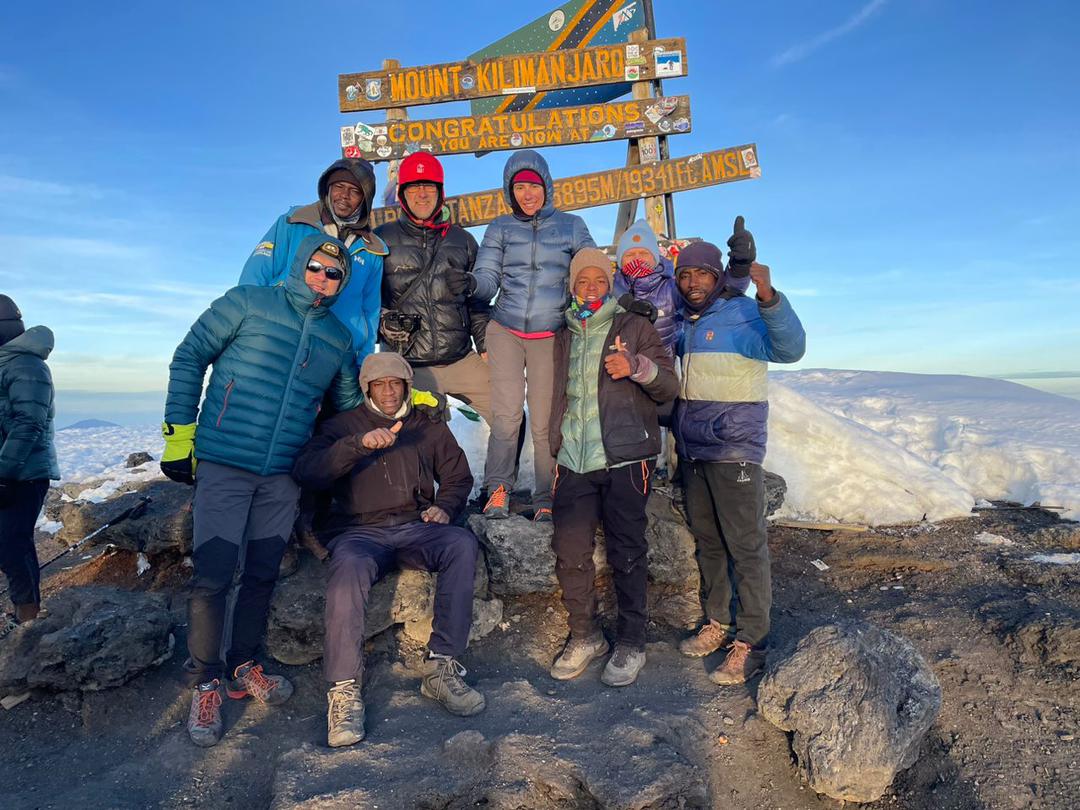
The summit night begins around midnight. You’ll start your ascent towards Stella Point and then Uhuru Peak. This is the most challenging part of the trek, undertaken in the dark with headlamps, often in cold temperatures. The path is steep and winding. Reaching Stella Point at dawn is a significant achievement, offering impressive views as the sun rises. From Stella Point, it’s a further 1-2 hour trek to Uhuru Peak, the highest point in Africa. After celebrating your success and taking photos, you’ll begin the long descent back to Barafu Camp for a short rest and lunch. Then, you’ll continue descending to Mweka Camp, a welcome relief as you descend into more hospitable altitude zones.
Day 8: Mweka Camp to Mweka Gate and Departure
Start Point: Mweka Camp (approx. 3,100m / 10,171 ft)
End Point: Mweka Gate (approx. 1,640m / 5,380 ft)
Trekking Time: 3-4 hours
Trekking Distance: 10 km / 6.2 miles
Habitat: Forest
Your final day on the mountain. After breakfast, you’ll descend through the dense rainforest back to Mweka Gate. The terrain is often muddy and slippery, especially after rain. Upon reaching the gate, you’ll be met by your driver and transferred back to your hotel in Moshi or Arusha. It’s time to celebrate your incredible achievement! Certificates are usually awarded at the gate or at the hotel.
Key Considerations for Your Private Lemosho Climb in 2026-2027
Planning a successful Lemosho Route private climb to Uhuru Peak requires attention to detail, especially for the upcoming 2026-2027 trekking seasons. Beyond the itinerary, several factors will significantly impact your experience and success rate.
Acclimatization is Paramount
The Lemosho Route’s 8-day duration is already well-structured for acclimatization. However, for a private climb, consider extending to 9 or even 10 days. This extra time allows for more gradual ascent, more rest days at higher camps, and a slower pace, particularly crucial for individuals who are more sensitive to altitude. The principle of ‘climb high, sleep low’ is actively incorporated into the Lemosho itinerary, but a longer trip maximizes its benefits. Symptoms like headaches, nausea, and dizziness are signs your body is struggling to adapt. Listening to your body and communicating with your guides is vital. A private climb allows your guides to tailor the pace precisely to your group’s needs, preventing overexertion.
Choosing the Right Duration for Your Private Climb
While 8 days is standard for Lemosho, Top Guide Adventures strongly recommends considering a 9-day or even a 10-day private climb for the 2026-2027 seasons. The added days typically involve an extra acclimatization day at a mid-mountain camp (like Shira or Barranco) or a slower pace on key trekking days. This investment in time significantly increases your comfort and summit success probability. A 7-day Lemosho is possible but rushed, compromising acclimatization. For a private climb, the goal is usually to maximize comfort and success, making the longer durations the superior choice.
Cost of a Private Lemosho Climb: What to Expect
The cost of a Lemosho Route private climb to Uhuru Peak can vary significantly based on the operator, the duration of the climb, and the inclusions. For a reputable operator like Top Guide Adventures, you can expect prices for the 2026-2027 seasons to typically fall between $2,800 and $4,500 per person for an 8-day climb. Factors influencing this price include:
- Duration: Longer climbs (9 or 10 days) will naturally cost more due to additional days of support and services.
- Inclusions: What’s covered? Look for comprehensive packages that include park fees, rescue fees, accommodation before and after the climb, meals, experienced guides, porters, tents, sleeping mats, purified water, and transportation. Some packages might include items like sleeping bags, walking poles, or even oxygen cylinders for emergencies.
- Group Size: While it’s a private climb, very small groups (1-2 people) might incur a slight supplement compared to larger private groups (4-6 people) due to fixed costs like guide salaries and equipment.
- Quality of Service: Higher-end operators often provide better quality tents, more experienced guides, better food, and a higher porter-to-client ratio, which contributes to a more comfortable and safer climb.
It’s crucial to understand what is included. Park fees and rescue fees are substantial and should always be part of the quoted price. Top Guide Adventures aims to provide transparent pricing for your Lemosho Route private climb to Uhuru Peak, ensuring you know exactly what you are paying for.
Typical Inclusions for a Private Lemosho Climb (Top Guide Adventures Example)
- Kilimanjaro National Park entry fees
- Camping fees
- Rescue fees
- Salaries for your dedicated guides, cook, and porters
- All meals on the mountain (breakfast, lunch, dinner)
- Purified drinking water
- Tents (4-season mountain tents), dining tent, table, chairs
- Sleeping mats
- Climbing certificate
- Ground transportation to/from the mountain gate
- Pre- and post-climb accommodation in a hotel (often included in packages)
- Emergency oxygen (for use by guides)
Exclusions typically include: Flights, visas, travel insurance, personal gear (sleeping bag, boots, clothing), tips for the crew, personal expenses, and alcoholic beverages.
Guides and Crew: Your Mountain Family
The quality and experience of your guides and crew are paramount for a safe and enjoyable Lemosho Route private climb to Uhuru Peak. Top Guide Adventures employs highly trained, certified guides who possess extensive knowledge of the mountain, altitude sickness, and emergency procedures. Your lead guide will be an expert in mountain rescue and first aid, often with years of experience climbing Kilimanjaro multiple times a year. The porters are the backbone of the operation, carrying the bulk of the equipment, and the cook ensures you are well-fed with nutritious meals. On a private climb, this team is entirely focused on your group, fostering a strong sense of camaraderie and mutual support.
Gear and Packing Essentials
Proper gear is non-negotiable for a Kilimanjaro climb. While your private climb ensures excellent support, you must be equipped with the right clothing and equipment to handle varied conditions, from the humid rainforest to the icy summit. Key items include:
- Layering System: Base layers (thermal), mid-layers (fleece), and an outer layer (waterproof and windproof jacket and trousers).
- Footwear: Broken-in waterproof hiking boots, camp shoes, and several pairs of warm hiking socks.
- Headwear: Warm hat (beanie), sun hat, and a balaclava or neck gaiter for summit night.
- Handwear: Warm, waterproof gloves and liner gloves.
- Sleeping Bag: A 4-season (-15°C to -20°C comfort rating) sleeping bag is essential.
- Backpack: A comfortable daypack (30-40 liters) and a larger duffel bag (80-100 liters) for your porters.
- Trekking Poles: Highly recommended for stability and reducing strain on knees.
- Headlamp: With extra batteries, crucial for summit night.
- Sun Protection: High SPF sunscreen, sunglasses, and lip balm.
- Hydration: Water bottles or hydration reservoir (at least 3 liters capacity).
- Personal First-Aid Kit: Including any personal medications, blister treatment, pain relievers, and altitude sickness medication (consult your doctor).
Top Guide Adventures can provide a detailed packing list upon booking your Lemosho Route private climb to Uhuru Peak for 2026-2027.
Training and Preparation for Your Kilimanjaro Expedition
A Lemosho Route private climb to Uhuru Peak is a serious undertaking that requires physical and mental preparation. While you don’t need to be an elite athlete, a good level of fitness is essential. The key is cardiovascular endurance and leg strength.
Physical Training Regimen
Start training at least 2-3 months before your climb. Focus on:
- Cardiovascular Exercise: Aim for 3-4 sessions per week, including hiking (with a weighted backpack), running, cycling, or swimming. Increase the duration and intensity gradually.
- Strength Training: Focus on leg muscles (squats, lunges) and core strength.
- Hiking: The most relevant training. Try to do long hikes (4-6 hours) with significant elevation gain, carrying a backpack similar to what you’ll use on Kilimanjaro. Practice hiking on consecutive days if possible.
- Stair Climbing: A great way to simulate ascents.
Mental Preparation
Kilimanjaro is as much a mental challenge as a physical one. Prepare yourself for the discomfort, the cold, the altitude, and the long hours. Visualize success, stay positive, and trust your guides. A private climb can offer more reassurance and personalized encouragement from your dedicated team.
Health and Medical Advice
Consult your doctor well in advance of your trip. Discuss altitude sickness prevention and treatment, and get advice on any necessary vaccinations for Tanzania. Consider packing a personal first-aid kit with items recommended by your doctor or tour operator.
The Summit Night: Your Ultimate Challenge
Summit night is the climax of your Lemosho Route private climb to Uhuru Peak. It’s the most demanding part of the trek, typically starting around midnight from Barafu Camp. Here’s what to expect:
- The Start: You’ll be woken up by your guides, dressed in your warmest gear, and have a light snack and drink. Headlamps on, you’ll begin the ascent.
- The Pace: Guides will set a very slow, steady pace (‘pole pole’). This is crucial for conserving energy and aiding acclimatization.
- The Terrain: The path is steep, often scree-covered, and winds upwards. You’ll likely be climbing for 7-8 hours.
- The Cold: Temperatures can drop significantly, often below -10°C (14°F), with wind chill making it feel even colder.
- Altitude: The air is very thin, making every step feel strenuous.
- Reaching Stella Point: This is the rim of the crater and a major milestone, usually reached around sunrise. The views are spectacular.
- To Uhuru Peak: From Stella Point, it’s another 1-2 hours of relatively flat walking along the crater rim to Uhuru Peak (5,895m / 19,341 ft).
- The Descent: After celebrating at the summit, the descent is long but faster. You’ll descend back to Barafu Camp for a rest and then continue down to Mweka Camp.
Your private crew will be there to support you every step of the way, offering encouragement, checking on your well-being, and ensuring you stay hydrated and fueled.
Why Choose Top Guide Adventures for Your 2026-2027 Lemosho Private Climb?
Selecting the right tour operator is critical for a safe, enjoyable, and successful Lemosho Route private climb to Uhuru Peak. Top Guide Adventures has established itself as a trusted partner for Kilimanjaro expeditions, particularly for those seeking a private and personalized experience for the 2026-2027 trekking seasons.
Our Commitment to Safety and Quality
Safety is our utmost priority. We employ experienced, certified guides trained in wilderness first aid and altitude sickness management. Our crew-to-client ratio is high, ensuring attentive care. We use quality equipment, provide nutritious meals, and adhere to strict safety protocols. For private climbs, this means a dedicated team focused entirely on your group’s well-being and success.
Tailored Private Experiences
We understand that a private climb is about flexibility and personalization. Whether you want to extend your trek to 9 or 10 days for optimal acclimatization, have specific dietary requirements, or prefer a slightly different pace, we work with you to create the perfect itinerary. Your Lemosho Route private climb to Uhuru Peak will be crafted to meet your expectations.
Local Expertise and Support
As a local Tanzanian company, we have unparalleled knowledge of Kilimanjaro and the surrounding region. We ensure fair wages and good working conditions for our staff, contributing to a motivated and professional team. From the moment you inquire to your return from the mountain, our team provides dedicated support.
Proven Success Rates
The Lemosho Route, especially when undertaken with a reputable operator and sufficient duration, offers some of the highest summit success rates on Kilimanjaro. Our meticulous planning, experienced guides, and focus on acclimatization contribute to our clients’ success in reaching Uhuru Peak.
Booking Your 2026-2027 Private Climb
Ready to plan your unforgettable Lemosho Route private climb to Uhuru Peak for the 2026-2027 seasons? We make the booking process straightforward and transparent. Get in touch with our adventure specialists to discuss your ideal trek, receive a personalized quote, and answer any remaining questions.
You can reach us via:
- WhatsApp: +255616946642
- Email: topguideadventures@gmail.com
- Backup Email: info@topguideadventures.com
We look forward to helping you achieve your dream of conquering Kilimanjaro!
Check Availability for Lemosho Route Private Climb To Uhuru Peak: Your Ultimate Guide 2026-2027
Ready to compare dates, prices, and the best option for your group? Send the package name and travel month so the team can reply with a clear quote, availability, and what is included.
Kilimanjaro Climb With A Private Sleeping Tent: Your Ultimate Comfort Guide
Planning a Kilimanjaro climb? Discover the benefits of opting for a private sleeping tent, ensuring personal space and comfort on the mountain. This guide covers everything you need to know...
View package details
Private Kilimanjaro Interpreter And Guide Package: Your Ultimate Summit
Discover the benefits of a Private Kilimanjaro Interpreter and Guide Package for your trek. Ensure safety, cultural understanding, and a smoother journey to the Roof of Africa with expert...
View package details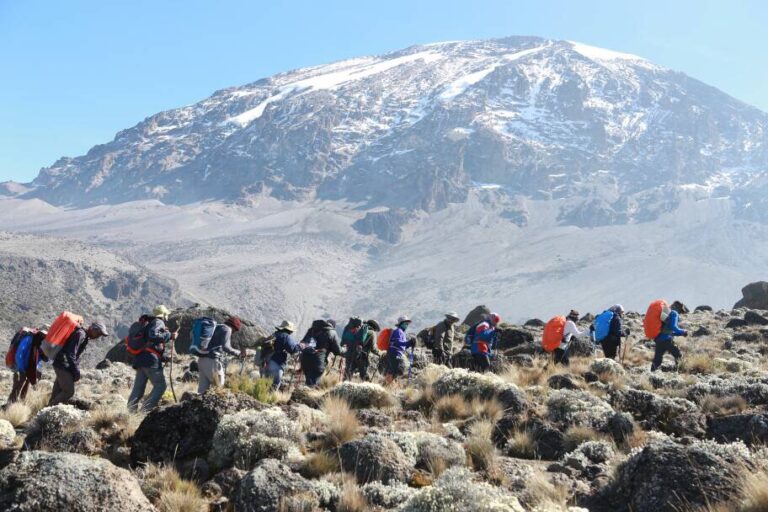
Can You Change Clothes Privately On Kilimanjaro? Guide
Discover how to maintain privacy and comfort while changing clothes during your Kilimanjaro trek. Top Guide Adventures explains the practicalities of staying clean and dignified on the...
View package details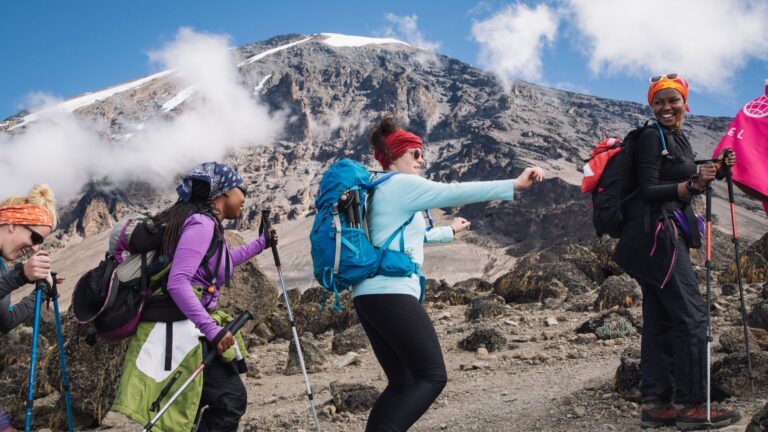
Kilimanjaro Climb With A Swahili-Speaking Guide: Your Essential Top Adventures
Ascend Mount Kilimanjaro with Top Guide Adventures, led by experienced Swahili-speaking guides. This comprehensive guide covers everything you need to know for a successful climb in...
View package details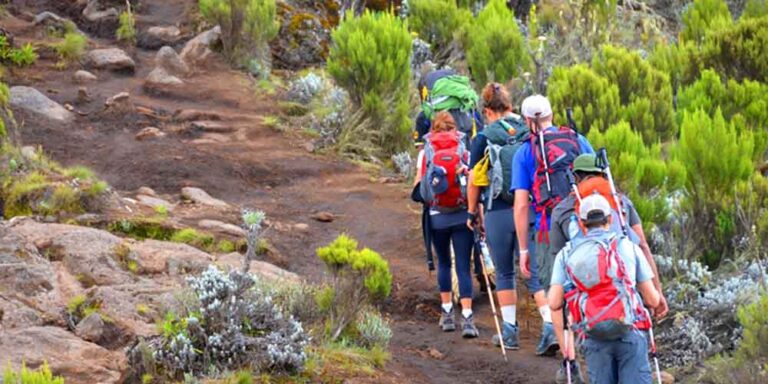
Kilimanjaro Climb With A Hindi-Speaking Guide 2026-2027
Kilimanjaro Climb with a Hindi-Speaking Guide is explained with current 2026-2027 planning, price, itinerary and booking information.
View package details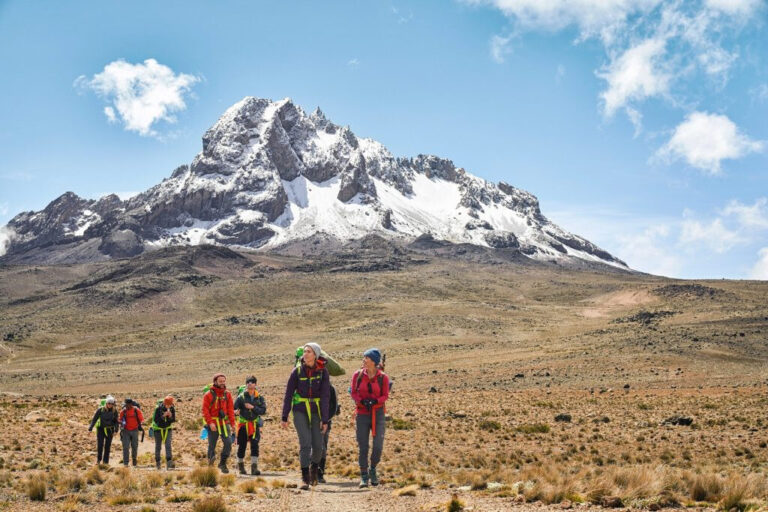
Kilimanjaro Climb With A Hebrew-Speaking Guide: Your Adventure 2026-2027
Discover how to arrange a Kilimanjaro climb with a Hebrew-speaking guide, ensuring a comfortable and culturally connected experience for Israeli hikers planning their 2026-2027 adventure...
View package details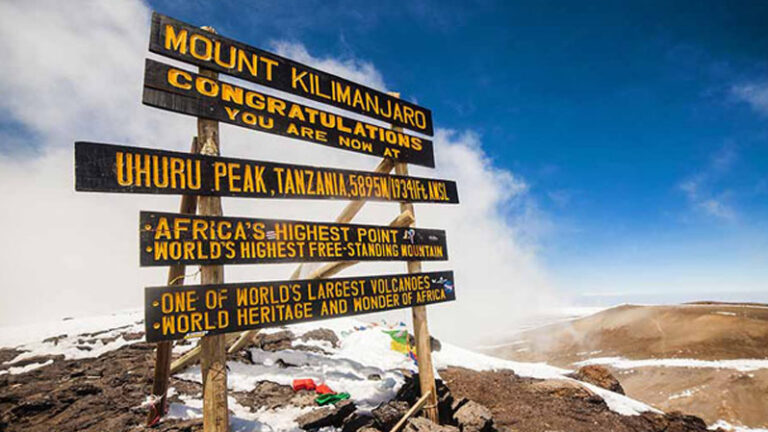
Kilimanjaro Climb With A Korean-Speaking Guide 2026-2027
Kilimanjaro Climb with a Korean-Speaking Guide is explained with current 2026-2027 planning, price, itinerary and booking information.
View package details
Kilimanjaro Climb With A Japanese-Speaking Guide: Your Ultimate Adventure
start your dream Kilimanjaro climb with a trusted Japanese-speaking guide from Top Guide Adventures. We provide comprehensive support, ensuring a safe and unforgettable experience on...
View package detailsKilimanjaro Climb With An Arabic-Speaking Guide In | Top Adventures 2026-2027
Ascend Mount Kilimanjaro with a dedicated Arabic-speaking guide. Top Guide Adventures provides comprehensive support, safety, and personalized experiences for your 2026-2027 climb.
View package details
Kilimanjaro Climb With A Russian-Speaking Guide: Your Ultimate Adventure
start your Kilimanjaro adventure with a dedicated Russian-speaking guide. This comprehensive guide covers everything you need to know for a successful climb in 2026-2027, from choosing the...
View package details
Kilimanjaro Climb With A Polish-Speaking Guide: Your Comprehensive Planning
Discover how to arrange a Kilimanjaro climb with a dedicated Polish-speaking guide. This extensive guide covers route options, preparation, costs, and booking considerations for your...
View package details
Kilimanjaro Climb With A Portuguese-Speaking Guide: Your Expert For 2026-2027
Discover everything you need to know for a Kilimanjaro climb with a Portuguese-speaking guide. Top Guide Adventures provides comprehensive planning details for your 2026-2027 ascent...
View package detailsNo related package matches those filters. Clear one or more filters to see the other topic-matched options.



