
The Luxury Lemosho Route is an excellent choice for first-time Kilimanjaro climbers seeking a comfortable and scenic ascent, typically spanning 8 days for optimal acclimatization. It offers higher success rates due to its gradual climb, stunning scenery, and the added comfort of higher-quality camping and services, making it a premium option for those prioritizing a memorable and less strenuous experience in 2026-2027.

Why the Lemosho Route Stands Out for First-Time Kilimanjaro Climbers
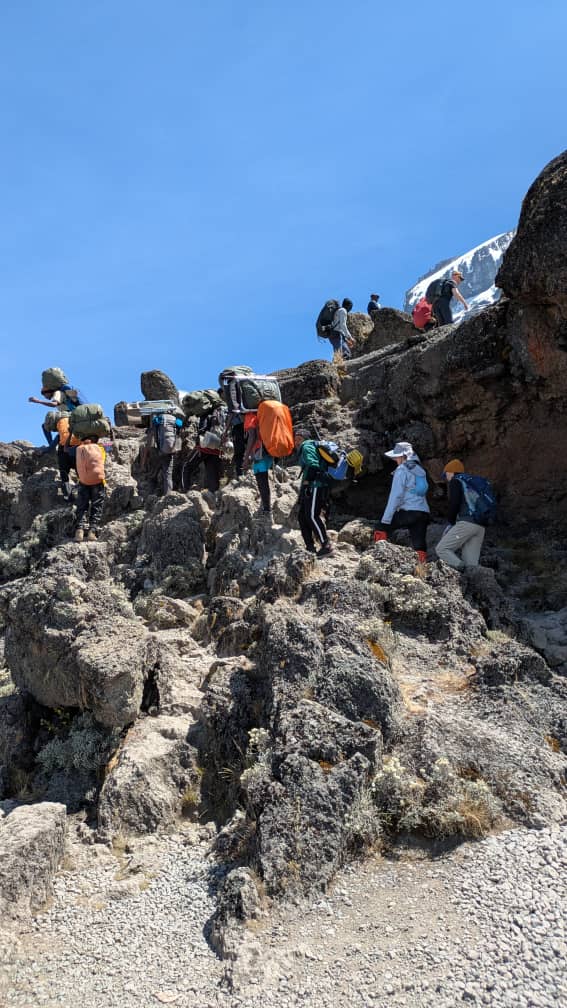
Choosing the right path up Kilimanjaro is paramount, especially for those taking on Africa’s highest peak for the first time. While many routes exist, the Lemosho Route consistently emerges as a top recommendation for novices. Its appeal lies in a combination of factors that directly address the concerns of inexperienced trekkers: gradual acclimatization, impressive scenery, and a higher probability of reaching Uhuru Peak. When we talk about a Luxury Lemosho Route experience, we’re enhancing these inherent advantages with superior services, ensuring comfort without compromising the adventure. For those planning their climb in 2026 or 2027, understanding these benefits is key to making an informed decision.
The Lemosho Route’s primary advantage for first-time climbers is its length and profile. It’s typically offered as an 8-day trek, although 7-day options exist. This extended duration is crucial for acclimatization. Acclimatization is the process by which your body adjusts to the reduced oxygen levels at higher altitudes. Rushing this process is the leading cause of altitude sickness, which can force even the fittest individuals to turn back. The Lemosho route’s gradual ascent, particularly in the initial days as it traverses the Shira Plateau, allows the body to adapt more effectively. This means less chance of headaches, nausea, and fatigue, allowing first-timers to focus on the incredible journey and the goal of summiting.
Beyond acclimatization, the Lemosho Route is widely regarded as one of the most visually stunning paths up Kilimanjaro. It begins on the western side of the mountain, offering a unique perspective that differs from the more popular southern routes. The initial days involve trekking through vibrant rainforests, teeming with wildlife, before emerging onto the vast, open expanses of the Shira Plateau. As you ascend, the landscape transforms dramatically, offering panoramic views of the surrounding plains and, on clear days, even Mount Meru. The approach to Lava Tower and then down into the Barranco Valley provides some of the most iconic and photogenic scenery on the mountain. This visual reward is a significant morale booster for first-time climbers, making the physical exertion more enjoyable.
The concept of a ‘luxury’ trek on Kilimanjaro, particularly via the Lemosho Route, focuses on elevating the standard camping experience. This doesn’t mean opulent hotel rooms on the mountain – that’s impossible. Instead, luxury on Kilimanjaro translates to superior camping equipment (spacious tents, comfortable sleeping mats), gourmet meals prepared by dedicated chefs, hot showers available at designated camps, and a higher guide-to-climber ratio for more personalized attention. It also often includes considerations like oxygen cylinders for emergency use, comprehensive medical kits, and comfortable transport. For a first-time climber, this level of comfort can significantly reduce stress, improve sleep quality, and boost overall well-being, contributing to a more positive and successful climb. These elements are particularly important for those venturing into high-altitude trekking for the first time, as they help mitigate potential discomforts and allow them to better enjoy the incredible experience.
The Lemosho Route Itinerary: An 8-Day Journey to the Summit
While shorter Lemosho routes exist, the 8-day itinerary is widely considered the optimal choice for first-time climbers aiming for comfort and success. This extended duration is the cornerstone of its superior acclimatization profile. Let’s break down a typical 8-day Luxury Lemosho Route itinerary, highlighting what makes each stage special for a novice trekker preparing for 2026-2027.
Day 1: Londorossi Gate to Mti Mkubwa Camp
The adventure begins at the Londorossi Gate (2,200m / 7,218ft), where you’ll complete registration formalities. From here, a vehicle will transport you to the trailhead, a short drive away. The trek itself is relatively short and gentle, taking you through dense rainforest. This is your first introduction to Kilimanjaro’s diverse ecosystems. The path is well-maintained, and the altitude gain is minimal, making it a relaxed start. You’ll arrive at Mti Mkubwa Camp (2,800m / 9,186ft) in the late afternoon. Luxury touches here might include pre-pitched tents and a warm welcome drink. The focus is on settling in, enjoying a hearty dinner, and preparing for the days ahead.
Day 2: Mti Mkubwa Camp to Shira 1 Camp
Today’s trek continues through the rainforest, gradually ascending towards the moorland zone. You’ll likely encounter more varied flora and fauna, and the views begin to open up. The trail can be muddy in places, especially during the rainy seasons, but your luxury operator will ensure proper gear and support. You’ll reach Shira 1 Camp (3,500m / 11,483ft), situated on the Shira Plateau. This camp offers spectacular open views. The luxury aspect comes into play with well-appointed tents, comfortable communal areas, and delicious meals prepared by your dedicated chef. Early acclimatization is key, so you’ll be encouraged to drink plenty of water and move slowly.
Day 3: Shira 1 Camp to Shira 2 Camp
This day involves a relatively short hike across the Shira Plateau, allowing for further acclimatization. The landscape is starkly beautiful, with volcanic rock formations and sparse vegetation. You’ll ascend gradually to Shira 2 Camp (3,850m / 12,631ft), which is at a higher altitude than Shira 1. The benefit of this gradual move is that your body continues to adapt to the thinning air. Luxury services ensure you have a comfortable setup upon arrival, with hot drinks and snacks ready. Evening stargazing from Shira 2 Camp is often phenomenal, a true highlight of the Lemosho route.
Day 4: Shira 2 Camp to Lava Tower to Barranco Camp
This is a significant day for acclimatization. You’ll trek eastwards towards the Lava Tower (4,600m / 15,092ft), a prominent volcanic plug. This ‘climb high, sleep low’ strategy is vital for altitude adaptation. After spending time at Lava Tower, you’ll descend into the Barranco Valley to Barranco Camp (3,950m / 12,960ft). The descent helps alleviate pressure on your body. Barranco Camp is renowned for its stunning location and the famous Barranco Wall. Luxury provisions include comfortable tents and well-prepared meals, ensuring you’re rested and ready for the challenge of the Barranco Wall the next day.
Day 5: Barranco Camp to Karanga Camp
The day begins with the exhilarating climb up the Barranco Wall. While it looks daunting, it’s more of a scramble than a technical climb, and your guides will assist you every step of the way. The views from the top are unparalleled. After descending the wall, you’ll continue through a rocky landscape to Karanga Camp (4,000m / 13,123ft). This camp is situated at a moderate altitude, offering a good resting point. The luxury elements ensure you have a comfortable spot to relax after a challenging but rewarding day, with hot meals and drinks provided.
Day 6: Karanga Camp to Barafu Camp
Today involves a steady ascent towards Barafu Camp (4,650m / 15,256ft), the base camp for your summit attempt. The terrain becomes more alpine, with scree slopes and sparse vegetation. The air is noticeably thinner here. Reaching Barafu Camp in the early afternoon allows ample time for rest before the midnight summit push. Your luxury team will ensure you have a nourishing meal and a comfortable tent. Early bedtime is crucial. The guides will brief you on the summit night plan, and the emphasis is on hydration and conserving energy.
Day 7: Summit Night & Descent to Mweka Camp
This is the pinnacle of your climb. You’ll start your ascent around midnight, trekking up steep scree slopes towards Stella Point (5,756m / 18,885ft) on the crater rim. From Stella Point, it’s a further hour’s walk to Uhuru Peak (5,895m / 19,341ft), the roof of Africa. The sunrise views from the summit are legendary. After celebrating your achievement, you’ll begin the long descent, passing Barafu Camp and continuing down to Mweka Camp (3,100m / 10,171ft). This descent is physically demanding, but the luxury operators often provide celebratory meals and comfortable tents at Mweka, a welcome respite after the summit push.
Day 8: Mweka Camp to Mweka Gate & Departure
Your final day involves a relatively short trek through the rainforest from Mweka Camp to Mweka Gate (1,640m / 5,381ft). Upon arrival at the gate, you’ll be met by your transport for the journey back to your hotel in Moshi or Arusha. This marks the end of your Kilimanjaro adventure. A celebratory lunch and certificate presentation are often part of the luxury package, providing a fitting conclusion to your incredible journey.
What Makes the Lemosho Route ‘Luxury’ for First-Time Climbers?
The distinction between a standard Lemosho Route trek and a Luxury Lemosho Route experience lies in the enhanced services and comfort provided throughout the expedition. For first-time climbers, these additions can significantly impact their overall experience, confidence, and success rate. Here’s a breakdown of what you can expect from a luxury operator for your 2026-2027 climb:
Accommodation and Camping Comfort
Luxury Kilimanjaro treks go beyond basic tents. Expect:
- Spacious, High-Quality Tents: Larger than standard tents, often with better waterproofing and ventilation, providing more room to move and store gear.
- Comfortable Sleeping Arrangements: High-quality sleeping mats or even inflatable mattresses, paired with warm, rated sleeping bags, ensuring a better night’s sleep.
- Dedicated Mess Tent: A comfortable, enclosed area for dining, offering protection from the elements and a communal space to relax.
- Portable Toilets: Private, clean portable toilets are often provided at each camp, a significant upgrade from basic pit latrines.
- Hot Showers: While not always available, some luxury operators offer portable hot shower facilities at certain camps, a true indulgence at altitude.
Culinary Experience
Food on Kilimanjaro is surprisingly diverse, but luxury operators elevate it:
- Professional Chefs: Dedicated chefs who specialize in high-altitude cuisine, preparing fresh, varied, and nutritious meals.
- Gourmet Menus: Expect more sophisticated dishes than standard trek fare, often catering to specific dietary needs and preferences (e.g., vegetarian, vegan, gluten-free).
- Fresh Ingredients: Emphasis on using fresh produce where possible, with creative meal planning to ensure variety and taste.
- Hot Beverages and Snacks: Continuous availability of hot water, tea, coffee, and a selection of snacks throughout the day and evening.
Guide and Crew Support
The quality of your guides and porters is crucial. Luxury services often include:
- Higher Guide-to-Climber Ratio: More guides per climber means more personalized attention, faster response to issues, and better safety monitoring.
- Experienced and Certified Guides: Highly trained guides with extensive knowledge of high-altitude physiology, first aid, and Kilimanjaro’s routes.
- Well-Trained Porters and Crew: A professional and well-equipped support team ensures efficient camp setup, meal preparation, and luggage handling.
- Fair Wages and Conditions: Reputable luxury operators prioritize ethical treatment and fair compensation for their entire crew.
Safety and Health Provisions
Safety is paramount, and luxury treks often provide enhanced measures:
- Medical Oxygen: Portable oxygen cylinders are carried for emergency use, offering immediate support if altitude sickness symptoms arise.
- Comprehensive First-Aid Kits: Well-stocked medical kits managed by trained guides.
- Pulse Oximeters: Regular monitoring of oxygen saturation levels and heart rate for all climbers.
- Satellite Phones or Communication Devices: Ensuring reliable communication in case of emergencies.
Logistics and Transport
Smooth logistics contribute to a stress-free experience:
- Comfortable Transport: High-quality vehicles for airport transfers and travel to/from the mountain gates.
- Pre-Trek Briefings: Detailed and professional briefings covering all aspects of the climb.
- Post-Trek Support: Assistance with onward travel arrangements and transfers.
For a first-time climber, these luxury elements can transform a potentially challenging experience into an enjoyable and empowering adventure. The peace of mind that comes with superior support, comfort, and safety is invaluable when undertaking such a significant physical and mental challenge.
Comparing Lemosho with Other Kilimanjaro Routes for Beginners
While Lemosho is often lauded as the best for first-timers, understanding how it stacks up against other popular routes can solidify your decision. The key differentiators for beginners are acclimatization, scenery, traffic, and overall comfort. For planning your 2026-2027 climb, this comparison is vital.
Lemosho vs. Machame Route
The Machame Route is another very popular choice, often called the ‘Whiskey Route’ due to its popularity. It shares many similarities with Lemosho, including a similar path from Barranco Camp onwards and a good acclimatization profile, typically offered over 7 or 8 days.
- Acclimatization: Both Lemosho and Machame are excellent for acclimatization, especially on their 7-day and 8-day versions. Lemosho, starting from a lower altitude and traversing the Shira Plateau, might offer a slightly gentler initial ascent.
- Scenery: Both routes are exceptionally scenic. Lemosho offers the unique rainforest and Shira Plateau views early on. Machame also passes through diverse ecosystems and features the Barranco Wall. Many consider Lemosho slightly more visually diverse due to its western start.
- Traffic: Machame is significantly busier than Lemosho, especially during peak seasons. If you prefer a less crowded experience, Lemosho is the clear winner.
- Luxury Options: Both routes can be booked as luxury treks, but Lemosho’s less crowded nature might lend itself better to a more serene luxury experience.
Conclusion for First-Timers: Both are great. If avoiding crowds and enjoying slightly more varied initial scenery is a priority, Lemosho edges out Machame. If you don’t mind more fellow trekkers and want a highly scenic route, Machame is also a solid choice.
Lemosho vs. Marangu Route
The Marangu Route, often called the ‘Coca-Cola Route,’ is the oldest and most established path. It’s unique for its hut accommodation instead of camping.
- Acclimatization: Marangu is generally considered to have a poorer acclimatization profile. Its direct ascent and shorter duration options (5-6 days) lead to significantly lower success rates. The lack of ‘climb high, sleep low’ opportunities is a major drawback for beginners.
- Scenery: Marangu is scenic but considered less so than Lemosho or Machame. It doesn’t traverse the Shira Plateau or offer the same dramatic western approach.
- Accommodation: The main draw is the hut accommodation, which offers basic beds and dining halls. This appeals to those who dislike camping. However, huts can be crowded and less private.
- Traffic: Marangu is often crowded due to its accessibility and hut system.
- Luxury Options: Luxury is limited on Marangu; the focus is on comfort from huts rather than enhanced expedition services.
Conclusion for First-Timers: Generally not recommended for first-time climbers due to lower success rates and poorer acclimatization. If camping is a major deterrent, it’s an option, but a longer Machame or Lemosho trek is far preferable for success and enjoyment.
Lemosho vs. Rongai Route
The Rongai Route approaches Kilimanjaro from the north, near the Kenyan border. It’s known for its drier climate and good wildlife spotting opportunities in the early stages.
- Acclimatization: Rongai offers decent acclimatization, especially on its 7-day itinerary. It ascends gradually.
- Scenery: Rongai is scenic, particularly the views from the northern side, but generally considered less dramatic and varied than Lemosho or Machame.
- Traffic: Rongai is one of the least crowded routes, offering a more solitary experience.
- Luxury Options: Luxury services can be provided, but the route’s remoteness might mean fewer established luxury camps compared to the southern routes.
- Climate: It’s a drier route, which can be an advantage during the rainy seasons.
Conclusion for First-Timers: A good alternative if you prioritize fewer crowds and a drier environment. However, Lemosho typically offers more spectacular and varied scenery and a slightly more refined acclimatization profile, especially for those seeking a luxury experience.
For first-time climbers in 2026-2027 seeking the best balance of acclimatization, scenery, and comfort, the Luxury Lemosho Route, particularly the 8-day version, remains the top recommendation. It provides the ideal conditions for a successful and enjoyable summit bid.
Preparing for Your Luxury Lemosho Climb: Key Considerations
A luxury trek on Kilimanjaro, while offering enhanced comfort, still demands significant preparation. Being a first-time climber means understanding the physical, mental, and logistical aspects of the journey. Planning for your 2026-2027 expedition starts well in advance.
Physical Training
Kilimanjaro is a demanding trek, not a technical climb. Endurance and leg strength are key. Focus on:
- Cardiovascular Fitness: Engage in regular aerobic activities like hiking (with a weighted backpack), running, cycling, or swimming. Aim for at least 3-4 sessions per week.
- Strength Training: Focus on leg muscles (squats, lunges) and core strength.
- Hiking Practice: The most crucial training. Hike regularly, ideally on varied terrain, increasing distance and elevation gain. Practice hiking with the backpack you intend to use.
- Altitude Simulation: If possible, train at higher altitudes to get a feel for the effects of thinner air.
Start your training at least 3-6 months before your planned climb in 2026 or 2027.
Mental Preparation
The mental aspect is as important as the physical. Be prepared for:
- Challenges: Understand that there will be difficult moments – cold, fatigue, and altitude effects.
- Patience: Kilimanjaro is a slow ascent (‘pole pole’ – slowly, slowly).
- Positive Attitude: Maintaining a positive outlook is vital for overcoming challenges.
- Flexibility: Be prepared for potential changes in itinerary due to weather or health.
Gear and Packing
Even with luxury services, you need essential personal gear. Your operator will provide a detailed packing list, but key items include:
- Layered Clothing: Base layers (merino wool or synthetic), mid-layers (fleece), and an outer waterproof/windproof shell.
- Footwear: Broken-in, waterproof hiking boots are non-negotiable. Comfortable camp shoes are also useful.
- Headwear: Warm hat, sun hat, and a balaclava for summit night.
- Gloves: Warm, waterproof gloves and liner gloves.
- Sleeping Bag: A 4-season (-15°C to -20°C comfort rating) sleeping bag is essential. Luxury operators might provide these, but check.
- Backpack: A comfortable daypack (30-40L) and a larger duffel bag (80-100L) for porters.
- Sun Protection: High SPF sunscreen, sunglasses, and lip balm.
- Hydration: Water bottles or a hydration reservoir (at least 3 liters capacity).
Note: Luxury operators often provide higher-quality tents and sleeping mats, but always confirm what is included in your specific package.
Health and Vaccinations
Consult your doctor or a travel clinic 4-6 weeks before your trip regarding:
- Recommended Vaccinations: Such as Hepatitis A, Typhoid, Tetanus, and potentially Yellow Fever (check current requirements).
- Malaria Prevention: Kilimanjaro’s lower slopes are in a malaria zone.
- Altitude Sickness Medication: Discuss options like Diamox (acetazolamide) with your doctor.
- Travel Insurance: Ensure your policy covers high-altitude trekking and emergency medical evacuation.
Choosing Your Luxury Operator
Selecting the right tour operator is critical for a luxury experience. Look for:
- Reputation and Reviews: Check testimonials and reviews on platforms like TripAdvisor.
- Safety Record: Prioritize operators with a strong safety culture and emergency protocols.
- Inclusions: Clearly understand what is included in the luxury package (gear, meals, transfers, park fees, crew wages).
- Communication: A responsive and knowledgeable team ready to answer your questions.
For planning your 2026-2027 climb, early booking is recommended, especially for luxury packages, as availability can be limited.
Understanding Costs: What to Expect for a Luxury Lemosho Route Trek in 2026-2027
The term ‘luxury’ on Kilimanjaro naturally implies a higher price point compared to budget or standard treks. This reflects the enhanced services, superior equipment, higher guide-to-climber ratios, and better quality food. For a Luxury Lemosho Route experience in 2026-2027, expect costs to range significantly based on the operator’s specific offerings, group size, and the inclusions. While exact figures vary, here’s a breakdown of cost factors and general expectations.
Typical Cost Range
For an 8-day Luxury Lemosho Route trek, you can generally expect prices to fall between $3,500 to $6,000+ per person. This is a broad range, and the exact price depends heavily on the operator. Some high-end, bespoke luxury operators might even exceed this range.
What Drives the Cost?
- Park Fees: These are fixed by Kilimanjaro National Park and are a substantial part of the total cost, regardless of the operator’s luxury level.
- Crew Wages and Welfare: Luxury operators often pay their guides and porters significantly above the minimum, ensuring fair treatment and experienced staff. This is a crucial ethical consideration.
- Quality of Food: Professional chefs, fresh ingredients, and diverse menus contribute to higher food costs.
- Camping Equipment: High-quality, spacious tents, comfortable sleeping gear, and excellent mess tents are expensive investments.
- Guide-to-Climber Ratio: A higher ratio (e.g., 1:1 or 1:2 guide-to-client) means more guide costs per person.
- Safety Equipment: Costs associated with carrying and maintaining medical oxygen, satellite phones, and comprehensive first-aid kits.
- Logistics and Transport: Comfortable vehicles, efficient camp management, and support staff.
- Overhead Costs: Marketing, administration, and customer service for a premium brand.
What’s Typically Included in a Luxury Package?
A comprehensive luxury package usually covers:
- All park and rescue fees.
- Professional, experienced guides and a well-paid support crew.
- All meals on the mountain (breakfast, lunch, dinner, snacks).
- High-quality camping equipment (tents, sleeping mats, mess tent).
- Filtered drinking water.
- Portable toilet facilities.
- Accommodation in Moshi/Arusha before and after the climb (often 3-star or 4-star hotels).
- Airport transfers.
- Crucially: Emergency oxygen and comprehensive medical kits.
What’s Typically NOT Included?
Common exclusions include:
- International flights.
- Visa fees.
- Travel insurance (mandatory).
- Tips for guides and porters (a significant cultural expectation).
- Personal gear (sleeping bag, hiking boots, clothing – though some operators offer rentals).
- Lunches and dinners in town before/after the climb.
- Personal expenses (souvenirs, drinks).
- Optional activities.
Tips for Budgeting Your 2026-2027 Trip
- Book in Advance: Especially for luxury options, securing your preferred dates for 2026-2027 is essential.
- Compare Operators Thoroughly: Don’t just look at price. Evaluate the inclusions, safety measures, and reviews. A slightly higher price for a reputable luxury operator is often worth the peace of mind.
- Factor in Tips: Budget around $250-$350 per climber for tipping the crew.
- Consider the Season: While luxury operators maintain standards year-round, peak seasons (Jan-Mar, Jun-Oct) may have higher demand and potentially slightly higher prices, though fixed park fees remain constant.
When investing in a Luxury Lemosho Route for your first Kilimanjaro climb, you’re investing in comfort, safety, and an increased chance of success. Ensure you receive a detailed quote from your chosen operator, clarifying all inclusions and exclusions for your 2026-2027 expedition.
Choosing the Right Time to Climb Kilimanjaro via Lemosho in 2026-2027
Kilimanjaro can be climbed year-round, but certain months offer significantly better weather conditions, impacting your experience on the Luxury Lemosho Route. For first-time climbers, choosing the right season can make a substantial difference in comfort, visibility, and overall enjoyment. The Lemosho route’s varied ecosystems mean weather can change rapidly, but predictable patterns exist.
Peak Climbing Seasons
These months offer the clearest skies, driest conditions, and warmest temperatures:
- January to March: This is a popular period, offering clear skies and relatively warm temperatures. It’s considered a dry season. Success rates are high, and the Lemosho route provides stunning views.
- June to October: Another prime climbing window. These months are characterized by dry conditions and cooler temperatures. The skies are typically clear, offering excellent visibility. This is often considered the best time for Lemosho due to the combination of dry weather and comfortable trekking temperatures, though nights can be very cold.
Planning for 2026-2027: If you aim for these peak seasons, booking your luxury Lemosho trek well in advance (6-12 months) is highly recommended due to high demand.
Shoulder Seasons
These months can offer a good balance of decent weather and fewer crowds:
- April and May: This period marks the major rainy season. Expect frequent rain, cloud cover, and potentially snow at higher altitudes. While possible to climb, conditions can be challenging and visibility poor. Luxury services become even more valuable during these months for comfort.
- November: This month often sees the end of the short rainy season. You might experience some rain showers, but conditions generally improve towards December.
Low Season
Generally considered the least favorable, but still possible:
- December: While often considered part of the dry season, it can be more unpredictable than Jan-Mar or Jun-Oct, with occasional showers. However, it’s often less crowded and can offer good value.
Impact on the Lemosho Route
The Lemosho Route’s western start means it can be slightly more exposed to weather patterns. However, its gradual ascent and varied terrain mean that even in less ideal conditions, the journey remains spectacular. Luxury operators ensure that your gear, food, and support are top-notch, making the experience more comfortable regardless of the season. For 2026-2027, consider these points:
- Visibility: Peak seasons offer the best chance for iconic summit photos and panoramic views from the Lemosho route.
- Trail Conditions: Dry seasons mean less mud and slippery scree, making trekking easier.
- Temperature: While always cold at altitude, the dry seasons tend to have more moderate temperatures during the day, though summit night is always extremely cold.
- Crowds: Peak seasons mean more trekkers on the mountain, including on the Lemosho route. If solitude is part of your luxury experience, consider shoulder months or booking a private trek.
For first-time climbers prioritizing comfort and the best chance of clear views on their Luxury Lemosho Route expedition in 2026-2027, aiming for the January-March or June-October windows is highly recommended.
Safety First: Altitude Sickness and Your Lemosho Climb
Altitude sickness (Acute Mountain Sickness – AMS) is the most significant risk when climbing Kilimanjaro, regardless of the route or luxury level. Understanding its causes, symptoms, and prevention is crucial for any first-time climber planning a 2026-2027 expedition.
What is Altitude Sickness?
AMS occurs when your body doesn’t have enough time to adjust to the lower levels of oxygen at higher elevations. Symptoms can range from mild to severe and life-threatening. The Lemosho route’s gradual ascent is specifically designed to mitigate this risk.
Common Symptoms of AMS:
- Headache (most common symptom)
- Nausea and vomiting
- Dizziness or lightheadedness
- Fatigue and weakness
- Loss of appetite
- Difficulty sleeping
Severe Forms of Altitude Sickness:
If AMS progresses, it can lead to more dangerous conditions:
- High Altitude Cerebral Edema (HACE): Swelling of the brain, causing confusion, loss of coordination (ataxia), drowsiness, and potentially coma.
- High Altitude Pulmonary Edema (HAPE): Fluid accumulation in the lungs, causing shortness of breath, coughing (sometimes with frothy or pink sputum), chest tightness, and extreme fatigue.
HACE and HAPE are medical emergencies and require immediate descent.
Prevention and Management on the Lemosho Route:
Your Luxury Lemosho Route operator plays a vital role in your safety. Here’s how prevention and management work:
- Gradual Ascent: The 8-day Lemosho route is designed for optimal acclimatization. Never ascend too quickly.
- ‘Pole Pole’ (Slowly, Slowly): Your guides will enforce a slow pace. Resist the urge to rush.
- Hydration: Drink plenty of fluids (3-4 liters per day) – water, herbal teas. Avoid alcohol and caffeine.
- Proper Nutrition: Eat well, even if your appetite is reduced. High-carbohydrate meals are recommended.
- Monitor Symptoms: Be honest with your guides about how you feel. Don’t try to ‘tough it out’.
- Medication (Optional): Discuss Diamox (acetazolamide) with your doctor. It can help speed up acclimatization but does not prevent AMS entirely and has side effects. It’s not a substitute for slow ascent.
- Emergency Oxygen: Luxury operators carry supplementary oxygen. If symptoms are moderate, your guide may administer oxygen to help you acclimatize better or descend slightly.
- Immediate Descent: If symptoms worsen or severe AMS (HACE/HAPE) is suspected, descent is the only cure. Your guides are trained to make this decision.
The Role of Luxury Services in Safety
The higher guide-to-climber ratio on luxury treks means more eyes are watching you. Guides can spot subtle changes in your condition more quickly. The provision of medical oxygen and reliable communication devices by premium operators further enhances safety, providing crucial support during emergencies. For a first-time climber, the reassurance of having highly trained staff and advanced safety equipment is invaluable.
For your 2026-2027 climb, trust your guides, communicate openly, and prioritize acclimatization. The Lemosho route’s design, combined with luxury support, provides the best possible framework for a safe and successful ascent.
Final Thoughts: Your Dream Climb on the Luxury Lemosho Route
Embarking on your first Kilimanjaro climb is a monumental decision, and choosing the Luxury Lemosho Route sets you on a path toward a comfortable, scenic, and successful summit bid. The 8-day itinerary provides the critical acclimatization needed for first-time climbers, while the enhanced services of a luxury operator ensure you are well-supported, well-fed, and well-rested throughout your journey. From the lush rainforests to the stark alpine desert and the final push to Uhuru Peak, the Lemosho route offers a visual feast and a profound sense of accomplishment.
As you plan for your 2026 or 2027 expedition, remember that luxury on Kilimanjaro means superior comfort, dedicated service, and enhanced safety protocols. It’s an investment in an unforgettable experience, allowing you to focus on the magic of the mountain rather than potential discomforts. The higher success rates associated with the Lemosho route, combined with the added benefits of luxury support, provide the best possible foundation for achieving your goal.
We at Top Guide Adventures specialize in creating exceptional Kilimanjaro experiences. Our Luxury Lemosho Route packages are meticulously designed for first-time climbers, balancing adventure with comfort and safety. We pride ourselves on our experienced guides, gourmet mountain cuisine, high-quality gear, and unwavering commitment to your well-being. Let us help you plan the Kilimanjaro adventure of a lifetime.
Ready to take the first step towards your summit dream? Contact us today to discuss your personalized Luxury Lemosho Route for 2026-2027. Reach out via WhatsApp at +255616946642, email us at topguideadventures@gmail.com, or explore more on our website. Your unforgettable Kilimanjaro journey awaits!
Check Availability for Luxury Lemosho Route For First-Time Climbers: Your Ultimate Guide 2026-2027
Ready to compare dates, prices, and the best option for your group? Send the package name and travel month so the team can reply with a clear quote, availability, and what is included.
Are Kilimanjaro Camps Noisy At Night? A Climbers Guide To Sleep And Sound
Understand the noise levels at Kilimanjaro camps to better prepare for your trek. This guide covers what sounds you might hear, factors influencing noise, and how to ensure a restful...
View package detailsHow To Sleep At High Altitude On Kilimanjaro: Expert Tips For Climbers
Sleeping at high altitude on Kilimanjaro presents unique challenges, primarily due to altitude sickness. This comprehensive guide from Top Guide Adventures provides essential strategies for...
View package details
Kilimanjaro Personal First-Aid Kit Checklist For A Safe Climb 2026-2027
Prepare for your Kilimanjaro climb with a comprehensive personal first-aid kit checklist. This guide covers essential items, from basic wound care to altitude sickness remedies, ensuring...
View package details
Do You Need Microspikes For Kilimanjaro? Expert Advice Climbers 2026-2027
Climbers often wonder about the necessity of Microspikes for Kilimanjaro. While not always mandatory, they can significantly enhance safety and comfort on icy sections, particularly on...
View package details
How Many Base Layers Do You Need For Kilimanjaro? A Complete Guide Climbers
Climbing Kilimanjaro requires careful gear selection. This guide breaks down the essential base layers needed to stay warm and dry on the mountain, with planning tips for 2026-2027...
View package details
Kilimanjaro Climb With A Wilderness First-Responder Guide Guide
Discover the critical advantage of climbing Mount Kilimanjaro with a Wilderness First-Responder Guide. This article details why this expertise is vital for your safety, covering medical...
View package details
Kilimanjaro Route With The Gentlest Altitude Profile For Climbs 2026-2027
Choosing the right Kilimanjaro route is crucial for a successful and enjoyable climb, especially if you're concerned about altitude. The Marangu and Lemosho routes are often cited for their...
View package details
Kilimanjaro Acclimatization For Senior Climbers: Essential Strategies
This comprehensive guide details essential Kilimanjaro acclimatization strategies specifically for senior climbers planning their ascent in 2026 or 2027. It covers preparation, route...
View package details
Kilimanjaro Climb With Visa-On-Arrival Assistance For Climbers 2026-2027
Climbing Mount Kilimanjaro is a dream for many, and for international travelers, understanding the visa process is key. This guide focuses on Kilimanjaro climbs with visa-on-arrival...
View package details
Kilimanjaro Month-By-Month Route Planner: Your Guide 2026-2027
Plan your Kilimanjaro climb with our month-by-month route planner. Covering 2026-2027, we detail weather patterns, route suitability, and expert advice for your successful summit.
View package details
Kilimanjaro Climb With A Dutch-Speaking Guide In | Top Adventures 2026-2027
Discover the unparalleled experience of climbing Mount Kilimanjaro with a dedicated Dutch-speaking guide. Top Guide Adventures ensures your safety, comfort, and success on this iconic...
View package details
Kilimanjaro Climb With An Italian-Speaking Guide: Your Ultimate Adventure
start your dream Kilimanjaro climb with a dedicated Italian-speaking guide. Top Guide Adventures provides comprehensive support, ensuring a safe and unforgettable experience on Africa's...
View package detailsNo related package matches those filters. Clear one or more filters to see the other topic-matched options.



