
A private Marangu Route climb to Uhuru Peak offers a unique, comfortable ascent of Kilimanjaro, typically taking 5 to 7 days, with accommodation in huts and a steady, gradual climb ideal for groups or families seeking a more personalized experience. This route, often called the “Coca-Cola” or “tourist” route, is known for its accessibility and the iconic “huts” that provide shelter, making it a popular choice for those prioritizing comfort and a well-defined path to the summit. Planning for 2026-2027 involves booking well in advance, understanding the costs associated with private tours, and preparing for the physical demands of reaching Africa’s highest point.
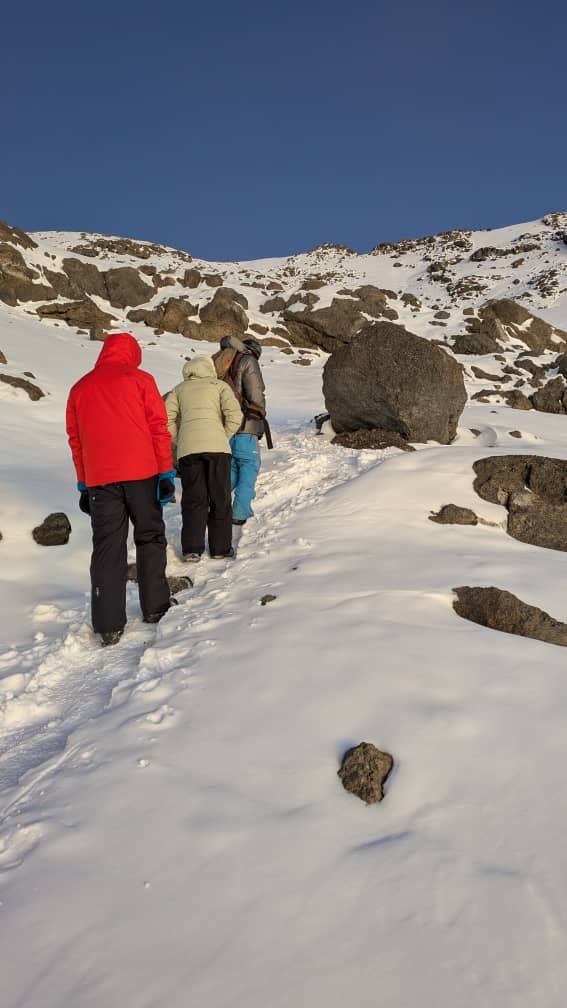

Why Choose a Private Marangu Route Climb to Uhuru Peak?
The allure of Kilimanjaro, Africa’s tallest mountain, draws thousands of adventurers annually. While many routes crisscross its slopes, the Marangu Route holds a special place for its distinct approach and amenities. Opting for a private Marangu Route climb to Uhuru Peak means you control the pace, the group size, and often, the specific departure dates, offering an unparalleled level of customization for your 2026-2027 expedition. This is especially beneficial for families, groups of friends, or individuals who prefer not to trek with strangers and desire a more tailored support system throughout their journey.
The Marangu Route’s main distinguishing feature is its use of dormitory-style huts along the trail, a stark contrast to the tent camping required on other routes. This offers a level of comfort that many find appealing, providing protection from the elements and a communal space to rest and dine. For a private ascent, these huts become your exclusive base, allowing for a more relaxed and intimate climbing experience. The route also features a more direct ascent and descent, which can be advantageous for acclimatization if paced correctly over a longer duration.
Understanding the Marangu Route’s Unique Appeal
The Marangu Route is one of the oldest and most established trekking paths on Kilimanjaro. Its nickname, the “Coca-Cola” route, comes from its historical popularity and the presence of small kiosks selling refreshments along the lower sections. While commercialization has changed over the years, the route’s fundamental characteristics remain: a gradual ascent, excellent acclimatization potential (especially on longer itineraries), and the distinctive hut accommodation. For a private climb, this translates to:
- Exclusive Group Experience: Your group will have dedicated guides and support staff, ensuring personalized attention and safety.
- Controlled Pace: Move at your own speed without feeling rushed or held back by other trekkers.
- Customizable Itinerary: While the Marangu Route has standard durations, a private climb allows for minor adjustments to daily stages or rest days, within the bounds of safe acclimatization.
- Comfortable Accommodation: Enjoy the basic but functional huts, offering a welcome respite from the cold and rain compared to camping.
The Summit: Uhuru Peak
The ultimate goal for any Kilimanjaro trekker is Uhuru Peak, the true summit of Mount Kilimanjaro, located at 5,895 meters (19,341 feet) on the rim of the Kibo crater. Reaching Uhuru Peak is a profound achievement, symbolizing perseverance and the spirit of adventure. A private Marangu Route climb to Uhuru Peak ensures that your group has the focused support needed to tackle this challenging final ascent, typically undertaken in the early hours of summit day from Kibo Huts.
Marangu Route Itinerary Options for a Private Climb
The Marangu Route can be completed in a minimum of 4 days, but this is strongly discouraged due to very poor acclimatization and summit success rates. For a private climb, prioritizing safety and success, Top Guide Adventures recommends itineraries of 5, 6, or even 7 days. Longer itineraries allow for better acclimatization, significantly increasing your chances of reaching Uhuru Peak comfortably and safely. For your 2026-2027 plans, consider these typical private itinerary structures:
5-Day Marangu Route Private Climb
This is the shortest viable option but still carries a higher risk of altitude sickness due to rapid ascent. It’s generally not recommended for first-time high-altitude trekkers.
- Day 1: Marangu Gate (1,860m/6,100ft) to Mandara Huts (2,700m/8,860ft)
- Day 2: Mandara Huts to Horombo Huts (3,700m/12,140ft)
- Day 3: Horombo Huts to Kibo Huts (4,700m/15,400ft)
- Day 4: Kibo Huts to Uhuru Peak (5,895m/19,341ft) and descend to Horombo Huts
- Day 5: Horombo Huts to Marangu Gate
Note: Summit success rates are significantly lower on the 5-day trek due to insufficient acclimatization.
6-Day Marangu Route Private Climb
This is the most popular and recommended duration for the Marangu Route, offering a better balance between ascent and acclimatization.
- Day 1: Marangu Gate (1,860m) to Mandara Huts (2,700m)
- Day 2: Mandara Huts to Horombo Huts (3,700m)
- Day 3: Horombo Huts to Mawenzi Ridge and back to Horombo Huts (Acclimatization Day)
- Day 4: Horombo Huts to Kibo Huts (4,700m)
- Day 5: Kibo Huts to Uhuru Peak (5,895m), descend to Horombo Huts
- Day 6: Horombo Huts to Marangu Gate
Benefit: The acclimatization day at Horombo Huts allows your body to adjust better to the altitude.
7-Day Marangu Route Private Climb
This extended itinerary provides the best acclimatization for the Marangu Route, maximizing your chances of reaching Uhuru Peak safely and enjoyably. It includes an extra day at Horombo Huts or an overnight at Kibo Huts before the summit push.
- Day 1: Marangu Gate (1,860m) to Mandara Huts (2,700m)
- Day 2: Mandara Huts to Horombo Huts (3,700m)
- Day 3: Horombo Huts to Mawenzi Ridge and back to Horombo Huts (Acclimatization Day 1)
- Day 4: Horombo Huts to Kibo Huts (4,700m)
- Day 5: Kibo Huts to Uhuru Peak (5,895m), descend to Horombo Huts
- Day 6: Horombo Huts to Mandara Huts
- Day 7: Mandara Huts to Marangu Gate
Advantage: The extra rest and acclimatization significantly improve summit success and overall experience.
Customizing Your Private 2026-2027 Climb
When you book a private Marangu Route climb with Top Guide Adventures, we work with you to tailor the itinerary to your group’s specific needs and fitness levels. This might involve adding an extra acclimatization day at a different point on the mountain or adjusting the daily hiking distances. Our goal is to ensure your journey to Uhuru Peak is as safe, enjoyable, and successful as possible.
What’s Included in a Private Marangu Route Package?
The inclusions for a private Marangu Route climb can vary slightly between operators, but a comprehensive package from a reputable company like Top Guide Adventures for your 2026-2027 expedition will typically cover:
Standard Inclusions for Private Marangu Climbs:
- Professional Guiding Team: A lead guide and assistant guides (ratio typically 1:4 or better for private groups).
- Support Crew: Experienced porters to carry group gear and personal luggage (within specified limits).
- Accommodation: Hut accommodation on the mountain (Mandara, Horombo, Kibo Huts).
- Meals: All meals on the mountain (breakfast, lunch, dinner), prepared by a dedicated cook.
- Park Fees: All necessary Kilimanjaro National Park entry fees, camping/hut fees, and conservation fees.
- Rescue Fees: Emergency rescue fees.
- Equipment: Use of tents for the support crew, cooking equipment, and mess tent (if applicable, though Marangu uses huts).
- Water: Boiled or treated drinking water provided daily.
- Transfers: Round-trip transportation from Moshi to the Marangu Gate and back.
- Briefing: Pre-climb briefing in Moshi.
- Oxygen: Portable oxygen cylinders for emergency use.
- First Aid: Comprehensive first-aid kit and trained guides.
What’s Typically Excluded?
It’s crucial to be aware of what is not included to budget accurately for your 2026-2027 trip:
- Flights: International flights to Kilimanjaro International Airport (JRO).
- Visas: Tanzanian visa fees.
- Travel Insurance: Comprehensive travel and medical evacuation insurance (mandatory).
- Personal Gear: Sleeping bags, trekking poles, warm clothing, waterproofs, boots, etc. (rental options may be available).
- Tips: Gratuities for guides, porters, and cook. This is a significant part of the crew’s income.
- Personal Expenses: Souvenirs, alcoholic beverages, laundry, and tips.
- Accommodation in Moshi: Pre- and post-climb hotel nights unless specified.
- Snacks and Drinks: Bottled water, energy bars, and personal snacks beyond provided meals.
- Medications: Personal medical supplies and prescriptions.
Cost of a Private Marangu Route Climb to Uhuru Peak (2026-2027 Estimates)
The cost of a private Marangu Route climb to Uhuru Peak is influenced by several factors, including the duration of the trek, the number of people in your private group, the operator’s reputation, and the level of service provided. Generally, private climbs are more expensive per person than joining a shared group, but they offer significant advantages in terms of flexibility and personalized attention.
For a 2026-2027 private Marangu Route climb, you can expect prices to range from approximately $1,500 to $3,000+ per person. This range accounts for:
- Operator Tier: Budget operators will be at the lower end, while premium operators with higher guide-to-client ratios, better food, and more experienced staff will be at the higher end.
- Itinerary Length: Longer treks (6-7 days) will cost more than shorter ones (5 days) due to additional park fees and crew costs.
- Group Size: While it’s a “private” climb, the cost per person often decreases slightly with larger groups, as fixed costs (like guide salaries and park fees for the crew) are spread among more individuals. However, for very small private groups (e.g., 2 people), the per-person cost will be higher than for a group of 4-6.
- Inclusions: Some operators might include items like sleeping bag rental or airport transfers, which can affect the overall price.
Estimated Cost Breakdown Factors for 2026-2027:
- Park Fees: These are fixed and constitute a significant portion of the total cost (approx. $70-$80 per person per day).
- Guide & Crew Salaries: Professional, experienced teams command fair wages.
- Food & Supplies: Quality meals and provisions for the duration of the trek.
- Logistics: Transportation, equipment, and operational overhead.
- Profit Margin: A reasonable margin for the tour operator.
Recommendation: For an accurate quote tailored to your group for a 2026-2027 private Marangu Route climb, it is best to contact operators directly. For example, Top Guide Adventures can provide detailed, no-obligation quotes via WhatsApp +255616946642 or email topguideadventures@gmail.com.
Preparing for Your Private Marangu Route Climb
A successful climb to Uhuru Peak requires thorough preparation, both physically and mentally. For a private Marangu Route climb in 2026-2027, starting your preparation well in advance is key.
Physical Training
The Marangu Route, while less steep than some others, still involves significant elevation gain and long trekking days. Focus on cardiovascular fitness and leg strength. Recommendations include:
- Cardiovascular Exercise: Aim for at least 3-4 sessions per week, including hiking, running, cycling, or swimming.
- Hiking: Regularly hike with a weighted backpack, ideally on varied terrain and inclines. Simulate the long days you’ll experience on Kilimanjaro.
- Strength Training: Focus on exercises for legs (squats, lunges), core, and back.
- Stamina Building: Practice multi-day hikes if possible, or at least long, strenuous day hikes.
Acclimatization Strategy
Even with the Marangu Route’s gradual ascent, acclimatization is paramount. The 6- and 7-day itineraries are designed to help your body adjust to the decreasing oxygen levels. Key principles include:
- “Pole Pole” (Slowly, Slowly): Walk at a slow, consistent pace.
- Hydration: Drink plenty of water (3-4 liters per day).
- Avoid Alcohol and Smoking: These hinder acclimatization.
- Ascend High, Sleep Low: Utilize acclimatization days where you hike to a higher altitude and return to sleep at a lower one.
Gear and Packing
Proper gear is essential for comfort and safety. For a private Marangu Route climb, ensure you have:
- Layering System: Base layers (moisture-wicking), mid-layers (fleece or down), and outer layers (waterproof and windproof jacket and trousers).
- Footwear: Broken-in, waterproof hiking boots.
- Headwear: Warm hat, sun hat, and balaclava.
- Handwear: Warm gloves and liners.
- Sleeping Bag: A 4-season sleeping bag rated for at least -10°C (14°F).
- Trekking Poles: Highly recommended for knee support on descents.
- Headlamp: With extra batteries.
- Sun Protection: High SPF sunscreen, sunglasses, lip balm.
- Personal First-Aid Kit: Including any personal medications, blister treatment, and pain relievers.
- Water Bottles/Hydration Pack: At least 2-3 liters capacity.
Many operators, including Top Guide Adventures, provide detailed packing lists upon booking. Consider renting bulky items like sleeping bags or trekking poles if you prefer not to travel with them.
Mental Preparation
Climbing Kilimanjaro is as much a mental challenge as a physical one. Be prepared for demanding days, potential discomfort, and the psychological effects of altitude. A positive attitude, determination, and trust in your support team are invaluable.
The Marangu Route Experience: Day by Day
Let’s walk through a typical 6-day private Marangu Route climb to Uhuru Peak, highlighting the unique aspects of this journey.
Day 1: Marangu Gate to Mandara Huts
The adventure begins at the Marangu Gate, a bustling entrance to Kilimanjaro National Park. After completing registration and meeting your guides, you’ll start the trek through lush rainforest. The path is well-maintained, and you might spot colobus monkeys and various bird species. The hike to Mandara Huts (2,700m) takes approximately 4-6 hours and covers about 8 kilometers (5 miles). The huts offer a comfortable introduction to mountain living.
Day 2: Mandara Huts to Horombo Huts
Today, you ascend out of the rainforest into the moorland zone. The landscape becomes more open, with giant heather and unique senecio trees. The trek to Horombo Huts (3,700m) is longer, taking around 5-7 hours and covering approximately 12 kilometers (7.5 miles). From Horombo, you might catch your first glimpses of Mawenzi, Kilimanjaro’s second peak. The air is noticeably thinner here.
Day 3: Horombo Huts – Acclimatization Day
This crucial acclimatization day involves a hike towards Mawenzi Ridge. You’ll ascend to around 4,000 meters and then descend back to Horombo Huts. This “climb high, sleep low” strategy significantly aids your body’s adaptation to the altitude. Enjoy the changing scenery and take time to rest and hydrate. This day is vital for a successful summit bid and is a key advantage of the 6-day itinerary.
Day 4: Horombo Huts to Kibo Huts
Today’s trek takes you across the alpine desert, a stark and beautiful high-altitude landscape. The path becomes rockier as you approach Kibo Huts (4,700m), located at the base of the Kibo crater. This is a long hiking day, typically 5-7 hours, covering about 10 kilometers (6 miles). You’ll have an early dinner and an early bedtime, preparing for the demanding summit night.
Day 5: Summit Night – Kibo Huts to Uhuru Peak and Descend to Horombo Huts
This is the most challenging day. You’ll start your ascent around midnight, trekking in the dark with headlamps. The climb is steep and slow, often on scree. Reaching Gilman’s Point (5,685m) on the crater rim is a major achievement, followed by the final push to Uhuru Peak (5,895m). The sunrise from the summit is an unforgettable spectacle. After celebrating at Uhuru Peak, you’ll begin the long descent back to Kibo Huts for a brief rest before continuing down to Horombo Huts. This day involves significant elevation gain and loss, and requires immense stamina and mental fortitude.
Day 6: Horombo Huts to Marangu Gate
After breakfast, you’ll complete the final descent through the moorland and forest zones back to Marangu Gate. The trek down is much quicker, typically taking 5-6 hours. At the gate, you’ll have a chance to celebrate your incredible achievement with your guides and crew, receive your climbing certificates, and say your goodbyes before transferring back to your hotel in Moshi.
Safety on the Marangu Route
Safety is the top priority for any Kilimanjaro climb, especially on a private ascent. Reputable operators like Top Guide Adventures adhere to strict safety protocols:
- Experienced Guides: Certified guides trained in high-altitude trekking, first aid, and emergency response.
- Acclimatization Schedule: Adherence to proven acclimatization strategies.
- Monitoring: Regular checks of trekkers’ well-being, including monitoring for symptoms of altitude sickness.
- Emergency Equipment: Availability of oxygen cylinders, comprehensive first-aid kits, and communication devices.
- Evacuation Plan: Clear procedures for emergency evacuations, often involving park rangers and specialized vehicles.
- Rescue Services: Kilimanjaro National Park has a dedicated rescue team.
Recognizing and Managing Altitude Sickness
Altitude sickness (Acute Mountain Sickness – AMS) is the most common challenge. Symptoms can include headache, nausea, dizziness, and fatigue. It’s crucial to:
- Communicate any symptoms to your guide immediately.
- Stay hydrated and ascend slowly.
- Avoid overexertion.
- If symptoms worsen, descent is the only effective treatment.
Your private guides will be vigilant in monitoring your group for any signs of AMS and will make informed decisions regarding your safety.
Why Choose Top Guide Adventures for Your Private Marangu Route Climb?
Planning a private Marangu Route climb to Uhuru Peak for 2026-2027 requires a reliable and experienced partner. Top Guide Adventures is a local Tanzanian company committed to providing exceptional climbing experiences with a strong emphasis on safety, sustainability, and client satisfaction. We understand the nuances of Kilimanjaro trekking and are dedicated to making your journey to Uhuru Peak a memorable success.
Our Commitment to Your Climb:
- Experienced & Certified Guides: Our guides are highly trained, knowledgeable, and passionate about Kilimanjaro.
- Safety First Approach: We prioritize your well-being with strict safety protocols and well-equipped teams.
- Fair Wages & Porter Welfare: We are committed to ethical treatment and fair compensation for our entire crew.
- Personalized Service: As a private tour operator, we offer tailored itineraries and dedicated support.
- Quality Equipment & Meals: We provide well-maintained gear and delicious, nutritious meals on the mountain.
- Local Expertise: Being a local company, we have intimate knowledge of the mountain and its challenges.
We are proud of our reputation and encourage you to view reviews from past clients on platforms like TripAdvisor. For inquiries about your private Marangu Route climb to Uhuru Peak in 2026-2027, or to discuss custom safari and Zanzibar holiday packages, please reach out:
WhatsApp: +255616946642
Email: topguideadventures@gmail.com
Backup Email: info@topguideadventures.com
Let us help you plan an unforgettable adventure to the Roof of Africa!
Frequently Asked Questions About Private Marangu Route Climbs
Here are answers to common questions regarding private Marangu Route climbs to Uhuru Peak for 2026-2027.
Q1: Is the Marangu Route suitable for beginners?
The Marangu Route is often considered the easiest route due to its gradual slope and hut accommodation. However, any climb on Kilimanjaro is challenging. Beginners should opt for longer itineraries (6-7 days) and focus on physical and mental preparation. For absolute beginners prioritizing comfort, it’s a strong contender.
Q2: What is the best time of year for a private Marangu Route climb?
The best times are the dry seasons: January to March and June to October. These months offer the clearest skies and most stable weather conditions. However, private climbs can be arranged year-round, with operators accustomed to managing weather variations.
Q3: How much should I tip my guides and porters on a private climb?
Tipping is customary and expected. For a private Marangu Route climb, a guideline might be around $20-$25 per day for the lead guide, $15-$20 per day for assistant guides, and $10-$15 per day for porters and cooks, per trekker. Your operator will provide specific recommendations. These tips form a significant part of their income.
Q4: Can I arrange a private Marangu Route climb for just one person?
Yes, it’s possible to arrange a private climb for a solo trekker. However, the per-person cost will be significantly higher than for a group, as the fixed costs for guides, crew, and logistics are spread over fewer individuals. It’s often more cost-effective to join a shared group if you are a solo traveler.
Q5: What is the difference between a private Marangu Route climb and a shared group climb?
A private climb offers exclusivity, flexibility in pace and schedule, and personalized attention from guides. A shared group climb is more budget-friendly, as costs are distributed among multiple trekkers. However, you have less control over the pace and departure dates.
Q6: How does the Marangu Route differ from the Machame Route?
The primary difference lies in accommodation: Marangu uses huts, while Machame uses tents. Machame is also known for its “climb high, sleep low” strategy and scenic beauty, often considered to have higher summit success rates due to its superior acclimatization profile. However, Marangu offers a more comfortable lodging experience.
Q7: What altitude-related illnesses should I be aware of?
The main concern is Acute Mountain Sickness (AMS). More severe forms include High Altitude Cerebral Edema (HACE) and High Altitude Pulmonary Edema (HAPE). Symptoms must be reported immediately to your guide. Proper acclimatization, hydration, and “pole pole” walking are crucial preventative measures.
Q8: How far in advance should I book my private Marangu Route climb for 2026-2027?
For private climbs, especially during peak seasons, it is highly recommended to book 6 to 12 months in advance. This allows ample time for planning, training, and securing your preferred dates and guides. For 2026-2027, starting your planning and booking process now is advisable.
Check Availability for Private Marangu Route Climb To Uhuru Peak: Your Expert Guide For 2026-2027
Ready to compare dates, prices, and the best option for your group? Send the package name and travel month so the team can reply with a clear quote, availability, and what is included.
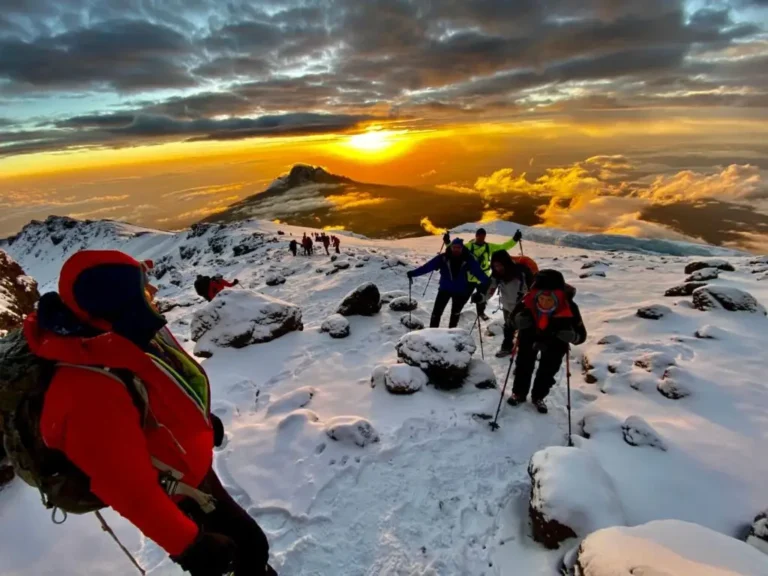
Kilimanjaro Climb With A Private Sleeping Tent: Your Ultimate Comfort Guide
Planning a Kilimanjaro climb? Discover the benefits of opting for a private sleeping tent, ensuring personal space and comfort on the mountain. This guide covers everything you need to know...
View package details
Private Kilimanjaro Interpreter And Guide Package: Your Ultimate Summit
Discover the benefits of a Private Kilimanjaro Interpreter and Guide Package for your trek. Ensure safety, cultural understanding, and a smoother journey to the Roof of Africa with expert...
View package details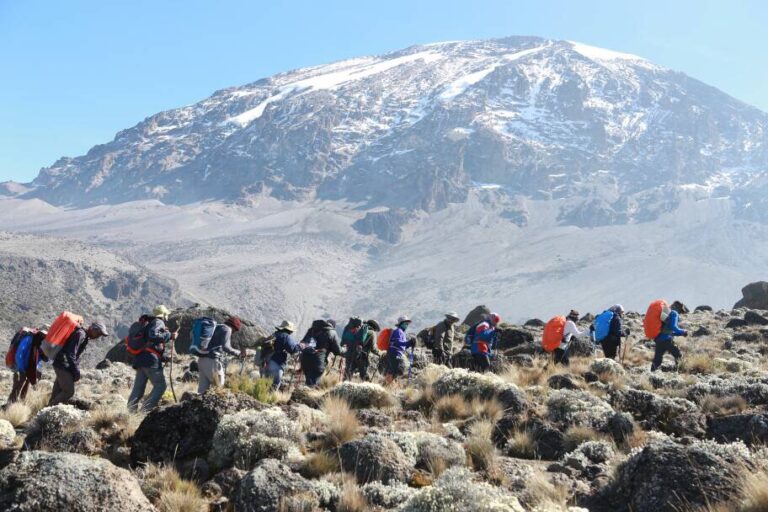
Can You Change Clothes Privately On Kilimanjaro? Guide
Discover how to maintain privacy and comfort while changing clothes during your Kilimanjaro trek. Top Guide Adventures explains the practicalities of staying clean and dignified on the...
View package details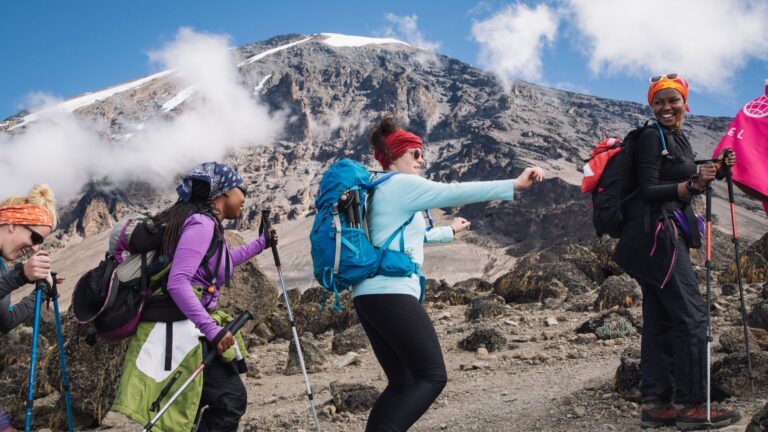
Kilimanjaro Climb With A Swahili-Speaking Guide: Your Essential Top Adventures
Ascend Mount Kilimanjaro with Top Guide Adventures, led by experienced Swahili-speaking guides. This comprehensive guide covers everything you need to know for a successful climb in...
View package details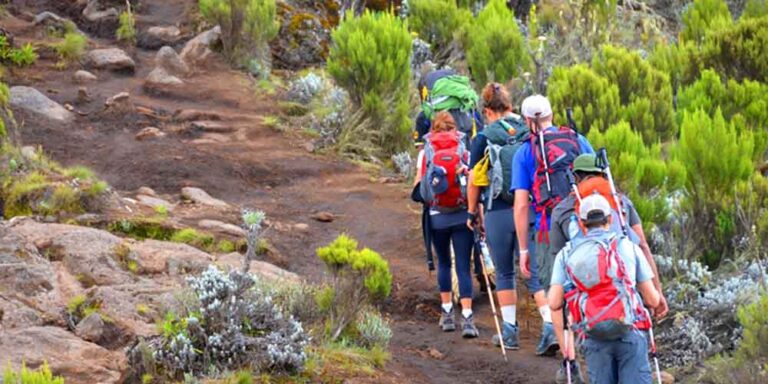
Kilimanjaro Climb With A Hindi-Speaking Guide 2026-2027
Kilimanjaro Climb with a Hindi-Speaking Guide is explained with current 2026-2027 planning, price, itinerary and booking information.
View package details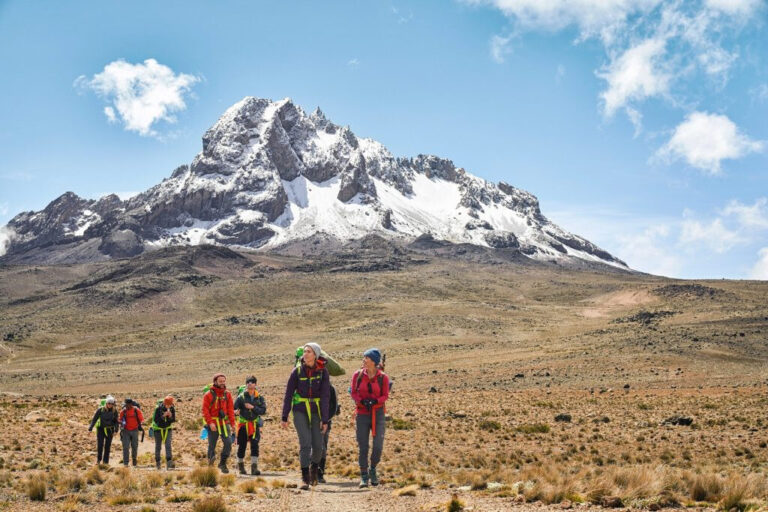
Kilimanjaro Climb With A Hebrew-Speaking Guide: Your Adventure 2026-2027
Discover how to arrange a Kilimanjaro climb with a Hebrew-speaking guide, ensuring a comfortable and culturally connected experience for Israeli hikers planning their 2026-2027 adventure...
View package details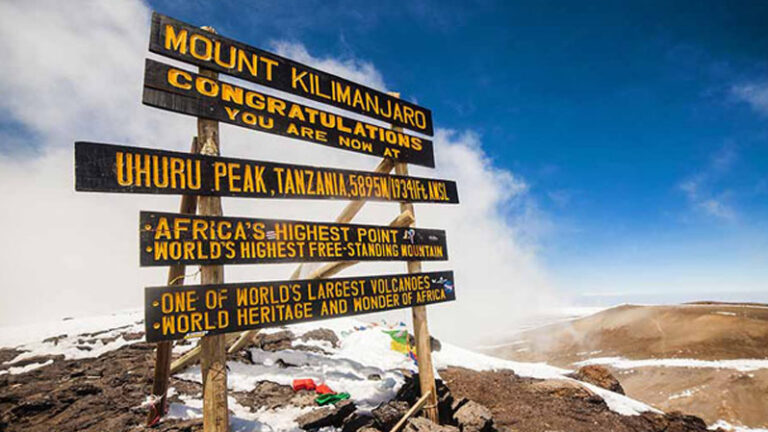
Kilimanjaro Climb With A Korean-Speaking Guide 2026-2027
Kilimanjaro Climb with a Korean-Speaking Guide is explained with current 2026-2027 planning, price, itinerary and booking information.
View package details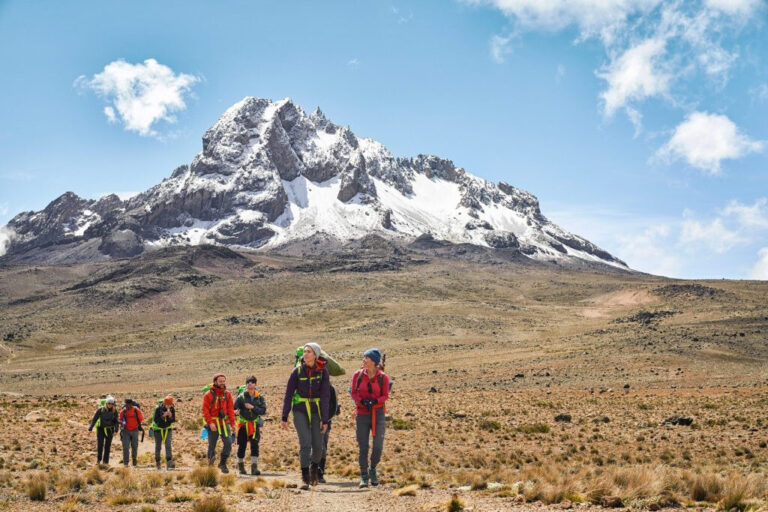
Kilimanjaro Climb With A Japanese-Speaking Guide: Your Ultimate Adventure
start your dream Kilimanjaro climb with a trusted Japanese-speaking guide from Top Guide Adventures. We provide comprehensive support, ensuring a safe and unforgettable experience on...
View package detailsKilimanjaro Climb With An Arabic-Speaking Guide In | Top Adventures 2026-2027
Ascend Mount Kilimanjaro with a dedicated Arabic-speaking guide. Top Guide Adventures provides comprehensive support, safety, and personalized experiences for your 2026-2027 climb.
View package details
Kilimanjaro Climb With A Russian-Speaking Guide: Your Ultimate Adventure
start your Kilimanjaro adventure with a dedicated Russian-speaking guide. This comprehensive guide covers everything you need to know for a successful climb in 2026-2027, from choosing the...
View package details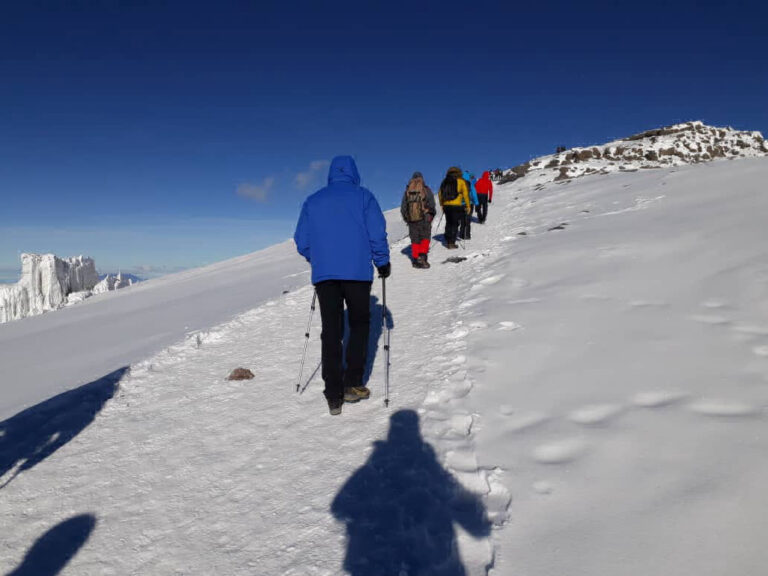
Kilimanjaro Climb With A Polish-Speaking Guide: Your Comprehensive Planning
Discover how to arrange a Kilimanjaro climb with a dedicated Polish-speaking guide. This extensive guide covers route options, preparation, costs, and booking considerations for your...
View package details
Kilimanjaro Climb With A Portuguese-Speaking Guide: Your Expert For 2026-2027
Discover everything you need to know for a Kilimanjaro climb with a Portuguese-speaking guide. Top Guide Adventures provides comprehensive planning details for your 2026-2027 ascent...
View package detailsNo related package matches those filters. Clear one or more filters to see the other topic-matched options.



