
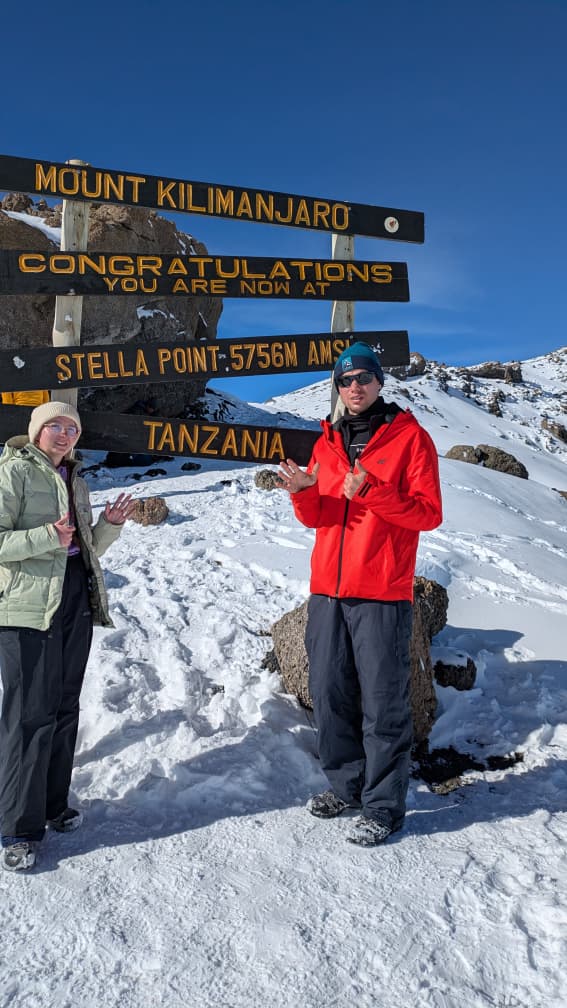
A private Rongai Route climb to Uhuru Peak offers a unique Kilimanjaro experience, typically lasting 6 to 7 days, starting from the north side of the mountain and providing a higher success rate due to its gradual ascent and lower crowds. This option is ideal for those seeking personalized attention, flexibility, and a more intimate trekking experience for their 2026-2027 adventure.
Understanding the Rongai Route’s Appeal for a Private Kilimanjaro Ascent
The decision to tackle Kilimanjaro is monumental, and choosing the right route is paramount to your success and enjoyment. For many, the allure of a private climb on the Rongai Route to Uhuru Peak represents the perfect blend of challenge, scenic beauty, and a less congested path to Africa’s highest point. Unlike the more popular southern routes, Rongai approaches Kilimanjaro from the north, bordering Kenya, offering a distinct ecological and visual journey. This route is renowned for its gradual ascent, which aids significantly in acclimatization, a critical factor for reaching Uhuru Peak. Opting for a private climb means your group, whether it’s just you, your family, or friends, will have dedicated guides, porters, and a cook, ensuring a tailored pace, personalized service, and increased flexibility throughout your 2026-2027 expedition.
This comprehensive guide is designed to equip you with all the necessary knowledge for planning a successful Rongai Route private climb to Uhuru Peak. We’ll explore the route’s unique characteristics, daily itineraries, acclimatization strategies, the advantages of a private group, essential gear, costs, and what you can expect from Top Guide Adventures for your 2026-2027 trek.
Why Choose Rongai for Your Private Kilimanjaro Summit Attempt?
The Rongai Route stands out for several compelling reasons, especially when you’re considering a private ascent to Uhuru Peak:
- Gradual Ascent & Acclimatization: Rongai’s gentle slope, particularly in the initial days, allows your body to adjust to the increasing altitude more effectively than steeper routes. This is a significant advantage for reaching the summit successfully.
- Lower Crowds: Approaching from the north means fewer trekkers share the path, especially during the initial stages. This creates a more serene and less hurried experience, allowing for deeper appreciation of the mountain’s environment.
- Scenic Variety: While perhaps not as lush as Machame initially, Rongai offers diverse landscapes, from semi-arid plains to moorlands, alpine deserts, and the arctic summit zone. It’s also the only route that traverses the northern and eastern sides of the mountain.
- Reliable Weather: The northern side of Kilimanjaro receives less rainfall, making Rongai a viable option even during the wetter months (April, May, November), although the best trekking seasons remain June to October and December to March.
- Higher Success Rates: Due to excellent acclimatization and fewer logistical hurdles from reduced crowds, the Rongai Route often boasts higher summit success rates, particularly when trekked over 6 or 7 days.
The Private Climb Advantage: What Top Guide Adventures Offers
Choosing a private climb with Top Guide Adventures for your Rongai Route to Uhuru Peak expedition elevates your trekking experience significantly. Here’s what sets a private climb apart:
- Dedicated Team: You’ll have your own team of guides, porters, and a cook exclusively for your group. This ensures personalized attention, flexibility in pace, and immediate support whenever needed.
- Customized Pace: Your guides will set a pace that suits your group’s fitness level, allowing for more frequent breaks, photo opportunities, and a less strenuous overall trek.
- Flexibility: While itineraries are planned, a private climb offers a degree of flexibility. Your guides can adjust meal times, rest stops, or even minor route variations based on your group’s needs and conditions.
- Privacy and Comfort: Enjoy the solitude of the mountain with your companions. You won’t be sharing tents or dining areas with strangers, enhancing your comfort and sense of personal achievement.
- Ideal for Groups: Whether it’s a family trip, a corporate team-building event, or a group of friends celebrating a milestone in 2026 or 2027, a private climb ensures everyone’s needs are met.
Rongai Route Itinerary Options: 6 vs. 7 Days for Uhuru Peak
The Rongai Route can be completed in either 6 or 7 days. While the 6-day option is faster, the 7-day Rongai Route private climb to Uhuru Peak is strongly recommended for improved acclimatization and a higher chance of summit success. Top Guide Adventures typically recommends the longer itinerary.
The 7-Day Rongai Route Itinerary: Maximizing Acclimatization and Success
This extended itinerary is designed to give your body ample time to adjust to the altitude, significantly boosting your chances of reaching Uhuru Peak.
Day 1: Rongai Gate (1,950m/6,398ft) to Simba Camp (2,600m/8,530ft)
Your adventure begins at the Rongai Gate, where you’ll complete park formalities. The trek starts through lush farmland and montane forest. It’s a relatively gentle ascent, taking approximately 3-4 hours. You’ll likely encounter local wildlife, and your first night is spent at Simba Camp, often referred to as the ‘Nalampaka Camp’.
Distance: ~7 km / 4.3 miles
Trek Time: 3-4 hours
Altitude Gain: 650m / 2,132ft
Day 2: Simba Camp (2,600m/8,530ft) to Kikelewa Caves (3,600m/11,811ft)
Today involves a longer trek, moving from the forest zone into the moorland. The path continues to ascend steadily. You’ll pass the second cave camp, offering a chance for a break, before continuing to Kikelewa Caves, a more scenic camping spot with good views. This day is crucial for acclimatization.
Distance: ~12 km / 7.5 miles
Trek Time: 6-7 hours
Altitude Gain: 1,000m / 3,281ft
Day 3: Kikelewa Caves (3,600m/11,811ft) to Mawenzi Tarn Camp (4,300m/14,108ft)
This is a shorter but steeper day, taking you into the alpine desert zone. The dramatic landscape of the Mawenzi peak becomes increasingly prominent. You’ll camp at Mawenzi Tarn Camp, situated in a spectacular cirque below the towering spires of Mawenzi, Kilimanjaro’s second-highest peak. This camp offers stunning views and is vital for acclimatization before the final push.
Distance: ~7 km / 4.3 miles
Trek Time: 3-4 hours
Altitude Gain: 700m / 2,297ft
Day 4: Acclimatization Day around Mawenzi Tarn Camp (4,300m/14,108ft)
This dedicated acclimatization day is a key feature of the 7-day Rongai itinerary. You’ll undertake a hike to higher altitudes (e.g., towards the saddle between Mawenzi and Kibo) and then return to Mawenzi Tarn Camp. This ‘climb high, sleep low’ strategy significantly aids your body’s adaptation to the extreme altitude, preparing you for the summit bid.
Trek Time: 3-5 hours (optional hike)
Day 5: Mawenzi Tarn Camp (4,300m/14,108ft) to Kibo Camp (4,700m/15,420ft)
You’ll trek across the ‘saddle’ – a high-altitude desert plateau connecting the two peaks of Kilimanjaro: Mawenzi and Kibo. This is a challenging day due to the altitude and the vast, barren landscape. You’ll reach Kibo Camp, located at the base of the Kibo crater wall. After an early dinner, you’ll rest and prepare for the summit attempt, which begins around midnight.
Distance: ~10 km / 6.2 miles
Trek Time: 4-5 hours
Altitude Gain: 400m / 1,312ft
Day 6: Summit Day! Kibo Camp (4,700m/15,420ft) to Uhuru Peak (5,895m/19,341ft) and down to Horombo Camp (3,700m/12,140ft)
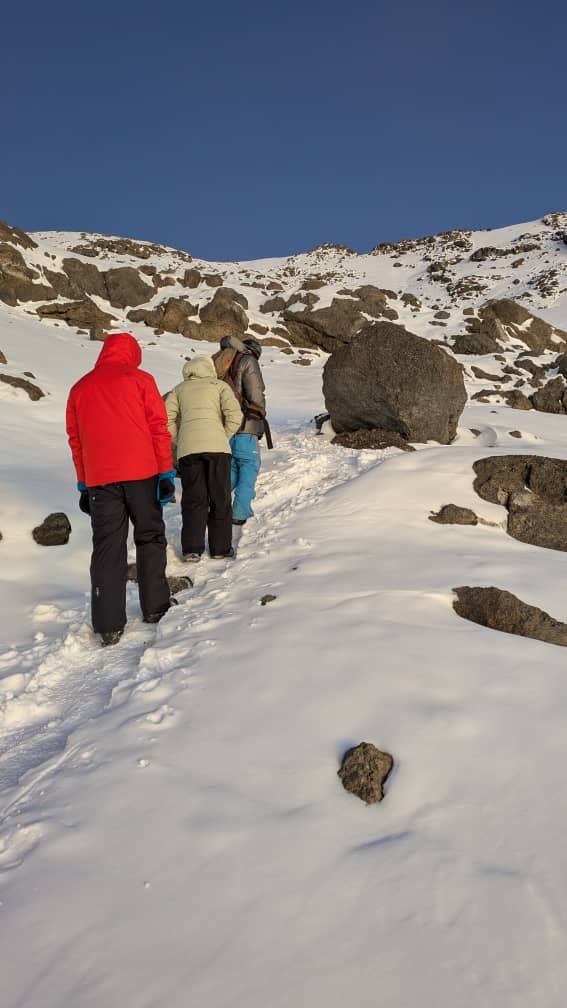
The summit push begins in the early hours (around 12:00 AM – 1:00 AM). You’ll ascend steeply over scree and volcanic scree towards Gilman’s Point (5,685m/18,652ft) on the crater rim. From Gilman’s Point, you’ll traverse along the rim to Uhuru Peak, the highest point in Africa. After celebrating your achievement, you’ll descend back to Kibo Camp for a short rest before continuing down to Horombo Camp, a much longer descent. This is the most demanding day.
Distance: ~17 km / 10.6 miles (summit & descent to Horombo)
Trek Time: 10-15 hours (summit & descent)
Altitude Loss: 2,195m / 7,201ft (to Horombo)
Day 7: Horombo Camp (3,700m/12,140ft) to Marangu Gate (1,800m/5,905ft)
Your final day involves descending through the moorland and forest zones. You’ll pass Mandara Hut before reaching Marangu Gate, where you’ll receive your climbing certificates. A vehicle will be waiting to transfer you back to your hotel in Moshi or Arusha. Congratulations on completing your Rongai Route private climb to Uhuru Peak!
Distance: ~20 km / 12.4 miles
Trek Time: 5-7 hours
Altitude Loss: 1,900m / 6,235ft
The 6-Day Rongai Route Itinerary: A Faster Pace
The 6-day Rongai route combines Days 2 and 3 of the 7-day itinerary, trekking from Simba Camp directly to Mawenzi Tarn Camp. While feasible, it significantly reduces acclimatization time and is generally not recommended by experienced operators like Top Guide Adventures, especially for a private climb where comfort and success are prioritized.
Recommendation: For a private Rongai Route climb to Uhuru Peak in 2026-2027, the 7-day itinerary is highly recommended. It offers superior acclimatization, leading to a more enjoyable trek and a considerably higher probability of reaching the summit.
Kilimanjaro’s Climate Zones & What to Expect on Rongai
Kilimanjaro is a mountain of contrasts, and the Rongai Route takes you through its distinct climate zones. Understanding these zones helps in packing and preparing for the varied conditions you’ll encounter on your private climb to Uhuru Peak.
- Cultivation Zone (Up to 1,800m): This is the area around the base, characterized by farmland and villages. You’ll start your trek here, experiencing warm, humid conditions.
- Rainforest/Montane Forest Zone (1,800m – 2,700m): As you ascend, you enter the dense rainforest. Expect high humidity, frequent mist, and cooler temperatures. This zone is rich in flora and fauna. On Rongai, this is primarily encountered on Day 1.
- Moorland Zone (2,700m – 3,500m): The forest gives way to heather, giant groundsels, and lobelias. Temperatures drop significantly, and the air becomes drier. This zone is prominent on Day 2 of the Rongai route.
- Alpine Desert Zone (3,500m – 4,500m): Vegetation becomes sparse, consisting of hardy mosses and lichens. Days are sunny and warm, but nights are cold, often dropping below freezing. This is where acclimatization becomes critical, and you’ll spend time here from Day 3 onwards.
- Arctic Zone (Above 4,500m): Above this altitude, there is virtually no vegetation. You’ll encounter ice, snow, and rock. Temperatures are extremely cold, and the air is thin. This is the zone for your summit bid to Uhuru Peak.
Essential Gear for Your Rongai Route Private Climb
Proper gear is non-negotiable for a safe and comfortable Kilimanjaro climb. For a private ascent, you can ensure your specific needs are met. Top Guide Adventures provides a detailed packing list, but here are the essentials:
Clothing: Layering is Key
- Base Layers: Moisture-wicking thermal tops and bottoms (merino wool or synthetic).
- Mid Layers: Fleece jacket or a lightweight insulated jacket for warmth.
- Outer Layer (Insulation): A warm down or synthetic insulated jacket for summit night and cold evenings.
- Outer Layer (Shell): Waterproof and windproof jacket and trousers (Gore-Tex or similar).
- Trekking Trousers: Comfortable, quick-drying hiking trousers (avoid jeans).
- Trekking Shirts: Moisture-wicking short and long-sleeved shirts.
- Headwear: Warm fleece hat, sun hat with a wide brim, balaclava or neck gaiter for summit night.
- Gloves: Thin liner gloves, warm waterproof mittens or gloves, and potentially glove liners.
Footwear
- Hiking Boots: Waterproof, broken-in hiking boots with good ankle support.
- Camp Shoes: Comfortable trainers or sandals for wearing around camp.
- Socks: Several pairs of warm wool or synthetic hiking socks.
- Liner Socks: To prevent blisters.
Equipment
- Backpack: A comfortable daypack (30-40 liters) for essentials during the day’s trek.
- Duffel Bag: A large, waterproof duffel bag (80-100 liters) for porters to carry.
- Sleeping Bag: A 4-season (-15°C to -20°C comfort rating) sleeping bag. Top Guide Adventures can arrange rentals.
- Sleeping Pad: Insulated sleeping mat (often provided or rentable).
- Trekking Poles: Highly recommended for stability and reducing knee strain.
- Headlamp: With extra batteries for summit night and camp use.
- Water Bottles/Bladder: At least 3 liters capacity. Insulated covers are recommended for cold weather.
- Sunglasses: High UV protection.
- Gaiters: To keep mud, rocks, and snow out of boots.
- Sunscreen & Lip Balm: High SPF.
- Insect Repellent: Especially for lower altitudes.
- Personal First-Aid Kit: Including any personal medications.
- Toiletries: Biodegradable soap, toothbrush, toothpaste, wet wipes.
- Camera & Power Bank: To capture memories and keep devices charged.
- Snacks: High-energy snacks like nuts, dried fruit, chocolate bars.
Cost Considerations for a Rongai Route Private Climb in 2026-2027
The cost of a private Rongai Route climb to Uhuru Peak can vary significantly based on the operator, the duration of the trek, and the level of service provided. Top Guide Adventures offers competitive pricing for private expeditions, focusing on quality and safety.
Factors influencing the price include:
- Duration: Longer treks (7 days) are generally more expensive than shorter ones (6 days).
- Group Size: While private, the cost per person may decrease slightly with larger groups due to fixed team costs.
- Inclusions: What is included in the package (e.g., accommodation before/after the climb, gear rental, tips for crew, park fees, meals, rescue fees).
- Service Level: The quality of equipment, food, and guide experience.
- Time of Year: Peak seasons might command slightly higher prices.
What Top Guide Adventures Typically Includes in a Private Rongai Climb Package:
A typical private Rongai Route package with Top Guide Adventures for 2026-2027 will generally include:
- All Kilimanjaro National Park entrance fees, camping fees, and rescue fees.
- Experienced, certified mountain guides (English-speaking).
- Assistant guides (ratio of 1:2 guides to clients).
- Porters to carry all group equipment and client luggage (usually up to 15kg per client).
- A cook to prepare all meals on the mountain.
- All meals on the mountain (breakfast, lunch, dinner, hot drinks).
- Accommodation in tents during the climb.
- Bottled drinking water (or purification system).
- Campsite equipment (tents, mess tent, table, chairs, cooking equipment).
- Transfer from/to Kilimanjaro International Airport (JRO) or your hotel in Moshi/Arusha.
- Basic first-aid kit and oxygen cylinders for emergency use.
- Note: Group tips for guides, porters, and cooks are usually not included but are customary and appreciated. We provide guidelines for tipping. Pre- and post-climb accommodation and personal gear rental (e.g., sleeping bags, trekking poles) are often optional add-ons or may be specified as separate costs.
For a personalized quote for your 2026-2027 Rongai Route private climb, please contact us directly.
Preparing for Your Private Kilimanjaro Expedition: Fitness and Acclimatization
Success on Kilimanjaro, especially via a private Rongai route, hinges on two primary factors: physical fitness and proper acclimatization. While the Rongai route is known for its good acclimatization profile, preparation is still key.
Physical Training Regimen
Your training should focus on cardiovascular endurance and leg strength. Aim to:
- Cardio: Engage in at least 3-4 sessions per week of activities like running, cycling, swimming, or brisk walking for 45-60 minutes.
- Hiking: Undertake long hikes (4-6 hours) with a weighted backpack (5-10 kg) on varied terrain, including hills and stairs, ideally on weekends. This simulates the trekking experience.
- Strength Training: Focus on leg exercises (squats, lunges) and core strengthening exercises.
- Consistency: Start your training at least 2-3 months before your climb in 2026 or 2027.
Acclimatization Strategies
Beyond the route’s design, personal acclimatization strategies are vital:
- Ascend Slowly: The Rongai route’s gradual ascent is its biggest asset. Follow your guide’s pace – ‘pole pole’ (slowly, slowly).
- Hydration: Drink plenty of fluids (3-4 liters per day) – water, herbal teas, or electrolyte drinks. Avoid alcohol and caffeine, which can dehydrate you.
- Eat Well: Consume balanced meals and snacks to maintain energy levels.
- Rest: Get adequate sleep and rest during the trek.
- Monitor Symptoms: Be aware of Altitude Sickness symptoms (headache, nausea, dizziness, fatigue). Inform your guide immediately if symptoms arise. They are trained to manage these situations.
- Consider Diamox: Consult your doctor about Acetazolamide (Diamox), a prescription medication that can help speed up acclimatization.
Summit Night: The Ultimate Challenge on Your Rongai Route Climb
Summit night is the most challenging part of any Kilimanjaro trek, including your private Rongai Route climb to Uhuru Peak. It typically begins around midnight from Kibo Camp (4,700m).
Key aspects of summit night:
- Extreme Cold: Temperatures can plummet to -15°C to -25°C (-5°F to -13°F), with wind chill making it feel even colder.
- Steep Ascent: You’ll be climbing on loose scree, a challenging surface in the dark.
- Low Oxygen: At this altitude, you’re breathing about half the oxygen available at sea level.
- Mental Fortitude: It requires immense mental strength to keep pushing forward.
- Guide Support: Your guides will be with you every step, monitoring your condition and providing encouragement.
- The Reward: Reaching Uhuru Peak at sunrise is an unparalleled experience, a moment of profound achievement.
After reaching Uhuru Peak, the journey isn’t over. You must descend back to Kibo Camp for a brief rest before continuing the long descent to Horombo Camp. This descent is often underestimated but is physically demanding. Proper gear, hydration, and a steady pace are crucial.
Booking Your 2026-2027 Rongai Route Private Climb with Top Guide Adventures
Planning a Rongai Route private climb to Uhuru Peak for 2026-2027 requires careful consideration and booking with a reputable operator. Top Guide Adventures is dedicated to providing safe, memorable, and successful Kilimanjaro climbs.
Why Choose Top Guide Adventures?
- Experienced Local Guides: Our guides are highly trained, certified, and possess extensive knowledge of Kilimanjaro, its routes, and altitude management.
- Safety First: We prioritize your safety with well-equipped first-aid kits, oxygen cylinders, emergency protocols, and regular crew training.
- Ethical Porter Treatment: We adhere to strict guidelines for porter welfare, ensuring they are treated with respect and provided with fair wages and appropriate gear.
- Quality Equipment: We use high-quality tents, sleeping bags (available for rent), and cooking equipment to ensure comfort and reliability.
- Personalized Service: As a local Tanzanian company, we offer authentic experiences and a deep understanding of the region. Our private climbs are tailored to your needs.
- High Success Rates: Our itineraries, particularly the 7-day Rongai, are designed to maximize your chances of reaching Uhuru Peak.
The Booking Process
To book your Rongai Route private climb to Uhuru Peak for 2026 or 2027, or to inquire further:
- Contact Us: Reach out via WhatsApp at +255616946642 or email us at topguideadventures@gmail.com. You can also use our backup email: info@topguideadventures.com.
- Consultation: We’ll discuss your preferred dates, group size, and any specific requirements.
- Quote: We will provide a detailed, personalized quote for your private climb.
- Deposit: A deposit is typically required to secure your booking and dates.
- Pre-Trip Information: Once booked, you’ll receive comprehensive pre-trip information, including a detailed packing list, training advice, and itinerary overview.
We recommend booking your Rongai Route private climb to Uhuru Peak well in advance, especially for 2026-2027, as popular dates and private slots can fill up quickly. Let Top Guide Adventures be your trusted partner in achieving your Kilimanjaro dream.
Frequently Asked Questions about the Rongai Route Private Climb
Is the Rongai Route suitable for a private climb?
Yes, the Rongai Route is an excellent choice for a private climb. Its gradual ascent aids acclimatization, and fewer crowds offer a more intimate experience, which is often desired in a private setting. Top Guide Adventures specializes in tailoring private Rongai expeditions.
What is the best time of year for a Rongai Route climb?
The best seasons are generally June to October and December to March. However, Rongai is one of the most reliable routes during the wetter months (April, May, November) due to its northern approach receiving less rainfall.
How difficult is the Rongai Route compared to others?
The Rongai Route is considered moderately difficult. Its gradual ascent makes it one of the easier routes in terms of acclimatization challenges. However, reaching Uhuru Peak at nearly 6,000 meters is always a significant physical and mental challenge, regardless of the route.
What is the typical success rate for the Rongai Route?
With a 7-day itinerary, the success rate for the Rongai Route is generally high, often exceeding 85-90%. This is attributed to its excellent acclimatization profile and the dedicated support provided on a private climb.
Can I rent gear for my Rongai Route private climb?
Yes, Top Guide Adventures offers rental services for essential gear such as sleeping bags, trekking poles, and waterproof jackets. We will provide a detailed list of available rentals upon booking.
What are the accommodation standards on a private Rongai climb?
Accommodation is in high-quality, waterproof tents. Campsites are well-chosen for safety and views. A separate mess tent is usually provided for dining, offering a comfortable space away from the elements.
What should I pack for a Rongai Route private climb?
Packing requires layering for varied temperatures. Key items include waterproof/windproof outer layers, warm insulation (down jacket), thermal base layers, sturdy hiking boots, a warm hat and gloves, and sun protection. A detailed packing list will be provided by Top Guide Adventures upon booking.
How much should I tip the crew on a Rongai Route private climb?
Tipping is customary and appreciated. Top Guide Adventures provides recommended tipping guidelines based on industry standards, which typically depend on the number of crew members and the trek duration. These guidelines will be shared before your climb.
What is the altitude of Uhuru Peak?
Uhuru Peak, the summit of Kilimanjaro, stands at 5,895 meters (19,341 feet) above sea level.
How does a private Rongai climb differ from a group climb?
A private climb offers exclusive use of guides, porters, and a cook for your group, allowing for a personalized pace, flexible schedule, and greater privacy. Group climbs involve sharing the team with other trekkers.
Check Availability for Rongai Route Private Climb To Uhuru Peak: Your Ultimate Guide 2026-2027
Ready to compare dates, prices, and the best option for your group? Send the package name and travel month so the team can reply with a clear quote, availability, and what is included.
Kilimanjaro Climb With A Private Sleeping Tent: Your Ultimate Comfort Guide
Planning a Kilimanjaro climb? Discover the benefits of opting for a private sleeping tent, ensuring personal space and comfort on the mountain. This guide covers everything you need to know...
View package details
Private Kilimanjaro Interpreter And Guide Package: Your Ultimate Summit
Discover the benefits of a Private Kilimanjaro Interpreter and Guide Package for your trek. Ensure safety, cultural understanding, and a smoother journey to the Roof of Africa with expert...
View package details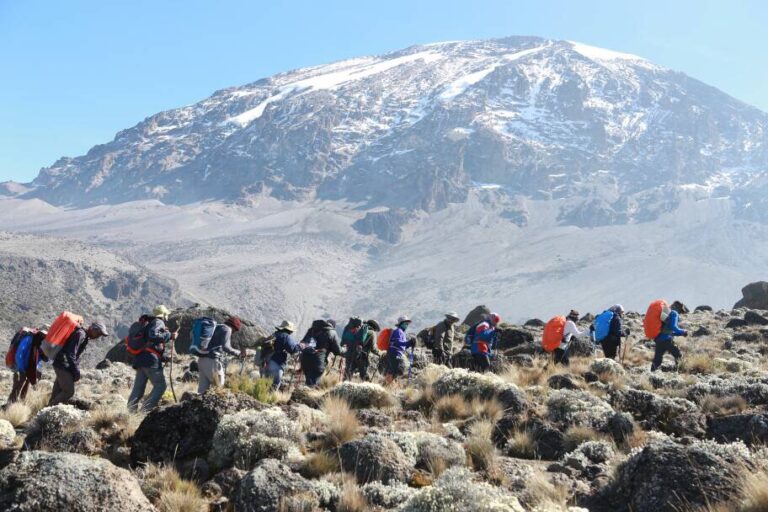
Can You Change Clothes Privately On Kilimanjaro? Guide
Discover how to maintain privacy and comfort while changing clothes during your Kilimanjaro trek. Top Guide Adventures explains the practicalities of staying clean and dignified on the...
View package details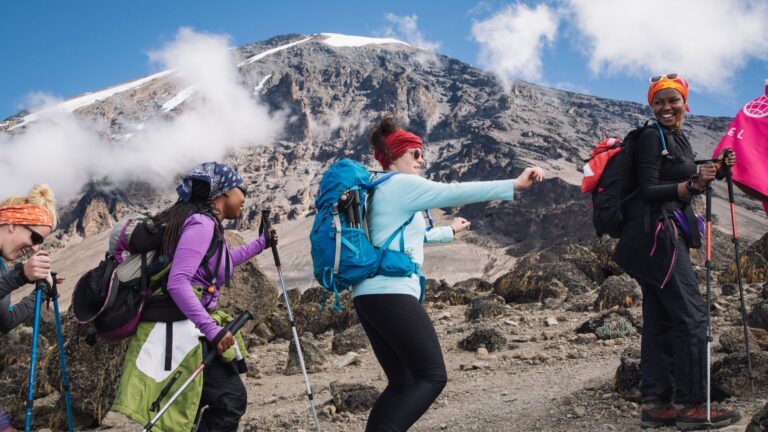
Kilimanjaro Climb With A Swahili-Speaking Guide: Your Essential Top Adventures
Ascend Mount Kilimanjaro with Top Guide Adventures, led by experienced Swahili-speaking guides. This comprehensive guide covers everything you need to know for a successful climb in...
View package details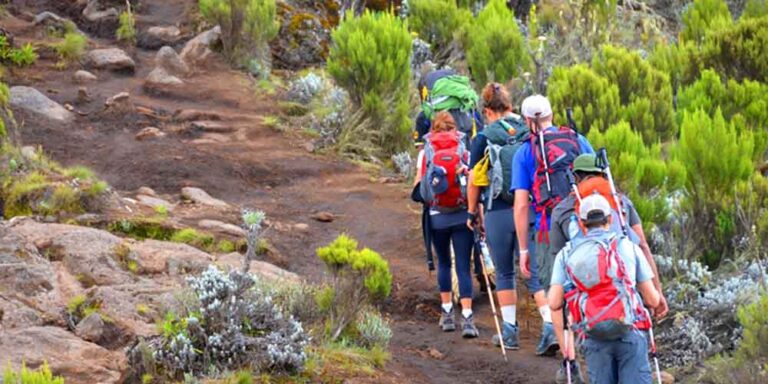
Kilimanjaro Climb With A Hindi-Speaking Guide 2026-2027
Kilimanjaro Climb with a Hindi-Speaking Guide is explained with current 2026-2027 planning, price, itinerary and booking information.
View package details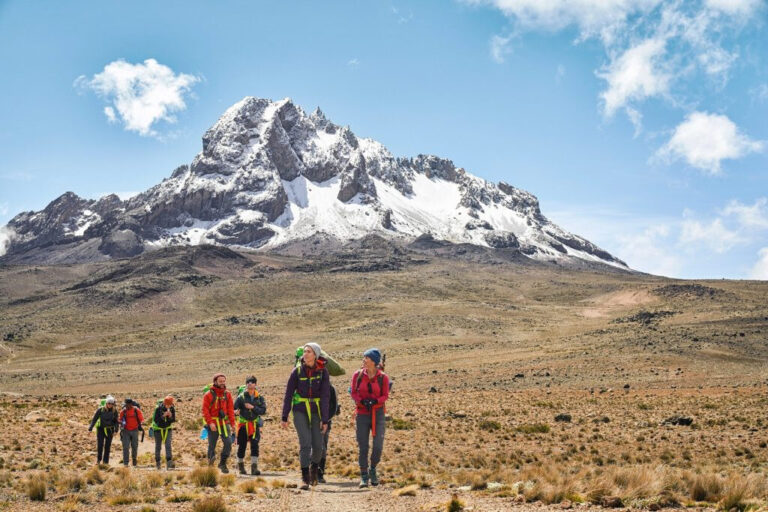
Kilimanjaro Climb With A Hebrew-Speaking Guide: Your Adventure 2026-2027
Discover how to arrange a Kilimanjaro climb with a Hebrew-speaking guide, ensuring a comfortable and culturally connected experience for Israeli hikers planning their 2026-2027 adventure...
View package details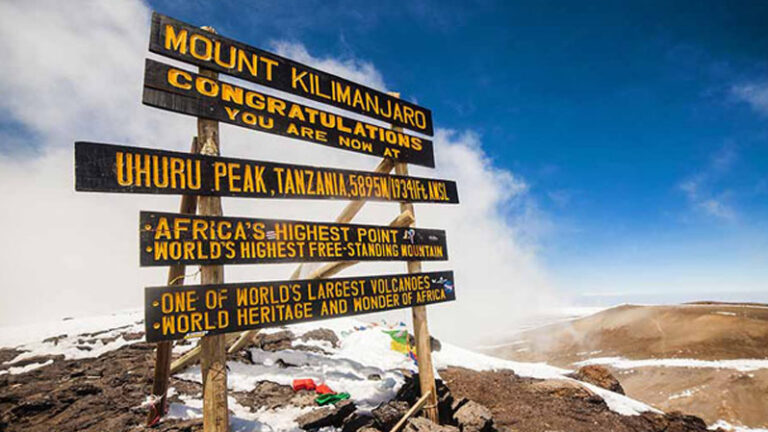
Kilimanjaro Climb With A Korean-Speaking Guide 2026-2027
Kilimanjaro Climb with a Korean-Speaking Guide is explained with current 2026-2027 planning, price, itinerary and booking information.
View package details
Kilimanjaro Climb With A Japanese-Speaking Guide: Your Ultimate Adventure
start your dream Kilimanjaro climb with a trusted Japanese-speaking guide from Top Guide Adventures. We provide comprehensive support, ensuring a safe and unforgettable experience on...
View package detailsKilimanjaro Climb With An Arabic-Speaking Guide In | Top Adventures 2026-2027
Ascend Mount Kilimanjaro with a dedicated Arabic-speaking guide. Top Guide Adventures provides comprehensive support, safety, and personalized experiences for your 2026-2027 climb.
View package details
Kilimanjaro Climb With A Russian-Speaking Guide: Your Ultimate Adventure
start your Kilimanjaro adventure with a dedicated Russian-speaking guide. This comprehensive guide covers everything you need to know for a successful climb in 2026-2027, from choosing the...
View package details
Kilimanjaro Climb With A Polish-Speaking Guide: Your Comprehensive Planning
Discover how to arrange a Kilimanjaro climb with a dedicated Polish-speaking guide. This extensive guide covers route options, preparation, costs, and booking considerations for your...
View package details
Kilimanjaro Climb With A Portuguese-Speaking Guide: Your Expert For 2026-2027
Discover everything you need to know for a Kilimanjaro climb with a Portuguese-speaking guide. Top Guide Adventures provides comprehensive planning details for your 2026-2027 ascent...
View package detailsNo related package matches those filters. Clear one or more filters to see the other topic-matched options.



