
A Shira Plateau 4×4 day trip from Moshi offers a unique opportunity to access high-altitude moorlands and capture spectacular photographs of Mount Kilimanjaro’s western ice fields and surrounding landscapes, typically involving a drive up rough tracks to a specific point on the plateau, often starting early morning and returning by late afternoon, with the best photo opportunities found during the golden hours of sunrise and sunset, though access for a full day trip is usually limited to specific viewpoints accessible by vehicle.
Exploring the Shira Plateau: A 4×4 Day Trip from Moshi for Photographers
The allure of Mount Kilimanjaro extends far beyond its summit. For many, the mountain’s majestic presence is best appreciated from its lower slopes and surrounding plateaus, offering unique perspectives and unparalleled photographic potential. A Shira Plateau 4×4 day trip from Moshi is an ideal way for enthusiasts and travelers to experience this grandeur without the commitment of a multi-day trek. This excursion is specifically designed to take you into the heart of the Shira Plateau, a UNESCO World Heritage Site, renowned for its distinct ecosystems and dramatic vistas, making it a prime destination for photographers seeking to capture Kilimanjaro in its full glory. This article will guide you through what to expect, the best photo spots, practical considerations, and how to best plan your 2026-2027 adventure.
Understanding the Shira Plateau and Its Significance
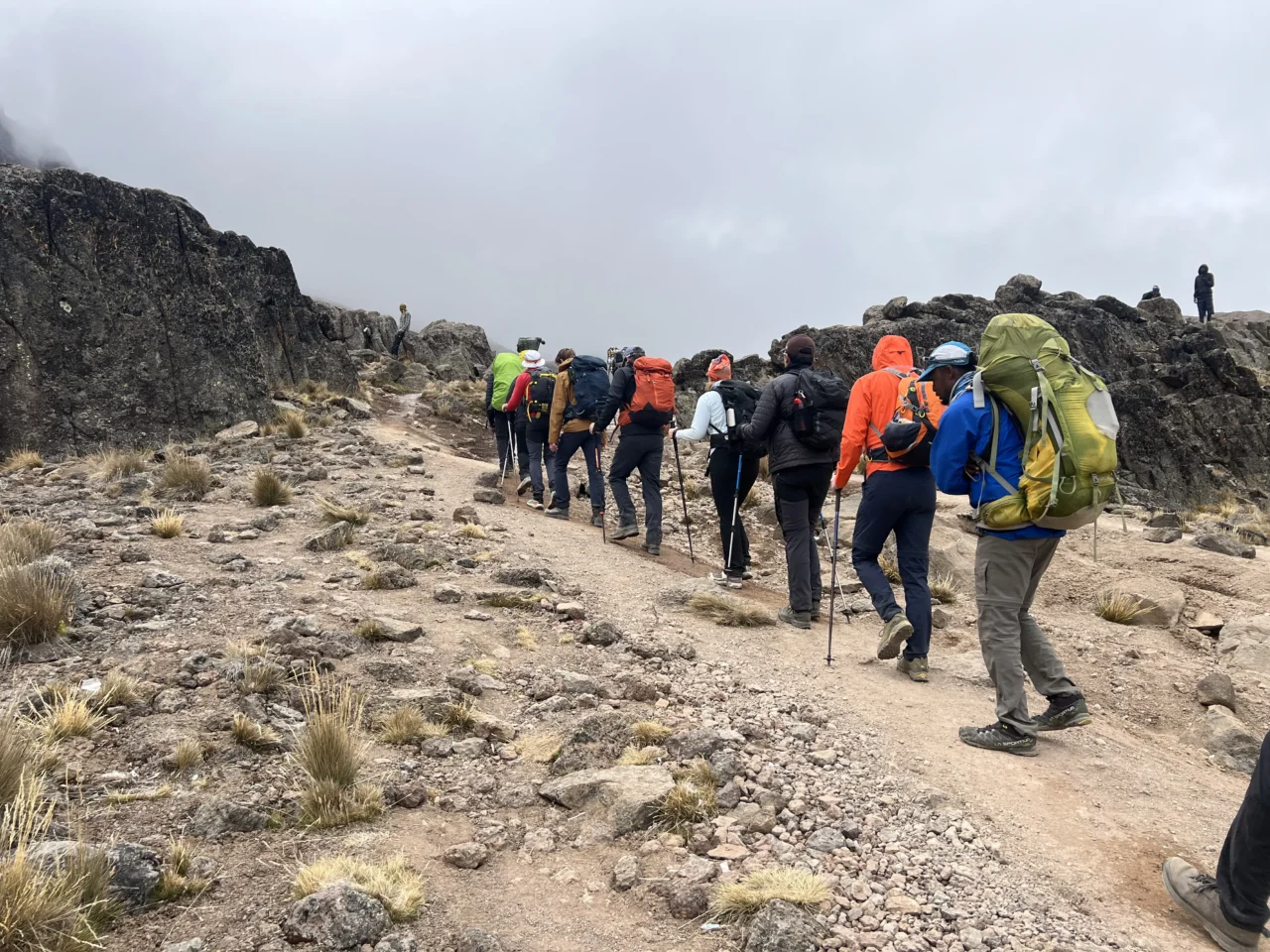
The Shira Plateau is one of Kilimanjaro’s three major cones, sitting west of the main Kibo summit. It’s an ancient volcanic caldera, now largely eroded, that forms a vast, high-altitude moorland. Reaching altitudes between 3,500 and 4,200 meters (11,500 to 13,800 feet), the plateau presents a starkly beautiful landscape characterized by giant heathers, senecios, lobelias, and sparse grasslands. Its isolation and elevation provide unobstructed views of Kibo and Mawenzi peaks, especially its famed western ice fields. The plateau’s unique environment supports hardy flora and fauna adapted to harsh conditions, adding another layer of interest for nature lovers and photographers.
Historically, the Shira cone is the oldest of Kilimanjaro’s three volcanic peaks. Geologists believe it collapsed inwards millions of years ago, forming the caldera. The plateau itself is a testament to volcanic activity and subsequent erosion, creating a landscape that feels both ancient and alive. For a day trip, accessing the plateau via 4×4 vehicle allows for a concentrated experience of its most accessible and visually striking areas, focusing on the photographic opportunities that draw many visitors.
Why Choose a 4×4 Day Trip? The Advantages for Photographers
Opting for a 4×4 day trip to the Shira Plateau offers several distinct advantages, particularly for those focused on photography:
- Accessibility: While Kilimanjaro trekking routes ascend the mountain, a 4×4 vehicle can navigate rougher, less-traveled tracks that lead to specific viewpoints on the Shira Plateau. This allows photographers to reach vantage points that would otherwise require days of hiking.
- Time Efficiency: For travelers on a tight schedule or those who prefer not to undertake a strenuous multi-day climb, a day trip provides a substantial Kilimanjaro experience in a single day. This is crucial for capturing specific light conditions, like dawn or dusk.
- Comfort and Convenience: A 4×4 vehicle offers a degree of comfort, protection from the elements, and the ability to carry more photography gear. It also allows for easier movement between different viewpoints on the plateau within the limited timeframe of a day trip.
- Unique Perspectives: The Shira Plateau offers views of Kilimanjaro that are different from those seen on the popular southern trekking routes. Photographers can capture the western ice fields, the vastness of the caldera, and the dramatic interplay of light and shadow on the mountain’s less-seen faces.
- Altitude Exposure (Controlled): While still at high altitude, a day trip allows for controlled exposure. You can ascend, photograph, and descend within hours, minimizing the risks associated with prolonged high-altitude stays if not properly acclimatized.
Planning Your Shira Plateau 4×4 Day Trip for 2026-2027
Successful planning is key to maximizing your Shira Plateau experience, especially for photography. Here’s what you need to consider for your 2026-2027 trip:
Best Time to Visit for Photography
Kilimanjaro experiences distinct dry and wet seasons. For photography, the dry seasons generally offer the clearest skies and best visibility.
- Dry Seasons: June to October and December to February are ideal. Skies are typically clear, offering crisp views of the mountain and surrounding landscapes. These months are also excellent for capturing the sunrise and sunset light on the ice fields.
- Shoulder Seasons: March to May and November can be unpredictable. While sometimes offering dramatic cloud formations that can enhance photographs, they also bring the risk of rain and obscured views.
For sunrise shots, an early start from Moshi is essential. Sunset photography might require a later return or, in some cases, an overnight stay (though this is beyond a standard day trip). Ensure your tour operator can accommodate timings for optimal light.
What to Pack: Photography Gear and Essentials
Given the high altitude and rugged terrain, careful packing is vital. For photographers, consider:
- Camera Equipment: A DSLR or mirrorless camera with a range of lenses (wide-angle for landscapes, telephoto for mountain details). Extra batteries (cold drains them faster), memory cards, and a sturdy tripod are essential. Consider a polarizing filter to enhance skies and reduce glare.
- Protection: A waterproof camera bag or cover, lens cleaning cloths, and a portable power bank for charging devices.
- Clothing: Layers are crucial. Temperatures can fluctuate significantly. Include thermal base layers, fleece mid-layers, and a waterproof/windproof outer shell. A warm hat, gloves, and scarf are non-negotiable.
- Footwear: Sturdy, broken-in hiking boots or trail shoes are recommended for navigating uneven terrain.
- Sun Protection: High-altitude sun is intense. Bring sunscreen (SPF 30+), sunglasses, and a wide-brimmed hat.
- Hydration and Snacks: Carry plenty of water. High-energy snacks are beneficial.
- First-Aid Kit: A basic kit for personal use.
- Headlamp: Essential for early morning departures or if staying out for sunset.
Choosing a Reliable Tour Operator
Selecting the right tour operator is paramount for a safe and rewarding Shira Plateau 4×4 day trip. Look for operators with:
- Experience: Proven track record in organizing Kilimanjaro-related excursions and day trips.
- Safety Standards: Clear safety protocols, experienced drivers familiar with the terrain, and access to emergency communication.
- Vehicle Quality: Well-maintained 4×4 vehicles capable of handling the challenging tracks.
- Knowledgeable Guides: Drivers/guides who understand the best viewpoints and can assist with photographic opportunities.
- Clear Itinerary: A detailed outline of the day’s plan, including timings and potential stops.
Top Guide Adventures is a reputable local operator known for its expertise in Kilimanjaro tours and day trips. You can reach them via WhatsApp +255616946642 or email at topguideadventures@gmail.com or info@topguideadventures.com for inquiries and bookings for your 2026-2027 adventure.
The Journey: From Moshi to the Shira Plateau
The adventure begins early, typically with a pick-up from your Moshi accommodation before sunrise. The drive itself is part of the experience, taking you from the bustling town through rural villages and gradually ascending the slopes of Kilimanjaro. The initial part of the journey is on paved or rougher dirt roads, but as you approach the plateau’s access points, the terrain becomes significantly more challenging, requiring a capable 4×4 vehicle and an experienced driver.
As the vehicle climbs, the landscape transforms. You’ll leave behind the cultivated farmlands and enter the montane forest zone, home to diverse wildlife. Depending on the specific route and time of year, you might catch glimpses of monkeys, various bird species, and if extremely lucky, larger mammals. The air grows cooler and thinner as you gain altitude.
The final ascent to the Shira Plateau involves navigating steep, rocky, and often muddy tracks. This is where the 4×4 truly proves its worth. The journey can be bumpy and slow, but the anticipation builds with every meter gained. The driver will aim for specific points on the plateau that offer the most dramatic and accessible photographic opportunities.
Key Kilimanjaro Photo Spots on the Shira Plateau
The Shira Plateau is not a single viewpoint but a vast area. Your 4×4 trip will likely focus on specific accessible locations that offer the most compelling photographic potential. The primary subject will, of course, be Mount Kilimanjaro itself, particularly its iconic western ice fields.
- The Western Ice Fields: From the Shira Plateau, you get a unique perspective of Kilimanjaro’s glaciers and ice fields, especially those on the western side of the Kibo summit. These are often bathed in spectacular light during sunrise and sunset. Capturing the sheer scale and the ethereal glow of the ice against the dark volcanic rock is a photographer’s dream.
- Panoramic Vistas of Kibo and Mawenzi: The plateau’s elevation provides sweeping views that encompass both the main Kibo summit and the jagged peaks of Mawenzi. Composing shots that include these distinct peaks offers a sense of the mountain’s immense scale and geological history.
- Sunrise and Sunset Light: The golden hours are critical. Sunrise paints the eastern face and ice fields with warm hues, while sunset casts long shadows and can create dramatic silhouettes. Plan your trip to be at a prime location during these times if possible, or at least have a good vantage point for the light changes.
- The Vast Moorland Landscape: Beyond the mountain itself, the Shira Plateau offers a stark, beautiful landscape. Giant heathers, unique alpine flora like senecios and lobelias (though these are more prominent higher up on the trekking routes, some hardy varieties exist), and the rugged, volcanic terrain create compelling foregrounds and mid-grounds for your shots.
- Cloud Formations: Depending on the weather, dramatic cloud formations can add incredible texture and depth to your photographs. Clouds swirling around the peaks or blanketing the plains below can create visually striking scenes.
- Wildlife Encounters (Rare): While not guaranteed, the plateau is home to eland, various antelope species, and unique birdlife. Spotting and photographing these creatures in their natural habitat adds an element of surprise and discovery to your trip.
It’s important to manage expectations for a day trip. You won’t be trekking deep into the plateau, but rather accessing key viewpoints via vehicle. The exact spots will depend on the operator’s route and the current road conditions. Your driver-guide will be instrumental in identifying these prime locations.
What to Expect During Your Day Trip
An average Shira Plateau 4×4 day trip from Moshi is structured to maximize your experience within a single day.
- Early Morning Start: Typically between 5:00 AM and 6:00 AM, to allow for the drive and time on the plateau, especially if aiming for sunrise photography.
- Drive to the Plateau Access Point: This can take 2-4 hours, depending on road conditions and the specific starting point for the 4×4 ascent.
- Ascent via 4×4: The challenging drive up the mountain tracks, often taking another 1-2 hours.
- Time on the Plateau: You will typically spend 2-4 hours on the plateau itself. This time is dedicated to exploring accessible viewpoints, photography, and enjoying the unique environment. Your guide will lead you to the best spots within reach of the vehicle.
- Picnic Lunch: Most operators include a packed lunch, often enjoyed amidst the stunning scenery.
- Descent and Return: The drive back down and the return journey to Moshi, usually arriving in the late afternoon or early evening (around 5:00 PM – 7:00 PM).
Important Considerations:
- Altitude Sickness: While a day trip minimizes risk, you will be at a high altitude (3,500m+). Stay hydrated, avoid alcohol, and listen to your body. If you feel unwell, inform your guide immediately.
- Weather: Be prepared for rapid weather changes. It can be sunny one moment and misty or rainy the next.
- Road Conditions: The tracks can be rough, muddy, or dusty depending on the season. This is part of the adventure, but be prepared for a bumpy ride.
The Photographic Potential: Capturing Kilimanjaro’s Majesty
Kilimanjaro is a photographer’s muse, and the Shira Plateau offers a distinct angle. The key is to leverage the unique environment and the mountain’s imposing presence.
Composition Techniques for Shira Plateau Photography
- Leading Lines: Use the tracks, rocky outcrops, or the contours of the land to lead the viewer’s eye towards Kilimanjaro.
- Framing: Utilize sparse vegetation or rock formations to frame the mountain, adding depth and context.
- Scale: Include elements like your 4×4 vehicle, sparse trees, or even yourself (if comfortable) to convey the immense scale of Kilimanjaro.
- Silhouettes: During sunrise or sunset, shooting towards the sun can create powerful silhouettes of the mountain peaks or unique flora.
- Focus on Details: Don’t just shoot the wide vistas. Look for interesting textures in the volcanic rock, the unique patterns of alpine plants, or the intricate details of the ice fields.
- Atmospheric Conditions: Embrace mist, clouds, and dramatic skies. These elements can transform a simple landscape into a dramatic, moody photograph.
Best Times of Day for Photography on the Plateau
- Sunrise (Early Morning): The most sought-after time. The first light hitting the western ice fields is magical. The sky often transitions through vibrant oranges, pinks, and yellows. This requires an extremely early start and being in position before the sun crests the horizon.
- Mid-Morning: The light is harsher but can be good for revealing the textures of the landscape and the mountain’s contours. The skies are often clearest during this period.
- Late Afternoon/Sunset: The light softens again, casting long shadows and bathing the mountain in a warm glow. This is another prime time for dramatic shots. However, getting back to Moshi after sunset requires careful planning and adherence to driving regulations.
Always communicate with your driver-guide about your photographic goals. They can help position the vehicle and suggest optimal spots based on the light and terrain.
Comparing Day Trip Options: Shira Plateau vs. Other Kilimanjaro Viewpoints
While the Shira Plateau offers a unique experience, it’s helpful to understand how it compares to other ways of viewing Kilimanjaro, especially for day trips.
- Shira Plateau 4×4 Trip:
- Pros: Unique high-altitude landscape, direct views of western ice fields, accessible by vehicle, dramatic and rugged terrain.
- Cons: Can be bumpy and challenging drive, access is limited to specific points, high altitude exposure within a short period.
- Mweka/Marangu Gate Views:
- Pros: Easily accessible by road, good for initial views of the mountain’s base and lower slopes, less demanding.
- Cons: Views are from lower down, less dramatic than the plateau, doesn’t offer the high-altitude perspective.
- Kilimanjaro National Park Buffer Zones/Viewpoints (e.g., near Amboseli):
- Pros: Can offer iconic shots with wildlife in the foreground.
- Cons: Not on the mountain itself, views can be distant, depends on specific safari routes.
The Shira Plateau 4×4 day trip stands out for its ability to get you onto the mountain’s high slopes within a single day, offering a perspective akin to what trekkers experience on the first few days of their climb, but with the convenience of a vehicle. It’s ideal for those who want a taste of Kilimanjaro’s high-altitude environment and photographic opportunities without the trek.
Practicalities and What to Budget For (2026-2027)
When budgeting for your 2026-2027 trip, consider the following cost factors for a Shira Plateau 4×4 day trip:
- Tour Operator Fees: This is the primary cost and includes the 4×4 vehicle, driver/guide, fuel, park entry fees (Kilimanjaro National Park and potentially other relevant conservation areas), packed lunch, and water. Prices can vary significantly based on the operator’s quality, inclusions, and vehicle type. Expect prices to range from $200 to $400+ per person for a private trip, depending on group size and specific inclusions. Shared options might be less per person but are less common for this specific type of specialized trip.
- Kilimanjaro National Park Fees: These are substantial and are usually included in the tour price. For 2026-2027, expect these fees to remain high, potentially increasing slightly. They are often charged per person per day.
- Tips for Driver/Guide: Tipping is customary. A general guideline is $20-$30 per day for the driver/guide, depending on service quality and group size.
- Personal Gear: Ensure you have appropriate clothing and camera equipment; these are not typically included.
- Accommodation in Moshi: Budget for your stay before and after the day trip.
Booking Window: For 2026-2027 trips, especially during peak seasons (June-Oct, Dec-Feb), it’s advisable to book your day trip at least 2-3 months in advance to secure your preferred operator and dates. For off-peak times, booking a few weeks ahead might suffice.
Safety and Health Considerations
Safety and health are paramount on any Kilimanjaro-related excursion. For a Shira Plateau day trip:
- Altitude: The primary concern. While brief, the altitude can affect some individuals. Acclimatize in Moshi for a day or two if possible. Stay hydrated, avoid strenuous activity immediately upon arrival, and be aware of symptoms of Acute Mountain Sickness (AMS): headache, nausea, dizziness, fatigue. If symptoms worsen, descend. Your guide should be trained to recognize and manage AMS.
- Vehicle Safety: Ensure the 4×4 is well-maintained and the driver is experienced with mountain terrain. Seatbelts should be used.
- Environmental Hazards: Be mindful of uneven terrain and potential slips. Stick to designated paths when disembarking.
- Weather: Rapid changes can lead to hypothermia or sunstroke. Dress in layers and protect yourself from the sun and cold.
- Communication: Ensure your operator has reliable communication methods (satellite phone or reliable mobile signal) in case of emergencies.
Always choose an operator like Top Guide Adventures that prioritizes safety and has experienced personnel. Contact them via WhatsApp +255616946642 or email topguideadventures@gmail.com / info@topguideadventures.com to discuss safety protocols for your 2026-2027 trip.
Maximizing Your Photographic Output: Tips from the Pros
To ensure you return with stunning images, consider these tips:
- Scout Locations (if possible): If you have time, familiarize yourself with potential viewpoints beforehand or trust your guide’s expertise.
- Shoot in RAW: This gives you maximum flexibility in post-processing to adjust exposure, white balance, and color.
- Understand Your Camera’s Metering: High-contrast scenes, common on Kilimanjaro, can fool automatic meters. Learn to use exposure compensation or spot metering.
- Bracket Your Exposures: For scenes with extreme dynamic range (bright sky, dark foreground), take multiple shots at different exposures to combine later (HDR).
- Look for the Light: Pay attention to how the light falls on the mountain and the landscape. Golden hour light is soft and warm, while midday light is harsh but can reveal texture.
- Capture the Environment: Don’t just focus on the peak. Photograph the unique flora, the rugged terrain, and the vastness of the plateau.
- Be Patient: Sometimes, waiting for the clouds to move or the light to change can make all the difference.
- Backup Your Photos: Carry extra memory cards and consider backing up photos to a portable drive or cloud service if you have reliable internet access during your trip.
The Future of Shira Plateau Day Trips (2026-2027 and Beyond)
As tourism evolves, day trips like the Shira Plateau 4×4 excursion are becoming increasingly popular for travelers seeking unique, high-impact experiences without long commitments. For 2026-2027, expect continued interest in these accessible adventures. Conservation efforts within Kilimanjaro National Park are ongoing, and operators are increasingly focused on sustainable tourism practices. This means adherence to park rules, responsible driving, and minimizing environmental impact will be even more critical. Travelers planning for these years should look for operators who demonstrate a commitment to these principles.
The accessibility of the Shira Plateau via 4×4 offers a valuable opportunity to witness Kilimanjaro’s grandeur from a high-altitude perspective. It’s a journey that combines adventure, natural beauty, and exceptional photographic potential, making it a highly recommended addition to any Tanzania itinerary for those looking to capture the essence of Africa’s highest peak.
For an unforgettable Shira Plateau 4×4 day trip from Moshi and to explore the best Kilimanjaro photo spots, contact Top Guide Adventures. Reach out via WhatsApp +255616946642 or email topguideadventures@gmail.com / info@topguideadventures.com to plan your tailored 2026-2027 adventure.
Check Availability for Shira Plateau 4X4 Day Trip From Moshi – Kilimanjaro Photo Spots & Experience
Ready to compare dates, prices, and the best option for your group? Send the package name and travel month so the team can reply with a clear quote, availability, and what is included.
17-Day Kilimanjaro, Serengeti, Ngorongoro & Zanzibar Tour: Your Ultimate
This 17-day tour combines the iconic Mount Kilimanjaro climb with unparalleled wildlife safaris in the Serengeti and Ngorongoro Crater, culminating in a relaxing beach escape in Zanzibar...
View package details
Moshi Hotel Vs Mountain Lodge Before Kilimanjaro 2026-2027
Moshi Hotel vs Mountain Lodge before Kilimanjaro is explained with current 2026-2027 planning, price, itinerary and booking information.
View package details
Kilimanjaro Photography Mistakes At High Altitude 2026-2027
Kilimanjaro Photography Mistakes at High Altitude is explained with current 2026-2027 planning, price, itinerary and booking information.
View package details
Kilimanjaro Glacier Photography Expedition: Capture Icy Wonders In 2026-2027
start a unique Kilimanjaro Glacier Photography Expedition, capturing the majestic, receding ice formations of Africa's highest peak. This guide covers the best times, routes, gear, and tips...
View package details
Where Do You Receive Your Kilimanjaro Certificate? A Complete Guide 2026-2027
Upon successfully summiting Mount Kilimanjaro, you'll receive your commemorative certificate at the mountain's base, typically in Moshi or Arusha, shortly after descending. This guide...
View package details
Kilimanjaro Climb With Materuni Recovery Day 2026-2027
Kilimanjaro Climb with Materuni Recovery Day is explained with current 2026-2027 planning, price, itinerary and booking information.
View package details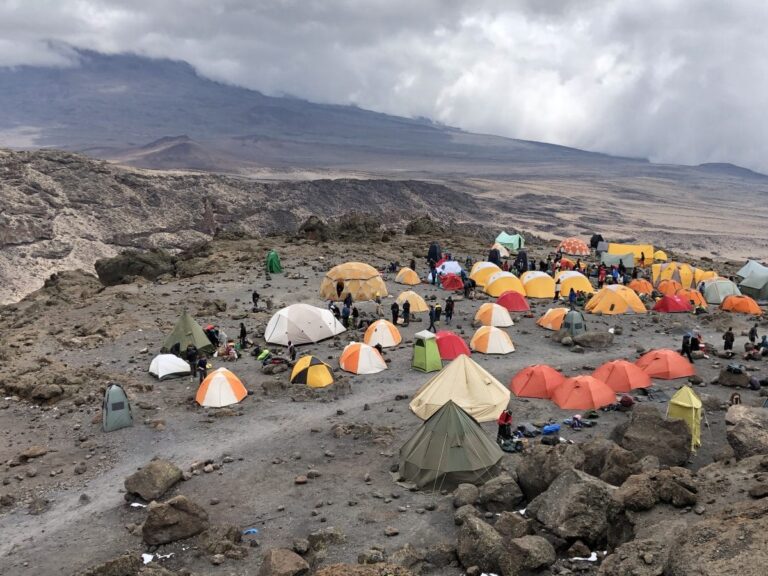
Kilimanjaro Climb With Lake Chala Relaxation Day: Your Ultimate Post-Trek
Experience the ultimate Kilimanjaro adventure followed by serene relaxation at Lake Chala. This guide details how to combine these incredible Tanzanian experiences, covering itineraries...
View package details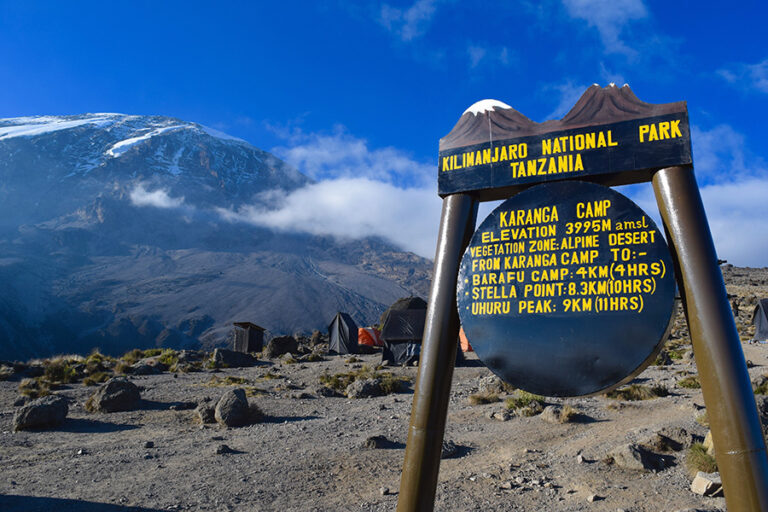
Kilimanjaro Climb & West Safari: The Ultimate Tanzania Adventure 2026-2027
Experience the pinnacle of Tanzania with a combined Kilimanjaro climb and West Kilimanjaro safari. This guide details itineraries, preparation, and what to expect for your 2026-2027...
View package details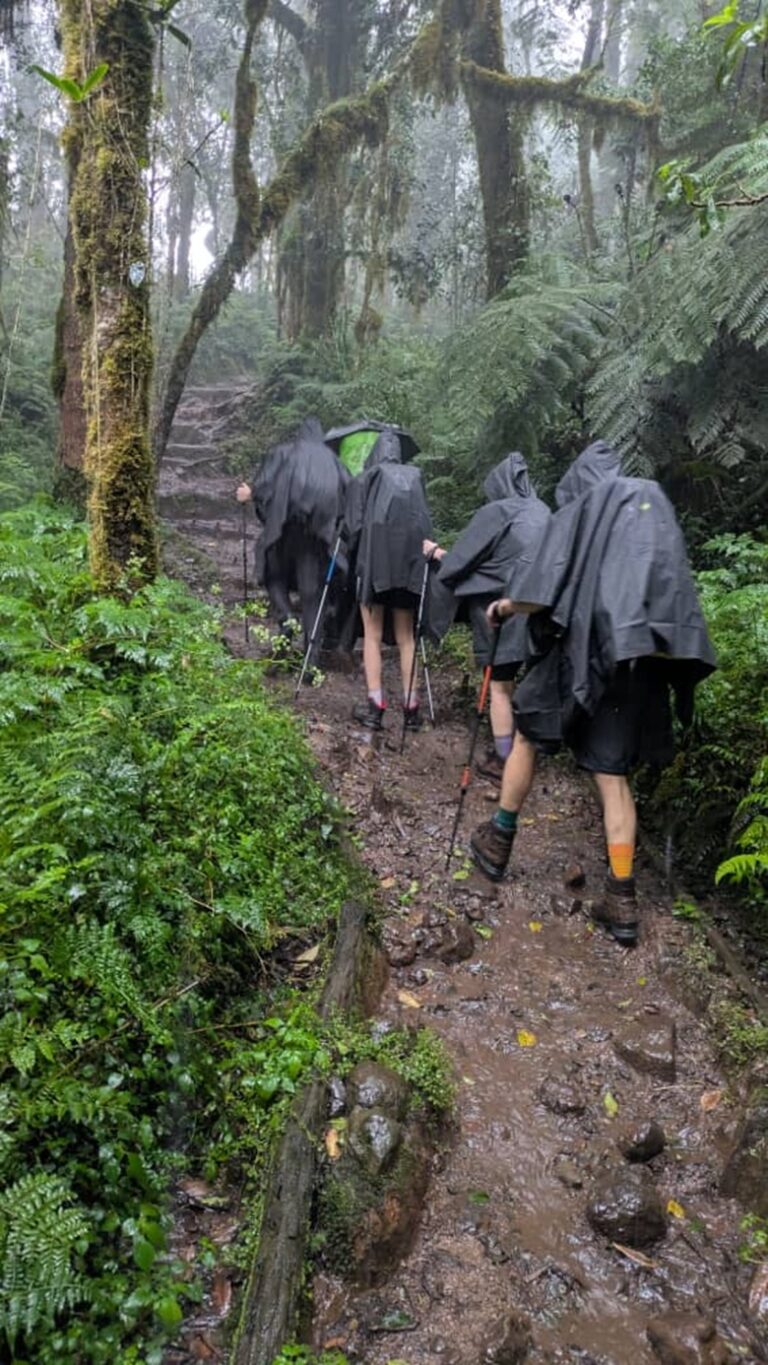
Kilimanjaro Climb With Mkomazi Rhino Safari 2026-2027
Kilimanjaro Climb with Mkomazi Rhino Safari is explained with current 2026-2027 planning, price, itinerary and booking information.
View package details
Kilimanjaro Climb With Amboseli Safari Extension: Your Ultimate Tanzania
Experience the pinnacle of African adventure by combining a challenging Kilimanjaro climb with a impressive safari in Amboseli National Park. This guide details itineraries, costs, best...
View package details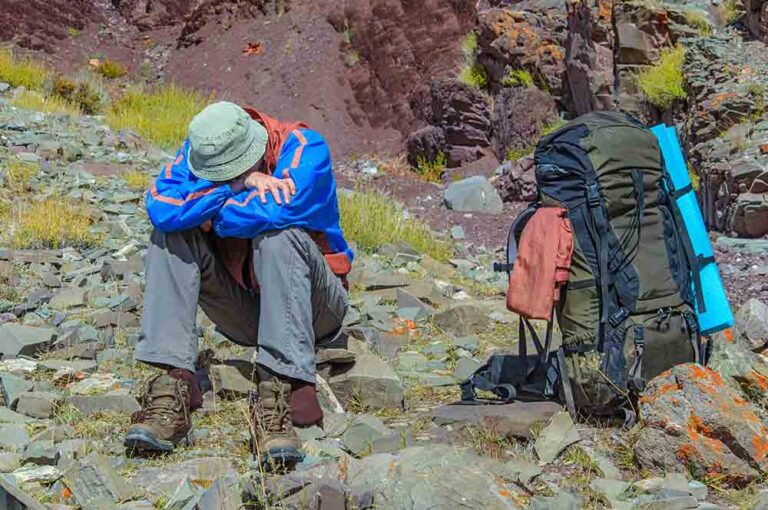
21-Day Kilimanjaro And Complete Tanzania Holiday: Your Ultimate Adventure
This comprehensive 21-day itinerary offers the ultimate Tanzanian adventure, merging the challenge of climbing Mount Kilimanjaro with the wildlife wonders of its famed national parks and...
View package details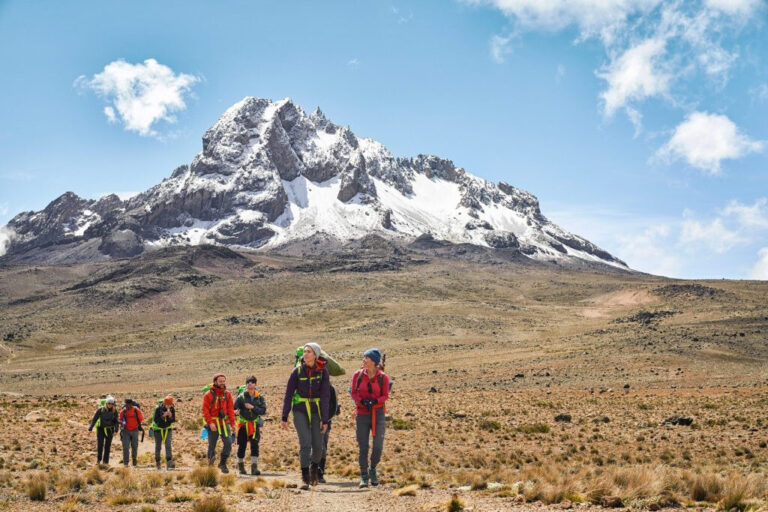
18-Day Kilimanjaro And Northern Tanzania Grand Adventure: Trek, Safari &
An 18-day itinerary blending Kilimanjaro's summit with Northern Tanzania's wildlife and culture offers a comprehensive African experience. This adventure typically includes a multi-day trek...
View package detailsNo related package matches those filters. Clear one or more filters to see the other topic-matched options.



