
A Kilimanjaro sunrise photography tour from Moshi offers a unique opportunity to capture the majestic peak illuminated by the dawn’s first light, typically experienced on a guided private trip that prioritizes photographic access and timing, often involving a challenging but rewarding ascent to Stella Point or Uhuru Peak during the pre-dawn hours of a Kilimanjaro climb, with expert guides ensuring safety and optimal viewing conditions for photographers in 2026-2027.
Planning Your Kilimanjaro Sunrise Photography Tour From Moshi
The allure of Mount Kilimanjaro is undeniable, and witnessing its summit bathed in the golden hues of sunrise is an experience many dream of. For photographers, this moment is not just beautiful; it’s a chance to capture an iconic, special image. A Kilimanjaro Sunrise Photography Tour From Moshi, specifically designed as a private trip, elevates this experience by providing tailored support, flexibility, and exclusive focus on achieving the perfect shot. This guide explores everything you need to know for planning such an expedition in 2026-2027, from choosing the right route to packing the essential gear.
Moshi, a vibrant town at the foot of Africa’s highest peak, serves as the gateway for most Kilimanjaro expeditions. It’s the perfect starting point for a private photography tour, offering access to experienced guides, porters, and essential logistics. Unlike standard treks, a photography-focused tour emphasizes specific timings and vantage points to maximize the chances of capturing that spectacular sunrise. This often means departing from the usual summit push schedule to align with the optimal dawn light.
When considering a private trip, you gain control over the pace, the focus of your photography, and the overall experience. This is invaluable for photographers who may need extra time at specific viewpoints or wish to adjust their itinerary slightly to chase the light. The 2026-2027 travel window presents excellent opportunities to book these specialized tours, with operators like Top Guide Adventures ready to craft bespoke itineraries.
Why Choose a Private Kilimanjaro Sunrise Photography Tour?
Opting for a private tour over a group departure for your Kilimanjaro sunrise photography expedition from Moshi brings several distinct advantages, particularly for those with specific photographic goals.
Benefits of a Private Photography Tour:
- Tailored Itinerary: A private trip allows for adjustments to the daily schedule to maximize photographic opportunities, such as spending extra time at scenic spots or starting hikes earlier or later to catch specific light conditions.
- Focused Pace: You control the pace, which is crucial for photographers who need to stop frequently to set up shots, adjust settings, or wait for the perfect moment.
- Dedicated Support: Your private team (guides, porters, cook) is dedicated solely to your group, ensuring personalized attention and support throughout the trek.
- Exclusive Experience: Enjoy the camaraderie of your chosen travel companions without the dynamics of a larger group.
- Sunrise Optimization: Guides can strategically plan the final summit push to ensure you are at a prime location (like Stella Point or Uhuru Peak) precisely as the sun begins to rise, a feat more challenging to coordinate in a large group.
- Equipment Handling: A private setup can be more accommodating for photographers carrying specialized or bulkier camera gear.
The primary goal of a Kilimanjaro Sunrise Photography Tour From Moshi is to be at or near the summit crater rim (Stella Point, 5756m, or Uhuru Peak, 5895m) in the pre-dawn hours. This requires careful planning, acclimatization, and a well-timed final ascent. A private tour ensures your guide is fully aware of your photographic objectives and can facilitate them, even if it means a slightly different timing for the summit push compared to a standard group trek.
Choosing the Right Kilimanjaro Route for Sunrise Photography
Not all routes on Kilimanjaro are created equal when it comes to sunrise photography. Some routes offer better acclimatization profiles, while others provide more scenic approaches and strategic viewpoints. For a dedicated photography tour aiming for the sunrise, certain routes are highly recommended.
Marangu Route (Coca-Cola Route)
While the Marangu route is the oldest and often considered the easiest due to its hut accommodations, it’s generally not the top choice for dedicated sunrise photography. The ascent is steeper, and acclimatization can be more challenging, potentially impacting energy levels needed for photography. However, it does offer a direct path to the summit, and with careful planning, a sunrise can be achieved.
Mweka Route
The Mweka Route is primarily used for descent and is not suitable for a sunrise ascent.
Machame Route
Often lauded as the most scenic route, the Machame route offers excellent acclimatization and diverse landscapes. It provides stunning views as you traverse the southern circuit. The final summit push from Barafu Camp (or its advanced camp, Kosovo Camp) to Stella Point and Uhuru Peak is challenging but offers fantastic opportunities to reach the crater rim for sunrise. Its popularity means it can be busy, but a private tour mitigates some of these concerns.
Why Machame is Great for Photography:
- Scenic Variety: From rainforest to moorland, alpine desert, and arctic summit, the visual diversity is immense.
- Good Acclimatization: The ‘climb high, sleep low’ principle is well-applied, aiding preparation for the summit night.
- Direct Sunrise Access: The final ascent positions you perfectly for the sunrise over the Eastern horizon.
Lemosho Route
The Lemosho route is another excellent choice, renowned for its beauty and high success rates, partly due to its gradual acclimatization. It merges with the Machame route later on. The extended duration allows for better acclimatization and more time to appreciate the scenery, which is a bonus for photographers. The final approach to the summit is similar to Machame.
Shira Route
The Shira route is a high-altitude route that starts on the Shira Plateau. While scenic, its high starting altitude means acclimatization needs careful management. It eventually merges with the Lemosho and Machame routes. For a dedicated photography tour, its unique plateau views could be appealing, but the altitude demands respect.
Rongai Route
The Rongai route approaches Kilimanjaro from the north, offering a different perspective and generally drier conditions. It’s less crowded than the southern routes. While it offers a good acclimatization profile, its final approach to the summit is from the north-eastern side. Sunrise views are still spectacular, but the angle and perspective might differ from the more common southern approaches. It’s a solid option if you prefer fewer crowds and a unique trekking experience.
Northern Circuit Route
The Northern Circuit is the longest route, offering the best acclimatization and the highest success rates. It circles the mountain, providing panoramic views. While it offers incredible photographic opportunities throughout the trek, its length might not be ideal if the sole focus is the summit sunrise, as the final push might feel less climactic after a longer journey. However, for photographers who want to capture the entire mountain’s grandeur, it’s unparalleled.
Recommendation for Sunrise Photography: For a balance of scenic beauty, good acclimatization, and prime sunrise viewing, the Machame and Lemosho routes are generally the top recommendations for a Kilimanjaro Sunrise Photography Tour From Moshi. A private trip on these routes ensures your photographic goals are prioritized.
The Summit Night: Timing is Everything for Sunrise Photos
The climax of any Kilimanjaro climb, especially for a photography tour, is the summit night. This grueling ascent begins in the dead of night, typically between 11 PM and 1 AM, from the last high camp (like Barafu Camp on Machame/Lemosho). The objective is to reach Stella Point (5756m) or Uhuru Peak (5895m) just as the sun crests the horizon.
Key Considerations for Summit Night Photography:
- Start Time: Your private guide will meticulously calculate the start time based on your group’s pace, the camp’s altitude, and the exact sunrise time for your specific travel dates in 2026 or 2027. Starting too early means a long, cold wait at the summit; starting too late means missing the best light.
- The Climb: The ascent is steep, often on scree, and done in darkness with headlamps. The air is thin, and temperatures can plummet to -10°C or colder, with wind chill making it feel significantly lower. This is where the challenge lies for photographers – balancing the need to capture images with the physical exertion and extreme cold.
- Vantage Points: Stella Point offers a dramatic view as you reach the crater rim. Uhuru Peak, the true summit, is a further walk along the rim. Many photographers aim for Stella Point for the initial sunrise burst and then make their way to Uhuru Peak for the iconic summit sign photos and broader crater views as the light improves. Your private guide will help decide the best sequence.
- Gear Management: Cold is the enemy of camera batteries. Keeping your camera warm (e.g., in an inner pocket) and having spare batteries is essential. Operating cameras with gloves can be difficult, so fingerless gloves or practice is key.
A private Kilimanjaro Sunrise Photography Tour From Moshi allows your guide to focus on your needs. If you need to stop for a crucial shot of the stars or the first hint of light, they can accommodate this, provided it doesn’t jeopardize reaching the summit safely and on time for the main sunrise event. This flexibility is invaluable.
Essential Photography Gear for Kilimanjaro Sunrise
Capturing stunning images on Kilimanjaro requires careful consideration of your photography equipment. The conditions are extreme: high altitude, low temperatures, strong UV radiation, and significant physical exertion. Balancing weight, durability, and functionality is key.
Recommended Photography Gear:
- Camera Body: A DSLR or mirrorless camera offers the best image quality and control. Ensure it can handle cold temperatures.
- Lenses: A versatile zoom lens (e.g., 24-70mm or 24-105mm) is excellent for general landscape and sunrise shots. A wide-angle lens (e.g., 14-24mm or 16-35mm) is superb for capturing the vastness of the mountain and sky. A telephoto lens (e.g., 70-200mm) can be useful for isolating details or capturing distant landscapes.
- Tripod: A lightweight, sturdy tripod is essential for low-light conditions and sharp sunrise shots. Consider a travel tripod that is easy to carry.
- Batteries: Bring multiple spare batteries. Cold drains them rapidly. Keep spares in a warm, inner pocket.
- Memory Cards: Ample storage is crucial. Bring more than you think you’ll need.
- Filters: A polarizing filter can enhance sky colors and reduce glare. A neutral density (ND) filter might be useful for certain daytime shots but less critical for sunrise itself.
- Camera Bag: A comfortable, durable camera backpack that distributes weight evenly is vital. Ensure it has good padding and weather protection.
- Cleaning Kit: Lens cloths, a blower, and lens cleaner are necessary for dust and moisture.
- Headlamp: Essential for the summit night climb. Ensure it has a red light mode to preserve night vision and avoid dazzling others.
- Gloves: Warm, insulated gloves are a must. Consider thinner liner gloves or fingerless gloves for operating the camera.
- Power Bank: For charging other electronic devices like phones or GPS devices.
For your Kilimanjaro Sunrise Photography Tour From Moshi, Top Guide Adventures understands the needs of photographers. Discuss your gear with them during the planning phase for 2026-2027. They can advise on the best packing strategies and ensure your support crew is aware of your equipment needs.
What to Expect on Your Private Photography Tour
A private photography tour from Moshi is more than just a trek; it’s a curated experience designed to maximize your photographic output while ensuring a safe and enjoyable climb.
Typical Itinerary Flow (Example: 7-Day Lemosho Private Photography Tour)
- Day 1: Moshi Arrival & Briefing. Arrive in Moshi, meet your Top Guide Adventures team for a detailed briefing about your Kilimanjaro Sunrise Photography Tour From Moshi, gear check, and rest.
- Day 2: Londorosi Gate to Mti Mkubwa Camp. Drive to Londorosi Gate, register, and begin trekking through the rainforest. Focus on forest wildlife and flora.
- Day 3: Mti Mkubwa Camp to Shira 1 Camp. Continue ascent into the moorland zone, with increasingly open views. Camp on the Shira Plateau.
- Day 4: Shira 1 Camp to Shira 2 Camp/Cathedral Point. Trek across the Shira Plateau, offering expansive vistas. This day is excellent for landscape photography.
- Day 5: Shira 2 Camp to Barranco Camp. Ascend towards the Lava Tower and then descend into the Barranco Valley. This dramatic descent and ascent offer unique photographic perspectives.
- Day 6: Barranco Camp to Karanga Camp. A challenging day involving the Great Barranco Wall climb. The morning light on the wall and surrounding landscape is superb.
- Day 7: Karanga Camp to Barafu Camp. Ascend to Barafu Camp, the base for the summit push. Rest and prepare for the night’s climb.
- Day 8: Summit Night & Descent to Mweka Camp. Pre-dawn start for the ascent to Stella Point and Uhuru Peak for sunrise photography. Descend past Barafu Camp to Mweka Camp. This is the core sunrise photography objective.
- Day 9: Mweka Camp to Moshi. Trek through the rainforest to Mweka Gate, receive your climbing certificates, and transfer back to Moshi.
The itinerary is flexible for private tours. If you wish to spend more time capturing a specific vista or geological formation, your guide will work with you. The summit night is the pinnacle, where the guide will help you find the best spots to photograph the sunrise, considering safety and the overall group’s progress.
Acclimatization and Altitude Sickness: A Photographer’s Challenge
Altitude sickness (Acute Mountain Sickness – AMS) is a significant concern on Kilimanjaro, and it can severely impact a photographer’s ability to function. Proper acclimatization is paramount, and a private tour can facilitate this by allowing for a slower, more deliberate pace.
Key Acclimatization Strategies:
- Choose a Longer Route: Routes like Lemosho or the Northern Circuit (8-9 days) offer better acclimatization than shorter ones (like Marangu 5 or 6 days).
- Ascend Slowly: The principle of ‘Pole Pole’ (slowly, slowly) is vital. A private tour allows you to adhere to this without pressure from a group.
- Hydration: Drink plenty of water (3-4 liters per day).
- Avoid Alcohol and Smoking: These exacerbate altitude effects.
- Eat Well: Maintain energy levels with regular, nutritious meals.
- Monitor Symptoms: Be aware of AMS symptoms: headache, nausea, dizziness, fatigue, loss of appetite. Communicate any symptoms to your guide immediately.
For photographers, the challenge is amplified. The desire to capture a shot might tempt you to push harder or stay out longer, increasing AMS risk. Your Kilimanjaro Sunrise Photography Tour From Moshi should include guides well-versed in AMS management. They will monitor you closely and make critical decisions about whether to proceed, descend, or rest. Prioritizing your health ensures you can actually enjoy and photograph the sunrise, rather than succumbing to altitude sickness.
Photography Tips for Kilimanjaro Sunrise
Beyond gear, specific techniques can help you make the most of the unique conditions on Kilimanjaro, especially during the sunrise.
Sunrise Photography Techniques:
- Pre-Dawn Light: Don’t wait until the sun is fully up. The moments just before and during the first light are magical, offering soft, colorful illumination. Capture silhouettes against the brightening sky.
- Exposure Bracketing: The dynamic range between the dark foreground and the bright sky can be extreme. Use your camera’s auto-bracketing feature (AEB) to capture multiple exposures that can be combined later (HDR) or select the best single exposure.
- Manual Focus: In low light, autofocus can struggle. Setting your focus manually to infinity or a specific point can be more reliable.
- White Balance: Experiment with different white balance settings (e.g., Daylight, Cloudy, or manual Kelvin) to capture the warm tones of the sunrise.
- Composition: Look for leading lines (the path, ridges), foreground elements (rocks, ice formations), and the vastness of the landscape. Use the curvature of the crater rim to your advantage.
- Protect Your Gear: Extreme cold can cause condensation when you move from the cold outdoors to a warm tent or lodge. Allow your camera to acclimatize gradually to prevent moisture damage.
- Practice: Before the summit night, practice operating your camera with your gloves on and familiarize yourself with settings in low light.
Your private guide and potentially a specialized photography guide (if arranged) can offer on-the-spot advice. They understand the terrain and the light, helping you find the best compositions and settings for your Kilimanjaro Sunrise Photography Tour From Moshi.
Costs and Inclusions for a Private Photography Tour
The cost of a Kilimanjaro Sunrise Photography Tour From Moshi – Private Trip will be higher than a group tour due to the dedicated resources. However, the value provided in terms of service, flexibility, and photographic opportunity is substantial.
Typical Inclusions for a Private Tour (2026-2027):
- Airport transfers
- Moshi accommodation before and after the climb
- All park and climbing permits (including conservation fees, camping fees, rescue fees)
- Professional guide(s) (often with photography experience for specialized tours)
- Assistant guide(s)
- Porters for carrying equipment
- Cook and cooking equipment
- All meals on the mountain (breakfast, lunch, dinner)
- Boiled water/purified water
- Temporary shelters at camps
- Emergency oxygen cylinder
- Portable toilet
- All route transport
Exclusions typically include:
- International flights
- Visa fees
- Travel and medical insurance (mandatory)
- Vaccinations and medications
- Personal climbing gear (available for rent)
- Tips for guides, porters, and cook
- Beverages other than water (soft drinks, alcohol)
- Personal expenses (souvenirs, laundry)
- Optional gratuity for the crew
Cost Factors:
- Route Length: Longer routes (8-9 days) are more expensive than shorter ones (7 days).
- Number of Trekkers: While private, the cost per person decreases slightly with more people in your private group, though the total cost remains higher than shared tours.
- Service Level: The quality of guides, porters, food, and equipment can influence pricing. Top Guide Adventures prides itself on providing high-quality service for all its trekkers.
- Time of Year: Peak seasons (January-March, June-October) may have slightly higher demand and associated costs, though Kilimanjaro doesn’t vary as drastically as some other destinations.
For a precise quote for your Kilimanjaro Sunrise Photography Tour From Moshi – Private Trip in 2026 or 2027, it is best to contact tour operators directly. Top Guide Adventures can provide detailed quotes based on your chosen route, duration, and specific requirements. You can reach them via WhatsApp at +255616946642 or email at topguideadventures@gmail.com or info@topguideadventures.com.
Preparing for Your Kilimanjaro Trek and Photography
Physical fitness is crucial for any Kilimanjaro climb, but even more so when you’re carrying camera gear and potentially pausing frequently for photos. A good training regimen is essential.
Fitness Preparation:
- Cardiovascular Fitness: Engage in regular aerobic activities like hiking, running, cycling, or swimming. Aim for at least 3-4 sessions per week.
- Strength Training: Focus on leg strength (squats, lunges) and core strength. Carrying a camera bag adds to the load.
- Hiking Practice: The most important preparation is hiking with a weighted backpack, ideally on hilly terrain. Simulate the conditions as much as possible.
- Mental Preparation: Kilimanjaro is a mental challenge as much as a physical one. Prepare yourself for the long summit night and the demanding conditions.
Gear Preparation:
- Layering System: Essential for managing temperature changes. Base layers (moisture-wicking), mid-layers (fleece, down jacket), and outer layers (waterproof and windproof shell).
- Footwear: Well-broken-in hiking boots are non-negotiable. Bring comfortable camp shoes or sandals.
- Headwear: Warm hat, sun hat, and a balaclava or scarf for the summit.
- Handwear: Warm gloves and liner gloves.
- Sun Protection: High SPF sunscreen, lip balm, and sunglasses are vital due to the high altitude and intense sun.
When booking your Kilimanjaro Sunrise Photography Tour From Moshi, ensure you have a thorough gear list provided by your operator. Top Guide Adventures offers advice and rental options for key items like sleeping bags, trekking poles, and warm jackets.
When is the Best Time for a Kilimanjaro Sunrise Photography Tour?
Kilimanjaro has distinct dry and wet seasons. For photography, clear skies are generally preferred, although dramatic cloud formations can also create stunning images.
- Dry Seasons (Best for Sunrise Photography):
- January – March: Generally clear skies, good visibility. Can be cold, especially higher up.
- June – October: Also a dry season, often considered the best time due to milder temperatures and clear skies. This is peak season.
- Wet Seasons (Challenging for Photography):
- April – May: Long rains, often heavy. Muddy trails, poor visibility, and higher risk of AMS due to constant dampness. Not ideal for photography.
- November – December: Short rains, can bring afternoon showers. Visibility can be variable.
For the best chance of clear skies and good light for your Kilimanjaro Sunrise Photography Tour From Moshi, aim for the dry seasons. January to March and June to October are prime times. Planning for 2026-2027 in these windows will give you the highest probability of success for capturing that iconic sunrise shot.
Beyond the Sunrise: Other Photographic Opportunities
While the sunrise is the main event, Kilimanjaro offers incredible photographic potential throughout the trek. A private tour allows you to capture these moments without rushing.
- Rainforest Zone: Rich biodiversity, including Colobus monkeys, various bird species, and lush vegetation. Early morning light filtering through the canopy is beautiful.
- Moorland and Heath Zones: Unique flora like giant groundsels and lobelias, dramatic landscapes, and panoramic views of the plains below.
- Alpine Desert Zone: Stark, moon-like landscapes with volcanic rock formations. Sunrise and sunset light can create dramatic shadows and textures.
- Glaciers and Summit Area: The remaining glaciers are a poignant subject, and the vast crater offers unique perspectives, especially in the soft morning light after sunrise.
- Wildlife: While not a safari, you might encounter various birds, monkeys, and occasionally larger mammals in the lower forest sections.
A dedicated Kilimanjaro Sunrise Photography Tour From Moshi, especially a private one, enables you to take your time, compose shots thoughtfully, and capture the diverse beauty of the mountain beyond just the summit sunrise.
Booking Your Private Kilimanjaro Sunrise Photography Tour in 2026-2027
Securing your spot for a specialized tour requires early planning. For 2026-2027 departures, especially for a private photography trip, contacting a reputable operator like Top Guide Adventures well in advance is recommended.
Steps to Book:
- Research Operators: Look for companies with strong reviews, clear safety protocols, and experience in handling photography-specific requests.
- Request a Quote: Contact operators with your desired dates, route, duration, and mention your focus on sunrise photography. Be specific about needing a private trip.
- Discuss Customization: Work with the operator to tailor the itinerary, pace, and support to your photographic needs.
- Review Inclusions/Exclusions: Ensure you understand what is covered in the price.
- Confirm Booking: Once satisfied, proceed with the booking process, which typically involves a deposit.
Top Guide Adventures specializes in creating memorable and successful Kilimanjaro climbs, including bespoke photography tours. They offer expert guidance, reliable logistics, and a commitment to client satisfaction. To discuss your Kilimanjaro Sunrise Photography Tour From Moshi – Private Trip for 2026-2027, or to get a personalized quote, please reach out:
Contact Top Guide Adventures:
- WhatsApp: +255616946642
- Email: topguideadventures@gmail.com
- Backup Email: info@topguideadventures.com
- Website: www.topguideadventures.com
Let them help you plan an unforgettable photographic journey to the roof of Africa!
Planning a Kilimanjaro Sunrise Photography Tour From Moshi as a private trip is an investment in an unparalleled experience. With the right preparation, gear, and support, you can capture impressive images of one of the world’s most iconic sunrises, creating memories and photographs that will last a lifetime.
Check Availability for Kilimanjaro Sunrise Photography Tour From Moshi – Private Trip 2026-2027
Ready to compare dates, prices, and the best option for your group? Send the package name and travel month so the team can reply with a clear quote, availability, and what is included.
Kilimanjaro Private Climb Price For One Person: Your Guide 2026-2027
Planning a solo ascent of Mount Kilimanjaro? This guide details the Kilimanjaro private climb price for one person, covering cost factors, inclusions, and essential planning for 2026-2027.
View package details
Private Kilimanjaro Climb With Flexible Daily Distances | Top Guide Adventures
Experience a custom Kilimanjaro climb with Top Guide Adventures, focusing on flexible daily distances for a personalized trek. This guide details how to plan your private ascent, route...
View package details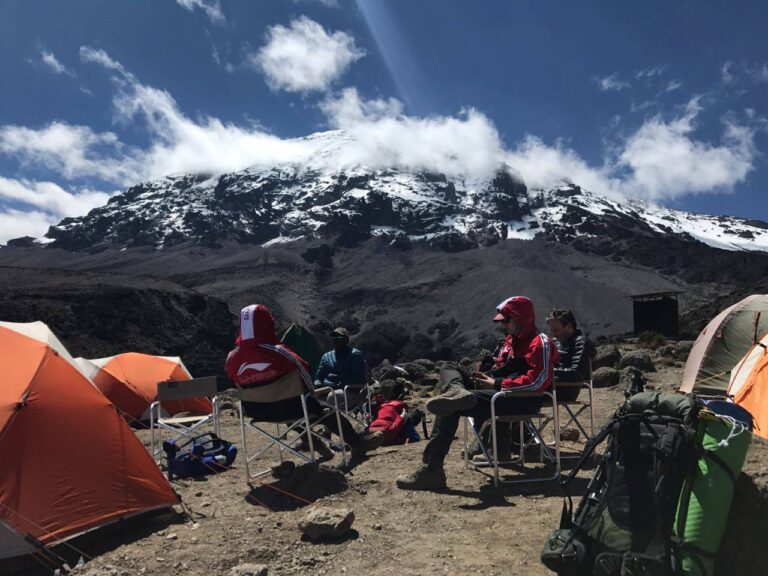
Kilimanjaro Climb With Private Satellite Communication: Safety, Options & Top
Essential guide to climbing Mount Kilimanjaro with private satellite communication, detailing safety benefits, equipment, route considerations, and how to choose the best operator for your...
View package details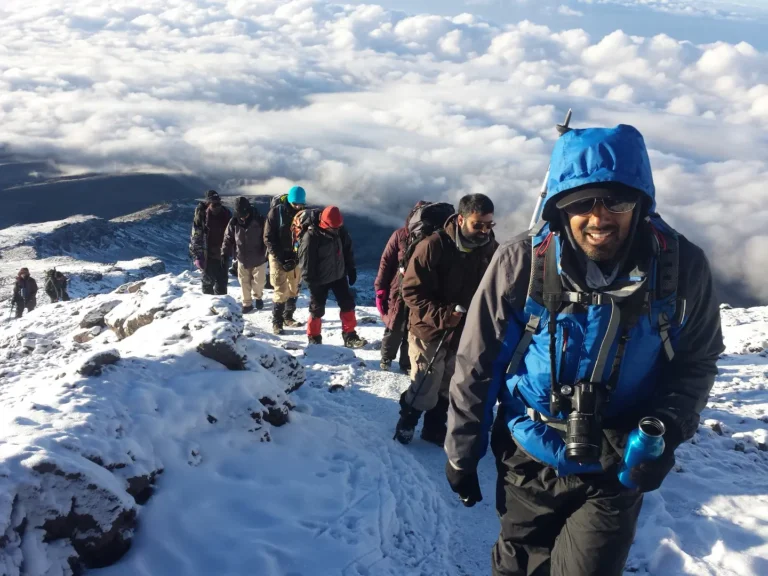
Kilimanjaro Fixed Departure Vs Private 2026-2027
Kilimanjaro Fixed Departure vs Private Departure is explained with current 2026-2027 planning, price, itinerary and booking information.
View package details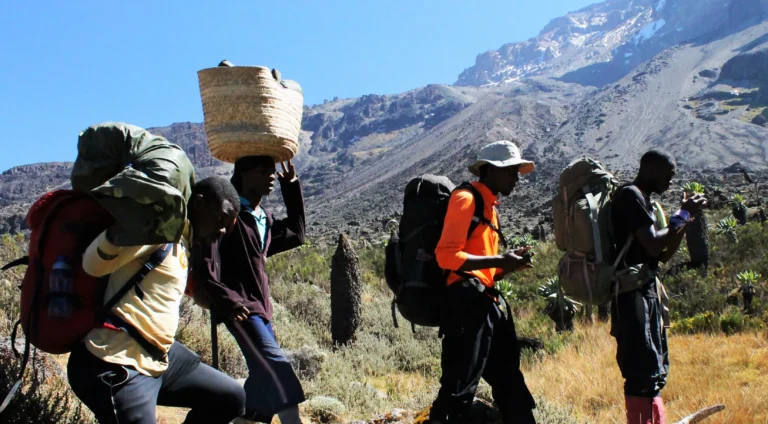
Kilimanjaro Public Toilet Vs Private Tent 2026-2027
Kilimanjaro Public Toilet vs Private Toilet Tent is explained with current 2026-2027 planning, price, itinerary and booking information.
View package details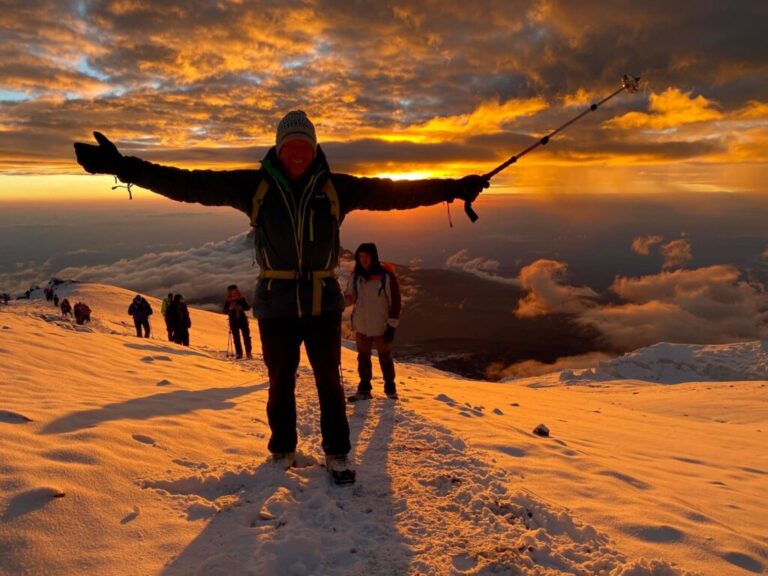
Kilimanjaro Climb With Professional Photography Support In | Top Guide
Elevate your Kilimanjaro ascent by including professional photography services. Top Guide Adventures ensures your most challenging and rewarding moments on Africa's highest peak are...
View package detailsKilimanjaro Photography Mistakes At High Altitude 2026-2027
Kilimanjaro Photography Mistakes at High Altitude is explained with current 2026-2027 planning, price, itinerary and booking information.
View package details
Kilimanjaro Airport Transfer For Large Groups: Smooth Travel With Top Guide
Top Guide Adventures specializes in Kilimanjaro Airport transfers for large groups, ensuring a smooth and comfortable journey from Kilimanjaro International Airport (JRO) to your...
View package details
Kilimanjaro Climb With Gear Delivered To Your Hotel: Top Guide Adventures
Top Guide Adventures simplifies your Kilimanjaro climb by arranging for all necessary gear to be delivered directly to your hotel in Moshi. This convenient service ensures you have...
View package detailsWhat Does Kilimanjaro Rainforest Look Like? A Trekkers Visual Guide 2026-2027
The Kilimanjaro rainforest is a vibrant, humid zone of dense vegetation, towering trees, and diverse plant life found on the mountain's lower slopes. It's the first major ecosystem trekkers...
View package details
Kilimanjaro Climb With A Personal Support Assistant: Your Ultimate Guide
Climbing Mount Kilimanjaro with a personal support assistant offers unparalleled safety, comfort, and focus on your summit goals. This guide details what a personal assistant entails, its...
View package detailsHow To Know Whether You Are Ready For Kilimanjaro: A Comprehensive Guide
Climbing Mount Kilimanjaro is a significant undertaking. This guide helps you evaluate your physical, mental, and logistical readiness to ensure a safe and successful trek in 2026 or 2027...
View package detailsNo related package matches those filters. Clear one or more filters to see the other topic-matched options.



