
February is generally considered part of Kilimanjaro’s drier season, making it a popular choice, but typically sees fewer trekkers than the absolute peak months of January or July-August, offering a good balance between favorable conditions and manageable crowds on the trails for 2026-2027 climbs. Expect fewer people on routes like Marangu and Machame, though still some company, especially on weekends and during school holidays. The trade-off for fewer trekkers can be slightly cooler temperatures and a higher chance of encountering snow at the summit, which adds to the challenge and beauty of the experience.
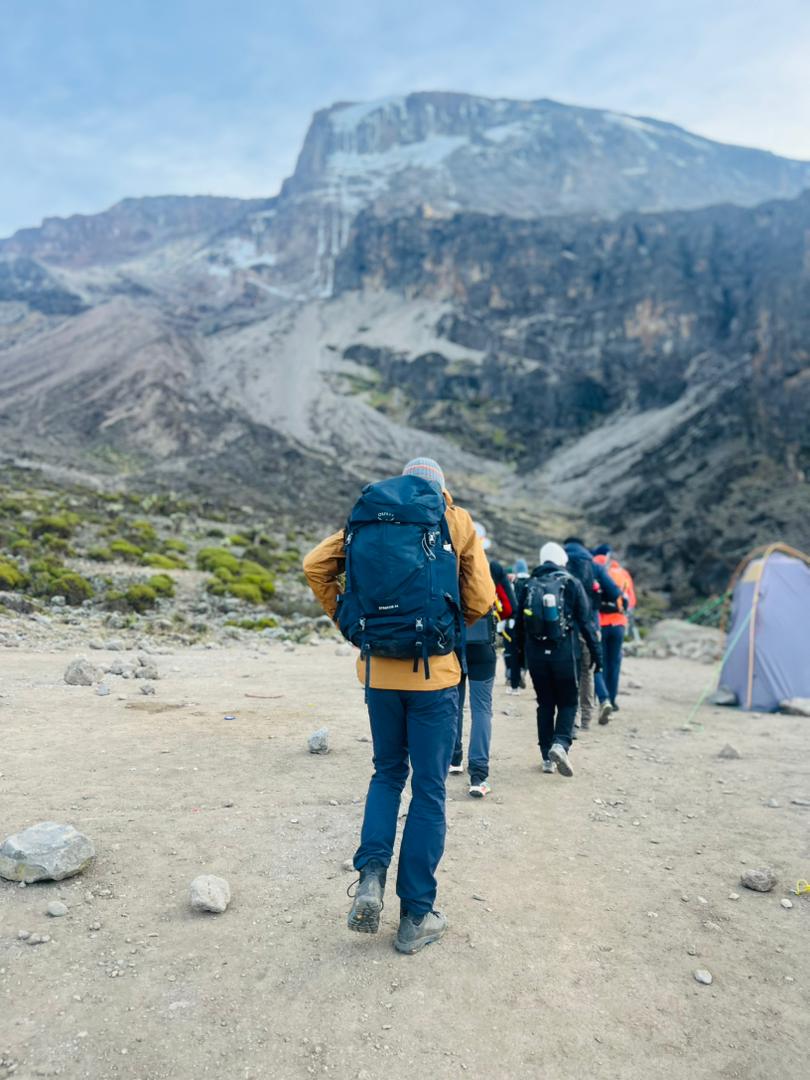
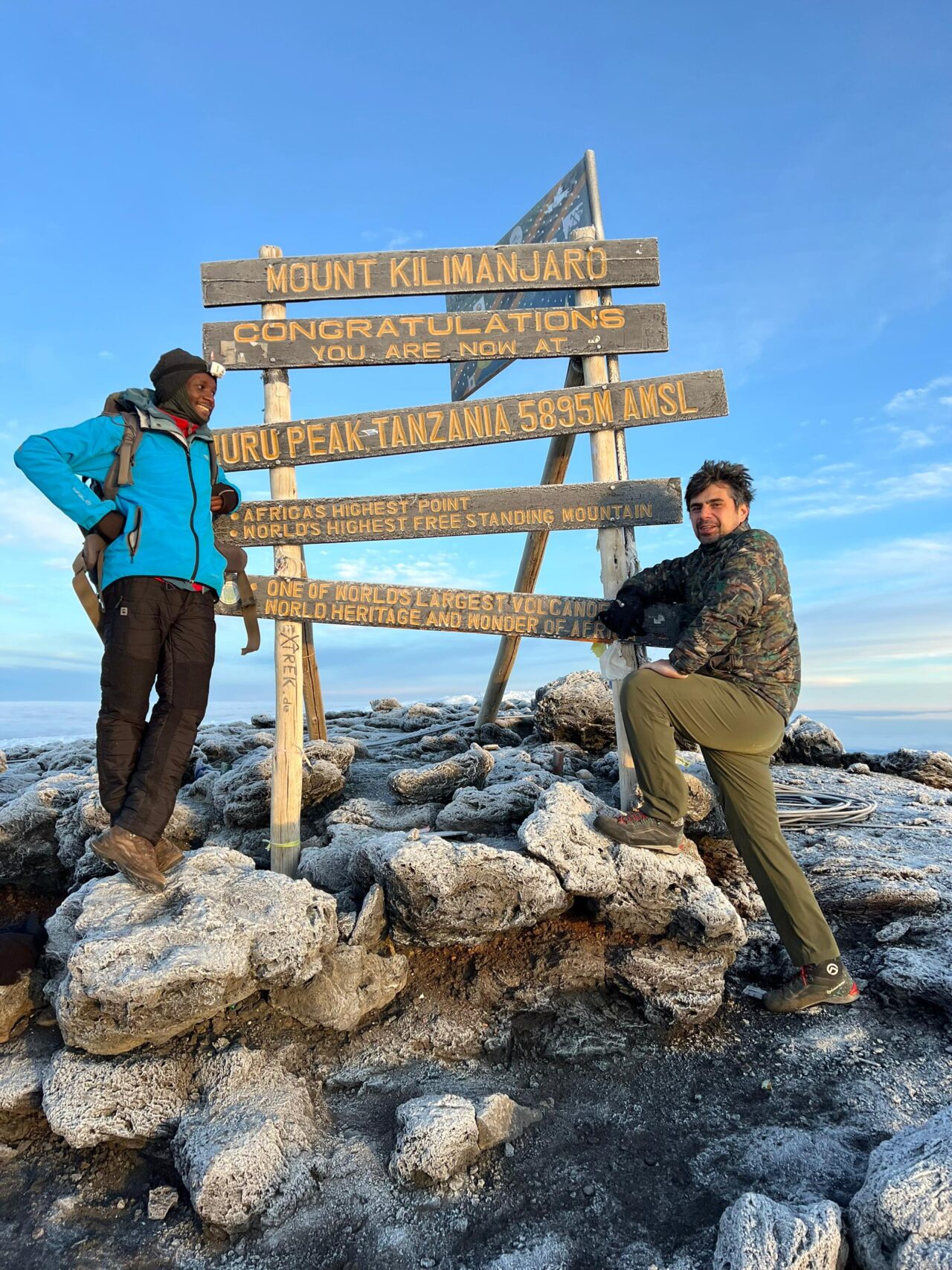
Understanding Kilimanjaro’s February Climate and Crowd Dynamics
Climbing Mount Kilimanjaro in February presents a fascinating dichotomy for trekkers planning their 2026-2027 expeditions. On one hand, February falls within Kilimanjaro’s second dry season, offering relatively stable weather windows with clear skies and good visibility. This meteorological advantage naturally attracts climbers. On the other hand, it’s not typically considered the absolute peak season, meaning the trails and campsites are generally less congested than in months like January or the post-monsoon period from July to September. This guide aims to provide a comprehensive overview of what to expect regarding crowds, weather, and the overall experience for those considering a February Kilimanjaro trek.
The perception of ‘crowds’ on Kilimanjaro is relative. Even in less busy months, you will encounter other trekkers. However, February usually offers a more relaxed atmosphere, allowing for a more personal connection with the mountain and its environment. Understanding these dynamics is crucial for setting realistic expectations and choosing the right approach for your adventure.
The February Weather Window: Pros and Cons for Trekkers
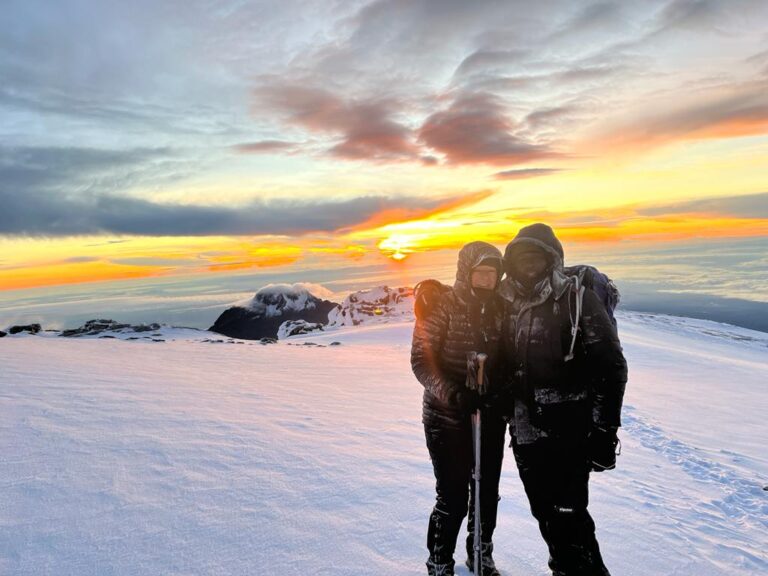
February is often blessed with clear skies and minimal rainfall, particularly in the earlier half of the month. This makes it an attractive period for those who prioritize good trekking conditions. Temperatures on the mountain during February vary significantly with altitude. Lower slopes might be warm and pleasant, while the summit (Uhuru Peak) can be extremely cold, often dropping well below freezing, with wind chill factors making it feel even colder. Snowfall at the summit is common in February, transforming the landscape into a winter wonderland and adding to the challenge of the final ascent.
Key weather considerations for February Kilimanjaro climbs:
- Dry Conditions: Generally low rainfall, making most routes accessible and reducing mud on lower sections.
- Clear Skies: High probability of clear days, offering excellent panoramic views from the summit and along the trails.
- Cold Temperatures: Summit temperatures can be very low, requiring robust cold-weather gear. Expect sub-zero Celsius conditions at higher altitudes.
- Summit Snow: A good chance of snow and ice on the summit cone, particularly in the early morning hours of the final ascent.
- Shorter Days: While not as pronounced as in winter months in the Northern Hemisphere, daylight hours are slightly shorter, meaning earlier starts for ascents are necessary.
While the weather is generally favorable, it’s important to remember that Kilimanjaro is a massive mountain, and microclimates can change rapidly. Always be prepared for unexpected weather shifts, regardless of the season.
Crowd Levels on Kilimanjaro in February: What to Expect
Compared to the absolute peak months of January, July, and August, February typically sees a moderate number of trekkers. The main drivers of crowd levels on Kilimanjaro are:
- Dry Season: The primary draw for any dry month.
- School Holidays: While not as significant as summer breaks, some European and American school holidays might overlap, potentially increasing numbers slightly. However, February doesn’t usually coincide with major global holiday periods that would cause a surge.
- Weekends: Like any popular destination, trails can feel busier on weekends as local operators might schedule group departures.
- Route Popularity: The most popular routes, such as Machame and Marangu, will naturally have more people than less-trafficked routes like Lemosho (though Lemosho is also very popular) or the Northern Circuit.
For 2026 and 2027, the trend is expected to continue. While Kilimanjaro has seen an overall increase in visitor numbers in recent years, February remains a good option for those seeking a balance. You will see other climbers, share campsites, and perhaps queue briefly at the summit, but it is unlikely to feel overwhelmingly crowded. This makes it an excellent time for individuals or small groups who prefer a slightly more intimate trekking experience without sacrificing the benefits of good weather.
Choosing Your Kilimanjaro Route in February: Crowd-Conscious Options
The route you choose significantly impacts your experience with crowds, even within the same month. Some routes are inherently more popular due to their accessibility, duration, or success rates. For February, considering a balance between scenic beauty, acclimatization profile, and crowd avoidance is wise.
Popular Routes and Their February Crowds
Machame Route: Often called the ‘Whiskey Route’, Machame is the most popular route. It’s known for its scenic beauty and excellent acclimatization profile. In February, expect a moderate to high number of trekkers on this route, especially on the lower sections and at popular campsites like Shira and Barranco. It’s still a fantastic choice, but be prepared for company.
Marangu Route: The ‘Coca-Cola Route’ is the only route that offers dormitory-style accommodation in huts. It’s the oldest and perhaps most direct route. February sees a steady stream of trekkers on Marangu, but due to its shorter duration options, the overall number of people on the mountain at any given time might feel less concentrated than on longer, continuous camping routes.
Lemosho Route: This route is known for its stunning scenery and excellent acclimatization, often considered one of the most beautiful. It starts in the west and joins the Machame route. While popular, it generally sees fewer trekkers in its initial days compared to Machame or Marangu, offering a more serene beginning. By the time it merges with Machame, numbers increase.
Shira Route: Similar to Lemosho, Shira begins in the west and offers good acclimatization. It’s also quite scenic. Crowd levels will be comparable to Lemosho in its early stages, merging with Machame later on.
Northern Circuit: The longest route, offering a full 360-degree circuit of the mountain. It is known for excellent acclimatization and the fewest crowds, especially in its initial stages. If minimizing encounters with other trekkers is a top priority for your February 2026 or 2027 climb, the Northern Circuit is an excellent, albeit longer and more expensive, option.
Umbwe Route: The shortest, steepest, and most challenging route. It’s less popular due to its difficulty and rapid ascent, meaning fewer trekkers. However, its poor acclimatization profile makes it unsuitable for most. February’s cold can exacerbate its difficulty.
Less Crowded Route Recommendations for February Treks
For those prioritizing fewer people on the trails in February 2026-2027, consider these strategies:
- The Northern Circuit: As mentioned, its length and remote starting point naturally deter some trekkers, making it the best bet for solitude.
- Mid-week Departures: If possible, arrange your climb to start on a Tuesday, Wednesday, or Thursday. This often means fewer trekkers on the initial days and at campsites compared to weekend starts.
- Less Popular Start Points: While routes are fixed, sometimes operators can arrange specific start dates that align with fewer group departures.
Even on the most popular routes, the experience in February is generally more laid-back than during peak times. The camaraderie among trekkers can still be strong, and guides ensure everyone maintains a safe pace.
February Kilimanjaro Itinerary Planning: Balancing Success and Solitude
The duration of your trek significantly influences your acclimatization and success rate. For February, given the potential for cold and snow at the summit, longer itineraries are generally recommended to allow for better acclimatization and to increase your chances of reaching Uhuru Peak.
Recommended Itinerary Lengths for February Climbs
While shorter routes like Marangu (5-day option) are available, they are often associated with lower success rates due to insufficient acclimatization. For February, especially considering the colder conditions at altitude, longer routes are strongly advised:
- 7-Day Routes (e.g., Machame, Lemosho): These offer a good balance between acclimatization and time on the mountain. The 7-day Machame or Lemosho routes are very popular and provide a solid chance of success. You will encounter other groups, but the pace is manageable.
- 8-Day Routes (e.g., Lemosho, Northern Circuit): For the best acclimatization and highest success rates, especially in potentially colder February conditions, opt for an 8-day itinerary. The 8-day Lemosho or the full 8-day Northern Circuit will provide more gradual ascent and better rest days, significantly improving your odds of reaching the summit comfortably and safely. The Northern Circuit, in particular, will offer the fewest crowds on its longer path.
Starting your trek mid-week can help spread out the initial numbers on the trail, contributing to a less crowded feel, especially on the first couple of days. For 2026 and 2027, booking slightly further in advance for mid-week departures on longer routes might be beneficial if you are specifically aiming for fewer people.
Sample Itinerary Considerations for February 2026-2027
Let’s consider an 8-day Lemosho itinerary for February. This route offers a beautiful, gradual ascent through diverse ecosystems.
8-Day Lemosho Route Sample Itinerary (February Focus)
- Day 1: Londorossi Gate to Mti Mkubwa Camp. Drive to Londorossi Gate, then hike to the first camp. Vegetation is dense. Crowds minimal here.
- Day 2: Mti Mkubwa Camp to Shira 1 Camp. Trek through forest, opening into moorland. Still relatively few people.
- Day 3: Shira 1 Camp to Shira 2 Camp. A day of acclimatization, traversing the Shira Plateau. You’ll start seeing more groups as you approach Shira 2, which is a common campsite.
- Day 4: Shira 2 Camp to Barranco Camp via Lava Tower. This is a crucial acclimatization day, climbing high to Lava Tower (4600m) and then descending to Barranco Camp (3950m). This is one of the busiest campsites on the mountain, expect to share it with many groups.
- Day 5: Barranco Camp to Karanga Camp. The famous Barranco Wall climb. A challenging but rewarding day. Karanga is another busy campsite.
- Day 6: Karanga Camp to Barafu Camp. Ascend through alpine desert. The landscape becomes stark. Barafu Camp is the base for the summit push and will be busy.
- Day 7: Barafu Camp to Summit (Uhuru Peak) to Mweka Camp. The summit night! An extremely early start (around midnight) for the challenging ascent to Stella Point and then Uhuru Peak. Descend to Mweka Camp. This is the most crowded part of the trek.
- Day 8: Mweka Camp to Mweka Gate. Final descent through the rainforest to the gate.
Note for February: The higher altitudes will be significantly colder, and snow is likely on the summit day. Ensure your gear is top-notch. The crowds at Barafu and during the summit push are unavoidable on popular routes, but the overall February experience is still less intense than January or July.
For a truly less crowded experience in February 2026-2027, consider the 8-day Northern Circuit. While it involves more days and potentially higher costs, the payoff is significantly fewer people on the trail for the majority of the trek, offering a more solitary and profound connection with Kilimanjaro.
Packing Essentials for a February Kilimanjaro Trek
The weather in February can be variable, but generally, expect cold conditions, especially at higher altitudes and during the summit night. Proper packing is crucial for safety, comfort, and success. Given the potential for snow and ice, your gear needs to be robust.
Essential Gear for February Kilimanjaro Climbs
- Layering System:
- Base Layers: Moisture-wicking thermal tops and bottoms (synthetic or merino wool).
- Mid Layers: Fleece jacket or insulated jacket for warmth.
- Outer Layer: Waterproof and windproof jacket and pants (Gore-Tex or similar).
- Insulation:
- Down Jacket: A warm, packable down or synthetic insulated jacket is essential for evenings and summit night.
- Headwear:
- Warm Hat: Wool or fleece hat that covers your ears.
- Balaclava or Ski Mask: For extreme cold and wind protection on summit night.
- Sun Hat: Wide-brimmed hat for sun protection during the day.
- Handwear:
- Gloves: Several pairs – liner gloves, warm waterproof gloves/mittens.
- Footwear:
- Hiking Boots: Waterproof, broken-in, sturdy hiking boots with good ankle support.
- Camp Shoes: Comfortable shoes or sandals for around camp.
- Socks: Several pairs of warm wool or synthetic hiking socks.
- Gaiters: To keep snow and debris out of your boots.
- Sleeping:
- Sleeping Bag: Rated to at least -15°C (0°F), preferably lower, for February conditions.
- Sleeping Bag Liner: For added warmth and hygiene.
- Trekking Gear:
- Backpack: A comfortable 40-60 liter backpack for your daily essentials.
- Duffel Bag: A large (80-100 liter) waterproof duffel bag for porters to carry your main gear.
- Trekking Poles: Highly recommended for stability, especially on descents and in snow/ice.
- Headlamp: With extra batteries. Essential for summit night.
- Water Bottles/Hydration Reservoir: At least 3 liters capacity. Insulated covers are useful to prevent freezing.
- Sunglasses: High UV protection.
- Sunscreen: High SPF.
- Lip Balm: With SPF.
- Personal Items:
- Toiletries: Biodegradable soap, toothbrush, toothpaste, wet wipes.
- Personal First-Aid Kit: Including any personal medications, blister treatment, pain relievers.
- Camera and spare batteries/power bank.
- Snacks: Energy bars, nuts, dried fruit (optional, but recommended).
- Book or journal for downtime.
Important for February: Ensure your waterproof outer layers are truly waterproof and windproof. Crampons or microspikes might be necessary for the summit day, depending on ice conditions. Your guide will advise on this.
Investing in quality gear is paramount for a February climb. Renting gear is an option for some items, but purchasing your own high-quality layers, especially boots and sleeping bag, is often a better investment for comfort and performance.
The Role of Tour Operators in Managing Crowds and Experience
Your choice of tour operator plays a significant role in your Kilimanjaro experience, particularly concerning crowd management and overall support. A reputable operator like Top Guide Adventures can significantly enhance your February trek in 2026 or 2027.
Why Choose a Reputable Operator for February Treks?
Reputable companies:
- Prioritize Safety: They employ experienced guides trained in altitude sickness management and first aid. This is critical on Kilimanjaro, especially during potentially colder months like February.
- Ensure Proper Acclimatization: They design itineraries that follow best practices for acclimatization, helping to maximize your success rate and minimize risks.
- Provide Quality Equipment: They offer well-maintained tents, quality camping gear, and reliable porters and cooks.
- Manage Logistics: They handle all park permits, park fees, transportation, and food, allowing you to focus on the climb.
- Offer Support on the Trail: Experienced guides and crew can help navigate busy sections, find quieter spots for breaks, and ensure you have a positive experience even when sharing the mountain with others.
For February treks, a good operator will also provide timely advice on weather expectations and necessary gear, ensuring you are well-prepared for the cold and potential snow.
Top Guide Adventures: Your Partner for a Memorable February Climb
At Top Guide Adventures, we understand the nuances of climbing Kilimanjaro throughout the year. For your February 2026 or 2027 trek, we focus on providing a personalized experience that balances the realities of trail traffic with the magic of the mountain.
How Top Guide Adventures Enhances Your February Kilimanjaro Experience:
- Tailored Itineraries: We offer a range of routes and durations, with a strong recommendation for longer treks (7-8 days) in February to optimize acclimatization and success rates. We can help you select routes like the Northern Circuit if minimizing crowds is a priority.
- Experienced Guides: Our guides are highly experienced, knowledgeable about Kilimanjaro’s environment, and dedicated to your safety and enjoyment. They are adept at managing group pace and ensuring everyone feels supported.
- Small Group Philosophy: While group departures are common, we aim to keep our groups at a manageable size, ensuring personal attention. We can also arrange private climbs for a more exclusive experience.
- Comprehensive Support: From pre-departure advice to on-mountain logistics and post-climb services, we provide dedicated support. We ensure you have the right gear advice for February’s conditions.
- Commitment to Sustainability: We adhere to responsible tourism practices, ensuring the preservation of Kilimanjaro’s environment for future trekkers.
We encourage you to contact us early for your February 2026 or 2027 climb. Discussing your preferences for crowd levels and specific dates allows us to tailor your adventure perfectly. Reach out via WhatsApp at +255616946642 or email us at topguideadventures@gmail.com or info@topguideadventures.com.
Choosing a tour operator like Top Guide Adventures means you are partnering with experts who can navigate the complexities of climbing Kilimanjaro, ensuring your February trek is safe, successful, and as crowd-free as possible within the season’s norms.
Preparing for the Physical and Mental Demands of a February Climb
Climbing Kilimanjaro is a significant physical and mental undertaking at any time of year. February’s conditions, particularly the cold at altitude, add an extra layer of challenge.
Physical Training Regimen
Your training should focus on cardiovascular fitness and leg strength. Aim for:
- Cardiovascular Endurance: Engage in activities like hiking, running, cycling, or swimming for at least 3-4 times a week for 45-60 minutes. Focus on sustained effort.
- Hiking Practice: This is the most relevant training. Undertake long hikes (4-6 hours) on consecutive days if possible, ideally with hills or inclines, carrying a weighted backpack similar to what you’ll use on the mountain.
- Strength Training: Focus on leg muscles (squats, lunges, calf raises) and core strength.
- Altitude Simulation (if possible): While not always feasible, training at higher altitudes can be beneficial.
Start your training at least 2-3 months before your February 2026 or 2027 climb. The goal is to build endurance and prepare your body for prolonged physical exertion at altitude.
Mental Preparation for Kilimanjaro in February
The mental aspect of climbing Kilimanjaro is often underestimated. The combination of altitude, cold, fatigue, and the sheer length of the summit push requires significant mental fortitude.
- Set Realistic Expectations: Understand that you will be tired, cold, and may experience discomfort. February’s summit night can be particularly demanding due to the extreme cold.
- Positive Self-Talk: Develop strategies for maintaining a positive attitude, even when facing challenges. Focus on small victories (e.g., reaching the next camp, completing a difficult section).
- Embrace the Experience: View the challenges as part of the adventure. The sense of accomplishment upon reaching the summit is immense, and the journey itself is incredibly rewarding.
- Trust Your Guides: Your guides are experienced professionals. Listen to their advice, follow their instructions, and trust their judgment, especially regarding your health and safety.
- Pacing: Learn to pace yourself. Hiking ‘pole pole’ (slowly, slowly) is key to conserving energy and managing altitude.
For February, mentally prepare for the cold. Visualize yourself coping with the low temperatures and succeeding. This proactive mental approach can make a significant difference.
Costs and Budget Considerations for February Kilimanjaro Treks (2026-2027)
The cost of a Kilimanjaro climb can vary significantly based on the route, duration, operator, and inclusions. February, being a shoulder season, might offer slightly more competitive pricing compared to peak months, though the core costs (park fees, crew wages) remain consistent.
Factors Influencing Kilimanjaro Trek Costs
- Route Choice: Longer routes like the Northern Circuit are more expensive due to more days and higher park fees.
- Duration: Longer treks cost more due to increased crew, food, and camping expenses.
- Operator Type: Budget operators, mid-range companies, and luxury providers have vastly different pricing structures. Top Guide Adventures offers excellent value within the mid-range, focusing on quality and safety.
- Inclusions: What’s included (flights, gear rental, tips, accommodation before/after the climb) greatly affects the overall price.
- Group Size: Private climbs are more expensive per person than joining a group.
- Park Fees: These are fixed by the Tanzanian government and constitute a significant portion of the cost. They do not typically vary by season.
Typical Price Ranges for February 2026-2027
While exact prices require a quote, here are general ranges you might expect for a reputable, mid-range operator for a 7-8 day trek in February 2026-2027:
Estimated Kilimanjaro Trek Costs (per person, 7-8 days, mid-range operator)
- Budget Operators: $1,500 – $2,000 (often fewer inclusions, potentially lower safety standards)
- Mid-Range Operators (e.g., Top Guide Adventures): $2,000 – $3,500 (comprehensive inclusions, focus on safety and quality crew)
- Luxury Operators: $3,500 – $6,000+ (premium services, exclusive amenities)
Note: These estimates typically exclude international flights, visa fees, travel insurance, personal gear, and tips for the crew (which are customary and significant).
For February 2026 or 2027, booking in advance is still recommended, especially if you are aiming for specific dates or mid-week departures to potentially avoid minor crowd peaks. While February isn’t the absolute cheapest month, it offers good value due to favorable weather without the highest season premiums.
Health and Safety Considerations for February Climbers
Safety is paramount on Kilimanjaro. Understanding the risks and how to mitigate them is crucial for any trekker, especially in February.
Altitude Sickness (Acute Mountain Sickness – AMS)
AMS is the primary risk. Symptoms include headache, nausea, dizziness, and fatigue. The best prevention is:
- Gradual Ascent: Choose longer routes (7-8 days) with good acclimatization profiles.
- ‘Pole Pole’: Hike slowly and steadily.
- Hydration: Drink plenty of water (3-4 liters per day).
- Avoid Alcohol and Smoking: These can exacerbate altitude sickness.
- Medication: Consult your doctor about Diamox (acetazolamide), which can help prevent or alleviate AMS symptoms.
- Listen to Your Body: Report any symptoms to your guide immediately. Do not ascend if you feel unwell.
February’s cold can sometimes mask AMS symptoms, as feeling cold and tired can be mistaken for AMS. It’s vital to communicate clearly with your guide.
Cold-Related Risks
The extreme cold in February, especially on summit night, poses risks:
- Hypothermia: Prevent by layering correctly, staying dry, and eating enough calories.
- Frostbite: Protect exposed skin, especially fingers, toes, nose, and ears. Use quality gloves, balaclavas, and ensure your boots are not too tight (which restricts circulation).
Your guides will monitor you closely for signs of cold-related issues. Ensuring you have the right gear, as detailed earlier, is your primary defense.
General Safety and Well-being
- Travel Insurance: Ensure it covers high-altitude trekking and emergency evacuation.
- Pre-Climb Medical Check-up: Consult your doctor before your trip.
- Hygiene: Practice good hand hygiene to prevent stomach issues.
- Respect the Mountain: Follow Leave No Trace principles.
By taking these precautions, you can significantly increase your chances of a safe and successful February Kilimanjaro climb in 2026 or 2027.
Tips for Maximizing Your February Kilimanjaro Experience
To make the most of your February Kilimanjaro adventure, consider these practical tips:
- Book Early: Even in a less crowded month, popular operators and specific dates can fill up, especially if you aim for mid-week departures. For 2026-2027, planning 6-12 months in advance is advisable.
- Choose the Right Route and Duration: Prioritize longer treks (7-8 days) for better acclimatization and success, and consider routes like the Northern Circuit if crowd avoidance is key.
- Gear Up Appropriately: Invest in or rent high-quality cold-weather gear. February demands robust insulation and waterproofing.
- Train Consistently: Build your physical and mental resilience well before your trek.
- Stay Hydrated and Eat Well: Essential for energy and acclimatization.
- Listen to Your Body and Guides: Never ignore symptoms of altitude sickness or fatigue.
- Be Prepared for the Cold: Pack extra warm layers and protective gear for summit night.
- Embrace the Scenery: February often offers crystal-clear views, making the dramatic landscapes even more spectacular.
- Connect with Your Crew: Your guides and porters are invaluable. A positive relationship enhances the experience.
- Leave No Trace: Help preserve Kilimanjaro’s pristine environment.
A February climb of Kilimanjaro can be an incredibly rewarding experience, offering a chance to witness the mountain in its cooler, potentially snow-dusted glory with fewer people on the trails than at other times of the year. With careful planning, appropriate gear, and the right operator, your 2026 or 2027 adventure can be truly unforgettable.
Frequently Asked Questions about February Kilimanjaro Treks
What is the weather like on Kilimanjaro in February?
February is generally part of Kilimanjaro’s second dry season. You can expect clear skies and good visibility, making it ideal for trekking. However, temperatures are cold, especially at higher altitudes and during the summit night, often dropping well below freezing. Snowfall at the summit is common.
Are there many crowds on Kilimanjaro in February?
February typically sees moderate crowd levels. It is less crowded than the absolute peak months of January, July, and August. While you will encounter other trekkers, especially on popular routes like Machame, it generally offers a more relaxed experience than during high season. Mid-week departures can further reduce perceived crowds.
Which Kilimanjaro route is best for February to avoid crowds?
For minimizing crowds in February 2026-2027, the Northern Circuit is the best option due to its length and less-trafficked nature. The Lemosho route also offers a quieter start before joining the busier Machame route. Choosing mid-week departure dates can also help.
What is the best duration for a Kilimanjaro trek in February?
For February climbs, longer itineraries of 7 to 8 days are highly recommended. This provides better acclimatization, which is crucial given the potential for cold and snow at altitude, and significantly increases your success rate for reaching Uhuru Peak.
What gear is essential for a February Kilimanjaro climb?
Essential gear includes a robust layering system (base, mid, and waterproof outer layers), a very warm down jacket, warm hats and gloves (including balaclavas), waterproof hiking boots, warm socks, and a sleeping bag rated to at least -15°C (0°F). Trekking poles and a reliable headlamp are also critical. Crampons or microspikes may be useful for summit day.
Is February a good time to climb Kilimanjaro for beginners?
February offers good weather for climbing, but the cold temperatures, especially on summit night, can be challenging for beginners. Choosing a longer route (7-8 days) with a reputable operator like Top Guide Adventures, focusing on physical and mental preparation, and packing appropriate gear are vital for a beginner’s success and comfort in February.
Planning your February Kilimanjaro Trail Crowd Guide for 2026-2027 requires a balanced approach to weather, route selection, and operator choice. By understanding these factors, you can ensure a safe, successful, and enjoyable climb. For personalized advice and to book your adventure, contact Top Guide Adventures:
WhatsApp: +255616946642
Email: topguideadventures@gmail.com or info@topguideadventures.com
We look forward to helping you conquer Kilimanjaro!
Check Availability for February Kilimanjaro Trail Crowd Guide 2026-2027
Ready to compare dates, prices, and the best option for your group? Send the package name and travel month so the team can reply with a clear quote, availability, and what is included.
What Happens If The Kilimanjaro Trail Is Closed? 2026-2027
What Happens If the Kilimanjaro Trail Is Closed? is explained with current 2026-2027 planning, price, itinerary and booking information.
View package details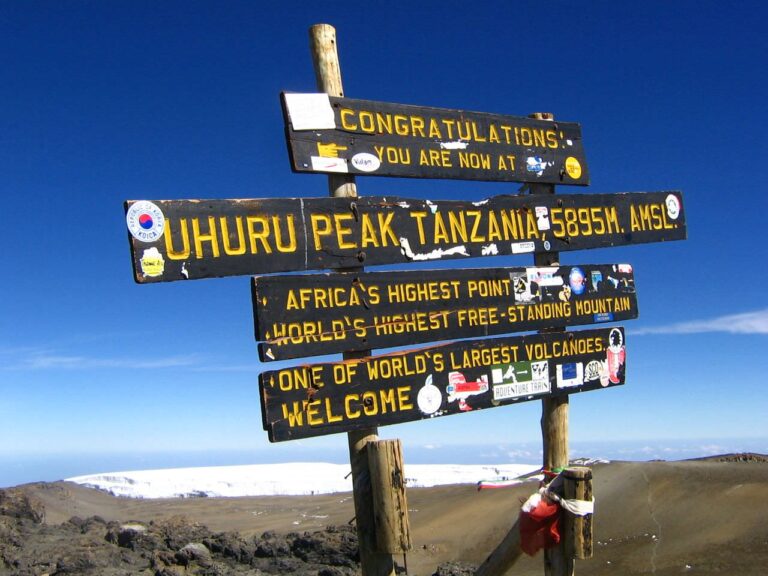
What Does Kilimanjaro Rainforest Look Like? A Trekkers Visual Guide 2026-2027
The Kilimanjaro rainforest is a vibrant, humid zone of dense vegetation, towering trees, and diverse plant life found on the mountain's lower slopes. It's the first major ecosystem trekkers...
View package details
Kilimanjaro Climb With A Personal Support Assistant: Your Ultimate Guide
Climbing Mount Kilimanjaro with a personal support assistant offers unparalleled safety, comfort, and focus on your summit goals. This guide details what a personal assistant entails, its...
View package details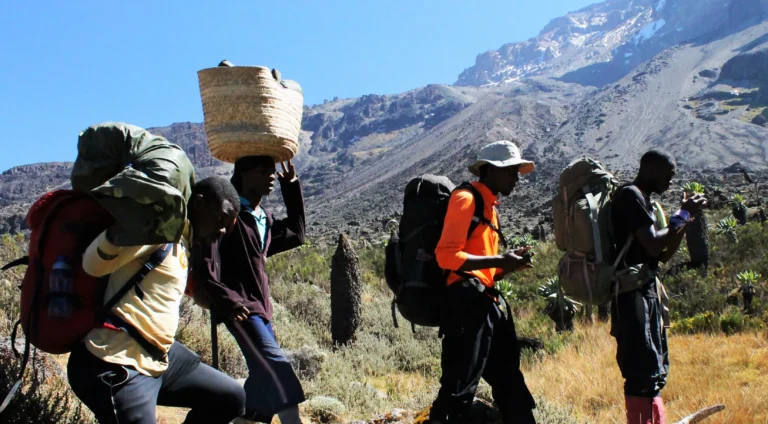
How To Know Whether You Are Ready For Kilimanjaro: A Comprehensive Guide
Climbing Mount Kilimanjaro is a significant undertaking. This guide helps you evaluate your physical, mental, and logistical readiness to ensure a safe and successful trek in 2026 or 2027...
View package details
Kilimanjaro Hydration Mistakes Climbers Make And How To Avoid Them 2026-2027
Proper hydration is critical for a successful Kilimanjaro climb. This guide details common hydration mistakes climbers make, from under-drinking to choosing the wrong fluids, and provides...
View package detailsKilimanjaro Altitude-Sickness Mistakes 2026-2027
Kilimanjaro Altitude-Sickness Mistakes is explained with current 2026-2027 planning, price, itinerary and booking information.
View package details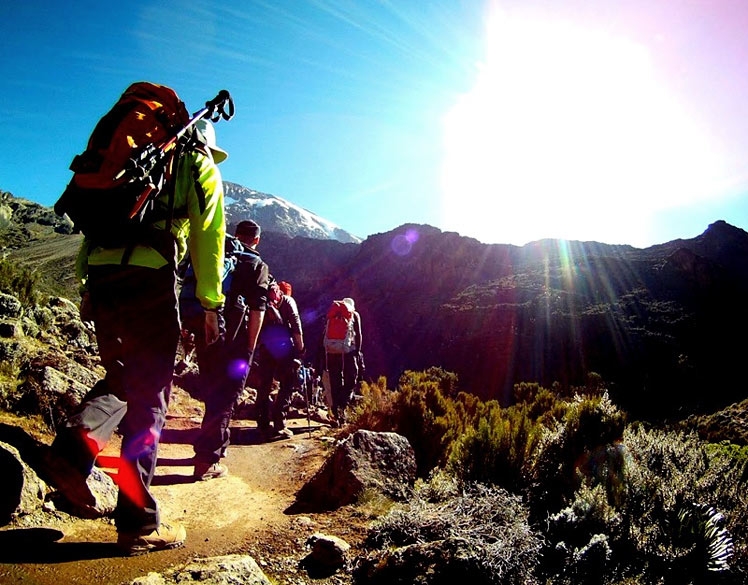
Kilimanjaro Summit-Night Mistakes To Avoid: Your Essential Guide For Climbs
Summit night on Kilimanjaro is the most challenging part of the climb. Avoiding common mistakes in acclimatization, gear, hydration, and pacing is crucial for success. This guide details...
View package details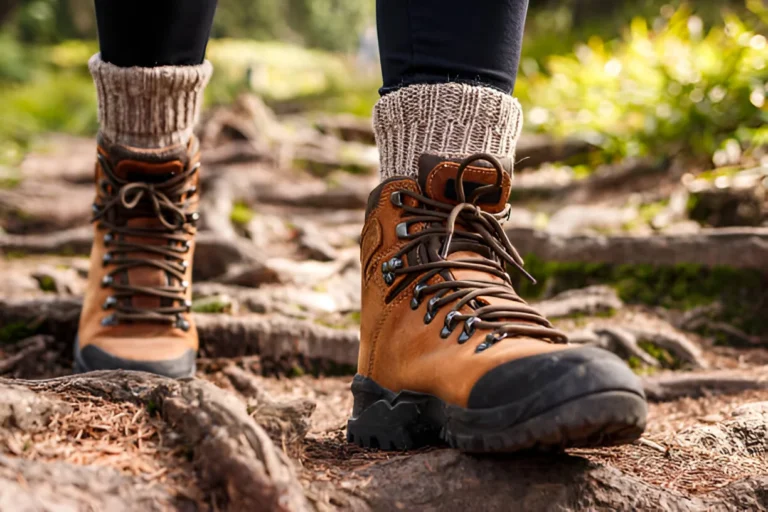
Kilimanjaro Training Mistakes That Reduce Summit Success 2026-2027
Kilimanjaro Training Mistakes that Reduce Summit Success is explained with current 2026-2027 planning, price, itinerary and booking information.
View package details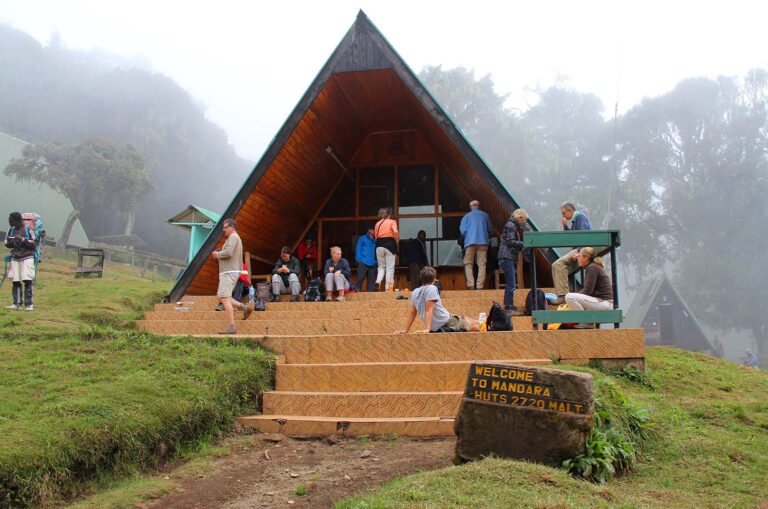
Kilimanjaro Personal Porter Vs Standard Support 2026-2027
Kilimanjaro Personal Porter vs Standard Porter Support is explained with current 2026-2027 planning, price, itinerary and booking information.
View package details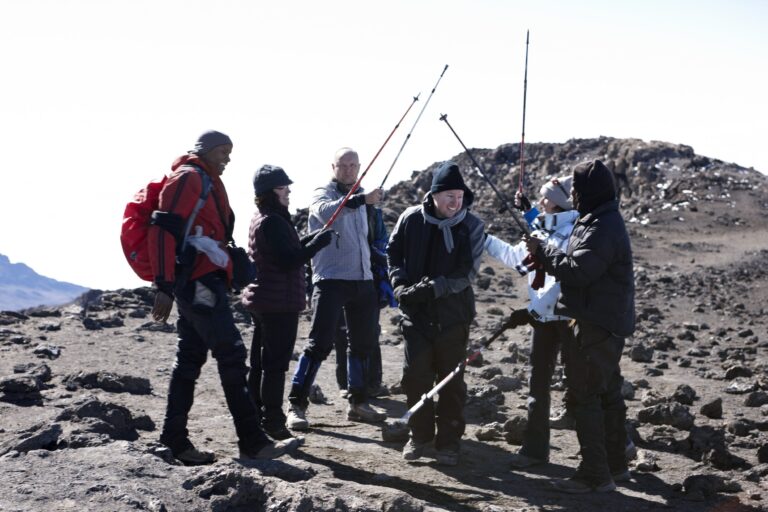
Kilimanjaro Airport Vs Arusha For Climbers: The Definitive Guide 2026-2027
A comprehensive comparison of Kilimanjaro International Airport (JRO) and Arusha Airport (ARK) for trekkers planning a Mount Kilimanjaro climb, detailing pros, cons, and booking advice for...
View package details
Kilimanjaro Climb For Retired Couples: Planning Your Adventure 2026-2027
Planning a Kilimanjaro climb as a retired couple is an achievable and rewarding goal. This guide offers in-depth advice on route selection, physical preparation, essential gear, and the...
View package details
Kilimanjaro Training Plan For Climbers Over 60 2026-2027
Kilimanjaro Training Plan for Climbers over 60 is explained with current 2026-2027 planning, price, itinerary and booking information.
View package detailsNo related package matches those filters. Clear one or more filters to see the other topic-matched options.



