
Climbing Kilimanjaro in February 2026-2027 requires a layered clothing system to manage diverse microclimates, from warm rainforest trails to the extreme cold of the summit. Pack waterproof and windproof outer layers, insulated mid-layers like fleece and down jackets, moisture-wicking base layers, sturdy hiking boots, warm headwear and gloves, sun protection, and essential accessories. Expect dry, sunny days in the lower reaches and sub-zero temperatures with potential for snow and ice at higher altitudes, especially near the crater rim and Stella Point/Uhuru Peak.
Understanding February on Kilimanjaro: Weather and Conditions
February marks a prime time for ascending Mount Kilimanjaro. It falls within the mountain’s longest dry season, typically offering some of the most stable weather patterns of the year. This generally translates to clearer skies, reduced rainfall, and a higher chance of successful summit attempts. However, ‘dry season’ on Kilimanjaro is relative. While you’ll encounter significantly less rain than during the monsoon periods, brief showers can still occur, particularly in the lower rainforest zone. The most defining characteristic of February climbing, beyond the dryness, is the temperature variation.
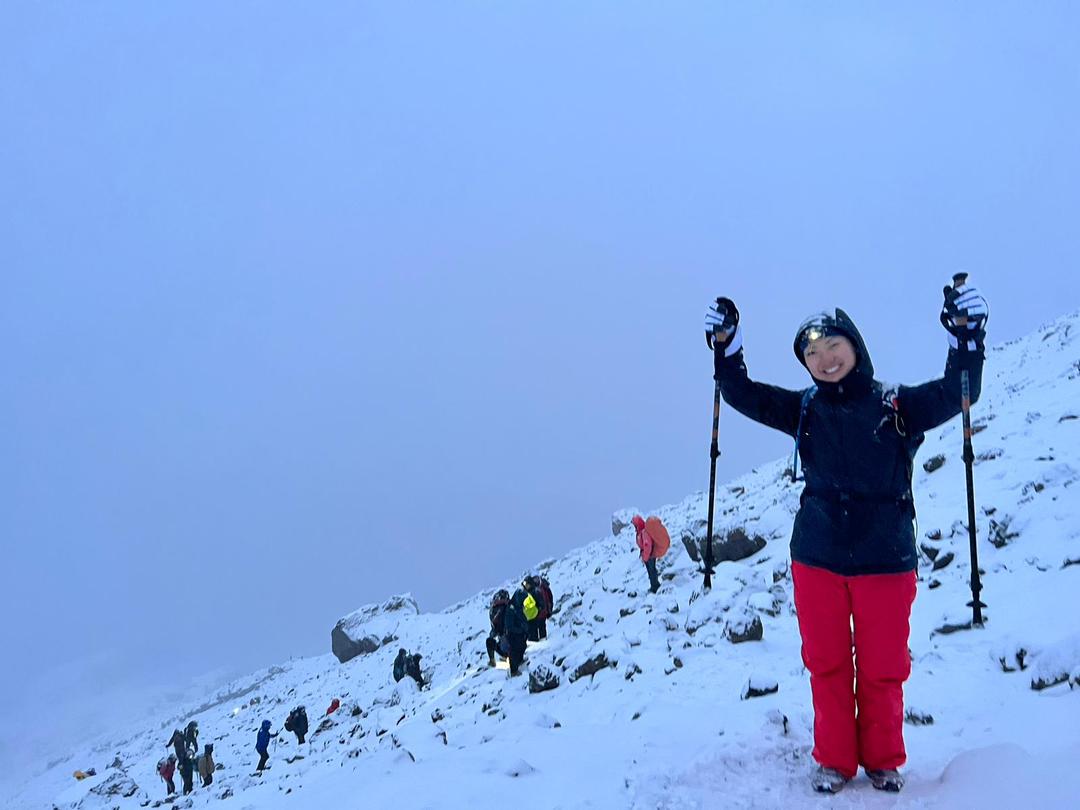
As you ascend through Kilimanjaro’s distinct ecological zones – rainforest, moorland, alpine desert, and arctic summit – the temperature drops dramatically. Starting in the pleasant warmth of the tropics, you can quickly transition to conditions that feel remarkably like winter at home, even in July or August. For a February climb in 2026 or 2027, this means being prepared for a wide spectrum of temperatures, often within the same day. While the lower slopes might be comfortably warm, even hot, the summit night can plunge to -15°C to -20°C (5°F to -4°F) or even colder with wind chill.
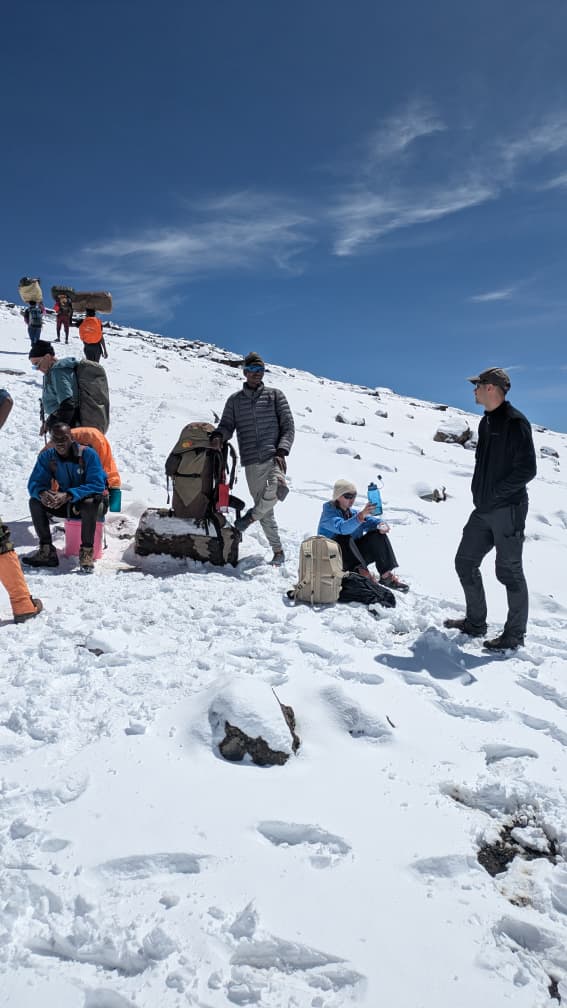
Snowfall is not uncommon at the very top, especially on the crater rim and around Uhuru Peak, even during the dry season. While February is generally less prone to heavy snow than the short rainy season (November), accumulated snow from earlier periods can persist. The sun’s intensity at altitude is also a critical factor. Even on a cold day, the equatorial sun can be strong, requiring robust sun protection. Therefore, the question of what to wear on Kilimanjaro in February is less about a single outfit and more about a strategic layering system that adapts to these rapidly changing conditions.
The Layering System: Your Key to Comfort on Kilimanjaro
The foundation of any successful Kilimanjaro climb, regardless of the month, is a well-executed layering system. This approach allows you to add or remove clothing in response to your exertion level, the changing altitude, and the shifting weather. For February, this system is paramount. It consists of three primary layers, plus crucial accessories:
- Base Layer: This is the layer closest to your skin. Its primary function is to wick moisture (sweat) away from your body to keep you dry and comfortable. Cotton is a poor choice as it retains moisture, leading to chilling.
- Mid Layer: This layer provides insulation, trapping body heat to keep you warm. The thickness and number of mid-layers you use will depend on the temperature.
- Outer Layer (Shell): This is your protection against the elements – wind and rain. It should be waterproof, windproof, and breathable to prevent moisture build-up from within.
Understanding how these layers interact is key to optimizing your comfort. A good base layer moves sweat to the mid-layer, which absorbs some of it and then allows the outer shell to protect you from external moisture and wind while letting evaporated sweat escape.
Base Layers: The Foundation for a Dry Climb
Your base layers are the unsung heroes of your Kilimanjaro wardrobe. In February, when you’ll be sweating on the ascents and potentially feeling the chill during breaks or at night, these garments are critical. They must be efficient at moisture management. The best materials are synthetic fabrics like polyester or polypropylene, or natural fibers like merino wool. Merino wool is particularly excellent for its natural odor resistance and temperature regulation, making it ideal for multi-day treks where washing facilities are nonexistent.
For climbing Kilimanjaro in February, we recommend:
- Two to three pairs of moisture-wicking long underwear tops: Choose a mix of lightweight and midweight options. Long sleeves are preferred for sun protection and warmth.
- Two to three pairs of moisture-wicking long underwear bottoms: Similar to the tops, a mix of weights is beneficial. These will be worn under your hiking trousers or waterproof pants.
Ensure these base layers fit snugly but not restrictively. A comfortable fit prevents chafing and maximizes the fabric’s ability to wick moisture effectively. Think about thermal underwear that can be worn as pajamas too; a clean set for sleeping can significantly improve rest quality on the mountain.
Mid Layers: Adapting to Altitude and Temperature
This is where you build your warmth. The mid-layer is designed to trap your body heat. For February, you’ll need a range of options to dial in your comfort as you climb.
- Fleece Jackets/Pants: A mid-weight fleece jacket is essential. It provides excellent insulation and breathability. Consider bringing one heavier-weight fleece or a thick sweater for colder days and summit night.
- Insulated Jacket (Down or Synthetic): This is your primary warmth layer for the coldest parts of the trek, especially the summit push. A puffy jacket filled with down or synthetic insulation is highly recommended for February. Down offers superior warmth-to-weight ratio but loses insulating properties when wet. Synthetic insulation performs better in damp conditions and is generally more robust. A jacket that packs down small is ideal.
- Fleece Pants or Lined Trousers: While not always necessary for the entire trek, a pair of fleece-lined pants or thick fleece trousers can be invaluable for chilly evenings, camp downtime, or as an extra layer under your waterproofs on summit night.
The goal here is versatility. You might wear just a base layer and a light fleece on a sunny afternoon in the moorland, but you’ll likely need your base layers, a fleece jacket, and your insulated down jacket on summit night. Packing a few different mid-layers allows you to fine-tune your warmth effectively.
Outer Layer: Protection Against Kilimanjaro’s Elements
Your outer layer is your shield against Kilimanjaro’s most challenging conditions: wind and rain. Even in February, showers can occur, and the wind at higher altitudes can be relentless and biting.
- Waterproof and Breathable Jacket (Hardshell): This is non-negotiable. It must be fully waterproof (Gore-Tex or similar technology) and breathable to allow sweat vapor to escape. Look for features like a good hood that can accommodate a hat, adjustable cuffs, and a drawcord hem. This jacket will protect you from rain and wind.
- Waterproof and Windproof Trousers: Similar to the jacket, these should be waterproof and breathable. Full-length side zippers are a great feature, allowing you to put them on or take them off without removing your boots, which is incredibly convenient when the weather changes suddenly.
These outer layers are designed to be worn over your base and mid-layers. They are not meant for insulation themselves but for blocking the elements. Ensure they are roomy enough to fit comfortably over other clothing without restricting movement.
Essential Kilimanjaro Clothing Items for February
Beyond the core layering system, specific clothing items are crucial for comfort and safety on Kilimanjaro in February. These address particular needs related to the mountain’s climate and the trekking experience.
Hiking Trousers
You’ll need a few pairs of comfortable, durable hiking trousers. Avoid jeans as they are heavy, slow to dry, and restrict movement when wet.
- Two pairs of quick-drying hiking trousers: Lightweight, breathable synthetic trousers are ideal. Look for features like adjustable waistbands, multiple pockets, and reinforced knees or seat for durability. Zip-off legs can be useful for warmer sections, though less likely to be needed in February at higher altitudes.
Shirts
While base layer tops are crucial, you’ll also need shirts for the lower, warmer sections and for layering.
- Two to three moisture-wicking T-shirts: Synthetic or merino wool short-sleeved shirts are good for the initial, warmer stages of the climb.
- One to two long-sleeved hiking shirts: These offer better sun protection and a bit more warmth than T-shirts. They can be worn as a base layer on cooler days or as a standalone shirt in milder conditions.
Socks
Socks are vital for preventing blisters and keeping your feet warm and dry. This is an area where skimping is a mistake.
- Four to six pairs of wool or synthetic hiking socks: Choose socks specifically designed for trekking. They should be thick enough to provide cushioning but not so thick that they make your boots too tight. Merino wool is excellent for its warmth, breathability, and odor resistance.
- Two pairs of liner socks: These thin socks worn inside your hiking socks can significantly reduce friction, preventing blisters. They also help wick moisture away from your feet.
- One pair of warm thermal socks: For summit night, a pair of thick, warm wool or thermal socks is essential to keep your feet from freezing.
Headwear
Your head loses a lot of heat, and protecting it from the sun is also critical.
- Warm, insulated hat (Beanie): A fleece or wool hat that covers your ears is essential for cold temperatures, especially during summit night.
- Sun hat or wide-brimmed hat: For the lower, sunny sections, a hat with a brim provides crucial sun protection for your face and neck.
- Balaclava or neck gaiter/buff: A versatile buff or neck gaiter is invaluable. It can be used as a scarf, face mask (to protect against dust and cold wind), headband, or even a hat liner. A fleece-lined version is ideal for February’s colder conditions.
Gloves
Protecting your hands from the cold and wind is crucial, especially on summit night.
- Thin liner gloves: These are useful for dexterity and a bit of warmth.
- Warm, waterproof, insulated gloves or mittens: Mittens are generally warmer than gloves as they keep your fingers together. Ensure they are waterproof and insulated. Having a spare pair is wise in case one gets wet.
Footwear: The Most Critical Gear Choice
Your hiking boots are arguably the most important piece of gear you’ll bring. They need to be comfortable, supportive, and well-broken-in.
- Sturdy, waterproof hiking boots: These should be mid-to-high cut to provide ankle support. They must be waterproof to keep your feet dry from rain and snow. Ensure they have good tread for grip on varied terrain. Crucially, break them in thoroughly before your climb to avoid blisters and discomfort.
- Camp shoes or trainers: A lightweight pair of shoes or sturdy sandals to wear around camp in the evenings. This allows your hiking boots to air out and your feet to relax.
For February climbs, ensure your boots are adequate for potentially icy or snowy conditions at the summit. Some trekkers opt for waterproof hiking boots with good insulation, while others rely on their warm socks and gaiters to keep feet dry and warm.
Gaiters
Gaiters are fabric coverings that attach to your boots and extend up your lower leg. They are excellent for preventing scree, mud, and snow from entering your boots, which is particularly useful in February if snow is present.
Essential Accessories for Your Kilimanjaro Climb in February
Beyond clothing, several accessories significantly enhance comfort, safety, and convenience on Kilimanjaro, especially during the February climbing season.
Backpack and Duffle Bag
- Daypack (30-40 liters): This is the backpack you’ll carry daily. It should be large enough to hold your water, snacks, camera, rain gear, extra layers, sunscreen, and first-aid kit. A good daypack has comfortable shoulder straps, a sternum strap, and a padded hip belt. Many have hydration system compatibility.
- Duffle Bag or Expedition Bag (80-100 liters): This is the main bag that your porters will carry. It should be waterproof or water-resistant and durable. Ensure it’s easy to carry and has a good strap system. Note: Porters have weight limits, so check with your tour operator about the maximum weight for your duffle bag (typically around 15kg/33lbs).
Sleeping Bag
While your tour operator might provide a sleeping mat, you’ll need your own sleeping bag. For February, given the potential for extreme cold, a warm bag is essential.
- Four-season sleeping bag: Rated to at least -15°C to -20°C (0°F to -4°F). A bag with a comfort rating of -10°C to -20°C (14°F to -4°F) is recommended. Down is lighter and more compressible, but synthetic is more forgiving if it gets damp.
- Sleeping bag liner: A silk or fleece liner can add extra warmth and keep your sleeping bag cleaner.
Trekking Poles
Trekking poles are highly recommended for Kilimanjaro. They reduce strain on your knees and ankles, improve balance, and help with rhythm on ascents and descents. They are particularly useful on rocky and scree slopes, which are common on Kilimanjaro, and can be a lifesaver on icy sections during February.
Water Bottles and Hydration Reservoir
Staying hydrated is critical for acclimatization and performance. You’ll need a reliable way to carry water.
- Two to three Nalgene-type water bottles (1-liter capacity): These are durable and less prone to freezing than hydration reservoir tubes in very cold temperatures. Keep one in an insulated sleeve or your sleeping bag at night to prevent freezing.
- Hydration reservoir (2-3 liters): While convenient, the drinking tube can freeze in cold temperatures, especially on summit night. If you use one, consider an insulated tube or keep the tube tucked inside your jacket.
Remember that water sources on the mountain are limited, and your crew will carry and boil water for you. You’ll need to carry enough for the day’s trek and then replenish at camp.
Headlamp
A reliable headlamp is essential for navigating in the dark, especially during the pre-dawn summit attempt. You’ll need it to find your way around camp after dark and for any night hiking.
- LED headlamp: With fresh batteries and a spare set. Make sure it’s powerful enough for good visibility.
Sun Protection
The equatorial sun at high altitude is intense, even in February.
- High SPF sunscreen: SPF 30 or higher, broad-spectrum.
- Lip balm with SPF: To protect your lips from sunburn and chapping.
- Sunglasses: With UV protection. Wraparound styles are best to protect from peripheral light and wind.
First-Aid Kit
While your guides will carry a comprehensive medical kit, it’s wise to have your own personal kit with essentials.
- Personal medications: Any prescription medications you need.
- Pain relievers: Ibuprofen or paracetamol for headaches or muscle aches.
- Blister treatment: Moleskin, Compeed, or bandages.
- Antiseptic wipes and hand sanitizer.
- Basic wound care: Band-aids, gauze pads, medical tape.
- Altitude sickness medication (if prescribed by your doctor).
Other Useful Items
- Toiletries: Biodegradable soap, toothbrush, toothpaste, wet wipes (essential for personal hygiene), quick-drying towel.
- Camera and extra batteries/memory cards: The views are incredible!
- Power bank: To charge electronic devices, as charging facilities are non-existent on the mountain.
- Snacks: Energy bars, nuts, dried fruit, chocolate. While your tour operator provides meals, having your own high-energy snacks is beneficial for the trek, especially on summit night.
- Small notebook and pen.
- Plastic bags/dry bags: To keep gear dry and to pack out all trash.
- Passport, visa, and any necessary permits (usually arranged by the tour operator).
- Cash: For tips for guides and porters, and for any small purchases in towns.
Route-Specific Considerations for February
While the fundamental clothing requirements remain the same across routes, the duration and terrain of different Kilimanjaro routes can influence your packing strategy. For a February climb in 2026 or 2027, consider:
- Marangu Route (Coca-Cola Route): This is the oldest and shortest route, often completed in 5-6 days. It’s the only route with dormitory-style accommodation. While shorter, it has a lower acclimatization profile, meaning a higher summit success rate is not guaranteed. The clothing needs are standard, but packing efficiently is key for a shorter trip.
- Machame Route (Whiskey Route): This is the most popular route, typically taking 6-7 days. It’s known for its excellent acclimatization profile and scenic beauty. The longer duration means you’ll experience more temperature fluctuations and potentially more varied conditions, reinforcing the need for a comprehensive layering system. This route is well-suited for those wanting a good balance of challenge and acclimatization.
- Lemosho Route: A longer, more scenic, and more expensive route (7-8 days) that starts in the west. It offers excellent acclimatization and high success rates. The extended time on the mountain means you will definitely encounter a wide range of weather, from hot and humid to freezing.
- Shira Route: Similar to Lemosho but starts at a higher altitude, potentially impacting acclimatization for some. Typically 7-8 days.
- Rongai Route: This route approaches from the north, closer to the Kenyan border. It’s known for being drier, making it a good option during the rainy seasons, but in February, it offers similar dry conditions to other routes. It’s often done in 6-7 days and has a good acclimatization profile.
- Northern Circuit: The longest route (9-10 days), offering the best acclimatization and highest success rates. The extended duration means you will experience all weather conditions and need a robust wardrobe.
- Umbwe Route: The shortest, steepest, and most challenging route. It requires a very good level of fitness and acclimatization is more difficult. Usually completed in 5-6 days, its steepness means you’ll be exerting more energy, but summit night will still be extremely cold.
For any route chosen for a February 2026 or 2027 climb, the principles of layering and preparing for extreme cold at altitude remain constant. The longer routes naturally offer better acclimatization, which can reduce the risk of altitude sickness and improve overall comfort, making the demanding clothing requirements more manageable.
Gear Checklist Summary for What to Wear on Kilimanjaro in February
To make your planning easier, here is a consolidated checklist for what to wear on Kilimanjaro in February. Remember to prioritize quality and suitability for cold, wet, and windy conditions.
Clothing Checklist:
- Base Layers: 2-3 moisture-wicking long-sleeve tops (synthetic/merino), 2-3 moisture-wicking long underwear bottoms (synthetic/merino).
- Mid Layers: 1-2 fleece jackets (mid-weight), 1 heavy-weight fleece or insulated jacket (down/synthetic, rated to -15°C/5°F or colder).
- Outer Layers: 1 waterproof and breathable hardshell jacket with hood, 1 pair of waterproof and breathable trousers with side zips.
- Hiking Trousers: 2 pairs of quick-drying, comfortable hiking trousers.
- Shirts: 2-3 moisture-wicking T-shirts, 1-2 long-sleeved hiking shirts.
- Socks: 4-6 pairs of wool/synthetic hiking socks, 2 pairs of liner socks, 1 pair of thick thermal socks.
- Headwear: 1 warm, insulated hat (beanie), 1 sun hat/wide-brimmed hat, 1 balaclava or fleece neck gaiter/buff.
- Gloves: 1 pair of thin liner gloves, 1 pair of warm, waterproof, insulated gloves or mittens.
Footwear:
- 1 pair of sturdy, waterproof, broken-in hiking boots (mid-to-high cut).
- 1 pair of comfortable camp shoes/trainers/sandals.
- 1 pair of gaiters.
Accessories:
- 1 daypack (30-40 liters) with rain cover.
- 1 large waterproof duffle bag (80-100 liters) for porters.
- 1 four-season sleeping bag (rated to -15°C/-5°F or colder).
- 1 sleeping bag liner (optional, for extra warmth/hygiene).
- Trekking poles (highly recommended).
- 2-3 x 1-liter water bottles (Nalgene-type) or 1 x 2-3 liter hydration reservoir with insulated tube.
- 1 LED headlamp with spare batteries.
- Sunscreen (SPF 30+), lip balm with SPF, sunglasses.
- Personal first-aid kit.
- Toiletries, quick-drying towel.
- Camera, power bank.
- Snacks.
- Plastic bags/dry bags.
Tips for Staying Warm and Dry on Kilimanjaro in February
Beyond having the right gear, your practices on the mountain play a significant role in managing the cold and moisture.
- Hydrate Constantly: Dehydration can exacerbate the effects of altitude and make you feel colder. Drink plenty of water throughout the day.
- Eat Well: Proper nutrition provides the energy your body needs to generate heat. Ensure you’re eating the meals provided and supplementing with your own snacks.
- Keep Moving: On summit night, it’s tempting to stop and rest, but staying active, even with slow, steady steps, helps maintain body heat.
- Manage Your Layers: Don’t wait until you’re freezing or overheating to adjust your clothing. Add or remove layers proactively as you ascend or descend, or as the weather changes.
- Protect Extremities: Your fingers, toes, ears, and nose are most vulnerable to frostbite. Ensure your hat, gloves, and warm socks are always in use when conditions demand.
- Keep Gear Dry: Use waterproof stuff sacks or dry bags for your sleeping bag, spare clothes, and electronics. Keep your waterproof outer layers readily accessible.
- Sleep Warm: Wear dry base layers to sleep. Put tomorrow’s base layer in your sleeping bag overnight to warm it up before you put it on in the morning. Ensure your sleeping bag is not compressed too much, as this reduces its insulating power.
- Use a Sleeping Bag Liner: A fleece liner can add significant warmth to your sleeping bag.
- Pre-warm Water Bottles: Fill one water bottle with hot (not boiling) water and place it in your sleeping bag at night.
When to Book Your February 2026-2027 Kilimanjaro Climb
February is a popular month for Kilimanjaro climbs due to its dry weather. This means it’s advisable to book your trip well in advance, especially if you are targeting specific dates in 2026 or 2027. Booking at least 6-12 months in advance is recommended to secure your preferred dates and ensure availability, particularly if you are looking for private climbs or have a group.
Early booking also gives you ample time to:
- Purchase and break in your gear.
- Undertake physical training.
- Make necessary travel arrangements.
- Consult with your doctor regarding any health concerns or necessary vaccinations.
Top Guide Adventures specializes in organizing memorable and safe Kilimanjaro climbs. We can help you select the best route for your fitness and experience level, and provide detailed packing lists tailored to your specific climb dates in 2026 or 2027. Our expert guides and support crew are dedicated to ensuring your journey to the Roof of Africa is a success.
For personalized advice on planning your Kilimanjaro climb in February 2026-2027, including gear recommendations and itinerary details, please reach out to us. You can contact us via WhatsApp at +255616946642 or email us at topguideadventures@gmail.com. Our team is ready to assist you in preparing for an unforgettable adventure.
Email us at info@topguideadventures.com for alternative inquiries. We look forward to helping you conquer Kilimanjaro!
Check Availability for What To Wear On Kilimanjaro In February : Expert Gear Guide 2026-2027
Ready to compare dates, prices, and the best option for your group? Send the package name and travel month so the team can reply with a clear quote, availability, and what is included.
What Does Kilimanjaro Rainforest Look Like? A Trekkers Visual Guide 2026-2027
The Kilimanjaro rainforest is a vibrant, humid zone of dense vegetation, towering trees, and diverse plant life found on the mountain's lower slopes. It's the first major ecosystem trekkers...
View package details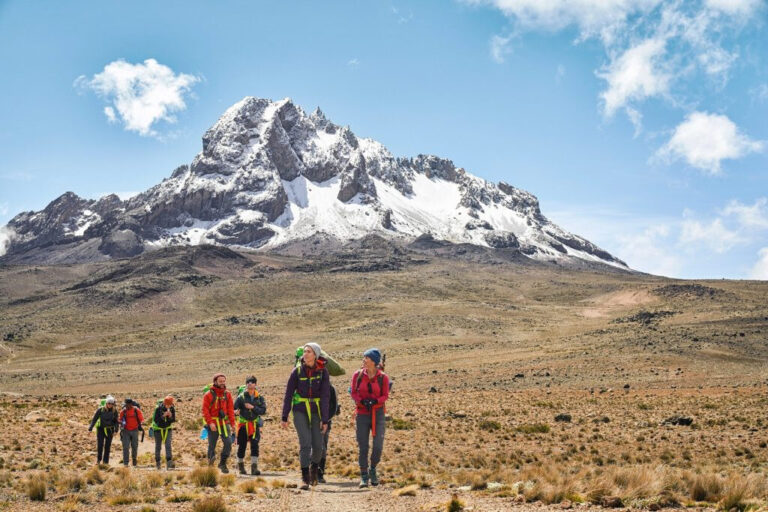
What Animals Live On Mount Kilimanjaro? 2026-2027
What Animals Live on Mount Kilimanjaro? is explained with current 2026-2027 planning, price, itinerary and booking information.
View package details
What Does The View From Uhuru Peak Look Like? Your Ultimate Kilimanjaro
The view from Uhuru Peak, Kilimanjaro's highest point, is a surreal panorama of stark volcanic rock, glacial ice, and an endless sea of clouds stretching below. At dawn, it offers a...
View package details
What Is School Hut Like On Kilimanjaro? 2026-2027
What Is School Hut Like on Kilimanjaro? is explained with current 2026-2027 planning, price, itinerary and booking information.
View package details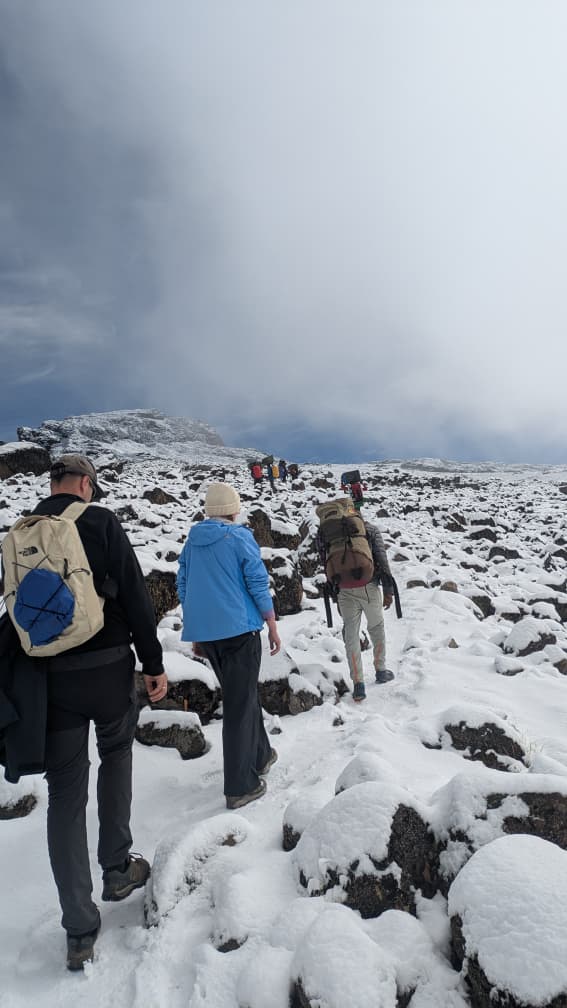
What Is Barafu Camp Like Before Summit Night On Kilimanjaro? 2026-2027
Barafu Camp is the high-altitude staging post on Kilimanjaro, situated just below the summit cone. It's a critical point where climbers rest and prepare for the final ascent to Uhuru Peak...
View package details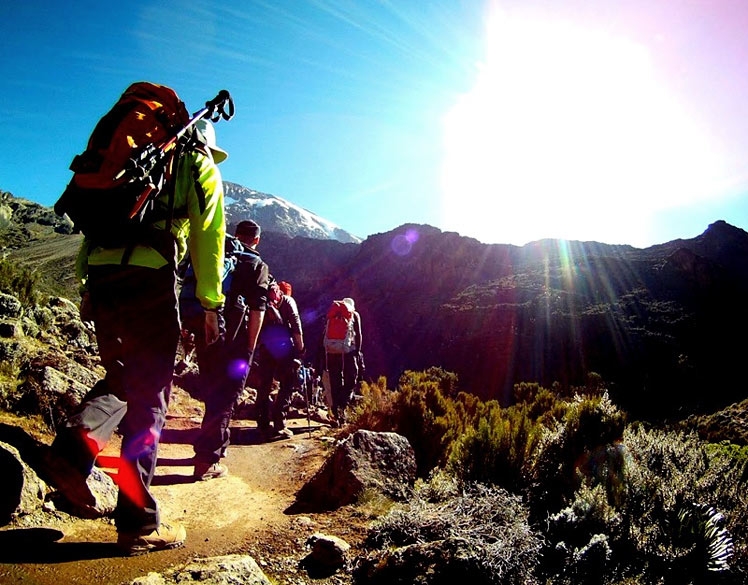
What Is It Like To Cross The Shira Plateau On Kilimanjaro? 2026-2027
Crossing the Shira Plateau on Kilimanjaro presents a unique high-altitude experience characterized by open, exposed terrain, dramatic vistas, and significant acclimatization challenges...
View package details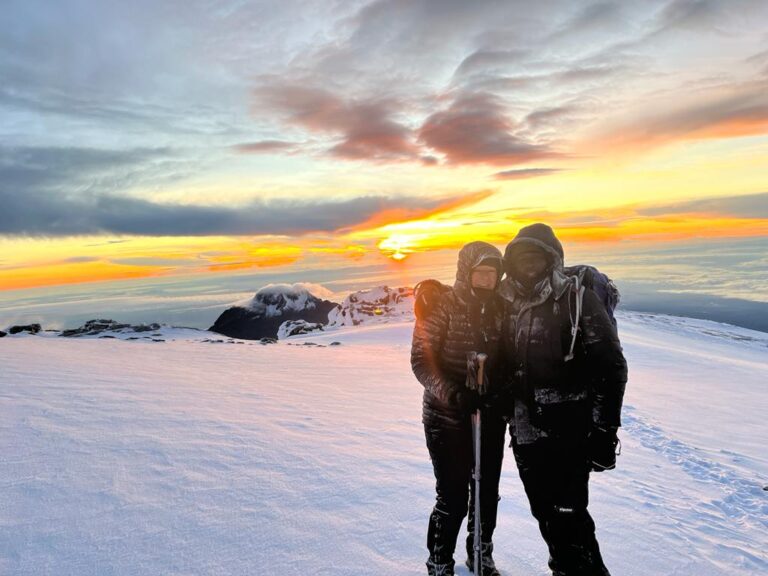
What Happens If The Kilimanjaro Trail Is Closed? 2026-2027
What Happens If the Kilimanjaro Trail Is Closed? is explained with current 2026-2027 planning, price, itinerary and booking information.
View package details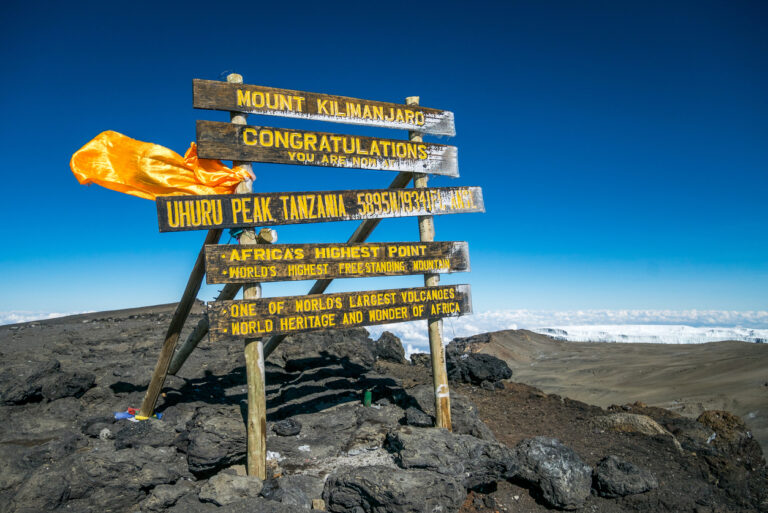
What Happens If You Miss Your Kilimanjaro Departure? Guide
If you miss your scheduled Kilimanjaro departure, your trek may be cancelled, and you could forfeit your deposit and payments. Rebooking is often possible but incurs additional costs and...
View package details
What Happens If Your Hiking Boots Break On Kilimanjaro? 2026-2027
What Happens If Your Hiking Boots Break on Kilimanjaro? is explained with current 2026-2027 planning, price, itinerary and booking information.
View package details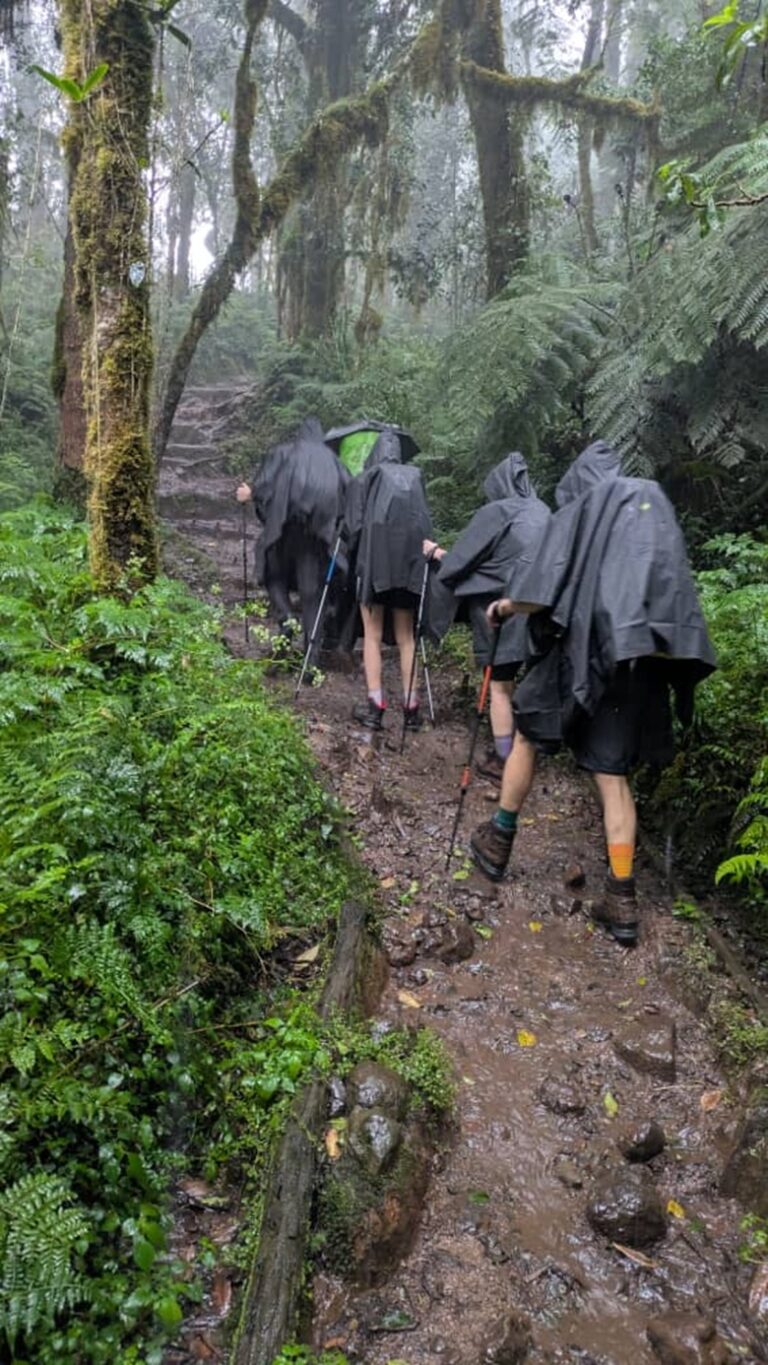
What Happens If You Get Food Poisoning Before Kilimanjaro? 2026-2027
Falling ill with food poisoning just before your Kilimanjaro climb is a serious concern. This guide details what happens, how to prevent it, and crucial steps if you become sick, ensuring...
View package details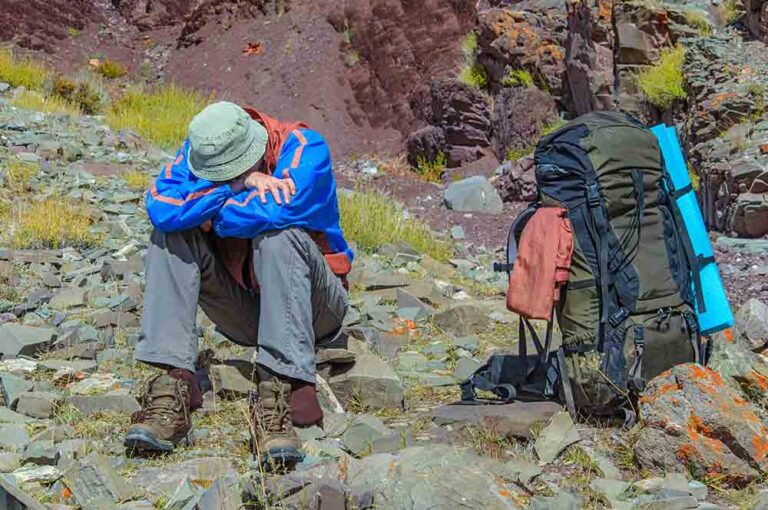
What Happens If It Rains Throughout Your Kilimanjaro Climb? 2026-2027
What Happens If It Rains throughout Your Kilimanjaro Climb? is explained with current 2026-2027 planning, price, itinerary and booking information.
View package details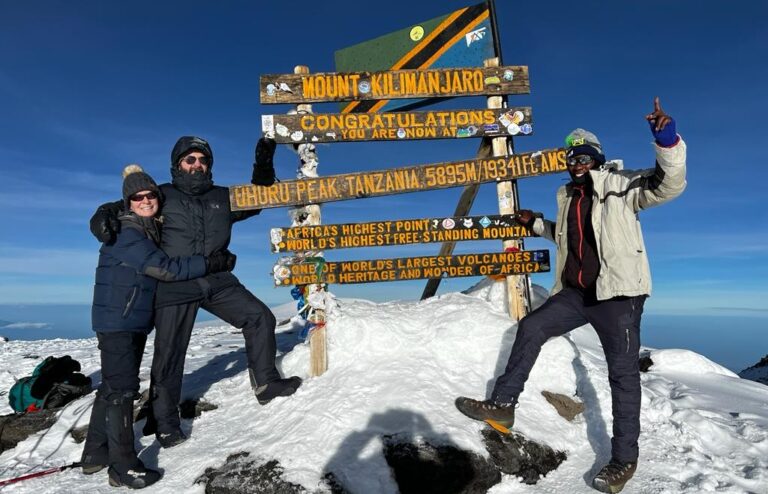
What Happens If Your Kilimanjaro Luggage Is Lost? 2026-2027
What Happens If Your Kilimanjaro Luggage Is Lost? is explained with current 2026-2027 planning, price, itinerary and booking information.
View package detailsNo related package matches those filters. Clear one or more filters to see the other topic-matched options.



