
Kilimanjaro in April is generally quite wet, falling squarely within the mountain’s long rainy season. Expect significant rainfall, particularly at lower and mid-altitudes, leading to muddy trails, reduced visibility, and potentially challenging trekking conditions. While not the ideal time for a climb, it is possible for well-prepared adventurers seeking fewer crowds and a unique experience, especially if focusing on the latter half of the month.


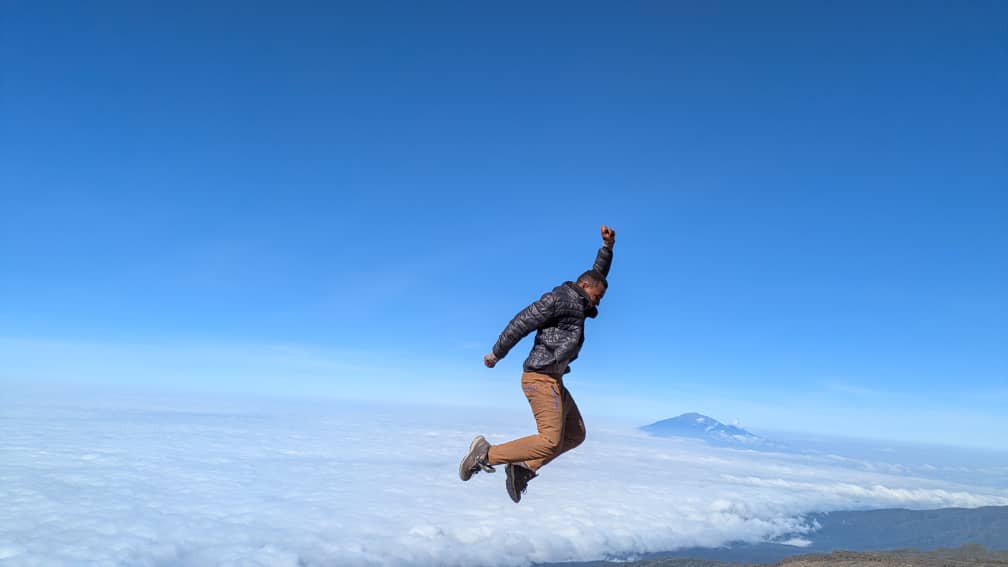
Understanding Kilimanjaro’s Rainy Seasons: April’s Place
Kilimanjaro, the Roof of Africa, experiences distinct wet and dry seasons, each significantly impacting the climbing experience. Understanding these patterns is crucial for planning any successful ascent, and April’s position within these cycles is key to answering how wet Kilimanjaro gets during this month. Generally, the mountain has two rainy seasons: a shorter one typically from October to November, and a longer, more substantial one from March through May. Therefore, April is firmly established as one of the wettest months on Kilimanjaro.
The long rainy season, which peaks around April and May, brings consistent precipitation to the mountain’s slopes. This means that climbers venturing up Kilimanjaro in April should be prepared for rain at almost all elevations, although the intensity and type of precipitation will vary dramatically as you gain altitude. Lower down, you’ll encounter tropical downpours, while higher up, this rain can turn into sleet and snow, particularly on the upper reaches and summit. Despite the wet conditions, April can also offer fewer crowds compared to the peak dry seasons, which can be an appealing factor for some trekkers.
For those considering a climb in 2026 or 2027, understanding this weather pattern is the first step. It informs decisions about gear, itinerary choice, and overall expectations for the trek. While April is challenging, it’s not impossible. Many guides and experienced climbers have successfully summited during this period, but it requires meticulous preparation and a flexible attitude.
April’s Rainfall Patterns on Kilimanjaro: What to Expect
When asking ‘how wet is Kilimanjaro in April?’, the answer is consistently ‘very’. The statistics and anecdotal evidence from guides point to April being one of the wettest months of the year. This is due to the prevailing weather systems that bring moisture across East Africa during this period. The long rainy season is characterized by heavy, persistent rain, often accompanied by cloudy skies and mist, especially at lower and middle elevations.
Rainfall Intensity and Distribution:
- Lower Slopes (Rainforest Zone): Expect daily, often heavy, rainfall. These are tropical downpours that can drench you quickly. Trails here can become very muddy and slippery.
- Middle Altitudes (Moorland and Alpine Desert Zones): Rainfall continues, though it might be less torrential than in the rainforest. It can transition into sleet or hail, particularly during the evenings and nights. Visibility can be significantly reduced by clouds and mist.
- Upper Reaches (Arctic Zone): At these altitudes, precipitation is almost exclusively snow or sleet. While the volume of snow might not be as extreme as in a blizzard, the combination of cold, wind, and snow makes conditions arduous.
The frequency of rain in April is high. While it’s rare for it to rain non-stop for 24 hours, you should anticipate rain on most days of your trek. Often, the rain is heaviest in the afternoons. Mornings might offer clearer skies, but this is not guaranteed. The sheer volume of water means that rivers and streams swell, and the ground becomes saturated.
For trekkers planning for 2026 or 2027, it’s vital to pack waterproof gear for every layer of clothing and equipment. This includes high-quality waterproof jackets, trousers, gloves, and waterproof covers for your backpack and sleeping bag. Even waterproof hiking boots need to be of the highest standard, and gaiters are essential to prevent water and mud from entering your boots.
Temperature and Weather Variations by Altitude in April
While rainfall is the primary concern regarding ‘how wet is Kilimanjaro in April,’ temperature is the other critical factor influenced by altitude. April presents a wide range of temperatures across Kilimanjaro’s distinct ecological zones, and these are compounded by the wet weather.
Typical Temperatures in April:
- Base (e.g., Marangu Gate, Machame Gate): Daytime temperatures can be warm, around 20-25°C (68-77°F), but with heavy rain and cloud cover, it can feel cooler. Nights can drop to 10-15°C (50-59°F).
- Rainforest Zone (approx. 1,800m – 2,800m): Days might be around 15-20°C (59-68°F), dropping to 5-10°C (41-50°F) at night. The high humidity makes it feel damp.
- Moorland Zone (approx. 2,800m – 4,000m): Daytime temperatures can range from 5-15°C (41-59°F). Nights get significantly colder, dropping below freezing, often between -5°C to 5°C (23-41°F). Rain here can turn to sleet.
- Alpine Desert Zone (approx. 4,000m – 5,000m): Daytime temperatures are cool, around 0-10°C (32-50°F). Nights are harsh, plummeting to -10°C to -15°C (14-5°F), with snow and ice common.
- Summit (Uhuru Peak, 5,895m): Temperatures are consistently below freezing, typically ranging from -10°C to -20°C (14°F to -4°F), exacerbated by wind chill. Snow and ice are permanent features.
The combination of high altitude and persistent rain in April means that hypothermia is a significant risk. Layers are crucial, not just for warmth but also for managing moisture. Breathable, waterproof outer layers are essential, but even then, prolonged exposure to damp conditions can be chilling. Trekkers for 2026-2027 climbs should prioritize warmth and waterproofing in their gear selection.
Impact of April Rains on Kilimanjaro Routes
The question ‘how wet is Kilimanjaro in April?’ has direct implications for the choice of climbing route. Some routes are more affected by heavy rainfall than others, and certain routes might even be partially closed or made significantly more difficult due to muddy conditions and swollen rivers.
Route-Specific Considerations for April:
- Marangu Route (Coca-Cola Route): This route, with its paved sections in the lower rainforest, can become extremely muddy and slippery. While it’s the only route with dormitory-style accommodation, the camping sections on other routes might be more exposed to the elements. The gradual ascent can help with acclimatization, but the rain remains a constant factor.
- Machame Route (Whiskey Route): Known for its challenging terrain and steep ascents, Machame becomes significantly more demanding in April. The ‘Picnic Rocks’ and ‘Barranco Wall’ can be treacherous when wet and muddy. This route is popular for its high success rates in normal conditions, but April requires extra caution.
- Lemosho and Shira Routes: These routes traverse high moorlands and plateaus, which can become waterlogged. The exposed nature of these sections means trekkers are more susceptible to wind and rain.
- Rongai Route: This is often considered the best option for April climbs by some operators. It approaches Kilimanjaro from the north, a drier side of the mountain. While still receiving rain, it’s generally less intense than on the southern routes. However, the descent can still be very wet.
- Northern Circuit and Grand Traverse: These longer routes offer excellent acclimatization but involve traversing various zones. In April, expect wet conditions across most of these zones, particularly the rainforest and moorland.
The primary challenge across all routes in April is the mud. This not only slows down progress but also increases the risk of slips and falls. Rivers can swell to a point where crossings become dangerous, requiring guides to find alternative routes or even wait for water levels to recede. For anyone planning a 2026 or 2027 climb, discussing route options with your tour operator regarding April conditions is highly recommended. Top Guide Adventures, for instance, can provide specific advice based on current conditions and route suitability for April ascents.
Visibility and Scenery in April
One of the significant trade-offs for climbing Kilimanjaro in April, when it’s wet, is the impact on visibility and the overall scenic experience. The clouds and mist that accompany the rainy season can dramatically alter the mountain’s appearance and the views available.
Visibility Challenges:
- Lower and Middle Altitudes: Dense clouds and mist are common, often shrouding the landscape. This means that the lush rainforest views might be obscured, and distant panoramas are rare. The higher you climb, the more likely you are to be trekking through cloud layers.
- Summit Attempts: The final ascent to Stella Point and Uhuru Peak is particularly affected. Visibility can be reduced to mere meters, making the already challenging trek feel more disorienting. The vast glacial features and crater rim might be hidden from view.
Scenic Beauty Amidst the Rain:
While grand vistas might be infrequent, there is a unique beauty to Kilimanjaro in the rain:
- Lush Vegetation: The rainforest zone is incredibly vibrant and green during the rainy season. Waterfalls are more powerful, and the flora thrives, offering a rich, verdant spectacle.
- Dramatic Skies: While often cloudy, there can be moments when the clouds part, revealing dramatic skies and a moody, atmospheric landscape. Sunrises and sunsets, when visible, can be spectacular through the mist.
- Glacier Appearance: The glaciers and ice fields at the summit, while shrinking, are often dusted with fresh snow in April, giving them a stark, pristine appearance against the dark volcanic rock.
For trekkers in 2026-2027, it’s important to manage expectations regarding views. While the primary goal is reaching the summit, appreciating the unique, albeit often subdued, beauty of Kilimanjaro in its wet season is part of the adventure. Focusing on the immediate surroundings, the resilience of nature, and the camaraderie of the trekking group can make the experience deeply rewarding, even without constant panoramic views.
Crowds and Availability in April
One of the significant advantages of climbing Kilimanjaro in April, despite the wet weather, is the reduced number of trekkers. The peak seasons for Kilimanjaro are generally the dry months: January to February and June to October. April, being a wet month, falls outside these popular windows.
Fewer Trekkers:
- Quieter Trails: You’ll likely encounter fewer people on the trails, meaning a more solitary and potentially more intimate experience.
- More Availability: Accommodation at campsites and on the mountain is generally more readily available. This can sometimes translate to more flexibility in booking dates, although it’s always wise to book well in advance, especially for 2026-2027 trips.
- Personalized Attention: With smaller groups or fewer trekkers overall, guides and support staff may be able to offer more personalized attention.
This lower crowd density can be a major draw for trekkers who prefer a less crowded environment and are willing to brave the rain for a more peaceful journey. Booking with a reputable company like Top Guide Adventures can help secure your preferred dates even in the shoulder or wet seasons, ensuring you get the support needed for a successful climb.
Is Climbing Kilimanjaro in April Safe?
Safety is paramount on any Kilimanjaro climb, and the wet conditions of April introduce specific considerations. However, with proper planning and the right guidance, climbing Kilimanjaro in April can be a safe and successful endeavor.
Key Safety Factors for April Climbs:
- Experienced Guides: Choosing a tour operator with a strong safety record and experienced guides is non-negotiable. Guides are trained to assess conditions, manage risks, and respond to emergencies. They are adept at navigating muddy trails and swollen streams.
- Proper Gear: As discussed, waterproof and warm gear is essential. Hypothermia is a real risk in wet and cold conditions. Ensuring all gear is functional and appropriate is a critical safety measure.
- Pacing and Acclimatization: The standard advice for Kilimanjaro applies: go ‘pole pole’ (slowly, slowly). Muddy conditions can slow progress, but rushing can lead to altitude sickness. Adhering to acclimatization protocols is vital.
- Trail Conditions: Guides will monitor trail conditions closely. They may need to alter routes slightly to avoid dangerous sections or wait for conditions to improve. Trusting their judgment is key.
- Health and Fitness: Being in excellent physical condition and having a good understanding of altitude sickness symptoms are crucial for all Kilimanjaro climbs, but especially during challenging weather conditions.
For those planning a 2026 or 2027 climb, it’s important to remember that while April presents challenges, the primary risks associated with Kilimanjaro (altitude sickness, weather exposure, falls) are manageable with preparation and expert guidance. Top Guide Adventures prioritizes safety on all its climbs, providing experienced guides and ensuring clients are well-informed about the conditions they might face.
What to Pack for an April Kilimanjaro Climb
Packing correctly is perhaps the most critical aspect of preparing for a Kilimanjaro climb in April. The ‘how wet is Kilimanjaro in April?’ question dictates a focus on waterproofing and warmth. Your gear needs to withstand persistent rain, wind, and cold temperatures, especially at higher altitudes.
Essential Gear for April:
Clothing Layers:
- Base Layers: Moisture-wicking thermal tops and bottoms (merino wool or synthetic). Pack at least two sets.
- Mid Layers: Fleece jackets or down vests for insulation.
- Outer Layer (Waterproof): A high-quality, breathable waterproof and windproof jacket (e.g., Gore-Tex) and waterproof trousers. These are non-negotiable.
- Trekking Trousers: Quick-drying, comfortable trekking trousers (avoid jeans). Consider waterproof over-trousers.
- Warm Hat: Fleece or wool hat that covers your ears.
- Gloves: Waterproof outer gloves and warm liner gloves. Consider mittens for extreme cold.
- Socks: Several pairs of warm, moisture-wicking hiking socks (wool blend).
Footwear:
- Waterproof Hiking Boots: Sturdy, broken-in, waterproof hiking boots.
- Gaiters: Essential for preventing water, mud, and small stones from entering your boots.
- Camp Shoes: Comfortable shoes or sandals for wearing at camp.
Equipment:
- Backpack: A comfortable daypack (30-40 liters) with a reliable waterproof cover.
- Duffel Bag: A large, waterproof duffel bag (80-100 liters) for your main luggage, carried by porters.
- Sleeping Bag: A warm sleeping bag rated to at least -10°C to -20°C (0°F to -4°F). Synthetic fill is often better than down in damp conditions.
- Water Bottles/Bladder: At least 3 liters capacity. Insulated covers are recommended to prevent freezing.
- Headlamp: With extra batteries.
- Trekking Poles: Highly recommended for stability on muddy and steep terrain.
- Sun Protection: Sunscreen (SPF 30+), sunglasses, and lip balm, even with cloud cover.
- Personal First-Aid Kit: Include blister treatment, pain relievers, and any personal medications.
- Toiletries: Biodegradable soap, toothbrush, toothpaste, wet wipes.
- Camera: With waterproof protection.
Remember to pack all clothing in waterproof stuff sacks or dry bags within your duffel bag. Even with a waterproof duffel, the contents can get damp if the bag is exposed to heavy rain for extended periods. For 2026-2027 climbs, start gathering your gear early to ensure you have the best quality items available.
Tips for a Successful Kilimanjaro Climb in April
Climbing Kilimanjaro in April requires a different mindset and approach compared to the dry season. Success hinges on preparation, flexibility, and a positive attitude. Here are key tips for trekkers planning their 2026-2027 ascent:
Key Tips for April Climbers:
- Embrace the Wet: Accept that rain is part of the experience. Focus on staying as dry and warm as possible through layering and quality gear.
- Prioritize Waterproofing: Double-check all your waterproof gear. Ensure seams are sealed and zippers are functional. Use dry bags for sensitive items.
- Stay Hydrated: Even in cooler, wet weather, dehydration is a risk. Drink plenty of water. Use insulated bottles or bladders to prevent water from freezing.
- Eat Well: Maintain your energy levels by eating the food provided by your guides and carrying high-energy snacks. The physical exertion combined with cold requires good nutrition.
- Listen to Your Guides: Your guides are experienced professionals. Trust their judgment regarding trail conditions, safety, and acclimatization. Communicate any concerns you have immediately.
- Be Patient: Trails can be slower due to mud and rain. Streams might be higher, requiring waits or detours. Patience is crucial for a successful and enjoyable trek.
- Positive Mental Attitude: A challenging climb requires a strong mindset. Focus on the journey, the achievement, and the unique beauty of Kilimanjaro in the rain.
- Consider the Rongai Route: If minimizing rain exposure is a priority, discuss the Rongai route with your operator. It often receives less rainfall than southern routes.
- Book with Experts: Companies like Top Guide Adventures have extensive experience guiding climbs in all seasons. Their expertise is invaluable for planning and executing a safe and successful April climb for 2026 or 2027.
Comparing April to Other Months
To fully understand ‘how wet is Kilimanjaro in April?’, it’s helpful to compare it to other months and seasons. This provides context for the conditions and helps in making informed decisions about when to climb.
April vs. Dry Seasons (June-October, January-February):
- Rainfall: Significantly higher in April. Dry seasons offer clearer skies, less mud, and generally easier trekking.
- Visibility: Much better in dry seasons, offering spectacular panoramic views. April often has limited visibility due to clouds and mist.
- Crowds: Dry seasons are peak times, meaning more trekkers on the mountain. April offers a quieter experience.
- Temperatures: Similar altitude-dependent temperature ranges, but the perceived cold is often worse in April due to dampness and wind.
- Success Rates: Generally higher in dry seasons due to more favorable conditions, although good preparation can lead to success in April.
April vs. Short Rainy Season (October-November):
- Rainfall: April is typically wetter and more consistent than the short rainy season. The short rains can be sporadic, with some days being clear.
- Conditions: Both periods are challenging. October can still have decent weather towards the beginning, while November often sees increasing rainfall.
- Crowds: Both are shoulder/off-peak seasons with fewer crowds than the main dry periods.
April vs. Peak Rainy Season (May):
- Rainfall: May is often considered the wettest month, sometimes even exceeding April. Both are challenging.
- Conditions: Similar muddy trails, reduced visibility, and cold temperatures.
- Crowds: Both are low-season months.
For trekkers planning for 2026-2027, choosing April means trading ideal weather for fewer crowds and potentially lower prices (though not always guaranteed). If clear skies and dry trails are a top priority, aiming for a dry season is advisable. If you are an adventurous trekker who doesn’t mind the rain and seeks a more solitary experience, April can be a viable, albeit challenging, option.
Cost Considerations for April Climbs
While the question is ‘how wet is Kilimanjaro in April?’, cost is always a factor for potential climbers. Generally, climbing during the wet season, including April, may sometimes be associated with slightly lower prices from some operators due to lower demand. However, this is not always a significant difference, and reputable companies often maintain consistent pricing to ensure quality services and guide support regardless of the season.
Factors Influencing Cost in April:
- Operator Pricing: Some budget operators might offer lower rates in April. However, it’s crucial to scrutinize what’s included. Cheaper packages often cut corners on guide experience, equipment quality, food, and safety standards, which are even more critical in challenging weather.
- Inclusions: Always compare packages based on what’s included: park fees (these are fixed), permits, accommodation before/after the climb, meals, guide and porter salaries, equipment, and emergency evacuation.
- Quality vs. Price: For April climbs, investing in a reputable operator like Top Guide Adventures is paramount. They ensure experienced guides, well-maintained equipment, and robust safety protocols, which are essential for navigating wet and challenging conditions. Skimping on cost can compromise safety significantly.
- Potential for Delays/Extensions: While not directly a cost, be aware that weather-related delays or the need for an extra day due to trail conditions could incur additional accommodation or logistical costs if not fully covered by your tour package.
For 2026-2027 trips, it is advisable to get quotes from several reputable operators. When comparing, prioritize safety, experience, and comprehensive inclusions over the lowest price, especially for a wet month like April. Top Guide Adventures offers transparent pricing and can provide detailed quotes for April expeditions, ensuring you understand the value and safety measures included.
Booking Your April Kilimanjaro Climb in 2026-2027
Deciding to climb Kilimanjaro in April means embracing a unique challenge. If you’ve weighed the conditions and are ready for an April adventure in 2026 or 2027, booking with the right team is essential for a safe and rewarding experience. Top Guide Adventures specializes in organizing Kilimanjaro climbs with a strong focus on safety, client care, and success rates, even during the wet season.
Why Book Your April Climb with Top Guide Adventures:
- Experienced April Guides: Our guides have extensive experience climbing Kilimanjaro year-round, including during the rainy season. They know how to manage the specific challenges of April weather.
- Safety First Approach: We prioritize your safety with well-equipped teams, comprehensive medical kits, and emergency protocols.
- Quality Gear: We ensure our clients have access to good quality, waterproof gear, and provide guidance on personal equipment needed for April.
- Tailored Itineraries: We can advise on the best routes for April, such as Rongai, and customize itineraries to maximize your chances of success while ensuring safety.
- Personalized Support: From initial inquiry to post-climb, we offer dedicated support. We can answer all your questions about ‘how wet is Kilimanjaro in April?’ and prepare you thoroughly.
When planning your 2026 or 2027 Kilimanjaro expedition during April, reach out to us. We can provide detailed itineraries, answer specific questions about April conditions, and help you prepare for an unforgettable climb.
Contact us today to discuss your April Kilimanjaro adventure:
- WhatsApp: +255616946642
- Email: topguideadventures@gmail.com
- Backup Email: info@topguideadventures.com
Let Top Guide Adventures help you make your Kilimanjaro dream a reality, even in the wet month of April.
Check Availability for How Wet Is Kilimanjaro In April? Your Complete Guide For Climbs 2026-2027
Ready to compare dates, prices, and the best option for your group? Send the package name and travel month so the team can reply with a clear quote, availability, and what is included.
What Happens If You Miss Your Kilimanjaro Departure? Guide
If you miss your scheduled Kilimanjaro departure, your trek may be cancelled, and you could forfeit your deposit and payments. Rebooking is often possible but incurs additional costs and...
View package details
What Does Kilimanjaro Rainforest Look Like? A Trekkers Visual Guide 2026-2027
The Kilimanjaro rainforest is a vibrant, humid zone of dense vegetation, towering trees, and diverse plant life found on the mountain's lower slopes. It's the first major ecosystem trekkers...
View package details
Kilimanjaro Climb With A Personal Support Assistant: Your Ultimate Guide
Climbing Mount Kilimanjaro with a personal support assistant offers unparalleled safety, comfort, and focus on your summit goals. This guide details what a personal assistant entails, its...
View package details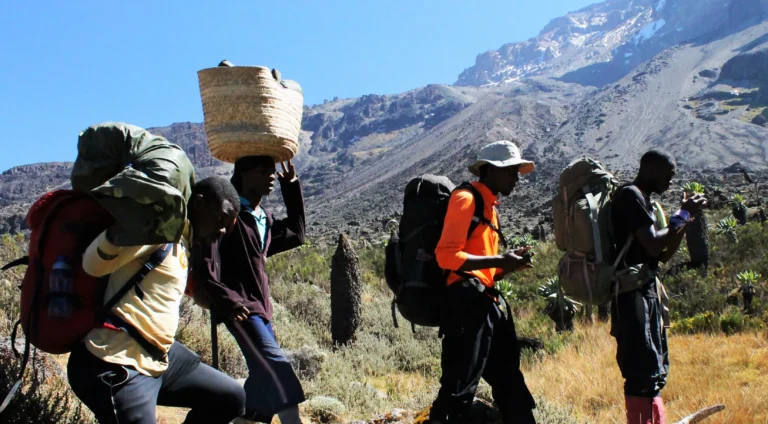
How To Know Whether You Are Ready For Kilimanjaro: A Comprehensive Guide
Climbing Mount Kilimanjaro is a significant undertaking. This guide helps you evaluate your physical, mental, and logistical readiness to ensure a safe and successful trek in 2026 or 2027...
View package details
Kilimanjaro Hydration Mistakes Climbers Make And How To Avoid Them 2026-2027
Proper hydration is critical for a successful Kilimanjaro climb. This guide details common hydration mistakes climbers make, from under-drinking to choosing the wrong fluids, and provides...
View package details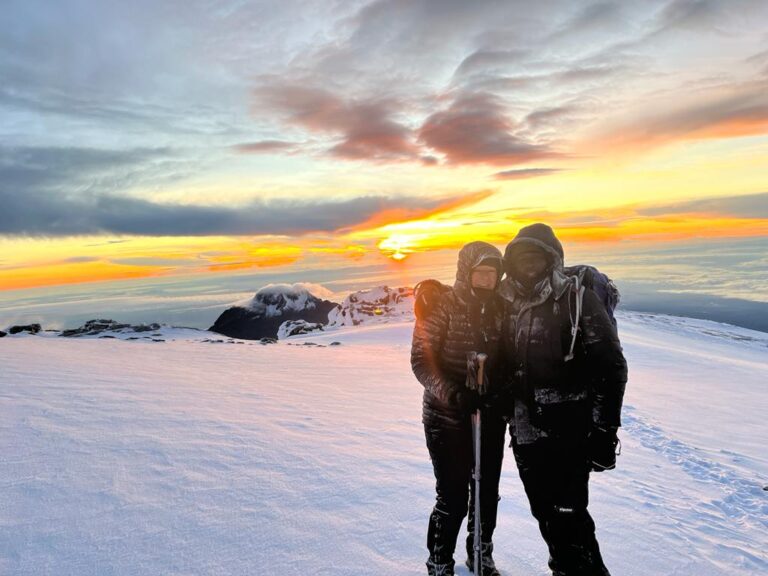
Kilimanjaro Altitude-Sickness Mistakes 2026-2027
Kilimanjaro Altitude-Sickness Mistakes is explained with current 2026-2027 planning, price, itinerary and booking information.
View package details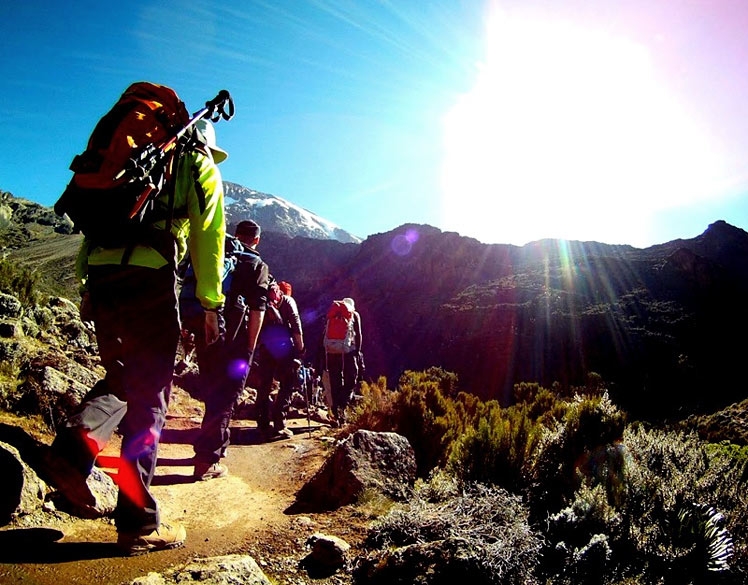
Kilimanjaro Summit-Night Mistakes To Avoid: Your Essential Guide For Climbs
Summit night on Kilimanjaro is the most challenging part of the climb. Avoiding common mistakes in acclimatization, gear, hydration, and pacing is crucial for success. This guide details...
View package details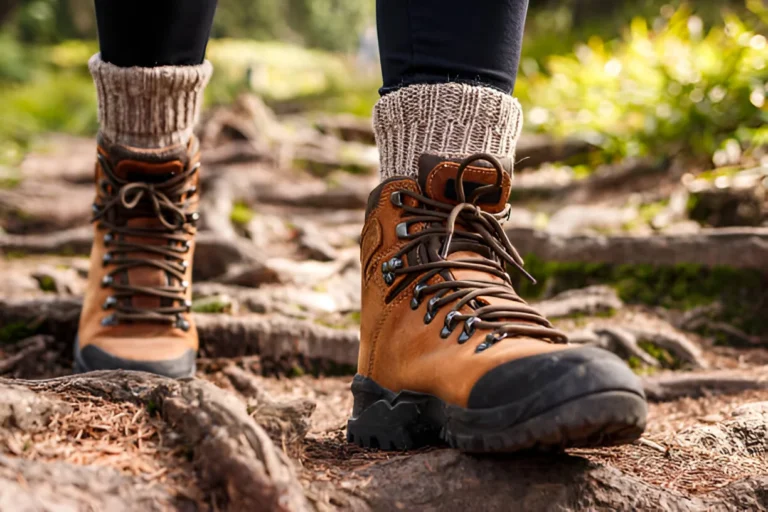
Kilimanjaro Training Mistakes That Reduce Summit Success 2026-2027
Kilimanjaro Training Mistakes that Reduce Summit Success is explained with current 2026-2027 planning, price, itinerary and booking information.
View package details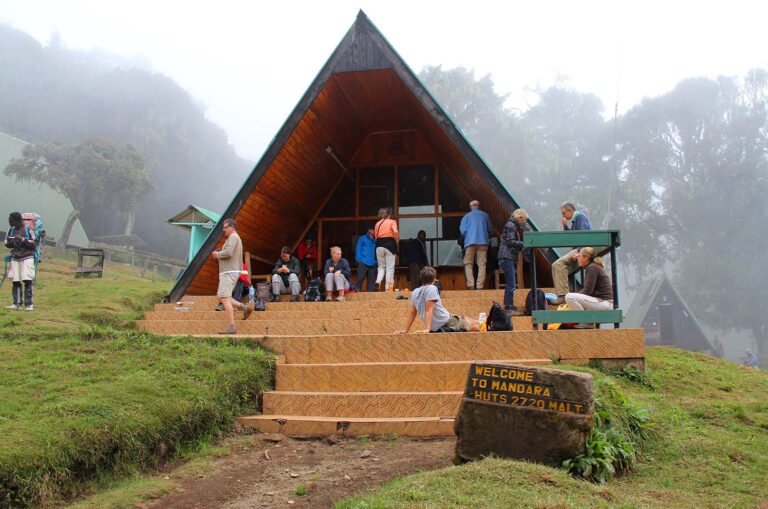
Kilimanjaro Personal Porter Vs Standard Support 2026-2027
Kilimanjaro Personal Porter vs Standard Porter Support is explained with current 2026-2027 planning, price, itinerary and booking information.
View package details
Kilimanjaro Airport Vs Arusha For Climbers: The Definitive Guide 2026-2027
A comprehensive comparison of Kilimanjaro International Airport (JRO) and Arusha Airport (ARK) for trekkers planning a Mount Kilimanjaro climb, detailing pros, cons, and booking advice for...
View package details
Kilimanjaro Climb For Retired Couples: Planning Your Adventure 2026-2027
Planning a Kilimanjaro climb as a retired couple is an achievable and rewarding goal. This guide offers in-depth advice on route selection, physical preparation, essential gear, and the...
View package detailsKilimanjaro Training Plan For Climbers Over 60 2026-2027
Kilimanjaro Training Plan for Climbers over 60 is explained with current 2026-2027 planning, price, itinerary and booking information.
View package detailsNo related package matches those filters. Clear one or more filters to see the other topic-matched options.



