
April Kilimanjaro low-season packages for 2026-2027 offer a compelling opportunity for trekkers seeking fewer crowds and potentially lower costs, though they coincide with the heart of the rainy season. While the weather in April presents challenges with increased rainfall and cloud cover, experienced guides and well-prepared climbers can still achieve summit success. These packages typically include essential services like park fees, guides, porters, accommodation, meals, and transfers, with variations in inclusions depending on the operator and chosen route. Understanding the specific weather patterns, choosing the right route like the less exposed Marangu or Machame routes, and packing appropriate gear are crucial for a successful April climb.

Understanding April as a Low-Season Kilimanjaro Month
Kilimanjaro’s climbing seasons are often defined by the prevailing weather patterns. The peak seasons, characterized by drier conditions and clearer skies, are typically January-March and June-October. These periods attract the most climbers, leading to busier trails and higher demand. Conversely, the periods considered ‘low season’ generally fall within the rainy months: April-May and November-December. April is firmly within the longer rainy season, which usually starts in late March and extends through May. This timing is key to understanding why April Kilimanjaro low-season packages exist and what they entail.
The term ‘low season’ for Kilimanjaro doesn’t necessarily mean the mountain is inaccessible or that climbing is ill-advised. Instead, it signifies a period when fewer people choose to trek due to the higher probability of rain. For savvy travelers looking towards 2026 and 2027, opting for an April climb can offer distinct advantages, provided they are well-informed and prepared. The primary benefits often revolve around potentially more personalized service due to fewer trekkers on the mountain, and sometimes, operators may offer more competitive pricing to attract clients during this less popular window. However, the trade-off is the weather. Understanding the nuances of April’s climate is paramount for anyone considering these packages.
April Weather on Kilimanjaro: What to Expect in 2026-2027
April is statistically one of the wettest months on Mount Kilimanjaro. The mountain experiences distinct climatic zones as you ascend, and the weather can vary dramatically with altitude and even time of day. In April, you can anticipate significant rainfall, particularly in the lower and middle altitude zones (rainforest and moorland). This rain often manifests as heavy downpours, especially in the afternoons and evenings. Higher up, precipitation may turn into sleet or snow, particularly on the alpine desert and arctic summit zones.
Rainfall: Expect consistent rain. The rainforest belt can be particularly sodden, making trails muddy and slippery. Higher altitudes might see a mix of rain and snow. The volume of rainfall can impact visibility, making panoramic views less frequent. However, it’s not a constant deluge; there are often breaks in the rain, allowing for trekking and acclimatization.
Cloud Cover: April often brings heavy cloud cover, especially at lower and mid-altitudes. This can obscure views of the surrounding landscape and even Kilimanjaro’s own glaciers. Summit night can be particularly challenging if thick clouds obscure the stars and the path ahead.
Temperature: Temperatures fluctuate significantly with altitude. In the rainforest at the start, expect warm and humid conditions (around 20-27°C or 68-81°F). As you ascend into the moorland and alpine desert, temperatures drop considerably, ranging from 5-15°C (41-59°F) during the day and potentially below freezing at night. On the summit, temperatures can plummet to -7°C to -20°C (19°F to -4°F), and this is exacerbated by wind chill, especially during April’s potentially windy conditions.
Wind: Wind can be a significant factor in April, especially at higher altitudes. Strong winds, combined with cold temperatures and precipitation, can lead to hypothermia if not properly managed. Wind chill can make already cold conditions feel much more severe.
Despite these challenges, many trekkers successfully summit in April. The key is a realistic understanding of the conditions and meticulous preparation. Visibility can sometimes be better in the mornings before clouds build up. The rain can also make the vegetation incredibly lush and green, offering a different kind of beauty.
Why Choose April Kilimanjaro Low-Season Packages? Benefits and Drawbacks
Opting for April Kilimanjaro low-season packages in 2026 or 2027 comes with a specific set of pros and cons that every prospective climber should weigh carefully.
Benefits:
- Fewer Crowds: This is the most significant advantage. With fewer trekkers on the mountain, trails are less congested. This can lead to a more peaceful and personal trekking experience, allowing for better interaction with guides and porters and a greater sense of solitude on the mountain. You’re less likely to feel like you’re in a parade.
- Potentially Lower Costs: While not always guaranteed, some tour operators may offer slightly reduced prices for April Kilimanjaro low-season packages to stimulate bookings during this period. This could translate to savings on the overall cost of your climb.
- Lush Scenery: The rains in April contribute to incredibly verdant landscapes, particularly in the rainforest zone. The flora is at its most vibrant, offering a beautiful, albeit wet, environment.
- More Flexible Booking: Operators might have more availability for specific dates or routes during the low season, potentially offering more flexibility in planning your 2026-2027 expedition.
Drawbacks:
- Increased Rainfall: As detailed earlier, April is a wet month. This means muddy trails, reduced visibility, and the constant need for waterproof gear.
- Challenging Summit Conditions: Summit night can be particularly tough with potential rain, snow, and high winds. Reduced visibility can make navigation harder and the experience less scenic.
- Hypothermia Risk: The combination of cold, wind, and wet conditions significantly increases the risk of hypothermia. Proper gear and vigilance are essential.
- Limited Views: Heavy cloud cover can frequently obscure the magnificent views Kilimanjaro is known for, especially from the lower and middle slopes.
For trekkers who prioritize solitude and are prepared for challenging weather, April Kilimanjaro low-season packages can be an excellent choice. It requires a mindset focused on the achievement of the climb itself, rather than solely on the scenic vistas, and a commitment to rigorous preparation.
Choosing the Right Route for Your April Kilimanjaro Climb
When planning an April Kilimanjaro climb, route selection becomes even more critical due to the weather. Some routes are more exposed than others, and certain features might be more challenging in the rain. For April Kilimanjaro low-season packages, operators often recommend routes that offer more shelter or are generally considered more resilient to adverse weather.
Recommended Routes for April:
- Marangu Route (Coca-Cola Route): This is often suggested for April climbs. It’s the only route that offers accommodation in huts rather than camping, providing a dry place to rest each night. The route is also relatively direct and has less extreme temperature fluctuations compared to some other routes. However, its lower success rate compared to longer routes is a factor to consider.
- Machame Route: Despite being a camping route, Machame is very popular due to its scenic beauty and good acclimatization profile, which contributes to higher success rates. While camping in April requires robust waterproof tents and gear, the route’s varied landscapes and progressive ascent are still highly rewarding. It is considered more challenging than Marangu but generally offers better acclimatization.
- Lemosho Route: This route is known for its stunning scenery and excellent acclimatization. While longer and more expensive, it offers a high success rate. The camping aspect requires good gear for April, but the slower pace and varied terrain can be managed with proper preparation.
Routes to Consider Carefully for April:
- Rongai Route: While Rongai approaches from the north, which can sometimes be drier, April is generally wet across the entire mountain. The terrain might not offer significant advantages in terms of rain protection compared to other routes.
- Northern Circuit and Shira Route: These longer routes offer excellent acclimatization and scenery but involve more days camping in potentially wet conditions. While achievable, they require the highest level of preparedness for April weather.
The choice of route also impacts the duration of your trek. Longer routes (7-8 days) generally offer better acclimatization and thus higher success rates, which is particularly beneficial during challenging weather conditions like those in April. Shorter routes (5-6 days) might feel more rushed and increase the risk of altitude sickness, which can be compounded by fatigue from trekking in the rain.
What’s Included in April Kilimanjaro Low-Season Packages?
Top Guide Adventures, like other reputable operators, structures its April Kilimanjaro low-season packages to cover the essential elements of a successful and safe climb. While specific inclusions can vary slightly between operators and package tiers (e.g., budget, standard, luxury), a comprehensive package typically covers the following:
Core Inclusions:
- Park Fees: All required national park entry fees, conservation fees, and rescue fees are included. These are significant costs and are mandatory.
- Guides and Porters: Professional, experienced, and licensed climbing guides (usually two lead guides for safety), along with a team of strong porters to carry your main luggage, camping equipment, and food.
- Accommodation: For camping routes, this includes high-quality, waterproof tents, sleeping mats, and mess tents for dining. For the Marangu route, it includes accommodation in the mountain huts.
- Meals: All meals during the trek, prepared by dedicated cook staff. This includes breakfast, lunch, and dinner, often with snacks and purified drinking water. Dietary requirements can usually be accommodated with advance notice.
- Equipment: While personal gear is not included, operators often provide essential group equipment such as tents, cooking gear, and tables/chairs for the mess tent. Some might offer optional gear rental.
- Transfers: Round-trip transportation from Moshi or Arusha to the Kilimanjaro National Park gate and back to your accommodation post-climb.
- Safety Equipment: First-aid kits, oxygen cylinders (for emergency use), and communication devices (like satellite phones or radios) are standard.
- Water: Daily provision of boiled or purified drinking water.
What’s Typically Excluded:
- Flights: International flights to and from Kilimanjaro International Airport (JRO).
- Visas: Tanzanian visa fees.
- Travel Insurance: Comprehensive travel and medical evacuation insurance is mandatory.
- Personal Gear: Sleeping bags, hiking boots, clothing layers, backpacks, trekking poles, etc.
- Tips: Gratuities for guides, porters, and cooks are customary and expected.
- Personal Expenses: Souvenirs, alcoholic beverages, laundry, and additional snacks.
- Pre/Post Climb Accommodation: Accommodation in Moshi or Arusha before and after the trek (though some packages may include this).
- Summit/Climbing Gear: Sometimes specialized gear like crampons or ice axes might be extra or rented.
When comparing April Kilimanjaro low-season packages for 2026-2027, carefully review the detailed list of inclusions and exclusions provided by each operator. Top Guide Adventures prioritizes transparency and safety, ensuring clients understand exactly what their package covers.
Pricing Considerations for April Kilimanjaro Low-Season Packages
Pricing for Kilimanjaro climbs can vary significantly based on the operator’s quality, the route chosen, the duration of the trek, and the season. April Kilimanjaro low-season packages may sometimes reflect slightly adjusted pricing compared to peak season, although the fundamental costs associated with operating a safe and professional climb remain consistent.
Factors Influencing Price:
- Operator Reputation and Quality: Established companies with strong safety records, experienced guides, and better equipment generally command higher prices. This is crucial for a challenging climb like Kilimanjaro.
- Route Length and Complexity: Longer routes (7-8 days) are more expensive than shorter ones (5-6 days) due to additional park fees, guide/porter days, and food.
- Group Size: Private climbs are more expensive per person than group climbs. Joining a pre-scheduled group departure can often be the most economical option.
- Inclusions: Packages that include pre/post-climb accommodation, gear rental, or additional services will naturally be priced higher.
- Seasonality: While April is low season, the cost difference compared to peak season might not be dramatic. The significant operational costs (park fees, guide salaries, logistics) are fixed year-round. Some operators might offer modest discounts, while others maintain consistent pricing to ensure quality standards are upheld regardless of the season.
Typical Price Ranges (Estimates for 2026-2027):
For a reputable operator like Top Guide Adventures, expect the following general price ranges per person for standard Kilimanjaro climbs, which may or may not see minor adjustments for April:
- Budget Operators: $1,500 – $2,000 USD (Often fewer inclusions, less experienced crew, basic equipment). Use with extreme caution.
- Mid-Range/Standard Operators (e.g., Top Guide Adventures): $1,800 – $2,800 USD (Good balance of quality, safety, and inclusions. Includes experienced guides, quality gear, sufficient crew).
- Premium/Luxury Operators: $2,500 – $4,000+ USD (Higher guide-to-client ratios, superior equipment, enhanced services, often include more pre/post-climb amenities).
It is essential to understand that extremely low prices, especially for April Kilimanjaro low-season packages, can be a red flag. They may indicate compromised safety standards, underpaid staff (porters and guides), or inadequate equipment. Always prioritize safety and quality over the cheapest option.
Top Guide Adventures offers transparent pricing for its April Kilimanjaro low-season packages, ensuring you receive excellent value for a safe and professionally managed climb. For a personalized quote for your 2026 or 2027 climb, it’s best to contact us directly.
Preparing for Your April Kilimanjaro Climb: Gear and Training
Successful preparation is non-negotiable for any Kilimanjaro climb, but it becomes even more critical when tackling the mountain in April due to the challenging weather conditions. Your gear must be top-notch, and your physical conditioning should be robust.
Essential Gear for April Climbs:
Clothing Layers (The Key to Comfort):
- Base Layers: Moisture-wicking thermal underwear (merino wool or synthetic) – top and bottom. Bring several sets.
- Mid Layers: Fleece jackets or vests for insulation.
- Outer Layer (Insulation): A warm, puffy jacket (down or synthetic fill). Essential for cold nights and summit attempts.
- Waterproof/Windproof Shell: A high-quality, breathable, waterproof jacket and trousers (Gore-Tex or similar). This is critical for April.
- Trekking Trousers: Comfortable, quick-drying hiking pants. Avoid jeans.
- Shirts: A mix of short and long-sleeved moisture-wicking shirts.
Headwear and Handwear:
- Warm Hat: A fleece or wool hat that covers your ears.
- Sun Hat: A wide-brimmed hat for sun protection during the day.
- Balaclava/Neck Gaiter: For wind protection and warmth around the face and neck.
- Gloves: Lightweight liner gloves and warm, waterproof outer gloves or mittens. Bring spares!
Footwear:
- Hiking Boots: Sturdy, waterproof, broken-in hiking boots with good ankle support.
- Camp Shoes/Sandals: Comfortable footwear for relaxing at camp.
- Socks: Several pairs of warm wool or synthetic hiking socks. Avoid cotton.
- Gaiters: To prevent mud and water from entering your boots.
Sleeping Gear:
- Sleeping Bag: A four-season bag rated to at least -15°C (0°F), preferably -20°C (-4°F). Essential for April.
- Sleeping Bag Liner: Adds warmth and keeps your sleeping bag clean.
Other Essentials:
- Backpack: A comfortable daypack (30-40 liters) for carrying essentials during the day.
- Duffel Bag: A large, waterproof duffel bag (80-100 liters) for porters to carry.
- Trekking Poles: Highly recommended for stability and reducing strain on knees, especially on descents in mud.
- Headlamp: With extra batteries. Essential for summit night.
- Water Bottles/Hydration Reservoir: At least 3 liters capacity. Ensure they are insulated or protected from freezing at higher altitudes.
- Sunscreen and Lip Balm: High SPF.
- Sunglasses: With UV protection.
- Personal First-Aid Kit: Including blister treatment, pain relievers, and any personal medications.
- Toiletries: Biodegradable soap, toothbrush, toothpaste, wet wipes.
- Camera and Power Bank: For capturing memories.
- Snacks: High-energy snacks like energy bars, nuts, and dried fruit.
Physical Training:
Kilimanjaro is a strenuous trek, and physical preparation is key, especially for April’s potentially tougher conditions. Focus on:
- Cardiovascular Fitness: Engage in regular activities like hiking, running, cycling, or swimming for at least 3-4 times a week for several months leading up to your climb.
- Strength Training: Focus on leg strength (squats, lunges) and core strength.
- Hiking Practice: The most relevant training. Go on long hikes (4-6 hours) with a weighted backpack, preferably on varied terrain, including hills or inclines. This simulates the trekking experience and helps break in your boots.
- Altitude Acclimatization Practice: If possible, do some training hikes at higher altitudes to understand how your body reacts.
Proper preparation ensures you are physically capable and have the right gear to manage the conditions associated with April Kilimanjaro low-season packages, maximizing your chances of a safe and successful summit.
Safety and Health Considerations for April Climbs
Safety is paramount on any Kilimanjaro climb, and this is amplified during the rainy season. Reputable operators like Top Guide Adventures place a strong emphasis on safety protocols, but climbers must also be aware and proactive.
Altitude Sickness (Acute Mountain Sickness – AMS):
AMS is the most significant health risk on Kilimanjaro. It’s caused by ascending too quickly to a higher altitude than your body can acclimatize to. Symptoms include headache, nausea, dizziness, fatigue, and loss of appetite. The best prevention is:
- ‘Pole Pole’ (Slowly, Slowly): Ascend at a slow, steady pace.
- Hydration: Drink plenty of water (3-4 liters per day).
- Proper Acclimatization: Choose longer routes (7-8 days) that allow for gradual ascent.
- Avoid Alcohol and Smoking: These can exacerbate AMS symptoms.
- Communicate: Inform your guide immediately if you feel unwell.
Guides are trained to monitor climbers for AMS and will make decisions regarding descent if necessary. Diamox (acetazolamide) can be prescribed by your doctor to aid acclimatization, but it is not a substitute for proper ascent and hydration.
Hypothermia:
The combination of cold temperatures, wind, and rain in April significantly increases the risk of hypothermia. This occurs when your body loses heat faster than it can produce it. Symptoms include shivering, confusion, slurred speech, and drowsiness. Prevention involves:
- Layering: Wearing appropriate thermal and waterproof layers.
- Staying Dry: Using waterproof gear effectively and changing out of wet clothes when possible.
- Eating and Drinking: Maintaining energy intake and staying hydrated.
- Awareness: Recognizing the early signs in yourself and others.
Other Health Risks:
- Injuries: Sprains, strains, and falls can occur, especially on slippery trails. Trekking poles and sturdy boots help mitigate this.
- Sunburn: Even in April, the sun at altitude can be intense. Use sunscreen and wear protective clothing.
- Gastrointestinal Issues: Practicing good hygiene (hand washing) and ensuring food and water are safe is important. Reputable operators manage this well.
Mandatory Travel Insurance: Ensure your travel insurance covers high-altitude trekking and emergency medical evacuation from Kilimanjaro. This is a non-negotiable requirement for most operators, including Top Guide Adventures.
By understanding these risks and working closely with experienced guides, climbers undertaking April Kilimanjaro low-season packages can significantly enhance their safety and overall experience.
Mental Preparation for an April Climb
Beyond the physical training and gear preparation, the mental aspect of climbing Kilimanjaro in April is crucial. The challenging weather conditions require a resilient mindset.
- Embrace the Challenge: Understand that April presents tougher conditions. Instead of focusing on potential discomfort, frame it as part of the adventure. A successful summit in less-than-ideal weather can be incredibly rewarding.
- Patience and Positivity: There will be moments of fatigue, cold, and wetness. Maintaining a positive attitude, even when things are difficult, can make a significant difference to your morale and that of your group.
- Focus on the Goal: Keep the summit and the sense of accomplishment at the forefront of your mind. Break the trek down into manageable daily goals.
- Trust Your Guides: Your guides are experienced professionals. Trust their judgment regarding safety, pacing, and route decisions. They are there to support you.
- Flexibility: Be prepared for plans to change due to weather. Summit night might be postponed or rerouted. Adaptability is key.
- Mindfulness: Sometimes, the best approach is to focus on the immediate task – the next step, the next breath. Appreciate the unique beauty of the mountain, even if it’s shrouded in mist.
A strong mental game, coupled with solid physical preparation and the right gear, will equip you to handle the demands of April Kilimanjaro low-season packages.
Why Choose Top Guide Adventures for Your April Kilimanjaro Climb in 2026-2027?
When planning a Kilimanjaro expedition, especially during the less conventional low season like April, selecting a reliable and experienced tour operator is paramount. Top Guide Adventures has established itself as one of Tanzania’s trusted providers, offering comprehensive travel experiences with a strong focus on client care and safety.
Our Commitment to Your Climb:
- Experienced & Licensed Guides: Our guides are highly trained, possess extensive knowledge of Kilimanjaro’s routes, and are certified in wilderness first aid. They prioritize your safety and acclimatization above all else.
- Safety First Approach: We maintain a strict safety protocol, including carrying emergency oxygen, comprehensive first-aid kits, and ensuring our crew is well-equipped and experienced in handling various situations, including adverse weather common in April.
- Quality Equipment: We invest in high-quality, waterproof tents, comfortable sleeping mats, and reliable cooking gear, ensuring your comfort and protection even during the rainy season.
- Fair Treatment of Crew: We are committed to the ethical treatment and fair wages of our guides, porters, and cooks. This ensures a motivated and dedicated support team for your climb.
- Personalized Support: From your initial inquiry to your post-climb debrief, our team provides personal attention and dedicated support. We assist with gear recommendations, training advice, and logistical planning for your 2026 or 2027 April Kilimanjaro low-season package.
- Transparent Inclusions: Our packages clearly outline what is included, ensuring no hidden costs or surprises. We aim for a straightforward and trustworthy booking process.
- High Success Rates: By adhering to best practices in acclimatization, route selection, and crew management, we strive to achieve the highest possible success rates for our clients, even during the low season.
Choosing Top Guide Adventures for your April Kilimanjaro low-season package means partnering with a company that understands the mountain, respects its challenges, and is dedicated to making your dream climb a safe and memorable reality. We are passionate about sharing the magic of Kilimanjaro and ensuring every climber has the best possible experience, regardless of the season.
Booking Your April Kilimanjaro Low-Season Package for 2026-2027
Ready to take on the challenge of Kilimanjaro in April? Booking your low-season package with Top Guide Adventures is a straightforward process designed to ensure you get the support you need for your 2026-2027 adventure.
Steps to Book:
- Contact Us: Reach out to our team to discuss your plans. Whether you have specific dates in April 2026 or 2027 in mind, or you’re looking for recommendations on the best routes for the season, we’re here to help.
- Choose Your Route and Duration: Based on your fitness, budget, and preferences, we’ll help you select the ideal route and climb duration. For April, longer routes (7-8 days) are generally recommended for better acclimatization.
- Review Package Details: We will provide you with detailed information about the inclusions, exclusions, and pricing for your chosen April Kilimanjaro low-season package.
- Confirmation and Deposit: Once you’re ready, we’ll send you a booking confirmation and details for the deposit payment to secure your spot.
- Pre-Trip Support: After booking, you’ll receive comprehensive pre-trip information, including gear lists, training advice, and visa guidance. Our team remains available to answer any questions you may have leading up to your climb.
We understand that planning a major expedition like climbing Kilimanjaro requires careful consideration. Our team is dedicated to providing you with all the information and support needed to make an informed decision and ensure a successful climb. Don’t let the ‘low season’ label deter you; with the right preparation and a trusted operator like Top Guide Adventures, an April climb can be an incredibly rewarding experience.
For inquiries, custom package requests, or to start planning your 2026 or 2027 April Kilimanjaro low-season adventure, please feel free to connect with us:
- WhatsApp: +255616946642
- Email: topguideadventures@gmail.com
- Backup Email: info@topguideadventures.com
We look forward to helping you conquer Kilimanjaro!
Check Availability for April Kilimanjaro Low-Season Packages: Your Expert Guide To Climbs 2026-2027
Ready to compare dates, prices, and the best option for your group? Send the package name and travel month so the team can reply with a clear quote, availability, and what is included.
What Happens If You Miss Your Kilimanjaro Departure? Guide
If you miss your scheduled Kilimanjaro departure, your trek may be cancelled, and you could forfeit your deposit and payments. Rebooking is often possible but incurs additional costs and...
View package details
Kilimanjaro Peak Season Vs Low 2026-2027
Kilimanjaro Peak Season vs Low Season is explained with current 2026-2027 planning, price, itinerary and booking information.
View package details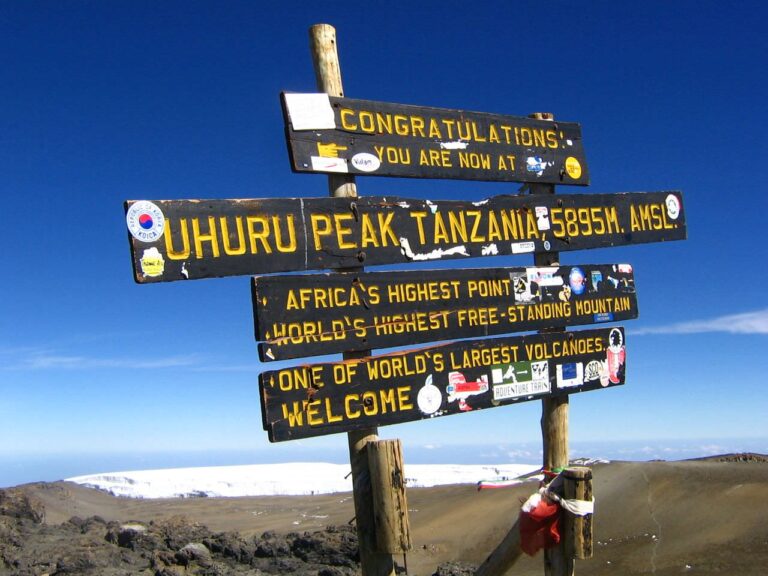
What Does Kilimanjaro Rainforest Look Like? A Trekkers Visual Guide 2026-2027
The Kilimanjaro rainforest is a vibrant, humid zone of dense vegetation, towering trees, and diverse plant life found on the mountain's lower slopes. It's the first major ecosystem trekkers...
View package details
Kilimanjaro Climb With A Personal Support Assistant: Your Ultimate Guide
Climbing Mount Kilimanjaro with a personal support assistant offers unparalleled safety, comfort, and focus on your summit goals. This guide details what a personal assistant entails, its...
View package details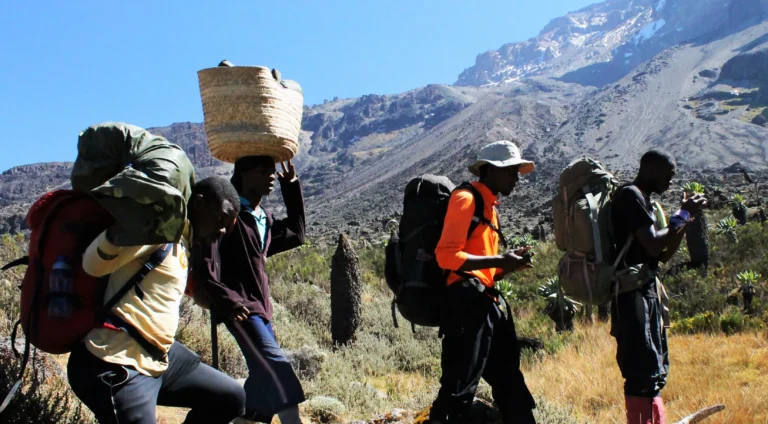
How To Know Whether You Are Ready For Kilimanjaro: A Comprehensive Guide
Climbing Mount Kilimanjaro is a significant undertaking. This guide helps you evaluate your physical, mental, and logistical readiness to ensure a safe and successful trek in 2026 or 2027...
View package details
Kilimanjaro Hydration Mistakes Climbers Make And How To Avoid Them 2026-2027
Proper hydration is critical for a successful Kilimanjaro climb. This guide details common hydration mistakes climbers make, from under-drinking to choosing the wrong fluids, and provides...
View package details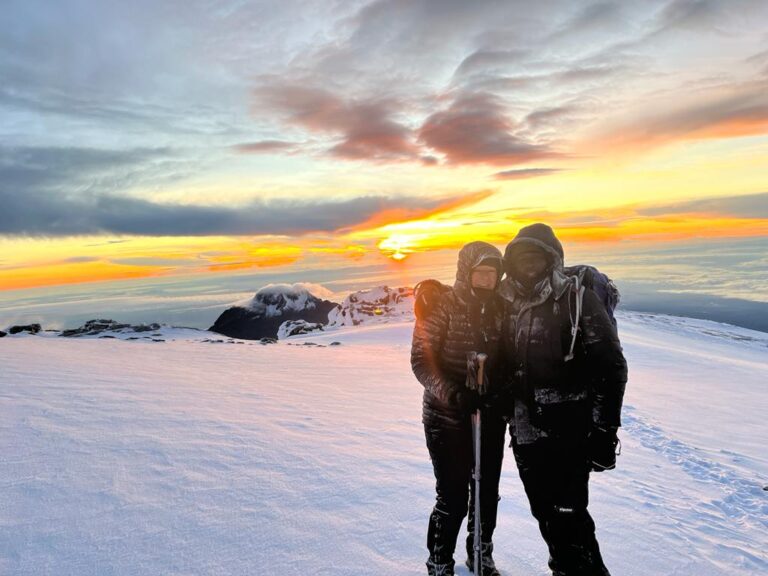
Kilimanjaro Altitude-Sickness Mistakes 2026-2027
Kilimanjaro Altitude-Sickness Mistakes is explained with current 2026-2027 planning, price, itinerary and booking information.
View package details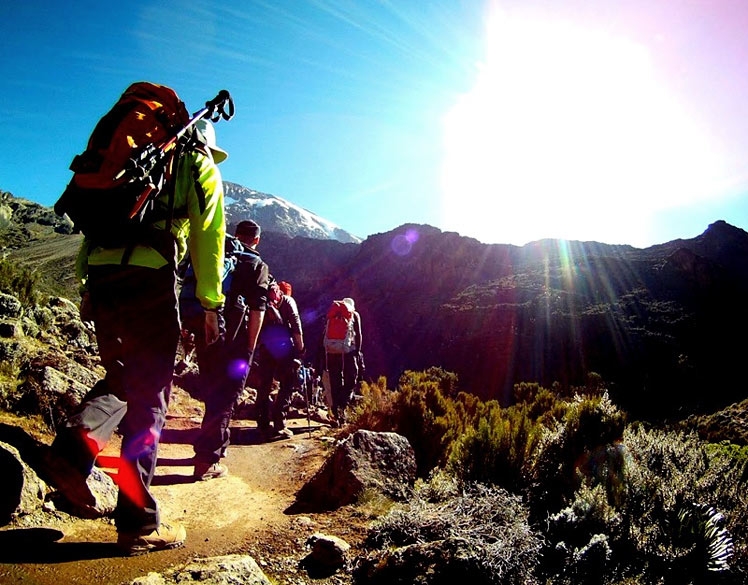
Kilimanjaro Summit-Night Mistakes To Avoid: Your Essential Guide For Climbs
Summit night on Kilimanjaro is the most challenging part of the climb. Avoiding common mistakes in acclimatization, gear, hydration, and pacing is crucial for success. This guide details...
View package details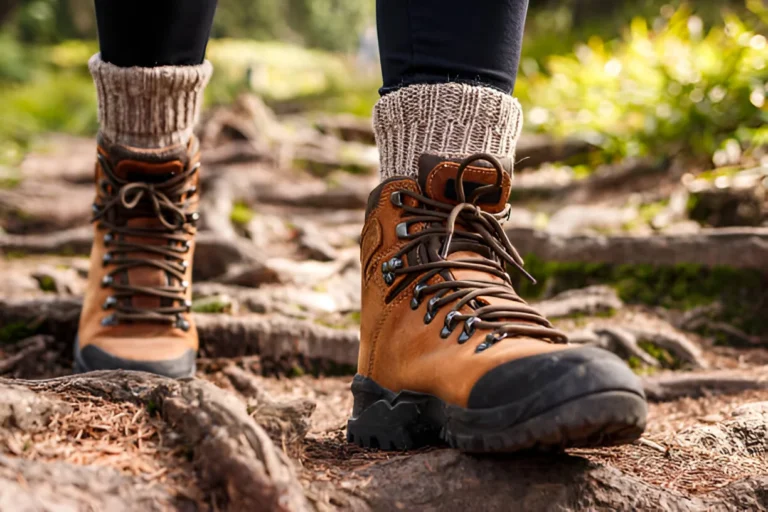
Kilimanjaro Training Mistakes That Reduce Summit Success 2026-2027
Kilimanjaro Training Mistakes that Reduce Summit Success is explained with current 2026-2027 planning, price, itinerary and booking information.
View package details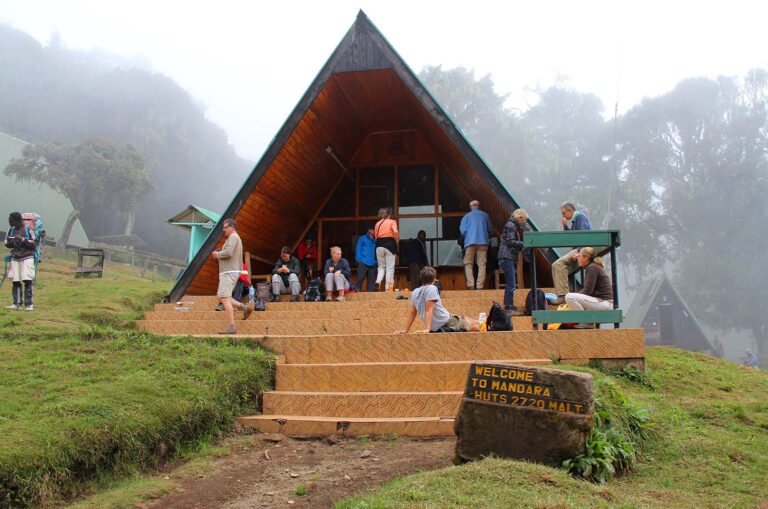
Kilimanjaro Personal Porter Vs Standard Support 2026-2027
Kilimanjaro Personal Porter vs Standard Porter Support is explained with current 2026-2027 planning, price, itinerary and booking information.
View package details
Kilimanjaro Airport Vs Arusha For Climbers: The Definitive Guide 2026-2027
A comprehensive comparison of Kilimanjaro International Airport (JRO) and Arusha Airport (ARK) for trekkers planning a Mount Kilimanjaro climb, detailing pros, cons, and booking advice for...
View package details
Kilimanjaro Climb For Retired Couples: Planning Your Adventure 2026-2027
Planning a Kilimanjaro climb as a retired couple is an achievable and rewarding goal. This guide offers in-depth advice on route selection, physical preparation, essential gear, and the...
View package detailsNo related package matches those filters. Clear one or more filters to see the other topic-matched options.



