
Packing for Kilimanjaro in June requires a focus on versatile layering to manage the diverse weather conditions, from potentially wet conditions at the start to extreme cold at the summit. Key items include waterproof outer shells, warm mid-layers like fleece or down, moisture-wicking base layers, sturdy hiking boots, and essential accessories such as a warm hat, gloves, and sunglasses. Proper gear selection is critical for comfort and safety during your 2026 or 2027 climb.
Understanding Kilimanjaro’s June Climate for Optimal Packing
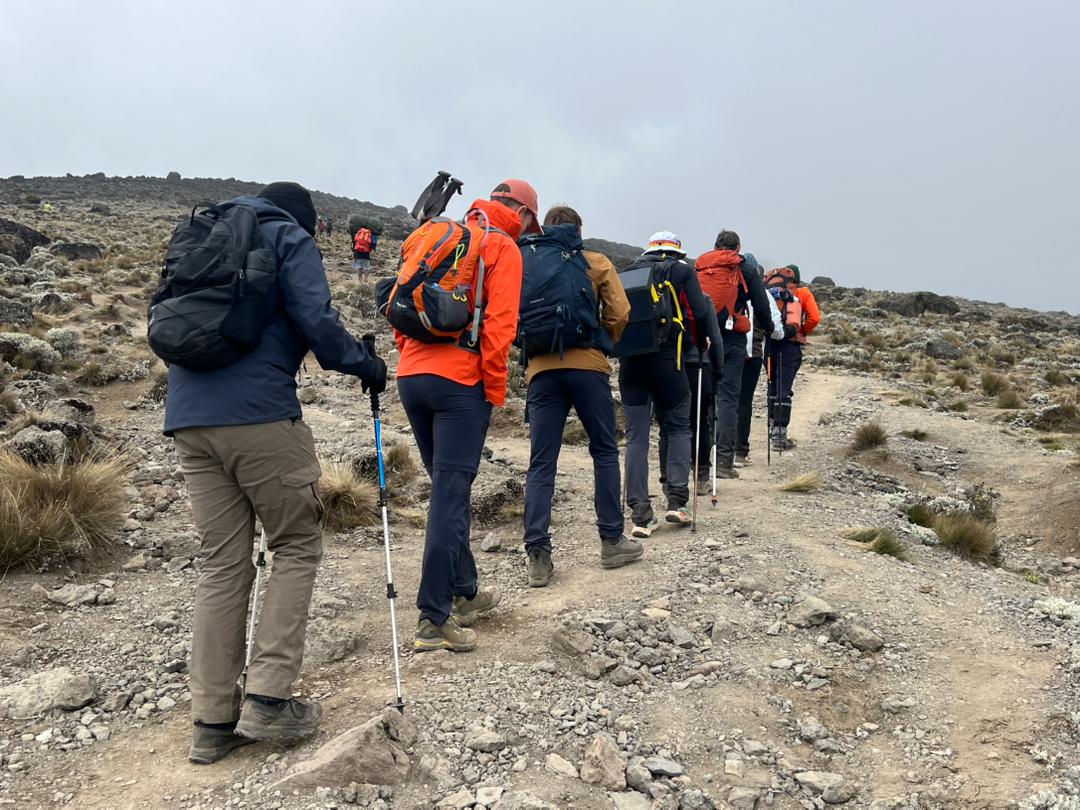
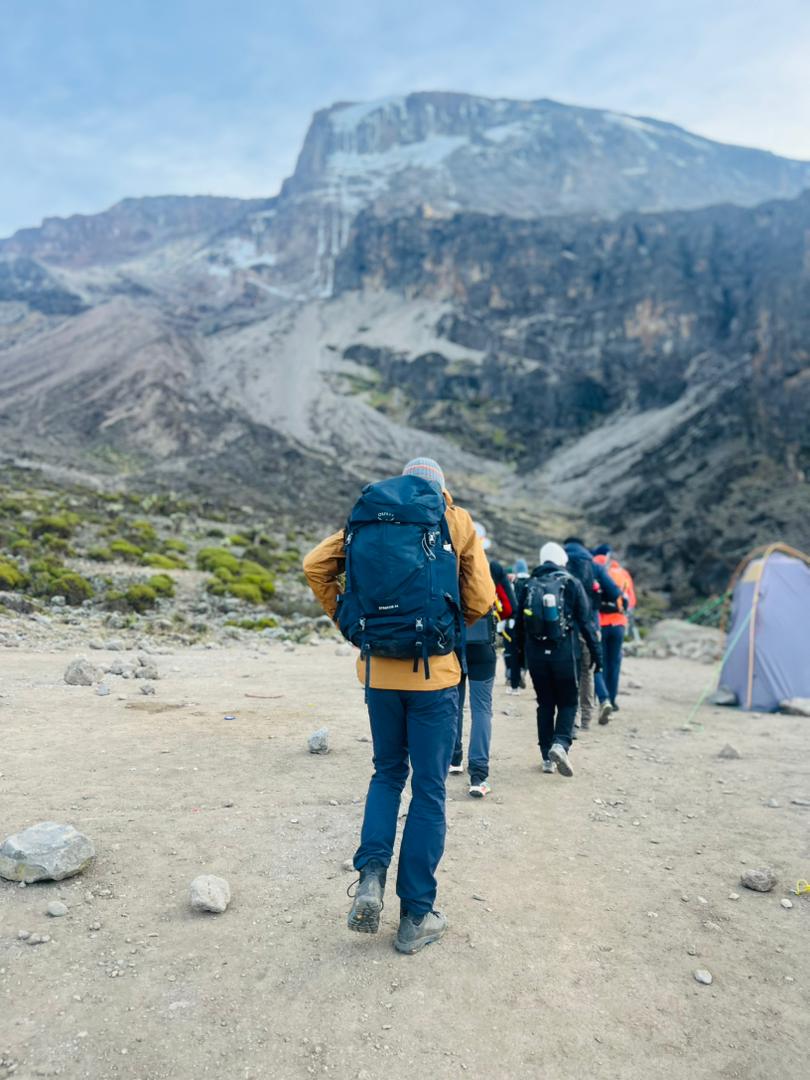
June marks the beginning of Kilimanjaro’s dry season, a popular time for ascents. However, “dry” on Kilimanjaro doesn’t mean uniformly pleasant. The mountain’s microclimates mean you can experience a wide range of temperatures and conditions in a single day, and especially across different altitudes. For a June Kilimanjaro packing and layering guide, understanding this variability is paramount. Expect cool to mild temperatures in the lower rainforest zone, increasingly cold as you ascend through the moorland and alpine desert, and extremely frigid conditions on summit night. While June is drier than the preceding rainy seasons, there’s still a chance of rain, particularly in the lower reaches, and snow is common at higher elevations, especially around the crater rim and summit.
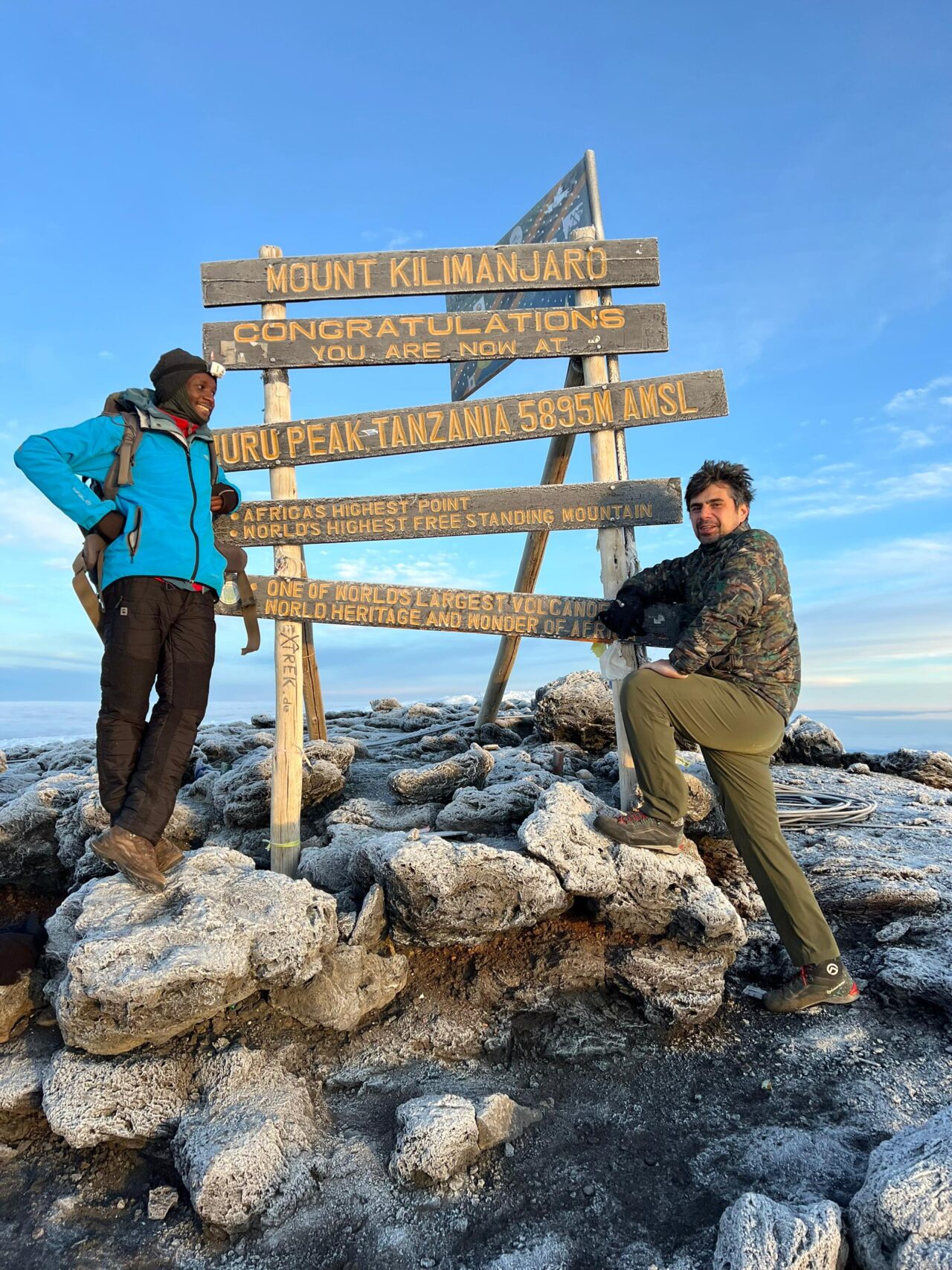
The daytime temperatures in June can range from around 10-20°C (50-68°F) at the base to near freezing (0°C or 32°F) at higher camps. However, the summit, Uhuru Peak, can feel much colder due to wind chill and altitude, often dropping to -10°C to -20°C (14°F to -4°F) or even lower. This temperature swing is precisely why a robust layering strategy is the cornerstone of any effective Kilimanjaro packing list for June.
The Importance of Layering for June Treks
Layering is not just a recommendation; it’s a survival strategy on Kilimanjaro. It allows you to adapt to changing temperatures and exertion levels without overheating or becoming dangerously chilled. The principle is simple: build layers that can be added or removed as needed. This system typically involves three main types of layers:
- Base Layer: This is the layer closest to your skin. Its primary function is to wick moisture (sweat) away from your body to keep you dry and prevent hypothermia. Cotton is a poor choice as it retains moisture. Look for synthetic materials like polyester or merino wool.
- Mid Layer: This layer provides insulation. It traps body heat to keep you warm. Common options include fleece jackets, vests, or down jackets. You might wear one or more mid-layers depending on the temperature.
- Outer Layer (Shell): This is your protection against the elements – wind and rain. A waterproof and windproof jacket and trousers are essential. This layer should also be breathable to allow some moisture vapor to escape.
For a June Kilimanjaro packing and layering guide, this system is even more critical. While June is drier, unpredictable weather can still bring rain, and the wind at higher altitudes can be relentless. Your ability to adjust these layers quickly will significantly impact your comfort and energy levels throughout the climb.
Essential Clothing Items for Your June Kilimanjaro Expedition
When assembling your packing list for Kilimanjaro in June, focus on quality, functionality, and weight. Remember that you’ll have porters carrying the bulk of your gear, but your daypack contents and personal clothing choices are entirely up to you and directly impact your experience.
Base Layers: The Foundation of Warmth and Dryness
Your base layers are the first line of defense against the cold and sweat. For June, packing several sets is advisable, as you’ll likely sweat during the day’s trek and might need a dry set for sleeping. Prioritize moisture-wicking properties.
- Long-Sleeve Tops: 2-3 moisture-wicking tops (synthetic or merino wool). These are crucial for regulating body temperature and wicking sweat.
- Bottoms: 2-3 pairs of moisture-wicking leggings or thermal bottoms. These will be worn under your hiking trousers on colder days or for sleeping.
Top Tip for June: While merino wool is excellent, it can be more expensive. High-quality synthetic base layers offer a great balance of performance and affordability for your 2026 or 2027 Kilimanjaro adventure.
Mid Layers: Insulation for Colder Zones
These layers are designed to keep you warm by trapping air. You’ll likely use these as you gain altitude, especially in the alpine desert and on summit night. Having options allows for fine-tuning your warmth.
- Fleece Jacket/Pullover: 1-2 medium-weight fleece jackets (e.g., Polartec 100 or 200). These are versatile, breathable, and provide good warmth without excessive bulk.
- Insulated Jacket: 1 warm, packable insulated jacket (down or synthetic fill). This is your primary warmth layer for evenings and summit attempts. A down jacket offers superior warmth-to-weight ratio but loses insulation when wet; synthetic fills perform better in damp conditions, which might still occur in June’s lower altitudes. Ensure it has a hood for extra protection.
Consideration for June: A good quality fleece is indispensable. For the insulated jacket, choose one that compresses well into your duffel bag. Many climbers opt for a 600-800 fill power down jacket for excellent warmth.
Outer Layer: Protection Against the Elements
This is your shield against wind and rain, critical even in June. Breathability is key here to prevent sweat buildup inside.
- Waterproof & Windproof Jacket: A high-quality, breathable, waterproof jacket with a hood (e.g., Gore-Tex or similar). Ensure it’s roomy enough to fit over your mid-layers. Look for features like adjustable cuffs, a drawcord hem, and pit zips for ventilation.
- Waterproof & Windproof Trousers: Full-length, waterproof and windproof trousers. Side zippers are highly recommended, allowing you to put them on or take them off without removing your boots – a huge advantage on the mountain.
June Specifics: While June is drier, don’t underestimate the need for robust waterproofs. Unexpected showers can occur, and the wind at higher elevations is formidable. Ensure your outer shell is truly waterproof, not just water-resistant.
Trekking Trousers and Shorts
Comfort and functionality are key for your legwear.
- Hiking Trousers: 2-3 pairs of comfortable, quick-drying hiking trousers. Lightweight, breathable materials are best. Avoid jeans. Convertible trousers (that zip off into shorts) can be useful for varying temperatures, especially in the lower zones.
- Shorts (Optional): 1 pair of hiking shorts. These might be used on the first day or two in the rainforest if temperatures are warm, but they are generally not recommended for the majority of the climb due to cooler temperatures and potential for insect bites.
Packing for June: Focus on trousers that offer good freedom of movement and protection. The convertible option adds flexibility for the initial ascent stages.
Shirts and Tops
Beyond base layers, you’ll need tops for less demanding parts of the trek or for wearing around camp.
- T-shirts: 2-3 moisture-wicking t-shirts (synthetic or merino wool). These are good for the initial trek days when you’re exerting yourself and temperatures are milder.
- Comfortable Shirt: 1 comfortable long-sleeved shirt for evenings or sun protection. A lightweight, breathable material is ideal.
Footwear: The Most Critical Gear
Your feet are your most important asset on Kilimanjaro. Investing in good quality, broken-in footwear is non-negotiable. For a June climb, consider the potential for varied terrain and temperatures.
- Hiking Boots: Sturdy, waterproof, mid-to-high cut hiking boots. These should provide excellent ankle support and grip. Crucially, these must be well broken-in before your trek to avoid blisters. Ensure they are large enough to accommodate thick socks and potential foot swelling.
- Camp Shoes: Lightweight trainers, trail runners, or sturdy sandals for wearing around camp. This allows your feet to breathe and recover after a day in boots.
- Socks: 5-7 pairs of high-quality hiking socks (wool or synthetic blend). Avoid cotton. Bring a mix of medium and thick weights.
- Liner Socks (Optional): 2-3 pairs of thin liner socks. These can help prevent blisters by reducing friction when worn under your main hiking socks.
June Footwear Advice: Ensure your boots are waterproof. While June is drier, you may encounter muddy sections or stream crossings, and snow/ice near the summit. Well-worn boots are more important than brand new ones, regardless of the month.
Headwear: Protection and Warmth
Your head loses a lot of heat, and also needs protection from the sun.
- Warm Hat: 1 fleece or wool hat that covers your ears. Essential for cold evenings and summit night.
- Sun Hat: 1 wide-brimmed hat or cap for sun protection during the day.
- Balaclava or Buff: 1-2 balaclavas or neck gaiters (Buffs). These are incredibly versatile for protecting your face, neck, and ears from sun, wind, and cold. A balaclava is particularly useful for summit night.
June Focus: The sun can be intense at altitude, even if it feels cool. Ensure you have adequate sun protection. For summit night, a balaclava is a must-have for warmth and wind protection.
Gloves: Keeping Your Hands Functional
Cold hands can quickly become a problem, affecting your ability to use essential gear. Layering applies to gloves too.
- Lightweight Gloves: 1 pair of liner gloves (fleece or wool). Good for dexterity in milder conditions or as a base layer.
- Warm Waterproof Gloves/Mittens: 1 pair of heavily insulated, waterproof and windproof gloves or mittens. Mittens are generally warmer than gloves as they keep fingers together. These are essential for summit night and high altitudes.
June Recommendation: Having both a lighter pair and a very warm, waterproof pair is ideal. This allows you to adapt to the temperature fluctuations. Ensure your warm gloves are genuinely waterproof.
Essential Gear for Your Kilimanjaro Climb in June
Beyond clothing, specific gear is necessary for safety, comfort, and navigation. For a June Kilimanjaro packing and layering guide, consider items that will help you deal with potentially challenging conditions.
Backpacks: Daypack and Duffel Bag
You’ll need two main bags:
- Duffel Bag: 1 large, waterproof duffel bag (80-100 liters). This is where the porters will carry the majority of your gear. Ensure it’s durable and water-resistant, as it may be exposed to rain.
- Daypack: 1 comfortable, well-fitting daypack (30-40 liters). This is what you’ll carry with you daily, holding water, snacks, rain gear, warm layers, sunscreen, camera, and other essentials. It should have a good hip belt and padded shoulder straps. A rain cover for the daypack is also recommended.
June Packing Tip: Make sure your duffel bag is clearly labeled with your name. Porters are responsible for many bags, and easy identification is key.
Sleeping Gear: Staying Warm at Night
While your tour operator usually provides sleeping mats, you’ll need your own sleeping bag and potentially a liner.
- Sleeping Bag: A 4-season (rated to at least -10°C or 14°F, preferably -15°C or 5°F) sleeping bag is essential for Kilimanjaro, especially for a June climb where nights are cold. Down or synthetic fill options are available.
- Sleeping Bag Liner: A silk or fleece liner can add extra warmth to your sleeping bag and help keep it cleaner.
June Consideration: Temperatures at night can plummet, especially at higher camps like Kibo Hut. A good quality, warm sleeping bag is paramount. Consider renting one if you don’t plan to use it again, but ensure it meets the recommended temperature rating.
Trekking Poles: Support and Stability
Trekking poles can significantly reduce strain on your knees and improve balance, especially on descents.
- Trekking Poles: 1 pair of adjustable, sturdy trekking poles.
Why they are useful for June: They are beneficial year-round, but particularly helpful on potentially slippery or uneven terrain that can occur even in June’s drier conditions, and invaluable for stability on steep ascents and descents.
Hydration: Staying Watered
Hydration is critical for acclimatization and performance.
- Water Bottles/Hydration Reservoir: 2-3 liters total capacity. This could be Nalgene bottles or a hydration bladder with an insulated tube (to prevent freezing at high altitudes).
- Water Purification: Water purification tablets or a filter. While guides often provide boiled water, having a backup is wise.
June Hydration Note: Even in the dry season, dehydration is a risk. Ensure you drink plenty of water. Insulated hoses for hydration bladders are recommended to prevent freezing on summit night.
Headlamp: Essential for Darkness
A reliable headlamp is vital for navigating in the dark, especially during early morning starts and summit night.
- Headlamp: 1 bright, reliable headlamp with extra batteries.
June Summit Night: You’ll be starting your summit push well before dawn. A powerful headlamp is non-negotiable for safety and visibility.
Sun Protection: Even in Cooler Months
The sun’s UV rays are intense at high altitudes, regardless of the temperature.
- Sunscreen: High SPF (30+) broad-spectrum sunscreen.
- Lip Balm: With SPF protection.
- Sunglasses: High-quality sunglasses with UV protection. Wrap-around style is best for wind and glare.
June Climate: While it might not feel as hot as in other seasons, the sun’s intensity at altitude is a significant factor. Don’t skip these essentials.
Personal Items and Toiletries
Keep these to a minimum to save weight, but don’t forget the essentials.
- Toiletries: Travel-sized toothbrush, toothpaste, biodegradable soap, small quick-dry towel, hand sanitizer, wet wipes.
- Personal First-Aid Kit: Include blister treatment (moleskin, Compeed), pain relievers (ibuprofen, paracetamol), antiseptic wipes, bandages, any personal medications.
- Toilet Paper: A few rolls, kept in a waterproof bag.
- Camera and Batteries: To capture the stunning views. Consider spare batteries, as cold drains them faster.
- Power Bank: For charging electronics.
- Book/Journal: For downtime.
June Packing Tip: Pack toiletries in a waterproof bag. Wet wipes are invaluable for staying fresh when water is scarce.
Footwear and Sock Strategy for Kilimanjaro in June
The importance of proper footwear and sock systems cannot be overstated for any Kilimanjaro climb, and June is no exception. The terrain varies dramatically, from muddy trails in the rainforest to scree slopes in the alpine desert and potentially icy or snowy conditions near the summit. Getting this right ensures comfort, prevents blisters, and maintains warmth.
Choosing Your Hiking Boots
For your June Kilimanjaro packing, focus on:
- Waterproofing: Essential. Look for boots with a Gore-Tex lining or similar waterproof membrane. Even in June, you can encounter unexpected rain or stream crossings.
- Ankle Support: Mid-to-high cut boots are recommended to provide stability on uneven terrain and reduce the risk of ankle injuries.
- Sole Grip: A robust, grippy sole is crucial for traction on varied surfaces, from slippery mud to loose scree. Vibram soles are a common and reliable choice.
- Fit: This is paramount. Your boots must fit snugly but not tightly, with enough room in the toe box for your toes to wiggle, especially when descending. Try them on with the type of socks you’ll be wearing.
- Break-in Period: This cannot be stressed enough. Wear your boots on several long hikes before your trip. New boots will almost certainly lead to blisters and discomfort.
June Specifics: While June is generally drier, snow and ice are common on the summit cone. Your boots should be capable of handling these conditions. If you anticipate significant snow or ice, consider boots that can accommodate gaiters.
The Role of Socks
Socks are your second line of defense for foot comfort and health. They manage moisture, provide cushioning, and prevent friction.
- Material: Always choose moisture-wicking materials like merino wool or synthetic blends. Absolutely avoid cotton socks, as they retain moisture, leading to blisters and cold feet.
- Weight: Bring a variety of weights. Medium-weight socks are good for general trekking. Thicker, cushioned socks are excellent for colder days and summit night.
- Quantity: Pack at least 5-7 pairs. The idea is to change into dry socks whenever possible, especially at camp or during breaks if your feet get sweaty. This significantly reduces the risk of blisters.
Liner Socks: An Extra Layer of Protection
Many trekkers find wearing thin liner socks (often made of silk or synthetic material) under their main hiking socks beneficial. They:
- Wick Moisture: Further draw sweat away from the skin.
- Reduce Friction: The liner sock slides against the hiking sock, rather than your skin sliding against the sock, minimizing blister-causing friction.
Recommendation for June: If you are prone to blisters or have sensitive feet, liner socks are a highly recommended addition to your June Kilimanjaro packing list.
Camp Shoes
Once you reach camp, changing out of your hiking boots into something more comfortable is a welcome relief. This allows your feet to breathe and rest.
- Options: Lightweight trainers, sturdy sandals (like Tevas or Keens), or even comfortable flip-flops.
- Purpose: Primarily for comfort and hygiene around camp.
June Consideration: Ensure your camp shoes are easy to slip on and off, especially if the ground is cold or wet.
Layering System Deep Dive: Mastering Kilimanjaro’s Microclimates in June
The success of your Kilimanjaro climb in June hinges on your ability to manage temperature fluctuations through an effective layering system. This isn’t just about having warm clothes; it’s about strategically combining them to maintain a stable body temperature, conserve energy, and stay dry.
Base Layer: The Moisture Management Core
Your base layer is the unsung hero. Its job is to pull sweat away from your skin. For June, where you might start in warm rainforest and end in freezing alpine conditions, this is critical.
- Materials: Merino wool is naturally odor-resistant and excellent at wicking, even when damp. Synthetic fabrics (polyester, nylon) are also very effective at wicking and dry faster. Avoid cotton at all costs.
- Weight: Consider lightweight to midweight options. You’ll likely wear these for most of the trek, especially the bottom layers.
- Quantity: Pack 2-3 sets of tops and bottoms. This ensures you always have a dry set for sleeping or for the next day if the previous one is still damp.
June Application: During the rainforest and lower moorland sections, you’ll be exerting yourself, and sweating will occur. Your base layer needs to handle this efficiently. As you ascend, this layer provides the foundational warmth.
Mid Layer: The Versatile Insulator
This is where you build your warmth. You might use one or multiple mid-layers depending on the temperature and your exertion level.
- Fleece: A mid-weight fleece jacket (like a Polartec 100 or 200) is a workhorse. It’s breathable, provides good insulation, and is comfortable. Pack one or two.
- Insulated Jacket: A down or synthetic insulated jacket is your primary warmth provider for when you stop moving, during evenings at camp, and critically, for summit night. Look for a jacket with a hood for maximum protection. A jacket with a fill power of 600-800 for down, or equivalent synthetic, is recommended.
- Vests: A fleece or insulated vest can be a good addition for core warmth without adding bulk to the arms.
June Strategy: On a cold morning, you might wear a base layer, a fleece, and potentially your insulated jacket. As you warm up, you can shed the fleece, or even just the insulated jacket, while keeping the base layer on. This adaptability is key.
Outer Layer: The Element Shield
This layer protects you from wind and precipitation. For June, while it’s the dry season, wind is a constant factor at higher altitudes, and rain is still possible, especially lower down.
- Waterproof/Windproof Jacket: A breathable, waterproof jacket (like Gore-Tex) is essential. It must be large enough to fit comfortably over your mid-layers. Features like pit zips for ventilation, adjustable cuffs, and a hem drawcord are important.
- Waterproof/Windproof Trousers: Full-length, waterproof and windproof trousers are critical. Side zippers are a major convenience, allowing you to put them on or take them off over your boots.
June Application: The outer layer is your safeguard against the harsh elements. On summit night, it’s your final defense against biting winds and freezing temperatures. Ensure it’s truly waterproof and windproof.
Putting It All Together: Sample Layering Scenarios for June
Here’s how you might combine your layers throughout a typical June day on Kilimanjaro:
- Start of Day (Rainforest/Moorland, Cool Morning): Base layer top and bottom + hiking trousers + fleece jacket.
- Mid-day Trekking (Exerting, Sunny): Base layer top + hiking trousers. Shed fleece if too warm.
- Afternoon Trekking (Cooling Down): Base layer top + hiking trousers + fleece jacket. Add waterproof shell if rain or strong wind appears.
- Camp Evening (Cold): Base layer top and bottom + fleece + insulated jacket + warm hat and gloves.
- Summit Night (Extreme Cold & Wind): Base layer top and bottom + fleece + insulated jacket + waterproof shell + balaclava + warm hat + warm waterproof gloves/mittens.
Key takeaway for June: Be prepared to adjust your layers frequently. Don’t wait until you’re uncomfortably cold or hot to make changes. Proactive layering is crucial for energy conservation and preventing exhaustion.
Special Considerations for June Kilimanjaro
While June is a great month for climbing, there are specific factors to keep in mind when packing and preparing for your 2026 or 2027 expedition.
Rainfall and Mud
Although June is considered dry, it’s the tail end of the ‘long rains’ and the start of the dry season. This means you can still encounter rain, especially on the lower slopes (rainforest and lower moorland zones). This can lead to muddy trails.
- Waterproof Gear: Your waterproof jacket and trousers are non-negotiable. Ensure they are reliable.
- Footwear: Waterproof boots are essential. Consider gaiters to prevent mud and small stones from entering your boots.
- Trekking Poles: Provide extra stability on slippery, muddy sections.
Temperature Extremes
June offers a wide temperature range:
- Lower Slopes: Can be mild to warm, perhaps 15-20°C (59-68°F) during the day.
- Higher Altitudes & Summit: Can be well below freezing, especially at night and on summit day, with wind chill making it feel significantly colder (-10°C to -20°C / 14°F to -4°F).
Packing Implication: This reinforces the need for a comprehensive layering system, from lightweight moisture-wicking tops to a heavy-duty insulated jacket and warm accessories.
Crowds and Availability
June is a popular month due to the favorable weather, so expect company on the trails and at the huts. Booking your climb well in advance for 2026 or 2027 is highly recommended to secure your preferred dates and routes.
- Booking Window: Aim to book at least 6-12 months in advance for peak season climbs.
- Flexibility: Be prepared for busy campsites and huts.
Sun Intensity
The sun at high altitude is extremely powerful, even when the air temperature is cool. June’s clear skies can mean intense UV exposure.
- Sun Protection: Always use high SPF sunscreen, lip balm with SPF, and wear a wide-brimmed hat and sunglasses.
- Hydration: Drink plenty of water to combat dehydration, which can be exacerbated by sun exposure.
What Not to Pack for Kilimanjaro in June
Packing smart also means knowing what to leave behind. Overpacking adds unnecessary weight, which can be a burden for you and your porters.
- Cotton Clothing: As mentioned repeatedly, cotton is the enemy of comfort and safety on the mountain. It absorbs moisture and stays wet, leading to chills and blisters.
- Jeans or Heavy Cotton Trousers: Too restrictive, heavy, and slow to dry.
- Brand New, Unbroken-in Boots: A recipe for disaster.
- Valuables: Leave expensive jewelry, watches, or electronics at home. You won’t need them, and they are at risk of loss or damage.
- Excessive Toiletries: Stick to travel sizes. Porters have to carry everything.
- Sleeping Bags Rated Too Low: A bag rated for 0°C (32°F) will likely be insufficient for June summit nights.
- Single-Layer Clothing: Relying on just one or two items is not effective for Kilimanjaro’s varied climate.
Preparing for Summit Night: The Ultimate Test in June
Summit night is the most challenging part of the climb. It typically begins around midnight and involves ascending steep scree slopes in the dark, often in freezing temperatures and high winds, to reach Uhuru Peak by sunrise.
Layering is Paramount
This is where your layering system is pushed to its limits. You will need every layer:
- Base Layers: Fresh, dry base layers are essential.
- Mid Layers: Fleece and your heavily insulated jacket are critical.
- Outer Layer: Your waterproof and windproof shell is your final defense against the extreme cold and wind.
Head and Hand Protection
These extremities are most vulnerable to frostbite.
- Warm Hat: Must cover your ears.
- Balaclava: Essential for protecting your face.
- Neck Gaiter/Buff: Extra protection for your neck.
- Gloves/Mittens: Your warmest, waterproof mittens or gloves are a must. Consider wearing liner gloves inside the mittens for added warmth and dexterity when needed.
Footwear for Summit Night
Your broken-in, waterproof boots are key. Ensure they are not too tight with thick socks, as this can restrict circulation and lead to cold feet or frostbite. Consider bringing spare warm socks to change into if yours become damp.
Hydration and Snacks
Even in the cold, staying hydrated is vital. Your water bottles or hydration reservoir should be insulated to prevent freezing. Easy-to-eat, high-energy snacks are crucial for maintaining energy levels.
Headlamp Reliability
A powerful, reliable headlamp with fresh batteries is non-negotiable. You’ll be walking for several hours in complete darkness.
June Summit Night Tip: Practice putting on and taking off your layers in the cold before your trip. Familiarity will save you time and energy on summit night.
Packing List Summary for June Kilimanjaro
Here’s a consolidated list to guide your packing for a June Kilimanjaro climb. Remember to adjust based on personal preference and specific route choices for 2026 or 2027.
Clothing
- Base Layer Tops (moisture-wicking): 2-3
- Base Layer Bottoms (moisture-wicking): 2-3
- Hiking Trousers (quick-drying): 2-3
- Fleece Jackets (medium weight): 1-2
- Insulated Jacket (down or synthetic, with hood): 1
- Waterproof & Windproof Jacket (breathable): 1
- Waterproof & Windproof Trousers (with side zips): 1
- T-shirts (moisture-wicking): 2-3
- Hiking Socks (wool or synthetic): 5-7 pairs
- Liner Socks (optional): 2-3 pairs
- Camp Shoes/Trainers: 1 pair
- Warm Hat (fleece/wool, covers ears): 1
- Sun Hat (wide-brimmed): 1
- Balaclava or Neck Gaiter: 1-2
- Warm Waterproof Gloves/Mittens: 1 pair
- Liner Gloves (fleece/wool): 1 pair
Gear
- Duffel Bag (waterproof, 80-100L): 1
- Daypack (30-40L, with rain cover): 1
- Sleeping Bag (-15°C / 5°F rating recommended): 1
- Sleeping Bag Liner (silk/fleece, optional): 1
- Trekking Poles (adjustable): 1 pair
- Headlamp (with extra batteries): 1
- Water Bottles/Hydration Reservoir (2-3L total): 1 set
- Water Purification Tablets/Filter: 1
- Sunglasses (UV protection): 1 pair
- Sunscreen (SPF 30+): 1 tube
- Lip Balm (with SPF): 1
- Personal First-Aid Kit: 1
- Toiletries (travel-sized): 1 set
- Quick-dry Towel: 1
- Hand Sanitizer: 1 bottle
- Camera, Power Bank, Batteries: As needed
June Checklist Note: Double-check your gear list against your tour operator’s recommendations. Top Guide Adventures provides detailed pre-departure information to ensure you are fully prepared for your 2026 or 2027 Kilimanjaro climb.
Final Preparations and Booking with Top Guide Adventures
As you finalize your June Kilimanjaro packing and layering strategy, remember that thorough preparation extends beyond gear. Physical fitness, mental readiness, and choosing the right tour operator are equally vital for a successful and enjoyable climb.
At Top Guide Adventures, we are dedicated to providing a safe, well-supported, and memorable Kilimanjaro experience. Our expert guides are highly trained in mountain safety and first aid, and our team ensures all logistical aspects are handled with precision. We understand the nuances of climbing Kilimanjaro in different seasons, including June, and tailor our support to maximize your comfort and chances of reaching the summit.
For your 2026 or 2027 Kilimanjaro adventure, consider the following:
- Route Selection: We offer various routes like Machame, Lemosho, and Marangu, each with its own advantages. Discussing your preferences and fitness level with us will help determine the best fit.
- Pre-Climb Acclimatization: Proper acclimatization is key. Our itineraries are designed to allow for gradual ascent and adequate rest.
- Gear Support: We can advise on gear rental options for items like sleeping bags or warm jackets if you prefer not to purchase them.
- Expert Guidance: Our guides provide invaluable support, encouragement, and essential knowledge throughout your trek.
To discuss your June Kilimanjaro climb, tailor an itinerary for 2026 or 2027, or inquire about our services, please reach out to us:
- WhatsApp: +255616946642
- Email: topguideadventures@gmail.com
- Backup Email: info@topguideadventures.com
Choosing Top Guide Adventures means partnering with a trusted local expert committed to your safety and success on Mount Kilimanjaro. We look forward to helping you plan your incredible journey.
Check Availability for June Kilimanjaro Packing And Layering Guide: What To Wear For Success
Ready to compare dates, prices, and the best option for your group? Send the package name and travel month so the team can reply with a clear quote, availability, and what is included.
December Kilimanjaro Packing Checklist: Essential Gear For Climbs 2026-2027
Prepare for your December Kilimanjaro climb with our comprehensive packing checklist. This guide covers essential gear, clothing, and tips for conquering Africa's highest peak in the dry...
View package details
October Kilimanjaro Waterproof Packing Guide For Climbs 2026-2027
Prepare for your October Kilimanjaro climb with this comprehensive waterproof packing guide. Essential gear and clothing advice for 2026-2027 expeditions.
View package details
September Kilimanjaro Packing Guide 2026-2027
September Kilimanjaro Packing Guide is explained with current 2026-2027 planning, price, itinerary and booking information.
View package details
August Kilimanjaro Packing Checklist: Essential Gear For Your Climb 2026-2027
Prepare for your August Kilimanjaro ascent with this comprehensive packing checklist. Essential gear for varied weather, altitude, and comfort, ensuring a successful climb in 2026-2027.
View package details
July Kilimanjaro Last-Minute Availability Guide
Planning a last-minute Kilimanjaro climb in July 2026 or 2027? This guide covers current availability, best routes, essential packing, and how to secure your spot with Top Guide Adventures.
View package detailsOctober Kilimanjaro Flexible Private Departure: Your Ultimate Guide 2026-2027
Secure your October Kilimanjaro flexible private departure with Top Guide Adventures. This comprehensive guide covers everything from route selection and best practices for your 2026-2027...
View package details
October Kilimanjaro Climb: Fewer Crowds, Great Weather 2026-2027
Planning an October Kilimanjaro climb offers a sweet spot with fewer trekkers and ideal weather conditions. Learn why October is a fantastic month for reaching Uhuru Peak and how to make...
View package detailsOctober Kilimanjaro Luxury Camping Package: Your Ultimate Adventure 2026-2027
Secure your spot on a 2026 or 2027 October Kilimanjaro luxury camping adventure with Top Guide Adventures. This package offers premium service, expert guidance, and a comfortable climb.
View package details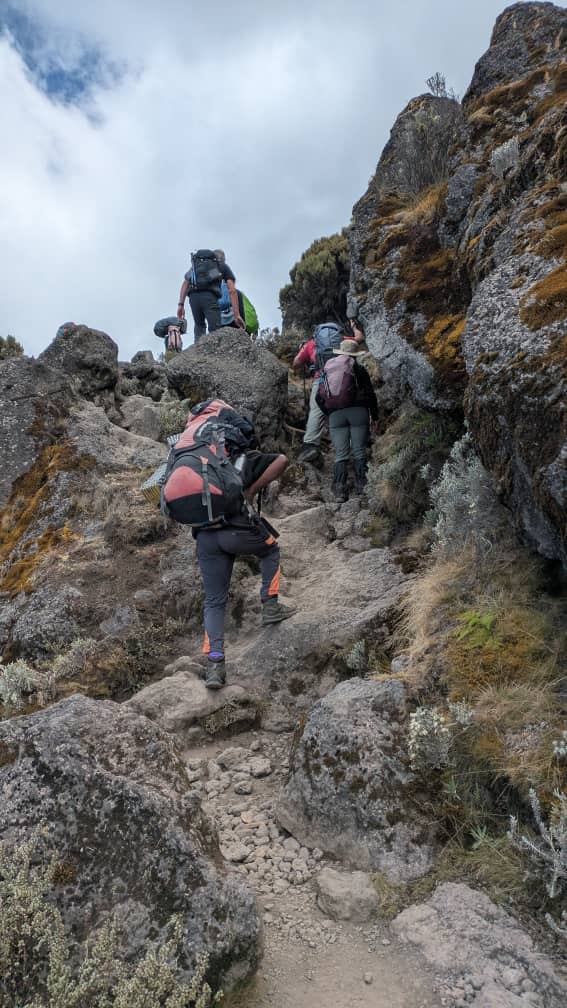
October Kilimanjaro Photography Trek: Your Ultimate Guide 2026-2027
An October Kilimanjaro Photography Trek offers clear skies and fewer crowds, ideal for capturing impressive summit views. This guide details the best routes, essential photography gear, and...
View package details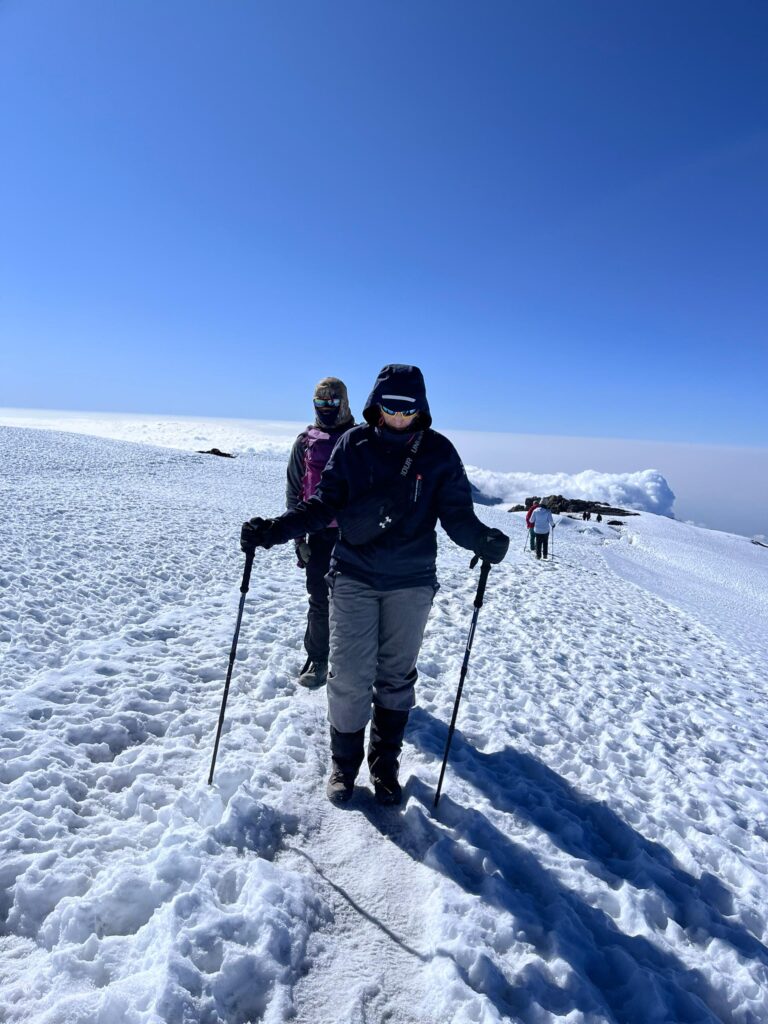
October Kilimanjaro Shoulder-Season Deals 2026-2027
October Kilimanjaro Shoulder-Season Deals is explained with current 2026-2027 planning, price, itinerary and booking information.
View package details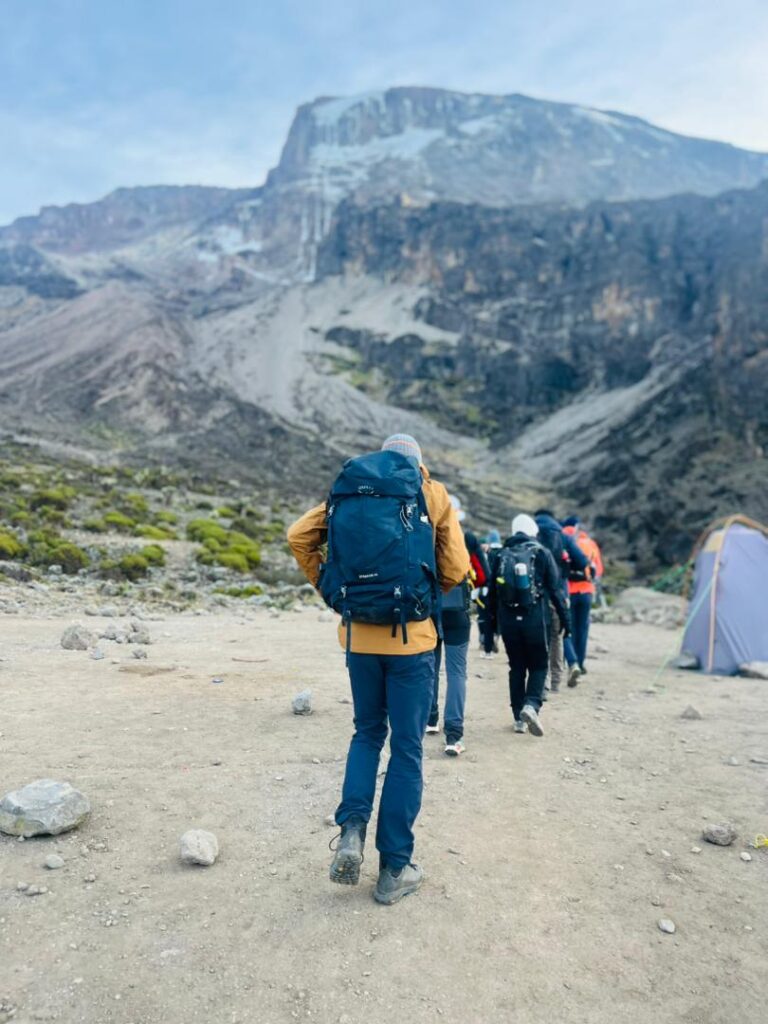
October Kilimanjaro Trail Conditions: Your Expert Guide For 2026-2027
Planning a Kilimanjaro climb in October? This guide details the trail conditions, weather patterns, crowds, and essential preparations for your 2026-2027 adventure.
View package details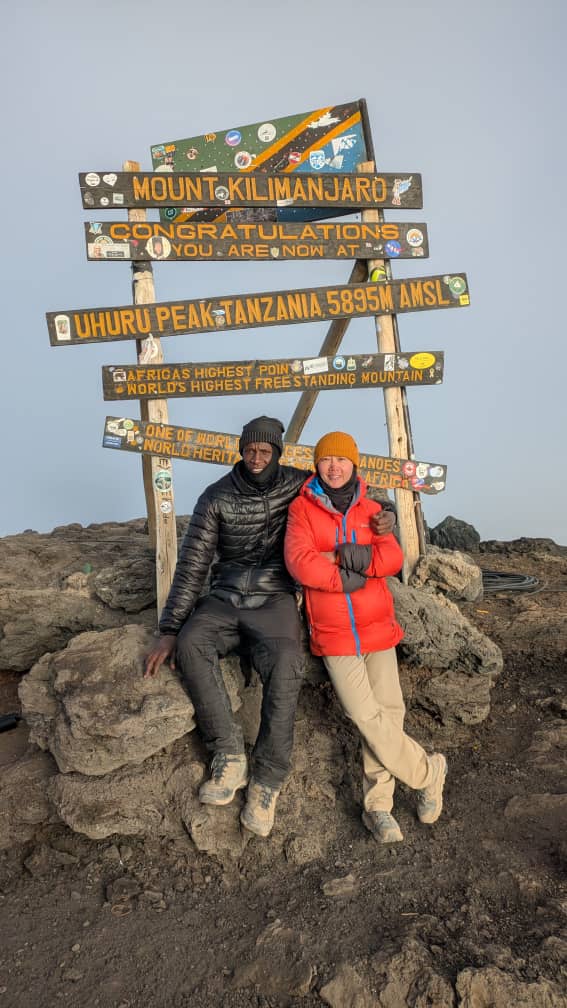
October Kilimanjaro Summit Temperature 2026-2027
October Kilimanjaro Summit Temperature is explained with current 2026-2027 planning, price, itinerary and booking information.
View package detailsNo related package matches those filters. Clear one or more filters to see the other topic-matched options.



