
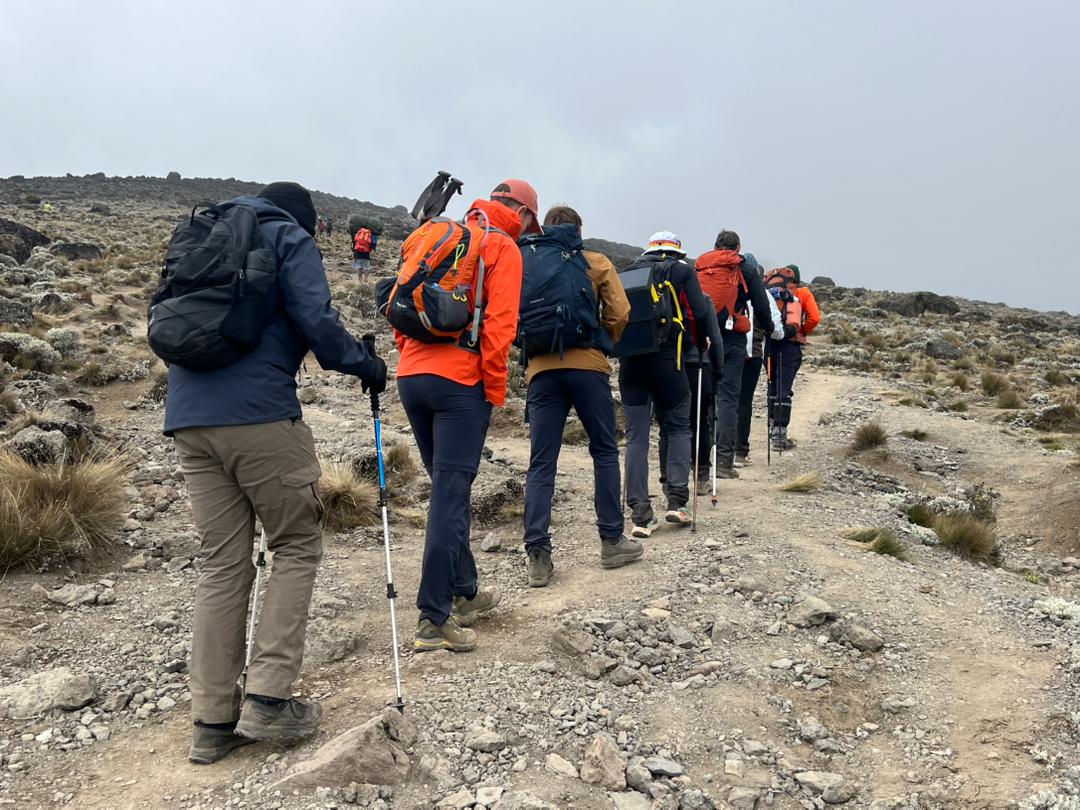
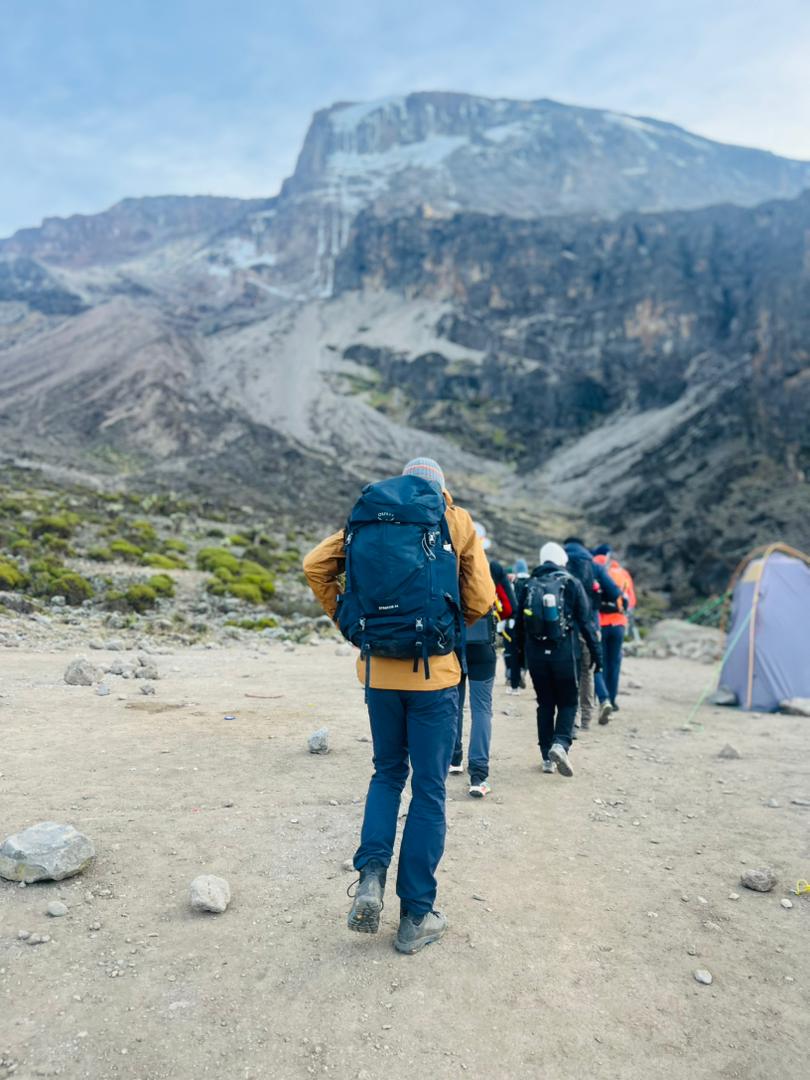
June Kilimanjaro crowd levels are generally moderate, sitting between the peak dry season of January-February and the slightly busier July-August period. Expect fewer trekkers than during the absolute busiest months, making it a good time for those who prefer a more serene climbing experience without compromising significantly on weather conditions. While routes like Machame can still see steady traffic, choosing less popular routes or specific dates within June 2026 or 2027 can further reduce encounters with other climbers.
Understanding Kilimanjaro’s Climbing Seasons and Crowd Dynamics
Mount Kilimanjaro, Africa’s highest peak and a bucket-list destination for trekkers worldwide, experiences distinct climbing seasons. These seasons are primarily dictated by rainfall patterns and temperature fluctuations, which in turn significantly influence the number of climbers attempting the ascent. Understanding these dynamics is crucial for planning a successful and enjoyable expedition, especially if you’re aiming to avoid the most congested periods. When we talk about June Kilimanjaro crowd levels, we’re looking at a period that often strikes a balance between favorable weather and manageable numbers of trekkers on the mountain.
Kilimanjaro’s climate is broadly divided into two dry seasons and two wet seasons. The primary dry seasons, offering the clearest skies and most stable weather, are typically from January to early March and from June to October. The wet seasons fall between late March and May (the ‘long rains’) and from November to December (the ‘short rains’). Naturally, the dry seasons attract the majority of climbers, leading to higher crowd levels. However, within these busy periods, there are nuances. The absolute peak often occurs around the Christmas and New Year holidays and the months of July and August, which coincide with summer holidays in Europe and North America.
June falls at the beginning of the second major dry season. This positioning means it benefits from the receding long rains and the onset of clearer, drier conditions. As a result, it’s a popular month, but often not as intensely crowded as the mid-summer months of July and August. For trekkers in 2026 and 2027 looking for a good combination of good weather and a less crowded trail, June presents a compelling option. The exact crowd levels can, however, vary depending on the specific route chosen, the day of the week you start, and whether you opt for a private or a group climb.
June Weather on Kilimanjaro: A Closer Look
The weather on Kilimanjaro is a critical factor influencing climber decisions and, consequently, crowd levels. June marks the transition from the long rainy season to the dry season. While the rains typically subside by the end of May, early June can sometimes still experience residual moisture, leading to occasional cloud cover or brief showers, particularly on the lower slopes. However, as the month progresses, conditions generally become much drier and clearer.
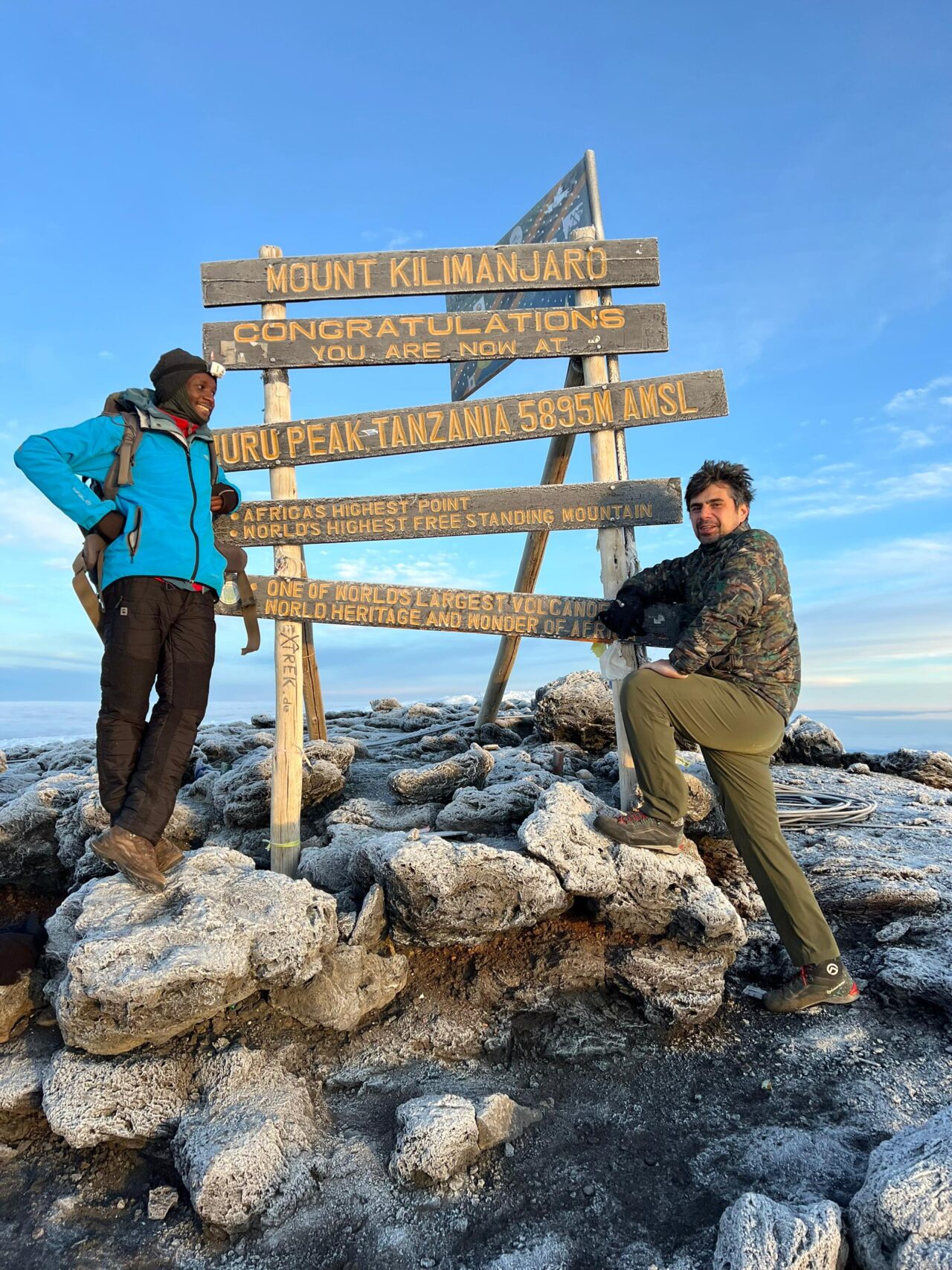
Temperatures in June are generally mild to cool, especially at higher altitudes. The summit of Kilimanjaro, Uhuru Peak (5,895 meters / 19,341 feet), will be extremely cold, with temperatures often dropping well below freezing, sometimes reaching -10°C to -20°C (14°F to -4°F) or even colder, particularly at night and during the early morning summit push. The lower slopes and campsites will be more temperate, perhaps ranging from 10°C to 20°C (50°F to 68°F) during the day, cooling significantly after sunset.
Visibility in June is usually excellent. The dry air means that cloud cover is less prevalent, offering stunning panoramic views of the surrounding landscape, including Mount Meru and, on exceptionally clear days, the vast plains of Tsavo. This improved visibility is a major draw for climbers and contributes to June’s popularity. The lack of persistent rain also means trails are less muddy and slippery, improving the trekking experience and reducing the risk of delays or difficult conditions. For those planning their June Kilimanjaro climb in 2026 or 2027, this generally reliable weather pattern is a significant advantage.
Kilimanjaro Routes and Their Impact on June Crowds
The route you choose for your Kilimanjaro ascent plays a significant role in the number of people you’ll encounter, particularly during a month like June. Some routes are inherently more popular due to their accessibility, acclimatization profiles, or perceived difficulty.
- Machame Route: This is arguably the most popular route on Kilimanjaro, often referred to as the ‘Whiskey Route’. It’s known for its excellent scenery and good acclimatization profile. Because of its popularity, even in June, you are likely to see a steady stream of climbers, especially on the lower sections and at popular campsites. However, compared to July or August, the numbers will be somewhat reduced.
- Marangu Route: Known as the ‘Coca-Cola’ route, this is the oldest and most direct route. It’s also the only route that offers dormitory-style accommodation in huts rather than camping. Its shorter duration and perceived ease make it popular, but its lower success rate due to poor acclimatization means fewer people complete the summit. In June, it can still be busy, particularly the initial stages.
- Lemosho Route: This route is highly regarded for its scenic beauty and excellent acclimatization. It starts on the western side of the mountain and joins the Machame route. While it’s gaining popularity, it is generally less crowded than Machame or Marangu, especially in its early days. This makes it a good choice for those seeking a slightly quieter experience in June.
- Shira Route: Similar to Lemosho, Shira also starts on the western side and is known for its high starting altitude. It’s often combined with other routes. Crowds are generally moderate.
- Rongai Route: This route approaches Kilimanjaro from the north, in Kenya. It’s known for being drier and less scenic in its early stages compared to western routes, but it offers a different perspective and can be less crowded, especially during the shoulder seasons. June can be a good time to consider Rongai if you’re aiming for fewer people.
- Northern Circuit: This is the longest route and offers the best acclimatization and highest success rates. Due to its longer duration (9-10 days) and higher cost, it attracts fewer climbers overall. Therefore, even in June, the Northern Circuit is likely to offer the most solitary experience.
- Umbwe Route: This is the shortest, steepest, and most challenging route. It has a very poor acclimatization profile and is only recommended for experienced high-altitude hikers. Due to its difficulty, it naturally has very few climbers, making it the least crowded option year-round, including June.
For June Kilimanjaro crowd levels in 2026-2027, if you prioritize solitude, the Northern Circuit or Rongai routes are excellent choices. If you’re looking for a balance of scenery and manageable crowds, Lemosho is a strong contender. Machame will be busy but likely less so than in July or August.
Pro Tip for Avoiding Crowds in June
To further minimize encounters with other trekkers during your June Kilimanjaro climb, consider scheduling your trek to start on a weekday (e.g., a Tuesday or Wednesday) rather than a weekend. Many group tours are scheduled to begin on specific days, and starting mid-week can sometimes mean fewer groups depart on the same day as you.
Comparing June to Other Months: Crowd Levels at a Glance
To truly appreciate the June Kilimanjaro crowd levels, it’s helpful to compare it with other months. This provides context and helps in making an informed decision for your 2026 or 2027 expedition.
January-February: These months fall within the first major dry season. They are very popular, often rivaling July and August for crowd density. Weather is typically excellent, with clear skies and moderate temperatures. Expect significant numbers of climbers on all popular routes.
March: Still part of the dry season, but towards the end. Crowds remain high in early March, but may start to decrease slightly as the month progresses and the ‘long rains’ season approaches.
April-May: These are the peak of the ‘long rains’. Trekking is generally not recommended due to heavy rainfall, muddy trails, and poor visibility. Consequently, crowd levels are at their lowest. This is the off-season for serious trekkers, though some budget operators might offer climbs.
June: As discussed, this is the start of the second dry season. Crowds are moderate. Weather is improving and generally good, though early June might still have some lingering rain. It’s a popular choice for those balancing weather and crowds.
July-August: This is peak season, coinciding with summer holidays in the Northern Hemisphere. Expect the highest number of climbers on the mountain during these months. Weather is typically very good – dry and cool, with excellent visibility. If you don’t mind crowds, this is a prime time for climbing.
September: Still within the dry season, September remains a popular month, though crowds often start to thin out slightly compared to July and August. Weather is generally excellent, similar to the preceding months.
October: This is the shoulder month between the dry and wet seasons. Crowds continue to decrease. Weather is usually still good, though there’s an increasing chance of rain as the month progresses towards the ‘short rains’.
November-December: These months fall within the ‘short rains’ season. While not as wet as April-May, expect intermittent showers and cloudier conditions. Crowd levels are low, making it attractive for those seeking solitude and lower prices. However, the weather is less predictable.
Crowd Level Summary Table (Relative Scale: 1=Low, 5=High)
| Month | Crowd Level (2026-2027 Estimate) | Typical Weather |
|---|---|---|
| January | 4/5 | Dry, Clear, Cool |
| February | 4/5 | Dry, Clear, Cool |
| March | 3/5 – 4/5 | Dry, Warming, Rain Increasing Late Month |
| April | 1/5 | Heavy Rains, Muddy, Poor Visibility |
| May | 1/5 – 2/5 | Heavy Rains Decreasing, Muddy |
| June | 2/5 – 3/5 | Drier, Cooler, Improving Visibility |
| July | 4/5 – 5/5 | Dry, Cold, Excellent Visibility |
| August | 4/5 – 5/5 | Dry, Cold, Excellent Visibility |
| September | 3/5 – 4/5 | Dry, Cooler, Excellent Visibility |
| October | 2/5 – 3/5 | Drier, Mild, Increasing Rain Chance Late Month |
| November | 1/5 – 2/5 | Short Rains, Intermittent Showers, Cloudier |
| December | 2/5 – 3/5 | Short Rains, Showers, Cooler, Holiday Peaks |
This table highlights why June Kilimanjaro crowd levels offer a compelling middle ground for many adventurers planning for 2026 and 2027. You get the benefit of the dry season without the intense congestion of the mid-summer months.
Factors Influencing Crowd Levels in June
Beyond the general seasonal trends, several specific factors can influence how crowded Kilimanjaro feels in June:
1. School Holidays and Peak Travel Periods
While July and August are the primary months for summer holidays in North America and Europe, June is often when these holidays begin. This means that while the absolute peak might not be reached until later, June can see a noticeable increase in climbers, particularly towards the end of the month. Some families might choose June to avoid the highest prices and crowds of July/August, while still capitalizing on school breaks. This effect might be more pronounced in 2026 and 2027 if travel patterns shift.
2. Operator Scheduling and Group Departures
Tour operators often schedule group departures on specific days of the week. Popular operators might have multiple groups starting on the same days, leading to clusters of climbers on certain trails. If you are booking a spot on a shared or group climb, inquire about the specific start dates and the number of other participants expected. Private climbs offer more flexibility in choosing your start date, allowing you to potentially pick a less busy day within June.
3. Route Popularity Concentration
As mentioned, routes like Machame and Marangu tend to concentrate climbers. Even with moderate overall crowds in June, these routes can feel busier than less-trafficked options like the Northern Circuit or Rongai. If you’re sensitive to crowds, selecting a less popular route is a key strategy, regardless of the month.
4. National Holidays and Local Events
While international climbers are more affected by global holiday schedules, local Tanzanian holidays are generally not a significant factor in crowd levels on Kilimanjaro itself. However, understanding the local context can add to the experience. Major national holidays rarely coincide with the prime climbing months in a way that dramatically impacts climber numbers.
5. Economic Factors and Global Travel Trends
Future travel trends for 2026 and 2027 could be influenced by global economic conditions, environmental concerns, and evolving travel preferences. A growing interest in sustainable tourism or a desire for more authentic, less crowded experiences might lead more trekkers to choose shoulder months like June or October, potentially increasing numbers slightly compared to historical data. Conversely, economic downturns could reduce overall numbers.
Planning Your June Kilimanjaro Climb: Tips for Managing Crowds
If you’ve decided that June is the right month for your Kilimanjaro adventure in 2026 or 2027, here are practical tips to ensure you have the best possible experience regarding crowd levels:
1. Choose Your Route Wisely
As detailed earlier, opt for routes like the Northern Circuit or Rongai if minimizing encounters is a high priority. Lemosho also offers a good balance. Avoid the Marangu route if you prefer fewer people, especially if you’re looking for a quiet ascent.
2. Opt for a Private Climb
While more expensive than joining a group, a private climb offers the ultimate control over your schedule and the people you’ll be trekking with. You can choose specific start dates, often mid-week, and enjoy the mountain with just your personal group and guides. This significantly enhances the sense of solitude.
3. Consider the Timing within June
If possible, aim for the middle two weeks of June. Early June might still have some lingering rain, and late June starts to see the build-up towards the busier July/August period. The weeks of June 10th to June 28th, for instance, could offer a sweet spot.
4. Be Prepared for Varying Conditions
While June is generally dry, always pack for variable weather. Layers are essential. Be prepared for sunshine, wind, cold at altitude, and the possibility of a brief shower, especially in the first week. Good preparation means you’re comfortable regardless of minor weather fluctuations, allowing you to focus on the experience rather than external conditions.
5. Understand Campsite Dynamics
Even on less crowded routes, popular campsites can feel busy. Guides are experienced in selecting good tent spots, but the overall atmosphere at a campsite can be influenced by the number of groups. On less busy routes, campsites are generally more spread out and peaceful.
6. Focus on the Experience, Not Just the Numbers
While managing crowds is important, remember the primary goal is the incredible achievement of summiting Kilimanjaro. The camaraderie with your guides and porters, the stunning scenery, and the personal challenge are paramount. Even with moderate crowds in June, you’ll have moments of profound solitude and connection with nature.
What to Pack for a June Kilimanjaro Climb (2026-2027)
Packing correctly is essential for any Kilimanjaro climb, and June requires specific considerations due to its transitional weather. While crowd levels are a planning factor, your gear ensures your comfort and safety.
Clothing Essentials:
- Base Layers: Moisture-wicking thermal tops and bottoms (merino wool or synthetic). Several sets are recommended.
- Mid Layers: Fleece jackets or sweaters for insulation.
- Outer Layer (Insulation): A warm down or synthetic insulated jacket. Crucial for summit night.
- Outer Layer (Shell): Waterproof and windproof jacket and trousers (Gore-Tex or similar). Essential for rain and wind protection.
- Trekking Trousers: Comfortable, quick-drying hiking pants (avoid jeans). 2-3 pairs.
- Trekking Shirts: Long-sleeved and short-sleeved moisture-wicking shirts.
- Headwear: Warm woolen hat or beanie, sun hat with a wide brim, balaclava or neck gaiter for cold protection.
- Gloves: Warm waterproof gloves or mittens, plus thinner liner gloves.
Footwear:
- Hiking Boots: Sturdy, waterproof, broken-in hiking boots with good ankle support.
- Camp Shoes: Comfortable shoes or sandals for evenings at the campsite.
- Socks: Several pairs of thick woolen hiking socks. Liner socks can help prevent blisters.
Gear and Accessories:
- Backpack: A comfortable daypack (30-40 liters) for carrying essentials during the trek.
- Duffel Bag: A large, waterproof duffel bag (80-100 liters) for your main gear, carried by porters.
- Sleeping Bag: A 4-season sleeping bag rated to at least -10°C (15°F). Essential for cold nights.
- Sleeping Bag Liner: Adds warmth and keeps your sleeping bag cleaner.
- Trekking Poles: Highly recommended for stability and reducing strain on joints, especially on descents.
- Headlamp: With extra batteries. Essential for early morning summit pushes and navigating campsites at night.
- Water Bottles/Hydration Reservoir: At least 3 liters capacity. Insulated covers are useful in June to prevent freezing.
- Sunglasses: High UV protection.
- Sunscreen: High SPF.
- Lip Balm: With SPF.
- Insect Repellent: Especially for lower altitudes.
- Personal First-Aid Kit: Include personal medications, blister treatment, pain relievers, antiseptic wipes, etc.
- Toiletries: Biodegradable soap, toothbrush, toothpaste, wet wipes.
- Camera: With extra batteries and memory cards.
- Power Bank: To charge electronics.
- Snacks: Energy bars, nuts, dried fruit for quick energy boosts.
Remember that your tour operator will provide a more detailed packing list. When planning for June Kilimanjaro crowd levels in 2026-2027, ensure your gear is robust enough for potentially cooler and slightly damper conditions than the height of the dry season.
The Role of Guides and Porters in Your June Climb
The team of local guides and porters is the backbone of any Kilimanjaro expedition. Their expertise is invaluable, regardless of the month or crowd levels.
- Navigation and Safety: Your guides are trained in high-altitude trekking and first aid. They know the mountain intimately, monitor your health closely, and make critical decisions regarding your safety, especially during the summit push.
- Route Knowledge: They understand the best paths, campsites, and potential hazards on each route. For June climbs, they can advise on conditions that might still be affected by recent rains on lower slopes.
- Pacing and Acclimatization: Guides ensure you maintain a slow and steady pace (‘pole pole’), which is crucial for acclimatization. They manage the group’s overall speed to maximize success rates.
- Logistics: Porters carry the bulk of your gear, set up camp, prepare meals, and manage the camp’s logistics. This allows you to focus entirely on trekking and enjoying the experience.
- Cultural Insight: Local guides and porters offer a unique window into Tanzanian culture and the significance of Kilimanjaro to the local communities.
Even with moderate June Kilimanjaro crowd levels, the support of a professional team is non-negotiable. Reputable operators like Top Guide Adventures prioritize experienced guides and a well-supported crew, ensuring a safe and memorable climb for all their clients in 2026 and 2027.
Booking Your Kilimanjaro Climb for 2026-2027
When booking your Kilimanjaro climb, especially with an eye on June Kilimanjaro crowd levels for 2026 and 2027, consider the following:
- Operator Reputation: Choose a reputable operator with a strong safety record, ethical treatment of staff, and good reviews. Look for companies that are transparent about their pricing and inclusions.
- Inclusions and Exclusions: Understand exactly what your climb package includes (e.g., park fees, crew salaries, meals, accommodation before/after the climb) and what is extra (e.g., tips, personal gear, travel insurance).
- Group Size: If joining a group, inquire about the typical group size. Smaller groups often offer a more personalized experience.
- Itinerary: Ensure the chosen route has an adequate number of days for acclimatization (longer is generally better). For June, ensure the itinerary is robust enough to handle potential lingering moisture early in the month.
- Booking Window: It’s advisable to book your Kilimanjaro climb several months in advance, especially if you have specific dates in mind or are traveling during a popular period. For 2026 and 2027, booking 6-12 months ahead is recommended.
Considering Your Kilimanjaro Budget for 2026-2027
The cost of a Kilimanjaro climb varies significantly based on the operator, route, duration, and inclusions. Generally, expect prices to range from $2,000 to $4,500 USD per person for a reputable operator offering a quality experience. Cheaper options often cut corners on crew welfare, equipment, or safety. Longer routes like the Northern Circuit will be at the higher end of this range. June, being a shoulder month, might offer slightly better value than the absolute peak season, but prices from reliable companies remain relatively consistent year-round to ensure ethical operations.
Making the Most of Your June Kilimanjaro Experience
Climbing Kilimanjaro in June offers a fantastic opportunity to experience the magic of this iconic mountain with generally good weather and manageable crowds. By choosing the right route, packing appropriately, and working with a trusted tour operator, you can ensure your 2026 or 2027 climb is a safe, successful, and unforgettable adventure.
At Top Guide Adventures, we specialize in creating personalized Kilimanjaro climbing experiences. Whether you’re aiming for a specific date in June 2026 or planning ahead for 2027, our expert team is dedicated to providing exceptional service, ensuring your safety, and maximizing your chances of summit success. We understand the nuances of crowd levels, weather patterns, and the best routes to suit your preferences. For inquiries about tailor-made itineraries, group departures, or to discuss your specific needs for a June climb, please do not hesitate to reach out.
Contact us today to start planning your Kilimanjaro adventure: WhatsApp +255616946642 or email us at topguideadventures@gmail.com. You can also reach our backup email at info@topguideadventures.com. Let Top Guide Adventures help you conquer Kilimanjaro.
Check Availability for June Kilimanjaro Crowd Levels: What To Expect For Climbs 2026-2027
Ready to compare dates, prices, and the best option for your group? Send the package name and travel month so the team can reply with a clear quote, availability, and what is included.
June Vs July Kilimanjaro Weather And Crowds 2026-2027
June vs July Kilimanjaro Weather and Crowds is explained with current 2026-2027 planning, price, itinerary and booking information.
View package details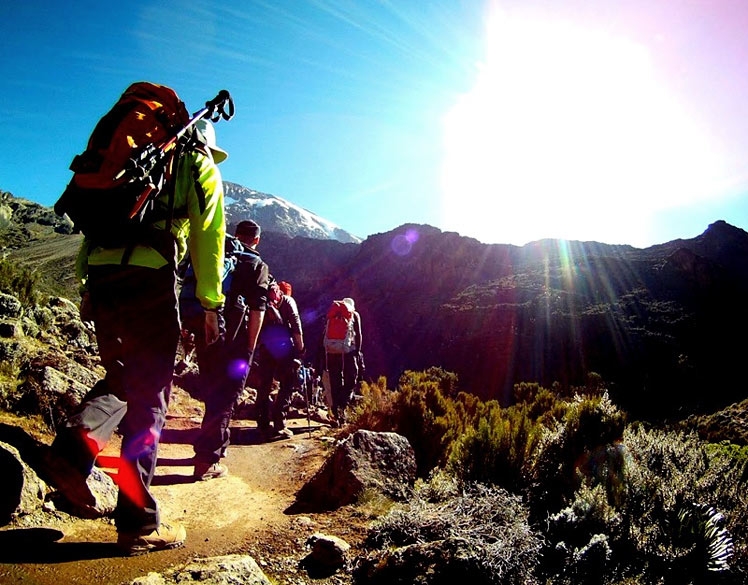
May Vs June: When Should You Climb Kilimanjaro? 2026-2027
Choosing between May and June for your Kilimanjaro ascent? This in-depth guide compares the two months, helping you pick the optimal time for your trek based on weather patterns, crowd...
View package details
December Kilimanjaro Trail Crowd Levels 2026-2027
December Kilimanjaro Trail Crowd Levels is explained with current 2026-2027 planning, price, itinerary and booking information.
View package detailsDriest Month To Climb Kilimanjaro: Your Guide For 2026-2027
The driest months for climbing Kilimanjaro are generally January, February, and June through October. These periods offer the clearest skies and lowest rainfall, ideal for a successful and...
View package details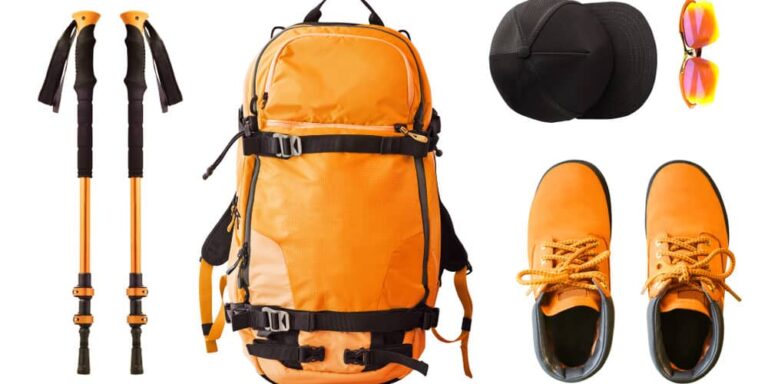
October Vs November Kilimanjaro Rainfall Guide 2026-2027
October vs November Kilimanjaro Rainfall Guide is explained with current 2026-2027 planning, price, itinerary and booking information.
View package details
September Vs October Kilimanjaro Weather Comparison 2026-2027
September vs October Kilimanjaro Weather Comparison is explained with current 2026-2027 planning, price, itinerary and booking information.
View package details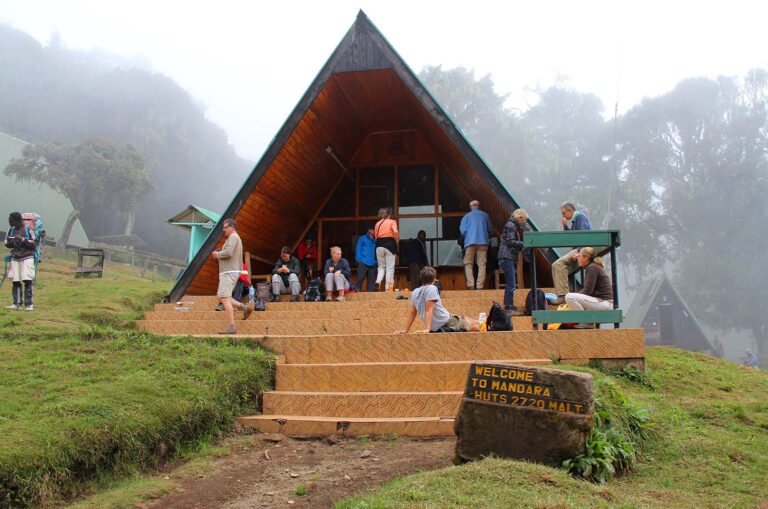
August Vs September: Best Kilimanjaro Summit Month In 2026-2027
Choosing between August and September for your Kilimanjaro climb involves weighing distinct advantages. While both months fall within the dry season, subtle differences in weather patterns...
View package details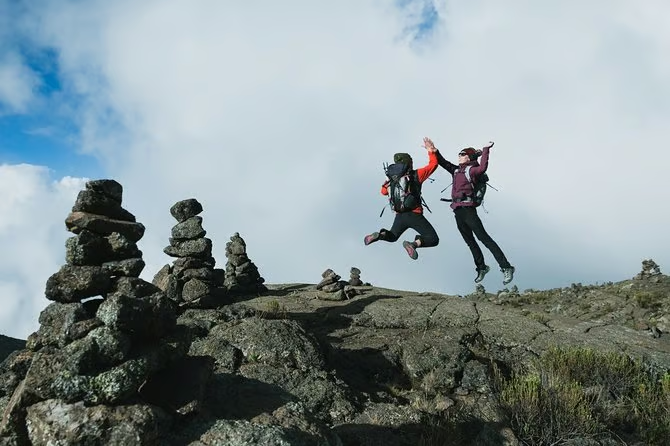
July Vs August Kilimanjaro Climbing: The Ultimate Comparison For 2026-2027
Choosing between July and August for your Kilimanjaro climb? This in-depth comparison details weather patterns, crowd levels, route popularity, and essential planning tips for 2026-2027 to...
View package details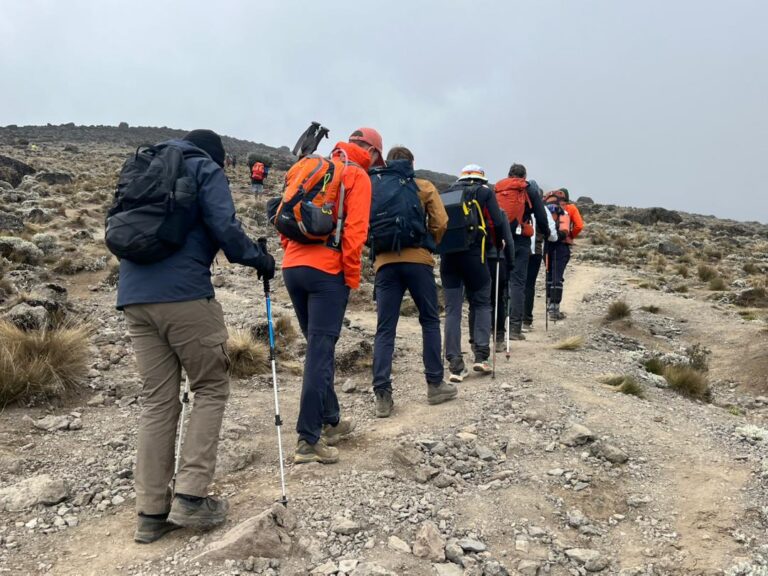
July Kilimanjaro Last-Minute Availability Guide
Planning a last-minute Kilimanjaro climb in July 2026 or 2027? This guide covers current availability, best routes, essential packing, and how to secure your spot with Top Guide Adventures.
View package details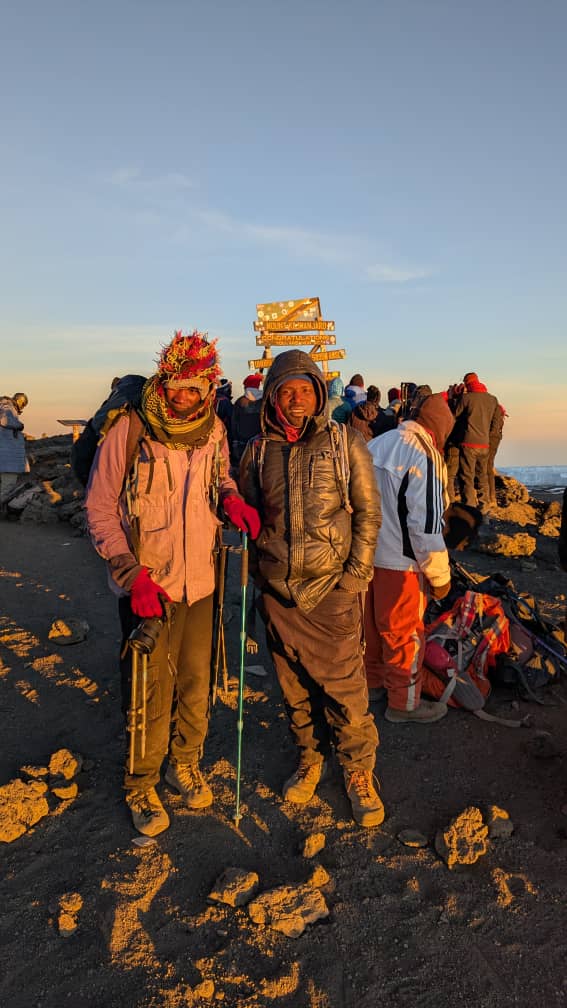
December Kilimanjaro Packing Checklist: Essential Gear For Climbs 2026-2027
Prepare for your December Kilimanjaro climb with our comprehensive packing checklist. This guide covers essential gear, clothing, and tips for conquering Africa's highest peak in the dry...
View package details
November Kilimanjaro Climb: Fewer Crowds, Great Success Rates With Top Guide
Climbing Kilimanjaro in November offers a unique advantage: significantly fewer trekkers on the mountain compared to peak seasons. This allows for a more serene and personal experience. Top...
View package details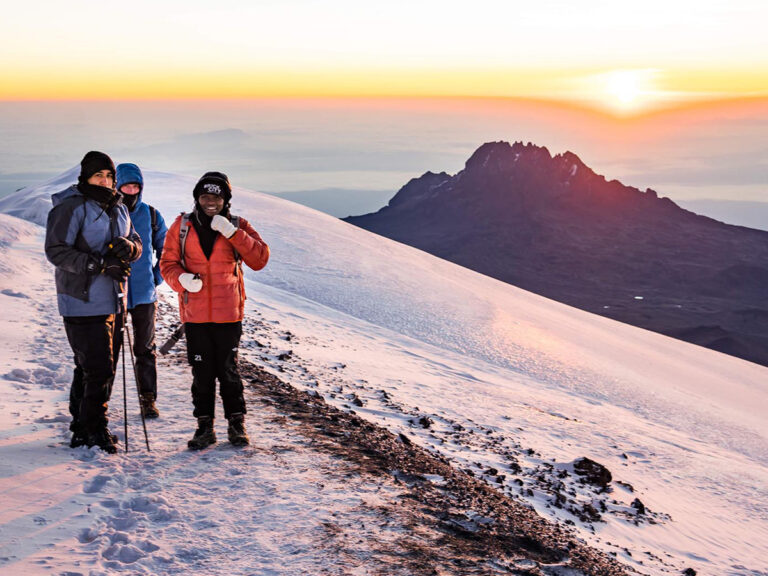
Kilimanjaro Departure-Day Airport Transfer: Your Top Guide Adventures
Your essential guide to Kilimanjaro departure-day airport transfers, ensuring a stress-free journey from Moshi or Arusha to Kilimanjaro International Airport (JRO) with Top Guide...
View package detailsNo related package matches those filters. Clear one or more filters to see the other topic-matched options.



