
A June Kilimanjaro Photography Tour provides an excellent window for capturing the mountain’s majesty, with generally clear skies and moderate temperatures. The best photographic opportunities often arise on routes like the Lemosho or Machame, offering diverse scenery from rainforests to alpine deserts, with the summit sunrise providing a spectacular climax. Planning for a June Kilimanjaro Photography Tour in 2026 or 2027 involves selecting the right route for photographic potential, packing specialized gear, and understanding the unique light and weather conditions of the early dry season.
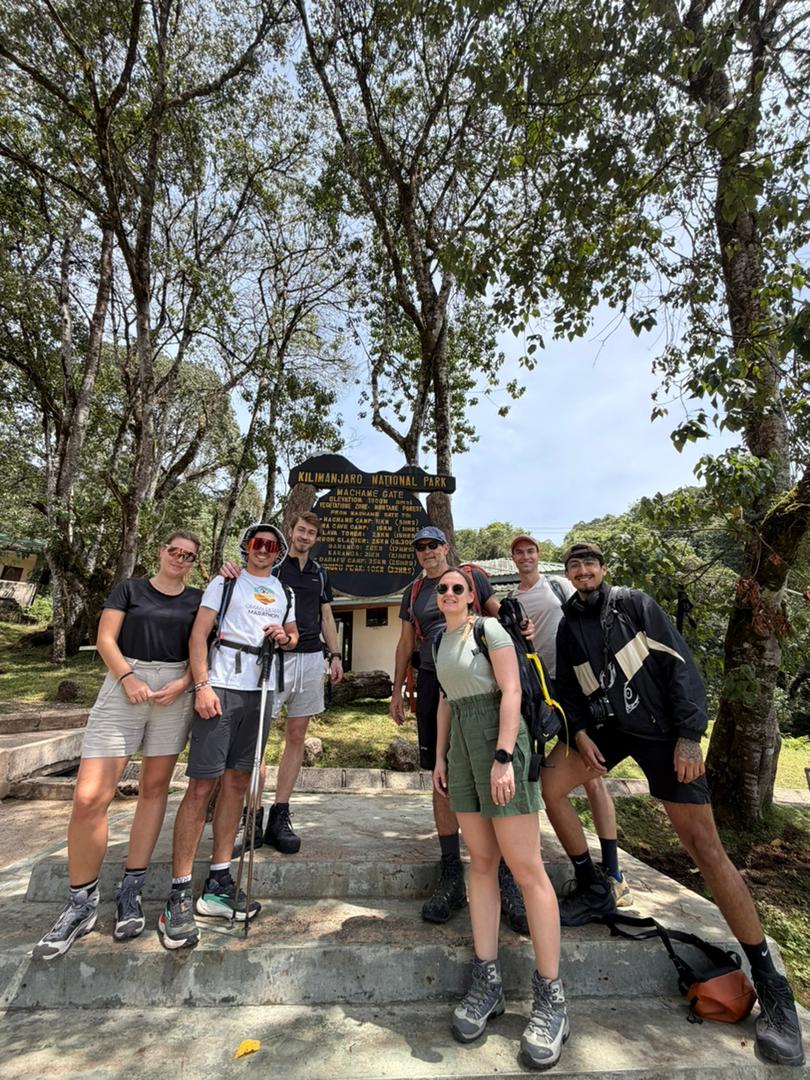


Choosing Your Kilimanjaro Route for Photography in June 2026-2027
When planning a June Kilimanjaro Photography Tour, the choice of route is paramount. June falls within Kilimanjaro’s first dry season, which typically offers stable weather, clear skies, and excellent visibility – conditions ideal for photography. However, it’s also a cooler month, especially at higher altitudes, which photographers should be prepared for. Top Guide Adventures recommends routes that offer varied landscapes and longer acclimatization periods to maximize photographic opportunities and summit success rates.
The Lemosho Route: A Photographer’s Delight
For many photographers, the Lemosho Route stands out as the premier choice for a June Kilimanjaro Photography Tour. This route is renowned for its stunning scenery, starting in the lush rainforests on the western side of the mountain and gradually ascending through diverse ecological zones. Its longer duration, typically 7 to 8 days, allows for better acclimatization, which is crucial for both physical well-being and the patience required for capturing great shots. The western start also offers unique perspectives and fewer crowds in the initial days, providing a more serene environment for photography.
Photographic highlights on the Lemosho Route in June include:
- Rainforest Ecology: Early sections teem with vibrant flora and fauna. The morning mist often adds a mystical quality, perfect for atmospheric shots.
- Shira Plateau: The expansive, volcanic landscape of the Shira Plateau offers dramatic vistas and opportunities for wide-angle shots, especially during sunrise and sunset.
- Barranco Wall: While a challenging scramble, the views from and around the Barranco Wall are iconic. Capturing the scale of this geological feature, especially with the vast plains below, is a must.
- Summit Sunrise: The final ascent to Uhuru Peak under the stars, followed by the impressive sunrise over the clouds, is the ultimate photographic moment of any June Kilimanjaro Photography Tour. The Lemosho route’s gradual approach from the west provides a different, often spectacular, angle for this event.
Considering a June Kilimanjaro Photography Tour in 2026 or 2027? Lemosho’s 8-day itinerary, in particular, offers the best balance of acclimatization and scenic diversity, making it highly suitable for photographers.
The Machame Route: Popularity and Photographic Potential
Often called the ‘Whiskey Route’ due to its higher success rate compared to Marangu, the Machame Route is another excellent option for a June Kilimanjaro Photography Tour. It’s a popular choice, meaning you’ll encounter more trekkers, but its varied terrain and well-established paths make it accessible and rewarding. Like Lemosho, Machame offers a gradual ascent through different climate zones.
Key photographic aspects of the Machame Route:
- Diverse Scenery: From dense forests to moorlands and alpine deserts, Machame presents a rich photographic palette.
- Sunrise Views: The route offers fantastic opportunities for sunrise photography, particularly from vantage points on the southern circuit.
- Barranco Wall Approach: The iconic Barranco Wall is a significant feature, providing dramatic photo opportunities.
- Summit Sunrise: The final push to Uhuru Peak culminates in the same spectacular sunrise as other southern routes.
The 7-day Machame itinerary is often recommended for a June Kilimanjaro Photography Tour as it provides a good acclimatization schedule, balancing physical challenge with photographic opportunities.
Other Routes for Your June Kilimanjaro Photography Tour
While Lemosho and Machame are top contenders, other routes can also be suitable:
- Northern Circuit: The longest route (9 days), offering the highest summit success rate due to its slow acclimatization. It circles the mountain, providing unique, less-seen photographic angles and fewer crowds. This extended duration is excellent for photographers who want ample time to capture the changing landscapes and light.
- Rongai Route: Approaching from the north, Rongai is ideal if you want to avoid crowds, especially in June. It offers a different perspective and can be good for wildlife spotting in its drier, northern approach. However, it might lack some of the dramatic ascents and varied ecological zones seen on western or southern routes.
For a June Kilimanjaro Photography Tour in 2026 or 2027, consider the 8-day Lemosho or the 9-day Northern Circuit for the most comprehensive photographic experience and best acclimatization.
Essential Photography Gear for Your June Kilimanjaro Expedition
Equipping yourself correctly is vital for a successful June Kilimanjaro Photography Tour. The conditions on Kilimanjaro in June can be challenging: cold temperatures, especially at night and on summit day, potential for wind, and the need for portability and durability. Top Guide Adventures advises photographers to prioritize gear that is lightweight, robust, and capable of performing in cold weather.
Camera Body and Lenses
The choice of camera body depends on your preference and experience. Both DSLR and mirrorless cameras are excellent choices. For a June Kilimanjaro Photography Tour, consider:
- Versatile Zoom Lens: A 24-70mm or 24-105mm equivalent lens is incredibly useful, covering wide landscapes to tighter shots of details and portraits. This reduces the need to swap lenses frequently in cold, dusty conditions.
- Wide-Angle Lens: For dramatic landscapes, panoramas, and astrophotography (if you plan to shoot stars), a 14-24mm or 16-35mm equivalent lens is highly recommended.
- Telephoto Lens (Optional): If wildlife photography is a secondary interest, a 70-200mm or similar telephoto lens can be useful, but adds significant weight and bulk. For most landscape-focused June Kilimanjaro Photography Tour participants, this might be omitted.
- Prime Lens (Optional): A fast prime lens (e.g., 35mm or 50mm f/1.8) can be great for low light and portraits, but requires more careful composition.
Tip: Consider bringing a lens with weather sealing if possible, though extreme conditions can still challenge any equipment.
Power and Storage
Cold weather significantly impacts battery life. You’ll need more batteries than you might expect for your June Kilimanjaro Photography Tour.
- Extra Batteries: Bring at least 3-4 fully charged spare batteries for your camera. Keep them warm in an inside pocket close to your body when not in use.
- Power Bank: A high-capacity power bank (20,000mAh or more) is essential for charging your phone, camera batteries (if they can be charged via USB), and other small electronics.
- Memory Cards: Bring plenty of high-speed SD or CFexpress cards. Calculate your needs based on typical RAW file sizes and shooting duration. It’s better to have too many than too few for your June Kilimanjaro Photography Tour.
- Charging: Ensure you have the correct chargers for all your devices.
Protection and Durability
Protecting your gear from the elements is crucial, especially during a June Kilimanjaro Photography Tour.
- Camera Bag: A comfortable, durable backpack with good padding is essential. Look for one with a rain cover. Many photographers use a main backpack for their gear and a smaller daypack for essentials during the trek.
- Rain Cover: A dedicated rain cover for your camera and backpack is non-negotiable.
- Dry Bags: Use dry bags or Ziploc bags to protect smaller items like batteries, memory cards, and filters inside your main bag.
- Lens Cleaning Kit: Microfiber cloths, a lens brush, and lens cleaning solution are vital for keeping your optics clear of dust and moisture.
- Tripod: A lightweight, sturdy tripod is crucial for low-light shooting, long exposures (e.g., sunrise/sunset), and astrophotography. Consider a carbon fiber model for weight savings.
Accessories for Cold Weather Photography
The cold temperatures of June on Kilimanjaro require specific accessories for both you and your gear.
- Hand Warmers: Chemical hand warmers can be placed inside camera gloves or near batteries to help maintain warmth.
- Camera Gloves: Invest in specialized photography gloves that allow you to operate your camera controls while keeping your hands warm. Convertible mittens are a popular choice.
- Gaffer Tape: Useful for temporary repairs or securing loose parts.
Important Note for your June Kilimanjaro Photography Tour: Always test your gear in cold conditions before your trip to understand how it performs and to identify any potential issues.
Understanding June Weather on Kilimanjaro
June marks the beginning of Kilimanjaro’s first dry season, following the lighter rains of April and May. This makes it a highly sought-after month for climbing and, consequently, for a June Kilimanjaro Photography Tour. However, “dry” doesn’t mean warm, especially at altitude.
Temperature Ranges
Temperatures on Kilimanjaro vary drastically with altitude and time of day. For a June Kilimanjaro Photography Tour:
- Base Camp (Moshi/Arusha): Expect pleasant, warm daytime temperatures (around 20-27°C / 68-81°F) and cooler evenings.
- Lower Slopes (Rainforest): Daytime temperatures might range from 15-20°C (59-68°F), dropping significantly at night.
- Moorland and Alpine Desert Zones: Daytime can be cool, perhaps 5-15°C (41-59°F), but nights will be cold, often dropping below freezing (0-5°C / 32-41°F).
- Summit (Uhuru Peak): Nighttime and pre-dawn temperatures on summit day can plummet to -10°C to -20°C (14°F to -4°F), with wind chill making it feel even colder. This is where your warm clothing and photography gear protection are critical for your June Kilimanjaro Photography Tour.
Precipitation and Visibility
June is characterized by clear skies and low humidity, offering excellent visibility. This is a photographer’s dream.
- Rainfall: Minimal. You might encounter occasional light showers on the lower slopes, but these are usually short-lived. The higher zones are typically dry.
- Cloud Cover: Generally low, providing clear views of the surrounding landscape and the summit crater.
- Visibility: Excellent. Distant plains, Mount Meru, and the curvature of the earth from the summit are often visible. This clarity is perfect for capturing sweeping panoramas during your June Kilimanjaro Photography Tour.
Wind
Wind can be a significant factor, especially at higher altitudes and on the exposed summit. While June is not typically the windiest month, gusts can occur, particularly near the summit. This can affect tripod stability and make shooting uncomfortable. Protective gear and a sturdy tripod are essential.
Photography Tip for June: The clear skies mean sunrises and sunsets can be incredibly vibrant. However, the sun can also be harsh. Be prepared with lens hoods and consider shooting during the golden hours (early morning and late afternoon) for softer, more dramatic light.
Capturing Kilimanjaro’s Light: Photography Techniques for June
The unique light conditions in June on Kilimanjaro offer fantastic opportunities for photographers. The clear, crisp air allows for sharp images, while the lower angle of the sun during the golden hours provides beautiful, warm light.
Sunrise and Sunset Photography
Summiting for sunrise is a bucket-list experience for many, and for photographers on a June Kilimanjaro Photography Tour, it’s the ultimate prize. The spectacle of the sun rising above the clouds, casting long shadows and painting the sky with color, is unforgettable.
- Pre-Dawn Ascent: Start your climb well before dawn to reach the summit crater rim or Uhuru Peak in time for the main event.
- Golden Hour Light: The hour after sunrise and the hour before sunset offer soft, warm light that enhances landscape textures and colors. Use this time to capture the dramatic mountain scenery.
- Camera Settings: Use a tripod for stability. Shoot in RAW format to capture the maximum dynamic range and allow for post-processing adjustments. Consider bracketing exposures (Auto Exposure Bracketing – AEB) to capture details in both the highlights and shadows.
- Lens Choice: Wide-angle lenses are excellent for capturing the expansive sky and landscapes during sunrise and sunset.
Capturing the Vast Landscapes
Kilimanjaro’s diverse zones offer a range of landscapes, from dense rainforests to barren, rocky terrain. In June, the clear air enhances the sense of scale and depth.
- Composition: Use foreground elements (rocks, plants, trekkers) to add depth and scale to your wide-angle shots. Look for leading lines (paths, ridges) to guide the viewer’s eye through the image.
- Midday Light: Midday sun can be harsh, creating strong contrasts. If shooting during this time, consider using a polarizing filter to reduce glare and enhance blue skies, or focus on subjects that benefit from strong contrast.
- Focus Stacking (Advanced): For maximum depth of field, especially in landscape shots, consider focus stacking if your camera or software supports it.
Low Light and Night Photography
The nights on Kilimanjaro can be incredibly dark, offering opportunities for astrophotography, especially if there’s minimal moonlight. The pre-dawn ascent also presents challenges and opportunities for low-light photography.
- Astrophotography: If you’re keen on capturing the stars, a clear, moonless night is ideal. Use a wide-angle lens with a fast aperture (f/2.8 or wider), a sturdy tripod, and experiment with long exposures (15-30 seconds) and high ISO settings.
- Summit Night: Use a headlamp for navigation. For any photography during this phase, a tripod is essential, and high ISO settings with wide apertures will be necessary. Focus on capturing the headlamps of other trekkers and the immensity of the dark surroundings.
Protecting Your Gear from the Cold
As mentioned, cold is a major factor for batteries and LCD screens. Keep your primary camera body and spare batteries in an insulated pocket close to your body. When not actively shooting, store your camera in its bag, ideally with a silica gel packet to absorb any moisture that might condense when moving between the cold exterior and warmer interior of a tent or lodge.
June Kilimanjaro Photography Tour Tip: Practice shooting in cold weather conditions before your trip. This will help you get comfortable with handling your camera while wearing gloves and understand how the cold affects your equipment.
Packing List for a June Kilimanjaro Photography Tour
Beyond standard trekking gear, a June Kilimanjaro Photography Tour requires specific items for your photography equipment and for managing the cold. Top Guide Adventures provides comprehensive packing lists, but here’s a focus on photographic needs and cold-weather essentials.
Photography Specifics:
- Camera body and lenses (as discussed above)
- Spare camera batteries (at least 3-4)
- High-capacity power bank and charging cables
- Multiple high-speed memory cards
- Tripod (lightweight and sturdy)
- Camera rain cover and lens cleaning kit
- Dry bags or waterproof pouches for accessories
- Specialized photography gloves for cold weather
- Optional: Remote shutter release, polarizing filter, ND filter
Clothing for June Trekking (Layering is Key):
- Base Layers: Moisture-wicking thermal tops and bottoms (merino wool or synthetic). Bring 2-3 sets.
- Mid Layers: Fleece jacket or insulated synthetic jacket for warmth.
- Outer Layer (Shell): Waterproof and windproof jacket and trousers. Essential for protection against wind and any potential precipitation.
- Insulated Jacket: A warm down or synthetic insulated jacket is crucial for evenings and summit night.
- Headwear: Warm beanie or wool hat that covers your ears, plus a sun hat or cap for daytime. A balaclava or neck gaiter is also very useful for summit night.
- Gloves: Lightweight liner gloves, warm waterproof/windproof outer gloves, and potentially your specialized photography gloves.
- Footwear: Broken-in, waterproof hiking boots. Several pairs of warm, moisture-wicking socks (wool or synthetic). Camp shoes or comfortable trainers for evenings.
Other Essentials:
- Backpack (50-70 liters) and a smaller daypack (20-30 liters)
- Sleeping bag (rated to -15°C or 0°F)
- Headlamp with spare batteries
- Water bottles or hydration reservoir (at least 2-3 liters capacity)
- Sunscreen (SPF 30+) and lip balm with SPF
- Sunglasses (with good UV protection)
- Personal first-aid kit and any personal medications
- Toiletries (biodegradable soap, toothbrush, toothpaste, wet wipes)
- Snacks (energy bars, nuts, dried fruit)
- Trekking poles (highly recommended)
- Camera gear protection (as detailed above)
Top Guide Adventures Tip: Pack light but smart. While you’ll carry your daypack with photography gear and essentials, your main backpack will be carried by a porter. Ensure all electronics and valuables are in your daypack.
The Role of Your Guide and Crew on a June Kilimanjaro Photography Tour
The success of any Kilimanjaro climb, especially a June Kilimanjaro Photography Tour, hinges significantly on the expertise and support of your guide and crew. Top Guide Adventures prides itself on its highly trained, experienced guides who understand the unique needs of photographers.
Expertise in Acclimatization and Safety
Your guides are trained in wilderness first aid and recognize the signs and symptoms of Acute Mountain Sickness (AMS). In June, while weather is good, altitude remains the primary challenge. Guides will:
- Monitor your health daily.
- Advise on pacing and hydration.
- Make critical decisions regarding safety, including whether to proceed or descend.
- For photographers, this means your guide will ensure you are well enough to enjoy the photographic opportunities safely.
Photographic Awareness
While not professional photographers themselves, experienced guides understand the desire to capture the mountain’s beauty. They can:
- Point out the best vantage points and times for photography.
- Advise on the best light conditions.
- Help you find unique compositions by suggesting different angles or elements to include.
- For example, your guide might suggest pausing at a specific spot on the Shira Plateau to wait for the light to hit a particular rock formation during a June Kilimanjaro Photography Tour.
Logistical Support
The crew handles all the logistics, allowing you to focus on the climb and your photography.
- Camp Setup: Tents are pitched, meals are prepared, and camp is managed efficiently.
- Porters: They carry the bulk of the gear, ensuring you only need to manage your daypack.
- Meal Preparation: Nutritious, high-energy meals are provided to fuel your climb.
Your Guide’s Role in Photography: They can help you identify wildlife, suggest optimal times for landscape shots, and ensure you have sufficient time at scenic points without compromising the climb’s schedule. They are your partners in making your June Kilimanjaro Photography Tour a success.
Sample Itinerary: 8-Day Lemosho for a June Kilimanjaro Photography Tour
This sample itinerary focuses on the Lemosho route, ideal for photographers seeking diverse scenery and excellent acclimatization during June. This plan is designed for 2026 or 2027 departures.
Day 1: Arrival in Moshi & Briefing
Arrive at Kilimanjaro International Airport (JRO). Meet your Top Guide Adventures representative and transfer to your hotel in Moshi. Rest and prepare. In the afternoon, attend a comprehensive briefing with your lead guide to discuss the climb, gear, and answer any questions. This is a good time to double-check your photography equipment.
Day 2: Lemosho Glades to Mti Mkubwa Camp
After breakfast, drive to the Lemosho trailhead (approx. 2-3 hours). Register and begin your trek through the lush rainforest. The trail is well-defined and relatively gentle. Keep an eye out for Colobus monkeys and diverse birdlife. Photography focus: Rainforest flora, fauna, and atmospheric misty conditions. Camp at Mti Mkubwa (Big Tree) Camp (approx. 2,750m / 9,020 ft).
Day 3: Mti Mkubwa Camp to Shira 1 Camp
Continue ascending through the rainforest, which gradually thins into moorland. The path becomes steeper in places. You’ll reach the Shira Plateau, a stunning, windswept expanse with incredible views. Photography focus: Panoramic views of the Shira Plateau, volcanic rock formations, and potential sunset shots. Camp at Shira 1 Camp (approx. 3,500m / 11,500 ft).
Day 4: Shira 1 Camp to Barranco Camp
A shorter day allows for acclimatization. You’ll traverse the Shira Plateau, enjoying expansive views, before descending towards the Barranco Valley. The landscape becomes more alpine. Photography focus: Vast plateau views, unique alpine plants, and the approach to the dramatic Barranco Wall. Camp at Barranco Camp (approx. 3,950m / 12,960 ft).
Day 5: Barranco Camp to Karanga Camp
Today involves the famous Barranco Wall scramble – a challenging but rewarding section. You’ll then descend into the Karanga Valley before ascending again to Karanga Camp. Photography focus: The Barranco Wall itself (capturing its scale and the challenge), views back towards Shira Plateau, and the dramatic valley scenery. Camp at Karanga Camp (approx. 4,000m / 13,120 ft).
Day 6: Karanga Camp to Barafu Camp
The landscape becomes increasingly barren and rocky. The trail ascends steadily towards Barafu Camp, the base camp for your summit attempt. You’ll have stunning views of the summit cone. Photography focus: Stark alpine desert landscapes, glaciers on the upper slopes, and the imposing summit cone. Prepare your gear for summit night. Camp at Barafu Camp (approx. 4,650m / 15,250 ft).
Day 7: Summit Day! Barafu Camp to Uhuru Peak & Descent to Mweka Camp
An extremely early start (around midnight to 1 am) for the summit push. You’ll ascend through the night, aiming for Stella Point on the crater rim by sunrise, then continuing to Uhuru Peak (5,895m / 19,341 ft), the highest point in Africa. Photography focus: The magical pre-dawn ascent with headlamps, the spectacular sunrise from Stella Point or Uhuru Peak, and panoramic views above the clouds. After celebrating at the summit, you’ll descend past Barafu Camp towards Mweka Camp. This is a long, demanding day. Camp at Mweka Camp (approx. 3,100m / 10,170 ft).
Day 8: Mweka Camp to Moshi & Departure
A shorter, downhill trek through the rainforest to the Mweka Gate. Celebrate your achievement with your crew. Transfer back to your hotel in Moshi for a much-deserved rest. Depending on your flight schedule, you might depart today or the following day. Congratulations on completing your June Kilimanjaro Photography Tour!
Comparing Routes for Your 2026-2027 June Kilimanjaro Photography Tour
When choosing a route for your June Kilimanjaro Photography Tour, consider the trade-offs between scenery, acclimatization, crowd levels, and duration. Here’s a comparative look:
| Route | Typical Duration | Scenery Diversity | Acclimatization | Crowds (June) | Photography Highlights |
|---|---|---|---|---|---|
| Lemosho | 7-8 Days | Excellent (Rainforest to Arctic) | Very Good | Moderate (less crowded initially) | Shira Plateau, Barranco Wall, diverse ecological zones |
| Machame | 6-7 Days | Very Good (Rainforest to Arctic) | Good | High (popular route) | Barranco Wall, dramatic ascents, southern circuit views |
| Northern Circuit | 9 Days | Excellent (Full circumference) | Excellent (slowest ascent) | Low | Unique perspectives, fewer crowds, varied landscapes over longer period |
| Rongai | 6-7 Days | Good (different approach) | Moderate | Low (especially on northern approach) | Arid northern slopes, different views, potential wildlife |
| Marangu | 5-6 Days | Moderate (less scenic diversity) | Poor (steep ascent) | Moderate | Iconic ‘Coca-Cola’ route, huts offer shelter, less photographic variety |
Recommendation for a June Kilimanjaro Photography Tour in 2026-2027: For the best balance of photographic opportunities, acclimatization, and a slightly less crowded experience, the 8-day Lemosho route or the 9-day Northern Circuit are highly recommended.
Preparing for Altitude and Health on Your Tour
Altitude sickness (AMS) is the primary concern on any Kilimanjaro climb, regardless of the month. Proper preparation and acclimatization are key to a successful and enjoyable June Kilimanjaro Photography Tour.
Understanding AMS
AMS can affect anyone, regardless of fitness level. Symptoms include headache, nausea, dizziness, fatigue, and shortness of breath. The best prevention is:
- Ascend Slowly: Choose longer routes (7-9 days) that allow for gradual acclimatization. This is why longer Lemosho or Northern Circuit options are favored for a June Kilimanjaro Photography Tour.
- Hydrate: Drink plenty of water (3-4 liters per day). Avoid alcohol and caffeine.
- Eat Well: Consume high-carbohydrate meals.
- Listen to Your Body: Report any symptoms to your guide immediately. Do not ascend if you feel unwell.
Medical Preparations
Consult your doctor or a travel clinic well in advance of your June Kilimanjaro Photography Tour in 2026 or 2027.
- Vaccinations: Ensure you are up-to-date on routine vaccinations. Yellow fever vaccination may be required depending on your travel itinerary within Tanzania.
- Malaria Prevention: Tanzania is a malaria risk area. Discuss appropriate antimalarial medication with your doctor.
- Diamox (Acetazolamide): This prescription medication can help speed up acclimatization. Discuss its use with your doctor.
- Personal First-Aid Kit: Include essentials like pain relievers, blister treatment, antiseptic wipes, bandages, and any personal medications.
Physical Fitness
While not a technical climb, Kilimanjaro demands significant physical endurance. Focus on cardiovascular fitness and leg strength.
- Training: Engage in regular hiking, preferably with a weighted backpack, on varied terrain.
- Stamina: Build up your ability to sustain activity for several hours a day over multiple days.
Photography Consideration: Being physically fit allows you to carry your camera gear more comfortably and have the energy to focus on photography without being completely drained by the physical exertion.
The Importance of a Professional Tour Operator
Choosing a reputable tour operator like Top Guide Adventures is crucial for a safe, enjoyable, and successful June Kilimanjaro Photography Tour. We handle all the complex logistics, ensuring you have experienced guides, porters, quality equipment, and adherence to safety standards.
Why Choose Top Guide Adventures for Your 2026-2027 Tour?
- Experienced & Certified Guides: Our guides are highly trained, with extensive knowledge of Kilimanjaro, altitude management, and safety protocols.
- Ethical Porter Treatment: We are committed to the fair treatment and proper equipment of our porters, ensuring a positive experience for the entire team.
- Quality Equipment: We provide sturdy tents, quality cooking equipment, and ensure our gear is well-maintained.
- Tailor-Made Experiences: While this guide focuses on a June Kilimanjaro Photography Tour, we can customize itineraries to meet your specific needs and photographic interests.
- Comprehensive Support: From initial inquiry to post-climb celebrations, our team provides dedicated support.
- Proven Success Rates: Our focus on acclimatization and experienced guides contributes to high success rates on the mountain.
Booking Your June Kilimanjaro Photography Tour in 2026-2027
Planning ahead is essential, especially for peak seasons or specialized tours like a June Kilimanjaro Photography Tour. June is a popular month due to the favorable weather conditions.
- Booking Window: For 2026 and 2027, we recommend booking at least 6-9 months in advance to secure your preferred dates and route, especially if you have specific photographic gear or requirements.
- Inclusions: Our tours typically include park fees, all meals on the mountain, accommodation before and after the climb, experienced guides and crew, porter services, and transfers. Photography-specific needs can often be accommodated.
- Exclusions: Generally, international flights, visas, travel insurance, personal gear (except where specified), tips for the crew, and personal expenses are not included.
Ready to capture Kilimanjaro’s magic in June? Contact Top Guide Adventures today to discuss your dream June Kilimanjaro Photography Tour for 2026 or 2027. Let us help you plan an unforgettable adventure.
For inquiries or to request a personalized quote, please reach out:
WhatsApp: +255616946642
Email: topguideadventures@gmail.com
Backup Email: info@topguideadventures.com
Visit our website for more information on Tanzania tours and safaris.
“,
“faq_schema”: [
{
“question”: “What is the best route for a June Kilimanjaro Photography Tour?”,
“answer”: “For a June Kilimanjaro Photography Tour, the Lemosho (8 days) or Northern Circuit (9 days) routes are highly recommended. They offer excellent acclimatization, diverse scenery ideal for photography, and tend to be less crowded than Machame in June. Lemosho provides varied ecological zones from rainforest to alpine desert, while the Northern Circuit offers unique perspectives by circling the mountain.”
},
{
“question”: “What photography gear is essential for a June Kilimanjaro climb?”,
“answer”: “For a June Kilimanjaro Photography Tour, essential gear includes a versatile camera (DSLR/mirrorless), lenses (wide-angle and a standard zoom like 24-70mm), extra batteries (cold drains them fast), plenty of memory cards, a sturdy but lightweight tripod, camera rain cover, and lens cleaning kit. Specialized cold-weather photography gloves are also highly recommended.”
},
{
“question”: “What is the weather like on Kilimanjaro in June?”,
“answer”: “June marks the start of Kilimanjaro’s first dry season. You can expect generally clear skies, excellent visibility, and low humidity, which are ideal for photography. Daytime temperatures are cool to moderate, but nights and summit day temperatures can be very cold, often dropping below freezing, especially at higher altitudes. Wind can also be a factor.”
},
{
“question”: “How do I prepare physically and mentally for a June Kilimanjaro Photography Tour?”,
“answer”: “Physical preparation involves regular cardiovascular exercise and hiking with a weighted pack to build stamina. Mentally, prepare for challenging conditions, long trekking days, and cold temperatures. Choosing a longer route (7-9 days) aids acclimatization and reduces the risk of altitude sickness, allowing you to better enjoy the photographic opportunities. Consult your doctor for medical advice and necessary vaccinations/medications.”
},
{
“question”: “When should I book my June Kilimanjaro Photography Tour for 2026 or 2027?”,
“answer”: “June is a popular month for climbing Kilimanjaro due to its dry weather. For a June Kilimanjaro Photography Tour in 2026 or 2027, it is advisable to book at least 6-9 months in advance to secure your preferred route, dates, and ensure availability with a reputable operator like Top Guide Adventures.”
}
]
}
“`
Check Availability for June Kilimanjaro Photography Tour 2026-2027
Ready to compare dates, prices, and the best option for your group? Send the package name and travel month so the team can reply with a clear quote, availability, and what is included.
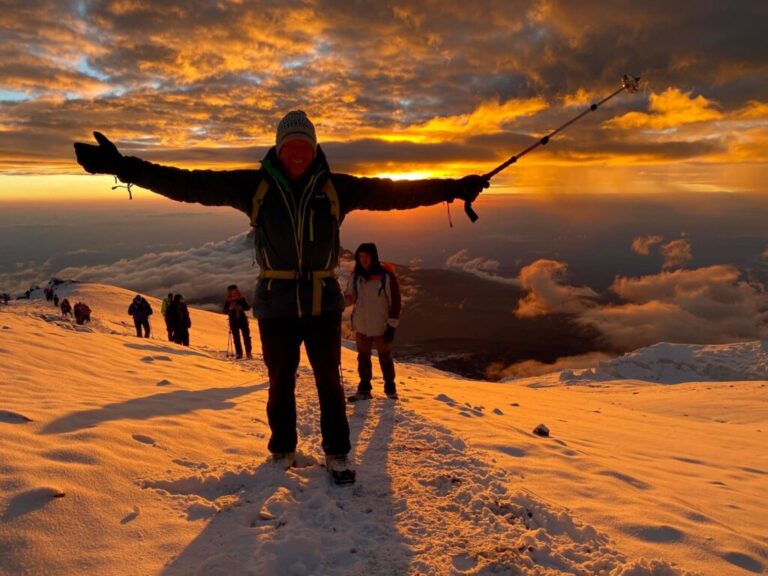
Kilimanjaro Climb With Professional Photography Support In | Top Guide
Elevate your Kilimanjaro ascent by including professional photography services. Top Guide Adventures ensures your most challenging and rewarding moments on Africa's highest peak are...
View package details
Kilimanjaro Photography Mistakes At High Altitude 2026-2027
Kilimanjaro Photography Mistakes at High Altitude is explained with current 2026-2027 planning, price, itinerary and booking information.
View package details
What Does Kilimanjaro Rainforest Look Like? A Trekkers Visual Guide 2026-2027
The Kilimanjaro rainforest is a vibrant, humid zone of dense vegetation, towering trees, and diverse plant life found on the mountain's lower slopes. It's the first major ecosystem trekkers...
View package details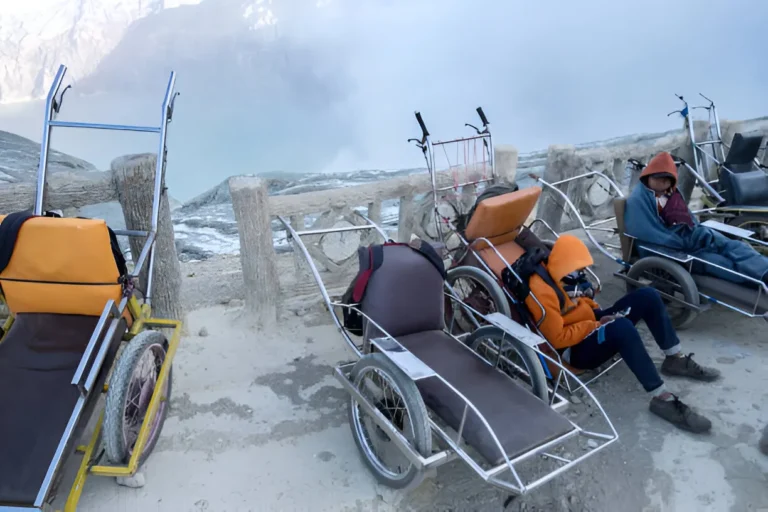
Kilimanjaro Climb With A Personal Support Assistant: Your Ultimate Guide
Climbing Mount Kilimanjaro with a personal support assistant offers unparalleled safety, comfort, and focus on your summit goals. This guide details what a personal assistant entails, its...
View package detailsHow To Know Whether You Are Ready For Kilimanjaro: A Comprehensive Guide
Climbing Mount Kilimanjaro is a significant undertaking. This guide helps you evaluate your physical, mental, and logistical readiness to ensure a safe and successful trek in 2026 or 2027...
View package detailsKilimanjaro Hydration Mistakes Climbers Make And How To Avoid Them 2026-2027
Proper hydration is critical for a successful Kilimanjaro climb. This guide details common hydration mistakes climbers make, from under-drinking to choosing the wrong fluids, and provides...
View package details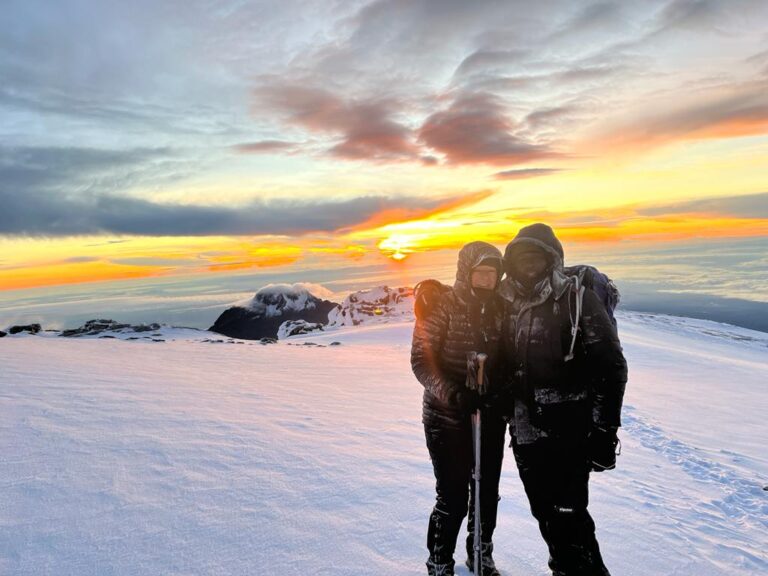
Kilimanjaro Altitude-Sickness Mistakes 2026-2027
Kilimanjaro Altitude-Sickness Mistakes is explained with current 2026-2027 planning, price, itinerary and booking information.
View package details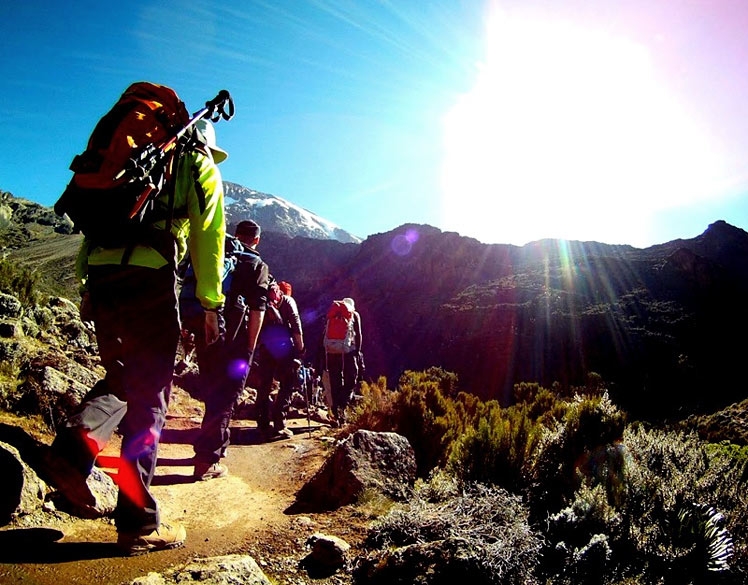
Kilimanjaro Summit-Night Mistakes To Avoid: Your Essential Guide For Climbs
Summit night on Kilimanjaro is the most challenging part of the climb. Avoiding common mistakes in acclimatization, gear, hydration, and pacing is crucial for success. This guide details...
View package details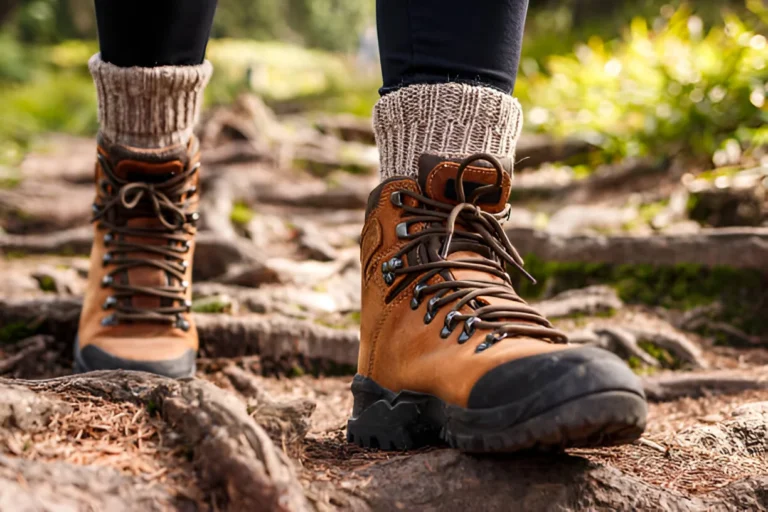
Kilimanjaro Training Mistakes That Reduce Summit Success 2026-2027
Kilimanjaro Training Mistakes that Reduce Summit Success is explained with current 2026-2027 planning, price, itinerary and booking information.
View package details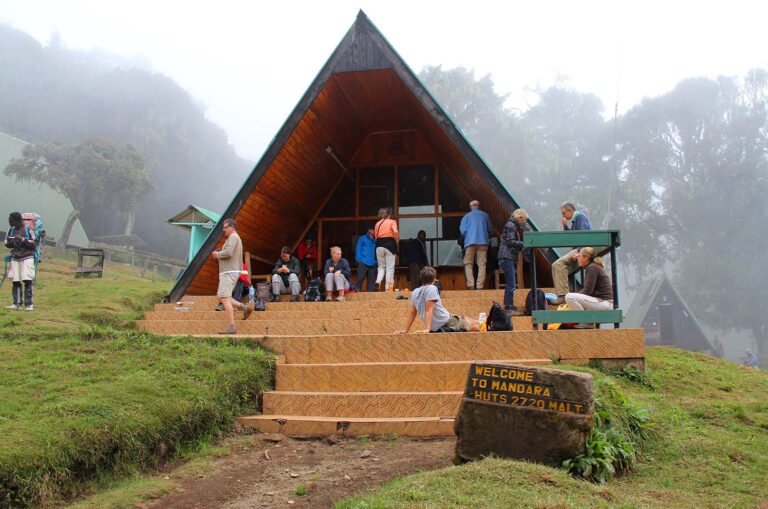
Kilimanjaro Personal Porter Vs Standard Support 2026-2027
Kilimanjaro Personal Porter vs Standard Porter Support is explained with current 2026-2027 planning, price, itinerary and booking information.
View package details
Kilimanjaro Airport Vs Arusha For Climbers: The Definitive Guide 2026-2027
A comprehensive comparison of Kilimanjaro International Airport (JRO) and Arusha Airport (ARK) for trekkers planning a Mount Kilimanjaro climb, detailing pros, cons, and booking advice for...
View package details
Kilimanjaro Climb For Retired Couples: Planning Your Adventure 2026-2027
Planning a Kilimanjaro climb as a retired couple is an achievable and rewarding goal. This guide offers in-depth advice on route selection, physical preparation, essential gear, and the...
View package detailsNo related package matches those filters. Clear one or more filters to see the other topic-matched options.



