
A July Kilimanjaro full-moon expedition offers a unique and visually stunning trekking experience, often coinciding with excellent weather conditions on the mountain. While a full moon on the summit day is a highlight for many, the entire month of July provides clear skies and cooler temperatures, making it an ideal time for climbing. Expeditions typically range from 7 to 9 days, depending on the chosen route, with costs varying based on inclusions, group size, and operator, generally falling between $2,000 and $4,000 per person for 2026-2027 bookings.
Understanding the Allure of a July Kilimanjaro Full-Moon Expedition
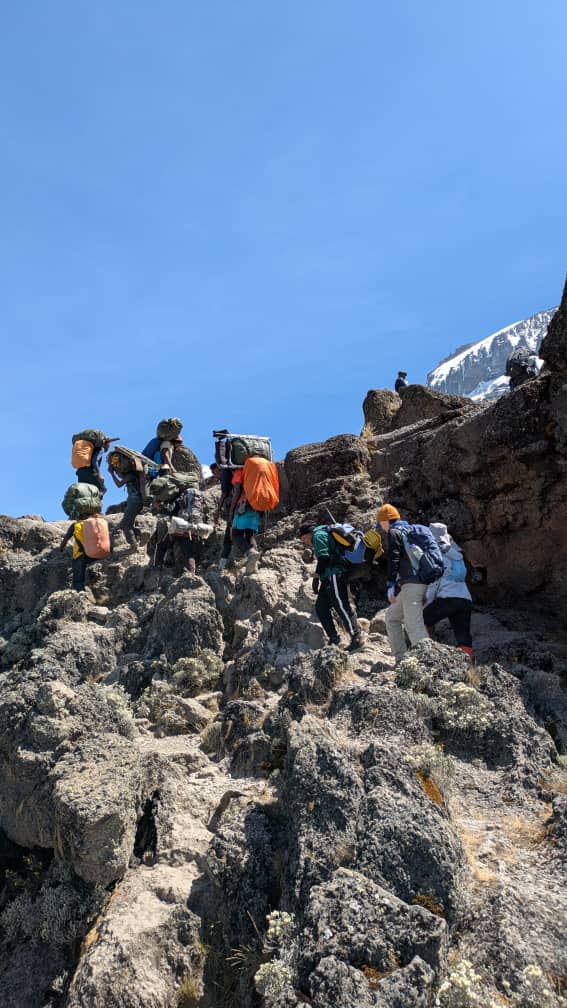
Mount Kilimanjaro, the Roof of Africa, is a dream destination for trekkers worldwide. Its majestic snow-capped peak and the challenge it presents draw thousands of adventurers each year. When planning a climb, timing is crucial, and for many, the allure of summiting under the ethereal glow of a full moon is paramount. July is a prime month for such an experience, not only for the potential of a lunar spectacle but also for the generally favorable weather patterns that characterize this period on Africa’s highest peak.
A July Kilimanjaro full-moon expedition leverages the mountain’s dry season. This period, from June to October, is characterized by clear skies, minimal rainfall, and cooler temperatures. These conditions are ideal for trekking, offering better visibility of the stunning landscapes and reducing the risk of slippery or challenging terrain. For those specifically seeking a full moon summit, July often provides that magical opportunity, turning an already incredible achievement into an unforgettable, almost spiritual, event.
Top Guide Adventures, as one of Tanzania’s trusted tour companies, understands the unique appeal of these special climbs. We meticulously plan each expedition, ensuring safety, comfort, and an unparalleled experience. Our expertise in organizing Tanzania safaris, Serengeti and Ngorongoro tours, Kilimanjaro climbs, Zanzibar holidays, and tailor-made journeys means we are well-equipped to handle the specific logistics and requirements of a July Kilimanjaro full-moon expedition, guiding you through every step of the journey from initial planning to reaching the summit and returning safely.
Why July is Prime Time for Kilimanjaro
The choice of month significantly impacts a Kilimanjaro climb. July falls squarely within the mountain’s dry season, which runs from approximately June to October. This period is highly sought after by trekkers for several compelling reasons:
- Clear Skies and Visibility: July typically offers exceptionally clear skies. This means panoramic views of the surrounding landscape, other peaks, and the vast plains of Tanzania are more likely. For a full-moon climb, clear skies are essential to witness the moon in all its glory.
- Lower Rainfall: Compared to the rainy seasons (March-May and November-December), July sees very little precipitation. This reduces the chances of encountering muddy trails, making ascents and descents safer and more comfortable.
- Cooler Temperatures: While Kilimanjaro experiences varied temperatures due to altitude, July’s daytime temperatures are generally pleasant, and nights are cooler. This can be advantageous for acclimatization and the summit push, as excessive heat can be draining.
- Full Moon Opportunities: While not every full moon perfectly aligns with a specific summit date for all routes, July often presents opportunities for trekkers to be on or near the summit during a full moon. Coordinating your climb with specific lunar phases can enhance the experience.
The combination of these factors makes July an excellent month for undertaking a July Kilimanjaro full-moon expedition, promising a more predictable and potentially more enjoyable trek. For 2026 and 2027, planning ahead is key to securing your preferred dates and ensuring you have the best chance of experiencing this phenomenon.
The Magic of a Full Moon Summit
Summiting Mount Kilimanjaro is an achievement in itself, but doing so under the light of a full moon elevates the experience to an almost mystical level. The summit, Uhuru Peak, stands at 5,895 meters (19,341 feet), and the final ascent typically begins in the pre-dawn hours. Imagine:
- Ethereal Light: The moonlight casts a soft, silvery glow on the snowfields and volcanic rock, transforming the stark, rugged landscape into something otherworldly.
- Unimpeded Views: On a clear night, the moonlit panorama can be impressive, with the plains of Tanzania stretching out below, dotted with the lights of distant towns. The vastness of the African sky, often clear of light pollution, is amplified.
- Spiritual Connection: Many climbers report a profound sense of peace and connection to nature and themselves during the moonlit ascent. It’s a moment of quiet reflection amidst the physical exertion.
- Photography Opportunities: While challenging, capturing the moonlit landscape can result in spectacular, unique photographs that tell the story of your extraordinary climb.
While the full moon itself is a spectacular sight, it’s important to remember that the summit night is physically demanding. The combination of altitude, cold, and darkness requires careful preparation. However, for those who manage it, the memory of standing on the roof of Africa, bathed in moonlight, is indelible. Planning a July Kilimanjaro full-moon expedition with Top Guide Adventures means our experienced guides will help you navigate these challenging conditions safely, maximizing your chances of enjoying this unique spectacle.
Synchronizing Your Climb with the Full Moon in 2026-2027
The exact dates of the full moon shift each year. To plan your July Kilimanjaro full-moon expedition for 2026 or 2027, you’ll need to consult a lunar calendar. Here are the approximate full moon dates for July in the coming years:
- July 2026: The full moon is expected around July 4th, 2026.
- July 2027: The full moon is expected around July 22nd, 2027.
It’s crucial to understand that summit night is usually planned for the 5th, 6th, or 7th day of a trek, depending on the route. Therefore, to align your summit attempt with the full moon, you would ideally book your expedition to commence in the first week of July 2026 or the third week of July 2027. Top Guide Adventures can help you pinpoint the exact dates and coordinate your climb to maximize the chances of a moonlit summit. Booking well in advance, especially for these popular dates in 2026 and 2027, is highly recommended.
Choosing the Right Route for Your July Expedition
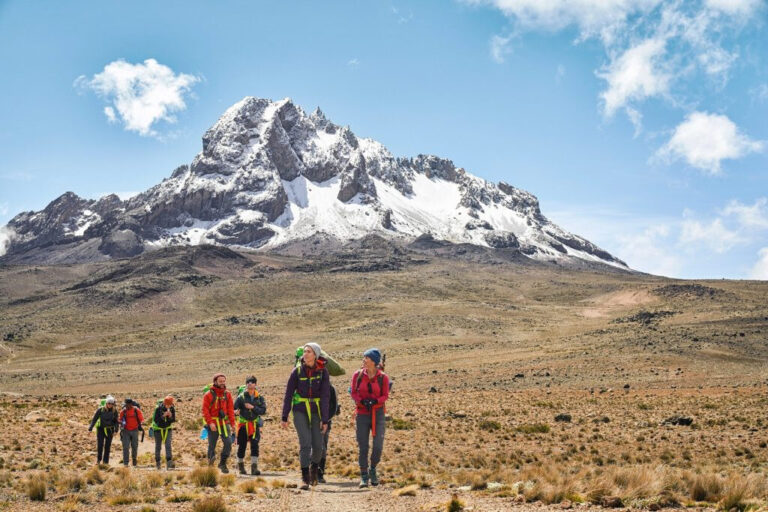
Kilimanjaro can be climbed via several routes, each offering a different experience in terms of scenery, difficulty, and acclimatization profile. For a July Kilimanjaro full-moon expedition, especially one aiming for a moonlit summit, the longer routes are generally preferred due to their higher success rates, primarily attributed to better acclimatization.
Popular Routes and Their Suitability for Full Moon Treks
The most recommended routes for a Kilimanjaro climb, especially when aiming for a full moon summit, are those that offer longer durations and gradual ascent profiles. This approach is vital for acclimatization, which is the most critical factor for a successful summit attempt.
Top Recommended Routes for 2026-2027 Full Moon Climbs:
- Lemosho Route (7-8 days): Often considered the most scenic route, Lemosho offers excellent acclimatization with its gradual ascent and allows for a longer trek duration. It starts in the west and traverses the mountain’s northern and eastern sides. The 8-day option provides an extra day for acclimatization, significantly boosting success rates. This is an excellent choice for a July Kilimanjaro full-moon expedition.
- Machame Route (7-8 days): Known as the “Whiskey Route,” Machame is popular for its beautiful scenery and good acclimatization profile, though it can be steeper than Lemosho. The 7-day Machame is a solid choice, while the 8-day version adds a crucial acclimatization day. It also approaches from the west. This route is a strong contender for a full moon climb.
- Northern Circuit (9-10 days): This is the longest and arguably the best route for acclimatization, as it circles the mountain completely. With a duration of 9 or 10 days, it offers the highest success rates. While it might mean your summit date doesn’t perfectly align with the full moon, the increased chances of reaching the summit comfortably make it a compelling option for any serious trekker aiming for a July Kilimanjaro full-moon expedition.
Shorter routes like Marangu (5-6 days) and Rongai (6 days) can also be used for a July Kilimanjaro full-moon expedition, but they offer less time for acclimatization, leading to lower success rates, particularly for the challenging summit night. While Marangu is known for its “huts,” the other routes use camping accommodations.
Considering Route Length and Acclimatization
The key to a successful summit, especially during the demanding pre-dawn hours, is proper acclimatization. Altitude sickness is a real risk, and longer routes allow your body to adjust gradually to the decreasing oxygen levels. For a July Kilimanjaro full-moon expedition, prioritizing a route that offers at least 7 days, preferably 8 or more, is highly advisable. This extended duration ensures a slower pace, more rest days, and a better chance of reaching Uhuru Peak safely and in good condition to appreciate the moonlit scenery.
Top Guide Adventures recommends the Lemosho or Northern Circuit routes for the best balance of scenery, acclimatization, and success rates. We can help you select the route that best fits your fitness level, desired experience, and specific goal of a full moon summit attempt for 2026 or 2027.
Preparing for Your July Kilimanjaro Full-Moon Expedition
A successful Kilimanjaro climb requires thorough preparation, encompassing physical training, mental readiness, and appropriate gear. This is especially true for a challenging endeavor like a July Kilimanjaro full-moon expedition, where summit night conditions can be demanding.
Physical Training and Fitness
While you don’t need to be an elite athlete, a good level of cardiovascular fitness is essential. Your training should focus on endurance and leg strength. Start training at least 2-3 months before your expedition.
- Cardiovascular Exercise: Aim for at least 3-4 sessions per week of activities like hiking (with a backpack), running, cycling, or swimming. Focus on sustained effort rather than short bursts.
- Strength Training: Concentrate on leg exercises such as squats, lunges, and calf raises. Also, include core strengthening exercises.
- Hiking Practice: If possible, undertake multi-day hikes with a weighted backpack to simulate trek conditions. Practice hiking on inclines and declines.
- Stair Climbing: This is an excellent way to prepare for the steep sections of Kilimanjaro.
Remember, the altitude is the primary challenge, but good physical condition will help your body cope better and allow you to enjoy the trek more. For 2026-2027 expeditions, starting your training early will make a significant difference.
Essential Gear for a July Climb
Packing the right gear is critical for comfort and safety on Kilimanjaro, especially in July when temperatures can drop significantly at higher altitudes and during summit night. Layering is key.
Key Gear Checklist for a July Kilimanjaro Full-Moon Expedition:
- Base Layers: Moisture-wicking thermal tops and bottoms (merino wool or synthetic).
- Mid Layers: Fleece jackets or vests for insulation.
- Outer Layer (Insulation): A warm down or synthetic insulated jacket.
- Outer Layer (Shell): Waterproof and windproof jacket and trousers (Gore-Tex or similar).
- Headwear: Warm beanie or wool hat, sun hat with a wide brim, balaclava or neck gaiter for summit night.
- Handwear: Liner gloves, warm waterproof gloves or mittens.
- Footwear: Broken-in, waterproof hiking boots with good ankle support. Camp shoes or trainers for evenings. Several pairs of warm hiking socks (wool or synthetic).
- Sleeping Bag: A 4-season sleeping bag rated to at least -15°C (0°F).
- Backpack: A comfortable daypack (30-40 liters) for essentials, plus a larger duffel bag (80-100 liters) for porters.
- Trekking Poles: Highly recommended for stability and reducing strain on knees.
- Headlamp: Essential for summit night, with extra batteries.
- Water Bottles/Hydration System: At least 3 liters capacity. Insulated bottles are recommended to prevent freezing.
- Sun Protection: High SPF sunscreen, lip balm with SPF, sunglasses.
- Personal Items: Toiletries, personal first-aid kit, blister treatment, insect repellent, camera, power bank.
Top Guide Adventures provides a detailed packing list upon booking, ensuring you are well-prepared for the specific conditions of a July Kilimanjaro full-moon expedition. We also offer high-quality gear rentals for items like sleeping bags and jackets.
Acclimatization Strategies and Health
Proper acclimatization is the single most important factor for a successful summit. This involves ascending gradually, allowing your body time to adapt to the lower oxygen levels. Key strategies include:
- “Pole Pole” (Slowly, Slowly): This Swahili phrase is the mantra on Kilimanjaro. Walk at a pace that allows you to hold a conversation without gasping for breath.
- Hydration: Drink plenty of water (3-4 liters per day). Dehydration can exacerbate altitude sickness symptoms.
- Nutrition: Eat well, even if your appetite decreases. High-carbohydrate meals are recommended.
- Avoid Alcohol and Smoking: These hinder acclimatization.
- Listen to Your Body: Report any symptoms of altitude sickness (headache, nausea, dizziness) to your guide immediately.
Consult your doctor about altitude sickness medication like Diamox (acetazolamide). While not a substitute for acclimatization, it can help some individuals. For your July Kilimanjaro full-moon expedition in 2026 or 2027, discuss these strategies with our team.
Costs and Inclusions for a July Kilimanjaro Full-Moon Expedition
Understanding the costs associated with climbing Kilimanjaro is crucial for budgeting. Prices can vary significantly between tour operators, depending on the route, duration, group size, and what is included in the package.
What Influences the Price?
Several factors contribute to the overall cost of a July Kilimanjaro full-moon expedition:
- Operator Type: Local operators like Top Guide Adventures often offer competitive pricing while maintaining high standards of safety and service, compared to some international operators.
- Route and Duration: Longer routes (like Lemosho or Northern Circuit) with more days naturally incur higher costs due to increased staffing, food, and park fees.
- Group Size: Private climbs are more expensive than joining a group. Shared or group departures offer a more budget-friendly option.
- Inclusions: The number of meals, quality of accommodation (camping vs. huts), provision of equipment (tents, sleeping mats), porter support, guide qualifications, and emergency evacuation services all impact the price.
- Park Fees: These are set by Kilimanjaro National Park and are a significant component of the cost, regardless of the operator.
- Time of Year: While July is in the dry season, it’s a peak season, so prices might reflect higher demand compared to the shoulder seasons.
Typical Cost Range for 2026-2027
For a reputable operator offering a comprehensive package for a July Kilimanjaro full-moon expedition in 2026 or 2027, you can expect the following approximate cost ranges:
- Budget/Standard Tours: Starting from around $2,000 – $2,800 USD per person. These often involve standard camping gear, basic meals, and efficient but perhaps less personalized service.
- Mid-Range Tours: Typically between $2,800 – $3,800 USD per person. These offer better quality tents, more varied meals, highly experienced guides, and a stronger emphasis on client care and safety.
- Luxury/Premium Tours: Can range from $3,800 USD upwards per person. These provide top-tier equipment, gourmet meals, private toilets, and highly personalized service.
These figures typically cover park fees, guide and crew salaries, food, tents, and group equipment. Exclusions usually include flights, visas, travel insurance, personal gear, tips for the crew, and personal expenses.
Example Inclusions with Top Guide Adventures:
Our July Kilimanjaro full-moon expeditions generally include:
- Park entrance fees, camping fees, and rescue fees.
- Professional, experienced, and certified mountain guides.
- Support crew (assistant guides, cooks, porters).
- Quality tents (sleeping tents, mess tent, toilet tent).
- All meals during the trek (breakfast, lunch, dinner).
- Boiled drinking water.
- Portable toilet facilities.
- Oxygen cylinders and comprehensive first-aid kit.
- Transfer from/to Moshi/Arusha.
- Accommodation in Moshi before and after the climb (depending on package).
We recommend contacting us directly for a personalized quote for your 2026 or 2027 July Kilimanjaro full-moon expedition. You can reach us via WhatsApp at +255616946642 or email us at topguideadventures@gmail.com or info@topguideadventures.com.
Understanding Tips and Extras
Tipping the mountain crew (guides, assistant guides, cook, porters) is customary and a significant part of their income. While not always included in the initial quote, budget around $250-$350 USD per trekker for tips. Top Guide Adventures provides guidelines on tipping amounts to ensure fair compensation for the hard work of your support team.
The Summit Night Experience: A July Full Moon Climb
Summit night is the most challenging part of the Kilimanjaro climb. It begins around midnight, after a few hours of rest at the last camp. For a July Kilimanjaro full-moon expedition, this night can be particularly memorable.
Starting in the Dark
You’ll wake up around 11 PM or midnight, have a light meal, and prepare for the ascent. The climb is steep and slow, often on scree or rocky terrain. Your headlamp will be your primary light source, cutting through the darkness. The air is thin, and the temperature can drop significantly, often below -10°C (14°F), especially with wind chill.
The Role of the Full Moon
If your summit date coincides with the full moon, the landscape will be illuminated by its silvery light. This can:
- Reduce the need for headlamps: In many sections, the moonlight can provide enough light to see the path, making the climb feel less claustrophobic than in complete darkness.
- Offer stunning views: As you gain altitude, the moonlit glaciers and the vast plains below become visible, offering a surreal and beautiful panorama.
- Boost morale: The sheer beauty of the moonlit ascent can provide a significant psychological boost during this physically taxing part of the trek.
However, it’s essential to remain focused. The cold can be intense, and the altitude effects are most pronounced. Your guides will be with you every step of the way, monitoring your condition and ensuring you proceed safely.
Reaching Uhuru Peak
The goal is to reach Uhuru Peak, the true summit of Kilimanjaro, shortly after sunrise. Witnessing the sunrise from the roof of Africa, especially after a moonlit ascent, is an unparalleled experience. You’ll have a brief time to take photos, celebrate your achievement, and admire the view before beginning the long descent. The descent is often done via the Mweka or Mweka route, and while easier on the lungs, it can be hard on the knees.
A July Kilimanjaro full-moon expedition planned with Top Guide Adventures ensures that our experienced guides are adept at managing summit night conditions, helping you navigate the challenges and fully appreciate the rewards, including the potential for a spectacular moonlit ascent.
Safety and Support on Your Climb
Safety is the absolute top priority for any Kilimanjaro climb, and Top Guide Adventures is committed to providing the highest standards of care and support throughout your July Kilimanjaro full-moon expedition.
Experienced Guides and Crew
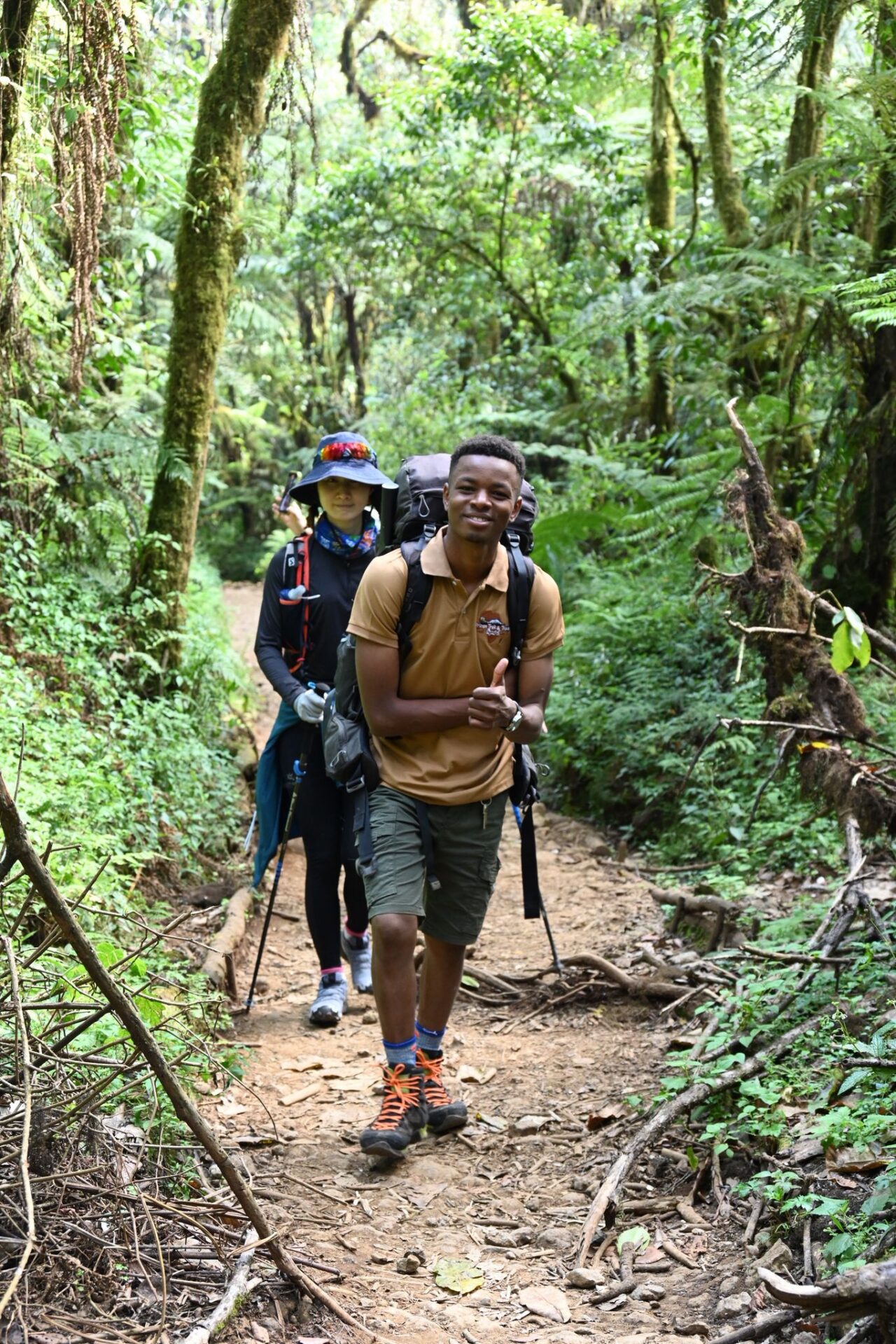
Our guides are not just facilitators; they are highly trained professionals with extensive knowledge of mountain medicine, altitude sickness symptoms, and emergency procedures. They undergo regular training and possess certifications in wilderness first aid and CPR. Our support crew, including porters and cooks, are also experienced and well-equipped to ensure your comfort and safety.
- Guide-to-Client Ratio: We maintain a favorable guide-to-client ratio to ensure personalized attention.
- Communication: Guides carry radios and satellite phones for emergency communication.
- Health Monitoring: Guides regularly check trekkers’ vital signs (oxygen saturation, heart rate) and monitor for any signs of altitude sickness.
Emergency Preparedness
Kilimanjaro National Park has emergency rescue systems, and we are equipped to utilize them effectively.
- Oxygen Cylinders: We carry portable oxygen cylinders on all climbs, which can be administered if a trekker shows severe symptoms of altitude sickness.
- First-Aid: Comprehensive medical kits are carried by guides.
- Evacuation: In case of serious medical emergencies, we coordinate with park rangers and use evacuation services (such as Kilimanjaro Rescue Services or AMREF Flying Doctors) to transfer trekkers to medical facilities.
- Emergency Fund: While not typically included in trek costs, having travel insurance that covers emergency medical evacuation is mandatory.
Choosing Top Guide Adventures for your July Kilimanjaro full-moon expedition in 2026 or 2027 means you are partnering with a company that prioritizes your well-being above all else. Our detailed safety protocols are designed to give you peace of mind as you tackle the challenge of Kilimanjaro.
What to Expect from Top Guide Adventures
We pride ourselves on providing a complete and personal travel experience. For your Kilimanjaro climb, this translates to:
- Pre-Trek Briefing: Detailed briefing in Moshi before you start your climb.
- Quality Equipment: We provide high-quality tents, sleeping mats, and cooking equipment.
- Nutritious Meals: Our cooks prepare delicious and energy-rich meals.
- Dedicated Support: From booking to the summit and beyond, our team offers dedicated support.
- Environmental Responsibility: We adhere to Leave No Trace principles and promote responsible tourism.
We believe that a successful and enjoyable July Kilimanjaro full-moon expedition is built on a foundation of trust, safety, and excellent service. We are committed to making your dream of climbing Kilimanjaro a reality.
Booking Your 2026-2027 July Kilimanjaro Full-Moon Expedition
Planning a Kilimanjaro climb, especially one timed for a specific event like a full moon in July, requires advance organization. For the best availability and to secure your preferred dates for 2026 or 2027, it’s advisable to book well in advance.
How to Book with Top Guide Adventures
Booking your July Kilimanjaro full-moon expedition with Top Guide Adventures is straightforward. We aim to provide a personalized service from your first contact.
- Inquire: Reach out to us with your desired dates, preferred route, and any specific questions you may have. You can contact us via WhatsApp at +255616946642 or email us at topguideadventures@gmail.com or info@topguideadventures.com.
- Consultation: We will discuss your options, recommend suitable routes based on your fitness and goals, and provide a detailed itinerary and quotation.
- Confirmation: Once you are happy with the plan, we will send you a booking confirmation and an invoice for the deposit.
- Preparation: We will provide you with a comprehensive pre-departure information pack, including a detailed packing list, training advice, and visa information.
- Pre-Trek Briefing: Upon arrival in Tanzania, we will meet you for a thorough briefing in Moshi.
We recommend booking at least 6-12 months in advance, especially for peak season dates like July and for specific full moon alignments in 2026 and 2027, to ensure availability.
What to Expect After Booking
After booking your July Kilimanjaro full-moon expedition, our team remains at your disposal. We are here to answer any questions you might have during your preparation phase. We can also assist with arranging:
- Airport transfers.
- Pre- and post-climb accommodation in Moshi.
- Optional add-on activities such as Serengeti and Ngorongoro safaris or Zanzibar holidays.
Top Guide Adventures is dedicated to providing a holistic travel experience in Tanzania, ensuring your Kilimanjaro climb is just one part of an incredible adventure. Explore our Tanzania safari tours and Zanzibar holidays to combine with your trek.
Why Choose Top Guide Adventures for Your Full Moon Climb?
As one of Tanzania’s best-trusted tour companies, we offer:
- Local Expertise: Deep understanding of Kilimanjaro, its routes, and the local culture.
- Personal Attention: We treat every client with care and provide dedicated support.
- Safety Focus: Unwavering commitment to the safety and well-being of our clients.
- High Success Rates: Through careful planning, experienced guides, and recommended routes.
- Complete Packages: We handle all necessary logistics, allowing you to focus on your climb.
Don’t miss the chance to experience the magic of Kilimanjaro under the full moon. Contact Top Guide Adventures today to plan your unforgettable July Kilimanjaro full-moon expedition for 2026 or 2027. Visit our TripAdvisor reviews to see what our clients say.
Check Availability for July Kilimanjaro Full-Moon Expedition: Your Ultimate Guide For 2026-2027
Ready to compare dates, prices, and the best option for your group? Send the package name and travel month so the team can reply with a clear quote, availability, and what is included.
Kilimanjaro Full-Moon Vs Dark-Sky Climb: Which Is Best For You In ? 2026-2027
Choosing between a Kilimanjaro full-moon or dark-sky climb in 2026-2027 involves weighing unique advantages. A full-moon climb offers visibility and a magical atmosphere, while a dark-sky...
View package details
Carbon-Conscious Kilimanjaro Expeditions 2026-2027
Carbon-Conscious Kilimanjaro Expeditions is explained with current 2026-2027 planning, price, itinerary and booking information.
View package details
Kilimanjaro Active Honeymoon Adventure: Your Ultimate Romantic Trek 2026-2027
Combine the thrill of climbing Mount Kilimanjaro with the romance of a honeymoon. Top Guide Adventures offers unforgettable active honeymoon adventures on Kilimanjaro, blending challenging...
View package details
Kilimanjaro Leadership And Team-Building Expedition: Summit Success With Top
Elevate your team's potential on a Kilimanjaro Leadership and Team-Building Expedition. Top Guide Adventures crafts unique climbs designed to foster collaboration, resilience, and strategic...
View package details
Kilimanjaro Food And Nutrition Mistakes: Avoid These To Summit Successfully
Proper nutrition is crucial for a successful Kilimanjaro climb. This guide details common food and nutrition mistakes climbers make, offering expert advice on what to eat, when to eat it...
View package details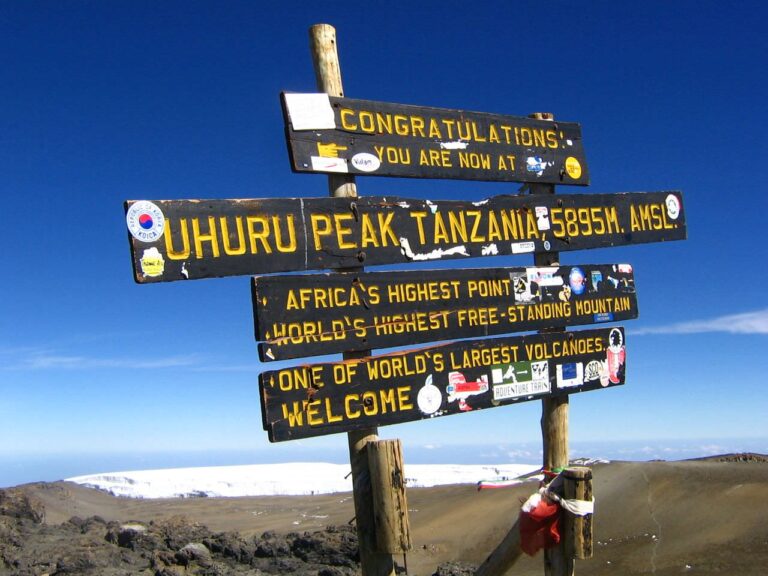
What Does Kilimanjaro Rainforest Look Like? A Trekkers Visual Guide 2026-2027
The Kilimanjaro rainforest is a vibrant, humid zone of dense vegetation, towering trees, and diverse plant life found on the mountain's lower slopes. It's the first major ecosystem trekkers...
View package details
Kilimanjaro Climb With A Personal Support Assistant: Your Ultimate Guide
Climbing Mount Kilimanjaro with a personal support assistant offers unparalleled safety, comfort, and focus on your summit goals. This guide details what a personal assistant entails, its...
View package details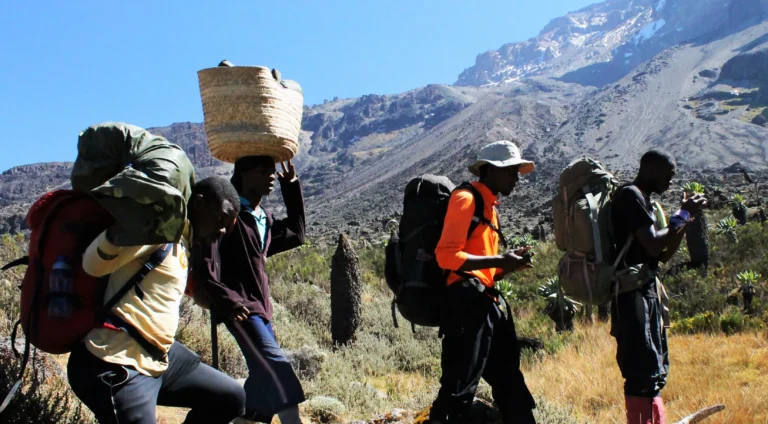
How To Know Whether You Are Ready For Kilimanjaro: A Comprehensive Guide
Climbing Mount Kilimanjaro is a significant undertaking. This guide helps you evaluate your physical, mental, and logistical readiness to ensure a safe and successful trek in 2026 or 2027...
View package details
Kilimanjaro Hydration Mistakes Climbers Make And How To Avoid Them 2026-2027
Proper hydration is critical for a successful Kilimanjaro climb. This guide details common hydration mistakes climbers make, from under-drinking to choosing the wrong fluids, and provides...
View package details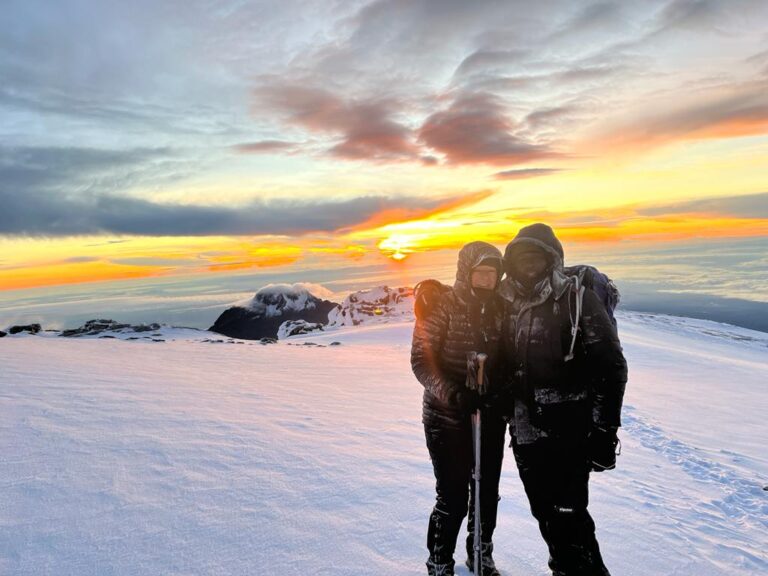
Kilimanjaro Altitude-Sickness Mistakes 2026-2027
Kilimanjaro Altitude-Sickness Mistakes is explained with current 2026-2027 planning, price, itinerary and booking information.
View package detailsKilimanjaro Summit-Night Mistakes To Avoid: Your Essential Guide For Climbs
Summit night on Kilimanjaro is the most challenging part of the climb. Avoiding common mistakes in acclimatization, gear, hydration, and pacing is crucial for success. This guide details...
View package details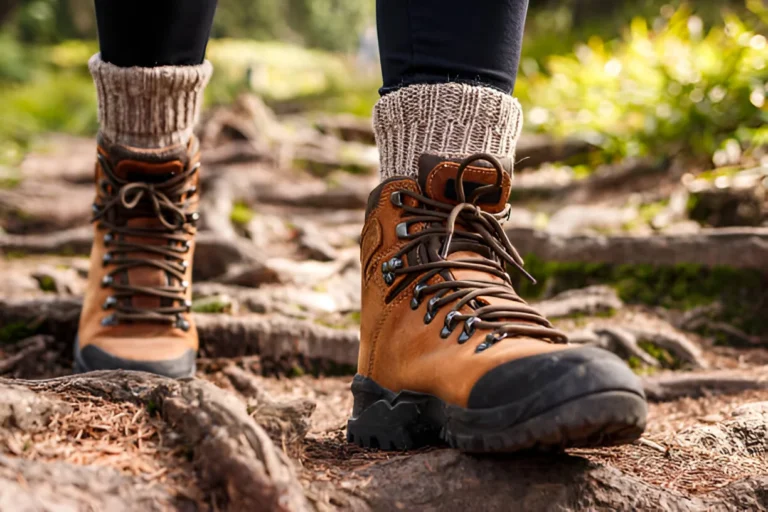
Kilimanjaro Training Mistakes That Reduce Summit Success 2026-2027
Kilimanjaro Training Mistakes that Reduce Summit Success is explained with current 2026-2027 planning, price, itinerary and booking information.
View package detailsNo related package matches those filters. Clear one or more filters to see the other topic-matched options.



