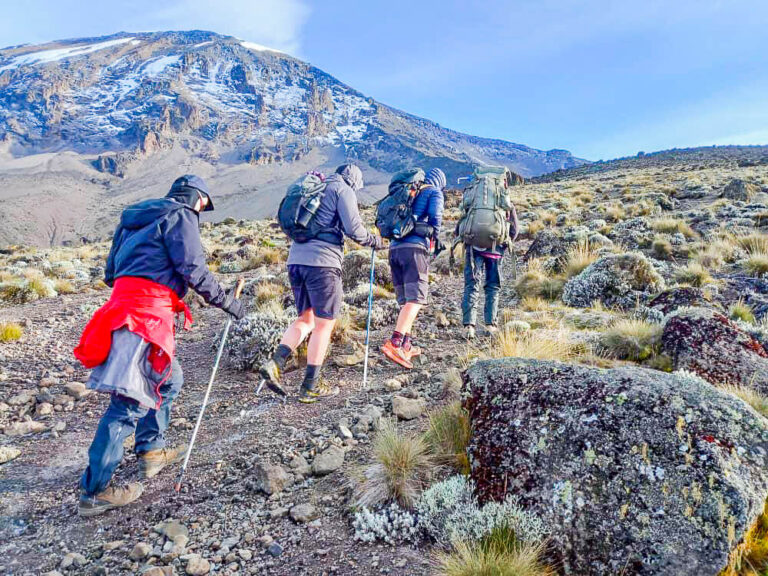
A 7-day Rongai Route Kilimanjaro climb in July offers a fantastic opportunity to summit Africa’s highest peak, characterized by generally dry weather and cooler temperatures, making it ideal for trekkers aiming for success in 2026-2027. This route is known for its gradual ascent on the northern side, offering a less crowded experience and good acclimatization, with a typical itinerary involving 6 nights on the mountain, culminating in a summit attempt via the Gilman’s Point and Uhuru Peak. Expect clear skies, but be prepared for significant temperature drops, especially at higher altitudes and during the summit night.

Why Choose the Rongai Route for Your July Kilimanjaro Expedition?
The decision to climb Kilimanjaro is significant, and for many, the choice of route and timing plays a crucial role in the overall experience. When considering a 7-day Rongai Route Kilimanjaro climb in July, you are aligning yourself with one of the most favorable conditions for a successful ascent. July falls within Kilimanjaro’s dry season, a period that generally offers stable weather patterns, reduced rainfall, and clearer views, which are invaluable when aiming for the summit of this majestic mountain.
July: A Prime Month for Kilimanjaro Treks
Kilimanjaro experiences two main dry seasons: January to March and June to October. July is firmly planted in the longer, second dry season. This means:
- Lower Precipitation: While rain can never be entirely ruled out on any mountain, July sees significantly less rainfall compared to the wet seasons. This translates to more comfortable trekking days and a reduced risk of slippery or muddy trails.
- Clearer Skies: The dry air often provides excellent visibility, offering impressive panoramic views of the surrounding landscapes, including the plains of Kenya and Tanzania, and the iconic Mount Meru.
- Cooler Temperatures: July is one of the cooler months on Kilimanjaro. While this might sound daunting, cooler temperatures are actually beneficial for climbing. They help prevent overheating during strenuous ascents and contribute to better acclimatization, reducing the risk of altitude sickness. You’ll need warm layers, but the cooler conditions are a significant advantage for summit success.
The Rongai Route: Advantages for a 7-Day Climb
The Rongai Route approaches Kilimanjaro from the north, near the Kenyan border. This offers several distinct advantages, particularly for a 7-day itinerary:
- Gradual Ascent: The Rongai is known for its gentler, more consistent slope on the approach. This gradual acclimatization profile is excellent for helping your body adjust to the increasing altitude, which is critical for summit success, especially on a shorter timeframe like 7 days.
- Less Crowded: Compared to more popular routes like Machame or Marangu, Rongai is less trafficked. This means a more serene and personal trekking experience, allowing you to connect more deeply with the mountain and your surroundings.
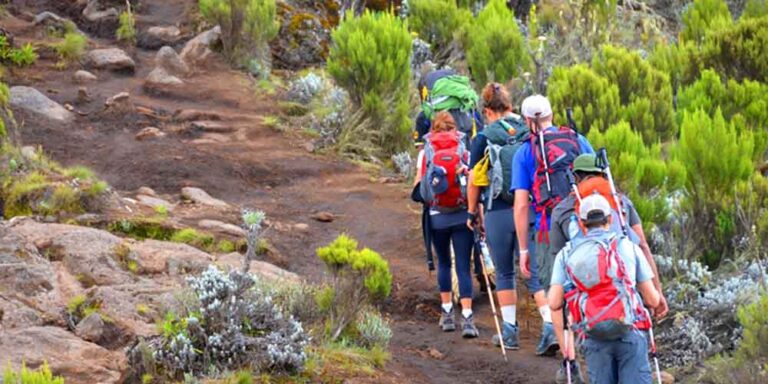
- Unique Scenery: The northern side of Kilimanjaro offers a different ecological perspective, transitioning from farmland to rainforest, then moorland, alpine desert, and finally arctic summit zones. The views are spectacular and varied.
- Good Success Rates: While success is never guaranteed and depends on many factors, the Rongai’s acclimatization profile and the favorable July weather contribute to good success rates for those who prepare adequately.
Why a 7-Day Rongai Climb in July is a Smart Choice for 2026-2027
Combining these factors, a 7-day Rongai Route Kilimanjaro climb in July 2026 or July 2027 presents an optimal scenario for many trekkers. It balances favorable weather, excellent acclimatization potential, a less crowded environment, and a strategic approach to summiting Africa’s Roof of Africa. For those planning their adventure in the coming years, securing a spot during this period is a wise decision.
Understanding the 7-Day Rongai Route Itinerary
The 7-day Rongai Route itinerary is designed to maximize your chances of reaching the summit by providing sufficient time for acclimatization. While variations exist, a standard 7-day plan progresses through Kilimanjaro’s distinct ecological zones. At Top Guide Adventures, we focus on providing a well-paced journey that prioritizes your safety and enjoyment.
Day 1: Rongai Gate (1,995m/6,545ft) to Simba Camp (2,600m/8,530ft)
Your Kilimanjaro adventure begins at the Rongai Gate, where you’ll complete registration and meet your climbing crew. The initial trek is relatively gentle, taking you through cultivated land and pine forest. The ascent is gradual, and you’ll likely encounter local villagers and potentially wildlife. The goal for the day is to reach Simba Camp, a picturesque spot with good views. The trek typically takes 3-4 hours and covers about 6-8 kilometers.
Day 2: Simba Camp (2,600m/8,530ft) to Kikelewa Caves (3,600m/11,811ft)
Today, the landscape begins to change as you enter the moorland zone. The trail becomes steeper in places, but the views continue to open up. You’ll be trekking through heather and senecio trees. Kikelewa Caves offers a more remote camping experience, situated in a beautiful, sheltered area. This day’s trek is longer, usually taking 6-7 hours and covering approximately 12 kilometers. The altitude gain is significant, contributing to your acclimatization.
Day 3: Kikelewa Caves (3,600m/11,811ft) to Mawenzi Tarn Camp (4,310m/14,140ft)
This is a shorter but steeper day, with a significant altitude gain. You’ll be trekking towards the base of Mawenzi, one of Kilimanjaro’s three volcanic cones. Mawenzi Tarn Camp is located in a stunning alpine desert environment, located in a cirque beneath the dramatic cliffs of Mawenzi. The camp offers spectacular views, especially of the Kibo massif. The trek takes about 3-4 hours and covers around 7 kilometers. The altitude here is substantial, so rest and hydration are key.
Day 4: Mawenzi Tarn Camp (4,310m/14,140ft) to Kibo Huts (4,720m/15,485ft)
Today involves traversing the alpine desert to reach Kibo Huts, the base camp for the summit push. The terrain is rocky and exposed, with the views of Kibo’s summit cone dominating the horizon. This is a crucial day for acclimatization, as you’re moving towards the critical high-altitude zone. The trek is about 10-12 kilometers and takes approximately 5-7 hours. You’ll spend the afternoon resting and preparing for the summit attempt, which usually begins around midnight.
Day 5: Summit Day! Kibo Huts (4,720m/15,485ft) to Uhuru Peak (5,895m/19,341ft) and descend to Horombo Huts (3,700m/12,140ft)
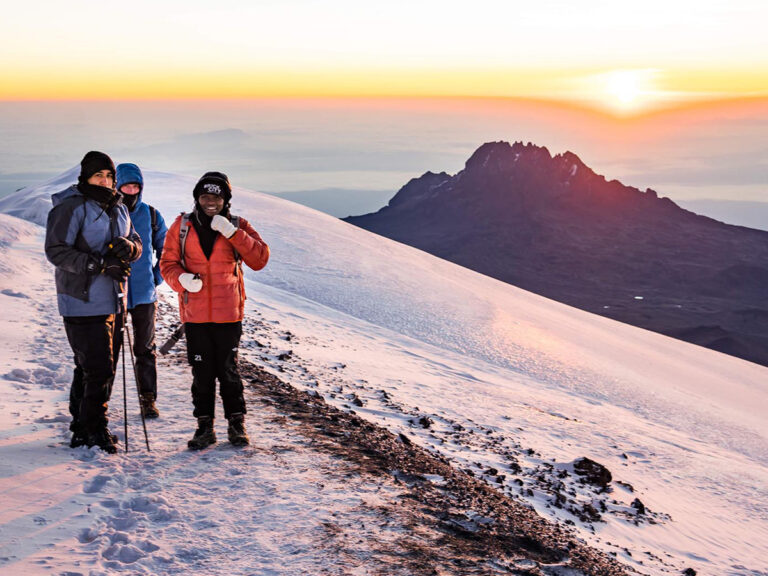
This is the most challenging day. You’ll start your ascent around midnight, trekking in the dark with headlamps. The trail is steep and rocky, moving onto scree slopes. The goal is to reach Gilman’s Point (5,685m/18,652ft) by sunrise, offering your first incredible views. From Gilman’s Point, you continue for about 1-2 hours to Uhuru Peak, the true summit of Kilimanjaro. After celebrating your achievement, you begin the long descent, passing Kibo Huts and continuing down to Horombo Huts. This day involves immense elevation change and can take 10-15 hours.
Day 6: Horombo Huts (3,700m/12,140ft) to Marangu Gate (1,800m/5,905ft)
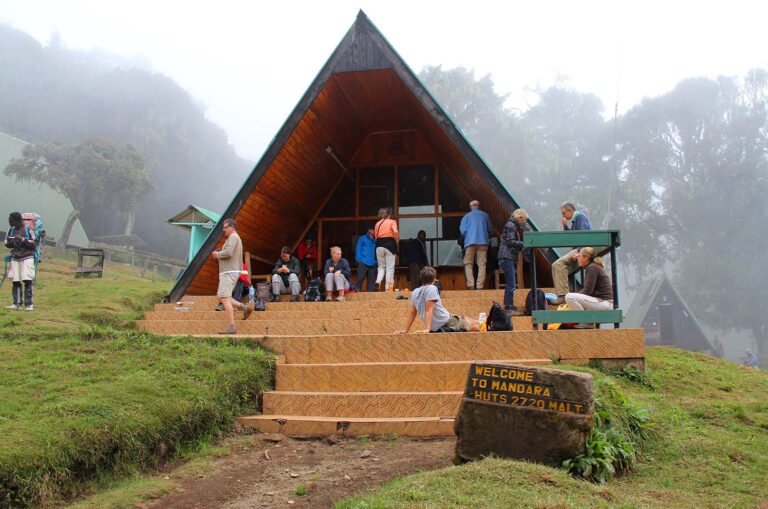
The final day of trekking involves descending through the moorland and forest zones. The trail is well-maintained and often less strenuous than the ascent. You’ll pass Mandara Huts before reaching Marangu Gate, where you’ll receive your climbing certificates. The trek takes approximately 5-7 hours and covers about 20 kilometers. From the gate, you’ll be transferred back to your hotel in Moshi.
Day 7: Departure
Enjoy a leisurely breakfast at your hotel before your transfer to Kilimanjaro International Airport (JRO) or your next destination. This marks the end of your 7-day Rongai Route Kilimanjaro climb in July.
Preparing for Your 7-Day Rongai Climb in July 2026-2027
Successful Kilimanjaro climbs are built on preparation. For your 7-day Rongai Route Kilimanjaro climb in July 2026-2027, thorough preparation is key. This includes physical conditioning, mental readiness, and proper gear selection.
Physical Training: Building Your Endurance
Kilimanjaro is a challenging trek that requires good cardiovascular fitness. Focus your training on:
- Aerobic Exercise: Engage in activities like hiking (with a backpack), running, cycling, and swimming at least 3-4 times a week for several months leading up to your climb.
- Hiking with Inclines: Simulate mountain conditions by hiking on hilly terrain or using stair climbers. Practice hiking with a weighted backpack (5-10 kg) to get used to carrying extra load.
- Strength Training: Focus on lower body strength (squats, lunges) and core stability to support long days of trekking and carrying weight.
- Endurance: Prioritize long hikes, ideally 4-6 hours, to build the stamina needed for summit day.
Acclimatization Strategies
Acclimatization is the most critical factor for summit success. The 7-day Rongai route is designed with this in mind, but you can further support your body:
- Go ‘Pole Pole’: This Swahili phrase means ‘slowly, slowly’. It’s the mantra of Kilimanjaro climbers. Maintain a slow, steady pace that allows you to talk without gasping for breath.
- Hydrate: Drink plenty of water (3-4 liters per day) starting before you even begin the climb. Avoid alcohol and caffeine, which can dehydrate you.
- Eat Well: Consume balanced meals and snacks. Your body needs fuel to cope with the exertion and altitude.
- Rest: Ensure you get adequate sleep at the camps.
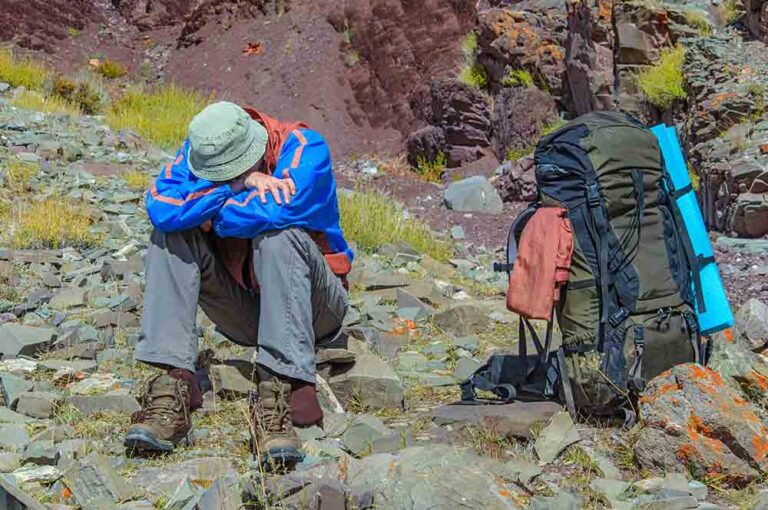
- Listen to Your Body: Be aware of the symptoms of Acute Mountain Sickness (AMS) and communicate any concerns to your guide immediately.
Essential Gear for a July Climb
July on Kilimanjaro means cold temperatures, especially at night and during the summit push. Layering is essential. Here’s a breakdown of key items:
Clothing Layers:
- Base Layers: Moisture-wicking thermal tops and bottoms (merino wool or synthetic).
- Mid Layers: Fleece jackets or vests for insulation.
- Outer Layer (Insulation): A warm down or synthetic insulated jacket.
- Outer Layer (Shell): Waterproof and windproof jacket and trousers (Gore-Tex or similar).
Footwear:
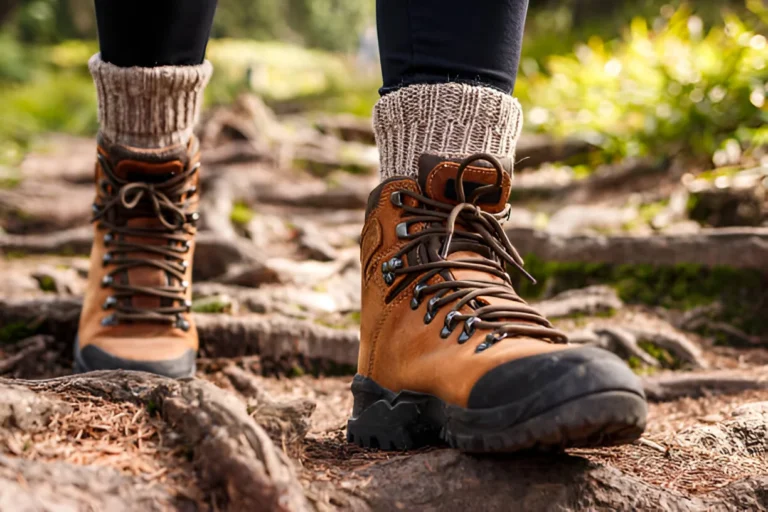
- Hiking Boots: Waterproof, broken-in, mid-to-high ankle support boots.
- Camp Shoes: Comfortable trainers or sandals for camp.
- Socks: Several pairs of wool or synthetic hiking socks.
Headwear & Handwear:
- Warm Hat: Fleece or wool hat that covers your ears.
- Sun Hat: Wide-brimmed hat for sun protection.
- Balaclava/Neck Gaiter: For protection against wind and cold.
- Gloves: Thin liner gloves and warm, waterproof outer gloves or mittens.
Trekking Gear:
- Backpack: A comfortable daypack (25-35 liters) for daily essentials.
- Trekking Poles: Highly recommended for stability and reducing knee strain.
- Headlamp: With extra batteries (essential for summit night).
- Water Bottles/Hydration Reservoir: Minimum 3 liters capacity. Insulated covers are useful for July.
- Sunglasses: High UV protection.
- Sunscreen & Lip Balm: High SPF.
- Insect Repellent: Though less of an issue at higher altitudes.
- Personal First-Aid Kit: Including blister treatment, pain relievers, and any personal medications.
- Toiletries: Biodegradable soap, toothbrush, toothpaste, wet wipes.
- Sleeping Bag: Rated to at least -10°C (14°F) for July climbs.
- Duffel Bag: Waterproof, 70-90 liter, for porters to carry.
The Rongai Route vs. Other Kilimanjaro Routes for a 7-Day Climb
When planning your Kilimanjaro ascent, choosing the right route is paramount. For a 7-day climb, especially in July, the Rongai Route stands out, but it’s helpful to compare it with other options.
Rongai Route (7 Days)
* Pros: Excellent acclimatization due to gradual ascent, less crowded, beautiful scenery from the north, good success rates, dry weather in July.
* Cons: Slightly less scenic diversity in the lower forest zone compared to southern routes, the start is more remote.
* Best for: Trekkers prioritizing acclimatization, a quieter experience, and good success rates in the dry season. The 7-day option is a good balance for time and acclimatization.
Machame Route (7 Days)
* Pros: Very scenic, excellent acclimatization profile (often considered the best), high success rates, good infrastructure (campsites).
* Cons: Can be very crowded, especially in peak season. The 7-day Machame is excellent but often leads to the same camps as the 6-day version, making summit night very long.
* Best for: Trekkers who want a scenic and well-acclimatized climb and don’t mind sharing the trail with others.
Lemosho Route (7 or 8 Days)
* Pros: Highly scenic, excellent acclimatization, less crowded than Machame initially, offers a more remote feel.
* Cons: Generally longer (7-8 days recommended for proper acclimatization), can be more expensive.
* Best for: Trekkers seeking a premium, scenic, and well-acclimatized experience, willing to invest more time and budget.
Marangu Route (6 or 7 Days)
* Pros: The only route with hut accommodation, considered the ‘Coca-Cola’ route, often seen as easier due to hut comfort and gradual slope (though this can hinder acclimatization).
* Cons: Lower success rates, can be crowded, less scenic than other routes, the 7-day option is still quite challenging for acclimatization.
Shira Route (7 or 8 Days)
* Pros: Starts at a higher altitude, offering immediate dramatic scenery and a sense of remoteness.
* Cons: Starts high, which can be problematic for acclimatization if not managed carefully. Requires a 7-8 day itinerary for safety.
Northern Circuit (9+ Days)
* Pros: Longest and highest success rates due to excellent acclimatization, most scenic (circumnavigates the mountain), least crowded.
* Cons: Requires more time (minimum 9 days), more expensive.
Choosing the Best 7-Day Route for July 2026-2027
For a 7-day Kilimanjaro climb in July, the Rongai Route is an excellent choice, especially if you prioritize a quieter experience and a good acclimatization profile without the crowds of Machame. The 7-day Machame is also a strong contender for its scenic beauty and acclimatization, but expect more company on the trails. If budget and time are less of a concern, an 8-day Lemosho or Northern Circuit offers superior acclimatization and views, but if you’re committed to 7 days, Rongai or Machame are top picks. For 2026-2027, booking early for July is advised due to its popularity.
Understanding Kilimanjaro’s Weather in July
July is a fantastic month to climb Kilimanjaro, falling squarely within the second dry season. This period typically offers the most stable and favorable weather conditions for trekkers. However, it’s crucial to understand that Kilimanjaro’s weather is highly variable and changes dramatically with altitude.
Temperature Ranges
Temperatures on Kilimanjaro in July can vary significantly:
- Base (e.g., Marangu/Rongai Gate): Expect pleasant, warm temperatures, typically around 20-25°C (68-77°F) during the day.
- Lower Slopes (Rainforest): Days can be mild to warm (15-20°C / 59-68°F), but it can be damp. Nights are cooler.
- Moorland Zone: Days become cooler (10-15°C / 50-59°F), and nights can drop to freezing (0-5°C / 32-41°F).
- Alpine Desert: Days are cold (0-10°C / 32-50°F), with nights dropping well below freezing, often -5°C to -10°C (14-23°F).
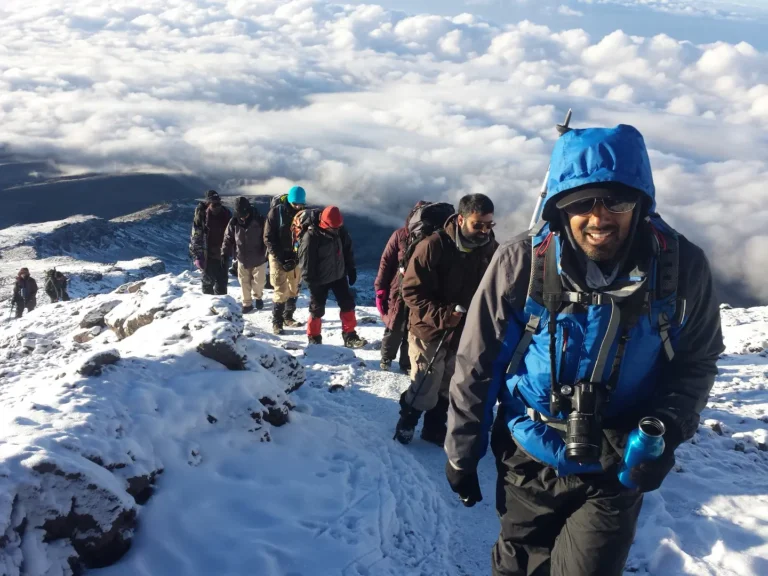
- Summit (Uhuru Peak): Temperatures on summit night can plummet to -15°C to -25°C (5-13°F), with wind chill making it feel even colder.
Precipitation and Sunlight
July is characterized by low humidity and minimal rainfall. You can expect mostly clear days, allowing for stunning views. However, brief, unexpected showers can occur, especially in the lower rainforest zone. Sunlight is intense at altitude, so sun protection is vital.
Wind Conditions
Wind is a significant factor, especially on the exposed alpine desert and summit slopes. While generally less windy than during the rainy seasons, strong gusts can still occur, particularly during the summit ascent. This is why windproof outer layers and protecting exposed skin are crucial.
What This Means for Your 7-Day Rongai Climb
For your 7-day Rongai Route Kilimanjaro climb in July 2026-2027, pack for cold weather. Layering is key: start with a moisture-wicking base layer, add insulating mid-layers (like fleece), and finish with a waterproof and windproof outer shell. A warm down jacket is essential for evenings and summit night. Don’t underestimate the cold, especially on the summit attempt. Good quality gloves, a warm hat, and a balaclava are non-negotiable.
Altitude Sickness (AMS) on the Rongai Route
Altitude sickness, or Acute Mountain Sickness (AMS), is the most common challenge faced by Kilimanjaro climbers. Understanding it is crucial for a safe and successful 7-day Rongai Route Kilimanjaro climb in July.
What is AMS?
AMS occurs when your body doesn’t get enough oxygen as you ascend to higher altitudes. The air pressure is lower, meaning fewer oxygen molecules are available with each breath. Symptoms can range from mild to severe and can affect anyone, regardless of age or fitness level.
Common Symptoms of AMS:
- Headache (often the first sign)
- Nausea and vomiting
- Dizziness and lightheadedness
- Fatigue and weakness
- Loss of appetite
- Difficulty sleeping
- Shortness of breath (even at rest)
More severe forms include High Altitude Cerebral Edema (HACE) and High Altitude Pulmonary Edema (HAPE), which are life-threatening emergencies.
Preventing and Managing AMS on the Rongai Route:
Key strategies include:
- Ascend Slowly (‘Pole Pole’): The 7-day Rongai itinerary is designed for gradual ascent, but maintaining a slow pace on the trail is vital.
- Hydration: Drink 3-4 liters of water daily.
- Avoid Alcohol and Smoking: These can exacerbate AMS symptoms.
- Medication: Discuss Diamox (acetazolamide) with your doctor. It can help speed up acclimatization but doesn’t prevent AMS entirely and has side effects.
- Listen to Your Body: Report any symptoms to your guide immediately. Do not try to tough it out.
- Descend if Necessary: The only cure for moderate to severe AMS is descent. Your guide will make this decision if your condition worsens.
The Rongai Route’s gradual ascent on the northern side is generally considered to provide good acclimatization, potentially reducing the risk of AMS compared to steeper routes. However, vigilance is always required.
Food and Accommodation on the 7-Day Rongai Climb
Your experience on Kilimanjaro is significantly shaped by the food and accommodation provided. Top Guide Adventures prioritizes quality and comfort to support your trek.
Campsite Accommodation
All routes on Kilimanjaro, except Marangu, use camping. The Rongai Route utilizes designated campsites:
- Tents: You’ll sleep in high-quality, waterproof tents designed for mountain conditions. Most trekkers share a 2-person tent.
- Mess Tent: A separate tent is set up for dining, providing a comfortable space to eat meals and socialize, protected from the elements.
- Toilet Tent: A portable toilet tent is set up at each campsite for privacy.
- Sleeping Mats: Comfortable sleeping mats are provided. You will need to bring your own sleeping bag.
### Sleeping Bags for July:
For a 7-day Rongai Route Kilimanjaro climb in July, a sleeping bag rated to at least -10°C (14°F) is highly recommended due to the cold night temperatures. Consider a 4-season bag.
On-Mountain Cuisine
Our chefs prepare nutritious and delicious meals using fresh ingredients. The goal is to provide high-energy food to sustain you throughout the climb.
- Breakfast: Typically includes porridge, eggs, sausages, toast, fruit, and hot beverages.
- Lunch: Often a packed lunch to eat on the trail, consisting of sandwiches, fruits, biscuits, boiled eggs, and juice. Sometimes, a hot lunch is prepared at the campsite if time allows.
- Dinner: A hearty, multi-course meal usually includes soup, a main course (e.g., chicken, beef, vegetable stew with rice or pasta), and dessert.
- Snacks: Biscuits, nuts, fruit, and chocolate are provided daily.
- Drinking Water: Boiled and purified drinking water is supplied daily.
Special dietary requirements (vegetarian, vegan, gluten-free, etc.) can be accommodated with advance notice. Please inform us when booking your July 2026-2027 climb.
The Role of Guides and Porters on Your Rongai Climb
The success and enjoyment of your 7-day Rongai Route Kilimanjaro climb in July heavily depend on the expertise and dedication of your mountain crew – your guides and porters.
Your Guides: The Experts on the Mountain
* Experience: Our guides are highly experienced mountaineers with extensive knowledge of Kilimanjaro, its routes, flora, fauna, and importantly, altitude sickness management.
* Safety First: They are trained in wilderness first aid and are responsible for your safety at all times. They monitor your health, pace, and acclimatization.
* Route Knowledge: They know the best trails, campsites, and water sources.
* Support: They provide encouragement, motivation, and share insights about the mountain environment.
### Your Porters: The Backbone of the Expedition
* Carrying Gear: Porters carry the majority of your equipment, including tents, food, cooking gear, and your duffel bag (up to 15kg).
* Setting Up Camp: They arrive at the campsite ahead of you to set up tents and prepare the mess tent.
* Logistics: They ensure the smooth logistical operation of the entire trek.
* Ethical Treatment: At Top Guide Adventures, we are committed to the ethical treatment of our porters, ensuring they are well-paid, properly clothed, and fed.
Tipping Your Crew
Tipping is customary and an important part of the porters’ and guides’ income. A general guideline is provided upon booking, but your lead guide will offer specific recommendations based on the group size and the duration of the climb. Tipping is usually done as a group on the final day at the hotel.
## What to Expect on Summit Night: The Ultimate Challenge
Summit night on Kilimanjaro is often described as the most demanding part of the trek. For a 7-day Rongai Route Kilimanjaro climb in July, this night will be cold and challenging, but incredibly rewarding.
The Midnight Start
Your ascent typically begins between 11:30 PM and 1:00 AM from Kibo Huts (4,720m/15,485ft). You’ll be woken up, given a hot drink and a light snack, and then start hiking in the dark, guided by headlamps.
The Climb to Gilman’s Point
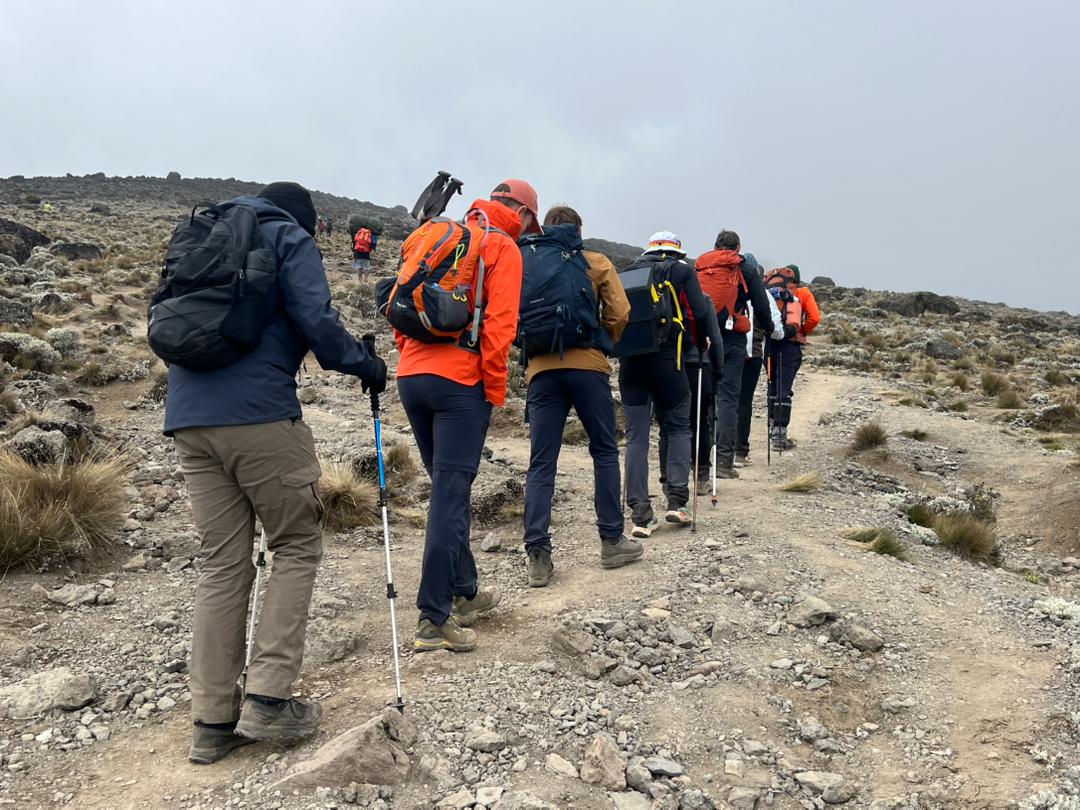
The trail from Kibo Huts to Gilman’s Point (5,685m/18,652ft) is a relentless zig-zag up a steep scree slope. The altitude is extreme, and the cold can be biting. Progress is slow, with frequent short breaks. Your guides will set a steady, sustainable pace – ‘pole pole’. The air is thin, making every step an effort.
Reaching Uhuru Peak
After reaching Gilman’s Point, you’ll likely take a short break. The final push to Uhuru Peak (5,895m/19,341ft), the true summit, takes another 1.5 to 2 hours. This section involves traversing along the crater rim, with stunning views of the glaciers and the vast expanse below. Reaching Uhuru Peak is an emotional and triumphant moment.
The Descent: As Important as the Ascent
Do not underestimate the descent. It is long, steep, and can be hard on your knees. You will descend back to Kibo Huts, where you’ll have a brief rest and some food, before continuing the long trek down to Horombo Huts. Many people feel the effects of altitude more strongly on the descent as they are tired and dehydrated.
Tips for Summit Night:**
- Stay Hydrated: Sip water constantly, even if you don’t feel thirsty.
- Eat Energy Snacks: Keep energy bars, gels, or nuts handy for quick fuel.
- Keep Moving: Maintain a steady pace to keep your body warm and your circulation going.
- Protect Yourself from the Cold: Ensure all your layers are on, and your extremities (head, hands, feet) are well-covered.
- Stay Positive: It’s a mental battle as much as a physical one. Focus on one step at a time.
## Planning Your 2026-2027 Kilimanjaro Trip
Booking your 7-day Rongai Route Kilimanjaro climb in July 2026 or July 2027 requires careful planning. Here’s what you need to consider:
When to Book
July is a popular month due to the dry weather. For peak season climbs in 2026-2027, especially for specific dates or group departures, booking 6-12 months in advance is highly recommended. This ensures availability and allows ample time for your training and preparation.
Choosing a Tour Operator
Selecting a reputable tour operator is crucial. Look for companies that:
- Prioritize safety with experienced guides and proper equipment.
- Have a strong commitment to ethical treatment of porters and staff.
- Offer comprehensive pre-climb information and support.
- Provide good quality food and accommodation.
- Have clear policies on altitude sickness and emergency procedures.
Top Guide Adventures is one of Tanzania’s trusted tour companies, dedicated to providing complete travel experiences with personal attention, care, and dedicated support for every client. We organize Kilimanjaro climbs, safaris, Zanzibar holidays, and tailor-made journeys across Northern and Southern Tanzania. We specialize in ensuring your 7-day Rongai Route Kilimanjaro climb in July is a safe, memorable, and successful adventure.
Costs and What’s Included
The cost of a 7-day Rongai Route Kilimanjaro climb can vary significantly based on the operator, group size, and inclusions. Typically, a climb package will include:
- Park entry fees, camping fees, and rescue fees
- All meals on the mountain
- Tents, cooking equipment
- Experienced, certified guides, cooks, and porters
- Bottled drinking water
- Temporary oxygen cylinders (on some reputable tours)
- Transfer from Moshi to the mountain gate and back
- Accommodation in a hotel in Moshi before and after the climb (often 2 nights)
Exclusions typically include:
- Flights to and from Kilimanjaro International Airport (JRO)
- Visa fees
- Travel insurance (mandatory)
- Personal climbing gear (sleeping bag, boots, etc.)
- Tips for guides, porters, and cooks
- Lunches and dinners in Moshi (unless specified)
- Personal expenses (e.g., drinks, souvenirs)
Expect prices for a 7-day Rongai Route climb to range from $1,600 to $3,000+ per person, depending on the operator’s quality and inclusions. For 2026-2027, these prices are subject to change based on government fees and inflation, so always request a detailed quote.
Visa and Health Requirements
* Visa: Check the latest visa requirements for Tanzania for your nationality well in advance.
* Vaccinations: Consult your doctor or a travel clinic about recommended vaccinations (e.g., Yellow Fever, Hepatitis A, Typhoid) and malaria precautions.
* Travel Insurance: Comprehensive travel insurance covering high-altitude trekking and emergency medical evacuation is mandatory.
### Important Contacts for Your Climb:
If you are ready to plan your 7-day Rongai Route Kilimanjaro climb in July 2026-2027, or have any questions, please reach out to Top Guide Adventures:
- WhatsApp: +255616946642
- Email: topguideadventures@gmail.com
- Backup Email: info@topguideadventures.com
We are here to help you craft the perfect Kilimanjaro adventure, ensuring you are well-prepared for your 7-day Rongai Route Kilimanjaro climb in July.
Frequently Asked Questions about the 7-Day Rongai Route in July
Is the 7-day Rongai Route suitable for beginners?
The 7-day Rongai Route is considered moderately challenging. While its gradual ascent aids acclimatization, it still involves significant altitude gain and a demanding summit night. Beginners should focus on rigorous physical training for several months prior and be prepared for the challenges of high altitude. It’s a good option for fit beginners who are serious about preparation.
What is the best time of year for the Rongai Route?
While the Rongai Route can be climbed year-round, the dry seasons (June to October and December to February) are generally preferred for stable weather and clearer views. July falls within the June-October dry season and is an excellent choice, offering cool temperatures and low rainfall.
How cold does it get on Kilimanjaro in July?
July is one of the colder months. Daytime temperatures can be mild to cool, but nights at higher camps can drop to freezing. Summit night is extremely cold, with temperatures often ranging from -15°C to -25°C (5°F to -13°F), especially with wind chill. Proper layering and a warm sleeping bag are essential.
What are the success rates for the 7-day Rongai Route?
Success rates vary widely depending on the operator, the climber’s preparation, and acclimatization. Generally, the 7-day Rongai Route, with its good acclimatization profile, can achieve success rates of 70-85% for well-prepared climbers with reputable operators. This is higher than some shorter routes but generally lower than longer routes like the 8-day Lemosho or Northern Circuit.