
A July Kilimanjaro Photography and Sunrise Tour offers excellent conditions for capturing stunning images of the summit sunrise, thanks to generally dry weather and clear skies. The best approach involves choosing a longer route like Machame or Lemosho (7-8 days) for better acclimatization, packing specialized photography gear and warm clothing, and planning your summit night to coincide with dawn. Top Guide Adventures specializes in crafting these experiences, ensuring you have the support and expertise needed for a successful climb and unforgettable photographic moments in 2026 and 2027.
Maximizing Your July Kilimanjaro Photography and Sunrise Tour in 2026-2027
Kilimanjaro, the “Roof of Africa,” is a dream destination for trekkers and photographers alike. A July Kilimanjaro Photography and Sunrise Tour is particularly appealing. July falls within Kilimanjaro’s dry season, offering some of the best opportunities for clear views, stable weather, and spectacular sunrise photography from the summit. This guide is crafted to provide an in-depth look at what makes a July trek unique, how to prepare specifically for capturing its beauty, and what to expect on your ascent, whether you’re planning for 2026 or 2027.
As one of Tanzania’s trusted tour companies, Top Guide Adventures understands the nuances of Kilimanjaro climbs, especially when photography is a key focus. We organize complete travel experiences, ensuring personal attention, dedicated support, and tailored journeys. This article will guide you through selecting the best routes, essential gear for photographers, acclimatization strategies, and the magic of witnessing and documenting the sunrise from Uhuru Peak.
Why July is Prime Time for a Kilimanjaro Photography Tour
Choosing the right month for your Kilimanjaro adventure can significantly impact your experience, especially if you’re focused on photography. July is part of Kilimanjaro’s second dry season, which runs from June to October. This period is renowned for its favorable trekking conditions:
- Clear Skies: The dry season typically means less cloud cover, offering clearer views of the surrounding landscape and the vast African sky. This is crucial for photography, providing unobstructed panoramas and better light quality.
- Stable Weather: While mountain weather is always unpredictable, July generally sees less rain and snow compared to the wet seasons. This stability increases your chances of reaching the summit and experiencing a clear sunrise.
- Moderate Temperatures: While the summit remains freezing, the lower and middle altitudes of Kilimanjaro are generally temperate in July. Daytime temperatures can be pleasant for hiking, though nights and summit days require serious cold-weather gear.
- Reduced Trekking Challenges: Trails are less muddy and slippery, making the trek safer and more comfortable, allowing you to focus more on your photography.
For photographers, these conditions translate to higher chances of capturing the iconic Kilimanjaro sunrise without the hindrance of fog or clouds. The crisp air also contributes to sharper images. Planning your July Kilimanjaro Photography and Sunrise Tour for 2026 or 2027 means you are aligning with one of the most reliable windows for a successful and visually rewarding climb.
Choosing the Right Route for Photography and Sunrise Views
When planning a July Kilimanjaro Photography and Sunrise Tour, route selection is paramount. Longer routes offer better acclimatization, which is vital for summit success and for having the energy to enjoy and photograph the views. For photographers, routes that offer diverse landscapes and good vantage points are ideal.
The Machame Route (7-Day Itinerary)
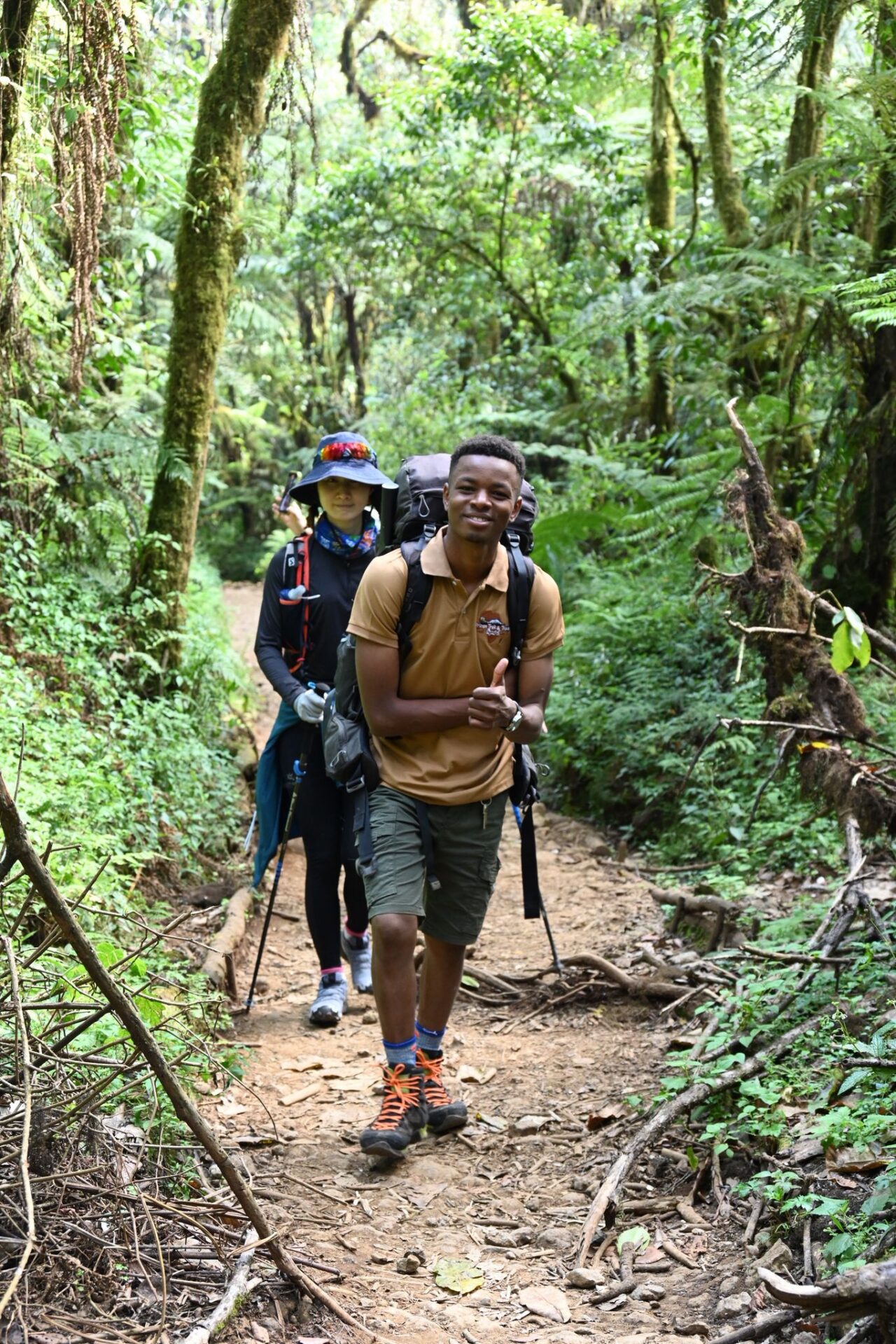
Often called the “Whiskey Route,” the Machame Route is one of the most popular for good reason. Its 7-day itinerary provides a good balance of acclimatization and scenic beauty.
- Pros for Photographers: It traverses a variety of ecological zones, offering diverse photographic opportunities. The “climb high, sleep low” strategy is well-implemented, aiding acclimatization. The final ascent to Stella Point and Uhuru Peak offers dramatic sunrise views.
- July Conditions: In July, the Machame route is generally dry, with good visibility.
- Sunrise Potential: The route is designed to reach the crater rim in the early morning for the sunrise, a key moment for any photography tour.
The Lemosho Route (8-Day Itinerary)
The Lemosho Route is considered one of the most scenic and offers excellent acclimatization due to its longer duration.
- Pros for Photographers: It starts in the lush rainforest and offers spectacular views of the Shira Plateau. The longer itinerary significantly increases summit success rates and allows more time to appreciate and photograph the surroundings. Its western approach provides a different perspective as you ascend.
- July Conditions: Dry and clear, making the scenic beauty of the Lemosho route particularly vibrant.
- Sunrise Potential: Like Machame, the Lemosho route’s itinerary allows for a summit attempt timed for dawn, maximizing your chances of capturing the sunrise.
Other Considerations for Route Choice
While Machame and Lemosho are highly recommended for a July Kilimanjaro Photography and Sunrise Tour, other routes have their merits:
- Northern Circuit (9-Day): The longest route, offering the best acclimatization and the most comprehensive Kilimanjaro experience. It circles the mountain, providing unique photographic perspectives. However, it’s also the most expensive.
- Marangu Route (5 or 6-Day): While shorter and known for “Coca-Cola” hut accommodations, its rapid ascent profile is not ideal for acclimatization, making summit success less likely, especially for photographers who might be slower due to gear. The views can also be more limited compared to western routes.
For a July Kilimanjaro Photography and Sunrise Tour aiming for success and stunning visuals in 2026 or 2027, the 7-day Machame or 8-day Lemosho routes are generally the top choices. Top Guide Adventures can help you select the perfect route based on your fitness, budget, and photographic goals.
Photographer’s Route Recommendation for July
For the best balance of acclimatization, scenic diversity, and sunrise viewing opportunities on your July Kilimanjaro Photography and Sunrise Tour, we recommend the 7-day Machame Route or the 8-day Lemosho Route. These routes provide ample time to adjust to the altitude, increasing your chances of reaching the summit and capturing that magical sunrise. They also traverse varied landscapes, offering a richer portfolio of images.
Essential Photography Gear for Kilimanjaro in July
Photographing Kilimanjaro requires careful consideration of your gear. The conditions—extreme cold at the summit, varying light, and the physical demands of the trek—mean you need equipment that is robust, versatile, and manageable.
Camera Body and Lenses
- Camera Body: A durable DSLR or mirrorless camera is recommended. Consider one with good low-light performance and weather sealing. For a July Kilimanjaro Photography and Sunrise Tour, a camera that can handle cold temperatures is essential.
- Lenses: A versatile zoom lens (e.g., 24-70mm equivalent) is a good starting point for landscapes and general shots. A wide-angle lens (e.g., 16-35mm) is excellent for capturing expansive mountain vistas and the sunrise panorama. A telephoto lens (e.g., 70-200mm) can be useful for distant landscapes or wildlife sightings on lower slopes.
- Backup: Consider bringing a secondary camera body or a compact point-and-shoot for backup.
Tripod and Support
- Lightweight Tripod: Essential for low-light conditions, especially during sunrise and sunset. Choose a sturdy yet lightweight travel tripod.
- Remote Shutter Release/Timer: Minimizes camera shake, crucial for sharp shots in low light.
Power and Storage
- Extra Batteries: Cold drains batteries rapidly. Bring at least 2-3 extra batteries per camera and keep them warm in an inside pocket.
- Power Bank: For charging devices like phones or GPS units.
- Memory Cards: Bring plenty of high-capacity memory cards (e.g., SD cards). Factor in RAW file sizes, which are much larger than JPEGs.
Protection from the Elements
- Camera Bag: A comfortable, well-padded backpack with good support is vital. Consider a bag with a rain cover. A sling bag or a smaller daypack for your camera can be useful for quick access.
- Dry Bags: Essential for protecting your camera and lenses from moisture, especially if unexpected rain occurs or during misty conditions.
- Lens Cleaning Kit: Microfiber cloths, lens wipes, and a blower are necessary for keeping your optics clean from dust and moisture.
Personal Comfort for Photography
- Gloves: You’ll need thin liner gloves for operating the camera and thicker, insulated mittens for warmth. Consider gloves with touch-screen compatibility.
- Headlamp: Crucial for navigating the summit night and for setting up shots in the dark before sunrise.
Preparing your July Kilimanjaro Photography and Sunrise Tour gear meticulously ensures you can focus on capturing the incredible moments without technical frustrations. Top Guide Adventures can provide specific packing lists tailored to photography needs.
Acclimatization: The Key to Summit Success and Great Photos
Altitude sickness (Acute Mountain Sickness – AMS) is the primary reason climbers fail to reach Kilimanjaro’s summit. Proper acclimatization is not just about safety; it’s also about ensuring you have the physical and mental capacity to enjoy the trek and operate your camera effectively.
Understanding Altitude Sickness
Symptoms include headache, nausea, dizziness, fatigue, and shortness of breath. The higher you go, the lower the oxygen pressure. Your body needs time to adapt by producing more red blood cells.
Strategies for Acclimatization
- Go “Pole Pole” (Slowly Slowly): This Swahili phrase is the mantra of Kilimanjaro. Walk at a slow, steady pace, allowing your body to adjust gradually. This is especially important for photographers who might otherwise rush to get a shot.
- Choose Longer Routes: As discussed, routes like Machame (7 days) and Lemosho (8 days) are designed with better acclimatization profiles than shorter routes. They allow for more gradual ascents and “climb high, sleep low” opportunities.
- Hydration: Drink plenty of water (3-4 liters per day). Dehydration can exacerbate AMS symptoms. Avoid alcohol and caffeine, which can dehydrate you.
- Nutrition: Eat well, even if your appetite is reduced. High-carbohydrate meals are recommended at altitude.
- Rest: Get adequate sleep. Avoid overexertion.
- Diamox (Acetazolamide): Consult your doctor about prescribing Diamox. It can help speed up acclimatization but does not replace proper climbing practices.
Acclimatization and Photography
Feeling well physically allows you to appreciate the grandeur around you and concentrate on composition and timing for your photographs. If you’re struggling with AMS, your focus will be solely on getting to the next camp. A well-acclimatized trekker can take the time needed to set up shots, wait for the perfect light, and truly capture the essence of Kilimanjaro during your July Kilimanjaro Photography and Sunrise Tour.
Acclimatization Checklist for July Trekkers
-
Choose a 7+ day route.
-
Walk slowly: “Pole Pole.”
-
Drink 3-4 liters of water daily.
-
Eat balanced meals.
-
Get ample rest.
-
Monitor for AMS symptoms.
-
Consider Diamox after doctor consultation.
The Magic of the Kilimanjaro Sunrise: A Photographer’s Dream
The summit of Kilimanjaro, Uhuru Peak at 5,895 meters (19,341 feet), offers one of the most profound sunrise experiences on Earth. Witnessing and capturing this moment is often the highlight of a July Kilimanjaro Photography and Sunrise Tour.
Timing is Everything
Your summit attempt will typically begin late at night (around 11 PM or midnight) to ensure you reach the crater rim (Stella Point or Gilman’s Point) by dawn. The goal is to be at Uhuru Peak shortly after sunrise to capture the full spectacle.
- The Ascent: The climb from Kibo Hut to the crater rim is the most challenging part of the trek. It’s steep, often on scree, and done in the dark with headlamps. Your focus will be on putting one foot in front of the other.
- Reaching the Rim: As you ascend, the sky begins to lighten. The first hints of dawn paint the eastern horizon with incredible colors. This is when your photography planning pays off.
- The Sunrise: From the crater rim, you look east. The sun will rise, casting long shadows and bathing the clouds below in hues of orange, pink, and gold. The contrast between the dark volcanic rock, the snowfields, and the vibrant sky is impressive.
- Uhuru Peak: Continuing from the rim to Uhuru Peak (the true summit) takes about 45-60 minutes. This allows you to capture the sunrise from the highest point on the continent.
Photographic Considerations for Sunrise
- Light: The pre-dawn and dawn light is soft and dramatic. Use this to your advantage. Capture silhouettes, dramatic landscapes, and the colors of the sky.
- Composition: Look for leading lines (the trail, volcanic features), foreground interest (ice formations, rocks), and the vastness of the landscape. Consider including fellow climbers or your guide for scale.
- Camera Settings: You’ll likely need to adjust your ISO and aperture frequently. A wide aperture (low f-number) is good for low light. Experiment with exposure compensation to capture the dynamic range.
- Focus: Use manual focus if necessary, as autofocus can struggle in low light.
- Patience: The light changes rapidly during sunrise. Be prepared to wait for the perfect moment.
A July Kilimanjaro Photography and Sunrise Tour is an opportunity to capture one of nature’s most spectacular displays. Top Guide Adventures ensures your itinerary is optimized for this moment, with experienced guides who understand the importance of sunrise photography.
Preparing for the Cold: Essential Clothing and Gear
The summit of Kilimanjaro, even in July, is extremely cold, with temperatures often dropping to -10°C to -20°C (14°F to -4°F), and wind chill making it feel even colder. Proper layering is crucial for both comfort and safety.
Layering System
- Base Layer: Moisture-wicking thermal underwear (long johns and long-sleeved top) made of merino wool or synthetic material. Avoid cotton.
- Mid Layer: Insulating layer, such as a fleece jacket or a down vest/jacket. You might need one or two mid-layers depending on the temperature.
- Outer Layer (Shell): Waterproof and windproof jacket and trousers. These should be breathable to allow moisture to escape.
Extremities: Keeping Warm
- Head: A warm woolen hat or balaclava that covers your ears. A neck gaiter or buff is also essential.
- Hands: Layering is key here too. Thin liner gloves for dexterity (useful for operating camera controls) and heavy-duty, insulated waterproof mittens or gloves over them.
- Feet: Warm, moisture-wicking socks (merino wool). Bring several pairs.
Footwear
- Hiking Boots: Well broken-in, waterproof, sturdy hiking boots with good ankle support.
- Camp Shoes/Sandals: Lightweight footwear for use in camp to let your feet breathe.
Sleeping Bag and Mat
- Sleeping Bag: A 4-season sleeping bag rated to at least -15°C (5°F) or -20°C (-4°F) is recommended for July climbs.
- Sleeping Mat: Provides insulation from the cold ground.
Other Essential Items
- Duffel Bag: A large, waterproof duffel bag for your main gear, carried by porters.
- Daypack: A comfortable 30-40 liter backpack for carrying water, snacks, camera gear, extra layers, and essentials during the day’s trek.
- Water Bottles/Bladder: Insulated covers are recommended for water bladders to prevent freezing.
- Sun Protection: High SPF sunscreen, sunglasses (with UV protection), and a wide-brimmed hat, even in July, as the sun is intense at altitude.
- Lip Balm: With SPF.
- Headlamp: With extra batteries.
- Toiletries: Basic personal hygiene items.
- Trekking Poles: Highly recommended for reducing strain on knees, especially on descents.
Proper preparation with the right clothing ensures that the cold doesn’t detract from your ability to enjoy and photograph the stunning landscapes during your July Kilimanjaro Photography and Sunrise Tour. Top Guide Adventures provides detailed packing lists to help you prepare.
July Kilimanjaro Tour Pricing Considerations (2026-2027)
Pricing for a July Kilimanjaro Photography and Sunrise Tour can vary significantly based on the route chosen, duration, group size (private vs. group), and the level of service provided. As of 2026-2027, expect the following:
- Route Duration: Longer routes (7-9 days) are more expensive than shorter ones (5-6 days).
- Inclusions: Look for tours that include park fees, accommodation before and after the climb, meals, experienced guides and crew, porters, rescue fees, and airport transfers. Photography-specific support may incur additional costs.
- Service Level: Budget operators may cut corners on safety or crew welfare. Mid-range and premium operators offer better equipment, food, and support.
- Typical Range: For a reputable operator like Top Guide Adventures offering a 7-day Machame or 8-day Lemosho tour in 2026-2027, prices generally range from $2,200 to $3,500 USD per person for the climb itself. This excludes flights, visas, personal gear, tips, and travel insurance.
Contact Top Guide Adventures directly for a personalized quote for your July Kilimanjaro Photography and Sunrise Tour. WhatsApp +255616946642 or Email topguideadventures@gmail.com.
Training and Fitness for Kilimanjaro Trekkers
While Kilimanjaro is not technically demanding, it requires significant physical endurance. Proper training is essential to maximize your chances of summit success and to enjoy the experience, especially when carrying photography gear.
Cardiovascular Fitness
- Focus: Aerobic capacity is key. You’ll be hiking for several hours each day.
- Activities: Aim for regular activities like hiking (with a weighted backpack), running, cycling, swimming, or using an elliptical machine.
- Frequency: 3-5 times per week for at least 45-60 minutes.
Strength Training
- Focus: Strengthening your legs, core, and back will help you carry your pack and navigate the terrain.
- Exercises: Squats, lunges, step-ups (with weights), planks, and back extensions.
Hiking Specific Training
- Practice Hikes: The most important training is hiking itself. Aim for long hikes (4-8 hours) with significant elevation gain (1,000-2,000 meters or 3,000-6,500 feet) on weekends.
- Simulate Conditions: Hike with the backpack you intend to use, including some weight to simulate your daypack contents.
- Altitude Simulation: If possible, train at higher altitudes.
Mental Preparation
Kilimanjaro is as much a mental challenge as a physical one. The summit night is long and arduous. Visualize success, practice mindfulness, and be prepared for discomfort. Your photography goals can be a powerful motivator.
Starting your training 2-3 months before your July Kilimanjaro Photography and Sunrise Tour in 2026 or 2027 is advisable. Top Guide Adventures recommends consulting with a fitness professional for a personalized training plan.
Health and Safety Considerations
Safety is paramount on any Kilimanjaro climb. Top Guide Adventures prioritizes the well-being of its clients.
Medical Preparedness
- Consult Your Doctor: Before booking, discuss your plans with your physician. Get necessary vaccinations and advice on altitude sickness medication.
- Travel Insurance: Ensure your insurance covers high-altitude trekking and emergency medical evacuation. This is non-negotiable.
- First-Aid Kit: While guides carry comprehensive kits, bring personal medications and a small personal first-aid kit.
Guides and Crew
- Experienced Guides: Top Guide Adventures employs certified, experienced guides trained in wilderness first aid and altitude sickness management.
- Support Staff: Porters and cooks are essential. They are trained to assist climbers and ensure a smooth trek.
Emergency Procedures
- Communication: Guides carry satellite phones or radios for emergencies.
- Evacuation: In case of severe altitude sickness or injury, prompt evacuation is crucial. This is why adequate insurance is vital.
By choosing a reputable operator like Top Guide Adventures, you ensure that robust safety protocols are in place for your July Kilimanjaro Photography and Sunrise Tour.
What to Expect on Summit Night
Summit night is the ultimate test of your endurance and determination. It’s a challenging but incredibly rewarding experience, especially for photographers aiming to capture the sunrise.
- Departure Time: Typically around 11 PM to midnight from Kibo Hut.
- The Climb: It’s a steady, steep ascent on loose scree and rock. You’ll be walking in single file, guided by your headlamp. The cold is intense.
- Pacing: Your guide will ensure you maintain a slow, consistent pace. “Pole Pole” is critical here.
- Breaks: Short, frequent breaks for water and to check on your condition.
- Reaching the Rim: Stella Point (5,756m) or Gilman’s Point (5,685m) is usually reached around 5:30 AM to 6:30 AM, just as dawn begins.
- The Sunrise View: From the rim, the view is spectacular. Clouds often form a sea below you, and the sun emerges in a blaze of color.
- To Uhuru Peak: From the rim, it’s another 45-60 minutes to Uhuru Peak (5,895m). Many photographers choose to reach the rim first for sunrise photos and then proceed to the summit afterward, or make a quick dash to Uhuru Peak after sunrise. Discuss your preference with your guide.
- Descent: The descent is long and demanding on the knees. It’s crucial to stay focused. You’ll descend back to Kibo Hut for a short rest before continuing down to Horombo Hut or Millennium Camp.
For photographers, summit night requires careful planning. Ensure your camera is accessible, batteries are warm, and you have a steady hand despite the cold and fatigue. The memory of capturing the sunrise from Africa’s highest point is unparalleled.
Post-Climb: Celebrating Your Achievement
After successfully descending Kilimanjaro, you’ll likely feel a mix of exhaustion and exhilaration. Top Guide Adventures ensures your return journey is comfortable.
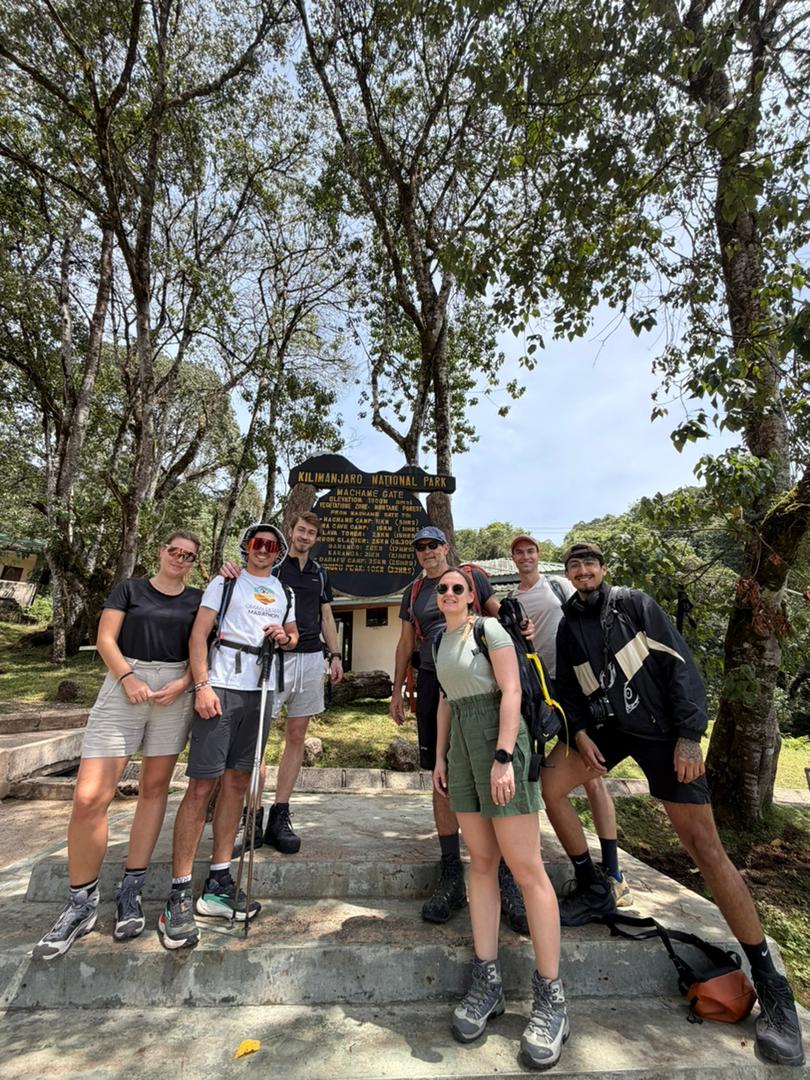
- Descent to Moshi/Arusha: You will descend to Marangu Gate where you will be met by your driver and transferred back to your hotel in Moshi or Arusha.
- Celebration Dinner: Many clients enjoy a celebratory meal to mark their achievement.
- Rest and Relaxation: Take time to rest and recover. You might consider adding a few days in Zanzibar or a safari to your itinerary.
- Gear Collection: Your main gear will be returned to you at the hotel.
Your July Kilimanjaro Photography and Sunrise Tour is more than just a climb; it’s a journey of personal achievement. Top Guide Adventures is there to support you from start to finish, ensuring you have a memorable experience.
Why Choose Top Guide Adventures for Your July Kilimanjaro Photography Tour in 2026-2027?
Selecting the right tour operator is crucial for a safe, successful, and enjoyable July Kilimanjaro Photography and Sunrise Tour. Top Guide Adventures stands out for several reasons:
- Local Expertise: As a trusted Tanzanian company, we have in-depth knowledge of Kilimanjaro, its routes, and the local conditions.
- Safety First: We adhere to strict safety protocols, employing experienced, certified guides and ensuring adequate equipment and communication systems.
- Quality Crew: We value our guides, porters, and cooks, ensuring they are well-equipped, well-fed, and fairly treated. This leads to a motivated and efficient support team.
- Tailored Experiences: We understand that photographers have specific needs. We can help customize your itinerary, advise on gear, and ensure you have the support to capture the best shots.
- Comprehensive Packages: Our tours include most essentials, simplifying your planning.
- Proven Track Record: We have a history of successful climbs and satisfied clients. Check our reviews on platforms like TripAdvisor.
Planning your July Kilimanjaro Photography and Sunrise Tour for 2026 or 2027 with Top Guide Adventures means partnering with a team dedicated to your success and unforgettable memories. We offer personal attention, care, and dedicated support for every client.
Ready to Capture the Sunrise?
Don’t miss the opportunity to experience the magic of Kilimanjaro in July. Whether you’re aiming to capture the impressive sunrise, the diverse landscapes, or simply seeking a personal challenge, Top Guide Adventures is your ideal partner.
Contact us today to plan your 2026-2027 July Kilimanjaro Photography and Sunrise Tour:
- WhatsApp: +255616946642
- Email: topguideadventures@gmail.com
- Backup Email: info@topguideadventures.com
- Website: www.topguideadventures.com
- Instagram: @top_guide_adventures
Let us help you create an extraordinary photographic journey to the summit of Kilimanjaro.
Check Availability for July Kilimanjaro Photography And Sunrise Tour Guide
Ready to compare dates, prices, and the best option for your group? Send the package name and travel month so the team can reply with a clear quote, availability, and what is included.
September Kilimanjaro Sunrise Photography Tour 2026-2027
September Kilimanjaro Sunrise Photography Tour is explained with current 2026-2027 planning, price, itinerary and booking information.
View package details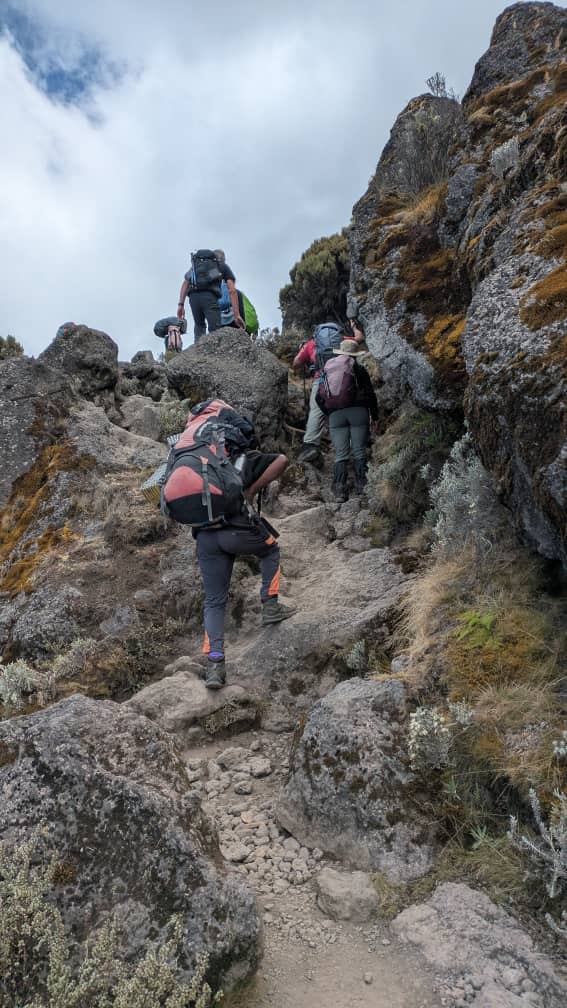
October Kilimanjaro Photography Trek: Your Ultimate Guide 2026-2027
An October Kilimanjaro Photography Trek offers clear skies and fewer crowds, ideal for capturing impressive summit views. This guide details the best routes, essential photography gear, and...
View package details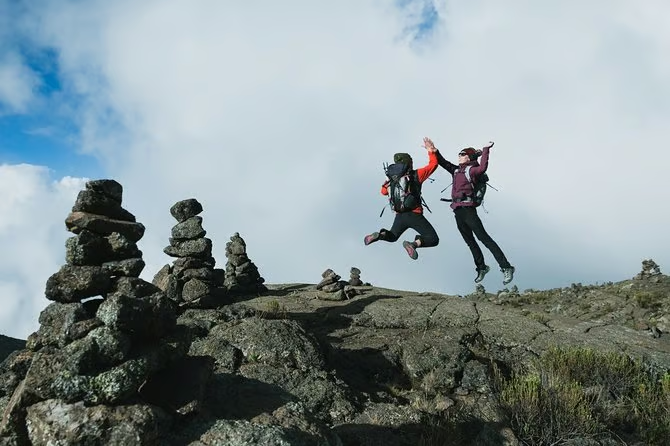
July Vs August Kilimanjaro Climbing: The Ultimate Comparison For 2026-2027
Choosing between July and August for your Kilimanjaro climb? This in-depth comparison details weather patterns, crowd levels, route popularity, and essential planning tips for 2026-2027 to...
View package details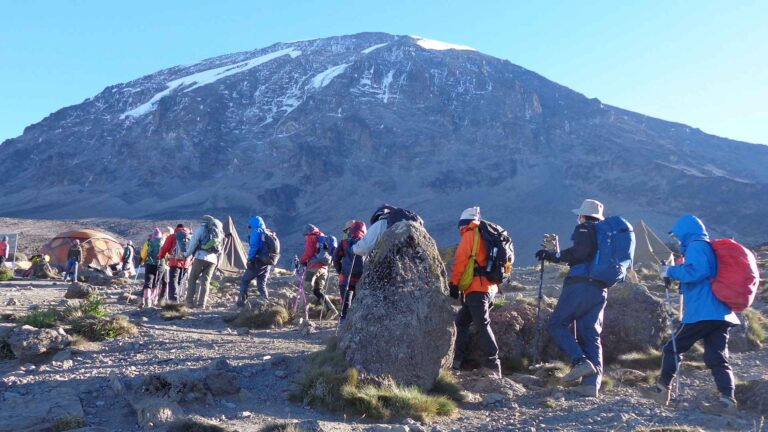
June Vs July Kilimanjaro Weather And Crowds 2026-2027
June vs July Kilimanjaro Weather and Crowds is explained with current 2026-2027 planning, price, itinerary and booking information.
View package details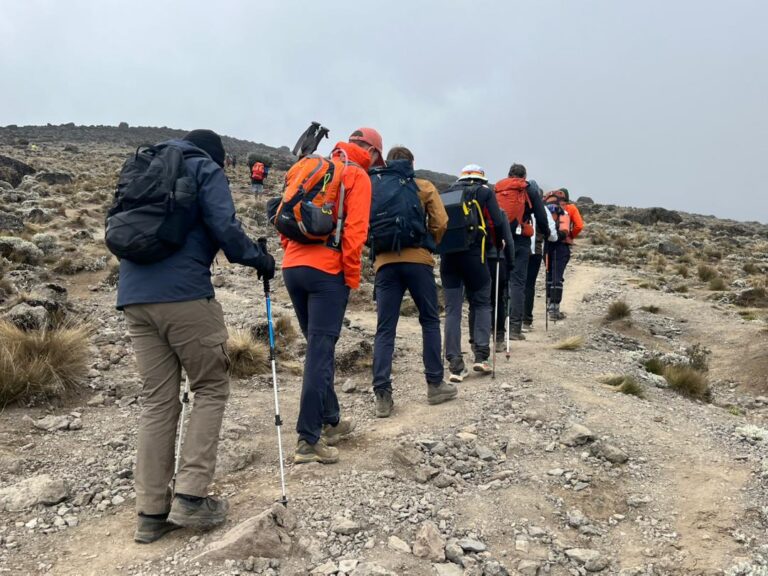
July Kilimanjaro Last-Minute Availability Guide
Planning a last-minute Kilimanjaro climb in July 2026 or 2027? This guide covers current availability, best routes, essential packing, and how to secure your spot with Top Guide Adventures.
View package details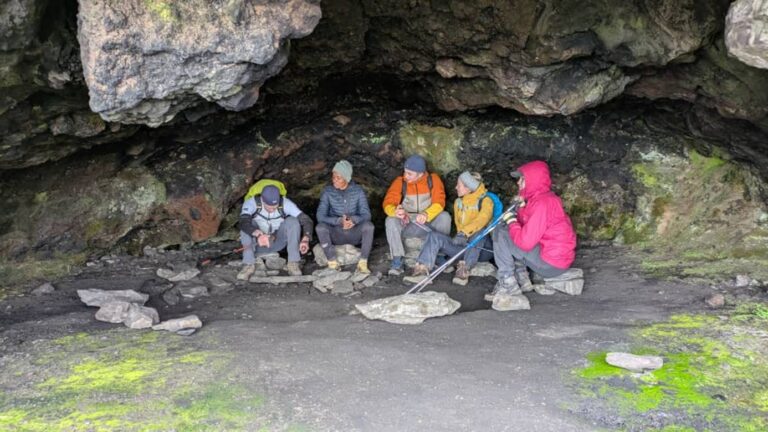
November Kilimanjaro Photography In The Short Rains: Your Ultimate Guide
Discover the unique photographic opportunities of climbing Kilimanjaro in November during the Short Rains. This guide covers optimal light, dramatic skies, vibrant landscapes, and essential...
View package details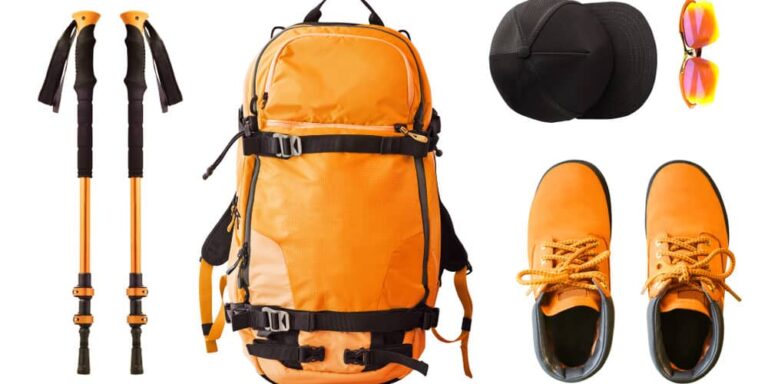
October Vs November Kilimanjaro Rainfall Guide 2026-2027
October vs November Kilimanjaro Rainfall Guide is explained with current 2026-2027 planning, price, itinerary and booking information.
View package details
September Vs October Kilimanjaro Weather Comparison 2026-2027
September vs October Kilimanjaro Weather Comparison is explained with current 2026-2027 planning, price, itinerary and booking information.
View package details
August Vs September: Best Kilimanjaro Summit Month In 2026-2027
Choosing between August and September for your Kilimanjaro climb involves weighing distinct advantages. While both months fall within the dry season, subtle differences in weather patterns...
View package details
May Vs June: When Should You Climb Kilimanjaro? 2026-2027
Choosing between May and June for your Kilimanjaro ascent? This in-depth guide compares the two months, helping you pick the optimal time for your trek based on weather patterns, crowd...
View package details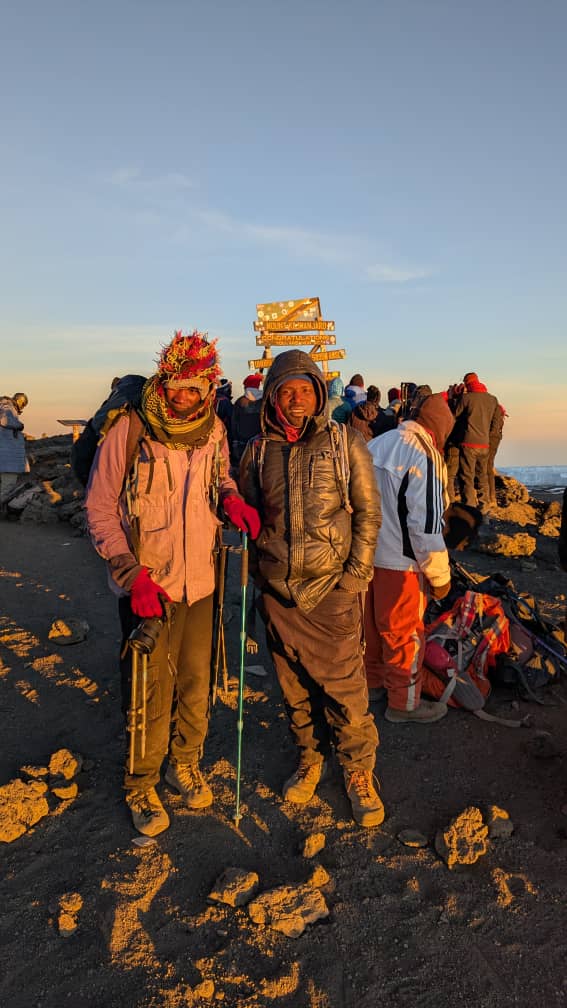
December Kilimanjaro Packing Checklist: Essential Gear For Climbs 2026-2027
Prepare for your December Kilimanjaro climb with our comprehensive packing checklist. This guide covers essential gear, clothing, and tips for conquering Africa's highest peak in the dry...
View package details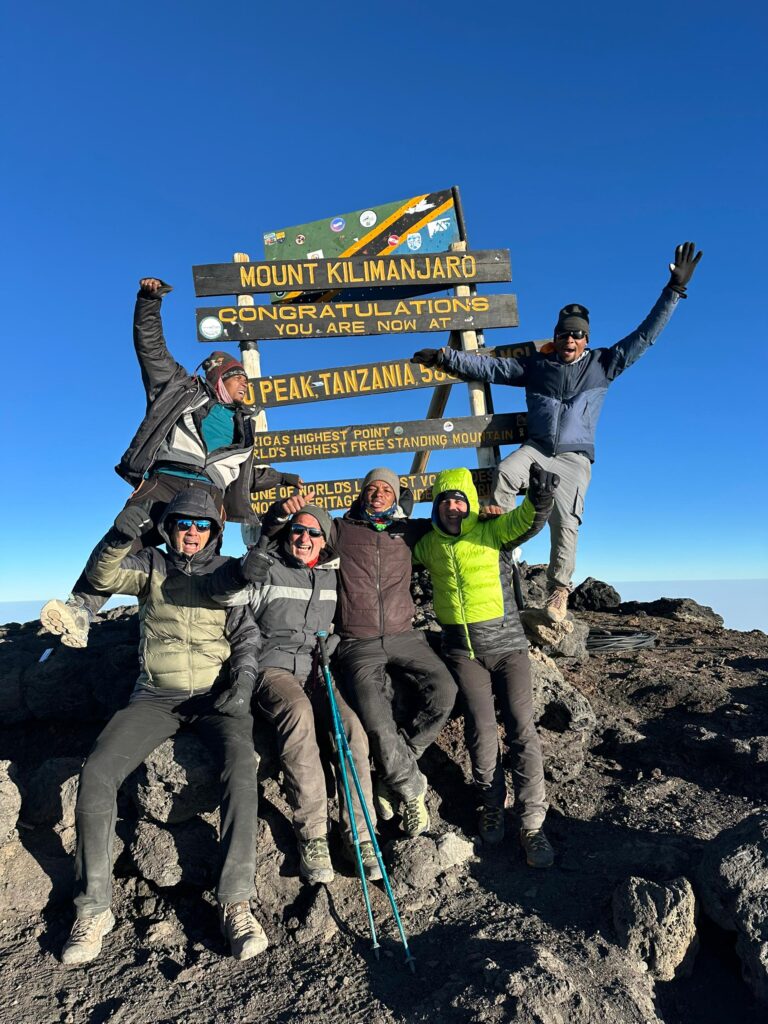
October Kilimanjaro Flexible Private Departure: Your Ultimate Guide 2026-2027
Secure your October Kilimanjaro flexible private departure with Top Guide Adventures. This comprehensive guide covers everything from route selection and best practices for your 2026-2027...
View package detailsNo related package matches those filters. Clear one or more filters to see the other topic-matched options.



