
An 8-day Lemosho Route Kilimanjaro climb in August offers one of the best chances for success and enjoyment due to excellent weather conditions, spectacular scenery, and optimal acclimatization afforded by the longer itinerary, making it ideal for trekkers aiming for Uhuru Peak in 2026 or 2027.

Why Choose the 8-Day Lemosho Route for Your August Kilimanjaro Climb?
The 8-day Lemosho Route stands out as a premier choice for ascending Mount Kilimanjaro, particularly during the favorable weather window of August. This extended itinerary provides a more gradual ascent, significantly boosting acclimatization and, consequently, your chances of reaching the summit. August typically presents clear skies, cooler temperatures, and minimal rainfall, creating near-perfect trekking conditions on Africa’s highest peak. When planning your Kilimanjaro adventure for 2026 or 2027, the 8-day Lemosho offers a compelling blend of scenic beauty, robust acclimatization, and a statistically higher success rate compared to shorter routes. At Top Guide Adventures, we specialize in tailoring these expeditions to ensure a safe, memorable, and rewarding experience.
Understanding the 8-Day Lemosho Route Itinerary
The Lemosho Route is celebrated for its stunning vistas and ecological diversity, traversing varied landscapes from lush rainforests to alpine deserts and the arctic summit zone. The 8-day version is particularly well-regarded for its slower pace, which is crucial for acclimatization. Here’s a typical breakdown of the 8-day Lemosho Route, designed to maximize your chances of summit success in August 2026 or 2027:
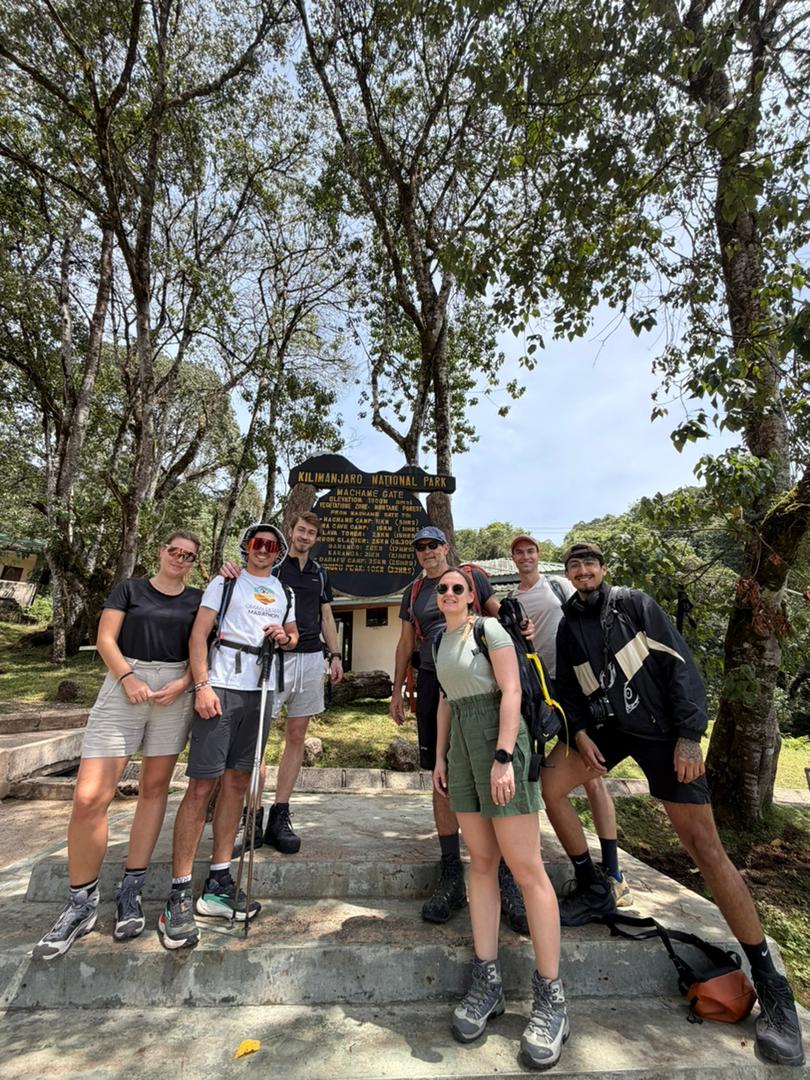
Day 1: Londorossi Gate to Mti Mkubwa Camp
Starting Point: Londorossi Gate (approx. 2,360m / 7,742ft)
End Point: Mti Mkubwa Camp (approx. 2,820m / 9,252ft)
Trekking Time: 3-4 hours
Trekking Distance: 6 km / 3.7 miles
Habitat: Rainforest
Your Kilimanjaro journey begins at the Londorossi Gate, located on the western side of Kilimanjaro. After completing park formalities, you’ll be driven a short distance to the trail start. The initial trek is relatively short and gentle, guiding you through the montane rainforest. This easy start allows your body to begin adjusting to the altitude and the rhythm of trekking. Keep an eye out for colobus monkeys and other rainforest wildlife. The goal for Day 1 is to reach Mti Mkubwa (Big Tree) camp, settling in for your first night on the mountain.
Day 2: Mti Mkubwa Camp to Shira 1 Camp
Starting Point: Mti Mkubwa Camp (approx. 2,820m / 9,252ft)
End Point: Shira 1 Camp (approx. 3,500m / 11,483ft)
Trekking Time: 5-7 hours
Trekking Distance: 10 km / 6.2 miles
Habitat: Moorland
Today’s trek takes you out of the dense rainforest and into the more open moorland zone. The trail continues to ascend steadily, offering increasingly spectacular views of the surrounding landscape. You’ll traverse across the Shira Plateau, a vast, high-altitude moorland that was once the caldera of an ancient volcano. Shira 1 Camp is situated on this plateau, providing a dramatic setting. The altitude gain today is significant, so hydration and a steady pace are key. This is your first night at a higher camp, emphasizing the importance of acclimatization.
Day 3: Shira 1 Camp to Shira 2 Camp
Starting Point: Shira 1 Camp (approx. 3,500m / 11,483ft)
End Point: Shira 2 Camp (approx. 3,850m / 12,631ft)
Trekking Time: 3-5 hours
Trekking Distance: 7 km / 4.3 miles
Habitat: Moorland
This is a shorter, more relaxed day focused on further acclimatization. You’ll trek across the Shira Plateau towards Shira 2 Camp. The path is generally gentle, allowing for more relaxed trekking and opportunities to absorb the stunning alpine scenery. Shira 2 Camp is located at a higher altitude than Shira 1, offering even more expansive views. The strategy of “climb high, sleep low” is often employed, though on this day, you are moving to a slightly higher camp. The goal is to allow your body to adapt to the thinner air before the more challenging days ahead. This is an excellent day for observing Kilimanjaro’s unique flora, such as giant groundsels and lobelias.
Day 4: Shira 2 Camp to Barranco Camp
Starting Point: Shira 2 Camp (approx. 3,850m / 12,631ft)
End Point: Barranco Camp (approx. 3,950m / 12,959ft)
Trekking Time: 5-7 hours
Trekking Distance: 10 km / 6.2 miles
Habitat: Alpine Desert
Today marks a significant milestone as the Lemosho route joins the more popular Machame route. The path leads eastward towards the Lava Tower (4,600m / 15,092ft), a prominent landmark. You’ll trek through the alpine desert, a starkly beautiful landscape. After reaching Lava Tower, you’ll descend to Barranco Camp. This “climb high, sleep low” strategy is vital for acclimatization. Barranco Camp is situated at the base of the impressive Barranco Wall, a dramatic cliff face that you will conquer the following day. The views from Barranco Camp, especially as the sun sets, are truly memorable.
Day 5: Barranco Camp to Karanga Camp
Starting Point: Barranco Camp (approx. 3,950m / 12,959ft)
End Point: Karanga Camp (approx. 4,000m / 13,123ft)
Trekking Time: 4-5 hours
Trekking Distance: 5 km / 3.1 miles
Habitat: Alpine Desert
This is the day you’ll tackle the famous Barranco Wall, often referred to as the ‘Breakfast Wall’ because you climb it before breakfast. While it looks intimidating, it’s a scramble rather than a technical climb, requiring careful hand and foot placement. Your guides will assist you, and the route is well-trodden. After surmounting the wall, the terrain levels out slightly, and you’ll continue towards Karanga Camp. Karanga Camp is strategically located, offering a good resting point before the push towards the summit zone. The altitude gain today is minimal, but the physical exertion of the Barranco Wall makes it a challenging day.
Day 6: Karanga Camp to Barafu Camp
Starting Point: Karanga Camp (approx. 4,000m / 13,123ft)
End Point: Barafu Camp (approx. 4,650m / 15,256ft)
Trekking Time: 4-5 hours
Trekking Distance: 7 km / 4.3 miles
Habitat: Alpine Desert
Today’s trek is primarily uphill, heading towards Barafu Camp, which serves as the base camp for the summit attempt. The landscape becomes increasingly barren and rocky as you gain altitude. You’ll traverse scree slopes and rocky terrain. Barafu Camp is situated at a high altitude, and the conditions can be cold and windy. It’s crucial to rest, hydrate, and prepare for the challenging summit night. You will have an early dinner and attempt to get some sleep before the pre-dawn start for the summit.
Day 7: Summit Day! Barafu Camp to Uhuru Peak and descent to Mweka Camp
Starting Point: Barafu Camp (approx. 4,650m / 15,256ft)
End Point: Uhuru Peak (5,895m / 19,341ft) then descent to Mweka Camp (approx. 3,100m / 10,171ft)
Trekking Time: 10-15 hours (summit day)
Trekking Distance: 17 km / 10.6 miles (total)
Habitat: Arctic
The summit attempt begins in the early hours of the morning, typically around midnight to 2 AM. You’ll ascend steeply over scree and volcanic rock towards Stella Point (5,756m / 18,885ft) on the crater rim. This is the most physically demanding part of the trek, requiring a slow, steady pace and mental fortitude. From Stella Point, you’ll follow the crater rim to Uhuru Peak, the highest point in Africa. The sunrise views from the summit are legendary. After celebrating your achievement, you begin the long descent, passing Barafu Camp to continue down to Mweka Camp, located in the lower rainforest zone. This descent is tough on the knees but incredibly rewarding.
Day 8: Mweka Camp to Mweka Gate and Departure
Starting Point: Mweka Camp (approx. 3,100m / 10,171ft)
End Point: Mweka Gate (approx. 1,650m / 5,413ft)
Trekking Time: 3-4 hours
Trekking Distance: 10 km / 6.2 miles
Habitat: Rainforest
Your final day on Kilimanjaro involves a descent through the lush rainforest. The path is well-maintained, and the lower altitude brings warmer temperatures. You’ll reach Mweka Gate, where you’ll receive your summit certificates and bid farewell to your mountain crew. From Mweka Gate, you’ll be transferred back to your hotel in Arusha or Moshi to rest and celebrate your incredible achievement. This marks the end of your 8-day Lemosho Route Kilimanjaro climb.
August Weather on Kilimanjaro: What to Expect for 2026-2027
August falls within Kilimanjaro’s dry season, generally considered one of the best times to climb. The weather patterns for August are typically characterized by:
- Clear Skies: Expect predominantly clear skies, offering excellent visibility of the mountain’s diverse landscapes and the surrounding plains. This also means fantastic stargazing opportunities at night.
- Cool Temperatures: Daytime temperatures can range from pleasant in the lower rainforest zones to quite cold at higher altitudes and on summit night. Nights at Barafu Camp and on the summit can drop well below freezing, often reaching -10°C (14°F) or colder, especially with wind chill.
- Low Rainfall: August is part of the drier season, meaning minimal rainfall. While occasional light showers can occur at any time of year, they are unlikely to significantly disrupt your trek. The northern and eastern slopes are drier than the southern ones.
- Wind: Higher altitudes, especially near the summit, can be very windy. This wind chill can make the already cold temperatures feel significantly colder. Proper windproof gear is essential.
These conditions make August a highly sought-after month for Kilimanjaro climbs, including the 8-day Lemosho Route. Booking your trek for August 2026 or August 2027 well in advance is advisable due to its popularity.
Why the 8-Day Lemosho Route Enhances Acclimatization
Acclimatization is the single most critical factor for a successful Kilimanjaro climb. The 8-day Lemosho Route excels in this regard by:
- Gradual Altitude Gain: Compared to shorter routes like the 5-day Machame or Marangu, the 8-day Lemosho allows for a slower, more progressive ascent. This gives your body more time to adapt to the decreasing oxygen levels at higher altitudes.
- Longer Duration: The extra days provide more opportunities to trek at higher altitudes and then descend slightly to sleep (“climb high, sleep low”), a proven method for aiding acclimatization. For instance, spending an extra day on the Shira Plateau or around Barranco allows for more beneficial exposure to altitude.
- Lower Initial Camps: Starting at Londorossi Gate and camping at Mti Mkubwa and Shira 1 Camp places you at progressively higher, yet still manageable, altitudes early in the trek. This gentle introduction is far superior to routes that jump straight to higher elevations.
- Avoiding “The Bottleneck”: The Lemosho route joins the Machame route at a point where trekkers have already undergone significant acclimatization, reducing the physiological stress on the final ascent.
This enhanced acclimatization is a primary reason why trekkers choose the 8-day Lemosho for their August 2026 or 2027 expeditions, leading to higher success rates and a more comfortable experience.
Success Rates on the 8-Day Lemosho Route in August
While Kilimanjaro success rates can vary based on numerous factors (individual fitness, acclimatization, weather, operator quality), the 8-day Lemosho Route generally boasts some of the highest success rates among all Kilimanjaro routes. For August 2026 and 2027 climbs, this route is particularly advantageous because:
- Optimal Weather: The dry, clear conditions of August minimize weather-related challenges that can affect summit attempts on other months.
- Superior Acclimatization: As detailed above, the 8-day itinerary provides the best possible acclimatization, directly correlating with summit success.
- Experienced Operators: Reputable tour operators like Top Guide Adventures prioritize safety and success by employing experienced guides, providing quality gear, and carefully monitoring trekkers’ health.
While no route guarantees 100% success, choosing the 8-day Lemosho in August with a reputable company significantly increases your probabilities. Many trekkers who attempt the summit via this route achieve it, reporting a profound sense of accomplishment.
August Departure Dates & Booking for 2026-2027
Given the popularity of August for Kilimanjaro climbs, especially the 8-day Lemosho Route, it is crucial to book your trek for August 2026 or August 2027 well in advance. Peak demand often means that the best dates and availability are secured months, sometimes over a year, ahead of time.
Top Guide Adventures offers flexible departure dates throughout August. We can arrange private climbs tailored to your schedule or join you to one of our scheduled group departures. To ensure your preferred dates for an 8-day Lemosho Route Kilimanjaro climb in August 2026 or 2027, we recommend contacting us at least 6-12 months in advance.
Key considerations for booking:
- Private vs. Group Climbs: Private climbs offer flexibility in dates and pace. Group climbs can be more budget-friendly and offer camaraderie.
- Availability: August is a prime month. Early booking is essential to secure your spot.
- Permits: Kilimanjaro National Park requires permits for all climbers. These are secured by your tour operator upon booking and payment.
Contact Top Guide Adventures to discuss your August 2026 or 2027 climb:
- WhatsApp: +255616946642
- Email: topguideadventures@gmail.com
- Backup Email: info@topguideadventures.com
Packing Essentials for Your August Lemosho Route Climb
Packing appropriately is vital for comfort and safety, especially during an August climb on Kilimanjaro. The variable conditions, from warm rainforests to freezing summit nights, require a layered approach. Here’s a comprehensive list:
Clothing:
- Base Layers: Moisture-wicking thermal tops and bottoms (synthetic or merino wool).
- Mid Layers: Fleece jacket or insulated jacket for warmth.
- Outer Layer (Shell): Waterproof and windproof jacket and trousers (Gore-Tex or similar).
- Insulation Layer: A warm down or synthetic puffy jacket for evenings and summit night.
- Trekking Trousers: Lightweight, quick-drying hiking trousers (2-3 pairs). Avoid jeans.
- Hiking Shirts: Long-sleeved and short-sleeved moisture-wicking shirts.
- Headwear: Warm beanie/hat for cold, sun hat with a brim for sun protection. Buff or neck gaiter.
- Gloves: Liner gloves, warm waterproof outer gloves, and potentially mittens for summit night.
- Socks: Wool or synthetic hiking socks (several pairs). Liner socks can help prevent blisters.
- Camp Shoes: Comfortable shoes or sandals for wearing around camp.
Footwear:
- Hiking Boots: Broken-in, waterproof, sturdy hiking boots with good ankle support.
- Gaiters: To keep debris and water out of your boots.
Equipment:
- Backpack: A comfortable daypack (30-40 liters) for essentials during the day.
- Duffel Bag: A large, waterproof duffel bag (80-100 liters) for your main gear, carried by porters.
- Sleeping Bag: A 4-season sleeping bag rated to at least -15°C (5°F).
- Sleeping Bag Liner: For added warmth and hygiene.
- Trekking Poles: Highly recommended for stability and reducing strain on knees.
- Headlamp: With extra batteries. Essential for summit night and camp use.
- Water Bottles/Hydration Reservoir: At least 3 liters capacity. Insulated covers are useful for cold temperatures.
- Sunglasses: High UV protection.
- Sunscreen: High SPF.
- Lip Balm: With SPF.
- Insect Repellent: Especially for the rainforest sections.
- Toiletries: Biodegradable soap, toothbrush, toothpaste, wet wipes.
- Personal First-Aid Kit: Include any personal medications, blister treatment, pain relievers, antiseptic wipes, etc.
- Camera & Power Bank: With spare batteries.
- Snacks: High-energy snacks like nuts, dried fruit, energy bars.
Documents & Money:
- Passport & Visa
- Flight Tickets
- Travel Insurance Details
- Vaccination Certificates (if required)
- Cash (USD for tips and personal expenses)
Ensure your gear is well-organized and waterproofed, especially for the unpredictable mountain weather, even in August 2026 or 2027.
Altitude Sickness (AMS) and How the 8-Day Lemosho Mitigates It
Altitude sickness, or Acute Mountain Sickness (AMS), is a primary concern for all Kilimanjaro climbers. It’s caused by ascending too quickly, preventing your body from adjusting to lower oxygen levels. Symptoms can range from mild headaches and nausea to severe, life-threatening conditions like HAPE (High Altitude Pulmonary Edema) and HACE (High Altitude Cerebral Edema).
The 8-day Lemosho Route is specifically designed to minimize the risk of AMS by:
- Gradual Ascent Profile: The route’s extended duration allows for a slower, more systematic climb, giving your body ample time to acclimatize.
- “Climb High, Sleep Low” Strategy: Days like the trek to Lava Tower (4,600m) followed by descent to Barranco Camp (3,950m) are critical for acclimatization. This allows your body to adapt to higher altitudes while resting at a lower, more comfortable elevation.
- Experienced Guides: Our guides are trained in recognizing and managing AMS symptoms. They monitor trekkers closely throughout the climb, making crucial decisions regarding pace and, if necessary, descent.
- Adequate Hydration and Rest: Encouraging trekkers to drink plenty of water and rest is fundamental.
While the 8-day Lemosho provides excellent acclimatization, it’s still essential to be aware of AMS symptoms. Report any discomfort to your guide immediately. For August 2026-2027 climbs, understanding AMS and respecting your body’s signals is paramount.
What’s Included in a Top Guide Adventures 8-Day Lemosho Climb?
When you book your 8-day Lemosho Route Kilimanjaro climb with Top Guide Adventures for August 2026 or 2027, you can expect a comprehensive package designed for comfort, safety, and success. While specific inclusions can vary slightly based on your chosen package (e.g., private vs. group), our standard packages typically cover:
Standard Inclusions:
- Park Fees: All Kilimanjaro National Park entrance, camping, and rescue fees.
- Professional Guides: Experienced, certified, and first-aid trained climbing guides.
- Support Crew: A team of dedicated porters to carry your main luggage and cooking equipment.
- Cooks: Skilled cooks to prepare nutritious and delicious meals throughout the trek.
- Accommodation: Camping equipment (tents, sleeping mats) and meals on the mountain (breakfast, lunch, dinner).
- Water: Boiled or purified drinking water provided daily.
- Trekking Route: All designated camping and trekking permits for the 8-day Lemosho Route.
- Transfers: Airport transfers and transfers to/from the mountain gate.
- Pre-Climb Briefing: Comprehensive briefing before your climb.
- Emergency Support: Oxygen cylinders and comprehensive first-aid kit.
Exclusions (Typically):
- Flights to and from Tanzania.
- Visa fees.
- Travel and rescue insurance (mandatory).
- Personal gear (clothing, sleeping bag, etc.).
- Tips for guides, porters, and cooks.
- Meals and drinks in hotels before and after the climb.
- Personal expenses (souvenirs, laundry, etc.).
We believe in transparency, so please contact us for a detailed itinerary and quotation for your 8-day Lemosho Route Kilimanjaro climb in August 2026 or 2027. Our team is ready to answer all your questions via WhatsApp at +255616946642 or email at topguideadventures@gmail.com.
Preparing for Your 8-Day Lemosho Climb in August 2026-2027
Physical and mental preparation is key to a successful and enjoyable 8-day Lemosho Route Kilimanjaro climb. Here’s how to get ready:
Physical Training:
- Cardiovascular Fitness: Engage in regular aerobic activities like hiking, running, cycling, or swimming for at least 3-4 months prior to your trek. Focus on endurance.
- Hiking Practice: Undertake regular hikes, preferably with a weighted backpack, on varied terrain. Mimic the conditions you’ll face on Kilimanjaro. Include some longer hikes (4-6 hours) with significant elevation gain.
- Strength Training: Focus on leg strength (squats, lunges) and core strength.
- Stamina Building: Practice hiking on consecutive days if possible to simulate the multi-day nature of the trek.
Mental Preparation:
- Set Realistic Expectations: Understand that Kilimanjaro is a challenging trek, especially the summit night.
- Visualize Success: Imagine yourself reaching the summit and enjoying the experience.
- Be Prepared for Discomfort: Cold, fatigue, and altitude effects are common. A positive attitude is crucial.
- Research: Reading about the route, weather, and potential challenges can help demystify the climb.
Logistical Preparation:
- Book Early: Especially for August 2026-2027, secure your spot and permits well in advance.
- Get Travel Insurance: Ensure it covers high-altitude trekking and emergency evacuation.
- Consult Your Doctor: Discuss your plans and get advice on altitude sickness medication if appropriate.
- Pack Appropriately: Use the packing list provided and ensure all gear is functional and comfortable.
By dedicating time to preparation, you’ll significantly enhance your enjoyment and chances of summiting on your 8-day Lemosho Route Kilimanjaro climb.
Why August is Ideal for the 8-Day Lemosho Route
August consistently ranks as one of the best months to climb Mount Kilimanjaro. For the 8-day Lemosho Route, this timing is particularly beneficial:
- Dry Season: August is firmly within Kilimanjaro’s main dry season. This means significantly less rainfall, clearer skies, and better trail conditions. The rainforest sections will be less muddy, and the higher alpine zones will be drier, reducing the risk of slips and falls.
- Visibility: Clear skies offer unparalleled views. From the Shira Plateau to the summit, you’ll have unobstructed panoramas of the volcanic cones, the Great Rift Valley, and potentially even Mount Meru. Sunrise from Uhuru Peak in August is often spectacular.
- Moderate Temperatures: While summit nights are cold, daytime temperatures in August are generally pleasant, especially in the lower and mid-altitudes. The dry air also means less humidity, making trekking more comfortable.
- Reduced Crowds (Compared to July): While August is busy, it’s often slightly less crowded than the peak month of July. This can mean a more serene trekking experience, especially on the less-trafficked initial days of the Lemosho route.
Combining the advantages of the 8-day Lemosho Route’s acclimatization and scenery with the reliable weather of August creates an ideal trekking window for your 2026 or 2027 adventure. The combination ensures a high probability of a successful and memorable climb.
Comparing the 8-Day Lemosho to Other Routes in August
While the 8-day Lemosho Route is an excellent choice for August, understanding how it compares to other popular routes can help solidify your decision for 2026-2027:
- Machame Route (7-day): The Machame is often called the “Whiskey Route” due to its popularity and reputation for higher success rates. It’s also a scenic route with good acclimatization. However, the 7-day version is faster than the 8-day Lemosho, potentially compromising acclimatization slightly. The Lemosho route joins Machame on Day 4, but the Lemosho’s earlier days offer a gentler start.
- Marangu Route (5 or 6-day): Known as the “Coca-Cola Route,” it’s the only route with hut accommodation. While convenient, its rapid ascent profile (especially the 5-day option) leads to lower success rates. The 6-day Marangu offers better acclimatization but still falls short of the 8-day Lemosho’s advantages. August weather is good for Marangu too, but the route itself is less ideal for acclimatization.
- Lemosho Route (7-day): The 7-day Lemosho is a good option, but the 8-day variant offers an extra day for acclimatization, which is invaluable, especially for those concerned about altitude sickness. The extra day allows for a more relaxed pace and further adaptation.
- Northern Circuit (9-day): This is the longest route, offering the best acclimatization and highest success rates. It circles Kilimanjaro, offering unique views. If time and budget allow, it’s arguably the best route. However, for a balance of excellent acclimatization, scenery, and duration, the 8-day Lemosho is often preferred.
- Shira Route (7-day): Similar to Lemosho but starts at a higher altitude on the Shira Plateau. This can mean quicker initial acclimatization but a more challenging start. The Lemosho’s gradual start is generally preferred.
For an August 2026 or 2027 climb, the 8-day Lemosho Route strikes an excellent balance. It offers superior acclimatization to shorter routes, fantastic scenery, and good weather, leading to high success rates, without the extended duration or cost of the 9-day Northern Circuit.
Safety First: Your Well-being on the Mountain
At Top Guide Adventures, safety is our paramount concern. We implement stringent safety protocols for all our Kilimanjaro expeditions, including the 8-day Lemosho Route in August 2026-2027:
- Experienced & Certified Guides: Our guides are not only knowledgeable about the mountain and its routes but are also trained in wilderness first aid and altitude sickness management. They carry comprehensive medical kits and oxygen cylinders.
- Daily Health Checks: Guides monitor trekkers’ health daily, checking for symptoms of altitude sickness. Pulse oximeters are used to measure blood oxygen saturation.
- Emergency Procedures: Clear protocols are in place for emergencies, including rapid evacuation procedures. We ensure communication lines are maintained where possible.
- Pacing: Guides control the pace of the trek, ensuring it’s slow and steady to facilitate acclimatization. “Pole pole” (slowly, slowly) is the mantra.
- Quality Equipment: We provide high-quality tents, sturdy climbing poles (available for rent), and ensure our support crew is well-equipped.
- Nutrition and Hydration: Our cooks provide balanced, high-energy meals, and sufficient purified water is always available to combat dehydration, a key factor in altitude sickness.
Choosing a reputable operator like Top Guide Adventures means you are in experienced hands, allowing you to focus on enjoying your 8-day Lemosho Route Kilimanjaro climb in August 2026 or 2027.
Tips for a Successful Summit Night on the 8-Day Lemosho
Summit night is the most challenging part of any Kilimanjaro climb. For your 8-day Lemosho Route in August 2026-2027, here are crucial tips for success:
- Rest Well: Get as much sleep as possible at Barafu Camp. Eat a good dinner and stay hydrated.
- Layer Up: Wear multiple layers of warm clothing. It will be extremely cold, likely below -10°C with wind chill. Include your down jacket, thermal base layers, fleece, warm hat, and gloves.
- Hydrate: Drink water consistently before and during the ascent. Insulated water bottles are essential to prevent freezing.
- Eat Energy Snacks: Carry high-energy snacks like chocolate, nuts, and energy bars. Eat small amounts frequently.
- Go “Pole Pole”: The pace is extremely slow. Focus on one step at a time. Let your guide set the pace.
- Use Your Headlamp: Ensure your headlamp is bright and has fresh batteries.
- Stay Positive: It’s a mental battle as much as a physical one. Keep your mind focused and positive.
- Communicate: Inform your guide immediately if you feel unwell, dizzy, nauseous, or experience any unusual symptoms.
- Conserve Energy: Avoid unnecessary movement. Keep your body as warm as possible.
Summit night is a test of endurance, but with proper preparation and the support of your Top Guide Adventures team, reaching Uhuru Peak in August 2026 or 2027 is an achievable and incredibly rewarding goal.
Post-Climb Celebrations and Considerations
After descending from Kilimanjaro, you’ll likely feel a mix of exhaustion, elation, and pride. It’s time to celebrate your incredible achievement!
- Hotel Comfort: Upon return to Moshi or Arusha, you’ll check into a comfortable hotel. Enjoy a hot shower, a good meal, and a proper bed – luxuries you’ll truly appreciate after days on the mountain.
- Team Celebration: It’s customary to have a small celebration with your guides and porters at the hotel. This is when tips are usually distributed.
- Souvenirs: Moshi and Arusha offer opportunities to purchase souvenirs, local crafts, and coffee.
- Relaxation: Take time to rest and recover. Many clients opt for a few days on the beach in Zanzibar or a short safari to extend their Tanzanian experience.
- Share Your Story: Your 8-day Lemosho Route Kilimanjaro climb in August 2026 or 2027 will be an unforgettable experience. Share your photos and stories with friends and family!
Top Guide Adventures can help arrange post-climb activities, including safaris and Zanzibar holidays, to make the most of your time in Tanzania.
Ready to Book Your August 2026-2027 8-Day Lemosho Kilimanjaro Climb?
Embarking on an 8-day Lemosho Route Kilimanjaro climb in August is a decision that promises incredible rewards: stunning natural beauty, a significant personal challenge, and the profound satisfaction of standing atop Africa. The combination of the Lemosho’s superior acclimatization profile and August’s favorable weather conditions makes it an exceptionally strong choice for trekkers aiming for Uhuru Peak in 2026 or 2027.
Top Guide Adventures is dedicated to providing a safe, supportive, and memorable Kilimanjaro climbing experience. Our local expertise, commitment to client care, and experienced mountain teams ensure that your journey is in the best possible hands. We handle all the logistics, allowing you to focus on the adventure and the impressive scenery.
Don’t miss the opportunity to conquer Kilimanjaro during one of the best months of the year. August 2026 and August 2027 are filling up fast.
Contact us today to secure your spot or to discuss your personalized Kilimanjaro adventure:
- WhatsApp: +255616946642
- Email: topguideadventures@gmail.com
- Backup Email: info@topguideadventures.com
- Website: Top Guide Adventures
Let us help you make your dream of climbing Kilimanjaro a reality. We look forward to guiding you on your unforgettable 8-day Lemosho Route adventure!
“,
“faq_schema”: [
{
“question”: “What is the best time of year for an 8-day Lemosho Route Kilimanjaro climb?”,
“answer”: “August is one of the best months for an 8-day Lemosho Route Kilimanjaro climb due to its dry season conditions, offering clear skies and minimal rainfall. This timing, along with the route’s excellent acclimatization profile, significantly increases the chances of a successful summit in 2026-2027.”
},
{
“question”: “How difficult is the 8-day Lemosho Route in August?”,
“answer”: “The 8-day Lemosho Route is considered a challenging trek, but its extended duration provides superior acclimatization, making it more manageable than shorter routes. August weather is generally favorable, but summit night is always demanding due to extreme cold and altitude.”
},
{
“question”: “What is the success rate for the 8-day Lemosho Route in August?”,
“answer”: “The 8-day Lemosho Route generally has one of the highest success rates for Kilimanjaro climbs. This is attributed to its excellent acclimatization schedule and the favorable weather conditions typically experienced in August. Reputable operators like Top Guide Adventures further enhance these odds.”
},
{
“question”: “What should I pack for an 8-day Lemosho Route climb in August?”,
“answer”: “Packing for an August climb requires layers to handle diverse conditions. Essentials include waterproof/windproof outer shells, warm mid-layers (fleece, down jacket), thermal base layers, sturdy hiking boots, warm gloves and hat, a 4-season sleeping bag, and trekking poles. Refer to our detailed packing list for specific recommendations for 2026-2027 treks.”
},
{
“question”: “How does the 8-day Lemosho Route compare to other Kilimanjaro routes for an August climb?”,
“answer”: “The 8-day Lemosho Route is highly recommended for August climbs because it offers better acclimatization and scenery than shorter routes like Marangu or Machame (7-day). It provides a balance of challenge, beauty, and success probability, making it preferable to the faster routes and a more time-efficient option than the 9-day Northern Circuit for many trekkers in 2026-2027.”
},
{
“question”: “When should I book my 8-day Lemosho Route Kilimanjaro climb for August 2026 or 2027?”,
“answer”: “Due to August being a peak climbing month, it is highly recommended to book your 8-day Lemosho Route Kilimanjaro climb for August 2026 or August 2027 at least 6-12 months in advance. This ensures availability for preferred dates and secures necessary permits.”
},
{
“question”: “What are the typical temperatures on Kilimanjaro in August?”,
“answer”: “In August, daytime temperatures on Kilimanjaro can range from pleasant (15-20°C / 59-68°F) in the rainforest to cold at higher altitudes. Nights and summit attempts are very cold, often dropping below -10°C (14°F), especially with wind chill. Proper layering is crucial for a 2026-2027 climb.”
}
]
}
“`
Check Availability for 8-Day Lemosho Route Kilimanjaro Climb In August 2026-2027
Ready to compare dates, prices, and the best option for your group? Send the package name and travel month so the team can reply with a clear quote, availability, and what is included.
8-Day Lemosho Route Kilimanjaro Climb In January | Top Guide Adventures
An in-depth guide to the 8-day Lemosho Route Kilimanjaro climb during January, detailing the itinerary, weather, costs, and preparation needed for a successful trek in 2026-2027. Expert...
View package details
8-Day Lemosho Route Kilimanjaro Climb In December | Top Guide Adventures
Discover the magic of an 8-day Lemosho Route Kilimanjaro climb in December. This guide details what to expect regarding weather, acclimatization, and preparation for your 2026-2027...
View package details
8-Day Lemosho Route Kilimanjaro Climb In November | Top Guide Adventures
The 8-day Lemosho Route offers a high success rate and stunning scenery for your Kilimanjaro climb in November. This guide covers everything from weather to packing for your 2026-2027...
View package details7-Day Rongai Route Kilimanjaro Climb In May: Your Ultimate Guide 2026-2027
Your comprehensive guide to conquering Kilimanjaro via the Rongai Route in May over 7 days. Learn about the itinerary, what to pack, acclimatization, and why May is a great month for this...
View package details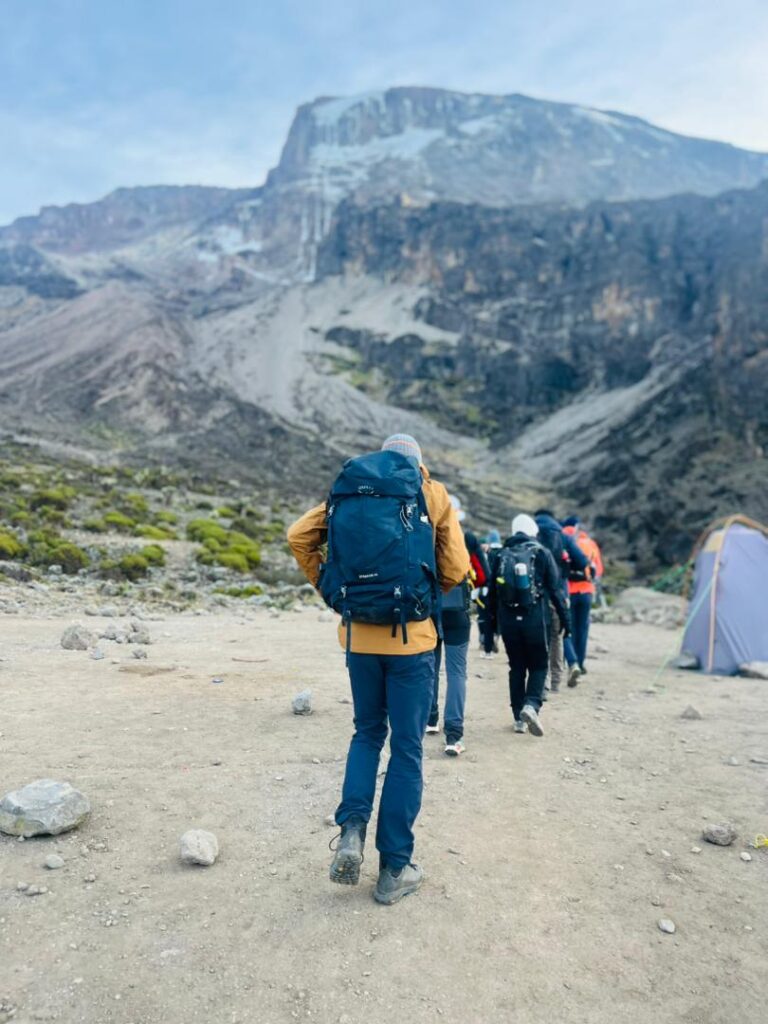
7-Day Rongai Route Kilimanjaro Climb In April: Your Expert Guide For 2026-2027
The 7-Day Rongai Route offers a unique and often drier approach to climbing Kilimanjaro, especially beneficial in April. This guide provides an in-depth look at the itinerary, essential...
View package details
Your 7-Day Machame Route Kilimanjaro Climb In December : Expert Guide
A comprehensive guide to undertaking a 7-day Machame Route Kilimanjaro climb during December. Learn about the conditions, best practices, and what to expect for your 2026-2027 adventure.
View package details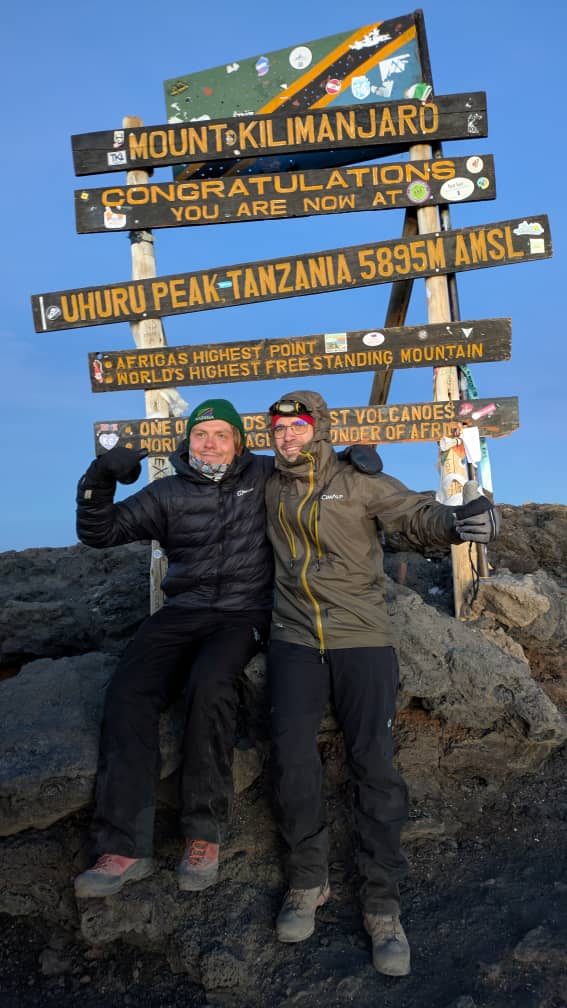
7-Day Machame Route Kilimanjaro Climb In November 2026-2027
start a 7-day Machame Route Kilimanjaro climb in November. This guide details the itinerary, weather, what to pack, costs, and why November is a great month for this challenging yet...
View package details
7-Day Rongai Route Kilimanjaro Climb In November 2026-2027
A detailed 2026-2027 guide to 7-Day Rongai Route Kilimanjaro Climb in November, with clear planning and booking information for travelers.
View package details
July Vs August Kilimanjaro Climbing: The Ultimate Comparison For 2026-2027
Choosing between July and August for your Kilimanjaro climb? This in-depth comparison details weather patterns, crowd levels, route popularity, and essential planning tips for 2026-2027 to...
View package details
Driest Month To Climb Kilimanjaro: Your Guide For 2026-2027
The driest months for climbing Kilimanjaro are generally January, February, and June through October. These periods offer the clearest skies and lowest rainfall, ideal for a successful and...
View package details
August Vs September: Best Kilimanjaro Summit Month In 2026-2027
Choosing between August and September for your Kilimanjaro climb involves weighing distinct advantages. While both months fall within the dry season, subtle differences in weather patterns...
View package detailsMay Vs June: When Should You Climb Kilimanjaro? 2026-2027
Choosing between May and June for your Kilimanjaro ascent? This in-depth guide compares the two months, helping you pick the optimal time for your trek based on weather patterns, crowd...
View package detailsNo related package matches those filters. Clear one or more filters to see the other topic-matched options.



