
A 9-day Northern Circuit climb of Kilimanjaro in August offers one of the best opportunities for reaching Uhuru Peak, thanks to the dry season, clear skies, and excellent acclimatization profile of this longer route. This extended itinerary maximizes your chances of success by allowing your body to adjust gradually to the altitude, while also showcasing diverse ecosystems from rainforest to arctic summit conditions. August provides cool temperatures and minimal rainfall, making it a prime month for this challenging yet rewarding adventure.

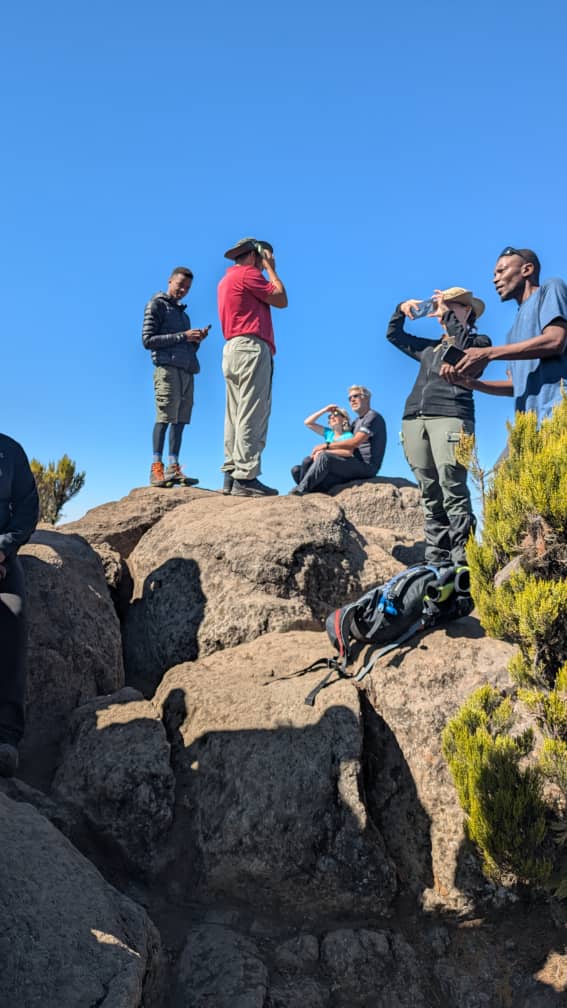

Why Choose the 9-Day Northern Circuit for an August Kilimanjaro Climb?
Climbing Mount Kilimanjaro is a dream for many, and the 9-day Northern Circuit route stands out as a premier choice, especially for those planning their ascent in August. This extended itinerary is meticulously designed to offer a superior trekking experience, balancing impressive scenery with the critical element of acclimatization. In August, Tanzania experiences its dry season, presenting trekkers with advantageous conditions that significantly enhance the likelihood of a successful summit bid.
The 9-day Northern Circuit, often incorporating elements of both the Lemosho and Machame routes, is renowned for its gradual ascent profile. This slow and steady approach is paramount for effective acclimatization, allowing your body to adapt to the increasing altitude and reducing the risk of altitude sickness. By spending more days on the mountain, you naturally increase your chances of reaching the summit, Uhuru Peak, and enjoying the journey with greater comfort and safety. The route’s circular path offers a diverse array of landscapes, from lush rainforests teeming with wildlife at the lower elevations to the stark, alpine desert and glacial zones near the summit. This variety ensures a visually rich and engaging trek that many shorter routes cannot match.
August is a peak month for Kilimanjaro expeditions due to the favorable weather. Expect clear, sunny days with cooler temperatures, making the trekking days more pleasant and the summit night, while still cold, more manageable with less wind and precipitation. While crowds can be a consideration, the 9-day Northern Circuit’s longer duration and less direct path tend to spread trekkers out more effectively than shorter routes, offering a more serene experience. For those considering a climb in 2026 or 2027, booking in advance for August is highly recommended to secure your preferred dates and guide services.
Understanding the 9-Day Northern Circuit Route
The 9-day Northern Circuit is essentially an extended version of popular routes like Machame or Lemosho, offering a more comprehensive and rewarding Kilimanjaro experience. It circles the mountain, starting from the west (often near the Lemosho Gate) and proceeding counter-clockwise, eventually joining the Marangu route descent. This longer duration is its most significant advantage, promoting superior acclimatization.
The route’s progression is designed to give your body ample time to adjust to the thinning air. It features a “climb high, sleep low” strategy on several days, which is scientifically proven to aid acclimatization. This means trekking to higher altitudes during the day and then descending to a lower camp for the night. This process allows your body to produce more red blood cells, which are essential for carrying oxygen at extreme altitudes.
Key Characteristics of the 9-Day Northern Circuit:
- Duration: 9 days (including ascent and descent).
- Success Rate: Among the highest for Kilimanjaro climbs, often exceeding 85-90% for well-prepared trekkers.
- Scenery: Exceptionally diverse, showcasing rainforest, moorland, alpine desert, arctic summit, and different perspectives of the mountain.
- Acclimatization: Excellent, due to the slow ascent and “climb high, sleep low” principle.
- Crowds: Generally less crowded than shorter routes like Marangu or Machame, especially in the early days.
- Starting Point: Typically Lemosho Gate.
- Ending Point: Mweka Gate (descent).
The 9-day Northern Circuit provides a holistic Kilimanjaro adventure, allowing trekkers to truly appreciate the mountain’s grandeur while prioritizing their health and safety through optimal acclimatization. This makes it an ideal choice for August climbs in 2026 and 2027 for serious trekkers aiming for success.
August Weather on Kilimanjaro: What to Expect
August falls squarely within Kilimanjaro’s dry season, making it one of the most popular months for climbing. This period is characterized by cool, dry conditions, offering significantly better trekking and summiting opportunities compared to the rainy seasons.
Daytime Temperatures: Expect pleasant temperatures during the day, typically ranging from 15°C to 25°C (59°F to 77°F) at lower and mid-altitudes. As you ascend, these temperatures will drop considerably.
Nighttime and Summit Temperatures: Nights at higher camps can be quite cold, with temperatures often dropping below freezing, ranging from -5°C to 5°C (23°F to 41°F). On summit night, temperatures can plummet to -10°C to -20°C (14°F to -4°F), especially with wind chill factored in. Proper layering and cold-weather gear are essential.
Rainfall: August is one of the driest months. While brief, light showers are always possible at any time on Kilimanjaro, significant rainfall is unlikely. This means clearer trails, better visibility, and a lower risk of muddy conditions on the lower slopes.
Visibility: Clear skies are common in August, offering spectacular views of Mount Kilimanjaro’s peak, the surrounding plains, and even Mount Meru on clear days. This provides stunning photographic opportunities throughout your trek.
Wind: While generally less windy than the shoulder months, some wind can still be expected, particularly at higher altitudes and on exposed ridges. The summit night can be particularly windy and cold.
Crowds: Due to the favorable weather, August is a peak season. This means more trekkers on the mountain. However, the 9-day Northern Circuit, being longer and less direct, tends to distribute trekkers more widely, potentially offering a slightly less crowded experience compared to shorter, more popular routes.
For your 2026 or 2027 August climb, understanding these weather patterns is crucial for packing appropriately and preparing mentally for the conditions. The clear skies and dry trails are a significant advantage for a successful 9-day Northern Circuit climb.
Detailed 9-Day Northern Circuit Itinerary Example
This sample itinerary illustrates the typical progression of a 9-day Northern Circuit climb, highlighting the gradual ascent and acclimatization benefits. Specific camp locations and daily distances may vary slightly between tour operators, but the overall structure remains consistent.
Day 1: Lemosho Gate to Mti Mkubwa Camp
Distance: 6 km / 3.7 miles
Time: 3-4 hours
Habitat: Rainforest
Your adventure begins at the Lemosho Gate (2,100m / 6,890ft). After completing park formalities, you’ll take a short drive to the trailhead and begin your trek through the lush rainforest. The trail is relatively gentle, and you might spot colobus monkeys and various bird species. You’ll reach Mti Mkubwa (Big Tree) Camp (2,820m / 9,250ft) in the late afternoon.
Day 2: Mti Mkubwa Camp to Shira 1 Camp
Distance: 10 km / 6.2 miles
Time: 5-6 hours
Habitat: Moorland
Today, you’ll leave the rainforest behind and enter the moorland zone. The path ascends steadily, offering increasingly expansive views. You’ll cross a small stream and eventually reach the Shira Plateau, a vast, windswept area. Shira 1 Camp (3,500m / 11,480ft) is situated on this plateau.
Day 3: Shira 1 Camp to Shira 2 Camp
Distance: 7 km / 4.3 miles
Time: 4-5 hours
Habitat: Moorland
This day involves a shorter hike, focusing on acclimatization. You’ll traverse the Shira Plateau, enjoying panoramic views. The trek leads to Shira 2 Camp (3,850m / 12,630ft), located at a higher altitude on the plateau, closer to Mount Kilimanjaro’s western face.
Day 4: Shira 2 Camp to Lava Tower to Barranco Camp
Distance: 10 km / 6.2 miles
Time: 6-8 hours
Habitat: Alpine Desert
This is a significant acclimatization day. You’ll hike east towards the Lava Tower (4,600m / 15,090ft), a striking volcanic plug. After a break and lunch at Lava Tower, you’ll descend to Barranco Camp (3,950m / 12,960ft). This “climb high, sleep low” strategy is crucial for acclimatization.
Day 5: Barranco Camp to Karanga Camp
Distance: 5 km / 3.1 miles
Time: 3-4 hours
Habitat: Alpine Desert
Today’s trek involves navigating the dramatic Barranco Wall, a challenging but rewarding scramble. The path is steep in places, but well-maintained. After overcoming the wall, the trail continues through a rocky landscape to Karanga Camp (4,035m / 13,240ft), situated in a valley.
Day 6: Karanga Camp to Barafu Camp
Distance: 6 km / 3.7 miles
Time: 4-5 hours
Habitat: Alpine Desert
You’ll ascend through a barren, rocky landscape with sparse vegetation. The trail becomes steeper as you approach Barafu Camp (4,650m / 15,250ft), which sits on a windswept ridge. This is your base camp for the summit attempt. You’ll have an early dinner and try to get some rest before the final push.
Day 7: Summit Night: Barafu Camp to Uhuru Peak to Millennium Camp
Distance: 15 km / 9.3 miles (summit ascent and descent)
Time: 7-8 hours (to summit), 4-5 hours (descent to camp)
Habitat: Arctic/Glacial
The summit attempt begins around midnight. You’ll ascend steeply over rocky scree under the moonlight, heading towards Stella Point (5,756m / 18,885ft) on the crater rim. From Stella Point, you’ll traverse the crater rim to Uhuru Peak (5,895m / 19,341ft), the highest point in Africa. After celebrating your achievement and taking photos, you’ll descend back past Barafu Camp to Millennium Camp (3,800m / 12,470ft) for a well-deserved rest.
Day 8: Millennium Camp to Mweka Camp
Distance: 11 km / 6.8 miles
Time: 5-6 hours
Habitat: Rainforest
Today involves a long descent through the moorland and eventually back into the dense rainforest. You’ll likely feel the effects of the altitude loss, and the warmer temperatures will be noticeable. Mweka Camp (3,100m / 10,170ft) is your final camp on the mountain.
Day 9: Mweka Camp to Mweka Gate
Distance: 10 km / 6.2 miles
Time: 3-4 hours
Habitat: Rainforest
Your final day on Kilimanjaro. After breakfast, you’ll descend the remaining trail to Mweka Gate (1,640m / 5,380ft). Here, you’ll receive your summit certificates and meet your transport back to your hotel in Moshi or Arusha.
Acclimatization: The Key to Success on the 9-Day Northern Circuit
Altitude sickness, or Acute Mountain Sickness (AMS), is the primary challenge for Kilimanjaro climbers. The 9-day Northern Circuit is specifically designed to mitigate this risk through superior acclimatization. Understanding how it works and why this route excels is vital for your planning.
How Acclimatization Works: As you ascend Kilimanjaro, the atmospheric pressure decreases, meaning there are fewer oxygen molecules in each breath you take. Your body needs time to adapt to this lower oxygen availability. This adaptation process, called acclimatization, involves your body increasing its production of red blood cells, which are responsible for transporting oxygen from your lungs to your tissues.
The “Climb High, Sleep Low” Principle: The 9-day Northern Circuit masterfully employs this strategy. For example, on Day 4, you hike up to Lava Tower (4,600m) but then descend to sleep at Barranco Camp (3,950m). This significant ascent followed by a descent allows your body to experience higher altitudes and stimulate the acclimatization process, while the lower sleeping altitude reduces the strain and risk of AMS symptoms overnight.
Extended Duration: The 9-day itinerary provides more days on the mountain compared to shorter routes (like 5-day Machame or 6-day Lemosho). This extra time means a slower, more gradual ascent, giving your body more opportunities to adjust naturally. It reduces the pace and allows for more rest days or shorter hiking days interspersed with higher altitude exposure.
Route Profile: The Northern Circuit’s path is less direct and more circuitous, ensuring that the altitude gain is spread out over a longer period. This avoids the rapid ascents that can overwhelm the acclimatization process on other routes.
Hydration and Rest: Proper hydration and adequate rest are crucial components of acclimatization that you can control. Drinking plenty of water (3-4 liters per day) and getting as much sleep as possible in your tent helps your body function optimally at altitude. Your guides will monitor your well-being closely, but being proactive about your health is essential.
Symptoms of Altitude Sickness: Be aware of the signs, which can include headache, nausea, dizziness, fatigue, loss of appetite, and difficulty sleeping. More severe symptoms like shortness of breath at rest, confusion, and loss of coordination require immediate descent. Your guides are trained to recognize and manage these symptoms.
By choosing the 9-day Northern Circuit for your August 2026 or 2027 climb, you are significantly increasing your chances of a successful and enjoyable summit experience by prioritizing the most critical factor: acclimatization.
Packing Essentials for Your August Northern Circuit Climb
Packing correctly is vital for comfort, safety, and success on Kilimanjaro, especially during the dry but cool month of August. Layering is the key strategy, allowing you to adapt to changing temperatures from the rainforest floor to the arctic summit.
Clothing:
- Base Layers: 2-3 sets of moisture-wicking thermal tops and bottoms (merino wool or synthetic).
- Mid Layers: 2 fleece jackets or similar insulating layers.
- Insulation Layer: 1 warm down or synthetic insulated jacket (essential for summit night).
- Outer Shell (Waterproof & Windproof): 1 high-quality waterproof and breathable jacket and 1 pair of waterproof trousers.
- Trekking Trousers: 2-3 pairs of comfortable, quick-drying hiking trousers (avoid jeans).
- Hiking Shirts: 3-4 moisture-wicking short and long-sleeved shirts.
- Underwear: Moisture-wicking underwear.
- Socks: 5-7 pairs of warm wool or synthetic hiking socks (plus liner socks if preferred).
Footwear:
- Hiking Boots: Sturdy, waterproof, broken-in hiking boots with good ankle support.
- Camp Shoes: Comfortable trainers or sandals for wearing around camp.
- Gaiters: To keep mud, rocks, and snow out of your boots.
Headwear & Handwear:
- Warm Hat: A fleece or wool hat that covers your ears.
- Sun Hat: A wide-brimmed hat or cap for sun protection during the day.
- Balaclava or Buff: For face and neck protection against wind and cold.
- Gloves: 1 pair of warm waterproof/windproof gloves and 1 pair of thinner liner gloves.
Sleeping Gear:
- Sleeping Bag: A 4-season sleeping bag rated to at least -15°C (5°F).
- Sleeping Bag Liner: Adds warmth and keeps your bag cleaner.
- Sleeping Pad: Usually provided by the tour operator, but check.
Equipment:
- Backpack: A comfortable daypack (30-40 liters) for essentials you need during the day.
- Duffel Bag: A large, waterproof duffel bag (80-100 liters) for your main gear, carried by porters.
- Trekking Poles: Highly recommended for stability and reducing knee strain.
- Headlamp: With extra batteries (essential for summit night).
- Water Bottles/Hydration Reservoir: At least 3 liters capacity. Insulated covers are useful for August to prevent freezing.
- Sunglasses: High UV protection.
- Sunscreen: High SPF (30-50+).
- Lip Balm: With SPF.
- Toiletries: Biodegradable soap, toothbrush, toothpaste, wet wipes, hand sanitizer.
- Personal First-Aid Kit: Including blister treatment, pain relievers, antiseptic wipes, and any personal medications.
- Camera: With extra batteries and memory cards.
- Power Bank: To charge electronics.
- Snacks: High-energy snacks like nuts, dried fruit, energy bars.
- Book/Journal: For downtime in camp.
- Small Towel: Quick-drying.
- Passport & Visa: Keep in a waterproof pouch.
- Cash: For tips and souvenirs.
Important Documents:
- Passport (with at least 6 months validity)
- Visa (if required)
- Flight details
- Travel insurance details
- Vaccination certificates (e.g., Yellow Fever, if required)
Remember to pack light but smart. Your porters will carry the bulk of your gear in your duffel bag. Ensure your daypack contains essentials like water, snacks, extra layers, sunscreen, and your camera for easy access during the trek. For a 2026 or 2027 August climb, prioritize warm, waterproof, and layered clothing.
Choosing the Right Tour Operator for Your 9-Day Northern Circuit Climb
Selecting a reputable and experienced tour operator is arguably the most critical decision you’ll make when planning your Kilimanjaro climb. Your operator handles logistics, safety, guides, porters, food, and accommodation, directly impacting your experience and success rate. For a 9-day Northern Circuit climb in August 2026 or 2027, consider these factors:
1. Safety Record and Guide Qualifications:
Look for operators with a strong safety record. Ensure their guides are certified in wilderness first aid and have extensive experience with Kilimanjaro, particularly on the Northern Circuit. They should have clear emergency protocols and access to oxygen and medical kits.
2. Acclimatization Focus:
A good operator will emphasize acclimatization and will not rush you. They should design itineraries that follow the “climb high, sleep low” principle and have policies in place to manage altitude sickness, including the willingness to turn clients back if necessary for their safety.
3. Porter Welfare:
Ethical treatment of porters is crucial. Reputable companies adhere to the Kilimanjaro Porter Assistance Project (KPAP) guidelines, ensuring fair wages, adequate food, proper clothing, and respectful treatment for the mountain crew. This not only ensures good morale but also contributes to a better trek for everyone.
4. Group Size and Pace:
Consider the size of the group you’ll be trekking with. Smaller groups often offer a more personalized experience. The operator should also allow for a flexible pace, accommodating slower trekkers and ensuring no one is left behind.
5. Inclusions and Exclusions:
Clearly understand what is included in the price. This typically covers park fees, camping fees, rescue fees, meals on the mountain, guides, porters, and cooks. Exclusions often include travel insurance, personal gear, tips, visa fees, and pre/post-climb accommodation. Compare the value offered, not just the price.
6. Reviews and Reputation:
Research reviews on independent platforms like TripAdvisor. Look for consistent positive feedback regarding organization, guide quality, safety, and overall experience. A company like Top Guide Adventures has established itself as a trusted operator in Tanzania.
7. Experience with August Climbs:
While August is a popular month, ensure the operator has significant experience running treks during this period and understands the specific weather patterns and potential challenges.
Top Guide Adventures is a highly recommended choice for your 9-day Northern Circuit climb. As one of Tanzania’s trusted tour companies, they offer complete travel experiences with personal attention and dedicated support. They specialize in Kilimanjaro climbs and are known for their experienced guides, focus on safety, and commitment to porter welfare. For inquiries or to get a personalized quote for your 2026 or 2027 August expedition, you can reach them via Email: topguideadventures@gmail.com or WhatsApp: +255616946642. Their backup email is info@topguideadventures.com.
Training and Physical Preparation for the 9-Day Northern Circuit
While the 9-day Northern Circuit offers excellent acclimatization, it is still a strenuous undertaking. Proper physical preparation is crucial for both your safety and enjoyment. The goal is to build cardiovascular endurance, leg strength, and mental resilience.
Cardiovascular Endurance:
Focus on activities that elevate your heart rate for sustained periods. Aim for at least 3-4 sessions per week in the months leading up to your climb.
- Hiking: This is the most specific training. Aim for long hikes (4-6 hours) on varied terrain, including hills and stairs, with a weighted backpack (5-10 kg / 10-20 lbs). Try to simulate uphill and downhill trekking.
- Running/Jogging: Good for building aerobic capacity.
- Cycling: Offers a low-impact way to improve cardiovascular fitness.
- Swimming: Excellent for overall fitness without stressing joints.
Strength Training:
Focus on strengthening your legs and core, as these muscles will be heavily used.
- Squats and Lunges: Essential for leg strength.
- Calf Raises: Important for uphill walking.
- Step-Ups: Mimic the motion of climbing.
- Core Exercises: Planks, crunches, and back extensions for stability.
Mental Preparation:
Climbing Kilimanjaro is as much a mental challenge as a physical one. The summit night, in particular, can be grueling. Practice mental toughness by pushing through discomfort during training sessions. Visualize yourself reaching the summit and focus on your motivation.
Altitude Simulation (Optional):
If you live at sea level and have the opportunity, consider using an altitude training mask or visiting a high-altitude area for short periods. However, this is not a substitute for proper acclimatization on the mountain itself.
Consistency is Key:
Start your training program at least 2-3 months before your climb. Gradually increase the intensity and duration of your workouts. Don’t start intense training just a week before your trip.
For your 2026 or 2027 August climb, begin your training regimen now. The 9-day Northern Circuit, while offering good acclimatization, still requires a solid fitness base to fully enjoy the experience and maximize your chances of reaching Uhuru Peak.
Summit Night on Kilimanjaro: Strategies for Success
Summit night is the most challenging part of any Kilimanjaro climb. The 9-day Northern Circuit, with its excellent acclimatization, provides a strong foundation, but reaching Uhuru Peak requires careful planning, mental fortitude, and adherence to key strategies.
The Ascent:
- Start Early: Most climbs begin between 11 PM and 1 AM from Barafu Camp. This allows you to reach Stella Point by sunrise and Uhuru Peak by mid-morning.
- Slow and Steady Pace: Your guides will set a slow, sustainable pace, often referred to as “pole pole” (slowly, slowly). Resist the urge to rush. Focus on taking one step at a time.
- Breathing Technique: Concentrate on deep, controlled breaths. Inhale deeply through your nose and exhale slowly through your mouth.
- Hydration: Sip water or an electrolyte drink frequently, even if you don’t feel thirsty. Dehydration can exacerbate altitude sickness symptoms. Ensure your water bottles have insulated covers to prevent freezing.
- Snacks: Eat small, high-energy snacks regularly to maintain energy levels. Avoid heavy foods.
- Rest Steps: When resting, slightly bend your knees and lean against your trekking poles or a rock. This conserves energy.
Reaching Stella Point:
Stella Point (5,756m / 18,885ft) is the first major milestone on the crater rim. Reaching it is a significant achievement. From here, you have a relatively short, albeit still challenging, traverse to Uhuru Peak.
The Crater Rim Traverse to Uhuru Peak:
This section of the climb takes you along the edge of the crater. The views of the glaciers and the volcanic landscape are incredible, but the altitude is at its highest. Continue with the “pole pole” mantra, focusing on your breathing and taking small sips of water.
At Uhuru Peak (5,895m / 19,341ft):
Congratulations! You’ve reached the Roof of Africa. Take photos, celebrate briefly, but remember that the descent is still a significant part of the journey. The air is thin, and fatigue can set in. Your guides will ensure you spend only a short time here.
The Descent:
- Careful Footing: The descent is often harder on the body than the ascent. The scree slopes can be slippery. Take your time and use your trekking poles for balance.
- Back to Barafu Camp: Descending to Barafu Camp takes several hours.
- Continue to Millennium Camp: Most 9-day Northern Circuit itineraries include descending further to Millennium Camp (3,800m). This lower altitude aids recovery and reduces the risk of lingering AMS symptoms.
Tips for Summit Night Success:
- Mental Toughness: Prepare for the psychological challenge. Break the climb into smaller segments.
- Warmth: Layer effectively. Wear all your warm gear. Your guides will advise when to put on specific items.
- Listen to Your Body: Communicate any symptoms of altitude sickness to your guide immediately.
- Trust Your Guides: They have the experience to manage the climb and make critical decisions regarding safety.
By preparing physically and mentally, and following your guides’ instructions diligently, your 9-day Northern Circuit climb in August 2026 or 2027 has an excellent chance of culminating in a successful summit of Kilimanjaro.
Post-Climb Considerations and Recovery
After successfully completing your 9-day Northern Circuit climb, you’ll likely feel a mix of exhaustion and exhilaration. Proper recovery is important to fully enjoy the rest of your time in Tanzania and to transition back to normal life.
Immediate Post-Climb:
Upon reaching Mweka Gate, you’ll receive your well-earned summit certificates. The drive back to your hotel in Moshi or Arusha is usually a welcome relief. Most climbers opt for a long, hot shower and a comfortable bed. A celebratory dinner with your group and guides is common.
Physical Recovery:
- Rest: Allow your body ample time to rest and recover. Avoid strenuous activities for a day or two after descending the mountain.
- Hydration and Nutrition: Continue to drink plenty of fluids and eat nutritious meals to help your body repair itself.
- Muscle Soreness: Expect muscle soreness, particularly in your legs and feet. Gentle stretching can help alleviate this.
- Blisters and Foot Care: If you developed blisters, keep them clean and dry. Seek medical advice if they become infected.
- Sunburn: Protect your skin, as you’ve likely been exposed to intense sun at high altitudes.
Enjoying Tanzania:
Many trekkers combine their Kilimanjaro climb with a safari in the Serengeti or Ngorongoro Crater, or a visit to the spice island of Zanzibar. These experiences offer a fantastic contrast to the mountain trek.
- Safaris: Explore the vast plains, witness incredible wildlife, and relax in comfortable lodges.
- Zanzibar: Enjoy the white-sand beaches, turquoise waters, and rich history of Stone Town.
Top Guide Adventures can help you arrange these post-climb adventures, ensuring a smooth continuation of your Tanzanian journey. Their expertise covers everything from safaris and Zanzibar holidays to tailor-made itineraries across Northern and Southern Tanzania.
Debriefing and Feedback:
Consider providing feedback to your tour operator. This helps them improve their services for future clients. Sharing your experience can also be rewarding.
Your 9-day Northern Circuit climb in August 2026 or 2027 is a significant accomplishment. Take the time to recover properly, celebrate your success, and enjoy the beautiful country of Tanzania.
Cost Considerations for a 9-Day Northern Circuit Climb in August 2026-2027
The cost of a 9-day Northern Circuit climb can vary significantly depending on the tour operator, the level of service provided, and the inclusions. August is a peak season, which can sometimes influence pricing, though reputable operators focus on quality over seasonal price hikes.
Key Cost Components:
- Park and Camping Fees: These are government-mandated fees and form a substantial part of the overall cost. They are generally fixed for all operators.
- Guide and Porter Wages: Fair wages for the mountain crew are essential. Ethical operators pay competitive rates.
- Food: All meals on the mountain are included. Quality and variety can differ between operators.
- Equipment: Tents, sleeping mats, cooking equipment. Some operators offer sleeping bag and pole rentals.
- Logistics: Transportation to and from the mountain, accommodation before and after the climb (often included in packages).
- Safety Equipment: Oxygen systems, first-aid kits.
- Profit Margin: The operator’s operational costs and profit.
Typical Price Ranges (Estimates for 2026-2027):
For a reputable operator offering a 9-day Northern Circuit climb, you can expect prices to range from approximately $2,200 to $3,500+ USD per person for a private climb. Group or shared climbs might be slightly less, but the 9-day Northern Circuit is often chosen for its superior acclimatization, making private or small group options more common.
Factors Influencing Price:
- Group Size: Private climbs are more expensive per person than group climbs.
- Service Level: Some operators offer more luxurious camping setups, better food, or more guides per climber.
- Inclusions: Check if pre/post-climb accommodation, airport transfers, and gear rental are included.
- Operator Reputation: Established companies with strong safety records and ethical practices often charge more.
What is usually NOT Included:
- Flights to Kilimanjaro International Airport (JRO)
- Tanzania Visa
- Travel Insurance (mandatory)
- Personal climbing gear (boots, clothing, sleeping bag)
- Tips for guides, porters, and cooks (budget around $250-$350 USD per climber)
- Personal expenses (souvenirs, extra drinks)
- Vaccinations
When comparing prices for your 2026 or 2027 August climb, focus on value rather than just the lowest cost. A slightly higher price from a reputable operator often translates to better safety, higher success rates, and a more enjoyable experience. Top Guide Adventures provides comprehensive packages for the 9-day Northern Circuit and can offer detailed quotes tailored to your needs. Contact them via Email: topguideadventures@gmail.com or WhatsApp: +255616946642.
Frequently Asked Questions about the 9-Day Northern Circuit in August
Is August a good month for the 9-day Northern Circuit climb?
Yes, August is an excellent month. It falls within Kilimanjaro’s dry season, offering clear skies, good visibility, and cool temperatures, which are ideal for climbing and significantly increase the chances of a successful summit.
What is the success rate for the 9-day Northern Circuit?
The 9-day Northern Circuit has one of the highest success rates, often exceeding 85-90%. This is primarily due to its longer duration, which allows for superior acclimatization compared to shorter routes.
How cold will it be on summit night in August?
Summit night temperatures can range from -10°C to -20°C (14°F to -4°F), especially with wind chill. Proper layering and warm, waterproof gear are essential.
Do I need to book my 9-day Northern Circuit climb far in advance for August 2026 or 2027?
Yes, August is a peak season. It is highly recommended to book your climb at least 6-12 months in advance to secure your preferred dates and ensure availability with reputable operators like Top Guide Adventures.
What is the biggest challenge on the 9-day Northern Circuit?
The primary challenge is altitude sickness, though the 9-day itinerary is designed to mitigate this effectively. The summit night ascent is physically and mentally demanding due to the extreme cold, darkness, and steep terrain.
What kind of food is served on the 9-day Northern Circuit?
Tour operators provide three hearty meals a day: breakfast, lunch, and dinner, prepared by skilled cooks. Expect a mix of local Tanzanian dishes and international cuisine, focusing on carbohydrates for energy and easily digestible foods.
Final Thoughts on Your August Kilimanjaro Adventure
The 9-day Northern Circuit climb in August represents a fantastic opportunity to experience the majesty of Mount Kilimanjaro with optimal weather conditions and the best possible acclimatization profile. This extended route not only maximizes your chances of standing on Uhuru Peak but also allows for a deeper appreciation of the mountain’s diverse ecosystems and stunning vistas. August’s dry season provides clear skies and cooler temperatures, making the challenging trek more comfortable and the summit views spectacular. For your 2026 or 2027 expedition, thorough preparation, including physical training and careful packing, is key to success. Choosing a reputable operator like Top Guide Adventures ensures your safety, comfort, and a positive experience for both you and the mountain crew. They are dedicated to providing personalized support and complete travel experiences across Tanzania. Don’t hesitate to reach out to them for a tailored quote or to discuss your dream 9-day Northern Circuit climb in August. Contact them via Email: topguideadventures@gmail.com, WhatsApp: +255616946642, or their backup email info@topguideadventures.com. Prepare well, embrace the journey, and look forward to an unforgettable adventure on Kilimanjaro.
Check Availability for 9-Day Northern Circuit Climb In August: Your Ultimate Kilimanjaro Guide
Ready to compare dates, prices, and the best option for your group? Send the package name and travel month so the team can reply with a clear quote, availability, and what is included.
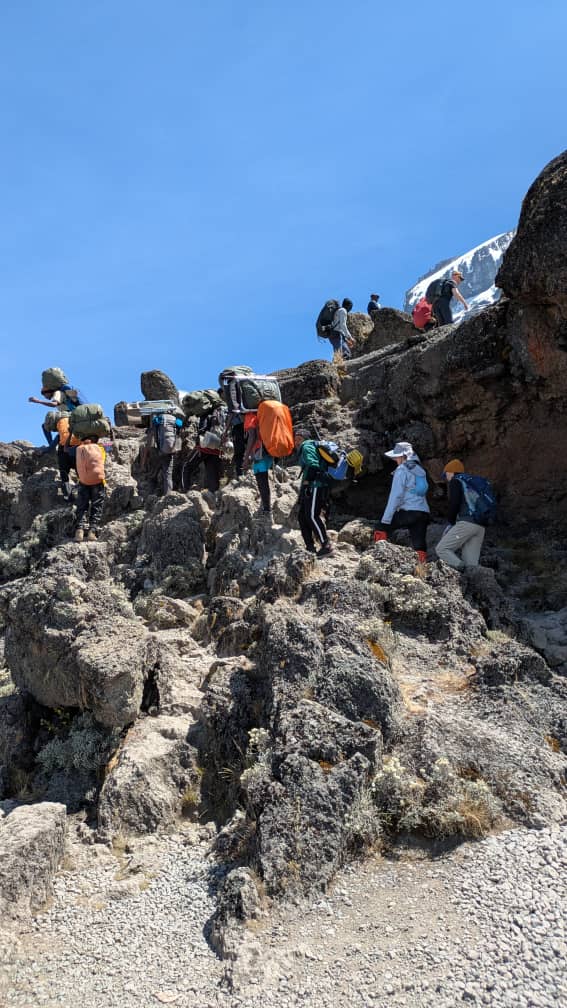
9-Day Northern Circuit Climb In September : Your Ultimate Guide 2026-2027
The 9-day Northern Circuit (also known as the Lemosho route extension) is Kilimanjaro's longest and most scenic trek, offering the highest success rates due to its gradual ascent and...
View package details7-Day Rongai Route Kilimanjaro Climb In October : Your Expert Guide 2026-2027
Your comprehensive guide to the 7-Day Rongai Route Kilimanjaro climb in October, detailing itineraries, what to expect, and essential preparation for 2026-2027 climbs.
View package details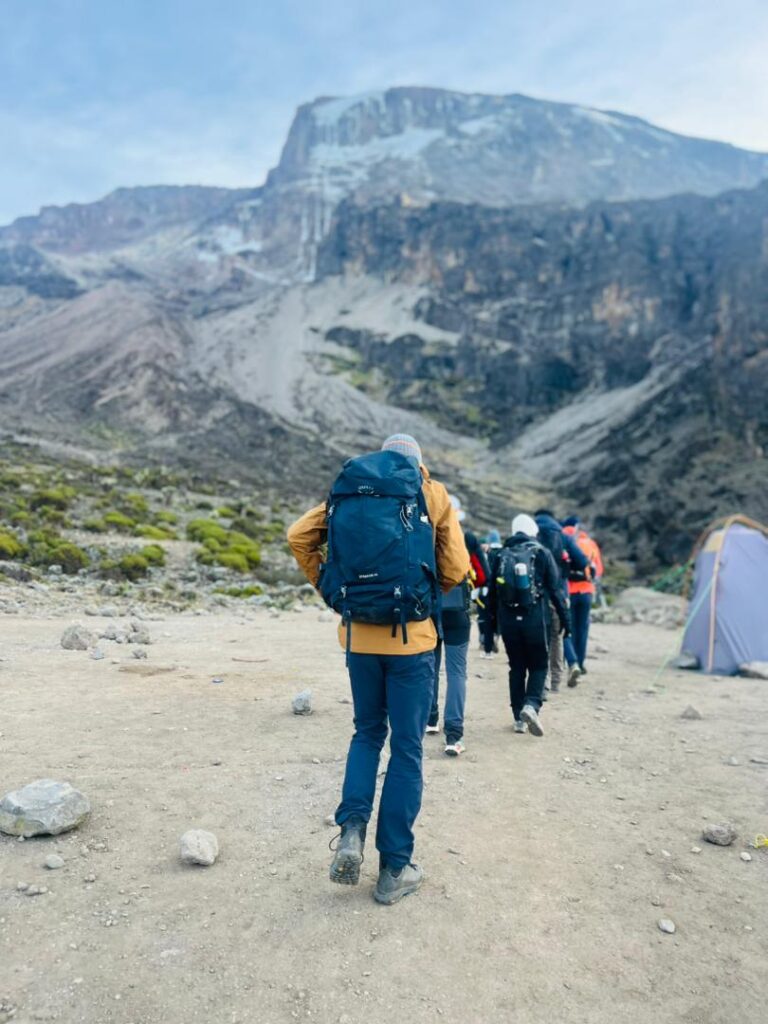
8-Day Lemosho Route Kilimanjaro Climb In October : Your Expert Guide 2026-2027
An in-depth guide to climbing Kilimanjaro via the 8-day Lemosho Route in October, detailing weather, itinerary, preparation, and what to expect in 2026-2027. Perfect for trekkers seeking...
View package details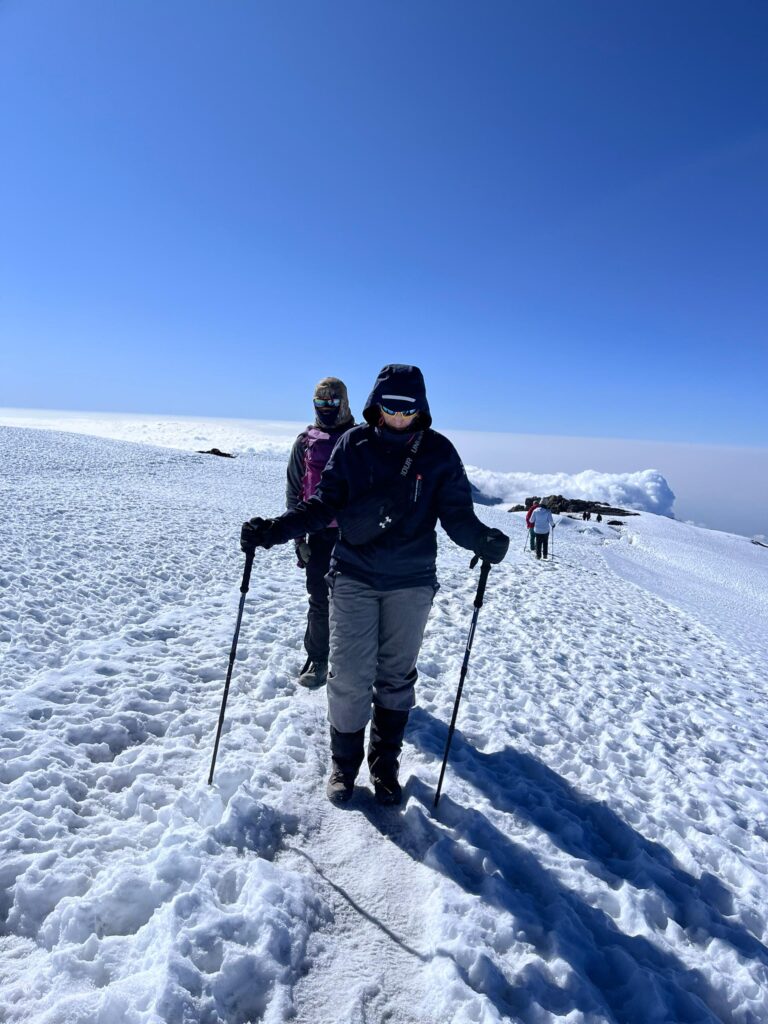
7-Day Machame Route Kilimanjaro Climb In October : Your Ultimate Guide
Discover everything you need to know for a 7-day Machame Route Kilimanjaro climb in October, including weather, packing, itinerary, and preparation for your 2026-2027 adventure.
View package details8-Day Lemosho Route Climb In September: Your Expert Guide For 2026-2027
Discover the ultimate guide to an 8-Day Lemosho Route climb on Mount Kilimanjaro during September 2026-2027. This comprehensive resource covers everything from weather patterns and optimal...
View package details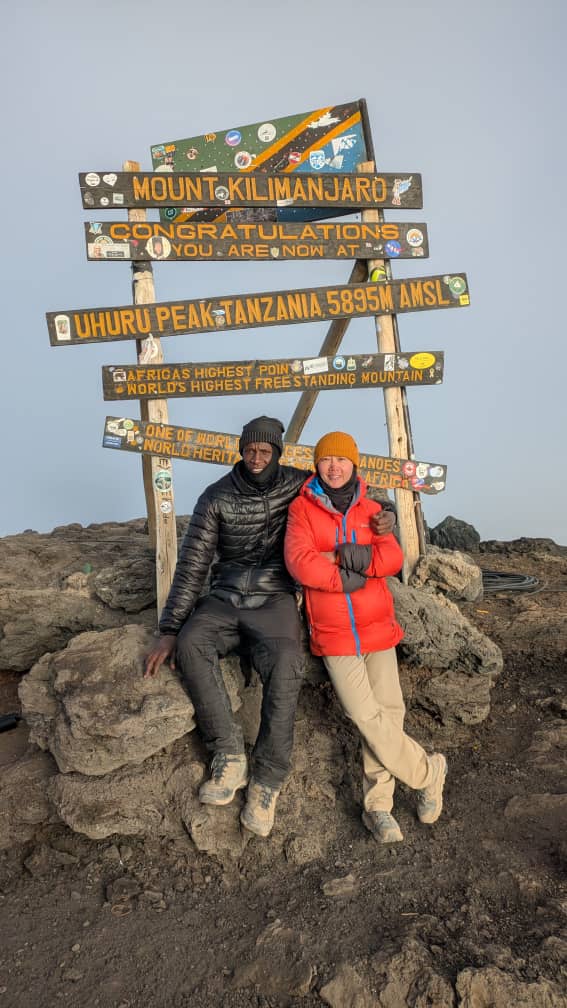
7-Day Machame Route Climb In September 2026-2027
7-Day Machame Route Climb in September is explained with current 2026-2027 planning, price, itinerary and booking information.
View package details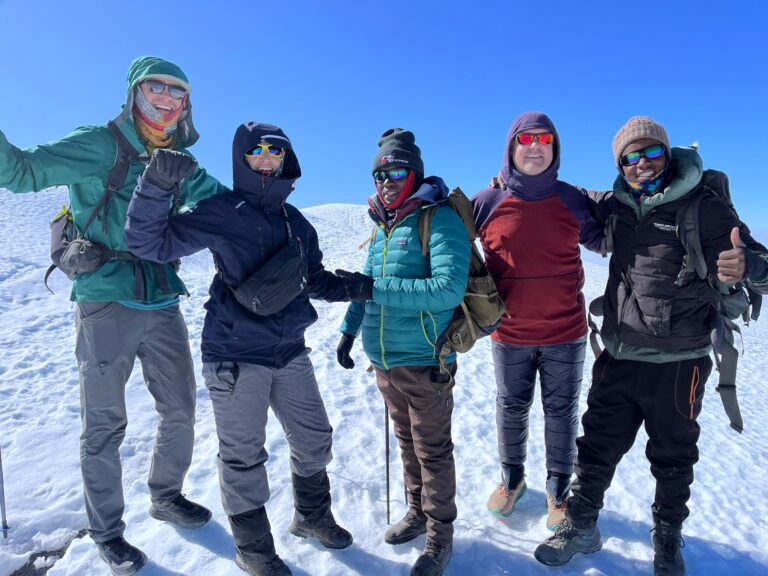
August Kilimanjaro Climb With River-Crossing Safari: Your Ultimate Tanzania
Combine the challenge of climbing Mount Kilimanjaro in August with the thrill of witnessing the Great Migration river crossings on a safari. This guide covers itineraries, routes, packing...
View package details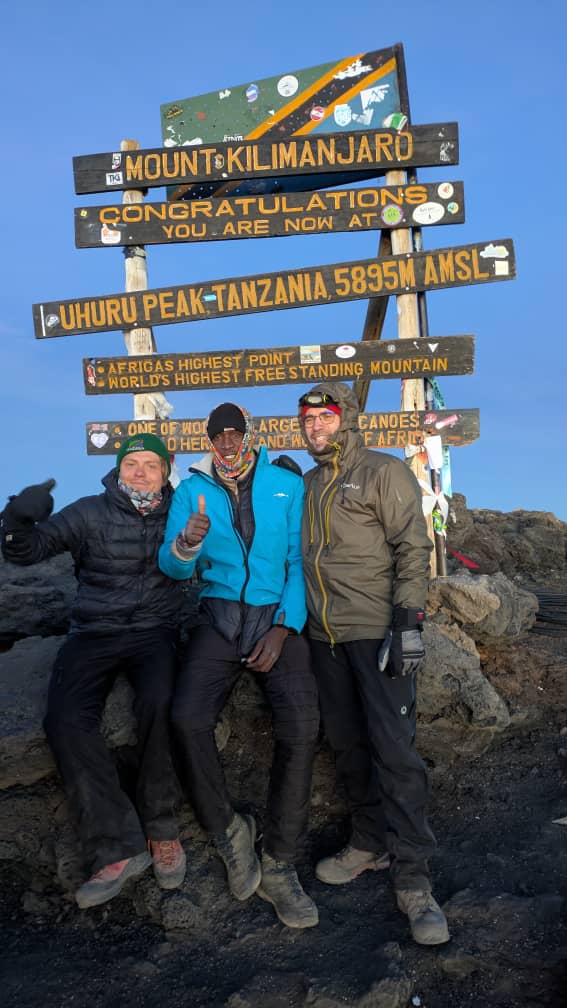
August Kilimanjaro Charity Challenge: Plan Your Climb 2026-2027
Planning an August Kilimanjaro Charity Challenge for 2026 or 2027 involves understanding routes, preparation, and the unique benefits of climbing for a cause. Top Guide Adventures offers...
View package detailsAugust Kilimanjaro Women’s Group Climb: Expert Planning For 2026-2027
This comprehensive guide details everything you need to know for an August Kilimanjaro Women’s Group Climb, covering route selection, training, gear, safety, and what to expect during your...
View package details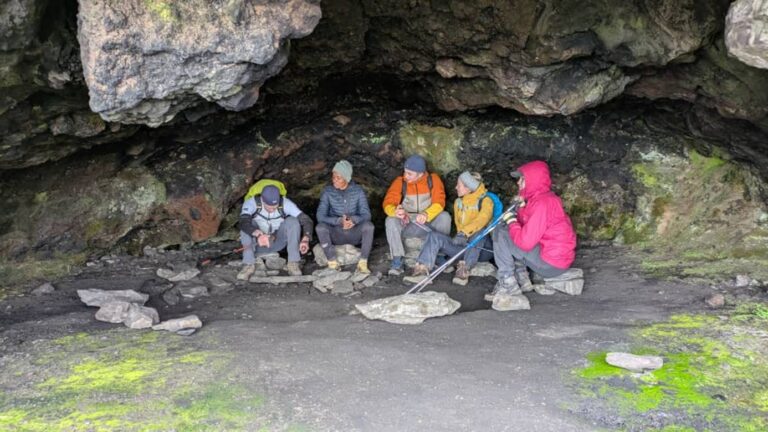
August Kilimanjaro Packing Checklist: Essential Gear For Your Climb 2026-2027
Prepare for your August Kilimanjaro ascent with this comprehensive packing checklist. Essential gear for varied weather, altitude, and comfort, ensuring a successful climb in 2026-2027.
View package detailsIs August The Best Month To Climb Kilimanjaro? 2026-2027
Is August the Best Month to Climb Kilimanjaro? is explained with current 2026-2027 planning, price, itinerary and booking information.
View package details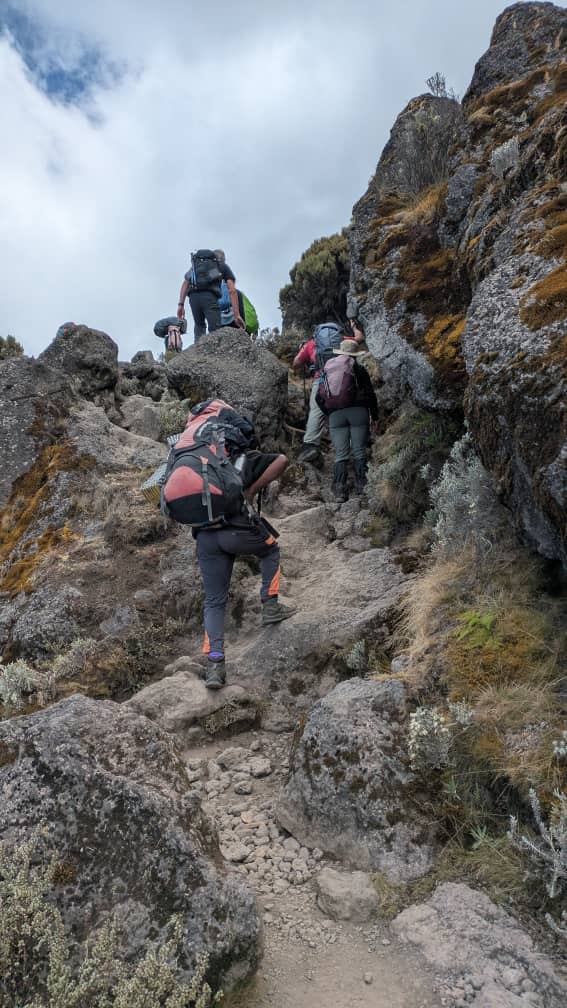
August Kilimanjaro Climb For Solo Travellers 2026-2027
August Kilimanjaro Climb for Solo Travellers is explained with current 2026-2027 planning, price, itinerary and booking information.
View package detailsNo related package matches those filters. Clear one or more filters to see the other topic-matched options.



