
An 8-day Lemosho Route Kilimanjaro climb in October offers a fantastic opportunity for trekkers aiming for summit success, with generally stable weather patterns and fewer crowds than peak seasons. This extended itinerary maximizes acclimatization, crucial for reaching Uhuru Peak, and allows for a more relaxed pace through diverse ecological zones. Expect cool to cold temperatures, with potential for dry conditions and clear skies, though occasional rain showers are possible. Booking for October 2026 or 2027 with a reputable operator like Top Guide Adventures ensures a well-supported and safe expedition.
Why Choose the 8-Day Lemosho Route for Your October Kilimanjaro Climb?
Climbing Mount Kilimanjaro is a dream for many adventurers, and selecting the right route and timing is paramount to a successful and enjoyable experience. The 8-day Lemosho Route stands out as one of the most scenic and effective paths to the summit, particularly when tackled in October. This comprehensive guide will walk you through everything you need to know about this specific trek, from the nuances of October weather to the detailed daily itinerary, preparation tips, and why choosing Top Guide Adventures for your 2026-2027 expedition is a wise decision.
The Lemosho Route is celebrated for its gradual ascent, which significantly aids in acclimatization, a critical factor in summiting Kilimanjaro. Its longer duration, especially the 8-day variation, provides more days to adapt to the altitude, reducing the risk of altitude sickness and increasing your chances of reaching Uhuru Peak. October falls within a transitional period on Kilimanjaro, often marking the end of the short rainy season and the beginning of the drier, cooler months. This can lead to a delightful mix of conditions, offering both clear vistas and fewer trekkers on the mountain.
Understanding October on Kilimanjaro: Weather and Conditions
When planning an 8-day Lemosho Route Kilimanjaro climb in October, understanding the prevailing weather is essential for preparation and setting expectations. October is a transitional month on Kilimanjaro. It typically signals the winding down of the short rainy season (September-October) and the lead-up to the main dry season (December-March). This can mean you experience a bit of both worlds.
Temperature Fluctuations: Temperatures vary dramatically with altitude. On the lower slopes, expect pleasant, warm conditions during the day, perhaps in the range of 20-25°C (68-77°F). As you ascend through the alpine desert and arctic zones, temperatures will plummet. Daytime highs near the summit might hover around 0-5°C (32-41°F), while nighttime temperatures can drop significantly, often to -5°C to -15°C (23°F to 5°F), especially at higher camps like Kibo Hut. Wind chill can make it feel even colder.
Precipitation: While October is generally considered a good month with decreasing rainfall, occasional showers are still possible. These are more likely to occur in the early part of the month. The rain tends to be heavier in the lower rainforest zone and can manifest as mist or drizzle at higher altitudes. By the end of October, conditions usually become drier, with less cloud cover.
Visibility and Scenery: The receding rains often leave the landscape looking lush and green, especially in the lower forest sections. Clearer skies towards the end of October can offer spectacular panoramic views of the surrounding plains and, on exceptionally clear days, Mount Meru. Sunrise and sunset views from the higher camps can be impressive.
Crowds: October is generally less crowded than the peak dry seasons of January-March and June-October. This means you’ll likely encounter fewer trekkers on the trails and at the campsites, allowing for a more serene and personal experience of Kilimanjaro. This makes it an attractive option for those seeking a quieter climb in 2026 or 2027.
Summit Night: Summit night (the final ascent to Uhuru Peak) is always the coldest and most challenging part of the climb. Even in October, expect freezing temperatures, strong winds, and a demanding trek in the dark. Proper gear is non-negotiable for comfort and safety.
Key Takeaway for October Climbs: Be prepared for variable weather. Pack layers suitable for both warm days and freezing nights. While dry conditions are common, especially later in the month, carrying good waterproofs is always a wise precaution. The trade-off for potential occasional showers is often fewer people and beautiful scenery.
The 8-Day Lemosho Route Itinerary: A Day-by-Day Breakdown
The 8-day Lemosho Route is designed to offer the best balance of acclimatization, scenery, and success rate. The extra day compared to the 7-day version allows for a more leisurely pace and an additional acclimatization day, often placed strategically before the final push to the summit. Here’s a typical itinerary for your 8-day Lemosho Route Kilimanjaro climb in October:
Day 1: Machame Gate to Mti Mkubwa Camp
Distance: 5 km (3 miles)
Time: 3-4 hours
Altitude Gain: 500m (1640 ft)
Habitat: Rainforest
Your Kilimanjaro adventure begins at Machame Gate (1,800m / 5,905 ft). After completing park formalities, you’ll begin your trek through the lush rainforest. The trail is well-maintained but can be muddy, especially in October. Keep an eye out for colobus monkeys and various bird species. The hike is relatively short, allowing you to get accustomed to walking with your pack and setting a steady pace. You’ll arrive at Mti Mkubwa Camp (2,300m / 7,545 ft) in the afternoon, where your crew will set up tents and prepare dinner.
Day 2: Mti Mkubwa Camp to Shira 2 Camp
Distance: 10 km (6 miles)
Time: 5-7 hours
Altitude Gain: 800m (2624 ft)
Habitat: Rainforest to Moorland
Today’s trek takes you out of the rainforest and into the moorland zone. The path continues to ascend, sometimes steeply. You’ll cross several streams and enjoy increasingly expansive views as you gain altitude. The trail can be rocky in places. Shira 2 Camp (3,100m / 10,170 ft) is located on the Shira Plateau, offering spectacular sunset views. This higher altitude camp helps with acclimatization, and you’ll likely feel the effects of the altitude more noticeably tonight.
Day 3: Shira 2 Camp to Lava Tower to Barranco Camp
Distance: 7 km (4 miles)
Time: 5-7 hours
Altitude Gain: 300m (984 ft) ascent, 700m (2296 ft) descent
Habitat: Moorland to Alpine Desert
This is a crucial acclimatization day. You’ll trek across the Shira Plateau towards the Lava Tower (4,600m / 15,091 ft), the highest point of the day. The landscape becomes more arid and rocky. After a break at Lava Tower, you’ll begin a significant descent to Barranco Camp (3,950m / 12,959 ft). This “climb high, sleep low” strategy is vital for acclimatization. Barranco Camp is situated in a beautiful, sheltered valley, offering stunning views of the Great Barranco Wall.
Day 4: Barranco Camp to Karanga Camp
Distance: 5 km (3 miles)
Time: 4-5 hours
Altitude Gain: 250m (820 ft)
Habitat: Alpine Desert
The day starts with the famous Barranco Wall scramble. It’s not technical climbing but requires using your hands for balance and stability. The path winds up the wall, offering incredible photo opportunities. After cresting the wall, the terrain levels out somewhat, and you’ll continue through the alpine desert landscape towards Karanga Camp (4,200m / 13,779 ft). Karanga Camp is situated on a ridge, providing panoramic views. The altitude is now significant, and rest is important.
Day 5: Karanga Camp to Barafu Camp
Distance: 4 km (2.5 miles)
Time: 4-5 hours
Altitude Gain: 550m (1804 ft)
Habitat: Alpine Desert
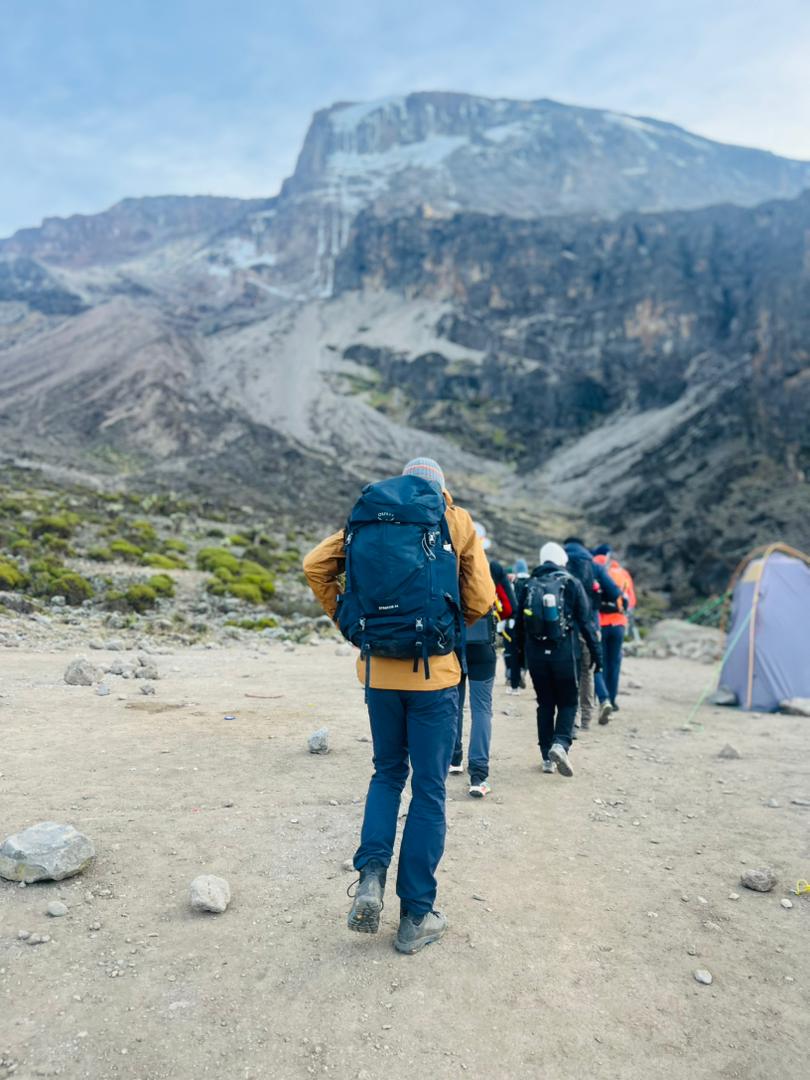
Today’s trek is shorter in distance but involves a steady, challenging ascent over rocky terrain. You’ll traverse scree slopes and gain altitude steadily, with the imposing summit cone of Kibo becoming more prominent. Barafu Camp (4,650m / 15,255 ft) is a stark, windswept campsite located on a narrow ridge. You’ll arrive in the early afternoon, giving you ample time to rest, hydrate, and prepare for the summit attempt. An early dinner and sleep are recommended, as you’ll be woken around midnight for the final push.
Day 6: Summit Day! Barafu Camp to Uhuru Peak to Mweka Camp
Distance: 13 km (8 miles) to summit, 8 km (5 miles) descent
Time: 7-8 hours to summit, 4-5 hours descent
Altitude Gain: 1,150m (3,773 ft) to summit, 2,850m (9,350 ft) descent
Habitat: Arctic to Moorland
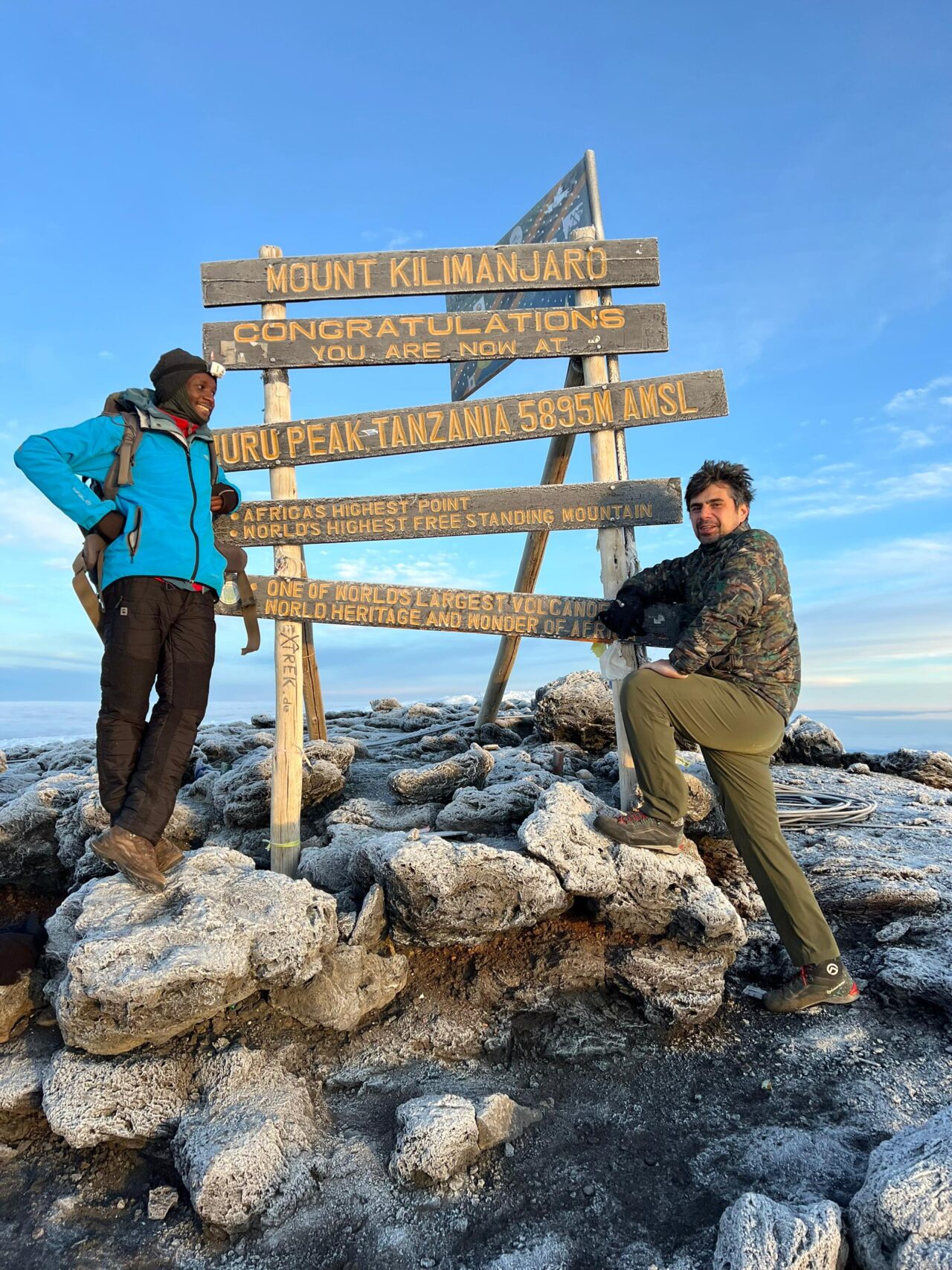
This is the most challenging day. You’ll begin your ascent around midnight, trekking through the cold, dark night towards Stella Point (5,756m / 18,885 ft) on the crater rim. The climb is steep and on loose scree. Reaching Stella Point by sunrise is a magical experience. From Stella Point, you’ll continue along the crater rim for approximately 1-2 hours to Uhuru Peak (5,895m / 19,341 ft), the highest point in Africa. After celebrating your achievement and taking photos, you’ll begin the long descent back to Barafu Camp for a short rest before continuing down to Mweka Camp (3,100m / 10,170 ft). This is a very long and tiring day.
Day 7: Mweka Camp to Mweka Gate
Distance: 10 km (6 miles)
Time: 4-5 hours
Altitude Loss: 1,200m (3,937 ft)
Habitat: Rainforest
After breakfast, you’ll descend through the rainforest to Mweka Gate (1,650m / 5,413 ft). The trail is often steep and can be slippery, especially in October. Upon arrival at the gate, you’ll be met by your driver and transferred back to your hotel in Moshi or Arusha. This is where you can shower, relax, and celebrate your incredible achievement. You’ll receive your climbing certificate.
Day 8: Departure or Relaxation
Depending on your flight schedule, you can either depart or spend an extra day relaxing and exploring the local area. Many clients opt for a safari or a visit to Zanzibar after their climb.
Preparing for Your 8-Day Lemosho Route Climb in October
Success on Kilimanjaro hinges on preparation. For an 8-day Lemosho Route Kilimanjaro climb in October, specific considerations apply due to the route’s length and the month’s transitional weather. Top Guide Adventures emphasizes thorough preparation for all our clients planning for 2026-2027 expeditions.
Physical Training:
Cardiovascular Fitness: Engage in regular aerobic activities like hiking, running, cycling, or swimming for at least 3-4 months prior to your climb. Focus on endurance. Hiking with a weighted backpack on varied terrain is highly recommended.
Strength Training: Focus on leg strength (squats, lunges) and core stability. This will help you manage the steep ascents and descents, especially on rocky terrain.
Altitude Simulation: If possible, spend time at higher altitudes before your climb. Even short hikes in mountainous areas can be beneficial.
Gear and Packing:
Layering is key for October’s variable weather. You’ll need gear for warm rainforest days, chilly moorland evenings, and freezing summit conditions.
Base Layers: Moisture-wicking thermal tops and bottoms (synthetic or merino wool).
Mid Layers: Fleece jackets or vests for insulation.
Outer Layers: Waterproof and windproof jacket and trousers (Gore-Tex or similar). A warm, insulated down or synthetic jacket is essential for summit night.
Headwear: Warm woolen hat, sun hat with a wide brim, balaclava or neck gaiter for summit night.
Handwear: Thin liner gloves and warm, waterproof outer gloves or mittens.
Footwear: Broken-in, waterproof hiking boots with good ankle support. Camp shoes or comfortable trainers for evenings.
Socks: Several pairs of warm, moisture-wicking hiking socks (wool or synthetic).
Sleeping Bag: A 4-season sleeping bag rated to at least -15°C (5°F) is recommended for October climbs.
Trekking Poles: Highly recommended to reduce strain on knees during descents and provide stability.
Other Essentials: Headlamp with extra batteries, sunglasses, high SPF sunscreen, lip balm, water bottles or hydration reservoir, water purification tablets or filter, personal first-aid kit, toiletries, camera, power bank.
Health and Vaccinations:
Consult your doctor or a travel clinic 4-6 weeks before your trip regarding recommended vaccinations and malaria precautions for Tanzania. Diamox (acetazolamide) can be prescribed to aid acclimatization, but it’s not a substitute for proper acclimatization and hydration.
Mental Preparation:
Kilimanjaro is a physical and mental challenge. Understand the risks, embrace the “pole pole” (slowly, slowly) philosophy, and maintain a positive attitude. The 8-day Lemosho route’s gradual ascent significantly aids mental endurance.
Why Choose Top Guide Adventures for Your 2026-2027 Climb?
Selecting the right tour operator is arguably the most crucial decision you’ll make when planning your Kilimanjaro climb. Top Guide Adventures has built a reputation for safety, reliability, and providing an exceptional client experience. For your 8-day Lemosho Route Kilimanjaro climb in October 2026 or 2027, consider these reasons:
- Experienced Guides and Crew: Our guides are highly trained, certified, and possess extensive knowledge of Kilimanjaro, altitude sickness, and emergency procedures. Our porters and cooks are dedicated professionals committed to making your trek comfortable and enjoyable.
- Safety First Approach: We carry supplementary oxygen, pulse oximeters for monitoring, and comprehensive first-aid kits. Our safety protocols are rigorous, ensuring your well-being is the top priority.
- Quality Equipment: We provide high-quality tents, sleeping mats, and ensure our kitchen equipment is well-maintained, offering a comfortable and hygienic experience even at high altitudes.
- Focus on Acclimatization: The 8-day Lemosho route is our recommended itinerary for optimal acclimatization, and our guides ensure trekkers adhere to a safe pace.
- Sustainable Tourism: We are committed to responsible tourism practices, respecting the mountain environment and supporting local communities.
- Personalized Service: From your initial inquiry to your return from the mountain, you’ll receive personal attention and dedicated support. We are known for our care and dedication to every client.
- Transparent Pricing: Our packages are comprehensive, with clear inclusions and exclusions. We aim to provide excellent value without compromising on safety or quality.
We understand that planning a major expedition like Kilimanjaro for 2026 or 2027 requires confidence in your operator. Top Guide Adventures is committed to delivering a memorable and successful climb. You can read reviews from satisfied clients on platforms like TripAdvisor, highlighting our commitment to excellence: TripAdvisor Reviews.
Cost Considerations for an 8-Day Lemosho Route Climb
The cost of an 8-day Lemosho Route Kilimanjaro climb in October can vary significantly based on the operator’s quality, inclusions, and group size. At Top Guide Adventures, we offer competitive pricing for 2026-2027 expeditions, focusing on value that prioritizes safety and success.
Factors Influencing Cost:
- Operator Reputation and Quality: Established companies with proven safety records and high-quality equipment often charge more.
- Inclusions: Full board, park fees, rescue fees, experienced guides, porters, cooks, camping equipment, transfers, and sometimes pre/post-climb accommodation are standard inclusions. Cheaper operators may cut corners on crew wages, food quality, or safety equipment.
- Group Size: Private climbs are more expensive per person than joining a scheduled group departure. We offer options for both.
- Route Duration: Longer routes like the 8-day Lemosho are typically more expensive than shorter ones due to more days of park fees and crew services.
- Time of Year: While October is not the absolute peak season, prices generally remain consistent across the main climbing months.
Typical Cost Range (Estimate for 2026-2027):
For a reputable operator like Top Guide Adventures offering a comprehensive package for an 8-day Lemosho Route Kilimanjaro climb, expect costs to range roughly from $2,200 to $3,500 USD per person for a group climb. Private climbs will be at the higher end or slightly above this range. This price typically covers:
- Park entrance fees, camping fees, and rescue fees
- All meals on the mountain
- Boiled water
- Accommodation in tents
- All crew salaries (guides, assistant guides, porters, cooks)
- Ground transportation to/from the mountain gate
- A pre-climb briefing
- Government taxes
What is usually NOT included:
- Flights to/from Kilimanjaro International Airport (JRO)
- Visa fees
- Travel insurance (mandatory)
- Personal gear (sleeping bag, clothing, boots)
- Tips for the crew (a significant part of their income)
- Lunches and dinners before/after the climb (unless specified)
- Personal expenses (e.g., souvenirs, drinks)
- Optional tips for hot shower services or extra snacks.
We encourage you to contact us directly for a detailed, personalized quote for your 8-day Lemosho Route Kilimanjaro climb in October 2026 or 2027. Email us at topguideadventures@gmail.com or info@topguideadventures.com, or reach us via WhatsApp at +255616946642.
Important Note on Pricing:
Be wary of suspiciously low prices. They often indicate compromises on crew welfare, equipment quality, food standards, or safety measures. For a challenging trek like Kilimanjaro, investing in a reputable operator is investing in your safety and success.
Acclimatization: The Key to Summit Success on the Lemosho Route
Altitude sickness is the most common reason climbers fail to reach Uhuru Peak. The 8-day Lemosho Route is specifically chosen by many for its superior acclimatization profile. This extended duration allows your body more time to adapt to the decreasing oxygen levels as you gain altitude.
How the 8-Day Lemosho Route Aids Acclimatization:
- Gradual Ascent: The route starts at a lower elevation and ascends steadily, avoiding rapid gains in altitude.
- “Climb High, Sleep Low”: Days like Day 3, where you trek to Lava Tower (4,600m) and then descend to sleep at Barranco Camp (3,950m), are critical. This strategy helps your body acclimatize more effectively.
- Longer Duration: The extra day provides more time for rest and physical adaptation, especially beneficial for those coming from sea level.
- Lower Daily Mileage: The 8-day itinerary often involves shorter hiking distances each day compared to 6 or 7-day treks, allowing for more rest and recovery.
Tips for Maximizing Acclimatization:
- Hydrate: Drink plenty of water – at least 3-4 liters per day. Dehydration can exacerbate altitude sickness symptoms.
- Pace Yourself: Follow the “pole pole” mantra. Walk slowly and steadily, conserving energy. Your guides will set the pace.
- Eat Well: Maintain a good intake of carbohydrates, which are easier to digest at altitude.
- Avoid Alcohol and Smoking: These can negatively impact acclimatization.
- Listen to Your Body: Report any symptoms of altitude sickness (headache, nausea, dizziness, fatigue) to your guide immediately. Early detection and management are crucial.
- Consider Diamox: Discuss the use of Acetazolamide (Diamox) with your doctor. It can help speed up acclimatization but is not a substitute for proper trekking practices.
The success rate on the Lemosho Route is generally higher than on shorter routes, and the 8-day version further enhances these odds, making it an excellent choice for your October 2026-2027 Kilimanjaro climb.
What to Expect on Summit Night
Summit night is the ultimate test of your physical and mental endurance. For an 8-day Lemosho Route Kilimanjaro climb in October, expect the conditions to be challenging but potentially clear.
- Start Time: You will typically be woken around 11:00 PM or midnight.
- Temperature: Temperatures will be well below freezing, likely ranging from -5°C to -15°C (23°F to 5°F), potentially colder with wind chill.
- The Climb: The ascent from Barafu Camp to Stella Point is steep and often on loose scree or snow. Progress will be slow, with frequent short breaks. Your headlamp will be your primary light source.
- Breathing: Oxygen levels are roughly half of those at sea level. Focus on slow, deep breaths.
- Crater Rim: Reaching Stella Point (5,756m / 18,885 ft) is a significant achievement. Sunrise from this vantage point is usually spectacular.
- Uhuru Peak: The final 1-2 hour trek along the crater rim to Uhuru Peak (5,895m / 19,341 ft) offers views of the glaciers and the vast crater.
- Descent: The descent is notoriously long and tiring. Descending too quickly can increase the risk of altitude sickness. Your guides will manage the pace carefully. You will return to Barafu Camp for a brief rest before continuing down to Mweka Camp.
Key for Summit Success:
- Warm Gear: Ensure you have adequate warm layers, gloves, hat, and a good down jacket.
- Hydration: Sip water continuously, even if you don’t feel thirsty. Keep your water bottles insulated to prevent freezing.
- Energy: Carry high-energy snacks like chocolate, nuts, and energy bars.
- Positive Mindset: Break the climb into small segments. Focus on one step at a time.
Lemosho Route vs. Other Routes in October
While the Lemosho Route is highly recommended, it’s useful to compare it with other popular routes for an October 2026-2027 Kilimanjaro climb.
- Machame Route: Similar to Lemosho in terms of scenery and acclimatization profile, but starts from a different gate and doesn’t include the Shira Plateau extension. The 7-day Machame is very popular but the 8-day Lemosho generally offers better acclimatization.
- Marangu Route (“Coca-Cola” Route): The shortest and most popular route, but offers the poorest acclimatization due to its rapid ascent and hut accommodation. Not recommended for first-time climbers or those prioritizing success. Its appeal lies in the huts and potentially lower cost, but the success rate is significantly lower.
- Northern Circuit: The longest route (9-10 days), offering the best acclimatization and highest success rates. It circumnavigates the mountain, providing diverse views. However, it’s more expensive and requires more time.
- Rongai Route: Approaches Kilimanjaro from the north, making it a drier option, which can be appealing if the short rains linger into early October. It’s generally less scenic than Lemosho.
For an 8-day Lemosho Route Kilimanjaro climb in October, you benefit from:
- Scenery: Considered one of the most beautiful routes, offering diverse landscapes.
- Acclimatization: Excellent, with a high success rate, especially over 8 days.
- Crowds: Fewer people than Machame or Marangu, particularly if climbing later in October.
- Weather: Generally good, transitioning towards dry season conditions.
While other routes have their merits, the 8-day Lemosho provides an exceptional balance for most trekkers aiming for success and a memorable experience in October.
Booking Your 8-Day Lemosho Route Kilimanjaro Climb for 2026-2027
Planning ahead is crucial, especially if you’re targeting a specific time like October 2026 or 2027 for your 8-day Lemosho Route Kilimanjaro climb. Early booking allows you to secure your preferred dates and ensure availability with a top-rated operator like Top Guide Adventures.
Steps to Book:
- Research and Choose Operator: Select a reputable company like Top Guide Adventures. Look for safety records, experienced guides, and positive reviews.
- Contact Us: Reach out via email (topguideadventures@gmail.com or info@topguideadventures.com) or WhatsApp (+255616946642) to discuss your plans. We can provide detailed itineraries and quotes for October 2026 and 2027.
- Confirm Dates and Package: Decide on your exact dates and the package inclusions. We can help tailor the experience to your needs.
- Deposit and Booking Form: A deposit is typically required to confirm your booking. You will need to complete a booking form with your personal details.
- Visa and Flights: Arrange your Tanzanian visa and international flights to Kilimanjaro International Airport (JRO).
- Pre-Climb Briefing: Attend our mandatory briefing in Moshi or Arusha a day or two before your climb starts. This is where you meet your guide, go over gear, and finalize arrangements.
Why Book Early for 2026-2027?
- Guaranteed Dates: Especially for private climbs, booking early secures your preferred dates.
- Peak Season Availability: While October is not the absolute peak, popular dates can fill up.
- Preparation Time: Allows ample time for physical training, gear acquisition, and visa/flight arrangements.
- Peace of Mind: Knowing your Kilimanjaro adventure is booked with a trusted operator reduces pre-trip stress.
We look forward to helping you plan your dream 8-day Lemosho Route Kilimanjaro climb in October. Contact Top Guide Adventures today to start planning your unforgettable journey for 2026 or 2027!
Frequently Asked Questions about the 8-Day Lemosho Route in October
Here are some common questions our clients ask regarding the 8-day Lemosho Route Kilimanjaro climb in October:
Is October a good month to climb Kilimanjaro via the Lemosho Route?
Yes, October is generally a good month. It marks the transition from the short rainy season to the dry season. You can expect a mix of weather, often with clear, dry days, especially later in the month. Temperatures are cool to cold, particularly at altitude. It’s less crowded than the peak dry seasons.
What is the success rate for the 8-day Lemosho Route in October?
The 8-day Lemosho Route has one of the highest success rates among Kilimanjaro routes due to its gradual ascent and excellent acclimatization profile. While October weather can present challenges, the longer itinerary significantly boosts your chances of reaching Uhuru Peak compared to shorter routes. Success rates for reputable operators on this route are often above 85-90%.
What kind of gear do I need for an October climb?
You need gear suitable for a wide range of temperatures, from warm rainforest days to freezing summit nights. Key items include waterproof/windproof outer layers, warm mid-layers (fleece, down jacket), thermal base layers, a warm hat, gloves, sturdy broken-in hiking boots, and a 4-season sleeping bag. Layering is essential. We provide detailed packing lists upon booking.
How cold will it be on summit night?
Summit night will be very cold. Temperatures at the summit can range from -5°C to -15°C (23°F to 5°F), and wind chill can make it feel much colder. Proper warm clothing, including a down jacket, warm hat, balaclava, and insulated gloves, is crucial.
Do I need to worry about altitude sickness on the 8-day Lemosho?
Altitude sickness is always a risk on Kilimanjaro. However, the 8-day Lemosho Route is specifically designed to minimize this risk through gradual ascent and good acclimatization days. Listening to your body, hydrating, pacing yourself (“pole pole”), and informing your guide of any symptoms are vital. Discuss preventative medication like Diamox with your doctor.
What is the difference between the 7-day and 8-day Lemosho Route?
The 8-day Lemosho Route includes an additional acclimatization day, often placed strategically before the final ascent. This extra day allows for a slower pace, better adaptation to altitude, and often leads to higher summit success rates and a more comfortable overall experience compared to the 7-day version.
What are the main inclusions in your 8-day Lemosho Route package?
Our packages typically include park fees, rescue fees, all meals on the mountain, experienced guides and crew, porters, camping equipment (tents, mattresses), boiled water, and transfers to/from the mountain gate. Specific inclusions are detailed in your quote. We aim for comprehensive packages that prioritize safety and comfort.
For any further questions regarding your 8-day Lemosho Route Kilimanjaro climb in October 2026-2027, please do not hesitate to contact Top Guide Adventures. We are here to ensure your climb is safe, successful, and unforgettable. Reach us via email, email, or WhatsApp.
Check Availability for 8-Day Lemosho Route Kilimanjaro Climb In October : Your Expert Guide…
Ready to compare dates, prices, and the best option for your group? Send the package name and travel month so the team can reply with a clear quote, availability, and what is included.
7-Day Rongai Route Kilimanjaro Climb In October : Your Expert Guide 2026-2027
Your comprehensive guide to the 7-Day Rongai Route Kilimanjaro climb in October, detailing itineraries, what to expect, and essential preparation for 2026-2027 climbs.
View package details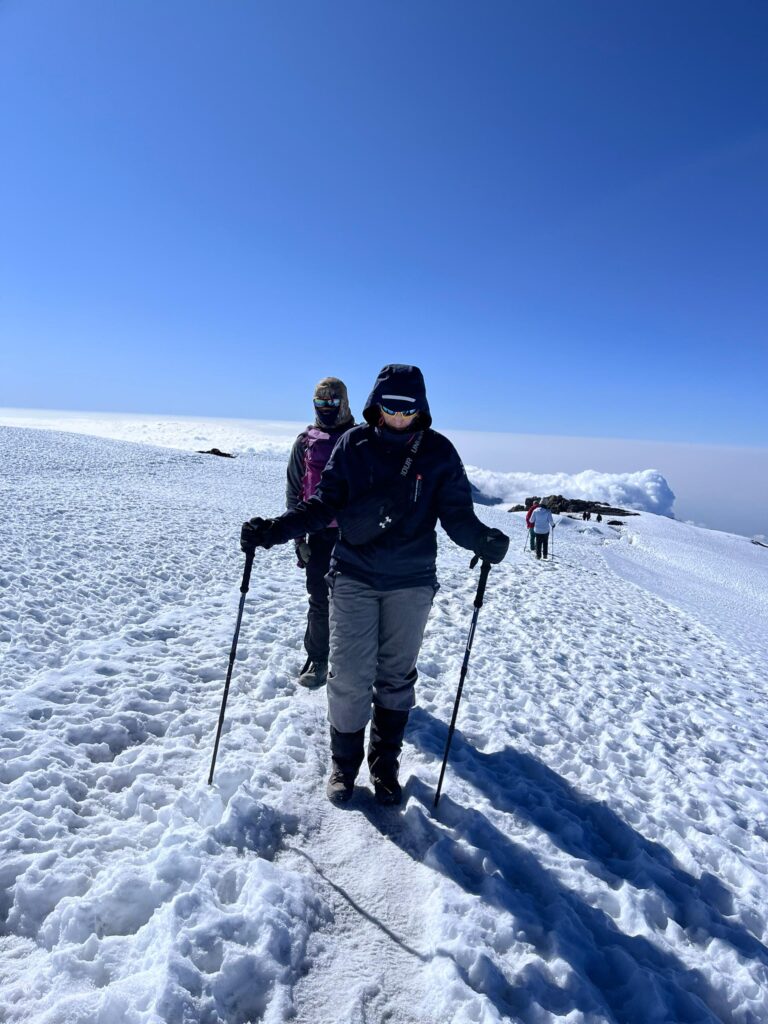
7-Day Machame Route Kilimanjaro Climb In October : Your Ultimate Guide
Discover everything you need to know for a 7-day Machame Route Kilimanjaro climb in October, including weather, packing, itinerary, and preparation for your 2026-2027 adventure.
View package details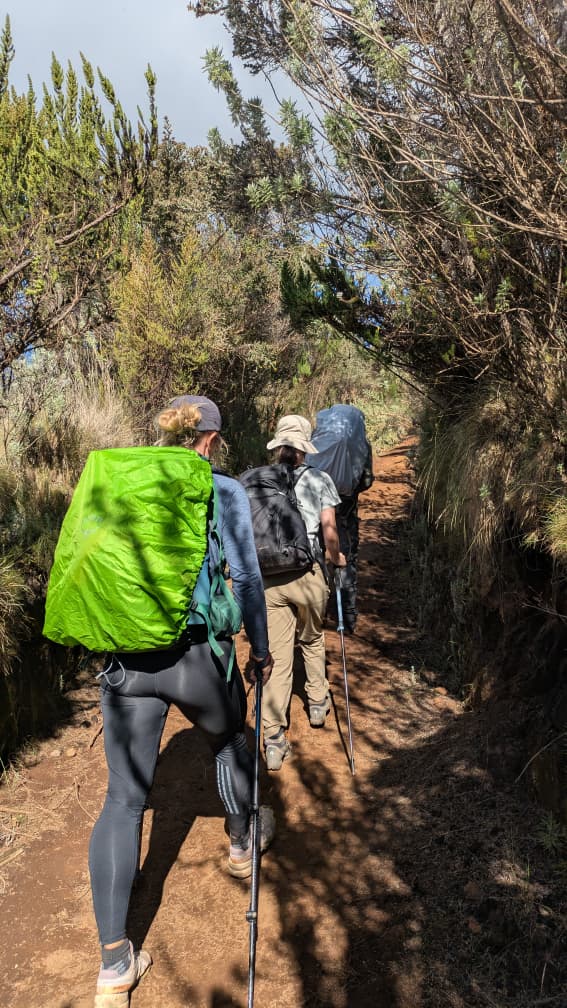
8-Day Lemosho Route Kilimanjaro Climb In January | Top Guide Adventures
An in-depth guide to the 8-day Lemosho Route Kilimanjaro climb during January, detailing the itinerary, weather, costs, and preparation needed for a successful trek in 2026-2027. Expert...
View package details
8-Day Lemosho Route Kilimanjaro Climb In December | Top Guide Adventures
Discover the magic of an 8-day Lemosho Route Kilimanjaro climb in December. This guide details what to expect regarding weather, acclimatization, and preparation for your 2026-2027...
View package details
8-Day Lemosho Route Kilimanjaro Climb In November | Top Guide Adventures
The 8-day Lemosho Route offers a high success rate and stunning scenery for your Kilimanjaro climb in November. This guide covers everything from weather to packing for your 2026-2027...
View package details
Kilimanjaro Climbing In October : Weather, Routes, And Planning 2026-2027
Planning a Kilimanjaro climb for October 2027? This guide details the excellent weather conditions, compares the most suitable routes like Machame and Lemosho, and provides essential...
View package details7-Day Rongai Route Kilimanjaro Climb In May: Your Ultimate Guide 2026-2027
Your comprehensive guide to conquering Kilimanjaro via the Rongai Route in May over 7 days. Learn about the itinerary, what to pack, acclimatization, and why May is a great month for this...
View package details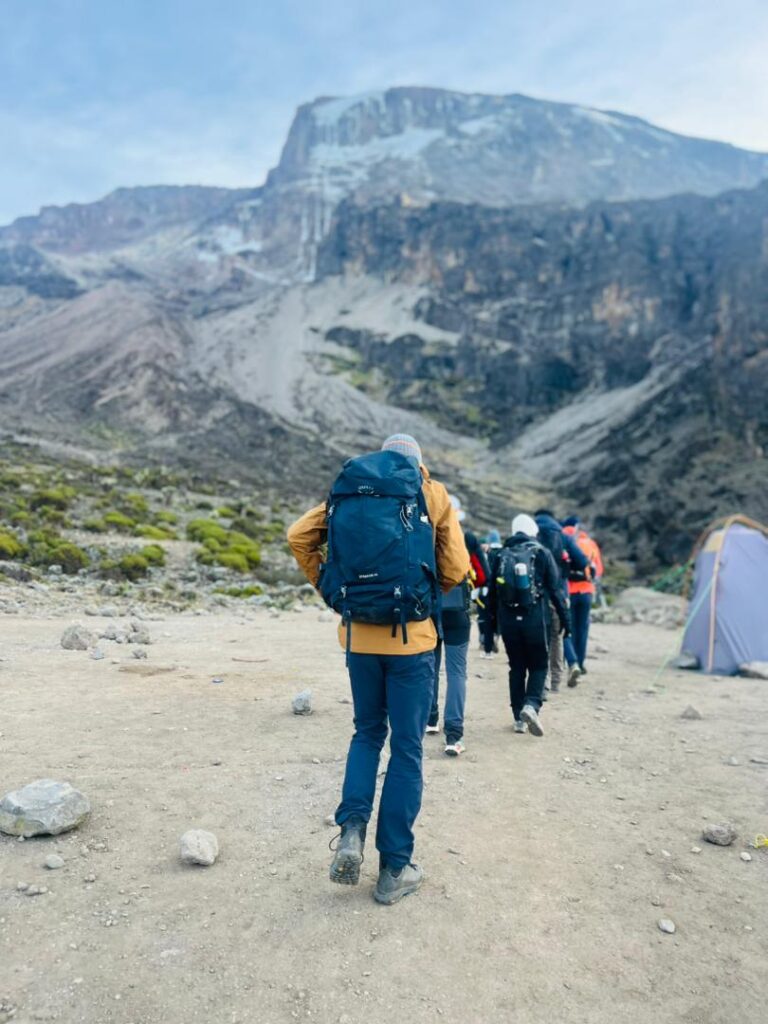
7-Day Rongai Route Kilimanjaro Climb In April: Your Expert Guide For 2026-2027
The 7-Day Rongai Route offers a unique and often drier approach to climbing Kilimanjaro, especially beneficial in April. This guide provides an in-depth look at the itinerary, essential...
View package details
Your 7-Day Machame Route Kilimanjaro Climb In December : Expert Guide
A comprehensive guide to undertaking a 7-day Machame Route Kilimanjaro climb during December. Learn about the conditions, best practices, and what to expect for your 2026-2027 adventure.
View package details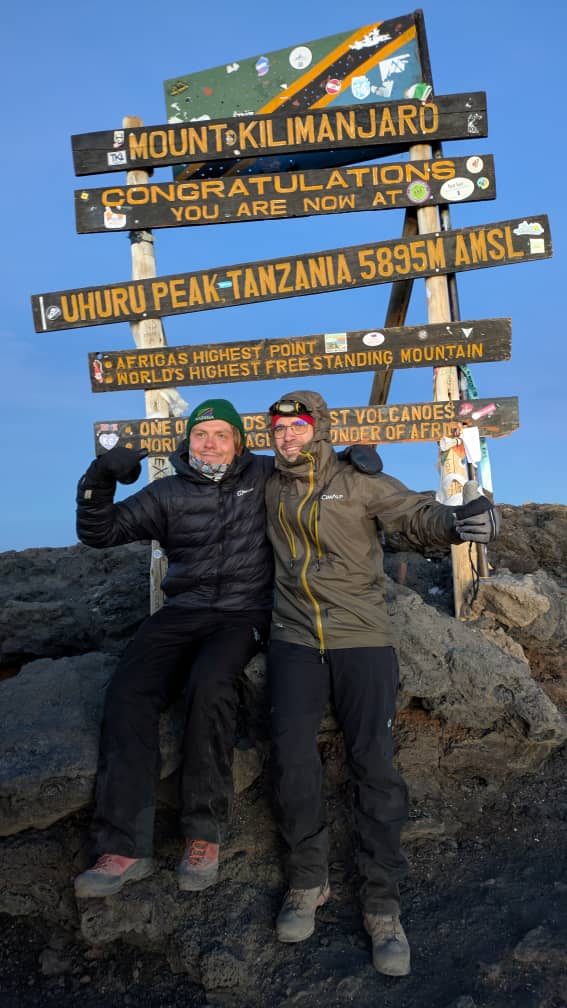
7-Day Machame Route Kilimanjaro Climb In November 2026-2027
start a 7-day Machame Route Kilimanjaro climb in November. This guide details the itinerary, weather, what to pack, costs, and why November is a great month for this challenging yet...
View package details
7-Day Rongai Route Kilimanjaro Climb In November 2026-2027
A detailed 2026-2027 guide to 7-Day Rongai Route Kilimanjaro Climb in November, with clear planning and booking information for travelers.
View package details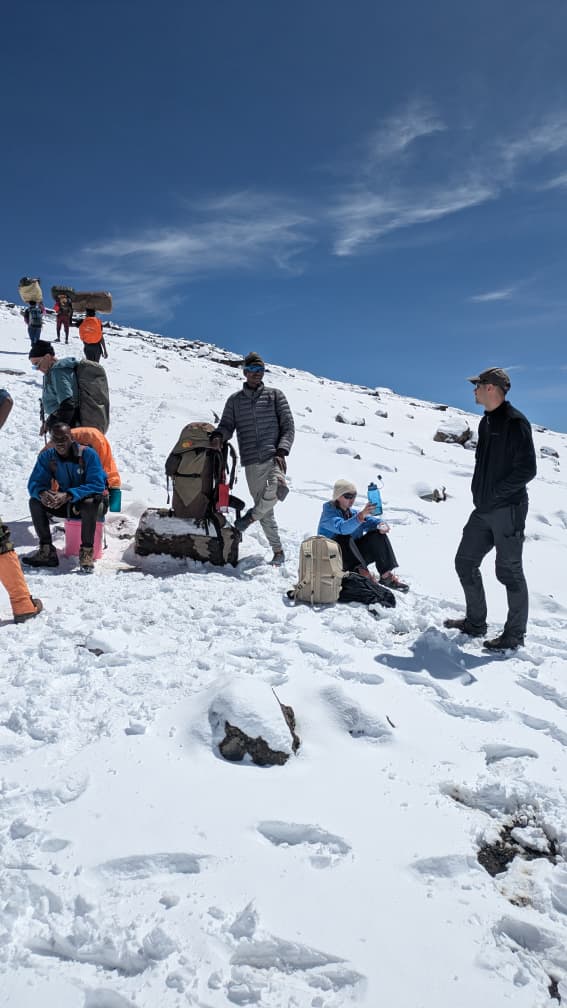
October Kilimanjaro Climb: Fewer Crowds, Great Weather 2026-2027
Planning an October Kilimanjaro climb offers a sweet spot with fewer trekkers and ideal weather conditions. Learn why October is a fantastic month for reaching Uhuru Peak and how to make...
View package detailsNo related package matches those filters. Clear one or more filters to see the other topic-matched options.



