
November on Kilimanjaro generally presents a mixed bag for summit night weather, transitioning from the short rainy season. While you might experience clearer skies and good visibility, especially early in the month, be prepared for cold temperatures, strong winds, and potential precipitation. Summit night temperatures can range from -10°C to -20°C (14°F to -4°F), with wind chill significantly dropping the perceived temperature. Early November tends to be slightly drier than late November, but conditions can change rapidly at altitude, making thorough preparation for all possibilities essential for a safe and successful 2026-2027 climb.


Understanding November’s Climate on Kilimanjaro
Kilimanjaro’s weather is famously unpredictable, especially at its extreme altitudes. November marks a transitional period, sitting between the end of the short rainy season and the start of the dry season. This means trekkers can encounter a variety of conditions, from crisp, clear nights perfect for stargazing to sudden snow flurries or rain showers. For those planning a November Kilimanjaro summit night, understanding these nuances is key to a successful and enjoyable expedition. The mountain’s altitude creates distinct climate zones, and the summit, Uhuru Peak at 5,895 meters (19,341 feet), is a world away from the alpine meadows or rainforests lower down.
The prevailing weather patterns are influenced by the monsoon seasons, and November sits right on the cusp. The short rains typically occur from October to mid-November. This means the early part of the month might still see some lingering showers, particularly in the afternoons. However, as the month progresses, conditions generally improve, leading into the drier December and January period. The convergence of the Intertropical Convergence Zone (ITCZ) also plays a role, and its exact position can influence rainfall patterns significantly. Therefore, while statistical averages exist, actual conditions on any given November Kilimanjaro summit night can vary considerably.
Summit Night Conditions: The Core Experience
The journey to the summit typically begins late at night, around midnight or 1 AM. This timing is crucial for several reasons: it allows climbers to reach the summit around sunrise, and it helps them descend before the day’s heat and potential cloud cover build up. This means that regardless of the general November climate, summit night is always characterized by extreme conditions. The air is thin, temperatures plummet, and the wind can be relentless.
For a November Kilimanjaro summit night, you should anticipate the following:
- Extreme Cold: Temperatures at the summit often drop to between -10°C and -20°C (14°F to -4°F).
- Wind Chill: With high winds common at the crater rim and summit, the perceived temperature can feel much colder, potentially reaching -25°C to -30°C (-13°F to -22°F).
- Low Oxygen: At nearly 6,000 meters, the reduced oxygen levels (about half of what’s available at sea level) exacerbate the effects of cold and fatigue.
- Darkness: The entire ascent is usually completed in darkness, guided by headlamps, with the goal of reaching Stella Point or Uhuru Peak for sunrise.
- Variable Precipitation: While November is generally moving towards drier weather, there’s still a chance of encountering snow, sleet, or freezing rain, especially if a weather system moves through.
The combination of these factors makes summit night the most challenging part of any Kilimanjaro climb, regardless of the month. However, specific November weather patterns can add unique considerations.
Temperature Expectations in November
The average temperature at the summit of Kilimanjaro on a clear November Kilimanjaro summit night hovers around -10°C (14°F) just before dawn. However, this is an average, and actual temperatures can fluctuate significantly. Factors like cloud cover, wind speed, and the specific weather system present on the night of your climb will heavily influence the mercury. On particularly cold nights, temperatures can easily dip to -15°C or even -20°C (-4°F to -4°F).
The key takeaway is to prepare for the coldest possible scenario. It’s always better to have too many warm layers than not enough. The acclimatization process throughout your trek plays a vital role in how well your body tolerates these extreme temperatures. By the time you reach the summit, your body will have adapted to higher altitudes, but the cold remains a significant challenge.
Consider the different stages of your summit night:
- Lower Summit Slopes (e.g., Barafu Camp area): Temperatures might be around -5°C to 0°C (23°F to 32°F) when you start.
- Crater Rim (Stella Point): As you ascend towards the rim, temperatures will likely have dropped to -10°C to -15°C (14°F to 5°F).
- Uhuru Peak: The highest point can be the coldest, with temperatures reaching -15°C to -20°C (5°F to -4°F) or lower, especially with wind chill.
These figures are estimates for November Kilimanjaro summit night and should be used as a guide for packing and preparation for your 2026 or 2027 climb.
Wind and Precipitation: The November Factor
Wind is arguably the most significant factor affecting perceived temperature on summit night. Even if the air temperature is manageable, strong winds can lead to rapid heat loss and severe wind chill. Kilimanjaro’s summit is exposed, and winds can gust at 40-60 km/h (25-37 mph) or even higher. This means that a -15°C (5°F) temperature can feel like -25°C (-13°F) or colder.
Precipitation in November is a mixed bag. While the short rains are usually tapering off, there’s still a higher chance of encountering some form of precipitation compared to the dry season months of December through February. This could manifest as:
- Light Snowfall: Small flakes might fall, especially during the night or early morning.
- Sleet or Freezing Rain: In some cases, moisture can freeze on contact, creating icy conditions.
- Dampness: Even if it’s not actively raining or snowing, high humidity and condensation can lead to damp gear, which is detrimental to staying warm.
The presence of wind and potential precipitation makes robust waterproof and windproof outer layers absolutely critical for a November Kilimanjaro summit night. These layers protect you not only from the elements but also from losing body heat due to evaporation and convection.
Visibility and Cloud Cover
November’s weather patterns can influence visibility. While the transition towards the dry season often brings clearer mornings, lingering moisture from the short rains can contribute to cloud formation. This can affect the sunrise experience at the summit. You might encounter:
- Clear Sunrises: On good days, you’ll witness a spectacular sunrise painting the sky with vibrant colors as you stand on the roof of Africa.
- Cloudy Horizons: Clouds might obscure the lower landscape, creating a surreal ‘sea of clouds’ effect.
- Fog or Mist: Dense fog can roll in, reducing visibility to just a few meters, making the trail markers and guide essential.
Despite potential cloud cover, the sheer accomplishment of reaching the summit makes the experience memorable. The focus on summit night is survival and reaching the peak, rather than purely scenic views, though they are a welcome bonus.
Route-Specific Considerations for November
While summit night conditions are largely altitude-dependent, the route you choose can influence your overall experience and exposure to varying weather. For a November Kilimanjaro summit night, routes like Machame, Lemosho, and Shira are popular due to their longer acclimatization profiles, which generally lead to higher success rates. These routes spend more days on the mountain, allowing for better acclimatization.
Machame Route and Lemosho Route are known for their scenic beauty and good acclimatization profiles. They lead to the same summit path on the final night. The terrain on the final ascent from Barafu Camp (Mweka side) or Kibo Hut (Marangu side) is a steep scree slope, which can be challenging in icy or snowy conditions. If precipitation has occurred in November, these slopes can become slippery.
Marangu Route, the ‘Coca-Cola’ route, is the only one with dormitory-style accommodation. While it’s shorter, its acclimatization is less optimal. Summit night on Marangu also involves a steep climb, and snow or ice can make the Kibo Hut to the summit trail particularly demanding.
Northern Circuit and Rongai Route offer slightly different experiences. The Northern Circuit is the longest and provides the best acclimatization. The Rongai Route approaches from the north, which is drier, but the summit night approach is still exposed to the same high-altitude weather. Regardless of the route, the weather at the summit on any given November Kilimanjaro summit night will be extreme.
Essential Gear for a November Summit Night
Packing correctly is paramount for a successful November Kilimanjaro summit night. Layering is the golden rule. Your gear should protect you from the extreme cold, wind, and potential moisture. Here’s a breakdown of essential items:
Base Layers
- Moisture-wicking thermal tops and bottoms (merino wool or synthetic). Avoid cotton.
Mid Layers
- Fleece jacket or similar insulating layer.
- Down or synthetic insulated jacket (puffy jacket) – essential for warmth during breaks and at the summit.
Outer Layers (Shell)
- Waterproof and windproof jacket with a hood (Gore-Tex or similar).
- Waterproof and windproof trousers (full side zips are helpful for putting on over boots).
Extremities
- Warm hat: Wool or fleece, covering the ears.
- Balaclava or neck gaiter: To protect your face and neck from wind and cold.
- Gloves: A pair of thin liner gloves and a pair of warm, waterproof/windproof outer mittens or gloves. Mittens are generally warmer than gloves.
- Warm socks: Several pairs of wool or synthetic hiking socks.
- Gaiters: To prevent snow and scree from entering your boots.
Footwear
- Insulated, waterproof hiking boots: Broken in well before your trek.
- Camp shoes or comfortable shoes for evenings.
Other Essentials
- Headlamp: With extra batteries (lithium batteries perform better in cold). A backup headlamp is highly recommended.
- Sunglasses: High UV protection, essential for snow glare.
- Sunscreen and lip balm: High SPF, even in cold weather, as UV radiation is intense at altitude.
- Water bottles or hydration reservoir: Insulated to prevent freezing. At least 2-3 liters capacity.
- Trekking poles: Crucial for stability on steep, potentially icy terrain.
- Duffel bag: Waterproof, for porters to carry your main gear.
- Backpack (daypack): Around 30-40 liters, for essentials you need during the day and on summit night.
- Sleeping bag: Rated for at least -15°C to -20°C (0°F to -4°F).
- Thermal flask: For hot drinks on summit night.
- Personal first-aid kit.
- Hand and toe warmers: Chemical warmers can provide extra heat.
For your November Kilimanjaro summit night, ensure your outer shell is completely windproof and waterproof. The combination of layers allows you to adjust your body temperature as you exert yourself on the climb and rest during breaks. Proper gear is not just about comfort; it’s about safety and preventing hypothermia.
Expert Tip for November Climbers
Consider bringing waterproof covers for your trekking poles and even a waterproof cover for your daypack. If snow or sleet is falling, keeping your essential items dry within your pack is crucial. Also, ensure your water bottles have wide mouths to prevent freezing and are easy to open with gloves on. Many experienced climbers prefer using two 1-liter bottles rather than a hydration bladder, as tubes can freeze easily at these temperatures.
Acclimatization Strategies for November Climbs
Successful acclimatization is vital for any Kilimanjaro climb, but particularly when facing the challenges of a November Kilimanjaro summit night. The principle of ‘climb high, sleep low’ is fundamental. This means ascending to higher altitudes during the day and then descending to a lower camp to sleep.
Routes like Machame, Lemosho, and the Northern Circuit are designed with better acclimatization profiles. They typically offer longer itineraries (7-9 days), allowing your body more time to adapt to the decreasing oxygen levels. During November, where weather can be slightly less predictable, having extra days can be a blessing, providing flexibility if minor delays occur due to weather or if a climber needs an extra day to feel ready.
Key acclimatization strategies include:
- Ascend Slowly: Follow the advice of your guide regarding pace. A slow, steady pace (‘pole pole’) is essential.
- Stay Hydrated: Drink plenty of fluids – water, herbal teas, clear soups. Aim for 3-4 liters per day. Dehydration can mimic altitude sickness symptoms.
- Eat Well: Maintain energy levels with regular, nutritious meals.
- Avoid Alcohol and Smoking: These hinder acclimatization.
- Listen to Your Body: Report any symptoms of altitude sickness (headache, nausea, dizziness, fatigue) to your guide immediately.
For a November Kilimanjaro summit night, an itinerary of at least 7 days is highly recommended. This provides a better buffer for acclimatization and allows your body to adjust more effectively to the extreme altitude, increasing your chances of reaching the summit comfortably and safely.
Potential Challenges in November
While November can offer good trekking conditions as the short rains subside, climbers should be aware of potential challenges:
- Lingering Rain/Snow: Especially in the first half of the month, you might encounter rain or snow at lower and mid-altitudes, making trails muddy or slippery.
- Variable Visibility: As mentioned, cloud cover can affect views.
- Colder Than Average Nights: If a cold front moves in, summit night temperatures could be even lower than the typical November range.
- Crowds: November is generally less crowded than peak seasons (January-February, June-October), which can be a significant advantage for a more personal experience. However, it’s not entirely empty, especially around holidays.
The key to overcoming these challenges for a November Kilimanjaro summit night is preparedness. Having the right gear, a sensible itinerary, and a reputable guide service like Top Guide Adventures will significantly mitigate these risks.
Choosing a Tour Operator for Your November Climb
Selecting the right tour operator is critical for any Kilimanjaro climb, and this holds true for a November Kilimanjaro summit night expedition. A reputable company ensures safety, quality equipment, experienced guides, and proper acclimatization protocols. Top Guide Adventures is committed to providing a safe and memorable climbing experience for every client.
When choosing a company for your 2026 or 2027 climb, look for:
- Safety Standards: Do they have comprehensive emergency procedures? Are guides trained in wilderness first aid?
- Guide Experience: Guides should be certified, experienced, and knowledgeable about altitude sickness and mountain rescue.
- Equipment Quality: Are tents, sleeping bags, and cooking gear well-maintained and suitable for extreme conditions?
- Itinerary Design: Does the itinerary prioritize acclimatization (e.g., 7+ days)?
- Group Size: Smaller groups often mean more personalized attention.
- Inclusions: Understand what is covered – park fees, rescue fees, meals, accommodation, porterage, etc.
Top Guide Adventures prides itself on offering personalized attention and dedicated support, ensuring your climb, including the critical November Kilimanjaro summit night, is as safe and enjoyable as possible. We understand the unique challenges of Kilimanjaro and are equipped to handle them.
Planning Your 2026-2027 Kilimanjaro Climb with Top Guide Adventures
For detailed information on itineraries, inclusions, and pricing for your November Kilimanjaro summit night adventure in 2026 or 2027, we encourage you to contact us directly. We offer tailor-made journeys and can assist with all aspects of your trip, from airport transfers to the summit and beyond.
Get in touch:
- WhatsApp: +255616946642
- Email: topguideadventures@gmail.com
- Backup Email: info@topguideadventures.com
We are dedicated to providing you with a comprehensive and unforgettable experience on Kilimanjaro.
Preparing Your Mind and Body
Beyond gear and itinerary, mental and physical preparation is crucial for a successful November Kilimanjaro summit night.
Physical Fitness
While you don’t need to be an elite athlete, good cardiovascular fitness is essential. Focus on:
- Endurance: Long hikes, cycling, or running to build stamina.
- Strength: Exercises that strengthen legs and core, as you’ll be hiking for many hours with a pack.
- Hiking Practice: Go on multi-day hikes with elevation changes if possible, carrying a weighted pack.
Mental Preparedness
Summit night is a mental battle as much as a physical one. It’s cold, dark, and exhausting. Visualize success, stay positive, and focus on taking one step at a time. Trust your guides and your preparation. The knowledge that you have prepared for the specific challenges of a November Kilimanjaro summit night will boost your confidence.
Sunrise at the Summit: The Reward
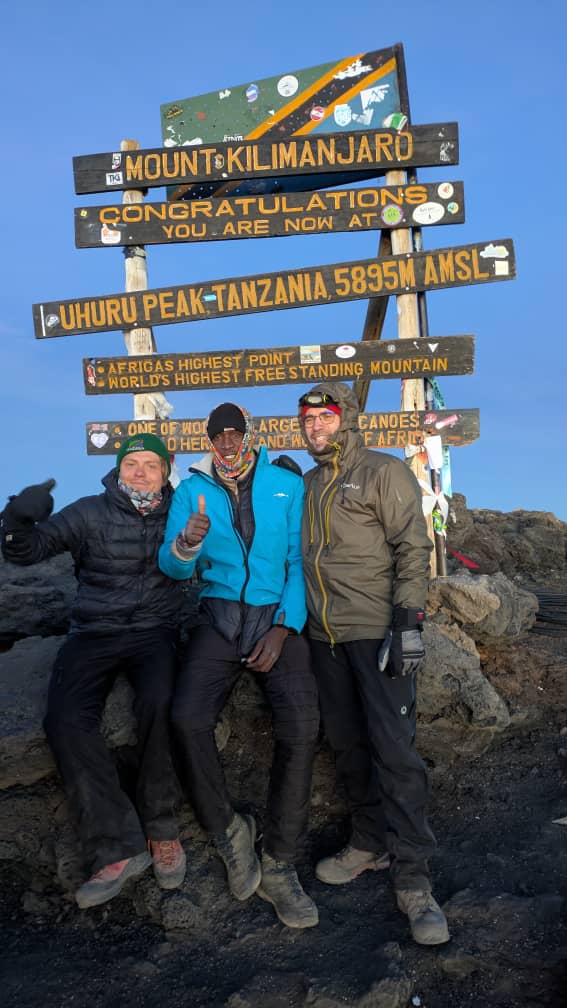
Despite the hardships, reaching Uhuru Peak for sunrise is an unparalleled experience. As the first rays of light appear, they illuminate the vast plains of Africa below and cast long shadows from Kilimanjaro’s glaciers. The sky often explodes in a spectrum of colors. This moment is the culmination of intense effort and the ultimate reward for braving the November Kilimanjaro summit night weather.
The clarity of the sunrise can vary. In November, you might get incredibly clear views, or the horizon could be layered with clouds. Either way, the feeling of standing on the highest point in Africa as the world awakens is profoundly moving.
Post-Summit Descent
The journey down is often underestimated. After summiting, you’ll need to descend back to Barafu Camp (or Kibo Hut) for a short rest before continuing down to Mweka Camp (or Horombo/Kibo for Marangu). This descent is steep and tiring, especially after the exertion of summit night. The weather conditions on the descent can also change, although it’s usually less extreme than at the summit.
For a November Kilimanjaro summit night climb, ensure you have energy bars or snacks for the descent, as well as plenty of water. Your guides will continue to monitor your condition throughout the descent.
Why Choose November for Kilimanjaro?
While not the absolute driest month, November offers several advantages:
- Fewer Crowds: Enjoy a more serene experience on the mountain compared to peak seasons.
- Lush Scenery: The short rains can leave the lower slopes vibrant and green.
- Potentially Lower Prices: Some operators might offer slightly reduced rates during shoulder seasons.
- Transition to Dry Season: Conditions generally improve as the month progresses, leading into the excellent trekking weather of December.
Climbing Kilimanjaro in November means embracing a transitional climate. With the right preparation, gear, and a trusted guide, you can have an incredible adventure, including a memorable November Kilimanjaro summit night.
Final Preparations for 2026-2027 November Climbs
As your November Kilimanjaro summit night approaches, here are final checks:
- Confirm Gear: Double-check all your packed items against your list. Ensure everything is functional.
- Battery Power: Charge all electronics and bring spare batteries, especially for your headlamp.
- Hydration Plan: Know how you’ll carry and refill your water.
- Emergency Contacts: Share your itinerary and emergency contact details with family and friends.
- Review Itinerary: Familiarize yourself with the daily plan and your guide’s instructions.
Top Guide Adventures is here to support you every step of the way, from initial planning for your 2026-2027 climb to ensuring you are fully prepared for the challenging yet rewarding November Kilimanjaro summit night. Our team is dedicated to making your Kilimanjaro dream a reality.
Ready to conquer Kilimanjaro in November? Contact us today to start planning your adventure. We specialize in creating personalized experiences that prioritize safety, success, and an unforgettable journey to the roof of Africa. Reach out via WhatsApp at +255616946642 or email us at topguideadventures@gmail.com. We look forward to helping you prepare for your November Kilimanjaro summit night.
Check Availability for November Kilimanjaro Summit Night Weather: What To Expect And How To Prepare
Ready to compare dates, prices, and the best option for your group? Send the package name and travel month so the team can reply with a clear quote, availability, and what is included.
November Kilimanjaro Full-Moon Summit Climb 2026-2027
November Kilimanjaro Full-Moon Summit Climb is explained with current 2026-2027 planning, price, itinerary and booking information.
View package details
November Vs December Kilimanjaro Climbing Conditions Guide
Choosing between November and December for your Kilimanjaro climb? This guide details the distinct conditions, weather patterns, crowd levels, and cost considerations for each month...
View package details
October Vs November Kilimanjaro Rainfall Guide 2026-2027
October vs November Kilimanjaro Rainfall Guide is explained with current 2026-2027 planning, price, itinerary and booking information.
View package details
March Vs April Kilimanjaro Weather Comparison For Climbs 2026-2027
Choosing between March and April for your Kilimanjaro climb involves understanding subtle yet significant weather differences. Both months fall within Kilimanjaro's second-best trekking...
View package details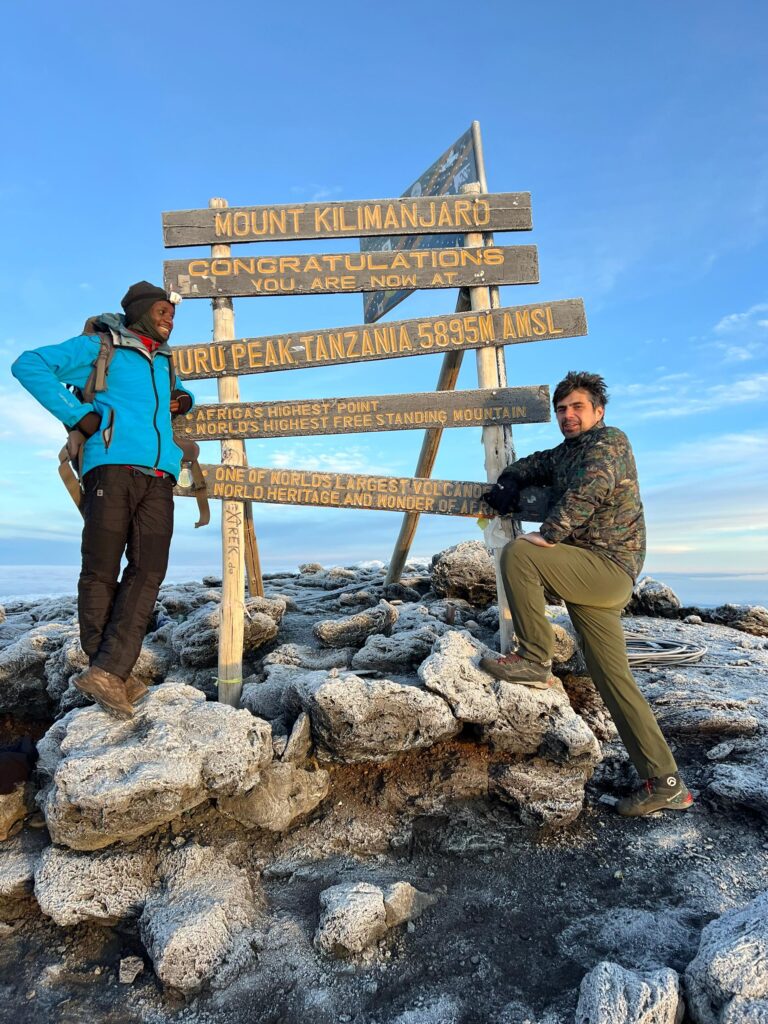
November Kilimanjaro Acclimatization-Focused Trek Guide
Discover essential strategies for a successful November Kilimanjaro climb, emphasizing acclimatization. This guide covers route selection, preparation, and what to expect during the...
View package details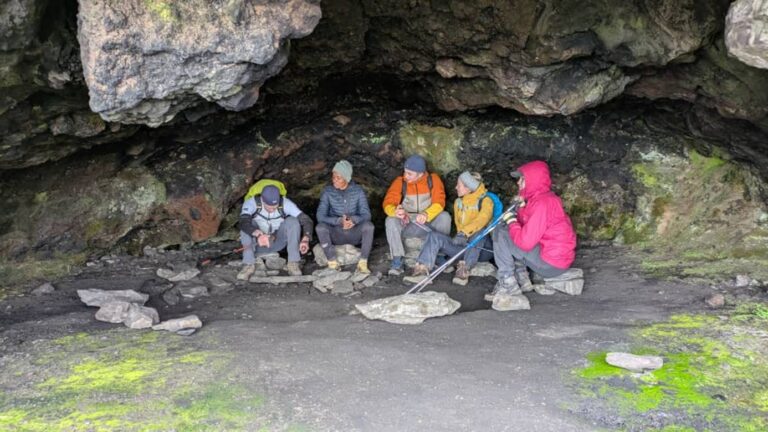
November Kilimanjaro Photography In The Short Rains: Your Ultimate Guide
Discover the unique photographic opportunities of climbing Kilimanjaro in November during the Short Rains. This guide covers optimal light, dramatic skies, vibrant landscapes, and essential...
View package details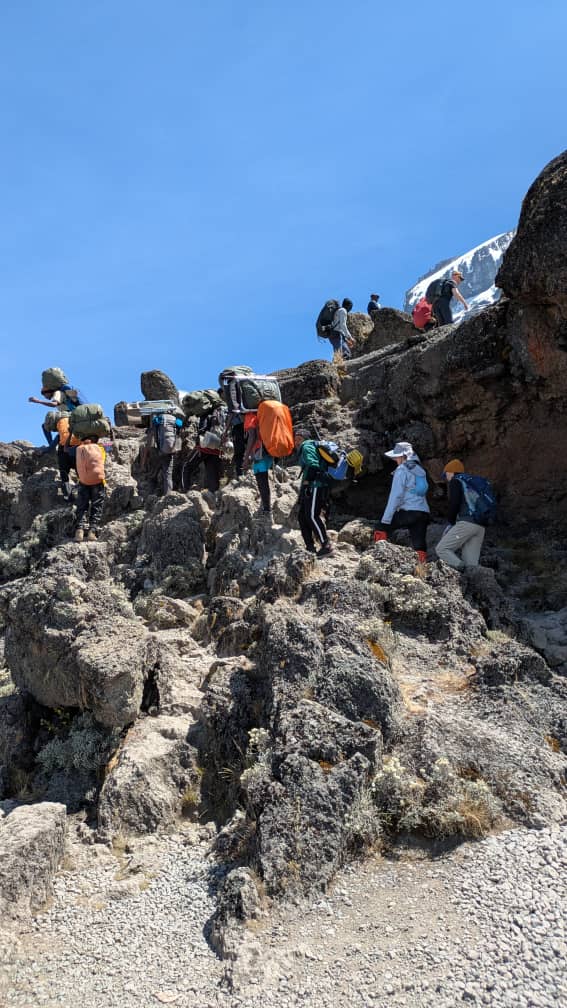
Best Kilimanjaro Route For A May Summit In : Your Expert Guide 2026-2027
Planning a Kilimanjaro climb in May? This guide details the best routes for a successful summit, considering weather patterns, acclimatization, and scenery for your 2026-2027 adventure.
View package details
December Kilimanjaro Summit Temperature: What To Expect In 2026-2027
Planning a Kilimanjaro climb in December? Understand the extreme cold at the summit, essential gear, and how to prepare for the challenging conditions expected in 2026-2027.
View package details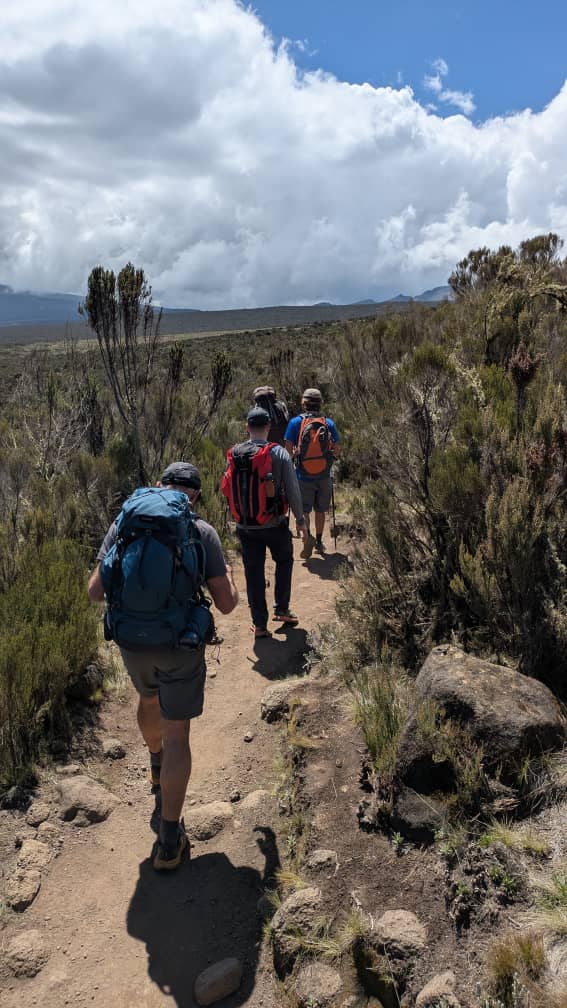
December Kilimanjaro Full-Moon Summit Trek: Your Ultimate Guide 2026-2027
start an unforgettable December Kilimanjaro full-moon summit trek. This guide details routes, preparation, and the unique magic of climbing under a full moon in 2026-2027, with expert...
View package details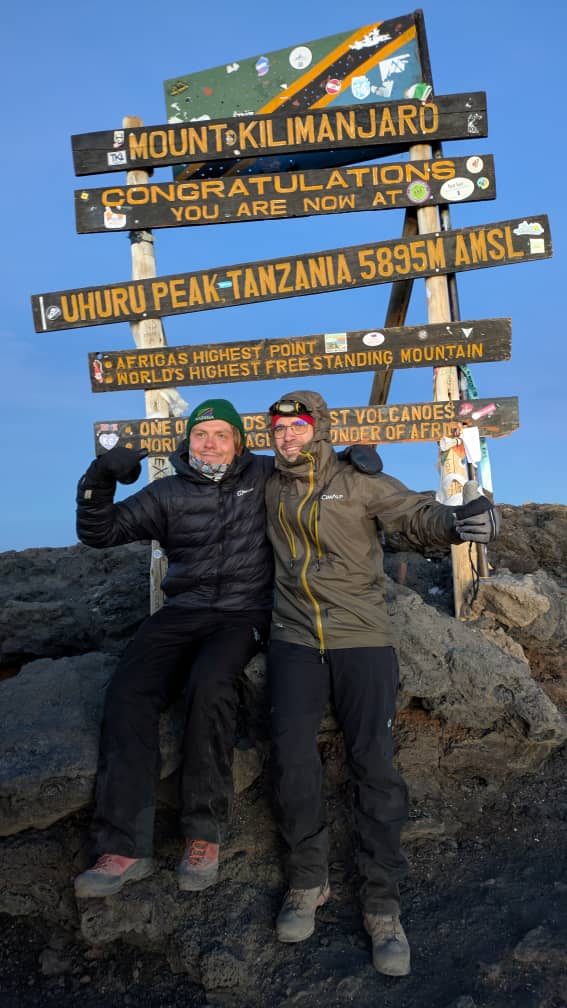
November Kilimanjaro Climb With Flexible Dates: Your Guide 2026-2027
Climbing Kilimanjaro in November offers a unique experience with fewer crowds and stunning landscapes. This guide provides detailed information on flexible date options for your 2026-2027...
View package detailsNovember Kilimanjaro Thanksgiving Holiday Package | Top Guide Adventures
Plan your Kilimanjaro climb this Thanksgiving with Top Guide Adventures. Our November packages offer a unique blend of challenge and celebration, ensuring an unforgettable mountain...
View package details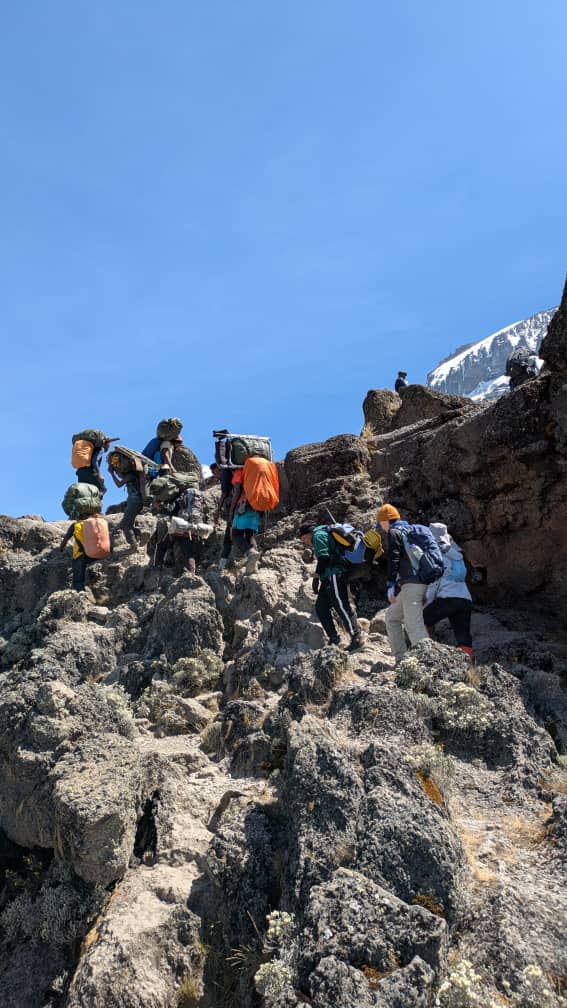
November Kilimanjaro Luxury Private Expedition | Top Guide Adventures
Experience the ultimate Kilimanjaro climb with a luxury private expedition in November 2026 or 2027. Top Guide Adventures offers tailored itineraries, premium services, and expert guidance...
View package detailsNo related package matches those filters. Clear one or more filters to see the other topic-matched options.



