
A 7-day Rongai Route Kilimanjaro climb in May offers a fantastic opportunity to ascend Africa’s highest peak with generally good weather conditions and lower crowds compared to peak seasons, providing a strong balance of acclimatization and success rates. This route approaches Kilimanjaro from the north, starting in Kenya, and merges with the Marangu route on the way down, typically involving 7 days for optimal acclimatization and summit success, with May often presenting clear skies and moderate temperatures before the heavier rainy season begins.

Understanding the 7-Day Rongai Route for Your May Kilimanjaro Adventure
The 7-day Rongai Route Kilimanjaro climb is a popular choice for trekkers seeking a slightly less crowded experience and a different perspective on the mountain. Approaching from the drier northern side, the Rongai route offers varied scenery and a gradual ascent profile, which is crucial for acclimatization. Choosing May for your climb means you’re likely to encounter pleasant weather, marking the transition from the rainy season to drier, cooler conditions, making it an excellent, albeit sometimes overlooked, month for summiting.
Top Guide Adventures specializes in guiding climbers on Kilimanjaro, and the Rongai route is one of our recommended options, particularly for those who appreciate its unique approach and higher success rates due to its gradual climb. The 7-day itinerary is specifically designed to maximize your chances of reaching Uhuru Peak by allowing adequate time for your body to adjust to the increasing altitude. For those planning their trek for 2026 or 2027, understanding the nuances of the Rongai route in May is key to a successful and enjoyable expedition.
Why Choose the Rongai Route for Your 7-Day Kilimanjaro Climb?
The Rongai route stands out for several reasons:
- Unique Approach: It’s the only route that approaches Kilimanjaro from the north, starting near the Kenya-Tanzania border. This offers a distinct landscape, often described as more arid and remote in the initial stages.
- Gradual Ascent: The Rongai route typically offers a more gradual ascent profile, especially in the early days, which aids significantly in acclimatization. This is a critical factor for summit success and reducing the risk of altitude sickness.
- Higher Success Rates: Due to its excellent acclimatization profile and the fact that it merges with the Marangu route on descent (which is well-established), the Rongai route often boasts higher success rates, especially on the 7-day itinerary.
- Less Crowded: While not as remote as some other routes, Rongai is generally less crowded than Machame or Marangu, offering a more serene trekking experience.
- Scenery: The route traverses diverse ecological zones, from farmland to moorland, alpine desert, and arctic summit. The views, particularly from the northern side, are spectacular.
May: A Strategic Month for Your 7-Day Rongai Climb
May falls within Kilimanjaro’s ‘second’ rainy season, but this often means short, sharp showers rather than prolonged downpours. The advantages of climbing in May often outweigh the slight risk of rain:
- Fewer Climbers: You’ll likely encounter fewer fellow trekkers, leading to a more personal and peaceful journey.
- Lush Greenery: The mountain is at its most vibrant and green after the preceding rains, offering beautiful landscapes.
- Moderate Temperatures: Temperatures are generally moderate, making the trek more comfortable than during the colder, drier months.
- Good Visibility: While there’s a chance of cloud cover, clear days are common, offering stunning panoramic views.
Planning for 2026 or 2027? May presents a compelling window for those seeking a balance of favorable conditions and fewer crowds on the Rongai route.
The 7-Day Rongai Route Itinerary: A Day-by-Day Breakdown
The 7-day Rongai route is meticulously designed to provide the best balance of acclimatization, enjoyment, and summit success. This itinerary allows for a steady ascent, giving your body ample time to adapt to the thinning air. Top Guide Adventures ensures that each day’s trek is manageable, with sufficient rest and hydration emphasized.
Day 1: Rongai Gate (1,950m/6,398ft) to Simba Camp (2,600m/8,530ft)
Distance: 6-8 km (3.7-5 miles)
Trekking Time: 3-4 hours
Habitat: Lower Montane Forest
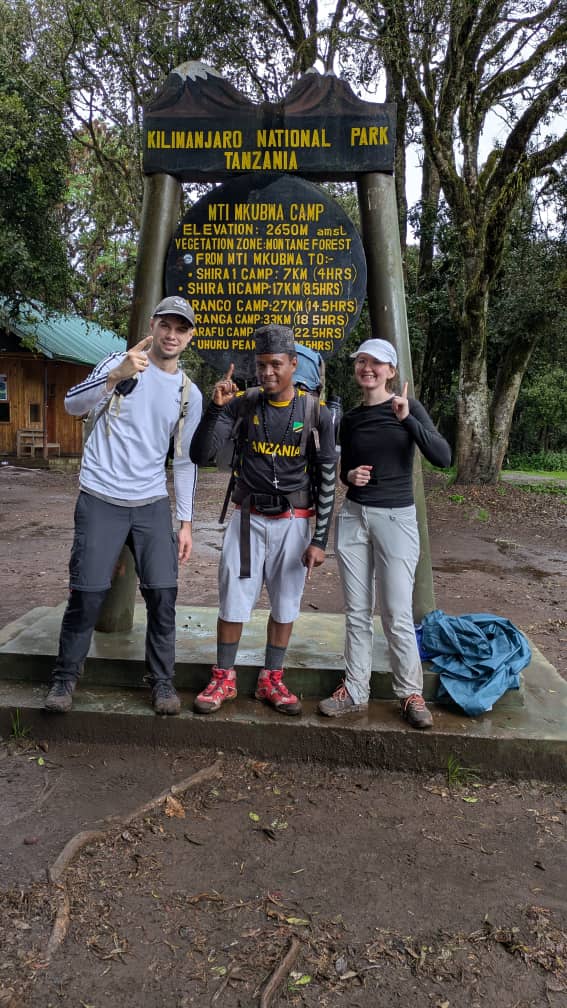
Your Kilimanjaro adventure begins at the Rongai Gate, near the border with Kenya. After completing park formalities and meeting your guides and porters, you’ll start your trek through the lush lower montane forest. The trail is relatively gentle, and you’ll likely encounter local wildlife, including various bird species and perhaps monkeys. The goal for today is to reach Simba Camp, a relatively short hike that allows you to ease into the climb. The camp is situated on the edge of the forest reserve, offering the first clear views of the surrounding plains.
Day 2: Simba Camp (2,600m/8,530ft) to Kikelewa Caves (3,600m/11,811ft)
Distance: 11-13 km (6.8-8 miles)
Trekking Time: 6-8 hours
Habitat: Heath and Moorland
Today involves a significant ascent, moving out of the forest and into the heath and moorland zone. The landscape becomes more open, with giant heathers and senecios dominating. You’ll traverse across the northern slopes of Kilimanjaro. The trek is longer today, and the altitude gain is substantial, so maintaining a slow, steady pace (‘pole pole’) is crucial. Kikelewa Caves offer a scenic camping spot, often with impressive views towards Kenya. This stage is vital for acclimatization, exposing you to higher altitudes gradually.
Day 3: Kikelewa Caves (3,600m/11,811ft) to Mawenzi Tarn Camp (4,300m/14,108ft)
Distance: 7-9 km (4.3-5.6 miles)
Trekking Time: 4-6 hours
Habitat: Alpine Desert
The scenery changes dramatically as you enter the alpine desert zone. The terrain becomes rocky and barren, with sparse vegetation. You’ll trek towards the imposing Mawenzi Tarn Camp, located in a dramatic cirque below the jagged peaks of Mawenzi, Kilimanjaro’s second-highest peak. This camp offers a stunning location and is crucial for further acclimatization. The dramatic landscape and the proximity to Mawenzi’s imposing rock formations make this a memorable day. Tonight, you’ll be at a higher altitude, so hydration and rest are paramount.
Day 4: Acclimatization Day at Mawenzi Tarn Camp (4,300m/14,108ft)
Trekking Time: 2-3 hours (optional short hike)
An acclimatization day is a smart inclusion in any well-planned Kilimanjaro itinerary. Today, you’ll have a shorter trek, often a hike to a nearby ridge or viewpoint, allowing you to explore the surroundings and gain a little more altitude without overexerting yourself. This ‘climb high, sleep low’ principle is fundamental to effective acclimatization. The views from around Mawenzi Tarn Camp are exceptional, offering perspectives on the vastness of Kilimanjaro and the surrounding landscape. This extra day significantly boosts your chances of summit success and helps your body adapt to the extreme altitude.
Day 5: Mawenzi Tarn Camp (4,300m/14,108ft) to Kibo Huts (4,700m/15,420ft)
Distance: 10-12 km (6.2-7.5 miles)
Trekking Time: 6-8 hours
Habitat: Alpine Desert
Today’s trek takes you across the ‘saddle’ – a vast, barren alpine desert lying between Mawenzi and Kibo, the main volcanic cone of Kilimanjaro. This is a long and demanding day, as you gain significant altitude. The landscape is stark and lunar-like. You’ll eventually reach Kibo Huts, the base camp for the summit attempt. After arriving, you’ll have an early dinner and rest, preparing for the challenging summit night ahead. It’s essential to stay hydrated and try to get some sleep.
Day 6: Summit Night & Descent to Horombo Huts (3,700m/12,140ft)
Distance: 5 km (3.1 miles) ascent, 14 km (8.7 miles) descent
Trekking Time: 6-8 hours ascent, 5-7 hours descent
Habitat: Arctic to Alpine Desert, Heath & Moorland
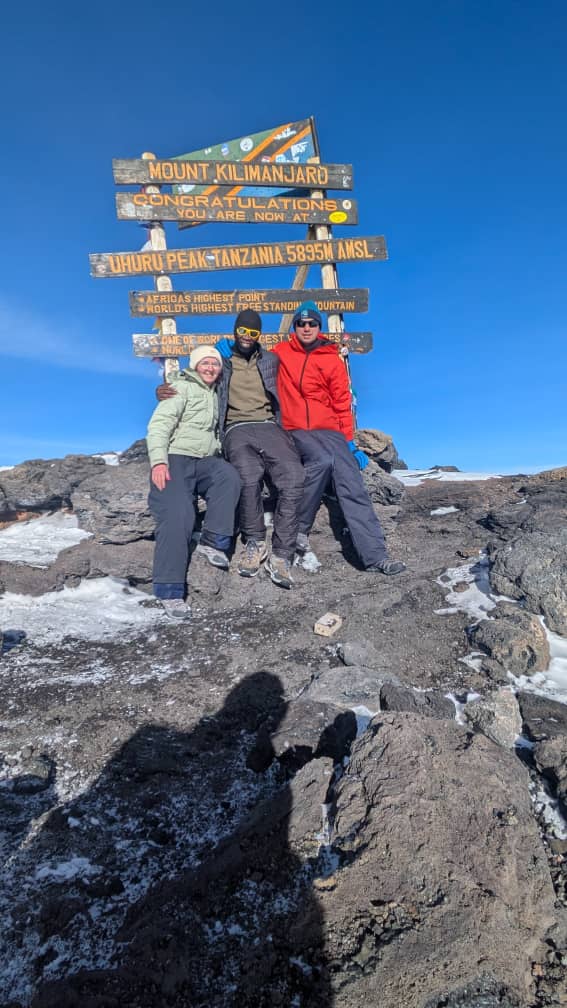
This is the most challenging day. You’ll start your ascent in the early hours of the morning (around midnight to 2 am) to reach Gilman’s Point (5,685m/18,652ft) by sunrise. The climb is steep and strenuous, often on loose scree. From Gilman’s Point, you’ll continue for another hour to Uhuru Peak (5,895m/19,341ft), the roof of Africa. After celebrating your achievement and taking photos, you’ll begin the long descent. You’ll pass Kibo Huts and continue down to Horombo Huts, where you’ll spend your final night on the mountain. This is a significant descent, and your legs will feel it!
Day 7: Horombo Huts (3,700m/12,140ft) to Marangu Gate (1,800m/5,905ft) & Departure
Distance: 20 km (12.4 miles)
Trekking Time: 5-7 hours
Habitat: Heath & Moorland to Forest
The final day involves a long descent through the moorland and forest zones. The trail is well-maintained, and the change in vegetation is noticeable as you descend. You’ll eventually reach Marangu Gate, where you’ll be met by your driver. You’ll receive your climbing certificates and have time to say goodbye to your mountain crew. From Marangu Gate, you’ll be transferred back to your hotel in Moshi or Arusha. Congratulations on completing your 7-day Rongai Route Kilimanjaro climb!
What to Pack for Your 7-Day Rongai Route Climb in May
Proper gear is essential for a safe and comfortable Kilimanjaro climb, especially when trekking in May. Temperatures can fluctuate dramatically, and you’ll experience various weather conditions. Top Guide Adventures provides a comprehensive packing list, but here are the key items to consider for your 7-day Rongai route trek:
Clothing Layers: The Key to Comfort
- Base Layers: Moisture-wicking thermal tops and bottoms (merino wool or synthetic). Essential for managing sweat and temperature.
- Mid Layers: Fleece jackets or lightweight down jackets for insulation.
- Outer Layer: Waterproof and windproof jacket and trousers (Gore-Tex or similar). This is crucial for protection against rain and wind, especially on summit night.
- Trekking Trousers: Comfortable, quick-drying hiking trousers (avoid jeans).
- Trekking Shirts: Long-sleeved and short-sleeved moisture-wicking shirts.
- Insulated Jacket: A warm, down or synthetic insulated jacket for evenings and summit night.
Headwear and Handwear
- Warm Hat: A wool or fleece hat that covers your ears.
- Sun Hat: A wide-brimmed hat for sun protection during the day.
- Balaclava/Neck Gaiter: For warmth and protection against wind, especially on summit night.
- Gloves: Lightweight liner gloves and warm, waterproof outer gloves or mittens. Consider bringing a spare pair.
Footwear
- Hiking Boots: Well broken-in, waterproof, sturdy hiking boots with good ankle support. This is arguably the most critical piece of gear.
- Camp Shoes: Comfortable shoes or sandals for wearing at camp.
- Socks: Several pairs of warm, moisture-wicking hiking socks (wool or synthetic). Bring liner socks too if you use them.
Sleeping Gear
- Sleeping Bag: A 4-season sleeping bag rated to at least -10°C (15°F) or lower. May can still be cold.
- Sleeping Bag Liner: Adds warmth and keeps your sleeping bag clean.
- Sleeping Pad: While tents are provided, a comfortable sleeping pad can add insulation and comfort.
Trekking Gear
- Backpack: A comfortable daypack (30-40 liters) for essentials you need during the day’s trek. Your main gear will be carried by porters.
- Duffel Bag: A large, waterproof duffel bag (80-100 liters) for your main gear to be carried by porters.
- Trekking Poles: Highly recommended for stability and reducing strain on your knees, especially on descents.
- Water Bottles/Hydration Reservoir: Capacity for at least 2-3 liters. Insulated covers are useful in cold weather.
- Headlamp: Essential for summit night and general use in camp. Bring spare batteries.
Other Essentials
- Sunscreen: High SPF, broad-spectrum sunscreen.
- Lip Balm: With SPF.
- Sunglasses: UV protection.
- Toiletries: Biodegradable soap, toothbrush, toothpaste, wet wipes, hand sanitizer.
- Personal First-Aid Kit: Including blister treatment, pain relievers, and any personal medications.
- Camera: With spare batteries and memory cards.
- Power Bank: For charging electronics.
- Book/Journal: For downtime.
- Snacks: High-energy snacks like nuts, dried fruit, chocolate, and energy bars.
- Passport & Visa: Keep these secure.
- Travel Insurance Documents:
Acclimatization Strategies for the 7-Day Rongai Route
Success on Kilimanjaro hinges on proper acclimatization. The 7-day Rongai route is designed with this in mind, but personal strategies can further enhance your body’s adaptation to altitude. Top Guide Adventures emphasizes a slow and steady pace (‘pole pole’) throughout the trek.
The Importance of ‘Pole Pole’
This Swahili phrase means ‘slowly, slowly,’ and it’s the mantra for Kilimanjaro climbers. Rushing your ascent is the quickest way to invite altitude sickness. Listen to your body and your guides; maintain a pace that allows you to hold a conversation without becoming breathless.
Hydration is Key
Drink plenty of water – aim for 3-5 liters per day. Dehydration can mimic symptoms of altitude sickness, and staying hydrated helps your body function optimally at high altitudes. Avoid alcohol and caffeine, as they can contribute to dehydration.
Listen to Your Body and Your Guide
Altitude sickness (Acute Mountain Sickness – AMS) is a real risk. Symptoms include headache, nausea, dizziness, and fatigue. If you experience mild symptoms, resting, hydrating, and potentially descending a short distance can help. If symptoms worsen, immediate descent is necessary. Your guides are trained to recognize and manage AMS, so communicate any discomfort you feel.
‘Climb High, Sleep Low’
The itinerary, especially with the acclimatization day on Day 4, incorporates this principle. By trekking to higher altitudes during the day and returning to a lower camp to sleep, your body has a better chance to adapt.
Nutrition at Altitude
While appetite may decrease at higher altitudes, maintaining a balanced intake of carbohydrates is important for energy. Our chefs on the mountain prepare nutritious meals to support your climb.
Potential Costs and Budget Considerations for a May 2026-2027 Climb
When planning your 7-day Rongai route Kilimanjaro climb for 2026 or 2027, understanding the costs involved is crucial. Prices can vary significantly based on the tour operator, the inclusions, and the level of service provided. Top Guide Adventures offers competitive pricing for a high-quality experience.
Factors Influencing Cost:
- Tour Operator: Local operators like Top Guide Adventures generally offer better value than international ones, as they have lower overheads and direct control over operations.
- Inclusions: Does the price include park fees, rescue fees, accommodation before/after the climb, meals, guides, porters, equipment rental, and transfers? Ensure you compare like-for-like.
- Group Size: Private climbs are more expensive than group climbs. Joining a group departure can significantly reduce the cost.
- Route Duration: Longer routes generally cost more due to more days of park fees and crew services. The 7-day Rongai is a mid-range duration.
- Quality of Service: Higher quality tents, better food, experienced guides, and a higher porter-to-climber ratio often come at a slightly higher price but greatly enhance safety and comfort.
Typical Price Range for a 7-Day Rongai Route Climb (2026-2027):
For a reputable operator like Top Guide Adventures, you can expect prices for a 7-day Rongai Route climb to range from approximately $1,800 to $2,800 USD per person for a group climb. Private climbs would be higher. This typically includes:
- All national park and camping/hut fees.
- Rescue fees.
- Professional mountain guides, cook, and porters.
- Nutritious meals and boiled water during the climb.
- Accommodation in tents at campsites.
- Transfers to and from the mountain gate.
- A celebratory bottle of champagne on the summit.
What is Usually NOT Included:
- Flights to Kilimanjaro International Airport (JRO).
- Visa fees.
- Travel and rescue insurance (mandatory).
- Tips for guides, porters, and cooks (a significant portion of the crew’s income).
- Personal climbing gear (sleeping bag, boots, etc. – some can be rented).
- Lunches and dinners in Arusha/Moshi before and after the climb.
- Personal expenses (e.g., souvenirs, extra water, snacks).
- Optional travel insurance for trip cancellation.
Budgeting for Tips:
Tipping is customary and highly appreciated. A general guideline for a 7-day climb is around $250-$350 USD per climber, distributed among the guides, cook, and porters. Your tour operator will provide specific recommendations.
When booking for 2026 or 2027, it’s advisable to book well in advance, especially if you have specific dates in mind. Contacting operators like Top Guide Adventures directly can provide you with the most accurate and up-to-date pricing and inclusions.
Comparing the 7-Day Rongai Route with Other Kilimanjaro Routes
While the 7-day Rongai route offers a unique and effective way to climb Kilimanjaro, it’s helpful to compare it with other popular routes to ensure it’s the best fit for your preferences and goals. The choice of route significantly impacts acclimatization, scenery, crowd levels, and overall experience.
Rongai Route vs. Machame Route (7-Day Itinerary)
- Rongai: Approaches from the north, generally less crowded, drier initial stages, good acclimatization profile, merges with Marangu on descent.
- Machame: Approaches from the south, very popular (‘Whiskey Route’), scenic, good acclimatization profile (especially on longer itineraries like 7 days), can be crowded.
For those seeking fewer crowds and a different starting perspective, the 7-day Rongai is a strong contender. The Machame route is often favored for its dramatic scenery and challenging terrain, but it can be significantly busier.
Rongai Route vs. Marangu Route (6-Day Itinerary)
- Rongai: 7 days, camping, better acclimatization, more remote feel initially.
- Marangu: 6 days (often rushed for acclimatization), ‘Coca-Cola Route’, huts accommodation (unique), more crowded, lower success rate on 6 days.
The 7-day Rongai offers superior acclimatization and a camping experience compared to the often-rushed 6-day Marangu. While Marangu offers hut accommodation, the Rongai’s extended itinerary is generally considered safer and more conducive to reaching the summit.
Rongai Route vs. Lemosho Route (7-Day Itinerary)
- Rongai: Northern approach, drier, less crowded.
- Lemosho: Western approach, very scenic, starts in pristine rainforest, generally more expensive, excellent acclimatization, merges with other routes later.
Lemosho is renowned for its beauty and remote feel, often considered one of the most scenic routes. However, it tends to be more expensive and can be equally or more crowded than Rongai, especially at the junction points. The Rongai route provides a more accessible yet still rewarding experience.
Key Takeaway for May 2026-2027 Planning:
The 7-day Rongai route in May provides a solid balance. If your priority is avoiding crowds and having a reliable acclimatization schedule, Rongai is an excellent choice. If you prioritize scenery above all else and have a larger budget, Lemosho might be considered. However, for a robust, well-paced climb with good odds of success, especially in May, the 7-day Rongai route is highly recommended by operators like Top Guide Adventures.
Preparing Physically and Mentally for Your Climb
Climbing Kilimanjaro is a significant physical and mental challenge. While the Rongai route is considered less technically demanding than some peaks, its altitude and duration require thorough preparation. Top Guide Adventures advises all climbers to undertake a structured training program.
Physical Training Regimen
- Cardiovascular Fitness: Focus on activities that build endurance, such as hiking (with a weighted pack), running, cycling, and swimming. Aim for at least 3-4 sessions per week for several months leading up to your climb.
- Strength Training: Strengthen your legs (quadriceps, hamstrings, calves) and core. Squats, lunges, step-ups, and planks are beneficial.
- Hiking Practice: The most relevant training is hiking, ideally on inclines and declines, carrying a backpack similar to what you’ll use on Kilimanjaro. Practice with your hiking boots to break them in.
- Stamina: Long hikes, especially back-to-back on weekends, will simulate the demands of consecutive trekking days.
Mental Preparation
- Understand the Challenge: Kilimanjaro is not a walk in the park. Be prepared for cold temperatures, challenging terrain, and the effects of altitude.
- Develop Resilience: There will be moments of discomfort. Focus on your goal and break the climb down into manageable daily segments.
- Positive Mindset: A positive attitude is crucial. Visualize your success and embrace the experience.
- Trust Your Guides: Rely on the expertise of your guides. They are trained to handle various situations and ensure your safety.
Health and Medical Considerations
- Consult Your Doctor: Discuss your plans with your physician, especially if you have any pre-existing medical conditions.
- Altitude Sickness Medication: Consult your doctor about Diamox (acetazolamide) as a preventative measure against altitude sickness.
- Travel Insurance: Ensure your insurance covers high-altitude trekking and emergency medical evacuation.
By preparing both physically and mentally, you significantly increase your chances of a successful and enjoyable 7-day Rongai route Kilimanjaro climb in May 2026 or 2027.
The Role of Guides and Porters on Your Rongai Climb
The mountain crew is the backbone of any Kilimanjaro expedition. Top Guide Adventures prides itself on employing experienced, professional, and dedicated guides and porters who ensure your safety, comfort, and success. Understanding their roles is vital.
Your Guides
Kilimanjaro guides are highly trained professionals, often with wilderness first aid and advanced first aid certifications. They are responsible for:
- Navigating the route.
- Monitoring your health and acclimatization status.
- Making critical decisions regarding safety, including descent if necessary.
- Managing the rest of the mountain crew.
- Providing information about the flora, fauna, and culture of Kilimanjaro.
Your Porters
Porters are essential for carrying the bulk of the equipment, including tents, food, cooking gear, and your personal duffel bag. They work tirelessly to ensure that:
- Campsites are set up efficiently.
- Meals are prepared and served.
- Your luggage is transported safely from camp to camp.
The Cook
A dedicated cook prepares all the meals on the mountain, providing surprisingly varied and nutritious food that fuels your climb. They work closely with the porters to manage supplies and cooking equipment.
Ethical Treatment of Crew
Reputable operators like Top Guide Adventures adhere to strict ethical guidelines for the treatment of their crew, ensuring fair wages, adequate food, proper gear, and reasonable loads. This not only supports the local community but also contributes to a more positive and efficient expedition for you.
Tipping Your Crew
As mentioned earlier, tipping is a significant part of your crew’s income. It’s a way to show appreciation for their hard work and dedication. Your lead guide will typically help you understand the tipping process and amounts at the end of the trek.
What Happens After You Reach Uhuru Peak?
Reaching Uhuru Peak is an incredible achievement, but the journey isn’t over until you’re safely back at the base. The descent is often overlooked but is just as important as the ascent.
The Descent
After celebrating your summit success at Uhuru Peak, the descent begins. This is typically a long and demanding process. You’ll descend back to Kibo Huts for a short rest before continuing down to Horombo Huts. The terrain, especially the scree slopes below Stella Point and Gilman’s Point, can be challenging on your knees and legs. Your guides and porters will assist you throughout this phase.
Celebration and Reflection
Upon reaching Horombo Huts, you’ll have a chance to rest and reflect on your incredible accomplishment. The following day, you’ll complete the descent to Marangu Gate. Here, you’ll receive your well-earned climbing certificates. Many operators, including Top Guide Adventures, offer a small celebration, perhaps a bottle of champagne, to mark your success.
Post-Climb Options
After descending Kilimanjaro, most climbers opt for a period of rest and recovery. This might involve returning to a hotel in Moshi or Arusha, or perhaps combining your climb with a Tanzanian safari or a relaxing beach holiday in Zanzibar. Top Guide Adventures can help arrange these extensions to your trip, ensuring a complete Tanzanian experience for 2026-2027.
Booking Your 7-Day Rongai Route Kilimanjaro Climb with Top Guide Adventures
Choosing the right tour operator is paramount for a safe, enjoyable, and successful Kilimanjaro climb. Top Guide Adventures is a trusted Tanzanian company committed to providing exceptional service and ensuring your adventure meets your expectations. We focus on safety, quality, and client satisfaction.
Why Book with Top Guide Adventures?
- Local Expertise: As a Tanzanian company, we have in-depth knowledge of Kilimanjaro and the local logistics.
- Experienced Crew: We employ highly trained and certified guides, cooks, and porters who are passionate about the mountain.
- Safety First: We adhere to strict safety protocols, including carrying comprehensive first-aid kits and emergency oxygen.
- Quality Equipment: We provide high-quality tents, sleeping mats, and use experienced chefs for delicious and nutritious meals.
- Ethical Practices: We are committed to the fair treatment and well-being of our mountain crew.
- Personalized Support: From your initial inquiry to your return from the mountain, you’ll receive dedicated support.
Planning Your 2026-2027 Expedition
May is a great month for the 7-day Rongai Route, offering a good balance of weather and fewer crowds. If you’re considering a climb in May 2026 or May 2027, now is the time to start planning. Early booking is recommended to secure your preferred dates.
Contact Top Guide Adventures today to discuss your 7-Day Rongai Route Kilimanjaro climb. Our team is ready to answer all your questions and help you plan an unforgettable adventure to the Roof of Africa. You can reach us via:
- WhatsApp: +255616946642
- Email: topguideadventures@gmail.com
- Backup Email: info@topguideadventures.com
Let us help you make your Kilimanjaro dream a reality on the Rongai Route in May 2026 or 2027!
Check Availability for 7-Day Rongai Route Kilimanjaro Climb In May: Your Ultimate Guide 2026-2027
Ready to compare dates, prices, and the best option for your group? Send the package name and travel month so the team can reply with a clear quote, availability, and what is included.
Kilimanjaro Climb With A Personal Support Assistant: Your Ultimate Guide
Climbing Mount Kilimanjaro with a personal support assistant offers unparalleled safety, comfort, and focus on your summit goals. This guide details what a personal assistant entails, its...
View package details
Kilimanjaro Hydration Mistakes Climbers Make And How To Avoid Them 2026-2027
Proper hydration is critical for a successful Kilimanjaro climb. This guide details common hydration mistakes climbers make, from under-drinking to choosing the wrong fluids, and provides...
View package details
Kilimanjaro Summit-Night Mistakes To Avoid: Your Essential Guide For Climbs
Summit night on Kilimanjaro is the most challenging part of the climb. Avoiding common mistakes in acclimatization, gear, hydration, and pacing is crucial for success. This guide details...
View package details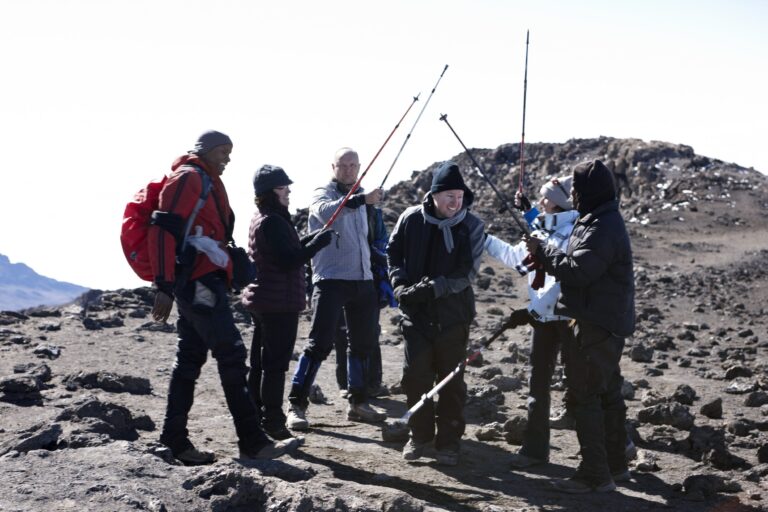
Kilimanjaro Airport Vs Arusha For Climbers: The Definitive Guide 2026-2027
A comprehensive comparison of Kilimanjaro International Airport (JRO) and Arusha Airport (ARK) for trekkers planning a Mount Kilimanjaro climb, detailing pros, cons, and booking advice for...
View package details
Kilimanjaro Climb For Retired Couples: Planning Your Adventure 2026-2027
Planning a Kilimanjaro climb as a retired couple is an achievable and rewarding goal. This guide offers in-depth advice on route selection, physical preparation, essential gear, and the...
View package details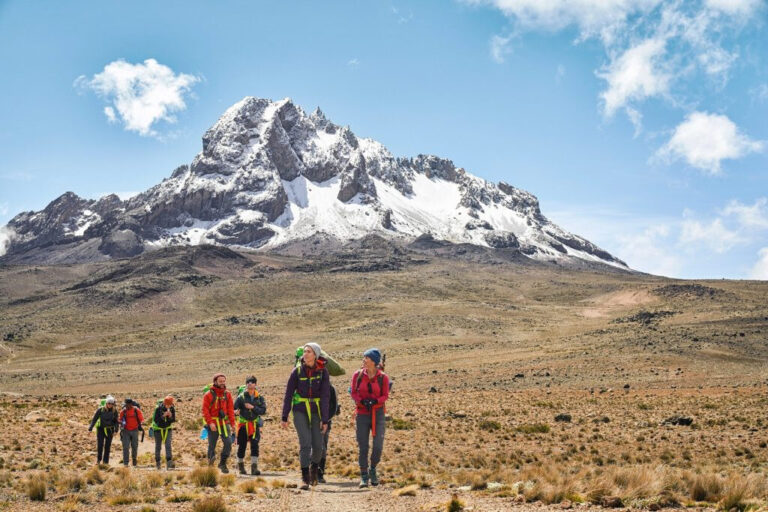
Can A 16-Year-Old Climb Kilimanjaro? Your Essential Guide 2026-2027
Discover if a 16-year-old can summit Kilimanjaro. This comprehensive guide covers age requirements, health, fitness, essential gear, and planning for younger trekkers aiming for Africa's...
View package details
Content For Parents And Young Climbers: Conquering Kilimanjaro Safely
Planning a Kilimanjaro climb with children or as a young climber requires special attention. This guide provides comprehensive content for parents and young adventurers, covering...
View package details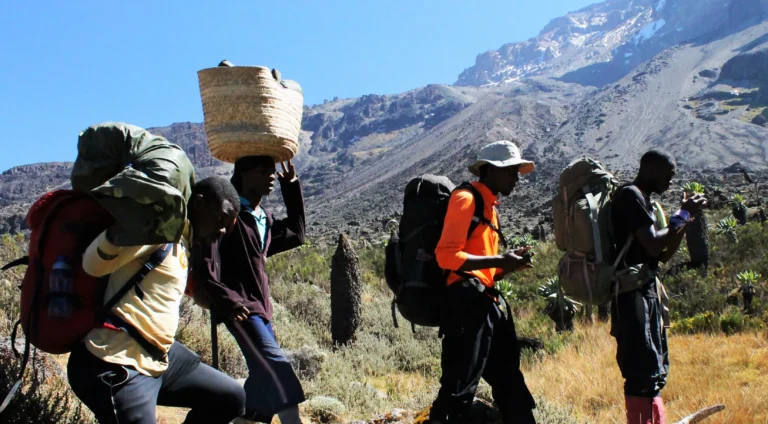
Kilimanjaro Tree-Planting Climbing Package Guide
Combine your dream Kilimanjaro climb with a meaningful conservation effort. Our Kilimanjaro Tree-Planting Climbing Package allows you to ascend Africa's highest peak while actively...
View package details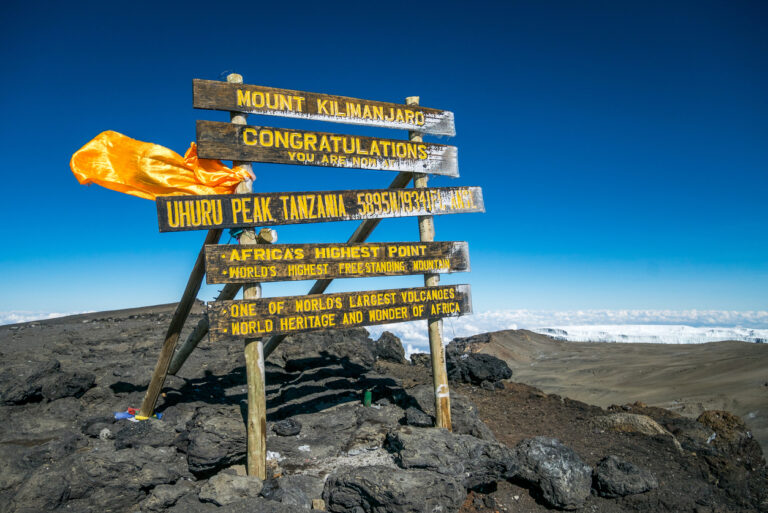
What Happens If You Miss Your Kilimanjaro Departure? Guide
If you miss your scheduled Kilimanjaro departure, your trek may be cancelled, and you could forfeit your deposit and payments. Rebooking is often possible but incurs additional costs and...
View package details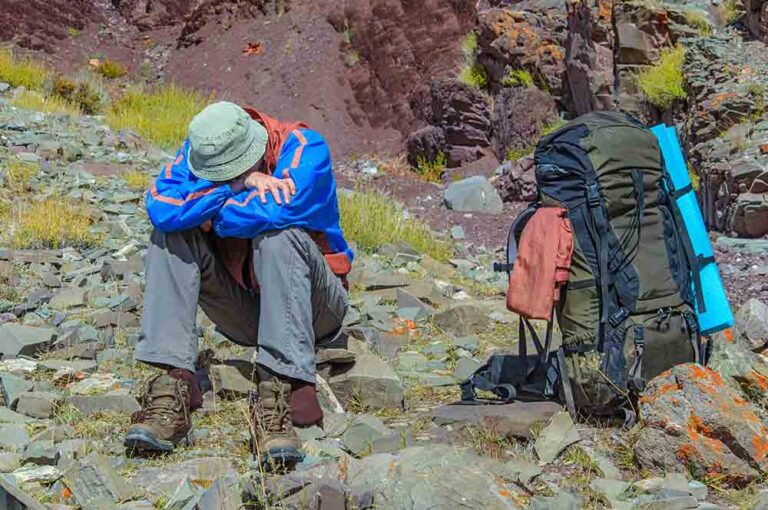
What Happens If It Rains Throughout Your Kilimanjaro Climb? 2026-2027
What Happens If It Rains throughout Your Kilimanjaro Climb? is explained with current 2026-2027 planning, price, itinerary and booking information.
View package details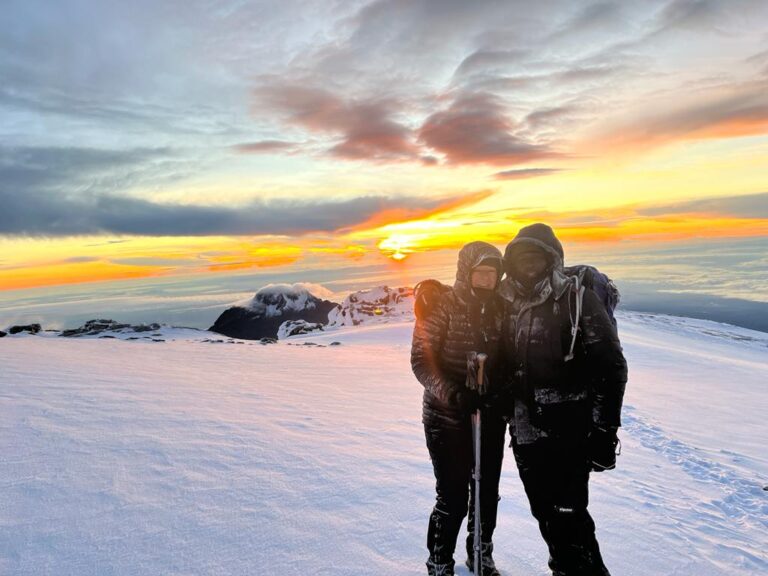
Kilimanjaro Early-Bird Climbing Discounts For Adventures 2026-2027
Plan your 2026-2027 Kilimanjaro climb and take advantage of early-bird discounts. Top Guide Adventures offers savings for those who book in advance, ensuring a memorable and affordable...
View package details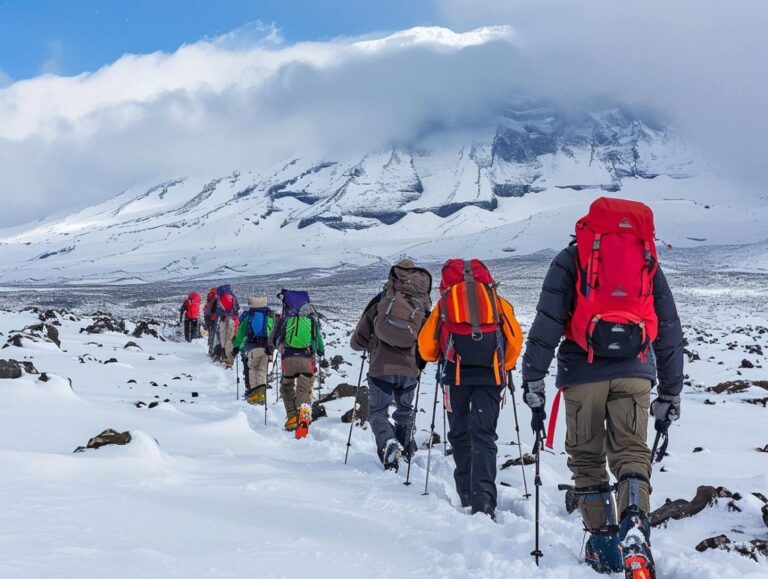
Kilimanjaro Private Climb Price For One Person: Your Guide 2026-2027
Planning a solo ascent of Mount Kilimanjaro? This guide details the Kilimanjaro private climb price for one person, covering cost factors, inclusions, and essential planning for 2026-2027.
View package detailsNo related package matches those filters. Clear one or more filters to see the other topic-matched options.



