
Kristina Schou Madsen is recognized as the fastest female to climb Mount Kilimanjaro, achieving an astonishing ascent time that continues to inspire trekkers worldwide. Her record showcases exceptional physical and mental fortitude, pushing the boundaries of what is considered possible on Africa’s highest peak.
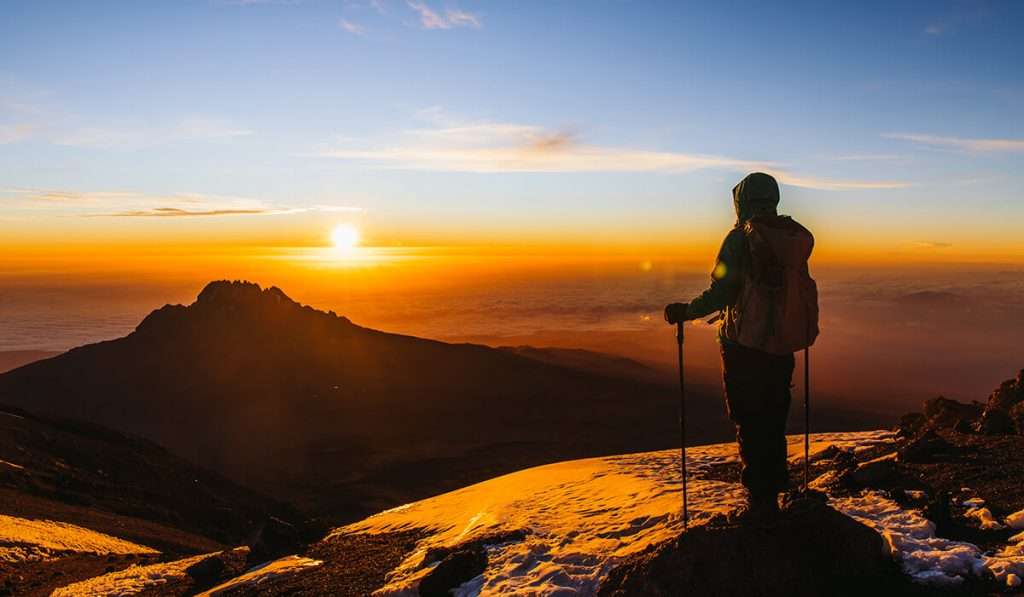
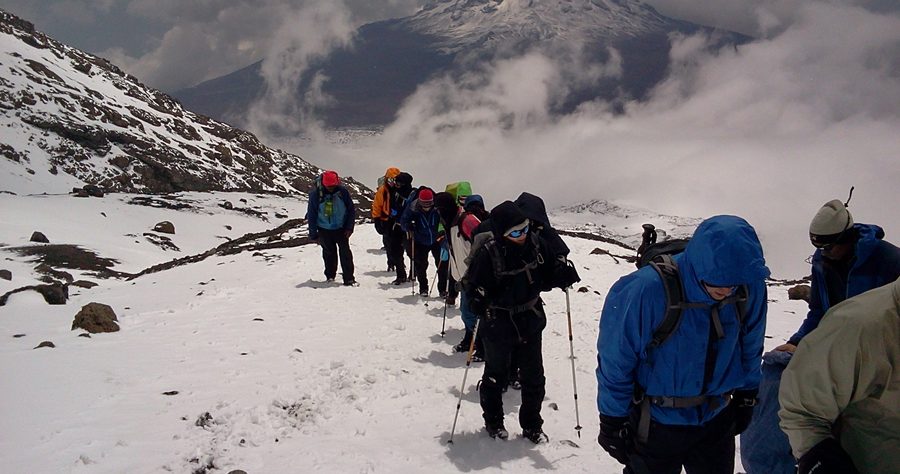
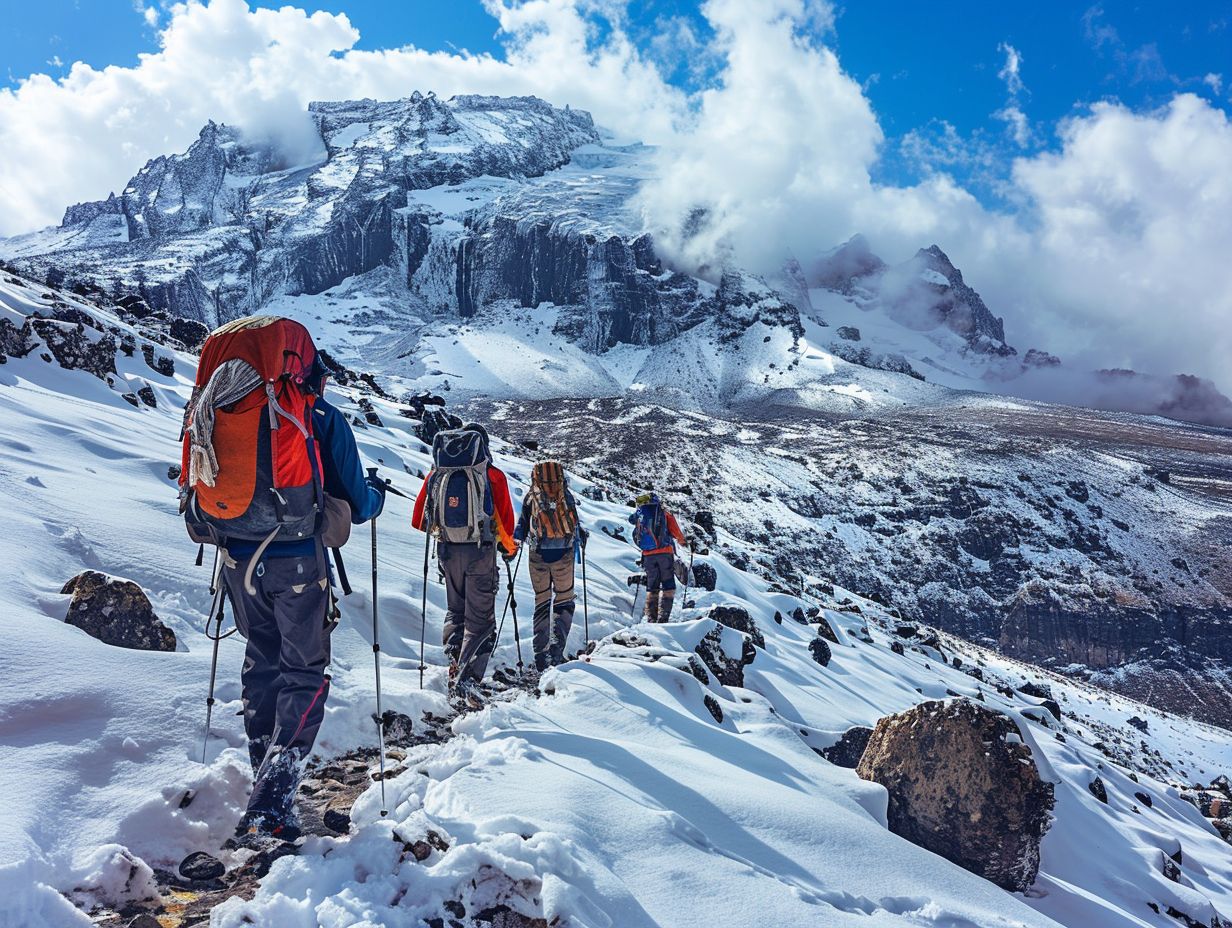
Kristina Schou Madsen: Setting the Pace on Kilimanjaro
The allure of Mount Kilimanjaro extends far beyond its status as the world’s tallest free-standing mountain. For many, it represents a personal challenge, a journey of self-discovery, and a test of endurance. Among those who have summited, a select few have etched their names in the annals of mountaineering history through extraordinary feats of speed. Kristina Schou Madsen stands out as a prime example, holding the current record for the fastest female ascent of Kilimanjaro. Her achievement is not merely a statistic; it’s a testament to dedicated training, meticulous planning, and an unwavering spirit.
Climbing Kilimanjaro is typically an undertaking that spans several days, allowing for acclimatization to the extreme altitude. Most standard routes take between 5 to 9 days to complete. This gradual approach is crucial for minimizing the risks associated with Acute Mountain Sickness (AMS). However, speed climbing Kilimanjaro, particularly for women, requires an entirely different paradigm. It involves pushing the body to its absolute limits, often in a matter of hours rather than days. Kristina Schou Madsen’s record highlights this extreme end of the spectrum, demonstrating a level of athleticism and physiological adaptation that few can match.
Understanding Kristina Schou Madsen’s record involves looking at the context of speed ascents on Kilimanjaro. While traditional climbs focus on safety and acclimatization, speed records are about raw performance. This involves selecting the most direct and often technically challenging routes, minimizing rest, and maintaining an incredibly high pace. For female climbers, achieving such a record is particularly significant, breaking perceived barriers and setting new benchmarks for athletic achievement in mountaineering.
The Record-Breaking Ascent: Details and Significance
Kristina Schou Madsen’s record-breaking climb on Mount Kilimanjaro was a remarkable display of human endurance and speed. While specific details of every record attempt can vary and records are sometimes contested or updated, Madsen’s ascent has been widely recognized for its exceptional speed. She achieved her record by climbing the mountain via the Marangu route, often referred to as the ‘Coca-Cola’ route due to its popularity and relatively straightforward path. However, completing it at such a pace is anything but simple.
Her ascent time was an astonishing 6 hours and 51 minutes. This incredible feat was achieved in 2021. To put this into perspective, a typical trek on the Marangu route takes 5-7 days. Even for experienced mountaineers on a ‘fast’ ascent, covering the distance from Marangu gate to Uhuru Peak and back down in under 7 hours is almost unimaginable. This speed requires an average pace that most would struggle to maintain on flat ground, let alone on the steep, varied, and high-altitude terrain of Kilimanjaro.
The significance of Kristina Schou Madsen’s record extends beyond just the time. It challenges the conventional wisdom about Kilimanjaro climbs, which heavily emphasizes slow acclimatization. While her speed is an outlier and not recommended for the vast majority of climbers, it provides valuable insights into human physiological limits and the potential for extreme endurance. It also serves as an inspiration, showing what can be achieved with rigorous training and a dedicated mindset.
The Marangu route, while scenic, presents its own challenges. It is known for its relatively consistent gradient but also for being a ‘hike and descend’ route, meaning climbers often descend the same path they ascended. For a speed attempt, this means covering the entire distance of approximately 37 kilometers (23 miles) round trip, with a significant elevation gain of nearly 4,000 meters (over 13,000 feet) in an incredibly short period. The air at these altitudes is thin, with oxygen levels dropping significantly as one ascends, making every step a monumental effort.
Training Regimen: The Foundation of Speed
Achieving a speed record on Kilimanjaro is not a spontaneous event; it’s the culmination of years of dedicated training and preparation. Kristina Schou Madsen’s journey to becoming the fastest female climber likely involved a multi-faceted training regimen designed to build exceptional cardiovascular fitness, muscular endurance, and mental resilience. For speed ascents, the focus shifts dramatically from endurance and acclimatization to pure, explosive power and efficiency.
Cardiovascular Endurance: The cornerstone of any endurance sport, cardiovascular fitness is paramount. This would involve high-intensity interval training (HIIT), long-duration runs, and cycling sessions. The goal is to maximize the body’s ability to deliver oxygen to working muscles and efficiently utilize it. Training at altitude, if possible, would also be a significant advantage, helping the body adapt to lower oxygen levels.
Strength and Power Training: While long, slow distance is key for traditional treks, speed climbing requires explosive power. This means incorporating strength training exercises that focus on the legs and core. Squats, lunges, plyometrics (like jump squats), and calf raises would be essential. A strong core is vital for maintaining posture and efficient movement over challenging terrain.
Altitude Simulation and Acclimatization: Even for speed attempts, some level of acclimatization is necessary. While Madsen wouldn’t have spent days on the mountain, she might have utilized altitude training masks or chambers to simulate lower oxygen environments. Alternatively, a very rapid ascent with a highly trained support team might have been employed, though this carries significant risks.
Mental Fortitude: Perhaps the most overlooked aspect of extreme endurance is mental strength. Speed climbing requires an iron will to push through pain, fatigue, and the psychological challenges of extreme exertion. Training would likely include long, grueling sessions designed to test mental limits, as well as visualization techniques and mindfulness practices.
Specific Mountain Training: Training on similar terrain is crucial. This means seeking out steep hills, mountains, or even staircases for repeated ascents. Practicing running and hiking downhill efficiently is also important, as it places different stresses on the body. The ability to maintain speed and control on descents is as critical as on the ascent for a speed record.
Nutrition and Hydration: Optimizing nutrition and hydration is key for performance and recovery. This involves a balanced diet rich in complex carbohydrates, lean proteins, and healthy fats, alongside a strategic approach to fluid intake during training and the actual climb.
The training for a speed record like Kristina Schou Madsen’s is an all-consuming commitment. It requires a deep understanding of one’s own physiology, careful periodization of training loads, and a robust support system. For potential climbers looking at Kilimanjaro in 2026 or 2027, even if not aiming for a speed record, the principles of dedicated training remain vital for a safe and successful climb.
Choosing the Right Route for Speed (and Standard Climbs)
When discussing speed records on Kilimanjaro, the choice of route becomes a critical factor. While Kristina Schou Madsen achieved her record via the Marangu route, it’s important to understand why certain routes are more conducive to speed attempts, and how these choices differ from standard trekking preferences.
The Marangu Route: A Double-Edged Sword for Speed
Kristina Schou Madsen’s record was set on the Marangu route. Its advantages for a speed attempt include:
- Directness: It’s one of the more direct routes to the summit.
- Infrastructure: It’s the only route with dormitory-style huts, which might offer a slight advantage in terms of shelter and speed of movement compared to setting up tents, although for a speed record, this is less relevant than sheer pace.
- Descent Path: The ascent and descent paths are the same, simplifying navigation for a pure speed push.
However, the Marangu route is also known for its lower success rates for standard trekkers because it doesn’t offer the best acclimatization profile. For a speed attempt, this is less of a concern than the raw distance and elevation gain.
Other Routes and Their Suitability for Speed
While Marangu was used for Madsen’s record, other routes have different characteristics:
- Machame Route: Popular for its scenic beauty and good acclimatization profile, Machame is a trekking route. Its longer duration makes it unsuitable for speed attempts, but it’s excellent for those prioritizing success and experience over speed.
- Lemosho Route: Another highly scenic route, Lemosho is known for its excellent acclimatization. Like Machame, its length is not conducive to speed records.
- Shira Route: Similar to Lemosho, offering great views and acclimatization but not designed for speed.
- Rongai Route: This route approaches from the north and is drier, often less crowded. It’s a good option for standard climbs but not typically associated with speed records.
- Northern Circuit: The longest route, offering the best acclimatization and highest success rates, but definitively not for speed.
For a speed record, the primary considerations are the shortest distance to the summit and the most direct path. The Marangu route often fits this criteria best among the established paths. However, unofficial or highly specialized routes might exist for even faster attempts, though these are rarely documented publicly and would involve significant risks and specialized support.
For climbers planning a trip to Kilimanjaro in 2026 or 2027 who are not aiming for a speed record, the focus should be on routes that offer better acclimatization and higher success rates, such as Machame, Lemosho, or the Northern Circuit. The choice of route is a fundamental decision that impacts the entire climbing experience, safety, and likelihood of reaching the summit.
The Physiology of Speed Climbing Kilimanjaro
Climbing Mount Kilimanjaro in a matter of hours, as Kristina Schou Madsen did, pushes the human body to its physiological extremes. Understanding this requires a look at how the body reacts to extreme exertion at high altitudes.
Altitude and Oxygen Availability
At sea level, the atmospheric pressure is higher, meaning there are more oxygen molecules available for your lungs to absorb with each breath. As you ascend Kilimanjaro:
- Lower Partial Pressure of Oxygen: The air pressure decreases, making each breath contain fewer oxygen molecules.
- Reduced Oxygen Saturation: Your blood’s ability to pick up and transport oxygen to your muscles is compromised. At Uhuru Peak (5,895m / 19,341ft), the oxygen availability is roughly 50% of what it is at sea level.
For a standard trekker, this gradual reduction allows the body to adapt through acclimatization, producing more red blood cells to carry oxygen. For a speed climber, there is little to no time for such adaptation. The body must operate on its existing capacity, which is significantly challenged.
Metabolic Demands and Energy Production
Speed climbing requires an immense energy output. The body relies on both aerobic (with oxygen) and anaerobic (without oxygen) energy systems. At extreme altitudes and with such high exertion:
- Aerobic System Overload: The aerobic system, which is efficient but slower, struggles to keep up with the demand due to low oxygen availability.
- Anaerobic System Reliance: The body increasingly relies on the anaerobic system, which produces energy much faster but is less efficient and leads to the buildup of lactic acid. This causes muscle fatigue and contributes to the burning sensation during intense exercise.
A speed climber must have an exceptional ability to both maximize their aerobic capacity under duress and tolerate the buildup of metabolic byproducts from anaerobic activity.
Cardiovascular Strain
The heart must work overtime to pump oxygen-depleted blood. Heart rate will be extremely high for prolonged periods. The cardiovascular system is under immense stress, making it vulnerable to issues if not perfectly conditioned.
Thermoregulation
Despite the exertion, temperatures on Kilimanjaro can be extremely cold, especially at night and near the summit. Maintaining core body temperature while generating immense heat through activity is a delicate balance. Speed climbers might wear minimal layers to avoid overheating during the intense effort, but this increases the risk of hypothermia if they slow down or stop, even briefly.
Hydration and Electrolyte Balance
Intense sweating, even in cold conditions, can lead to dehydration and electrolyte imbalance. This can severely impair muscle function and cognitive abilities. For speed ascents, rapid fluid and electrolyte intake becomes critical, though difficult to manage while moving at pace.
Kristina Schou Madsen’s record is a testament to her body’s ability to perform under these extreme physiological conditions. It suggests a remarkable genetic predisposition combined with world-class training. For anyone planning a Kilimanjaro climb in 2026 or 2027, understanding these physiological challenges underscores the importance of proper acclimatization and respecting the mountain’s demands, even if not aiming for speed.
Risk Factors and Safety Considerations for Speed Climbs
While Kristina Schou Madsen’s record is inspirational, it’s crucial to acknowledge the significant risks involved in speed climbing Kilimanjaro. These are not risks that apply to standard trekking, but they are inherent to pushing human limits on a high-altitude mountain.
Acute Mountain Sickness (AMS) and Its Severe Forms
The primary risk on any high-altitude climb is AMS. Without proper acclimatization, the rapid ascent for a speed record dramatically increases the likelihood of developing AMS. Symptoms can range from headaches and nausea to severe conditions like:
- High-Altitude Cerebral Edema (HACE): Swelling of the brain, leading to confusion, loss of coordination, and potentially coma.
- High-Altitude Pulmonary Edema (HAPE): Fluid accumulation in the lungs, causing severe shortness of breath, coughing, and potentially death.
For a speed climber, the rapid ascent means there is minimal time for the body to adjust, making these conditions a severe and immediate threat. The ability to recognize symptoms and the presence of a highly skilled medical support team are critical.
Exhaustion and Physical Injury
Pushing the body to such extreme limits dramatically increases the risk of severe exhaustion. This can lead to poor decision-making, falls, and injuries. Muscle tears, sprains, and even fractures are more likely when the body is pushed beyond its normal limits, especially on uneven terrain.
Hypothermia and Frostbite
Despite the intense physical exertion, temperatures on Kilimanjaro, particularly at higher altitudes and during night ascents, can be well below freezing. Speed climbers may opt for lighter gear to maximize speed, increasing their vulnerability to cold. If they slow down significantly or are forced to stop, hypothermia and frostbite become serious risks.
Dehydration and Electrolyte Imbalance
As mentioned, intense exertion leads to significant fluid and electrolyte loss. Dehydration can rapidly lead to heatstroke (in warmer conditions lower down) or exacerbate altitude sickness. Electrolyte imbalances can cause muscle cramps, heart rhythm disturbances, and neurological issues.
Logistical and Support Challenges
A speed ascent requires an extremely robust and efficient support system. This includes:
- Pacing Support: Having pacers who can maintain the required speed and provide encouragement.
- Medical Support: A dedicated medical professional or team capable of responding to emergencies at high speed.
- Logistics: Pre-arranged points for rapid hydration and nutrition, and potentially emergency extraction capabilities.
Kristina Schou Madsen’s record would have been supported by a highly professional team focused on safety within the context of a speed attempt. For the average climber planning a trip in 2026 or 2027, the emphasis must be on safety through proper acclimatization, experienced guides, and appropriate equipment, rather than speed.
Kristina Schou Madsen: Beyond the Record
While Kristina Schou Madsen is celebrated for her record as the fastest female Kilimanjaro climber, her story likely extends far beyond this single achievement. Elite athletes and adventurers often have a history of pushing their limits across various disciplines. Understanding her background provides a fuller picture of her capabilities and dedication.
A History of Endurance Sports
It is highly probable that Kristina Schou Madsen has a background in other demanding endurance sports. Records like hers are rarely set by individuals without prior experience in activities such as:
- Trail Running: Long-distance running over varied terrain.
- Ultra-Marathons: Races exceeding the standard marathon distance (42.195 km), often over 100 miles.
- Triathlons/Ironman: Multi-sport events involving swimming, cycling, and running over extreme distances.
- Mountaineering and High-Altitude Trekking: Previous experience on other peaks would build essential skills and acclimatization knowledge.
This prior experience is crucial for developing the physiological adaptations, technical skills, and mental resilience required for an extreme feat like a speed ascent of Kilimanjaro.
The Psychology of Elite Performance
Elite athletes like Madsen possess a unique psychological makeup. This includes:
- Grit and Determination: The ability to persevere through pain and setbacks.
- Focus and Discipline: Maintaining concentration and sticking to a rigorous training plan.
- Risk Assessment: Understanding and managing risks associated with their chosen activities.
- Goal Setting: Setting ambitious goals and working systematically towards them.
Her achievement suggests a deep understanding of her own body and mind, and the ability to execute under immense pressure.
Inspiration and Advocacy
Record-holders often become figures of inspiration. Kristina Schou Madsen’s accomplishment can motivate others, particularly women, to pursue their athletic goals and challenge perceived limitations. She might also be involved in promoting healthy lifestyles, adventure sports, or specific causes related to conservation or mountaineering.
For those inspired by her feat and considering their own Kilimanjaro adventure in 2026 or 2027, it’s important to differentiate between aspirational goals and realistic capabilities. While records are inspiring, the vast majority of climbers aim for a safe, enjoyable, and successful summit experience, which requires a different approach focused on acclimatization and enjoyment rather than speed.
Comparing Speed Records vs. Standard Kilimanjaro Treks
The difference between Kristina Schou Madsen’s speed ascent and a typical Kilimanjaro trek is profound, touching on every aspect of the climb: preparation, execution, and objective.
Key Differences: Speed Record vs. Standard Trek
Here’s a breakdown of how these two approaches diverge:
| Aspect | Speed Record (e.g., Kristina Schou Madsen) | Standard Trek |
|---|---|---|
| Objective | Fastest possible ascent/descent. | Reaching the summit safely and enjoying the experience. |
| Duration | Hours (e.g., under 7 hours for ascent). | 5-9 days (typical). |
| Route Choice | Shortest, most direct path (often Marangu). | Routes prioritizing acclimatization and scenery (Machame, Lemosho, etc.). |
| Acclimatization Strategy | Minimal or simulated; high risk. | Gradual ascent over multiple days; paramount for safety. |
| Pace | Extremely high, continuous exertion. | Slow and steady (‘pole pole’). |
| Training Focus | High-intensity, power, speed, altitude tolerance. | Cardiovascular endurance, strength, stamina. |
| Risk Level | Very High (AMS, exhaustion, injury, hypothermia). | Moderate (manageable with proper preparation and support). |
| Support Team | Specialized, high-speed pacing and medical support. | Experienced guides, porters, cooks; focus on client comfort and safety. |
| Gear | Lightweight, optimized for speed and minimal bulk. | Comprehensive layers for varied conditions, safety equipment. |
| Experience Goal | Pushing human limits, setting a record. | Personal achievement, stunning views, cultural experience. |
For the vast majority of individuals planning a Kilimanjaro adventure, the goal is a successful summit and a memorable experience. This aligns with the principles of standard trekking, where safety and acclimatization are prioritized above all else. While Kristina Schou Madsen’s record is an extraordinary human achievement, it represents an outlier in the world of Kilimanjaro expeditions. Companies like Top Guide Adventures focus on providing the support, guidance, and safe itineraries necessary for a successful standard climb, ensuring clients can appreciate the mountain’s majesty without the extreme risks associated with speed attempts.
Planning Your Kilimanjaro Climb in 2026-2027: Focus on Success, Not Speed
Inspired by incredible feats like Kristina Schou Madsen’s record, you might be contemplating your own Kilimanjaro journey. For most aspiring climbers, the goal is a safe and successful summit. Planning well in advance is key, especially when looking at dates in 2026 and 2027.
Key Steps for Planning Your Kilimanjaro Climb
- Choose the Right Time: The dry seasons (January-March and June-October) offer the best weather conditions. Consider booking for late 2026 or early 2027 for optimal weather.
- Select Your Route: Based on your fitness, time, and desire for acclimatization, choose a route. For a balance of scenery and success, the Machame or Lemosho routes are highly recommended. For longer, more gradual acclimatization, consider the Northern Circuit.
- Select a Reputable Tour Operator: This is critical for safety and success. Look for companies with experienced guides, a strong safety record, and good client reviews. Top Guide Adventures is a trusted Tanzanian operator known for its personal attention and dedicated support.
- Physical Preparation: Start training at least 3-6 months in advance. Focus on cardiovascular fitness and strength training, especially for your legs and core. Practice hiking on varied terrain.
- Gear Up: Invest in high-quality, layered clothing suitable for extreme cold, rain, and sun. Good hiking boots, a warm sleeping bag, and a waterproof outer shell are essential.
- Understand the Risks: Be aware of altitude sickness and its symptoms. Trust your guides and communicate any discomfort immediately.
- Book in Advance: Especially for peak seasons in 2026 and 2027, booking your climb well in advance is recommended to secure your preferred dates and operators.
While the idea of speed climbing is thrilling, it’s reserved for elite athletes with specific training and support. For the average adventurer, a well-planned, moderately paced climb offers the best chance of reaching Uhuru Peak and experiencing the magic of Kilimanjaro. Top Guide Adventures specializes in crafting memorable and safe Kilimanjaro experiences, ensuring you have the support needed for your personal summit success.
Why Top Guide Adventures for Your Kilimanjaro Expedition
When planning an expedition to Mount Kilimanjaro, especially if you’re looking towards 2026 or 2027, choosing the right tour operator is paramount. Safety, success, and the overall experience hinge on the quality of your guides, support crew, and logistics. Top Guide Adventures is a leading Tanzanian tour company dedicated to providing exceptional travel experiences across the country, with Kilimanjaro climbs being a core specialty.
What Makes Top Guide Adventures Stand Out?
- Experienced and Certified Guides: Our guides are not only highly experienced on Kilimanjaro but also certified in wilderness first aid and mountain rescue. They understand the mountain intimately, including the best practices for acclimatization and safety.
- Focus on Safety: We prioritize your well-being above all else. This includes carrying sufficient oxygen, comprehensive first-aid kits, and having a clear emergency evacuation plan. We monitor clients closely for any signs of altitude sickness.
- Quality Equipment and Logistics: We provide high-quality tents, sleeping bags, and cooking equipment. Our logistics are meticulously planned to ensure smooth operations from start to finish.
- Personalized Attention: As a trusted tour company, we believe in personal attention for every client. We cater to individual needs and ensure you feel supported throughout your journey.
- Fair Treatment of Staff: We are committed to the fair wages and good working conditions of our guides and porters, ensuring a motivated and dedicated team supports your climb.
- Tailor-Made Journeys: While we offer excellent standard itineraries, we excel at creating tailor-made journeys to fit your specific preferences and requirements.
- Proven Success Rates: Our careful planning and expert guidance contribute to high summit success rates for our clients.
Whether you are a seasoned trekker or embarking on your first major mountain challenge, Top Guide Adventures is equipped to guide you. We understand that climbing Kilimanjaro is a significant undertaking, and our mission is to make it as safe, enjoyable, and rewarding as possible. We are ready to help you plan your unforgettable expedition for 2026 or 2027.
For inquiries about planning your Kilimanjaro climb or any other Tanzanian adventure, please feel free to reach out. You can contact us via WhatsApp at +255616946642, or email us at topguideadventures@gmail.com. For alternative communication, our backup email is info@topguideadventures.com. Let us help you achieve your Kilimanjaro dream!
Check Availability for Kristina Schou Madsen: The Fastest Female Kilimanjaro Climber And Her Record
Ready to compare dates, prices, and the best option for your group? Send the package name and travel month so the team can reply with a clear quote, availability, and what is included.
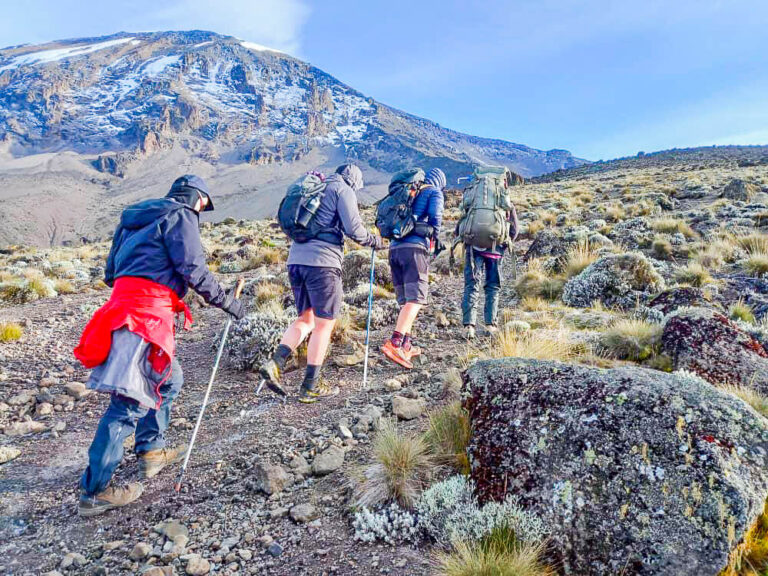
Kilimanjaro Booking Checklist For First-Time Climbers: Your Essential Guide
Planning your first Kilimanjaro climb in 2026 or 2027? This detailed checklist covers everything from choosing a route and operator to packing and acclimatization, ensuring a well-prepared...
View package details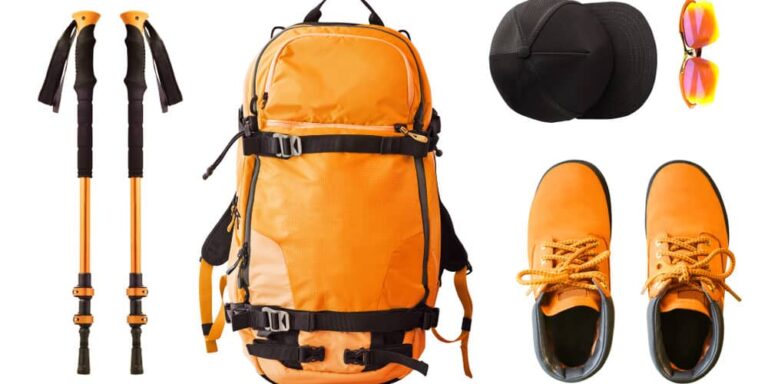
Reasons Climbers Regret Choosing A Short Kilimanjaro Route | Top Guide
Many Kilimanjaro climbers opt for shorter routes to save time or money, only to later regret their decision. This article details the common pitfalls of short routes, focusing on...
View package details
Kilimanjaro Tipping Mistakes And Etiquette: A Comprehensive Guide For Climbers
Navigating Kilimanjaro tipping can be confusing. This guide details common mistakes and proper etiquette for tipping your support crew, ensuring fair compensation and a positive experience...
View package details
Kilimanjaro Layering Mistakes That Leave Climbers Cold: Expert Guide 2026-2027
Discover the common Kilimanjaro layering mistakes that can lead to discomfort and hypothermia. This guide provides essential tips on choosing the right gear and layering system to ensure...
View package details
Barafu Camp Vs Kosovo On Kilimanjaro: A Definitive Comparison For Climbers
A detailed comparison of Barafu Camp and Kosovo Camp on Kilimanjaro, helping climbers decide which high-altitude staging post is best for their 2026-2027 ascent.
View package details
Kilimanjaro Medical Preparation For Older Climbers: Essential Guide 2026-2027
Climbing Kilimanjaro is achievable for older adventurers with thorough medical preparation. This guide covers essential health checks, fitness strategies, altitude acclimatization, and...
View package detailsBest Kilimanjaro Route For Climbers Over 60: Expert Guide 2026-2027
Choosing the right Kilimanjaro route is crucial for climbers over 60. This guide details the best options, focusing on acclimatization, duration, and success rates to help you plan your...
View package details
How Altitude Affects Younger Kilimanjaro Climbers In 2026-2027
Climbing Kilimanjaro presents unique challenges, especially for younger trekkers. This guide details how altitude affects them, covering symptoms, risks, preparation, and essential safety...
View package details
Kilimanjaro Training Plan For Teen Climbers: Summit Success In 2026-2027
Prepare your teen for the ultimate adventure with a detailed Kilimanjaro training plan. This guide covers physical conditioning, mental readiness, essential gear, and acclimatization...
View package details
Kilimanjaro National Park Conservation Fees Explained For Climbers 2026-2027
Climbing Mount Kilimanjaro involves understanding various conservation fees essential for park maintenance and climber safety. This guide breaks down the current fee structure for...
View package detailsKilimanjaro Alpine Desert Ecosystem: A Comprehensive Guide For Climbers
Discover the fascinating Kilimanjaro Alpine Desert ecosystem, the harsh yet beautiful environment found above the montane forest and heath zones. This guide details its characteristics...
View package detailsWhy Do Kilimanjaro Climbers Descend Via Mweka? 2026-2027
Why Do Kilimanjaro Climbers Descend via Mweka? is explained with current 2026-2027 planning, price, itinerary and booking information.
View package detailsNo related package matches those filters. Clear one or more filters to see the other topic-matched options.



