
The fastest unsupported Kilimanjaro record was set by Tanzanian mountain guide Simon Mtuy, who achieved an astonishing ascent and descent of Mount Kilimanjaro in just 4 hours and 46 minutes in 2014. This feat remains a benchmark for extreme endurance and speed on Africa’s highest peak, highlighting the immense physical and mental capabilities required for such an unsupported challenge.
Understanding the Fastest Unsupported Kilimanjaro Record by Simon Mtuy
When the topic of the fastest unsupported Kilimanjaro record arises, the name Simon Mtuy is invariably at the forefront. His 2014 achievement of ascending and descending Mount Kilimanjaro in an unbelievable 4 hours and 46 minutes is not just a record; it’s a testament to human endurance, intimate knowledge of the mountain, and exceptional physical conditioning. This record isn’t about speed alone; it’s about unsupported speed, meaning no external assistance, no oxygen, and carrying all necessary gear. For those interested in Kilimanjaro climbs, understanding this record provides context for the mountain’s potential and the dedication of its elite climbers.
Simon Mtuy, a respected figure in the Kilimanjaro guiding community, has spent decades traversing its slopes. His deep connection with the mountain and his understanding of its diverse ecosystems, from the rainforest to the alpine desert and arctic summit zone, were crucial factors in his record-breaking run. This accomplishment stands as a pinnacle of human achievement on Kilimanjaro, inspiring many to consider their own challenging adventures on the mountain, perhaps with the support of experienced local guides.
For many, a Kilimanjaro climb is a special expedition focused on reaching the summit safely and enjoying the journey. However, for a select few, it becomes an arena for pushing human limits. Simon Mtuy’s record is a prime example of this extreme end of the spectrum. It’s important to distinguish this from standard treks, which typically take 5 to 9 days, allowing for acclimatization and a more manageable ascent. The fastest unsupported Kilimanjaro record is an outlier, showcasing what is possible under extraordinary circumstances.
Simon Mtuy: The Man Behind the Record
Simon Mtuy is more than just a record-holder; he is a symbol of Tanzanian mountaineering prowess and a passionate advocate for Kilimanjaro’s preservation. Born and raised near the mountain, his life has been intrinsically linked to its towering presence. He began his career as a porter and gradually worked his way up to become one of Kilimanjaro’s most experienced and respected guides.
His deep understanding of Kilimanjaro is not just academic; it’s experiential. He knows the trails intimately, can read the weather patterns, and understands the subtle physiological responses of the human body at extreme altitudes. This profound connection allowed him to strategize and execute his record attempt with precision. His journey to setting the fastest unsupported Kilimanjaro record was built on years of training, climbing, and a relentless pursuit of excellence.
Mtuy’s philosophy often emphasizes respect for the mountain and the importance of sustainability. While his record demonstrates incredible speed, his broader work involves ensuring that Kilimanjaro remains a viable and safe destination for all trekkers, promoting responsible tourism practices. His achievements inspire not only speed-focused athletes but also seasoned trekkers who look to him for guidance and expertise. For those planning a climb in 2026 or 2027, understanding the mountain’s potential, as demonstrated by Mtuy, can add a unique perspective to their own goals.
The Nature of Unsupported Kilimanjaro Ascents
An unsupported Kilimanjaro climb is fundamentally different from a standard guided trek. The term ‘unsupported’ implies that the climber carries all their own equipment, including food, water, shelter (if needed), and emergency gear, without the assistance of porters or dedicated support crews. This significantly increases the physical burden and the logistical complexity of the climb.
Key Characteristics of Unsupported Climbs:
- Self-Sufficiency: Climbers are entirely responsible for their supplies, navigation, and well-being.
- Increased Load: Carrying all necessary gear adds considerable weight, making the ascent much more strenuous.
- Logistical Challenges: Planning food, water sources, and potential emergency responses requires meticulous preparation.
- Higher Risk: Without a support team, managing emergencies or unexpected situations becomes more difficult and potentially dangerous.
Simon Mtuy’s record, being an ‘unsupported’ ascent and descent, represents the absolute extreme of this category. It means he ascended and descended the mountain on foot, carrying whatever minimal gear he deemed essential for such a rapid transit, relying solely on his own strength and speed. This contrasts sharply with guided climbs, where porters carry the bulk of the gear, cooks prepare meals, and guides manage the logistics and safety protocols.
For the vast majority of trekkers, especially those planning expeditions for 2026-2027, opting for a supported climb is the sensible and recommended approach. Companies like Top Guide Adventures provide the necessary infrastructure, experienced guides, porters, and cooks to ensure a safe and enjoyable journey. An unsupported attempt is reserved for a tiny fraction of individuals with elite ultra-endurance and mountaineering backgrounds.
Debunking the “Fastest Unsupported Kilimanjaro Record” Myths
The fastest unsupported Kilimanjaro record is often a subject of fascination and sometimes misunderstanding. It’s crucial to clarify what this record entails and what it doesn’t.
What it IS:
- Pure Human Power: The record is achieved solely through the climber’s own physical effort.
- Minimal Gear: The climber carries only essential items for a rapid transit, often just what fits in a small backpack.
- No External Support: No porters, no cooks, no pre-arranged water or food drops along the route by a support team.
- Ascent and Descent: The record typically includes both reaching the summit (Uhuru Peak) and returning to the starting point.
- Self-Navigation: The climber is responsible for finding their way, though experienced guides like Mtuy know the routes intimately.
What it is NOT:
- Supported Climb: It is not a record for a standard guided trek where porters carry gear and provide support.
- Assisted Climb: It does not involve oxygen tanks, mechanical aids, or any form of external assistance beyond what is permissible for an ‘unsupported’ claim.
- Guaranteed Safety: While Mtuy is an expert, unsupported climbs inherently carry higher risks.
Simon Mtuy’s record is a specific type of athletic achievement. It’s about speed, efficiency, and extreme self-reliance. It’s important for potential trekkers planning their own Kilimanjaro adventures in 2026 or 2027 to understand this distinction. Their goal is likely a safe summit, not a speed record, and for that, a well-supported expedition is essential.
Routes and The Mtuy Record
The route taken significantly impacts the feasibility and timing of any Kilimanjaro ascent, including record attempts. While Simon Mtuy’s record-breaking ascent and descent was an extreme undertaking, the choice of route is a critical factor for all climbers.
Mtuy’s record was set using the Marangu Route, often called the “Coca-Cola” route, primarily because it is the oldest and most established path. It’s also the only route that offers dormitory-style accommodation in huts rather than camping. This route is known for its directness but also for its steepness and lack of gradual acclimatization, making it challenging for many, let alone for a speed attempt.
Why Marangu for a Speed Record?
- Directness: It offers a relatively direct path to the summit.
- Established Path: The trail is well-defined and easily navigable, crucial for speed.
- Huts: While not relevant for an unsupported record holder who likely wouldn’t stop, the huts indicate a well-trodden path.
However, for standard trekkers aiming for a safe and enjoyable climb, especially in 2026 or 2027, other routes are often recommended for better acclimatization and higher success rates. Routes like Machame, Lemosho, and Rongai offer more gradual ascents, better scenic views, and camping, which allows for better acclimatization.
Comparison of Routes for Standard Treks (2026-2027 Planning):
| Route | Typical Duration | Scenery | Acclimatization | Camping/Huts |
|---|---|---|---|---|
| Marangu | 5-6 days | Moderate | Poorer | Huts |
| Machame | 6-7 days | Excellent | Good | Camping |
| Lemosho | 7-8 days | Superb | Excellent | Camping |
| Rongai | 6-7 days | Good | Good | Camping |
While Simon Mtuy’s record showcases the Marangu route’s potential for speed, for most travelers planning their Kilimanjaro adventure with Top Guide Adventures in 2026-2027, choosing a longer route like Machame or Lemosho will significantly increase their chances of reaching Uhuru Peak comfortably and safely.
The Physiological Demands of Unsupported Kilimanjaro Ascents
Simon Mtuy’s fastest unsupported Kilimanjaro record is a feat of extreme physiological endurance. The human body faces immense challenges when ascending Kilimanjaro, and these are magnified exponentially in an unsupported, high-speed context.
Altitude and Oxygen: At the summit (Uhuru Peak, 5,895 meters or 19,341 feet), the atmospheric pressure is about half that at sea level. This means there is roughly 50% less oxygen available with each breath. The body must work significantly harder to oxygenate the blood.
Physical Exertion: An unsupported climb means carrying a heavier load (even if minimal for a speed attempt) over steep and varied terrain. This requires immense cardiovascular fitness, muscular strength, and endurance. The sheer effort of moving quickly at altitude leads to rapid depletion of energy reserves.
Thermoregulation: Kilimanjaro experiences drastic temperature changes. Climbers can start in the warm rainforest and finish in sub-zero conditions at the summit, often experiencing a full range of climates in a single day. Maintaining core body temperature under such extreme exertion and environmental shifts is critical.
Hydration and Nutrition: In an unsupported scenario, managing hydration and caloric intake is paramount. Dehydration and energy deficits can occur rapidly at altitude and with intense physical activity, leading to fatigue, headaches, and potentially worsening altitude sickness.
Acclimatization: While Mtuy’s record bypasses traditional acclimatization, his extensive experience likely means his body is exceptionally well-adapted. For most climbers, however, inadequate acclimatization is the primary cause of altitude sickness, ranging from mild headaches to life-threatening conditions like High Altitude Pulmonary Edema (HAPE) and High Altitude Cerebral Edema (HACE).
Mental Fortitude: Beyond the physical, the mental pressure of an unsupported, high-speed attempt is immense. The climber must maintain focus, make critical decisions under stress, and push through extreme discomfort and fatigue without external support.
For trekkers planning a climb in 2026 or 2027, understanding these physiological demands underscores why a gradual, supported ascent is the standard and safest approach. Top Guide Adventures prioritizes climber safety and acclimatization, ensuring clients have the best possible experience and summit success.
Training for an Unsupported Kilimanjaro Challenge (and Standard Treks)
While Simon Mtuy’s fastest unsupported Kilimanjaro record is an elite pursuit, the principles of preparation can inform anyone looking to tackle the mountain, whether for speed or a personal best. The training regimes differ vastly, but the underlying need for physical preparedness remains.
Training for an Elite Unsupported Attempt (like Mtuy’s):
- Extreme Endurance: Years of high-mileage running, ultra-marathons, and high-altitude training.
- Strength Training: Focused on legs, core, and back to carry significant loads over long distances.
- Altitude Exposure: Regular training at high altitudes to enhance physiological adaptation.
- Speed Work: Interval training and tempo runs to build speed and lactate threshold.
- Mental Conditioning: Practicing pushing through pain and discomfort during long training sessions.
Training for a Standard Supported Kilimanjaro Climb (Recommended for 2026-2027):
For the majority of trekkers, the goal is to build endurance and strength for carrying a lighter daypack over multiple days, often for 6-8 hours a day, with significant elevation gain.
- Cardiovascular Fitness: Aim for at least 3-4 cardio sessions per week. Activities like hiking, running, cycling, or swimming are excellent. Focus on activities that mimic hiking, like stair climbing or hill training.
- Strength Training: Concentrate on leg strength (squats, lunges, calf raises) and core stability (planks, crunches). A strong core helps with balance and carrying a pack.
- Hiking with a Pack: This is the most crucial training. Gradually increase the weight in your daypack (up to 5-8 kg) and the duration/difficulty of your hikes. Practice on steep, uneven terrain if possible.
- Stamina Building: Engage in longer hikes (4-6 hours) on weekends. The goal is to be comfortable on your feet for extended periods.
- Flexibility: Incorporate stretching to maintain flexibility and prevent injuries.
Example Training Schedule (12 Weeks Prior to Climb):
- Weeks 1-4: Foundation Building. 3 cardio sessions, 2 strength sessions, 1 long hike (2-3 hours) per week.
- Weeks 5-8: Increasing Intensity. 3-4 cardio sessions, 2 strength sessions, 1-2 longer hikes (3-5 hours) per week. Introduce some pack weight.
- Weeks 9-12: Peak Training & Tapering. 2-3 cardio sessions, 1 strength session, 1 very long hike (5-7 hours) 2-3 weeks before the climb. Gradually reduce intensity in the final 7-10 days (tapering) to allow the body to recover and be fresh for the climb.
For anyone planning a climb with Top Guide Adventures in 2026 or 2027, starting a training program early is highly recommended. It significantly enhances your enjoyment, reduces the risk of fatigue-related issues, and boosts your chances of reaching the summit.
Gear for Unsupported vs. Supported Kilimanjaro Climbs
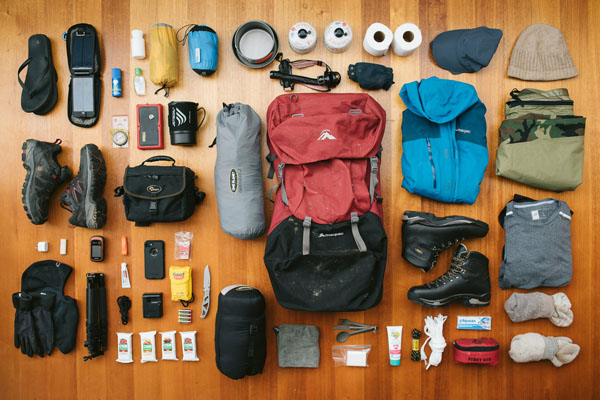
The gear requirements for an unsupported Kilimanjaro climb, especially one focused on speed like Simon Mtuy’s record, are vastly different from those for a standard supported trek. The principle is to carry only the absolute essentials for survival and rapid movement.
Gear for an Elite Unsupported Attempt (Conceptual):
- Minimalist Backpack: Lightweight, small capacity (e.g., 15-25 liters).
- Lightweight Clothing: Breathable, quick-drying base layers, a light mid-layer, and a windproof/water-resistant outer shell. No bulky insulation needed for a rapid ascent/descent.
- Footwear: Lightweight trail running shoes or minimalist hiking boots.
- Basic Nutrition/Hydration: Energy gels, bars, and a hydration system (e.g., bladder) with minimal water carried at any time, relying on fast refills if possible.
- Navigation: GPS device or watch, map, and compass (though Mtuy’s knowledge might suffice).
- Emergency Items: Small first-aid kit, headlamp, emergency blanket.
Essential Gear for a Supported Kilimanjaro Climb (Recommended for 2026-2027):
This is a comprehensive list, ensuring comfort, safety, and success on a multi-day trek. Top Guide Adventures provides detailed gear lists to all clients.
Clothing Layers:
- Base Layers: Moisture-wicking thermal tops and bottoms (merino wool or synthetic).
- Mid Layers: Fleece jacket or vest for insulation.
- Outer Layer: Waterproof and windproof jacket (Gore-Tex or similar) and trousers.
- Insulation Layer: Warm down or synthetic jacket for summit night.
- Hiking Trousers: Comfortable, quick-drying hiking pants (not jeans).
- Shirts: Several moisture-wicking hiking shirts (short and long-sleeved).
- Headwear: Warm fleece hat, sun hat with a brim, balaclava or neck gaiter.
- Gloves: Warm, waterproof gloves and thinner liner gloves.
Footwear:
- Hiking Boots: Broken-in, waterproof, sturdy hiking boots with good ankle support.
- Camp Shoes: Comfortable shoes (e.g., trainers or sandals) for evenings at camp.
- Socks: Several pairs of wool or synthetic hiking socks (liner socks can prevent blisters).
Equipment:
- Backpack: 40-65 liter backpack for porters to carry, plus a 20-30 liter daypack for personal items.
- Sleeping Bag: Rated to at least -10°C (0°F), preferably -15°C (5°F) or colder.
- Sleeping Pad: For added comfort and insulation (often provided by tour operators).
- Trekking Poles: Highly recommended for reducing strain on knees.
- Headlamp: With extra batteries.
- Water Bottles/Hydration Reservoir: Minimum 3-liter capacity.
- Sunglasses: High UV protection.
- Sunscreen: High SPF.
- Lip Balm: With SPF.
- Personal First-Aid Kit: Include personal medications, blister treatment, pain relievers.
- Toiletries: Biodegradable soap, toothbrush, toothpaste, wet wipes, hand sanitizer.
- Camera: With extra batteries and memory cards.
- Snacks: High-energy snacks (chocolate, nuts, energy bars).
- Duffel Bag: Large, waterproof duffel bag (approx. 80-100 liters) for porters.
For travelers planning their Kilimanjaro expedition in 2026 or 2027, Top Guide Adventures will provide a detailed and tailored gear list based on the chosen route and time of year. Proper gear is fundamental to a safe and successful climb.
The Role of Guides and Support Teams
The difference between Simon Mtuy’s fastest unsupported Kilimanjaro record and a typical trek is starkly illustrated by the presence or absence of guides and support teams. For most climbers, these teams are not just helpful; they are essential for safety, success, and enjoyment.
Guides:
- Expertise: Kilimanjaro guides are trained in wilderness first aid, high-altitude physiology, and mountain rescue. They possess intimate knowledge of the routes, weather patterns, and potential hazards.
- Safety Management: They monitor climbers’ health, make critical decisions about pace, hydration, and when to turn back if necessary.
- Logistics: They coordinate with porters and cooks, ensuring timely meals and camp setup.
- Motivation and Morale: They provide encouragement and support, crucial during challenging moments.
Porters:
- Carrying Loads: They carry the majority of the equipment, including tents, food, cooking gear, and personal bags, significantly reducing the physical burden on climbers.
- Camp Setup: They set up tents and ensure the campsite is functional before the climbers arrive.
Cooks:</n
- Nutrition: They prepare nutritious, hot meals three times a day, providing the energy needed for the demanding trek.
Simon Mtuy’s record bypasses all these essential elements. His unsupported feat is a demonstration of raw individual capability. However, for any trekker planning a climb in 2026 or 2027, engaging a reputable company like Top Guide Adventures ensures you have a dedicated team focused on your well-being and success. Their experienced guides and professional support crew are vital for a safe and memorable Kilimanjaro experience.
Consider the Tripadvisor review for Top Guide Adventures: “Top Guide Adventures provided an amazing experience on Kilimanjaro! Their guides were knowledgeable and kept us safe, and the porters worked incredibly hard. Highly recommend them for your climb.” This highlights the value of a professional team.
Safety Considerations for Kilimanjaro Climbs
While Simon Mtuy’s fastest unsupported Kilimanjaro record is an extraordinary outlier, safety remains the paramount concern for every trekker attempting the mountain. The risks associated with Kilimanjaro are primarily related to altitude and the challenging environment.
Altitude Sickness:
- Symptoms: Headaches, nausea, dizziness, fatigue, loss of appetite.
- Prevention: Gradual ascent (using longer routes), proper hydration, avoiding alcohol and strenuous activity on ascent days, and ascending slowly (‘pole pole’).
- Management: Rest, hydration, medication (like Diamox, prescribed by a doctor), and descent if symptoms worsen.
Hypothermia:
- Cause: Exposure to cold temperatures, especially during summit night, combined with sweating and fatigue.
- Prevention: Layering clothing appropriately, wearing waterproof and windproof outer gear, and staying dry.
- Recognition: Shivering, slurred speech, confusion, drowsiness.
Other Risks:
- Falls and Injuries: Uneven terrain can lead to sprains and fractures. Trekking poles can improve stability.
- Dehydration and Exhaustion: Crucial to maintain fluid intake and energy levels.
- Weather Changes: Sudden storms can occur, especially near the summit.
The Role of Reputable Tour Operators:
Companies like Top Guide Adventures are committed to safety. They employ experienced guides trained in high-altitude first aid and emergency procedures. They ensure clients have adequate gear, follow proper acclimatization schedules, and have access to emergency oxygen and evacuation plans. Choosing a responsible operator is the single most important safety decision a trekker can make when planning their climb for 2026 or 2027.
While Mtuy’s record is a feat of self-reliance, it underscores the inherent dangers of the mountain that even the most experienced individuals must respect. For all other climbers, relying on expert guidance and support is the key to a safe and successful summit.
Kilimanjaro Records and Achievements
Simon Mtuy’s fastest unsupported Kilimanjaro record is one of several notable achievements on the mountain, each highlighting different aspects of human capability and the mountain’s challenges.
Types of Kilimanjaro Records:
- Fastest Ascent (Unsupported): Simon Mtuy’s 2014 record of 4h 46m (ascent and descent).
- Fastest Ascent (Supported): Records exist for supported climbs, which are typically faster than unsupported ones due to optimized logistics and pacing.
- Fastest Ascent/Descent (Single Push): Records for completing the entire circuit (summit and return) in the shortest time, often on specific routes.
- Most Consecutive Ascents: Individuals who have summited Kilimanjaro multiple times in quick succession.
- Youngest/Oldest Summiter: Records for the youngest and oldest individuals to reach Uhuru Peak.
These records, while impressive, are for a very small, elite group of athletes and adventurers. They require years of dedicated training, specific physiological adaptations, and often, a deep understanding of the mountain akin to Simon Mtuy’s.
Context for the Average Trekker:
It’s vital for trekkers planning their expeditions for 2026 or 2027 to understand that these records are not benchmarks for their own climbs. The goal for most is a safe, enjoyable, and successful summit, which typically involves a 6-9 day trek. Focusing on acclimatization, proper pacing (‘pole pole’), and enjoying the incredible scenery are the true objectives.
Companies like Top Guide Adventures focus on providing the optimal conditions for reaching the summit safely. They recommend longer routes and support systems that prioritize climber well-being over speed. The true achievement for most is completing the journey, not setting a speed record.
Planning Your Kilimanjaro Climb for 2026-2027
If the story of Simon Mtuy’s fastest unsupported Kilimanjaro record has inspired you, but your goal is a safe and memorable summit, careful planning is key. Top Guide Adventures specializes in creating personalized Kilimanjaro experiences.
1. Choose Your Route:
- For the best acclimatization and highest success rates, consider the Machame Route (7 days), Lemosho Route (8 days), or Northern Circuit (9 days). These routes offer more time on the mountain, allowing your body to adapt to the altitude.
- If time is a constraint, the 6-day Machame or Rongai routes are viable options, but require good physical fitness.
2. Select Your Operator:
- Choose a reputable company with a strong safety record and experienced guides. Top Guide Adventures has a proven track record of successful and safe Kilimanjaro climbs. We prioritize ethical treatment of our staff and sustainable tourism practices.
3. Determine Your Dates (2026-2027):
- Best Seasons: January-March and June-October offer the clearest skies and driest conditions.
- Shoulder Seasons: April-May and November-December can be wetter but offer fewer crowds.
- Book well in advance, especially for peak seasons in 2026 and 2027, as permits and accommodations can fill up.
4. Physical Preparation:
- Begin training at least 3-4 months before your climb. Focus on cardiovascular endurance, strength, and hiking with a weighted pack.
5. Gear Acquisition:
- Use the detailed gear list provided by your tour operator. Ensure all items are suitable for cold, high-altitude conditions. Renting gear is an option for some items.
6. Health and Vaccinations:
- Consult your doctor about recommended vaccinations and malaria prophylaxis. Discuss altitude sickness medication (e.g., Diamox) if appropriate.
7. Budgeting:
- Factor in the cost of the climb package, flights, visas, travel insurance, tips for the crew, and personal expenses. Top Guide Adventures offers transparent pricing with clear inclusions.
By following these steps and partnering with experienced professionals, your Kilimanjaro adventure in 2026 or 2027 can be a safe, rewarding, and successful expedition, a personal triumph far removed from the record-breaking speed of unsupported ascents.
Top Guide Adventures: Your Partner for Kilimanjaro Success
While the fastest unsupported Kilimanjaro record is an astonishing feat, for the vast majority of adventurers, a successful Kilimanjaro climb is about reaching the summit safely and creating lasting memories. Top Guide Adventures is dedicated to making this a reality for every client.
As one of Tanzania’s most trusted tour companies, we offer:
- Expert Local Guides: Our guides are highly experienced, certified, and possess deep knowledge of Kilimanjaro and high-altitude trekking.
- Tailored Itineraries: We work with you to select the best route and duration for your fitness level and desired experience, ensuring optimal acclimatization.
- Comprehensive Support: From booking to the summit and back, our team provides personal attention, logistical support, and dedicated care.
- Safety First: We adhere to strict safety protocols, including carrying emergency oxygen and ensuring our guides are trained in first aid.
- Ethical Operations: We are committed to fair wages and conditions for our porters and staff, ensuring a positive experience for everyone involved.
Whether you are planning your Kilimanjaro climb for 2026 or 2027, or considering a Tanzanian safari or Zanzibar holiday, Top Guide Adventures is your premier partner. We pride ourselves on delivering exceptional travel experiences with personal attention, care, and dedicated support for every client.
Ready to plan your Kilimanjaro adventure?
Contact us today for a personalized quote and itinerary:
- WhatsApp: +255616946642
- Email: topguideadventures@gmail.com
- Backup Email: info@topguideadventures.com
Let Top Guide Adventures help you achieve your dream of conquering Kilimanjaro.
Explore our range of Kilimanjaro climbs and Tanzania safaris to find the perfect adventure for you. Visit our website www.topguideadventures.com for more information.
Check Availability for Fastest Unsupported Kilimanjaro Record – Simon Mtuys Feat And Legacy…
Ready to compare dates, prices, and the best option for your group? Send the package name and travel month so the team can reply with a clear quote, availability, and what is included.
What Does Kilimanjaro Rainforest Look Like? A Trekkers Visual Guide 2026-2027
The Kilimanjaro rainforest is a vibrant, humid zone of dense vegetation, towering trees, and diverse plant life found on the mountain's lower slopes. It's the first major ecosystem trekkers...
View package details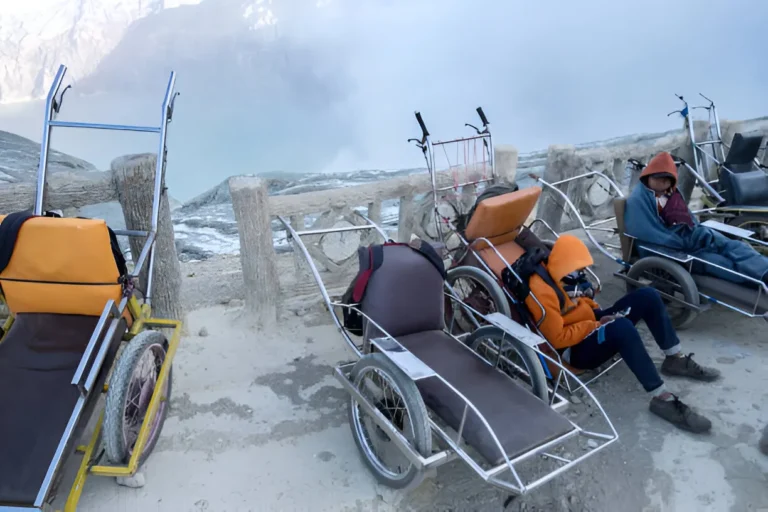
Kilimanjaro Climb With A Personal Support Assistant: Your Ultimate Guide
Climbing Mount Kilimanjaro with a personal support assistant offers unparalleled safety, comfort, and focus on your summit goals. This guide details what a personal assistant entails, its...
View package details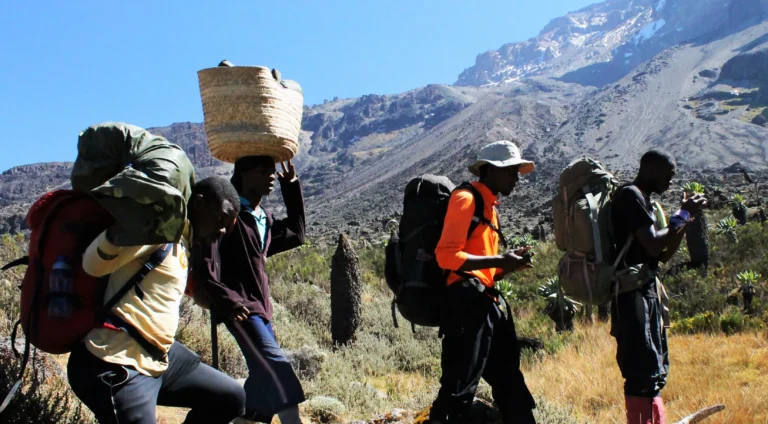
How To Know Whether You Are Ready For Kilimanjaro: A Comprehensive Guide
Climbing Mount Kilimanjaro is a significant undertaking. This guide helps you evaluate your physical, mental, and logistical readiness to ensure a safe and successful trek in 2026 or 2027...
View package details
Kilimanjaro Hydration Mistakes Climbers Make And How To Avoid Them 2026-2027
Proper hydration is critical for a successful Kilimanjaro climb. This guide details common hydration mistakes climbers make, from under-drinking to choosing the wrong fluids, and provides...
View package details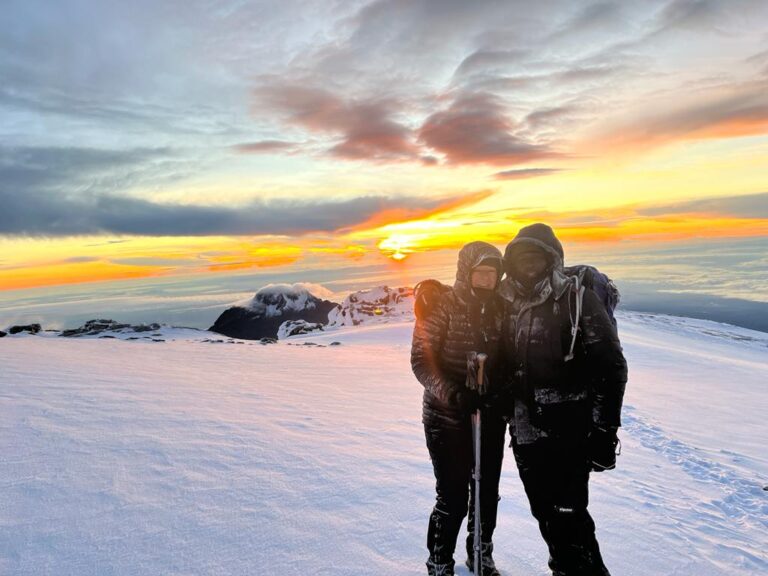
Kilimanjaro Altitude-Sickness Mistakes 2026-2027
Kilimanjaro Altitude-Sickness Mistakes is explained with current 2026-2027 planning, price, itinerary and booking information.
View package details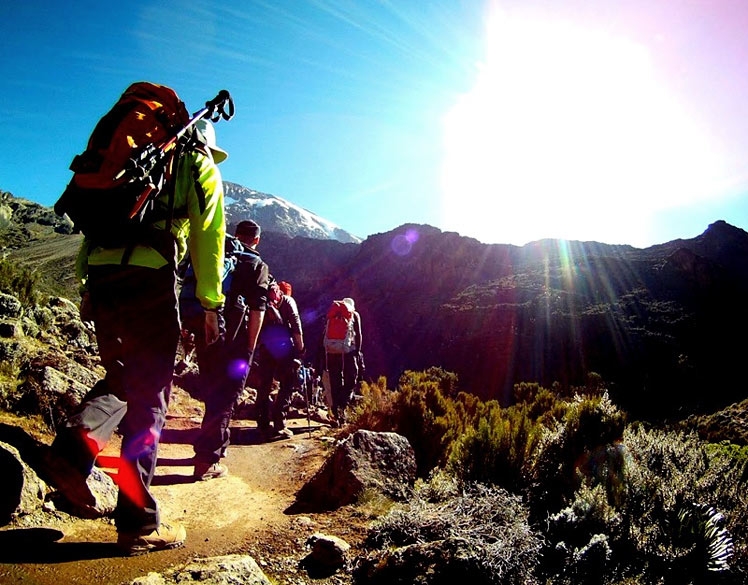
Kilimanjaro Summit-Night Mistakes To Avoid: Your Essential Guide For Climbs
Summit night on Kilimanjaro is the most challenging part of the climb. Avoiding common mistakes in acclimatization, gear, hydration, and pacing is crucial for success. This guide details...
View package details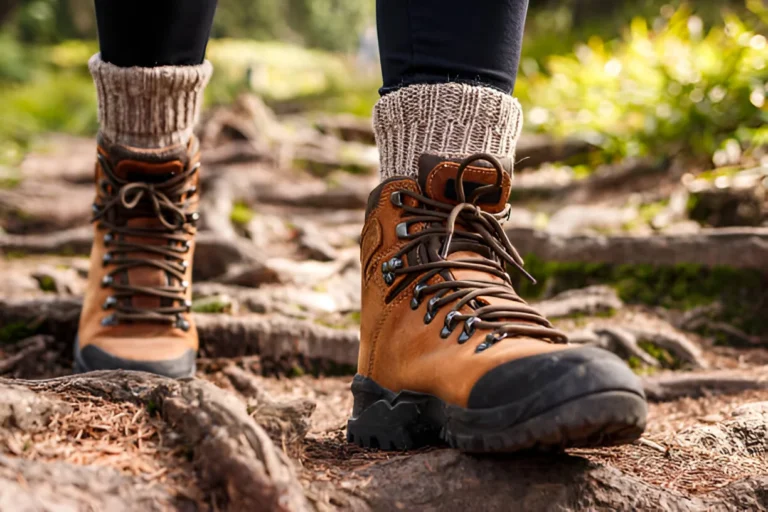
Kilimanjaro Training Mistakes That Reduce Summit Success 2026-2027
Kilimanjaro Training Mistakes that Reduce Summit Success is explained with current 2026-2027 planning, price, itinerary and booking information.
View package details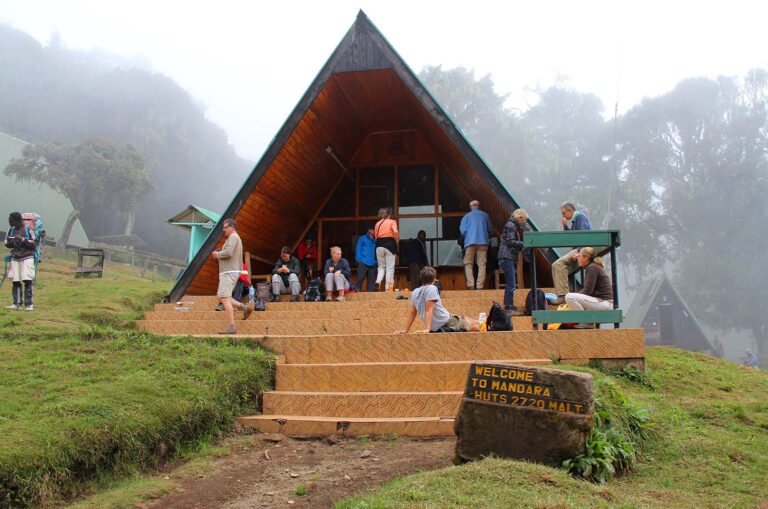
Kilimanjaro Personal Porter Vs Standard Support 2026-2027
Kilimanjaro Personal Porter vs Standard Porter Support is explained with current 2026-2027 planning, price, itinerary and booking information.
View package details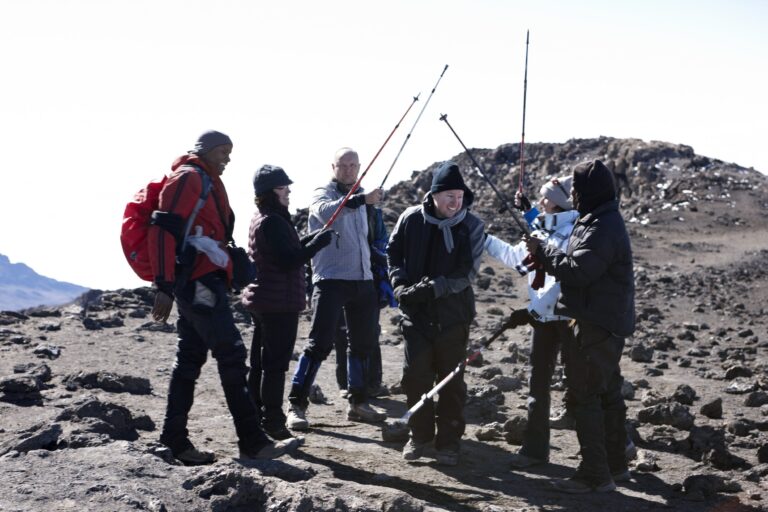
Kilimanjaro Airport Vs Arusha For Climbers: The Definitive Guide 2026-2027
A comprehensive comparison of Kilimanjaro International Airport (JRO) and Arusha Airport (ARK) for trekkers planning a Mount Kilimanjaro climb, detailing pros, cons, and booking advice for...
View package details
Kilimanjaro Climb For Retired Couples: Planning Your Adventure 2026-2027
Planning a Kilimanjaro climb as a retired couple is an achievable and rewarding goal. This guide offers in-depth advice on route selection, physical preparation, essential gear, and the...
View package details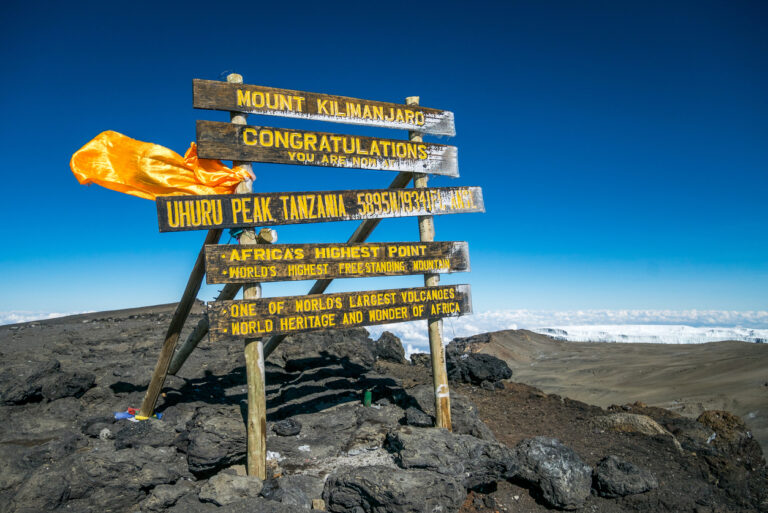
Kilimanjaro Training Plan For Climbers Over 60 2026-2027
Kilimanjaro Training Plan for Climbers over 60 is explained with current 2026-2027 planning, price, itinerary and booking information.
View package details
Can A 16-Year-Old Climb Kilimanjaro? Your Essential Guide 2026-2027
Discover if a 16-year-old can summit Kilimanjaro. This comprehensive guide covers age requirements, health, fitness, essential gear, and planning for younger trekkers aiming for Africa's...
View package detailsNo related package matches those filters. Clear one or more filters to see the other topic-matched options.



