
The fastest Kilimanjaro climb on crutches was achieved by John Sandford Hart, demonstrating extraordinary determination and resilience. While specific timings for such unique ascents are not always officially recorded as standard speed records, Hart’s achievement highlights that with meticulous planning, specialized support, and a strong mental fortitude, reaching Uhuru Peak is possible even with significant physical challenges. For those inspired by this feat and planning their own Kilimanjaro climb for 2026 or 2027, understanding the logistics, route suitability, and the critical role of experienced guides like those at Top Guide Adventures is paramount.

The Unprecedented Achievement: John Sandford Hart’s Kilimanjaro Climb on Crutches
The story of John Sandford Hart’s ascent of Mount Kilimanjaro is a powerful testament to human spirit and the potential for overcoming perceived limitations. In an endeavor typically undertaken by those with full physical mobility, Hart set out to conquer Africa’s highest peak using crutches. This was not merely a symbolic gesture; it was a rigorously planned expedition that required immense physical conditioning, strategic route selection, and unparalleled support from his expedition team. While the precise time taken for his ascent might not be cataloged in the same vein as standard speed records, the sheer accomplishment of reaching the summit of Kilimanjaro on crutches is a monumental feat that has inspired many.
Hart’s journey underscores a vital point for all Kilimanjaro aspirants: the mountain demands respect, preparation, and a deep understanding of one’s own capabilities and limitations. For individuals facing physical challenges, such as the need for mobility aids like crutches, the planning phase becomes even more critical. It involves not just acclimatization and fitness but also a specialized approach to gear, logistics, and the selection of a guiding company that possesses the expertise and willingness to support unique requirements. Top Guide Adventures recognizes that every climber is an individual with unique needs and is dedicated to providing this level of tailored support, ensuring that the dream of reaching Kilimanjaro’s summit is accessible to as many people as possible.
Understanding the Challenges of Kilimanjaro for Any Climber
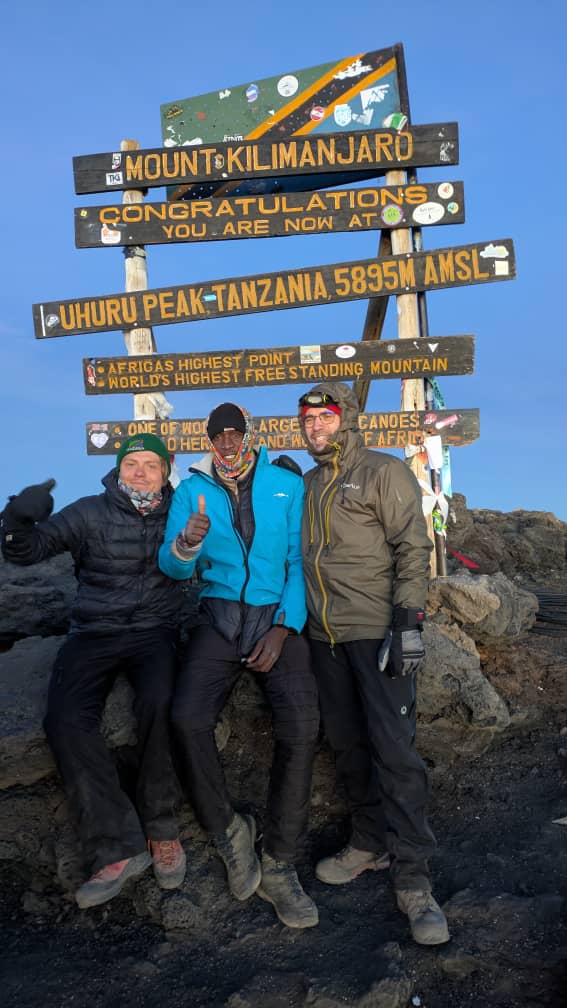
Before delving into the specifics of climbing with mobility aids, it’s essential to appreciate the inherent difficulties of Kilimanjaro itself. As the world’s tallest free-standing mountain, its altitude is the primary adversary. The summit, Uhuru Peak, stands at 5,895 meters (19,341 feet). This extreme altitude leads to a phenomenon known as altitude sickness, which can manifest in various ways, from mild headaches and nausea to severe and life-threatening conditions like High Altitude Pulmonary Edema (HAPE) and High Altitude Cerebral Edema (HACE).
Beyond altitude, climbers face:
- Steep and Uneven Terrain: The trails are often rocky, slippery, and steep, demanding significant leg strength, balance, and endurance.
- Variable Weather Conditions: Kilimanjaro experiences drastic weather changes. Climbers can encounter tropical heat at the base, followed by rain, mist, high winds, and freezing temperatures near the summit, often within the same day.
- Long Trekking Days: Most routes involve trekking for 5-9 hours daily, with summit night being the most demanding, often lasting 10-14 hours or more.
- Physical and Mental Endurance: The combination of altitude, terrain, and duration requires exceptional physical fitness and a strong mental resolve to push through discomfort and fatigue.
Adapting the Climb for Mobility Challenges: Lessons from John Sandford Hart’s Expedition
John Sandford Hart’s success on Kilimanjaro was not accidental. It was the result of careful consideration and adaptation of standard climbing protocols. His expedition likely involved several key strategies:
1. Route Selection: The Machame Route Advantage
While various routes traverse Kilimanjaro, some are more suitable for climbers facing mobility challenges. The Machame Route, often referred to as the “Whiskey Route,” is frequently recommended for its scenic beauty and relatively gradual ascent profile, which aids acclimatization. It is also considered one of the more physically demanding routes in terms of daily distances but offers excellent acclimatization, which is crucial for any climber, but especially for those with added challenges.
For an ascent on crutches, a route with:
- Wider Trails: Provides more space for maneuvering crutches.
- Less Scree and Loose Rock: Reduces the risk of slips and provides a more stable surface.
- Gradual Inclines: Helps manage energy expenditure and reduce strain.
- Sufficient Campsites with Relatively Flat Ground: Essential for rest and recovery.
The Machame Route, despite its challenges, offers a good balance. Its switchback system can sometimes create steeper sections, but overall, its acclimatization profile is superior. For a climber like John Sandford Hart, working with guides to navigate specific challenging sections and ensuring the path is as clear as possible would have been vital.
2. Specialized Gear and Support
Standard hiking gear is insufficient for a climb like this. Hart’s expedition would have required:
- Customized Crutches: Lightweight, durable crutches designed for rugged terrain, possibly with specialized tips for grip on rock and scree. Collapsible or modular designs might also be considered for easier packing and transport.
- High-Grip Footwear (for guides): Essential for assisting the climber.
- Extensive Support Crew: A larger-than-usual team of experienced guides and porters would be necessary. These individuals would not only carry essential gear but also provide direct physical assistance, helping to stabilize the climber on steep sections, clear the path, and offer encouragement.
- Trekking Poles: Even with crutches, trekking poles can offer additional balance and support for guides assisting the climber.
3. Pace and Acclimatization Strategy
The mantra on Kilimanjaro is “pole pole” (slowly, slowly). For an ascent on crutches, this principle is amplified. Hart’s climb would have prioritized:
- Extended Itinerary: Opting for longer routes (e.g., 7 or 8 days on Machame) provides more time for acclimatization and reduces daily exertion. This is non-negotiable for any climber, but critical for those with mobility impairments.
- Shorter Daily Stages: Breaking down the trek into smaller, manageable segments.
- Frequent Breaks: Allowing ample time for rest, hydration, and monitoring of physical condition.
- Focus on Hydration and Nutrition: Crucial for energy levels and acclimatization.
4. Mental Fortitude and Teamwork
The psychological aspect of climbing Kilimanjaro is immense. For someone like John Sandford Hart, the mental strength required to persevere with crutches on challenging terrain would have been extraordinary. This journey relies heavily on:
- Unwavering Determination: The will to keep going despite pain, fatigue, and the sheer difficulty of the task.
- Trust in the Team: Absolute faith in the guides and porters to provide safety, support, and expertise.
- Positive Mindset: Maintaining a hopeful and focused outlook throughout the expedition.
Planning Your Kilimanjaro Climb for 2026-2027: A Comprehensive Guide
Inspired by John Sandford Hart’s achievement, you might be considering your own Kilimanjaro adventure for 2026 or 2027. Here’s how to plan effectively with Top Guide Adventures.
Choosing the Right Route for 2026-2027
While Hart’s success provides inspiration, the choice of route depends on individual fitness, acclimatization needs, and desired experience. For most climbers, especially those new to high-altitude trekking, routes offering better acclimatization are recommended:
- Machame Route (7 days): Popular for its excellent acclimatization profile and scenic beauty. It’s challenging but rewarding.
- Lemosho Route (8 days): Similar to Machame but offers a longer, more gradual ascent, starting in a more remote area, providing a richer wilderness experience and superior acclimatization. This is often considered the best route for overall success rates and enjoyment.
- Northern Circuit (9 days): The longest route, offering the best acclimatization and highest success rates. It circles the mountain, providing unique views and a less crowded experience.
For climbers with specific mobility concerns, discussing these options with Top Guide Adventures is essential. We can help assess which route, with appropriate modifications and support, would be most suitable for your individual needs. For 2026 and 2027 departures, booking early is advised to secure preferred dates and team compositions.
When to Climb: Best Seasons for 2026-2027
Kilimanjaro can be climbed year-round, but certain periods offer more favorable weather:
- Dry Seasons: June to October and December to March are considered the best times. These months generally offer clearer skies, less rain, and more stable temperatures.
- Shoulder Seasons: April, May, and November are typically the wettest months and are best avoided if possible, though they offer fewer crowds and potentially lower prices.
For 2026 and 2027, the peak dry seasons (June-October 2026, December 2026-March 2027, and June-October 2027) are expected to be the most popular. Booking your 2026 or 2027 climb during these periods will provide the best chance for good weather, but also means competition for spots will be higher.
Fitness and Preparation for 2026-2027 Climbs
Physical preparation is crucial. Even without specific mobility challenges, Kilimanjaro demands a good level of fitness. For climbers with any pre-existing conditions or mobility aids, a more rigorous and tailored training plan is necessary:
- Cardiovascular Endurance: Focus on activities like hiking (with inclines), running, cycling, or swimming for at least 3-4 days a week.
- Strength Training: Concentrate on leg strength (squats, lunges), core stability, and upper body strength for using crutches effectively.
- Hiking Practice: Simulate trekking conditions as much as possible. If using crutches, incorporate practice hikes with them, gradually increasing distance and elevation.
- Altitude Simulation (if possible): While not always feasible, spending time at moderate altitudes can help.
- Medical Consultation: Consult your doctor well in advance of your 2026 or 2027 climb. Discuss your plans, especially if using mobility aids, to ensure you are medically cleared and receive specific advice.
Essential Gear for Your Kilimanjaro Expedition
Beyond standard trekking gear (layers of clothing, waterproofs, sturdy boots), specific items are vital:
- High-Quality Sleeping Bag: Rated for temperatures down to -10°C (15°F).
- Headlamp: With extra batteries, essential for summit night.
- Sun Protection: High SPF sunscreen, sunglasses, and a wide-brimmed hat.
- Personal First-Aid Kit: Including any personal medications.
- Water Bottles/Hydration System: Insulated to prevent freezing.
- Snacks: High-energy snacks you enjoy.
For climbers using crutches, discussing specialized gear needs with Top Guide Adventures is recommended. We can advise on any specific equipment or modifications that might be beneficial for your 2026-2027 climb.
The Role of Top Guide Adventures in Your Kilimanjaro Journey
Choosing the right tour operator is perhaps the most critical decision you’ll make. Top Guide Adventures is committed to providing safe, memorable, and personalized Kilimanjaro experiences. Our expertise includes:
- Experienced and Certified Guides: Our guides are highly trained in mountain rescue, first aid, and altitude sickness management. They are adept at assessing climber conditions and making crucial decisions for safety.
- Tailored Itineraries: We understand that not all climbs are the same. We work with clients to create itineraries that suit their pace, fitness level, and any specific requirements, including those for climbers using mobility aids.
- High Guide-to-Client Ratio: Ensuring that you receive ample attention and support throughout your trek.
- Quality Equipment and Logistics: We provide well-maintained camping gear, nutritious meals, and reliable transportation.
- Focus on Safety: Safety is our utmost priority. We carry comprehensive first-aid kits, oxygen cylinders, and have established emergency evacuation procedures.
For an ascent like John Sandford Hart’s, our team would conduct a thorough pre-climb consultation to understand the specific needs, assess potential challenges, and plan the necessary support structure. This includes discussing the feasibility of specific routes, the required number of support staff, and any gear modifications needed for a 2026 or 2027 expedition.
What’s Included in a Top Guide Adventures Kilimanjaro Package for 2026-2027?
Our standard Kilimanjaro packages for 2026 and 2027 typically include:
- Park fees and rescue fees
- Accommodation before and after the climb (often in Moshi or Arusha)
- All meals during the trek
- Trekking and camping equipment (tents, sleeping mats)
- Trained guides, cook, and porters
- Bottled water during the trek (or water purification systems)
- Portable toilet
- Emergency oxygen and comprehensive first-aid kit
- Transfer to and from the mountain gate
Exclusions usually cover personal climbing gear, sleeping bags, tips for the crew, travel insurance, visas, and personal expenses. For climbers with special requirements, we can discuss customized inclusions.
Pricing and Booking for 2026-2027 Climbs
Kilimanjaro climb prices vary based on the route chosen, the duration of the trek, the number of climbers in a group, and the level of service. Top Guide Adventures offers competitive pricing for 2026 and 2027 climbs, ensuring value without compromising safety or quality.
Our pricing structure is transparent. We recommend contacting us directly for a personalized quote based on your specific needs and desired dates for 2026 or 2027. We can accommodate private climbs for individuals or groups, allowing for maximum flexibility in planning.
To inquire about availability and get a quote for your 2026 or 2027 Kilimanjaro climb, or to discuss specific needs related to mobility challenges, please reach out to us:
- WhatsApp: +255616946642
- Email: topguideadventures@gmail.com
- Backup Email: info@topguideadventures.com
Beyond the Summit: The Importance of Post-Climb Support
Reaching Uhuru Peak is an incredible achievement, but the journey doesn’t end there. The descent can be challenging, especially for those who have exerted themselves to their limit. Proper care and support during the descent are crucial.
Top Guide Adventures ensures that our clients are well-supported throughout the descent. This includes:
- Careful Pacing: The descent is faster than the ascent, and care must be taken to avoid injuries, especially on steep, loose terrain.
- Hydration and Nutrition: Continuing to focus on fluid intake and balanced meals is important for recovery.
- Monitoring for Symptoms: Guides remain vigilant for any signs of altitude sickness that might manifest during or after the descent.
- Comfortable Accommodation: Upon returning to Moshi, you’ll have comfortable lodging to rest and recuperate.
For climbers who have faced significant physical challenges, like using crutches, the descent requires as much attention as the ascent. Our team is prepared to provide continuous support, ensuring a safe return to the base of the mountain.
John Sandford Hart’s Kilimanjaro: A Beacon of Possibility
John Sandford Hart’s climb on crutches is more than just a personal triumph; it’s a powerful statement about accessibility and the human capacity to achieve extraordinary goals. It challenges conventional notions of what is possible and inspires others with physical limitations to consider their own adventurous aspirations.
At Top Guide Adventures, we are inspired by such stories and are committed to making Kilimanjaro accessible. While we may not have specific packages designed for crutch-assisted climbs, we pride ourselves on our ability to customize expeditions. If you are considering a Kilimanjaro climb for 2026 or 2027 and have unique requirements, we encourage you to contact us. We believe that with the right planning, support, and a dedicated team, the summit of Kilimanjaro can be within reach for a wider range of adventurers.
Ready to plan your 2026 or 2027 Kilimanjaro adventure? Whether you’re inspired by John Sandford Hart’s incredible journey or have your own reasons for climbing, Top Guide Adventures is here to help you achieve your dream. Contact us today to discuss your personalized climb:
- WhatsApp: +255616946642
- Email: topguideadventures@gmail.com
- Website: Top Guide Adventures
- TripAdvisor Reviews: See what our clients say!
- Instagram: Follow us for inspiration!
We look forward to helping you plan an unforgettable Kilimanjaro experience for 2026 or 2027!
Check Availability for Fastest Kilimanjaro Climb On Crutches – John Sandford Hart Guide
Ready to compare dates, prices, and the best option for your group? Send the package name and travel month so the team can reply with a clear quote, availability, and what is included.
Kilimanjaro Climb With Amboseli Safari Extension: Your Ultimate Tanzania
Experience the pinnacle of African adventure by combining a challenging Kilimanjaro climb with a impressive safari in Amboseli National Park. This guide details itineraries, costs, best...
View package details
13-Day Kilimanjaro Climb, Cultural Tour & Zanzibar Holiday: Your Ultimate
This 13-day itinerary offers an unparalleled Tanzanian experience, blending the thrill of conquering Mount Kilimanjaro with deep cultural exploration and the serene beauty of Zanzibar...
View package details
Kilimanjaro Questions To Ask During Your Briefing For Climbs 2026-2027
Before embarking on your Kilimanjaro adventure, a thorough briefing is crucial. This guide outlines the most important questions to ask your tour operator to ensure you're fully prepared...
View package details
Kilimanjaro Contract Terms You Should Understand For Your Climb 2026-2027
Navigating the fine print of your Kilimanjaro climb contract is crucial. This guide breaks down essential terms, from payment schedules and cancellation policies to what's included and...
View package details
What A Kilimanjaro Mountain Crew Should Provide For Your Climb 2026-2027
Planning a Kilimanjaro climb? Understand precisely what your mountain crew needs to provide, from essential gear and experienced guides to food, safety, and logistical support. This...
View package details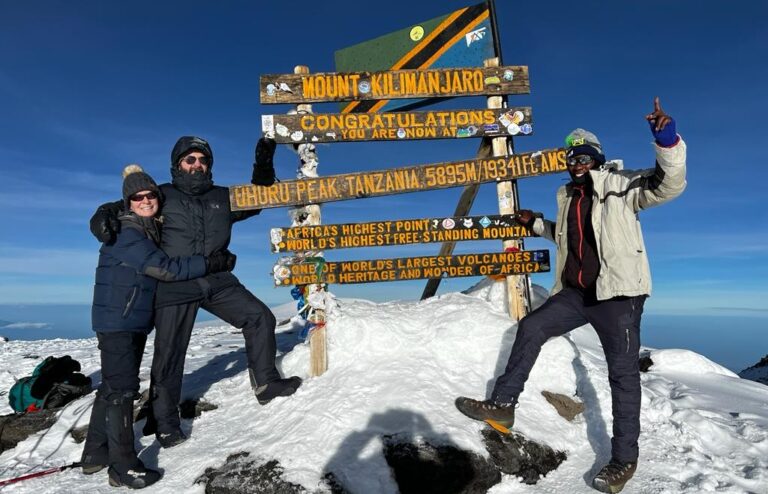
How To Compare Kilimanjaro Package Inclusions For Your Climb 2026-2027
Choosing the right Kilimanjaro climb package in 2026 or 2027 involves meticulously comparing what's included. This guide breaks down essential inclusions like park fees, guide/porter...
View package details
Kilimanjaro Booking Checklist For First-Time Climbers: Your Essential Guide
Planning your first Kilimanjaro climb in 2026 or 2027? This detailed checklist covers everything from choosing a route and operator to packing and acclimatization, ensuring a well-prepared...
View package details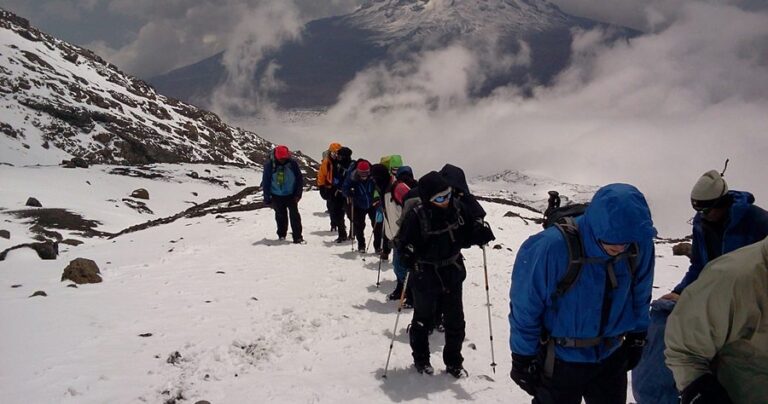
Questions Your Kilimanjaro Operator Should Answer For A Successful Climb
Choosing the right Kilimanjaro operator is crucial for a safe and memorable climb. This comprehensive guide details the essential questions you must ask your potential tour operator...
View package details30 Things To Know Before Booking Kilimanjaro: Your Expert Guide For Climbs
Your ultimate checklist for booking a Kilimanjaro climb in 2026-2027. This guide covers everything from choosing the right route and understanding costs to essential gear and preparation...
View package details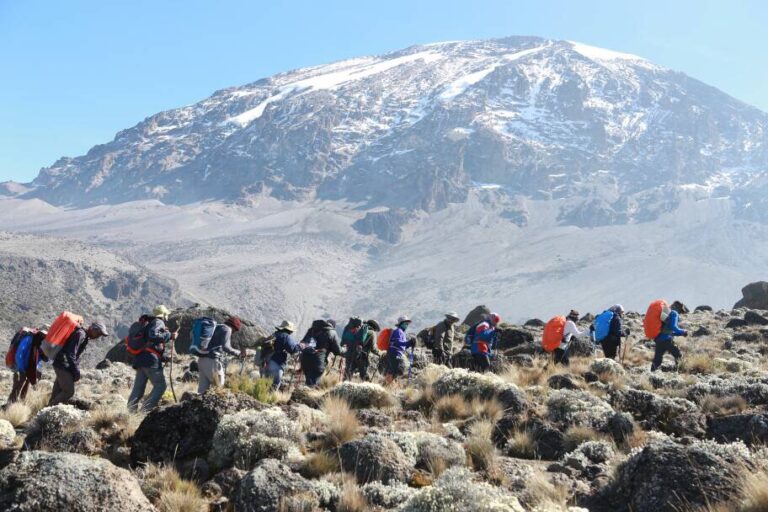
Kilimanjaro Group-Climb Mistakes: Avoid Common Pitfalls For A Successful
This guide details common Kilimanjaro group-climb mistakes, offering practical advice for trekkers aiming for a successful summit. Learn about preparation, acclimatization, gear, and...
View package details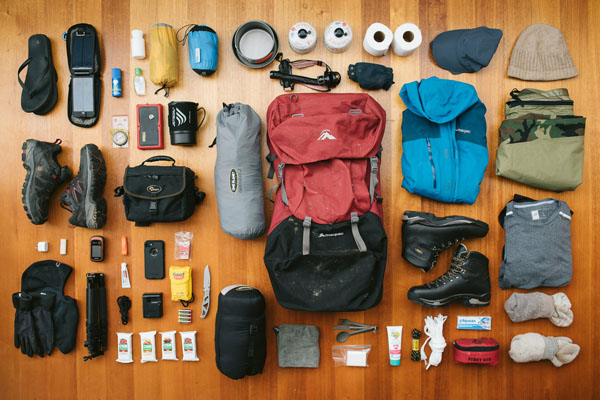
Kilimanjaro Gear-Rental Mistakes To Avoid For Your Climb 2026-2027
Planning a Kilimanjaro climb for 2026 or 2027? Renting gear can save money and hassle, but mistakes are common. This guide details the most frequent errors climbers make when renting...
View package details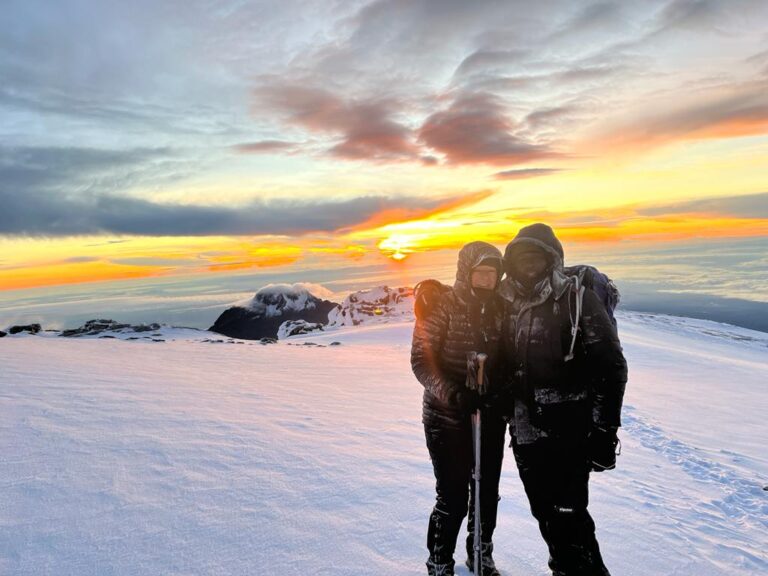
Kilimanjaro Hotel Booking Mistakes: Avoid These Pitfalls For A Smooth Climb
Booking accommodation near Kilimanjaro is crucial for a successful climb. This guide details common Kilimanjaro hotel booking mistakes to help you avoid them, ensuring comfort and readiness...
View package detailsNo related package matches those filters. Clear one or more filters to see the other topic-matched options.



