
Climbing Kilimanjaro in November offers generally good weather with fewer crowds and potentially lower prices than December, characterized by drier conditions post-rainy season. December, while also a good climbing month, sees an increase in trekkers and can experience slightly more variable weather as the short rainy season begins, though it remains a popular choice due to the festive season and continued dry spells.
November vs December Kilimanjaro Climbing: A Comprehensive Comparison for 2026-2027 Trekkers
The decision of when to summit Kilimanjaro is crucial for a successful and enjoyable trek. Among the prime trekking months, November and December stand out as popular choices, each presenting a unique set of advantages and considerations. For trekkers planning their 2026-2027 adventure, understanding the subtle yet significant differences between these two months is key to choosing the optimal time for their ascent. This detailed comparison will explore the weather patterns, crowd levels, route availability, costs, and overall experience of climbing Kilimanjaro in November versus December, equipping you with the knowledge needed to make an informed decision with Top Guide Adventures.
Understanding Kilimanjaro’s Climate Seasons
Before diving into the specifics of November and December, it’s essential to grasp Kilimanjaro’s general climate. The mountain experiences distinct seasons dictated by rainfall and temperature. These are broadly categorized as:
- Dry Seasons: January to March (long dry season) and June to October (short dry season). These are typically the most popular times to climb due to stable weather.
- Rainy Seasons: April to May (long rains) and November to early December (short rains). These periods see increased precipitation, which can impact climbing conditions.
November and December fall on the cusp of the short rainy season and the beginning of the long dry season, respectively. This transitional period is what makes comparing them particularly interesting.
Kilimanjaro Weather in November
November marks the end of the main rainy season and the beginning of the short rains. However, this period often offers a mixed bag of weather that can still be very favorable for climbing.
Temperature Ranges in November
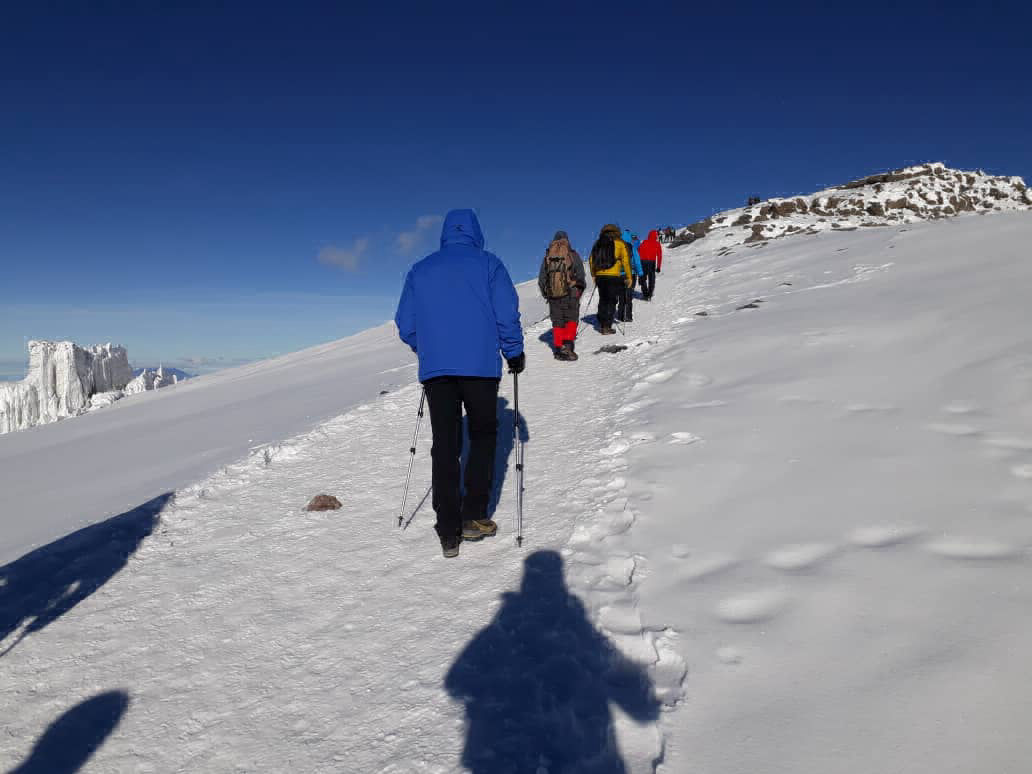
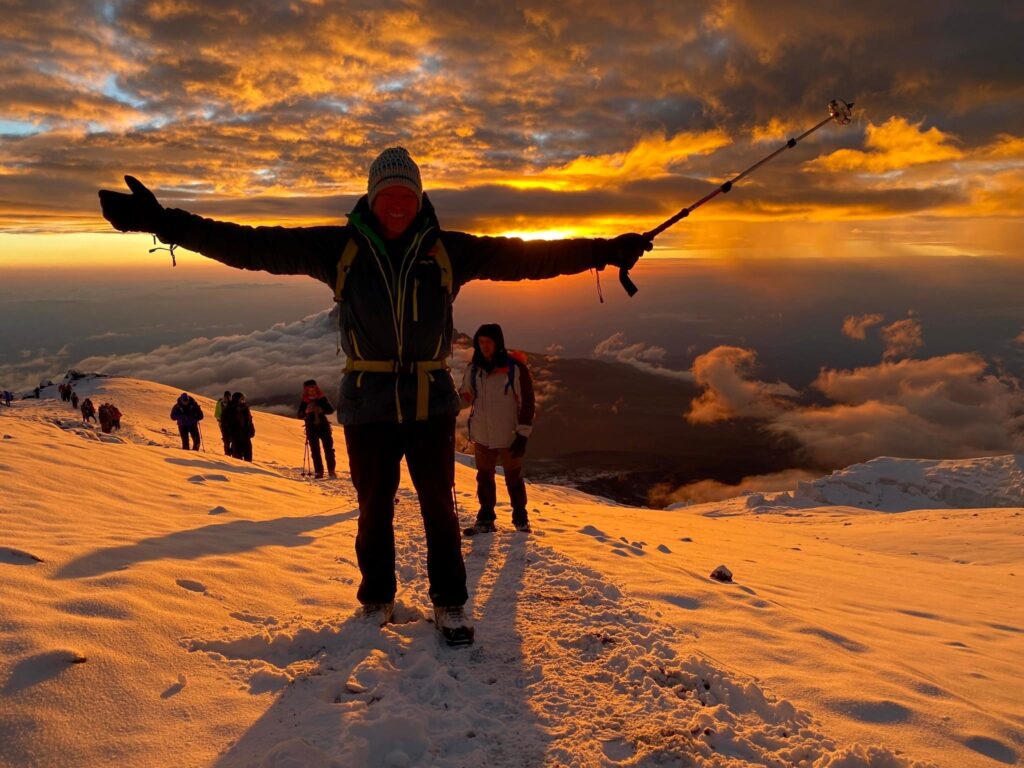
Temperatures on Kilimanjaro vary significantly with altitude. On the lower slopes, daytime temperatures can be pleasantly warm, often in the range of 20-25°C (68-77°F). As you ascend, temperatures drop dramatically. At the summit (Uhuru Peak, 5,895m / 19,341ft), expect temperatures to be well below freezing, typically ranging from -5°C to -15°C (23°F to 5°F), and potentially colder with wind chill.
In November, the transition from warmer, wetter conditions to cooler, drier ones means you might experience:
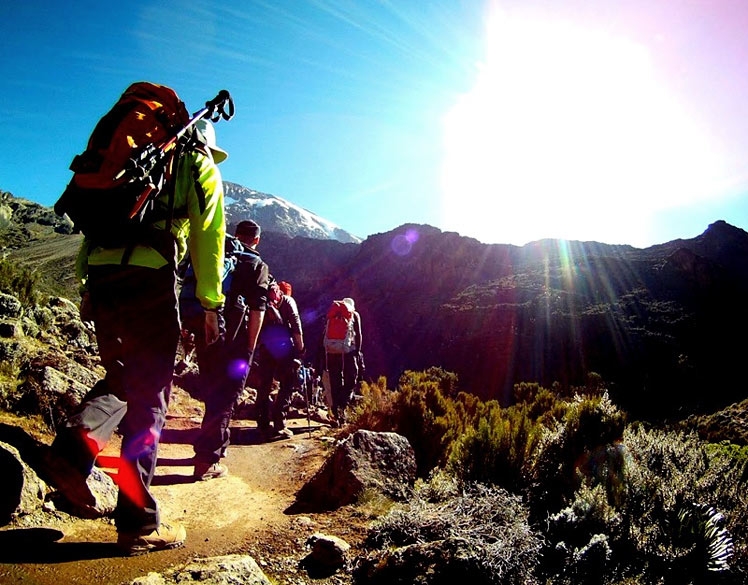
- Lower Slopes: Warm and humid, potentially with passing showers.
- Mid-Altitudes: Cooler, with temperatures dropping significantly as you gain elevation. Rain is less frequent but can occur.
- High Altitudes & Summit: Cold to freezing, with potential for snow and ice.
Rainfall Patterns in November
November is part of the ‘short rains’ season. This doesn’t mean continuous downpours, but rather intermittent showers. These are often brief, occurring in the afternoon or overnight, and can sometimes be heavy. However, they are typically less intense and shorter-lived than the main rainy season (April-May).
The advantage of November is that the heavy rains of October have usually subsided, and the ground can be quite lush and green, offering beautiful scenery. The showers often clear up, leaving sunny periods, especially in the mornings.
Visibility and Cloud Cover in November
Cloud cover can be a factor in November. Mornings are often clearer, with clouds building up in the afternoons. This can sometimes obscure summit views during the day. However, clear spells are common, and the scenery can be dramatic with mist rolling through the forests.
Wind Conditions in November
Wind speeds can increase with altitude, especially on the exposed upper slopes and during the summit night. While November isn’t typically characterized by extreme winds, standard precautions for cold and windy conditions at high altitudes are necessary.
Kilimanjaro Weather in December
December marks the transition from the short rains into the start of the long dry season. It’s generally considered a good month for climbing, often with more stable weather than November.
Temperature Ranges in December
Similar to November, temperatures in December vary greatly with altitude:
- Lower Slopes: Pleasant daytime temperatures, around 20-25°C (68-77°F).
- Mid-Altitudes: Cooler, with temperatures decreasing as you climb.
- High Altitudes & Summit: Consistently freezing, from -5°C to -15°C (23°F to 5°F), with wind chill a significant factor.
December generally sees a trend towards drier and cooler conditions as the month progresses, moving into the more predictable dry season.
Rainfall Patterns in December
While early December can still see lingering effects of the short rains, the latter half of the month typically becomes much drier. The frequency and intensity of rainfall decrease significantly compared to November. This means fewer unexpected showers and more consistent trekking days.
The landscape, having benefited from the preceding rains, remains vibrant.
Visibility and Cloud Cover in December
Visibility in December is often better than in November. Mornings are generally clear, and while afternoon clouds can still form, they are less likely to bring significant rainfall. This can lead to more consistent and expansive views throughout the trek, especially on the upper slopes and during the summit attempt.
Wind Conditions in December
Wind conditions are comparable to November, with increased intensity at higher altitudes. However, as the dry season begins, the air can feel crisper, and wind chill remains a primary concern for summit night.
Comparing Crowd Levels: November vs December
Crowd levels are a significant factor for many trekkers. Both November and December are outside the peak dry seasons (June-October and January-March), meaning they are generally less crowded. However, there are distinctions.
November Crowds
November typically experiences fewer trekkers than December. This is partly due to its position within the short rainy season, which deters some potential climbers. If you prefer a more solitary experience on the mountain, November can be an excellent choice.
Fewer people mean:
- Less competition for campsites.
- More personal attention from guides and porters.
- A generally quieter atmosphere on the trails.
December Crowds
December sees a noticeable increase in trekkers compared to November. This surge is driven by several factors:
- Holiday Season: Many people take advantage of Christmas and New Year holidays to travel.
- Transition to Dry Season: As the month progresses, the weather becomes more stable, attracting those who want good conditions without the peak season crowds.
- End-of-Year Travel: A common time for people to tick off bucket-list items.
While December is busier than November, it is still significantly less crowded than the absolute peak months of January, February, or July.
Route Availability and Experience
Both November and December are suitable for climbing Kilimanjaro via all major routes. The choice of route is more dependent on your personal preferences for scenery, acclimatization profile, and difficulty rather than the month itself.
Popular Routes in November and December
Routes like Machame, Lemosho, and Marangu are popular year-round. For trekkers in November and December, consider:
- Machame Route: Known for its scenic beauty and good acclimatization profile. It’s popular in both months.
- Lemosho Route: Offers a more remote start and excellent acclimatization, making it a great choice for those seeking a quieter experience, particularly in November.
- Marangu Route: The ‘Coca-Cola’ route, famous for its hut accommodation. It can be busier due to its accessibility.
- Rongai Route: Approaches from the north and is generally drier, making it a good option for the wetter shoulder seasons like November.
The experience on the mountain will be influenced by the crowds. In November, you’re more likely to have campsites and trails feel less congested. In December, especially during the latter half, you’ll encounter more fellow trekkers, particularly on the more popular routes.
Cost Considerations: November vs December
Pricing for Kilimanjaro climbs can fluctuate based on the season, operator, and specific inclusions. Generally, shoulder months like November and December can offer slightly more competitive pricing than the absolute peak dry seasons.
November Pricing
November, being on the edge of the rainy season and having fewer crowds, may sometimes present opportunities for slightly better deals on tour packages. Operators might offer competitive pricing to fill spots during this less-popular shoulder period. However, the difference might not be dramatic, as park fees and operational costs remain relatively stable.
December Pricing
December, especially the latter half, can see prices remain stable or even increase slightly due to the holiday demand. While not a peak season price hike, you might find fewer ‘off-season’ discounts compared to November. The demand driven by holiday travel can offset any potential off-season reductions.
Key Cost Factors to Consider for 2026-2027 Treks:
- Operator Choice: Reputable operators like Top Guide Adventures maintain consistent quality and safety standards, which are reflected in their pricing. Cheaper operators may cut corners on essential services like crew welfare, food quality, or safety equipment.
- Route Length: Longer routes offer better acclimatization and higher success rates but cost more due to more days of service.
- Group Size: Private climbs are more expensive than group climbs. Joining a scheduled group departure can be more economical.
- Inclusions: Ensure your package includes park fees, rescue fees, meals, accommodation before/after the climb, experienced guides, porters, and quality equipment.
For specific pricing for 2026-2027 expeditions, it’s always best to get a direct quote from your chosen operator. Top Guide Adventures can provide detailed itineraries and pricing based on your preferred route and dates.
Success Rates and Acclimatization
Success rates on Kilimanjaro are influenced by many factors, including the chosen route, the duration of the trek, the climber’s physical condition, and crucially, acclimatization. Both November and December can offer good success rates, provided the right route and pace are chosen.
November Success Rates
With fewer crowds in November, trekkers might feel less pressure to rush, allowing for a more relaxed pace that aids acclimatization. The potential for intermittent rain doesn’t significantly hinder acclimatization itself, though it can make the trek more challenging and potentially colder. Longer routes (7-8 days) are always recommended for better acclimatization and higher success rates, regardless of the month.
December Success Rates
December’s generally drier conditions can make the trek more comfortable, potentially leading to better morale and energy levels, which indirectly support acclimatization. As the month progresses and transitions into the dry season, visibility and more predictable weather can contribute to a positive climbing experience. Again, choosing a longer route (7-8 days) is paramount for maximizing success rates in December 2026 or 2027.
Top Tip for Success: Regardless of the month, always opt for a trek of at least 7 days. The extra day significantly improves acclimatization and success rates. Shorter treks (5-6 days) have much lower success rates, as they do not allow the body sufficient time to adapt to the extreme altitude.
What to Pack: November vs December
The packing list for Kilimanjaro is extensive, focusing on layers and protection against extreme cold, wind, and sun. While the core items remain the same, there are subtle differences in emphasis for November and December.
Packing for November
Given the possibility of short rains, emphasis should be placed on excellent waterproofs:
- Waterproof Outerwear: High-quality waterproof and windproof jacket and trousers are essential.
- Waterproof Boots: Ensure your hiking boots are well-waterproofed and broken in.
- Waterproof Bag Covers: For your backpack and duffel bag.
- Quick-Drying Layers: Synthetic or merino wool base layers.
- Insulation: Fleece jackets, down jacket for summit night.
- Warm Accessories: Warm hat, gloves (waterproof outer pair recommended), balaclava.
Packing for December
December’s conditions are slightly more stable and drier, but the cold at altitude remains extreme. The focus is still on layering and protection, with perhaps slightly less emphasis on heavy rain gear, though it’s still crucial.
- Layering System: Base, mid, and outer layers are critical.
- Insulated Jacket: A warm down or synthetic jacket is non-negotiable for summit night.
- Warm Headwear and Gloves: Essential for combating the cold and wind. Consider liner gloves and waterproof outer gloves.
- Sun Protection: High SPF sunscreen, sunglasses, and a wide-brimmed hat are vital due to the strong equatorial sun at altitude, even when cold.
- Hydration System: Insulated water bottles or hydration packs to prevent freezing.
General Packing Advice for Both Months:
- Good Quality Sleeping Bag: Rated to at least -10°C (0°F) or -20°C (-4°F).
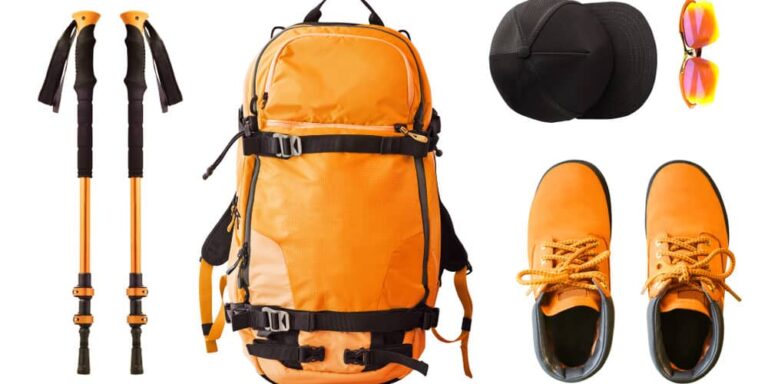
- Trekking Poles: Essential for stability and reducing strain on knees.
- Headlamp: With extra batteries for summit night.
- First-Aid Kit: Personal medications and basic supplies.
Top Guide Adventures provides a comprehensive packing list upon booking, tailored to the specific route and time of year.
Pros and Cons: November vs December Kilimanjaro Climbing
To summarize the comparison, here are the key advantages and disadvantages of climbing in each month:
November Kilimanjaro Climbing
Pros:
- Fewer Crowds: Offers a more serene and personal trekking experience.
- Potentially Lower Costs: May see slightly more competitive pricing from operators.
- Lush Scenery: The landscape is often vibrant and green following the preceding rains.
- Good Transition Weather: Moving from rain towards drier conditions, often with pleasant mornings.
Cons:
- Short Rains: Risk of intermittent showers, which can make trekking more challenging and colder.
- Variable Visibility: Afternoon cloud cover can sometimes impact views.
December Kilimanjaro Climbing
Pros:</n
- Improving Weather: Transitioning into the long dry season, generally becoming drier and more stable as the month progresses.
- Good Visibility: Often clearer skies, especially in the mornings, offering better views.
- Festive Atmosphere: For those who enjoy a bit of holiday cheer, the season can add a unique element.
- Still Relatively Uncrowded: While busier than November, it’s not as packed as the absolute peak months.
Cons:
- Increased Crowds: More trekkers on the mountain, especially in the latter half.
- Holiday Demand: May mean slightly less flexibility in pricing or availability compared to November.
- Lingering Short Rains: Early December can still experience some rain.
Making Your Choice for 2026-2027
When deciding between November and December for your 2026 or 2027 Kilimanjaro climb, consider your priorities:
- If you prioritize fewer people and potentially slightly better value: November might be your ideal month. Be prepared for the possibility of rain, but also for beautiful, green landscapes and a more solitary journey.
- If you prefer more stable, drier weather and don’t mind a few more trekkers: December is an excellent choice, especially the latter half of the month. The transition into the dry season offers great conditions for ascent.
Both months offer a fantastic opportunity to summit Kilimanjaro. The key is to choose an experienced operator like Top Guide Adventures, who can manage the conditions effectively and ensure your safety and comfort.
Important Note on 2026-2027 Planning
Booking your Kilimanjaro climb well in advance is highly recommended, especially if you are targeting popular dates in 2026 or 2027. For example, if you aim for the Christmas/New Year period in December 2026, securing your spot by mid-2025 would be prudent. Similarly, for November 2027, early to mid-2026 booking is advisable. This ensures availability of preferred routes, departure dates, and allows ample time for preparation.
Why Choose Top Guide Adventures for Your November or December Climb?
At Top Guide Adventures, we are committed to providing unforgettable Kilimanjaro experiences. Our expertise in navigating the mountain’s conditions, whether in the shoulder months of November or December, ensures your safety, comfort, and a high chance of success.
We offer:
- Experienced Local Guides: Our guides are certified, highly experienced, and possess deep knowledge of Kilimanjaro’s routes and weather patterns.
- Safety First Approach: We carry a comprehensive medical kit, sufficient oxygen, and have established emergency protocols.
- Quality Equipment: We provide high-quality tents, sleeping mats, and ensure our crew is well-equipped.
- Sustainable Tourism: We adhere to ethical practices, ensuring fair treatment and wages for our porters and crew.
- Tailored Itineraries: Whether you choose November or December 2026, 2027, or any other time, we can help you select the best route and duration for your needs.
Ready to plan your November or December 2026/2027 Kilimanjaro adventure?
Contact us today for personalized advice and a quote. Let Top Guide Adventures be your trusted partner in reaching the Roof of Africa.
WhatsApp: +255616946642
Email: topguideadventures@gmail.com
Backup Email: info@topguideadventures.com
Explore our group departures for 2026-2027 and find a date that suits you: Tanzania Safari & Kilimanjaro Group Departures.
Learn more about the popular Machame Route, including group departure dates: Machame Route Group Departures.
For more insights into Tanzania travel, visit our blog: Tanzania Safari Tours Blog.
Follow us on Instagram for stunning mountain views and travel inspiration: @top_guide_adventures.
Read reviews from satisfied clients on TripAdvisor: Top Guide Adventures TripAdvisor.
Visit our main website for comprehensive tour information: Top Guide Adventures Tanzania.
Check Availability for November Vs December Kilimanjaro Climbing Conditions Guide
Ready to compare dates, prices, and the best option for your group? Send the package name and travel month so the team can reply with a clear quote, availability, and what is included.
February Vs March Kilimanjaro Climbing Conditions 2026-2027
February vs March Kilimanjaro Climbing Conditions is explained with current 2026-2027 planning, price, itinerary and booking information.
View package details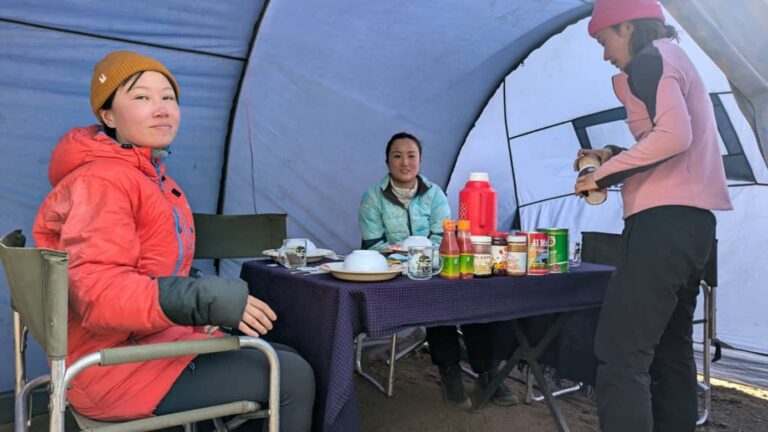
Best Kilimanjaro Route For December : Your Ultimate Climbing Guide 2026-2027
Choosing the best Kilimanjaro route for a December climb requires understanding the unique weather patterns and operational considerations of this popular month. While December marks the...
View package details
December Kilimanjaro Group Departures : Your Ultimate Climbing Guide 2026-2027
Planning a Kilimanjaro climb in December 2026? This comprehensive guide covers everything you need to know about group departures, including route options, weather expectations, packing...
View package details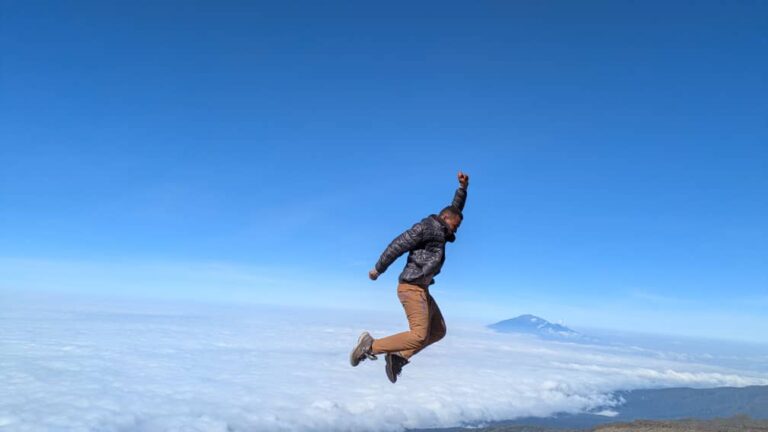
Kilimanjaro Climbing In December : Your Complete Planning Guide 2026-2027
This guide provides an in-depth look at climbing Mount Kilimanjaro in December 2026, covering everything from weather patterns and best routes to essential gear and booking advice. Prepare...
View package details
November Kilimanjaro Trail Conditions: Your Essential Guide 2026-2027
Climbing Kilimanjaro in November offers a unique experience with cooler temperatures, a higher chance of rain in the early days, and significantly fewer trekkers. This guide details trail...
View package details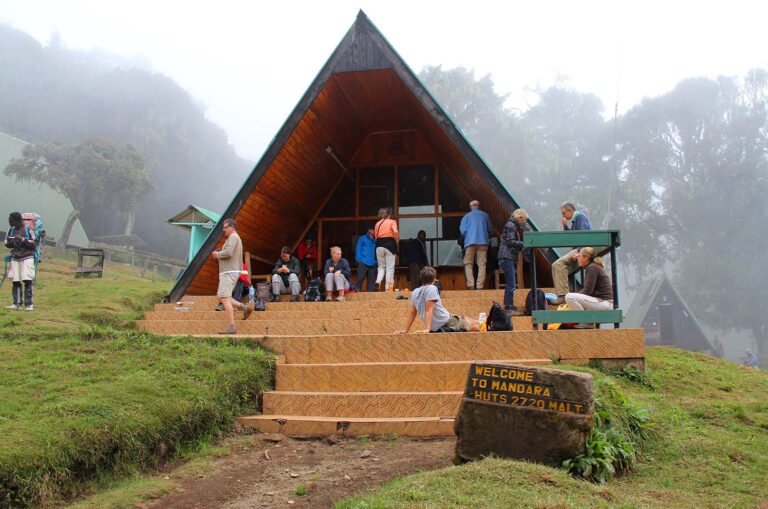
December Vs January Kilimanjaro Holiday Climb 2026-2027
December vs January Kilimanjaro Holiday Climb is explained with current 2026-2027 planning, price, itinerary and booking information.
View package detailsOctober Vs November Kilimanjaro Rainfall Guide 2026-2027
October vs November Kilimanjaro Rainfall Guide is explained with current 2026-2027 planning, price, itinerary and booking information.
View package details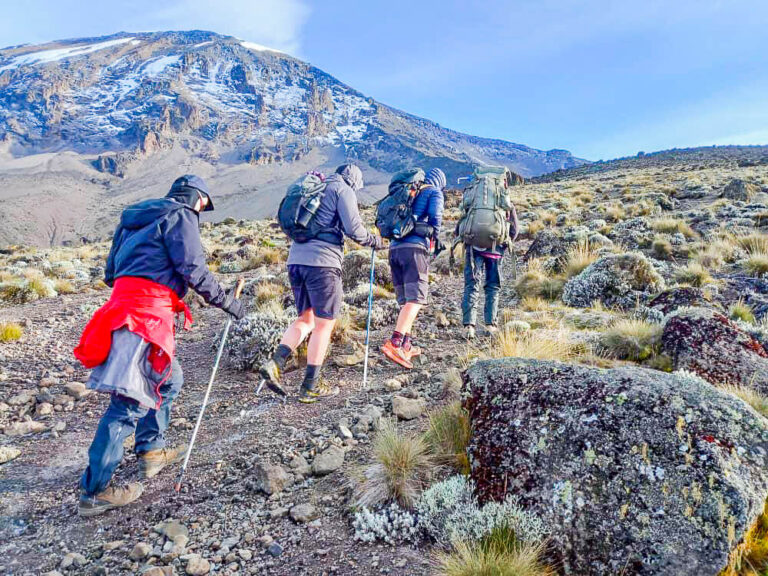
April Vs May Kilimanjaro Rain And Trail Conditions: Your Expert Guide
Deciding between April and May for your Kilimanjaro climb? This in-depth guide compares the rain, trail conditions, crowds, and overall experience for both months in 2026-2027 to help you...
View package details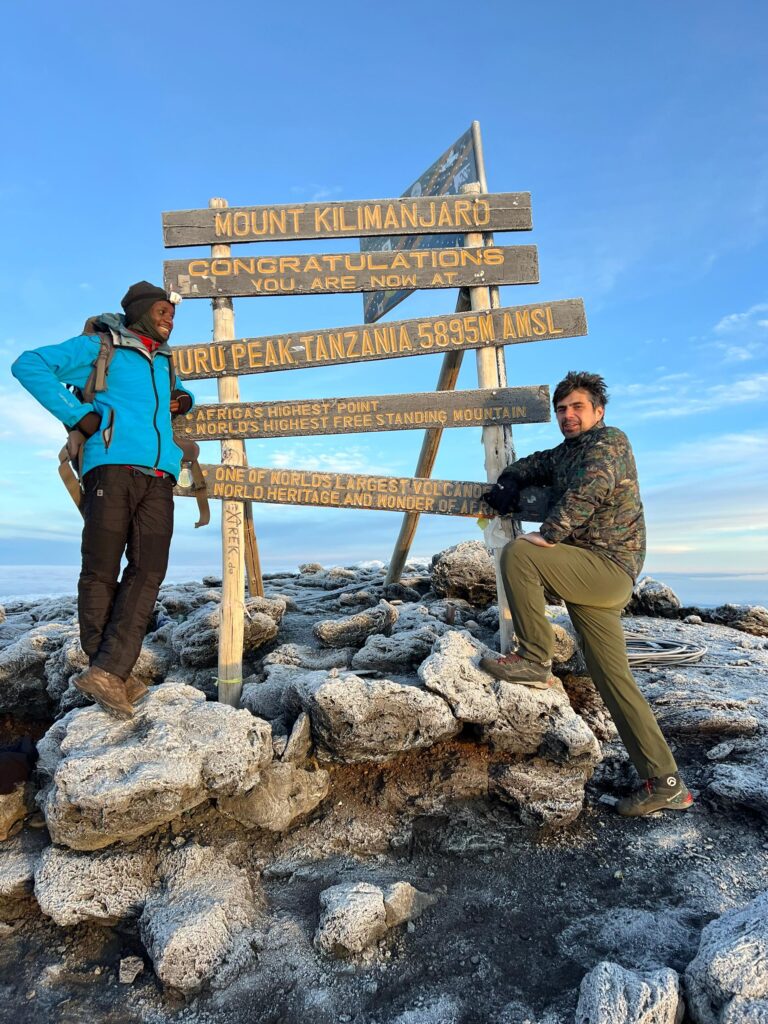
November Kilimanjaro Acclimatization-Focused Trek Guide
Discover essential strategies for a successful November Kilimanjaro climb, emphasizing acclimatization. This guide covers route selection, preparation, and what to expect during the...
View package details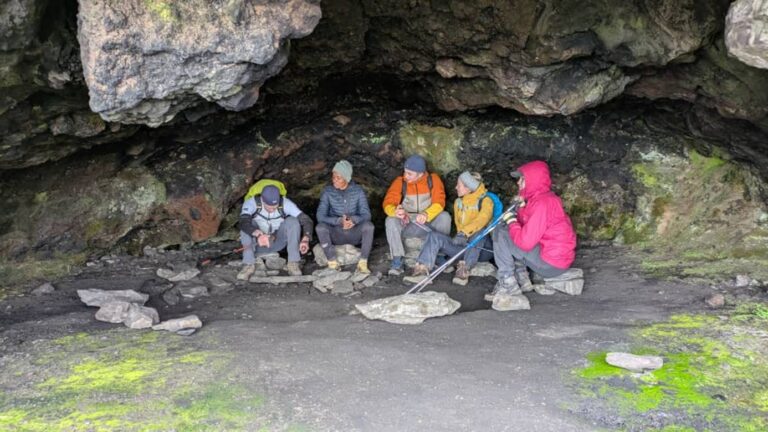
November Kilimanjaro Photography In The Short Rains: Your Ultimate Guide
Discover the unique photographic opportunities of climbing Kilimanjaro in November during the Short Rains. This guide covers optimal light, dramatic skies, vibrant landscapes, and essential...
View package detailsDecember Kilimanjaro Last-Minute Holiday Deals For Climbs 2026-2027
Planning a Kilimanjaro climb in December 2026 or 2027? Discover last-minute holiday deals, essential tips for winter ascents, and how Top Guide Adventures can make your dream a reality.
View package details
December Kilimanjaro Climb For Solo Travellers 2026-2027
December Kilimanjaro Climb for Solo Travellers is explained with current 2026-2027 planning, price, itinerary and booking information.
View package detailsNo related package matches those filters. Clear one or more filters to see the other topic-matched options.



