
Choosing the right month and route for your Kilimanjaro climb in 2026 or 2027 depends on your priorities: seeking the clearest skies, avoiding crowds, or maximizing acclimatization. Generally, the drier seasons from January to March and June to October offer the best climbing conditions with lower rainfall and clearer views. However, each month presents unique advantages and challenges, influencing route choice and overall experience. This comprehensive Kilimanjaro month-by-month route planner will guide you through the optimal times to ascend Africa’s highest peak.
Understanding Kilimanjaro’s Climatic Seasons
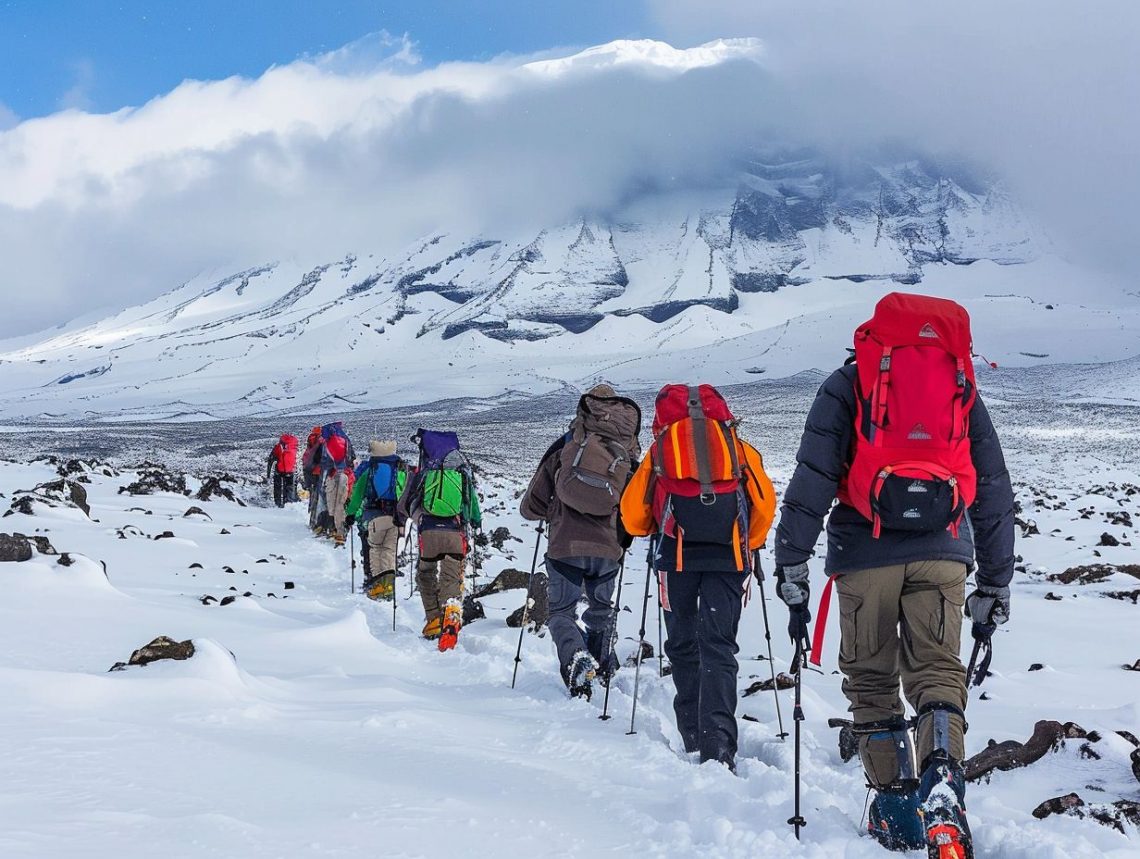
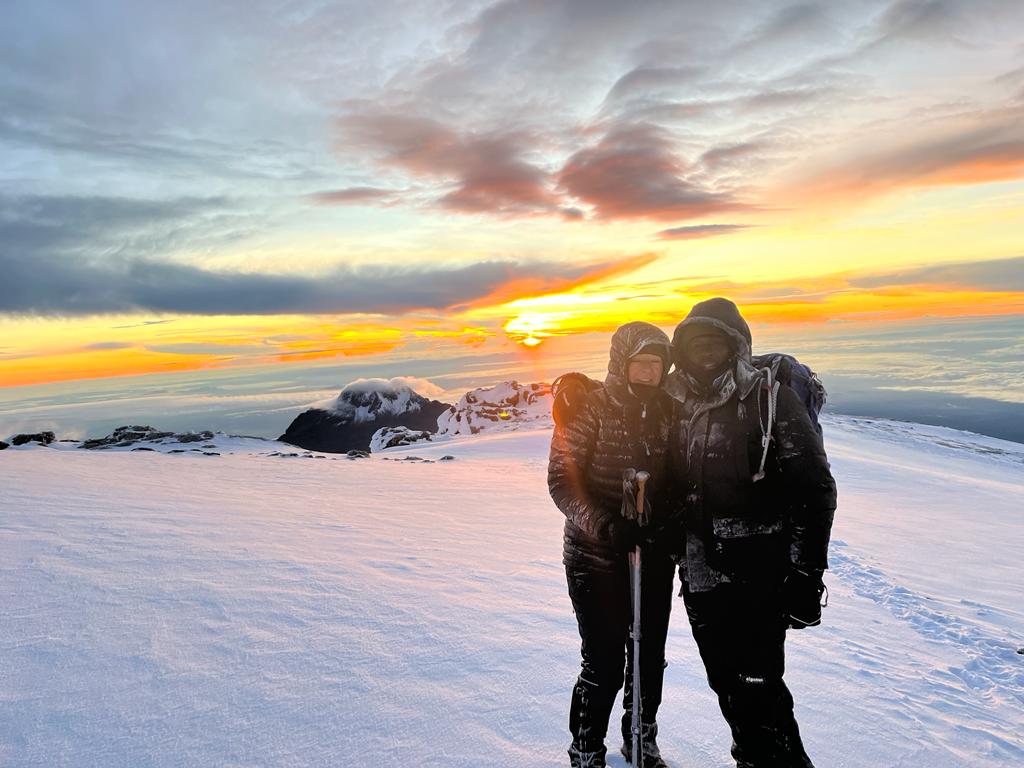
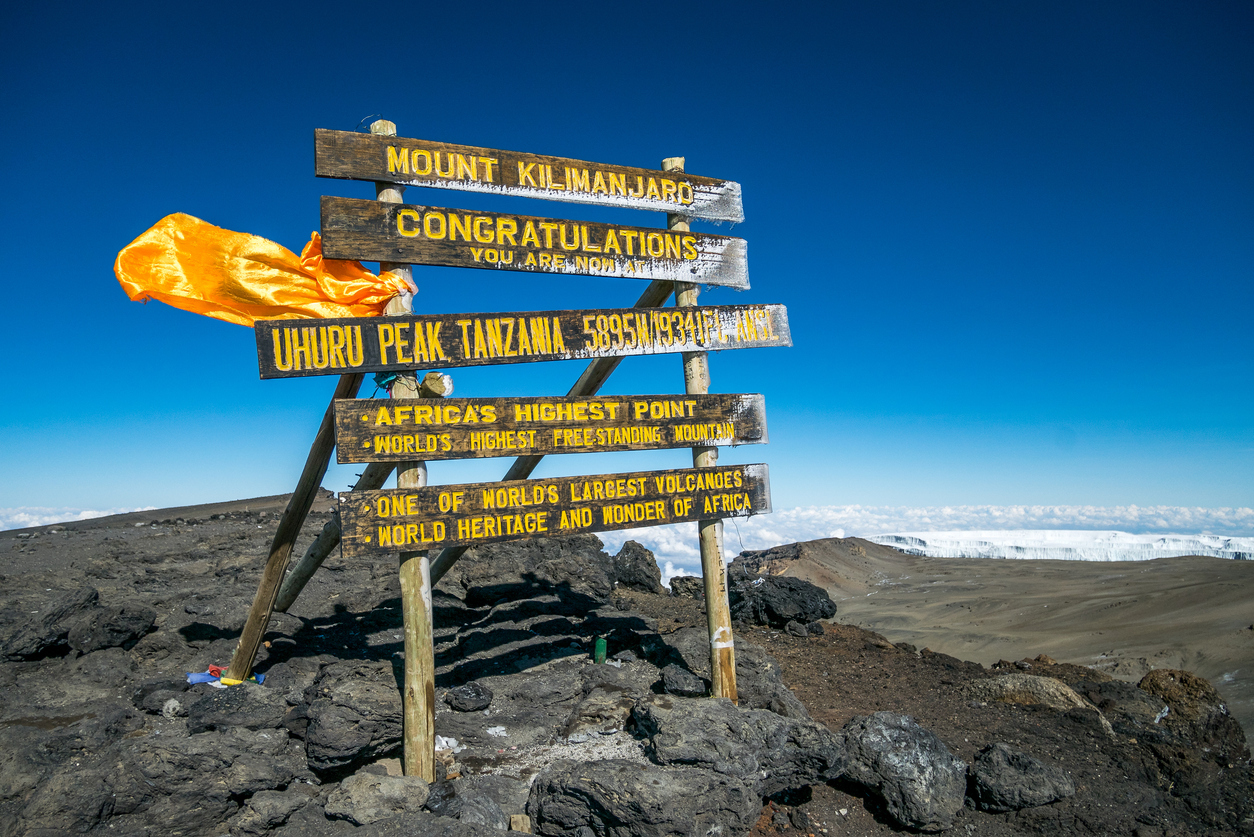
Mount Kilimanjaro, standing tall at 5,895 meters (19,341 feet), experiences distinct climatic zones due to its immense altitude. While the base of the mountain is in a tropical region, its summit is arctic. Understanding these seasons is paramount for selecting the best Kilimanjaro month-by-month route planner strategy.
Kilimanjaro’s weather is broadly divided into four seasons:
- Dry Season (June to October): This is arguably the most popular time to climb. Skies are generally clear, temperatures are moderate, and rainfall is minimal. This season offers excellent visibility, making it ideal for appreciating the stunning landscapes. The main downside can be increased crowds, especially on popular routes like Machame and Lemosho.
- Short Rains (November to December): Expect intermittent rainfall, often in the afternoons. While it can make certain sections muddy, the rain usually clears, and the scenery remains beautiful. Crowds are significantly lower during this period, offering a more serene experience. Visibility can be good, but cloud cover is more frequent than in the dry season.
- Long Rains (March to May): This is Kilimanjaro’s wettest season. Heavy rainfall is common, making trails muddy and slippery, and significantly reducing visibility. Snowfall is more likely at higher altitudes. While challenging, this period offers the fewest crowds and the most dramatic, lush scenery on the lower slopes. It’s generally not recommended for first-time climbers unless they are experienced trekkers seeking solitude and are prepared for the adverse conditions.
- Short Dry Season (January to February): Similar to the main dry season, this period offers good weather with clear skies and less rain. It’s an excellent alternative to the June-October window, often with fewer trekkers. The transition from the rainy season means some areas might still be recovering, but overall, conditions are very favorable.
Kilimanjaro Month-by-Month Route Planner: Detailed Breakdown
To truly optimize your climb, let’s break down the suitability of different routes and conditions month by month. This Kilimanjaro month-by-month route planner considers weather, crowd levels, and acclimatization potential.
January & February: The Start of the Year Ascents
Weather: These months fall within the shorter dry season and offer excellent climbing conditions. Expect clear skies, good visibility, and moderate temperatures. Rainfall is minimal, making it a prime time for summit attempts. Snowfall at the summit is possible but usually not disruptive.
Crowds: Moderate. While not as busy as the peak dry season (June-October), these months are still popular due to the favorable weather. You’ll encounter other trekkers but not to the extent of overwhelming numbers.
Route Recommendations:
- Machame Route: Known for its scenic beauty and good acclimatization profile, Machame is a strong choice. Its ‘climb high, sleep low’ philosophy works well in good weather.
- Lemosho Route: Offers stunning western views and excellent acclimatization due to its longer duration. It’s one of the most beautiful routes.
- Shira Route: Similar to Lemosho but starts at a higher altitude.
- Marangu Route: While less scenic and with poorer acclimatization, it’s a popular option for those seeking basic hut accommodation.
Pros: Great weather, clear views, good acclimatization potential on longer routes. January 2027 can be a fantastic time before the peak season.
Cons: Can be relatively busy. The transition from the long rains means some lower sections might still be a bit wet early in January.
March: Transitioning Towards the Long Rains
Weather: March marks the beginning of the long rainy season. While the first half of the month can still offer decent conditions, rainfall increases significantly towards the end of March. Visibility can start to decrease, and trails can become muddy.
Crowds: Moderate to low. As the rains begin, trekkers start to thin out, offering a quieter experience.
Route Recommendations:
- Machame, Lemosho, Shira: These longer routes remain viable, but trekkers must be prepared for potential rain.
- Northern Circuit: Its longer duration (9-10 days) aids acclimatization, making it a good choice even with increasing rain, as it offers more time to adapt.
Pros: Fewer crowds, lush scenery. Potential for good prices for 2026-2027 bookings in late March.
Cons: Increasing chance of rain, reduced visibility, muddy trails, and potentially colder temperatures at altitude.
April & May: The Heart of the Long Rains
Weather: These are Kilimanjaro’s wettest months. Expect heavy, persistent rainfall, especially in the afternoons and evenings. Trails will be very muddy and slippery, and visibility is often poor. Snowfall is more common at higher elevations, and conditions can be challenging.
Crowds: Very low. This is the least popular time to climb, offering the most solitary experience.
Route Recommendations:
- Generally Not Recommended for Novices: Due to the difficult conditions, these months are best suited for experienced trekkers who are well-prepared for adverse weather.
- Northern Circuit or longer Machame/Lemosho: If attempting during this period, longer routes with better acclimatization profiles are advisable.
Pros: Very few people on the mountain, dramatic and verdant landscapes on lower slopes.
Cons: High risk of rain, poor visibility, muddy and difficult trails, significantly colder temperatures, potential for route closures or delays due to weather.
June: Transitioning Out of the Long Rains
Weather: June marks the end of the long rains and the beginning of the main dry season. Rainfall decreases significantly, and skies begin to clear. Temperatures are cool, especially at night, but visibility improves dramatically.
Crowds: Moderate. As the weather improves, more trekkers start to arrive, but it’s generally less crowded than July-September.
Route Recommendations:
- Machame, Lemosho, Shira: All popular routes are excellent choices.
- Northern Circuit: Ideal for those seeking a longer, more scenic, and well-acclimatized climb.
- Rongai Route: This route approaches from the north and is known for being drier, making it a good option as the rains recede.
Pros: Improving weather, good visibility, fewer crowds than peak season, moderate temperatures.
Cons: Nights can be quite cold as the dry season truly sets in.
July, August & September: The Peak Dry Season
Weather: This is Kilimanjaro’s most popular climbing window. Expect consistently dry weather, clear blue skies, and excellent visibility. Temperatures are cool to cold, especially at night and on summit day, with frost and ice common.
Crowds: High. These are the busiest months, with all routes experiencing significant foot traffic. Booking well in advance for 2026 or 2027 is crucial.
Route Recommendations:
- Machame, Lemosho, Shira: All are excellent choices offering great acclimatization and scenery.
- Northern Circuit: The longest route, offering the best acclimatization and stunning panoramic views, making it a top pick for this season.
- Rongai Route: Still a good choice, particularly if you prefer a quieter approach from the north.
- Marangu Route: Popular for its huts, but still has a higher risk of altitude sickness due to its steeper profile.
Pros: Best weather, clearest views, lowest chance of rain, generally good conditions for acclimatization on longer routes.
Cons: Highest crowds, coldest temperatures at night and on summit day, requires booking far in advance for 2026-2027 trips.
October: The End of the Dry Season
Weather: October is the last month of the main dry season. Conditions remain generally good with clear skies and good visibility, though there’s a slight increase in the chance of rain towards the end of the month as it transitions towards the short rains.
Crowds: Moderate. Crowds begin to decrease after the peak summer months.
Route Recommendations:
- Machame, Lemosho, Shira: All are still excellent options.
- Northern Circuit: Highly recommended for its acclimatization benefits.
- Rongai Route: A good choice as the weather starts to become less predictable.
Pros: Good weather, good visibility, fewer crowds than peak season, still a great time for longer routes.
Cons: Increasing chance of rain towards the end of the month. Nights are cold.
November & December: The Short Rains Arrive
Weather: These months mark the start of the short rainy season. Expect intermittent showers, usually in the afternoons. Mornings can be clear, offering good visibility, but cloud cover increases throughout the day. Trails can become muddy.
Crowds: Low. This is a quieter period on the mountain, offering a more exclusive trekking experience.
Route Recommendations:
- Machame, Lemosho, Shira: These routes are still feasible but require preparedness for rain.
- Northern Circuit: The longer duration is beneficial for acclimatization and dealing with potentially mixed weather.
- Rongai Route: Continues to be a strong contender due to its drier approach, making it less affected by the initial onset of rains.
Pros: Very few trekkers, lush green scenery, potential for better pricing on 2026-2027 packages.
Cons: Increased chance of rain, muddy trails, reduced visibility at times, colder temperatures at altitude.
Choosing Your Kilimanjaro Route: A Deeper Dive for 2026-2027
Beyond the month-by-month weather, the choice of route significantly impacts your acclimatization, scenery, and overall success rate. For your 2026-2027 climb, consider these popular options:
The Machame Route: “Whiskey Route”
Duration: 6-7 days
Difficulty: Moderate to Difficult
Scenery: Excellent. Travels through diverse ecological zones.
Acclimatization: Good on 7-day options, moderate on 6-day. Its ‘climb high, sleep low’ profile is effective.
Crowds: High, especially during peak season.
Best Months: January, February, June, July, August, September, October.
Overview: The Machame route is the most popular route due to its scenic beauty and good acclimatization profile, especially when done over 7 days. It’s a challenging trek but offers a rewarding experience for those with a good level of fitness.
The Lemosho Route: The Scenic Marvel
Duration: 7-8 days
Difficulty: Moderate to Difficult
Scenery: Exceptional. Offers impressive views of the Shira Plateau and western Kilimanjaro.
Acclimatization: Excellent, especially on the 8-day itinerary, providing ample time to adjust to the altitude.
Crowds: Moderate to High. Less crowded initially than Machame but converges later.
Best Months: January, February, June, July, August, September, October.
Overview: Lemosho is often considered one of the most beautiful routes. Its longer duration allows for superior acclimatization, increasing summit success rates significantly. It starts in a remote wilderness area, adding to the adventure.
The Shira Route: High Altitude Start
Duration: 7-8 days
Difficulty: Difficult
Scenery: Excellent, similar to Lemosho but starts higher.
Acclimatization: Moderate to Good. Starts at a higher altitude (3,650m), which can be challenging for some initially, but the longer duration helps.
Crowds: Moderate to High.
Best Months: January, February, June, July, August, September, October.
Overview: Shira is very similar to Lemosho, diverging only in its starting point. It begins at a higher altitude, meaning the first day or two involve descending to Shira Camp before beginning the ascent, which can be a double-edged sword for acclimatization.
The Rongai Route: The Dry Approach
Duration: 6-7 days
Difficulty: Moderate
Scenery: Good, but generally considered less scenic than Machame or Lemosho.
Acclimatization: Moderate. The gentler slope aids acclimatization.
Crowds: Low to Moderate. Less crowded than southern routes.
Best Months: January, February, June, July, August, September, October. Particularly good during the rainy seasons (November-May) due to its northern approach.
Overview: Rongai approaches from the north, making it a drier option, especially during the rainy seasons. It’s a less steep, more gradual ascent, which can be beneficial for acclimatization. It’s a great choice for those seeking a quieter trek.
The Northern Circuit: The Ultimate Acclimatization
Duration: 9-10 days
Difficulty: Moderate
Scenery: Superb. Offers panoramic views and traverses the entire mountain.
Acclimatization: Excellent. The longest route, providing the best chance for acclimatization and summit success.
Crowds: Low to Moderate. Less crowded due to its length and less direct ascent.
Best Months: January, February, June, July, August, September, October.
Overview: The Northern Circuit is the longest route, circling the mountain’s northern slopes before joining the Marangu route near the summit. Its extended duration offers the best acclimatization, making it ideal for those prioritizing success and a more relaxed pace. It provides stunning, less-traveled scenery.
The Marangu Route: The “Coca-Cola” Route
Duration: 5-6 days
Difficulty: Difficult
Scenery: Fair. Less scenic than western routes.
Acclimatization: Poor. The rapid ascent and lack of ‘climb high, sleep low’ make it prone to altitude sickness.
Crowds: High. Very popular due to its hut accommodation and shorter duration.
Best Months: January, February, June, July, August, September, October.
Overview: Marangu is unique for its hut accommodation, offering a different experience from camping. However, its fast ascent profile means it has the lowest success rate. It’s often chosen by those on a tight budget or schedule, or who prefer sleeping in huts.
Kilimanjaro 2026-2027 Planning: Key Considerations
Planning your Kilimanjaro adventure for 2026 or 2027 involves more than just picking a month and route. Here are crucial factors to consider:
1. Duration and Acclimatization
This is the single most important factor for summit success. Rushing the climb drastically increases the risk of altitude sickness. For your 2026-2027 climb, prioritize longer routes:
- 5-day routes (e.g., Marangu): Very high risk of altitude sickness. Not recommended.
- 6-day routes (e.g., Machame, Rongai): Moderate risk. Possible, but challenging.
- 7-day routes (e.g., Machame, Lemosho): Good acclimatization. Recommended.
- 8-day routes (e.g., Lemosho): Excellent acclimatization. Highly recommended.
- 9-10 day routes (e.g., Northern Circuit): Superior acclimatization. The best option for maximizing success and enjoying the trek.
Top Guide Adventures strongly advises choosing a minimum of 7 days for your Kilimanjaro climb in 2026 or 2027 to ensure proper acclimatization.
2. Physical Fitness
While acclimatization is key, good physical condition is essential. You don’t need to be an elite athlete, but regular cardiovascular exercise (hiking, running, cycling) and strength training in the months leading up to your 2026-2027 trek will make a significant difference. Focus on endurance.
3. Budget and Inclusions
Costs for Kilimanjaro climbs can vary widely. For 2026-2027, expect prices to range from $1,500 to $4,000+ per person, depending on the operator, route length, group size, and what’s included. Reputable operators like Top Guide Adventures typically include:
- Park fees (crucial and significant)
- All meals on the mountain
- Experienced, licensed guides and support crew
- Camping equipment (tents, sleeping mats)
- Porters for carrying group gear and your duffel bag
- Transfer to and from the mountain
- Emergency oxygen and first-aid kit
Be wary of suspiciously low prices. They often indicate compromises on guide quality, safety equipment, food, or porter welfare. Always clarify what is included and excluded.
4. Group Size and Type
You can opt for a private climb or join a group. Private climbs offer flexibility and a more personalized experience but are more expensive. Group climbs (like those offered by Top Guide Adventures on their group departure dates) are more budget-friendly and offer camaraderie.
5. Packing Essentials
Proper gear is vital for comfort and safety. Key items include:
- Layered clothing (base, mid, and outer layers)
- Waterproof and windproof outer shell
- Warm hat and gloves
- Good quality hiking boots (broken in!)
- Sleeping bag rated to -15°C (0°F) or lower
- Sunscreen, sunglasses, and a wide-brimmed hat
- Headlamp with extra batteries
- Reusable water bottles or hydration reservoir
- Trekking poles
Top Guide Adventures provides detailed packing lists to all clients.
The Kilimanjaro Month-by-Month Route Planner: Making Your 2026-2027 Decision
Let’s synthesize this information into actionable advice for your 2026-2027 Kilimanjaro month-by-month route planner.
Ideal Months for Climbing (Best Weather & Visibility)
January, February, June, July, August, September, October.
These months offer the driest conditions and clearest skies. August and September are peak season, meaning more people but the most reliable weather. January and February are excellent alternatives with good weather and slightly fewer crowds. June and October are shoulder months, offering a good balance of decent weather and fewer trekkers.
Months with Fewer Crowds (Shoulder & Off-Season)
March, November, December.
If you prefer a quieter experience and don’t mind the possibility of occasional rain, these months are ideal. March is transitioning out of the long rains, while November and December are the start of the short rains. The scenery can be exceptionally beautiful during these times.
Months to Approach with Caution (Wet Season)
April, May.
These are the wettest months. Trails are muddy, visibility is often poor, and conditions can be challenging. Only recommended for experienced trekkers prepared for significant rain and cold. Summit success rates can be lower due to weather.
Route Choice Based on Month & Priorities for 2026-2027
| Month | Weather Outlook | Crowds | Recommended Routes (Focus on Acclimatization) | Notes for 2026-2027 |
|---|---|---|---|---|
| Jan-Feb | Dry, clear, moderate temperatures. | Moderate | Lemosho (8 days), Northern Circuit (9-10 days), Machame (7 days) | Excellent start to the year. Good acclimatization. |
| March | Transitioning to rain, intermittent showers. | Moderate to Low | Northern Circuit (9-10 days), Lemosho (8 days), Rongai (7 days) | Fewer people, lush scenery. Be prepared for rain. |
| April-May | Long rains, heavy showers, poor visibility. | Very Low | Not generally recommended. If attempting, Northern Circuit (10 days) for best acclimatization. | Challenging conditions. Best for experienced trekkers. |
| June | End of rains, start of dry season, cooler. | Moderate | Northern Circuit (9-10 days), Lemosho (7-8 days), Machame (7 days) | Good balance of weather and crowds. |
| July-Sept | Peak dry season, clear skies, cold nights. | High | Northern Circuit (9-10 days), Lemosho (8 days), Machame (7 days) | Best weather, highest crowds. Book 2026-2027 well in advance. |
| October | End of dry season, good visibility, slight rain chance. | Moderate | Northern Circuit (9-10 days), Lemosho (7-8 days), Machame (7 days) | Fewer crowds than peak season. Still good conditions. |
| Nov-Dec | Short rains, afternoon showers, variable visibility. | Low | Rongai (7 days), Northern Circuit (9-10 days), Lemosho (7-8 days) | Quiet, green landscapes. Good value for 2026-2027. |
Tips for a Successful Kilimanjaro Climb in 2026-2027
Regardless of the month you choose, these tips will enhance your Kilimanjaro experience:
- Hydrate, Hydrate, Hydrate: Drink at least 3-4 liters of water per day. Altitude can cause dehydration rapidly.
- Eat Well: Even if you don’t feel hungry, try to eat the nutritious meals provided. Your body needs fuel.
- Pace Yourself: “Pole pole” (slowly, slowly) is the mantra on Kilimanjaro. Go at a pace that allows for steady acclimatization.
- Listen to Your Body: Be honest about any symptoms of altitude sickness (headache, nausea, dizziness). Report them to your guide immediately.
- Positive Mental Attitude: Kilimanjaro is as much a mental challenge as a physical one. Stay positive and focused.
- Respect the Environment: Follow Leave No Trace principles. Pack out everything you pack in.
- Trust Your Guides: Your guides are highly trained professionals. Follow their advice regarding pace, hydration, and health.
Considering 2026-2027 for Your Kilimanjaro Adventure
As you plan for 2026-2027, remember that booking with a reputable company like Top Guide Adventures is crucial. We prioritize safety, ethical treatment of our crew, and providing an unforgettable experience. Our expert guides are local, knowledgeable, and dedicated to your success.
We offer a range of packages designed to suit different preferences and budgets, with a strong emphasis on longer routes for better acclimatization. Whether you’re looking for a private climb or wish to join one of our scheduled group departures, we can help you find the perfect fit.
For personalized advice on the best month and route for your Kilimanjaro climb in 2026 or 2027, or to receive a detailed quote, please contact us:
WhatsApp: +255616946642
Email: topguideadventures@gmail.com
Backup Email: info@topguideadventures.com
Our team is ready to help you plan every step of your journey to the Roof of Africa. Let’s make your Kilimanjaro dream a reality in 2026 or 2027!
Check Availability for Kilimanjaro Month-By-Month Route Planner: Your Guide 2026-2027
Ready to compare dates, prices, and the best option for your group? Send the package name and travel month so the team can reply with a clear quote, availability, and what is included.
Kilimanjaro Route With The Gentlest Altitude Profile For Climbs 2026-2027
Choosing the right Kilimanjaro route is crucial for a successful and enjoyable climb, especially if you're concerned about altitude. The Marangu and Lemosho routes are often cited for their...
View package details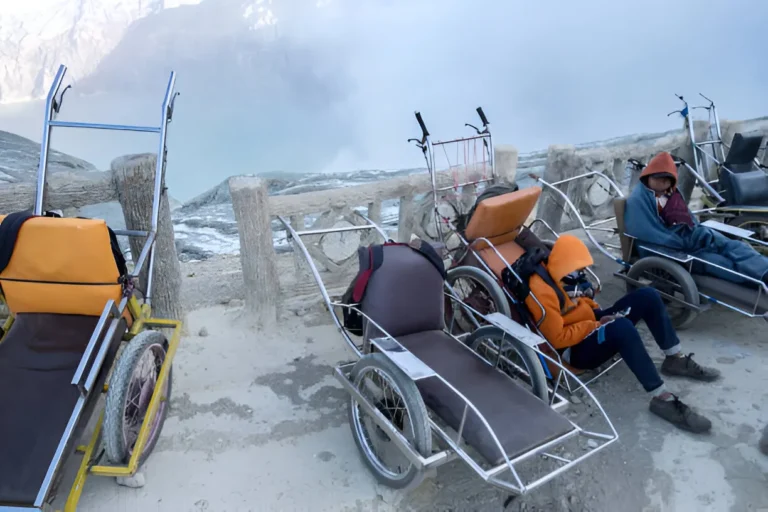
Rainiest Month On Mount Kilimanjaro 2026-2027
Rainiest Month on Mount Kilimanjaro is explained with current 2026-2027 planning, price, itinerary and booking information.
View package details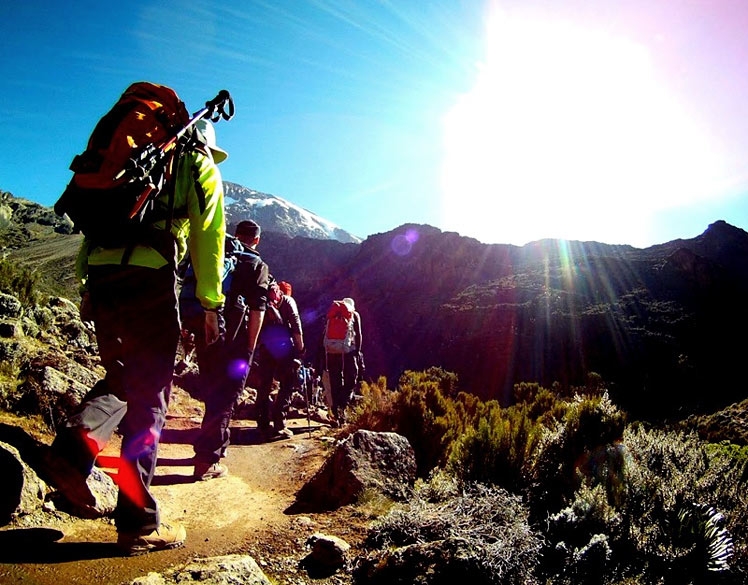
Driest Month To Climb Kilimanjaro: Your Guide For 2026-2027
The driest months for climbing Kilimanjaro are generally January, February, and June through October. These periods offer the clearest skies and lowest rainfall, ideal for a successful and...
View package details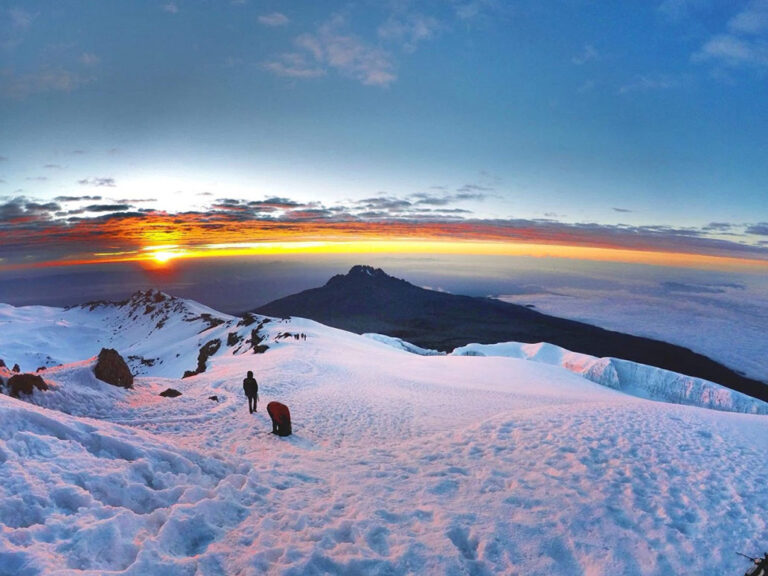
Coldest Month To Climb Kilimanjaro 2026-2027
Coldest Month to Climb Kilimanjaro is explained with current 2026-2027 planning, price, itinerary and booking information.
View package details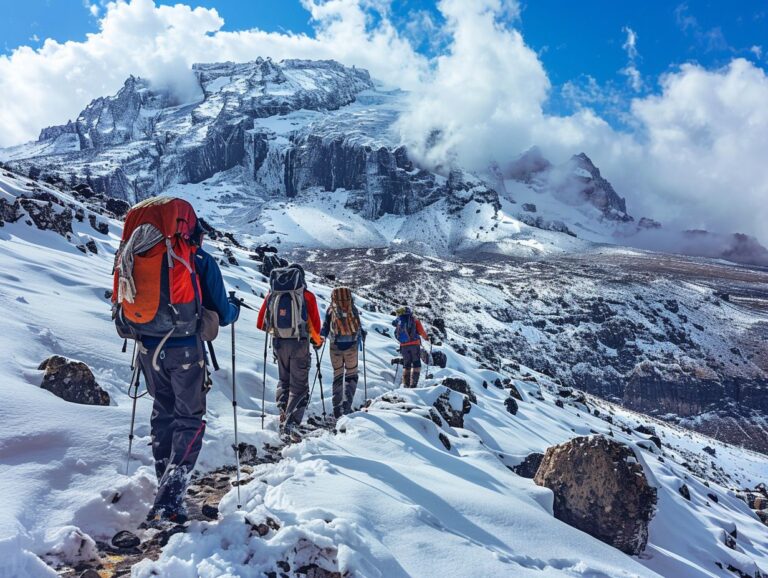
Warmest Month To Climb Kilimanjaro 2026-2027
Warmest Month to Climb Kilimanjaro is explained with current 2026-2027 planning, price, itinerary and booking information.
View package details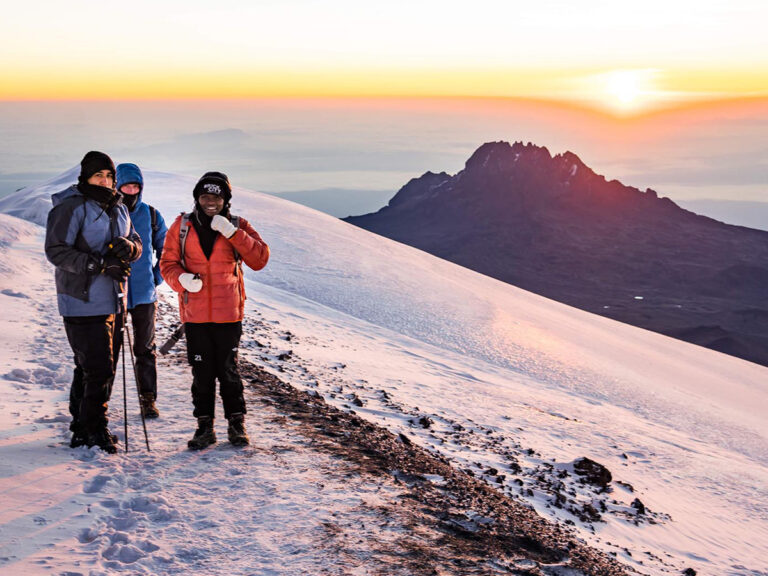
Quietest Month To Climb Kilimanjaro: Your Guide For 2026-2027
Planning a Kilimanjaro climb and seeking fewer fellow trekkers? This guide reveals the quietest months to ascend Africa's highest peak, focusing on shoulder seasons and off-peak periods for...
View package details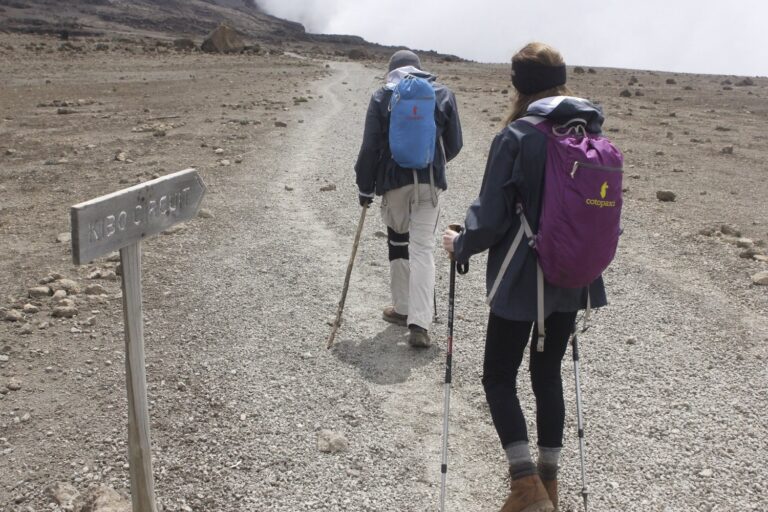
Busiest Month To Climb Kilimanjaro: Peak Seasons & Planning For 2026-2027
Understanding the busiest month to climb Kilimanjaro is crucial for planning a successful trek. This guide details peak seasons, crowd considerations, and optimal times for your 2026-2027...
View package details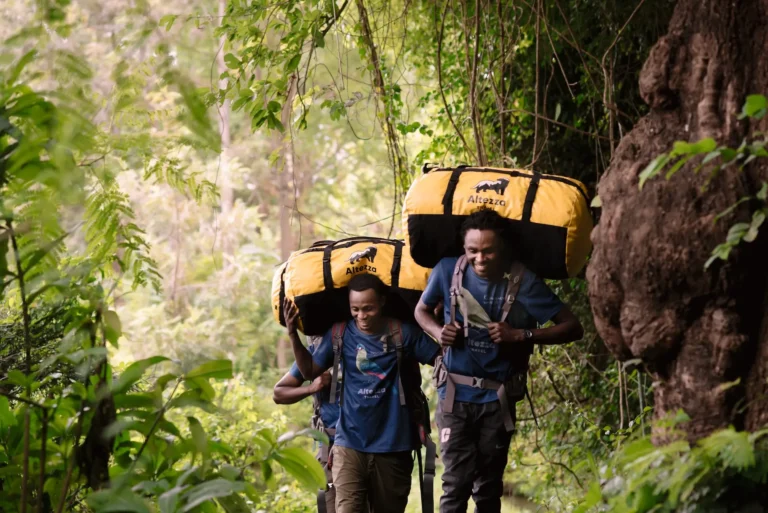
Best Kilimanjaro Month For A Zanzibar Extension: Your Ultimate Guide 2026-2027
Planning a Kilimanjaro climb followed by a Zanzibar beach holiday? This guide helps you choose the best month in 2026-2027 for perfect weather on the mountain and the islands, considering...
View package details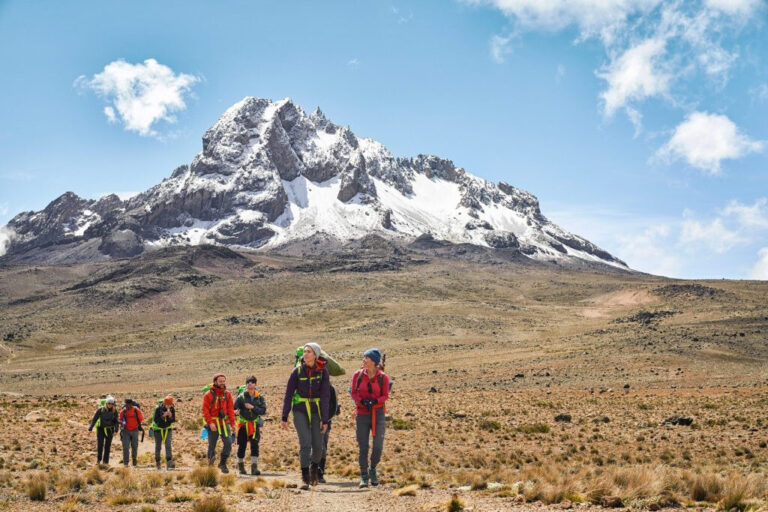
Best Kilimanjaro Month For Safari Extensions In | Top Guide Adventures
Discover the ideal months for combining a Kilimanjaro climb with a safari in Tanzania, focusing on optimal weather conditions, wildlife spectacles, and extension opportunities for...
View package details
Best Kilimanjaro Month For Solo Travellers: Your Guide 2026-2027
Planning a solo climb of Kilimanjaro? This guide reveals the best months for solo travellers in 2026-2027, focusing on optimal weather, crowd levels, and route availability for an...
View package details
Best Kilimanjaro Month For Senior Climbers: Expert Guide 2026-2027
Planning a Kilimanjaro climb as a senior adventurer? Learn which months offer the best conditions for a successful and enjoyable trek in 2026-2027, considering weather, crowds, and your...
View package detailsBest Kilimanjaro Month For Families In : Your Ultimate Guide 2026-2027
A detailed 2026-2027 guide to Best Kilimanjaro Month for Families, with clear planning and booking information for travelers.
View package detailsNo related package matches those filters. Clear one or more filters to see the other topic-matched options.



