
The Kilimanjaro Couples’ Summit Challenge is an extraordinary adventure for pairs seeking to conquer Africa’s highest peak together. It involves planning, physical preparation, and choosing the right route and operator for a successful ascent. Top Guide Adventures specializes in guiding couples through this iconic journey, offering tailored support, expert guides, and comprehensive packages designed to maximize your chances of reaching Uhuru Peak as a team, especially for climbs planned for the 2026 and 2027 seasons.


Achieving Your Dream Together: The Kilimanjaro Couples’ Summit Challenge
The allure of Kilimanjaro, the Roof of Africa, calls to many. For couples, the prospect of standing together at its summit, Uhuru Peak, at 5,895 meters (19,341 feet), represents a profound shared accomplishment, a testament to their partnership, and an unforgettable memory etched into their lives. A Kilimanjaro Couples’ Summit Challenge is more than just a trek; it’s a journey of mutual support, shared determination, and a unique way to strengthen bonds. Top Guide Adventures understands the special dynamics and requirements of couples undertaking this challenge and is dedicated to making your shared climb a resounding success, particularly for those looking to ascend in the 2026 or 2027 trekking seasons.
This comprehensive guide is designed to equip you with all the knowledge needed to plan and execute your Kilimanjaro Couples’ Summit Challenge. From understanding the best routes for pairs to detailed packing lists, training regimes, and what to expect on summit night, we cover every aspect to ensure your expedition is as smooth and rewarding as possible.
Why Choose Kilimanjaro for a Couple’s Adventure?
Kilimanjaro offers a unique blend of natural beauty, physical challenge, and cultural immersion that makes it an ideal destination for couples seeking a significant shared experience. The journey itself is a metaphor for a strong relationship: requiring communication, patience, mutual encouragement, and a shared goal. Reaching the summit together provides an unparalleled sense of achievement and a powerful story to tell.
* Shared Goal, Shared Triumph: There’s immense satisfaction in working towards a common objective and celebrating its achievement as a team. The summit of Kilimanjaro is a powerful symbol of what you can accomplish together.
* Unforgettable Memories: The stunning landscapes, the camaraderie with guides and porters, and the sheer challenge create memories that will last a lifetime, binding you closer.
* Testing and Strengthening Your Partnership: The physical and mental demands of climbing Kilimanjaro can reveal strengths and foster a deeper understanding of each other’s resilience and support systems.
* Unique Travel Experience: It’s an adventure that stands out, offering a dramatic departure from typical romantic getaways and creating a narrative of shared accomplishment.
### Planning Your Kilimanjaro Couples’ Summit Challenge for 2026-2027
Successful planning is the bedrock of any Kilimanjaro climb, and for couples, it means coordinating efforts and aligning expectations. Top Guide Adventures emphasizes meticulous preparation to ensure your climb in the 2026 or 2027 seasons is safe, enjoyable, and successful.
#### Choosing the Right Time to Climb
Kilimanjaro can be climbed year-round, but certain periods offer more favorable weather conditions. Understanding these seasons is crucial for couples planning their expedition.
* Dry Seasons (Best for Climbing):
* January to March: Generally dry, with good visibility. Can be cold, especially at higher altitudes. This is a popular time for climbers.
* June to October: Another dry season, often considered the best time to climb due to pleasant temperatures and clear skies. This period is also very popular.
* Wet Seasons (More Challenging):
* April to May: The ‘long rains’ season. Expect heavy rainfall, mist, and potentially snow at higher elevations. Trails can be muddy and slippery.
* November to December: The ‘short rains’ season. Characterized by intermittent showers, though usually not all day. Mornings can be clear, with rain in the afternoons.
For 2026 and 2027, the dry seasons of January-March and June-October are highly recommended for couples seeking the most comfortable climbing conditions. Booking well in advance for these peak periods is advisable.
#### Selecting the Ideal Route for Couples
Kilimanjaro has several established routes, each with varying difficulty, scenery, acclimatization profiles, and camping experiences. For couples, the choice often hinges on balancing challenge with comfort, scenery, and success rates. The key is to choose a route that allows for gradual acclimatization, which is critical for a successful summit bid and for maintaining energy and well-being as a pair.
* Machame Route (Whiskey Route):
* Duration: 6-7 days
* Difficulty: Moderate to Difficult
* Scenery: Excellent, diverse landscapes.
* Acclimatization: Good, with a ‘climb high, sleep low’ profile on longer itineraries.
* Why it’s good for couples: Very popular due to its scenic beauty and good success rates, especially on the 7-day option. It offers a good balance of challenge and acclimatization. It’s also a camping route, providing a more intimate wilderness experience.
* Lemosho Route:
* Duration: 7-8 days
* Difficulty: Moderate to Difficult
* Scenery: Considered one of the most beautiful routes, offering panoramic views.
* Acclimatization: Excellent, especially on the 8-day option, with a slow ascent.
* Why it’s good for couples: The longer duration significantly improves acclimatization and success rates. The stunning scenery makes the journey more enjoyable and visually rewarding for both partners.
* Marangu Route (Coca-Cola Route):
* Duration: 5-6 days
* Difficulty: Moderate
* Scenery: Less diverse than other routes, but offers unique hut accommodation.
* Acclimatization: Poorer acclimatization profile, especially on the 5-day option, leading to lower success rates.
* Why it’s good for couples: The main draw is the comfort of sleeping in huts, which can be appealing for couples who prefer not to camp. However, the rapid ascent and lower success rates make it less ideal for a first-time Kilimanjaro climb for couples aiming for a comfortable and successful summit.
* Northern Circuit:
* Duration: 9-10 days
* Difficulty: Moderate
* Scenery: Offers the most spectacular views and a complete circuit of the mountain.
* Acclimatization: The best acclimatization profile due to its length and slow pace.
* Why it’s good for couples: This is the ultimate route for maximizing success and enjoyment. The extended time allows for a more relaxed pace, better acclimatization, and deeper appreciation of the mountain’s diverse ecosystems, making it perfect for couples who want the highest chance of success and a more profound experience.
For couples prioritizing success and a comfortable, scenic journey, the 7-day Machame, 8-day Lemosho, or the 9-10 day Northern Circuit are the top recommendations for 2026-2027 climbs.
#### Duration and Acclimatization: The Key to Success
While shorter treks might seem appealing, for a Kilimanjaro Couples’ Summit Challenge, longer is almost always better. Adequate acclimatization is the single most important factor in reaching the summit safely and successfully. The human body needs time to adapt to the decreasing oxygen levels as altitude increases. Rushing the ascent dramatically increases the risk of altitude sickness, which can derail the trip for one or both partners.
* Minimum Recommended Durations:
* Machame: 7 days
* Lemosho: 8 days
* Northern Circuit: 9-10 days
These longer itineraries allow for a more gradual ascent, giving your bodies the best chance to acclimatize. This is particularly important for couples, as one partner might be more susceptible to altitude sickness than the other, and a slower pace ensures you can support each other effectively throughout the climb.
### Preparing for Your Kilimanjaro Couples’ Summit Challenge
Physical and mental preparation is vital. As a couple, you can motivate each other through the training process.
#### Physical Training Regimen
The goal is to build cardiovascular endurance and leg strength. Focus on activities that simulate hiking with a pack.
* Cardiovascular Training: Aim for 3-5 sessions per week. Include activities like running, cycling, swimming, or brisk walking for at least 45-60 minutes.
* Strength Training: Focus on leg muscles (squats, lunges, calf raises) and core strength. Two to three sessions per week.
* Hiking: This is the most crucial element. Gradually increase the duration and elevation gain of your hikes. Aim for long hikes (4-6 hours) on weekends, ideally with hills or stairs, carrying a daypack with some weight (e.g., 5-10 kg).
* Practice with Gear: Use your hiking boots and backpack during training hikes to break them in and ensure comfort.
Start your training at least 3-4 months before your planned climb in 2026 or 2027. Consistency is key.
#### Mental Preparation
Kilimanjaro is as much a mental challenge as a physical one. Couples can support each other by:
* Discussing Expectations: Talk about potential challenges, fears, and how you’ll motivate each other.
* Visualizing Success: Imagine yourselves reaching the summit together.
* Building Resilience: Understand that there will be tough moments. Agree on strategies to push through discomfort, such as positive affirmations or focusing on the next landmark.
### Essential Gear for Couples on Kilimanjaro
Having the right gear is non-negotiable for comfort and safety. While individual needs vary slightly, here’s a comprehensive list for a Kilimanjaro Couples’ Summit Challenge:
Clothing Layers (Crucial for variable temperatures)
- Base Layers: Moisture-wicking thermal tops and bottoms (2-3 sets).
- Mid Layers: Fleece jackets or vests (2).
- Insulation Layer: A warm down or synthetic jacket (essential for summit night).
- Outer Layer (Shell): Waterproof and windproof jacket and trousers.
- Trekking Trousers: Comfortable, quick-drying (2 pairs).
- Trekking Shirts: Moisture-wicking, short and long-sleeved (3-4).
- Warm Hat: Fleece or wool, covers ears.
- Sun Hat: Wide-brimmed for sun protection.
- Gloves: Lightweight liner gloves, waterproof and insulated outer gloves (2 pairs).
- Socks: Wool or synthetic hiking socks (5-6 pairs).
- Gaiters: To keep debris and snow out of boots.
Footwear
- Hiking Boots: Waterproof, sturdy, well broken-in mid-weight boots.
- Camp Shoes/Sandals: Comfortable for evenings.
Sleeping Gear
- Sleeping Bag: Rated to -10°C to -20°C (4-season bag is recommended).
- Sleeping Bag Liner: Adds warmth and keeps the bag clean.
- Inflatable Pillow: For comfort.
Backpack and Bags
- Daypack: 30-40 liters, comfortable for carrying essentials (water, snacks, camera, extra layer).
- Duffel Bag: 80-100 liters, waterproof, for porters to carry your main gear.
- Waterproof Dry Bags: To protect electronics and clothing inside the duffel.
Trekking and Safety Equipment
- Trekking Poles: Highly recommended for reducing strain on knees.
- Headlamp: With extra batteries (essential for summit night).
- Sunglasses: UV protection.
- Water Bottles/Hydration Reservoir: Capacity for 3-4 liters. Insulated sleeves for reservoirs are useful in cold weather.
- Water Purification Tablets/Filter: As a backup.
- Sunscreen: High SPF.
- Lip Balm: With SPF.
- Insect Repellent: Especially for lower altitudes.
- Personal First-Aid Kit: Including blister treatment, pain relievers, antiseptic wipes, personal medications.
- Hand Sanitizer.
Personal Items
- Toiletries: Biodegradable soap, toothbrush, toothpaste, wet wipes.
- Quick-Dry Towel.
- Camera: With extra batteries and memory cards.
- Power Bank: For charging devices.
- Book/Journal: For downtime.
- Snacks: Energy bars, nuts, dried fruit (your favorite high-energy treats).
- Passport and Visa.
- Travel Insurance Details.
Remember to pack light but smart. Your porters will carry the bulk of your gear in a duffel bag, but you’ll need your daypack with you at all times.
### Understanding the Kilimanjaro Climb Itself
Your Kilimanjaro Couples’ Summit Challenge will involve several days of trekking through distinct ecological zones, culminating in a demanding summit night.
The Five Ecological Zones
Kilimanjaro boasts an incredible diversity of flora and fauna, transitioning through five distinct climate zones as you ascend:
1. Cultivation Zone (Approx. 800m – 1,800m): Lush farmlands, coffee plantations, and small villages.
2. Rainforest Zone (Approx. 1,800m – 2,800m): Dense, humid forest with abundant wildlife and often mist.
3. Moorland Zone (Approx. 2,800m – 4,000m): Open heath and moorland, characterized by giant heathers, groundsels, and lobelias.
4. Alpine Desert Zone (Approx. 4,000m – 5,000m): Arid, high-altitude desert with sparse vegetation, resembling a lunar landscape. Temperatures drop significantly.
5. Arctic Zone (Above 5,000m): Bare rock, ice, and snow. Very little life can survive here. This is the zone you enter on summit night.
Each zone presents unique challenges and impressive scenery, contributing to the overall adventure of your Kilimanjaro Couples’ Summit Challenge.
Daily Trekking Rhythm
Days on Kilimanjaro typically follow a similar pattern:
* Morning: Wake up call, breakfast, pack up camp.
* Trekking: Hike for 4-7 hours, with breaks for lunch and snacks.
* Afternoon: Arrive at the next camp, set up tents, relax.
* Evening: Dinner, briefing for the next day, early bedtime.
Guides will monitor your health closely, checking vital signs and asking about your well-being.
Summit Night: The Ultimate Test
Summit night is the most challenging part of the climb. It typically begins around midnight from the last camp (e.g., Kibo Hut on most routes). You’ll trek slowly upwards in the dark, using headlamps, aiming to reach Stella Point (the crater rim) by sunrise, and then continuing to Uhuru Peak.
* Pace: Extremely slow and steady (‘pole pole’).
* Temperature: Can drop to -15°C to -20°C (5°F to -4°F) or colder with wind chill.
* Altitude: The highest point, oxygen levels are at about 50% of sea level.
* Duration: 6-10 hours to the summit, followed by a descent of 3-4 hours back to camp.
As a couple, supporting each other through summit night is paramount. Encourage each other, share sips of water, and focus on putting one foot in front of the other. Your guides will be there to assist, but your mutual encouragement will be invaluable.
### Health and Safety on Your Kilimanjaro Couples’ Summit Challenge
Your well-being is the top priority. Top Guide Adventures adheres to strict safety protocols.
#### Altitude Sickness (Acute Mountain Sickness – AMS)
AMS is the most common risk. Symptoms include headache, nausea, dizziness, fatigue, and loss of appetite. It affects individuals differently. The best prevention is slow ascent and proper hydration.
* Treatment: Descend immediately if symptoms worsen. Diamox (acetazolamide) can be prescribed by your doctor to aid acclimatization, but it is not a substitute for proper ascent.
* Couple’s Strategy: Communicate openly about any symptoms. Do not try to ‘tough it out’ if you or your partner are feeling unwell. Your guides are trained to recognize and manage AMS.
#### Hydration and Nutrition
* Hydration: Drink 3-5 liters of fluids daily (water, herbal teas). Dehydration exacerbates altitude sickness.
* Nutrition: Eat well at every meal. High-carbohydrate meals provide energy. Your chefs will prepare balanced, nutritious meals.
#### Guide Expertise
Our guides are certified, experienced, and trained in wilderness first aid and altitude sickness management. They are your primary resource for safety and comfort on the mountain.
### The Role of Top Guide Adventures in Your Couples’ Challenge
Top Guide Adventures is committed to providing an exceptional experience for couples climbing Kilimanjaro. We understand that this is a significant trip, both financially and emotionally, and we aim to make it as smooth and rewarding as possible.
#### What We Include in Our Packages:
* Experienced Guides: Trained in mountain safety and first aid.
* Quality Equipment: Tents, sleeping mats, dining tents, cooking gear.
* Nutritious Meals: Prepared by experienced camp cooks.
* Porters: To carry your main luggage.
* Park Fees and Government Taxes.
* Pre- and Post-Climb Accommodation: In comfortable hotels in Moshi.
* Airport Transfers.
* 24/7 Support: From booking through to your return.
#### Tailored Support for Couples
We recognize that couples may have specific needs or preferences. We can discuss:
* Private Itineraries: While group climbs offer camaraderie, private climbs allow for more flexibility and personal space.
* Pacing: Ensuring the pace suits both partners, especially if there’s a difference in fitness levels.
* Dietary Needs: We cater to most dietary requirements with advance notice.
When booking your Kilimanjaro Couples’ Summit Challenge for 2026 or 2027, discuss your specific needs with our team.
### Cost Considerations for Your Kilimanjaro Couples’ Summit Challenge
The cost of climbing Kilimanjaro varies significantly based on the route, duration, operator, and inclusions. For 2026-2027, expect prices to range from $2,000 to $4,500+ per person.
Typical Cost Breakdown Factors:
- Park Fees: A substantial portion of the cost, set by the government.
- Guide and Porter Wages.
- Food and Cooking Supplies.
- Camping Equipment.
- Route and Duration: Longer routes and higher success rate routes are generally more expensive.
- Operator Type: Local vs. International, ethical vs. budget operators.
- Inclusions: What’s covered (accommodation, transfers, tips, etc.).
Top Guide Adventures offers competitive pricing for its ethical and comprehensive Kilimanjaro treks. We recommend obtaining a detailed quote for your specific 2026 or 2027 climb, ensuring all essential inclusions are clearly listed.
#### Budgeting for Additional Expenses:
* Tips for Guides and Porters: This is a significant part of the crew’s income and is expected. Budget approximately $250-$350 per climber.
* Personal Gear: If you need to purchase or rent items.
* Travel Insurance: Mandatory for all climbers.
* Visas and Flights.
* Pre/Post-Climb Accommodation.
* Souvenirs and Personal Expenses.
### Making Your Kilimanjaro Couples’ Summit Challenge a Reality
Choosing to climb Kilimanjaro together is a remarkable decision. It’s an investment in your relationship and a shared adventure that will forge an unbreakable bond.
#### Booking Your Climb with Top Guide Adventures
Ready to plan your Kilimanjaro Couples’ Summit Challenge for 2026 or 2027? We’re here to help you every step of the way.
1. Contact Us: Reach out to our team to discuss your aspirations, preferred dates, and any specific requirements.
2. Choose Your Route and Duration: We’ll guide you through the options based on your fitness and goals.
3. Receive a Detailed Itinerary and Quote: We provide transparent pricing and comprehensive details.
4. Confirmation and Preparation: Once booked, we’ll provide detailed pre-departure information, including training advice and packing lists.
We look forward to helping you and your partner achieve the incredible feat of summiting Kilimanjaro. Let’s make your 2026 or 2027 dream a reality.
### Frequently Asked Questions for Couples Climbing Kilimanjaro
Q1: Is Kilimanjaro safe for couples?
Yes, Kilimanjaro is generally safe for couples when climbing with a reputable operator like Top Guide Adventures. Safety is paramount, with experienced guides, well-maintained equipment, and strict protocols for altitude sickness management. Choosing a longer route (7+ days) significantly increases safety and success rates.
Q2: Can one partner be significantly fitter than the other? How do we manage this?
Absolutely. This is common. The key is communication and choosing a longer route with a slower pace. Guides are adept at managing different fitness levels within a group or private climb. The slower partner can set the pace, and the fitter partner can offer encouragement. The focus is on reaching the summit together, not racing.
Q3: What is the best route for couples who want stunning scenery and a good chance of success?
For a balance of stunning scenery, excellent acclimatization, and high success rates, the Lemosho Route (8 days) or the Northern Circuit (9-10 days) are highly recommended for couples planning for 2026-2027. The 7-day Machame is also a very popular and scenic choice.
Q4: Do we need specific vaccinations or medical checks before climbing Kilimanjaro?
It is recommended to consult your doctor or a travel clinic 4-6 weeks before your trip. They can advise on necessary vaccinations (like Yellow Fever, though often not required for Tanzania entry unless arriving from specific countries) and discuss malaria prevention. They can also assess your fitness for high-altitude trekking and prescribe Diamox if deemed appropriate.
Q5: What happens if one of us gets altitude sickness?
If one partner experiences symptoms of altitude sickness, the first step is to communicate immediately with your guide. Guides are trained to assess the severity. Mild symptoms may be managed by resting, hydrating, and potentially descending a short distance. If symptoms are moderate to severe, descent is the only effective treatment. The climbing partner will likely descend with the affected individual, supported by guides and porters.
Q6: How much should we tip our guides and porters?
Tipping is customary and a significant part of the crew’s income. A general guideline for 2026-2027 is approximately $250-$350 per climber for the entire trek, distributed among the lead guide, assistant guides, cook, and porters. Your tour operator will provide specific recommendations.
Q7: What is the best way to train for Kilimanjaro as a couple?
Focus on cardiovascular fitness and strength training, with a strong emphasis on hiking with weight on varied terrain (hills, stairs). Engage in at least 3-4 months of consistent training, doing long hikes on weekends. You can train together to build mutual motivation and simulate the shared effort.
Q8: What are the accommodation options on Kilimanjaro?
Most routes (Machame, Lemosho, Northern Circuit, Rongai, Shira) involve camping. You’ll sleep in comfortable 2- or 3-person tents. The Marangu route is unique as it offers dormitory-style hut accommodation. Top Guide Adventures uses high-quality tents and provides sleeping mats.
Q9: Can we have a private climb for just the two of us?
Yes, Top Guide Adventures offers private climbs. This allows for maximum flexibility in pacing and a more intimate experience. It is an excellent option for couples who prefer not to trek with other groups.
Q10: What should we pack for summit night?
Summit night requires your warmest gear. Key items include your insulated down jacket, thermal base layers, fleece mid-layers, waterproof and windproof outer shell, warm hat, balaclava/neck gaiter, insulated gloves, warm socks, and sturdy hiking boots. Headlamp, trekking poles, and water are also essential. Your guide will brief you on the specific gear needed.
### Conclusion: Your Shared Kilimanjaro Adventure Awaits
The Kilimanjaro Couples’ Summit Challenge is an unparalleled opportunity to start a memorable journey together. It’s a test of endurance, a celebration of partnership, and an adventure that will undoubtedly deepen your connection. By choosing the right route, preparing diligently, and partnering with an experienced and ethical tour operator like Top Guide Adventures, you can maximize your chances of a successful and unforgettable climb.
We are passionate about helping couples achieve their mountaineering dreams. Whether you’re planning for 2026 or 2027, our team is ready to provide personalized support, expert guidance, and a safe, enjoyable expedition. Let us help you create the ultimate shared adventure on the Roof of Africa.
Ready to plan your Kilimanjaro Couples’ Summit Challenge? Contact Top Guide Adventures today!
WhatsApp: +255616946642
Email: topguideadventures@gmail.com
Backup Email: info@topguideadventures.com
Website: www.topguideadventures.com
Follow us on Instagram for inspiration: @top_guide_adventures
Read reviews from happy clients: TripAdvisor Reviews
Explore group departures for other adventures: Tanzania Safari Group Departures
See Machame Route specifics: Machame Route Group Departures
Check Availability for Kilimanjaro Couples’ Summit Challenge: Your Ultimate Guide For 2026-2027
Ready to compare dates, prices, and the best option for your group? Send the package name and travel month so the team can reply with a clear quote, availability, and what is included.
Kilimanjaro Mountain Meal Plan By Day: Fueling Your Summit Success 2026-2027
Understand the essential Kilimanjaro Mountain meal plan by day, covering daily menus, nutritional needs, and preparation tips for your trek. Top Guide Adventures provides insights into...
View package details
What To Eat After Summiting Kilimanjaro Guide
Summiting Kilimanjaro is an incredible feat, but your body will be depleted. Learn what to eat afterward to maximize recovery, replenish nutrients, and celebrate your achievement.
View package details
Kilimanjaro Summit-Day Breakfast Guide: Fueling Your Final Ascent In 2026-2027
Fueling correctly for Kilimanjaro's summit day is crucial for success. This guide details what to eat for breakfast, when to eat it, and why it matters for your 2026-2027 climb, ensuring...
View package details
What Goes In Your Kilimanjaro Summit-Day Backpack? Expert Packing Guide
A comprehensive guide to packing your Kilimanjaro summit-day backpack. Discover the essential gear, clothing layers, hydration, nutrition, and safety items needed for a successful trek to...
View package details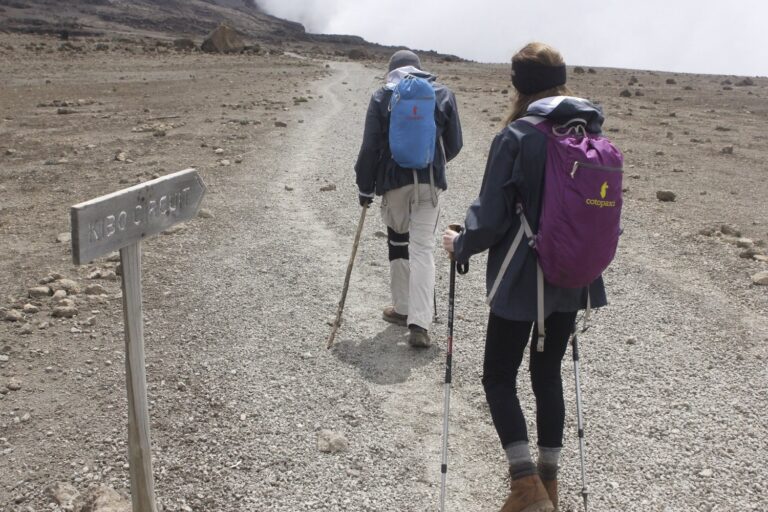
Best Balaclava For Kilimanjaro Summit Night 2026-2027
Best Balaclava for Kilimanjaro Summit Night is explained with current 2026-2027 planning, price, itinerary and booking information.
View package details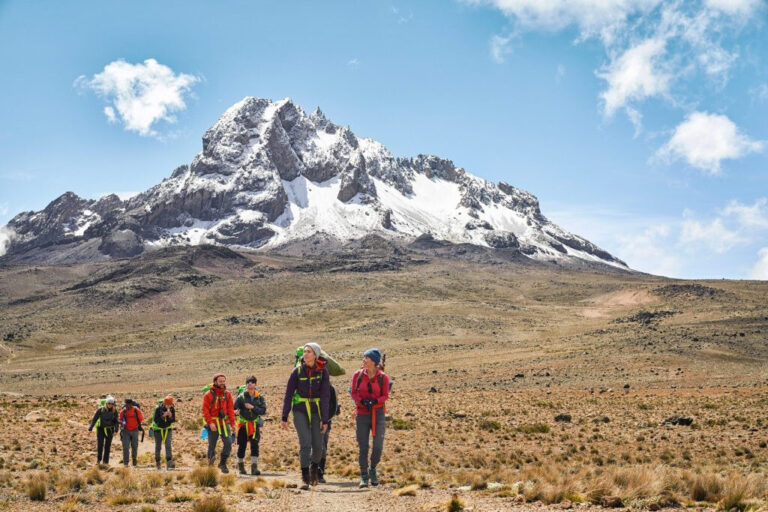
Kilimanjaro Extended-Itinerary Summit Trek: Your Ultimate Guide For 2026-2027
Choosing an extended itinerary for your Kilimanjaro summit trek offers superior acclimatization and a more rewarding experience. This guide details the benefits, best routes, and essential...
View package details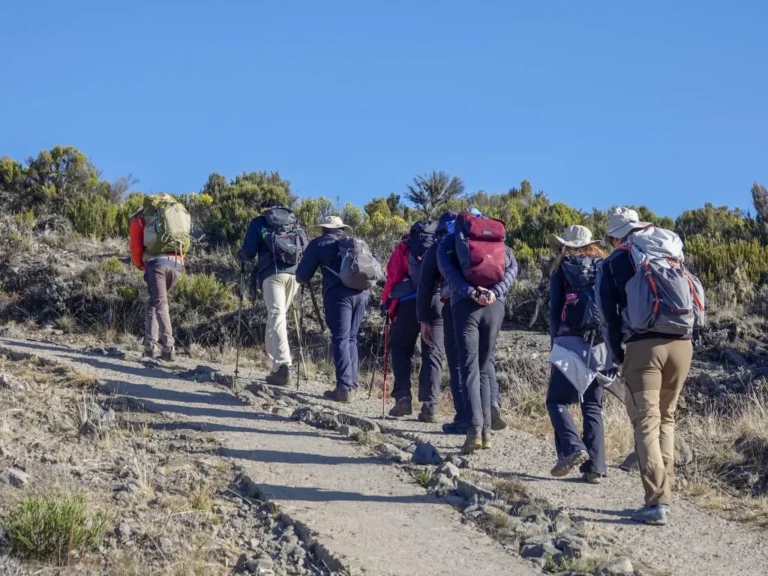
Kilimanjaro Slow-Pace Summit Package Guide
Opt for a Kilimanjaro Slow-Pace Summit Package for a more relaxed ascent, increasing your chances of reaching Uhuru Peak. This guide details routes, preparation, and what to expect with Top...
View package details
Kilimanjaro Easter Holiday Summit Package | Top Guide Adventures 2026-2027
Secure your Kilimanjaro Easter Holiday Summit Package for 2026 or 2027 with Top Guide Adventures. This guide covers everything you need to know about climbing Africa's highest peak during...
View package details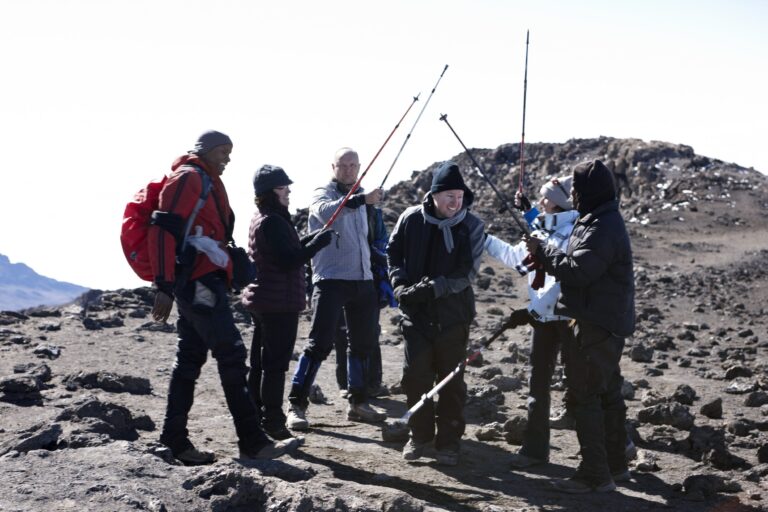
Kilimanjaro Cancer Fundraising Challenge 2026-2027
Kilimanjaro Cancer Fundraising Challenge is explained with current 2026-2027 planning, price, itinerary and booking information.
View package detailsKilimanjaro Graduation Climbing Challenge: Your Ultimate Guide 2026-2027
Achieve a milestone with a Kilimanjaro Graduation Climbing Challenge. This comprehensive guide from Top Guide Adventures covers everything you need to know for a successful ascent in...
View package details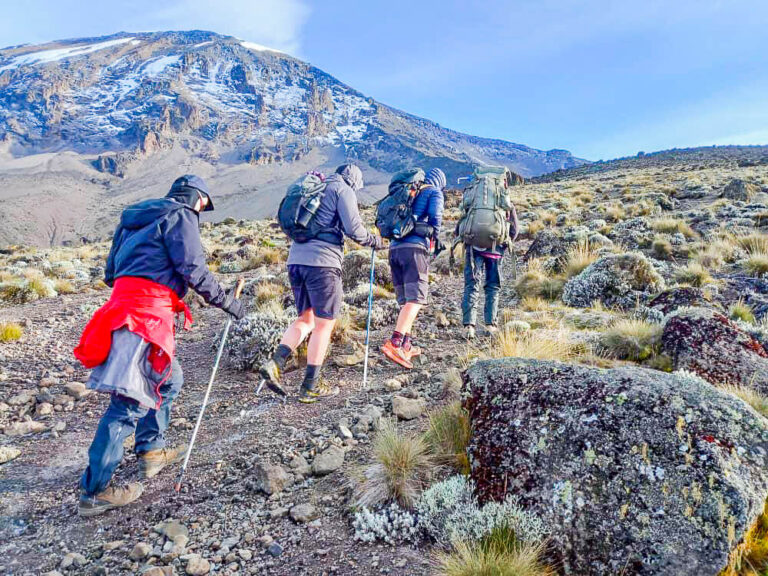
Kilimanjaro Anniversary Summit Expedition: Celebrating Milestones In 2026-2027
start an unforgettable Kilimanjaro Anniversary Summit Expedition in 2026 or 2027. This guide covers route selection, preparation, and what to expect for couples or groups celebrating a...
View package details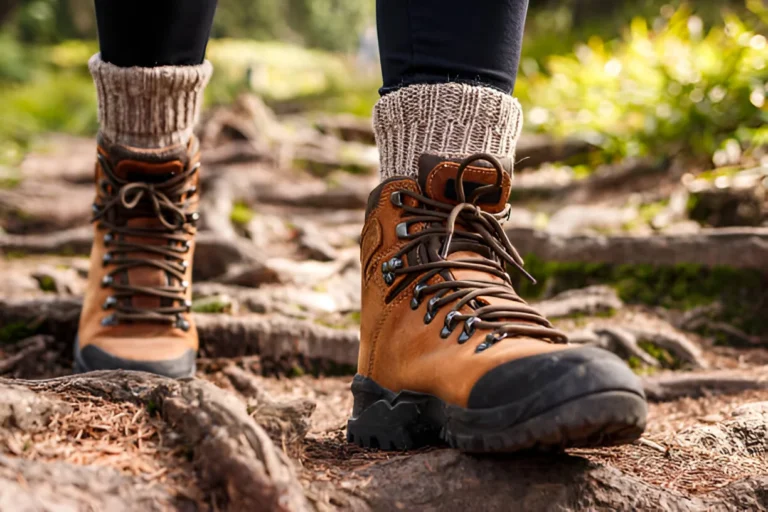
Kilimanjaro Birthday Summit Climbing Package 2026-2027
Kilimanjaro Birthday Summit Climbing Package is explained with current 2026-2027 planning, price, itinerary and booking information.
View package detailsNo related package matches those filters. Clear one or more filters to see the other topic-matched options.



