
When climbing Kilimanjaro, your main safari luggage and excess belongings are typically stored securely at your hotel in Moshi or Arusha, or at the tour operator’s office, for the duration of your trek. This arrangement ensures your gear is safe and accessible upon your return from the mountain, allowing you to focus on the climb and then seamlessly transition to your safari or onward travel in 2026-2027.
Understanding Your Luggage Needs for Kilimanjaro and Safari
Embarking on a journey that combines a Kilimanjaro climb with a Tanzanian safari is an unforgettable experience. However, it also presents a unique logistical challenge: managing your luggage. You’ll likely have two distinct sets of gear: the specialized equipment needed for ascending Africa’s highest peak and the clothing and essentials for exploring the country’s renowned wildlife parks. Understanding where to store your safari luggage during the Kilimanjaro climb is crucial for a stress-free adventure. This guide from Top Guide Adventures aims to clarify all your options, ensuring your belongings are safe and accessible throughout your 2026-2027 Tanzanian expedition.
The core of the problem lies in the fact that your safari luggage – often bulkier suitcases, duffel bags containing casual wear, toiletries not needed for the climb, and perhaps souvenirs – is not suitable for the trek itself. Climbing Kilimanjaro requires specific, often lighter, gear that can be carried in duffel bags and daypacks. The excess items need a secure, reliable place to stay while you’re on the mountain for several days, potentially up to two weeks for longer climbs.
Fortunately, reputable tour operators like Top Guide Adventures have well-established systems to handle this exact situation. The most common and practical solution involves leaving your excess safari luggage at a secure location, usually in the town where you begin your trek, such as Moshi or Arusha. This frees you from the burden of transporting unnecessary items to the mountain and ensures they are waiting for you upon your descent.
The Primary Solution: Storing Luggage at Your Pre/Post-Climb Accommodation
The most straightforward and widely adopted method for storing safari luggage during your Kilimanjaro climb is to leave it at your hotel or lodge in Moshi or Arusha. Most tour operators, including Top Guide Adventures, will arrange for your accommodation in these towns before and after your climb. These hotels are accustomed to hosting climbers and have protocols in place for storing guest luggage.
How it Works:
- Pre-Climb Stay: After arriving in Tanzania and meeting your expedition team, you’ll typically spend a night or two at a hotel in Moshi or Arusha. This is the perfect time to sort your gear. You’ll pack your climbing duffel bag and daypack with essentials for the mountain and place all your remaining safari luggage and personal items into larger suitcases or duffel bags.
- Luggage Drop-off: You will hand over your excess safari luggage to the hotel’s reception or concierge. They will often tag it with your name and room number for easy identification. This is usually complimentary for guests staying with them.
- During the Climb: Your stored luggage remains safely at the hotel while you are on Kilimanjaro. The hotel staff will look after it, ensuring it is secure and protected from the elements.
- Post-Climb Collection: Upon descending Kilimanjaro, you will return to the same hotel. You can then collect your safari luggage from the reception. This is often a welcome sight after days on the mountain, as it contains your clean clothes, toiletries, and gear for your next adventure, whether it’s a safari or a flight home.
Top Guide Adventures partners with reliable hotels in Moshi and Arusha that are well-equipped to handle this. We ensure that the process is smooth and that your belongings are safe. This option is incredibly convenient, eliminating the need to find separate storage facilities or worry about the security of your valuables. For your 2026-2027 adventures, this remains the most practical and cost-effective solution.
Alternative: Storing Luggage at Your Tour Operator’s Office
In some cases, particularly if your pre or post-climb accommodation is not directly arranged by your tour operator, or if you prefer a more direct arrangement, you can store your safari luggage at the tour operator’s office. Top Guide Adventures, with offices in Moshi, offers this service to its clients.
When This Option is Useful:
- If you are staying in alternative accommodation (e.g., with friends, or in a guesthouse not affiliated with your tour operator) before and after your climb.
- If you prefer to keep your luggage directly with the company managing your climb for added peace of mind.
- For climbers who might arrive closer to their climb date and do not have a significant pre-climb stay at a hotel.
How it Works:
- Coordination: Before your climb, communicate with your tour operator (like Top Guide Adventures) about your intention to store luggage at their office.
- Drop-off: You can drop off your excess safari luggage at the designated office in Moshi a day or two before your trek begins. Ensure you have packed your climbing duffel bag and daypack separately.
- Security: Tour operators usually have a secure storage area within their premises, often a locked room or a dedicated storage space, to keep client luggage safe.
- Collection: Upon completing your Kilimanjaro climb, you will return to the tour operator’s office to collect your stored belongings. This is often done immediately after your post-climb debrief and celebration.
This method offers a high level of security as your luggage is managed by the team responsible for your entire Kilimanjaro expedition. It streamlines logistics, especially if you are coordinating directly with Top Guide Adventures for both your climb and subsequent safari. For travelers planning their 2026 or 2027 trips, confirming this option with your operator in advance is recommended.
What Type of Luggage Should You Store?
The key to efficient luggage management is understanding what goes where. Generally, you’ll be splitting your belongings into three categories:
- Climbing Duffel Bag: This is the main bag that your porters will carry for you on the mountain (usually a large, waterproof duffel, around 80-120 liters). It should contain your clothing layers, sleeping bag, extra boots, and personal items needed during the trek. Do not overpack this bag, as porters have weight limits, typically around 15kg (33 lbs) per person.
- Daypack: This is the backpack you’ll carry yourself each day on the mountain. It holds essentials like water, snacks, rain gear, sunscreen, a camera, your first-aid kit, and extra layers you might need during the day.
- Safari Luggage / Excess Gear: This is everything else. Think of your main suitcases, large travel bags, or extra duffel bags containing items you won’t need on the mountain. This includes:
- Casual clothing for evenings at the hotel.
- Toiletries beyond the basics required for the trek (e.g., extensive makeup, hair products).
- Electronics and chargers you don’t need on the mountain.
- Souvenirs purchased before the climb.
- Any gear you deemed too bulky or unnecessary for the trek (e.g., heavy books, multiple pairs of shoes).
This is the luggage you will store.
Ensuring your stored luggage is well-organized will make your return and transition to your safari much easier. Consider using packing cubes or smaller bags within your main suitcase to keep things tidy.
Preparing Your Luggage for Storage
Before you hand over your safari luggage for storage, take a moment to prepare it properly. This ensures the security of your belongings and makes collection easier.
Luggage Preparation Checklist:
- Lock Your Bags: Use sturdy locks on all suitcases and duffel bags you are storing. While hotels and tour operators are generally secure, it’s always best practice.
- Label Clearly: Affix luggage tags to each bag with your full name, contact information (including your home country phone number), and your expedition dates. If possible, add your tour operator’s name as well.
- Remove Valuables: Never store valuables like passports, large amounts of cash, expensive jewelry, or important travel documents in your stored luggage. Keep these items with you in a personal daypack or a secure hotel safe.
- Pack Essentials Separately: Ensure your daypack and climbing duffel bag contain everything you need for the first day or two after your climb, in case your main stored luggage is not immediately accessible upon return (though this is rare).
- Consolidate: If you have multiple small bags, consider consolidating them into one or two larger, more manageable pieces of luggage for storage.
- Take Photos: It’s a good idea to take photos of your luggage before storing it, as a visual record of what you left behind.
Proper preparation minimizes potential issues and ensures you can quickly access what you need once you’re back from Kilimanjaro, ready for your 2026-2027 safari. Top Guide Adventures emphasizes these preparation steps to all our clients to ensure a smooth experience.
What About Gear Provided by the Tour Operator?
Some tour operators, including Top Guide Adventures, may provide certain gear items for your Kilimanjaro climb. This can include items like sleeping bags, trekking poles, and sometimes even waterproof ponchos. You will use these items during your trek and return them to the operator upon completion.
Important Considerations:
- Rental vs. Purchase: Clarify whether these items are rented or included. If rented, ensure you know the return process.
- Personal Gear: Ensure you have packed your own personal items that are not provided, such as your base layers, mid-layers, warm jacket, waterproofs, gloves, hats, and personal medication.
- Storage of Provided Gear: If you have rented items like sleeping bags, they will typically be returned directly to your guide or tour operator representative at the end of the climb, not stored with your personal luggage.
This aspect of gear management is separate from your personal safari luggage storage but is part of the overall logistical planning for Kilimanjaro. For 2026-2027 climbs, checking what gear is provided is a standard part of booking.
Security and Peace of Mind
The primary concern when leaving belongings behind is security. Reputable hotels and tour operators in Tanzania understand the importance of safeguarding client property.
Factors Contributing to Security:
- Established Businesses: Hotels and licensed tour operators are established businesses that rely on their reputation. Theft or loss of client luggage would severely damage their credibility and business.
- Protocols: They have specific procedures for tagging, storing, and retrieving luggage, minimizing the chances of mix-ups or unauthorized access.
- Limited Access: Luggage is typically stored in secure back rooms, locked storage areas, or designated areas within the hotel that are not accessible to the general public.
- Trust: Years of operation have built a level of trust between operators, hotels, and travelers. Thousands of climbers successfully store their luggage every year without incident.
While no system is entirely foolproof, the risk of losing luggage when stored with a reputable hotel or tour operator like Top Guide Adventures is very low. The convenience and peace of mind it offers far outweigh the minimal risk. For travelers planning their 2026-2027 trips, this established system provides reliable security.
Cost of Luggage Storage
Typically, luggage storage for your safari gear while you are climbing Kilimanjaro is complimentary when you book your pre and post-climb accommodation through your tour operator or directly with the hotel. This is considered a standard service for guests.
Potential Costs:
- Non-Guest Storage: If you are not staying at the hotel before or after your climb and wish to use their storage facilities, there might be a small fee. However, this is uncommon for clients of established tour operators.
- Tour Operator Office Storage: Storage at the tour operator’s office is almost always free for their clients.
Top Guide Adventures includes this convenience as part of our comprehensive service package for Kilimanjaro climbs and safaris. You won’t incur extra charges for storing your safari luggage with us or our partner hotels when you book your expedition. This cost-effectiveness is a significant benefit for 2026-2027 travelers.
What to Pack in Your Kilimanjaro Duffel Bag vs. Safari Luggage
A clear distinction between what goes into your climbing duffel and what stays in your stored safari luggage is essential. Here’s a breakdown:
Kilimanjaro Duffel Bag (to be carried by porters):
- Clothing: 3-4 thermal base layers (tops and bottoms), 2-3 mid-layers (fleece or down vests), 1 warm down jacket, 1 waterproof and windproof outer jacket, 1 waterproof and windproof outer pants, 2-3 pairs of trekking trousers (quick-drying), 4-5 pairs of trekking socks (wool or synthetic), 1 pair of liner socks, 1 warm hat (fleece or wool), 1 sun hat or cap, 1-2 pairs of warm gloves/mittens, 1 pair of lighter gloves.
- Footwear: Broken-in hiking boots (waterproof), comfortable shoes/sandals for camp.
- Sleeping Gear: Sleeping bag (rated to -15°C or -20°C), sleeping bag liner (optional, for extra warmth).
- Personal Items: Sunscreen (SPF 30+), lip balm with SPF, sunglasses, headlamp/torch with extra batteries, water bottles/hydration reservoir (min 3 liters capacity), personal toiletries (small sizes: toothbrush, toothpaste, biodegradable soap, wet wipes), small personal first-aid kit, camera, power bank, snacks.
- Documents: A copy of your passport and visa (keep originals secure).
Safari Luggage (to be stored):
- Clothing: Casual wear for hotels, comfortable shoes for travel, extra outfits for after the climb, perhaps a slightly smarter outfit if dining out.
- Toiletries: Full-sized toiletries, hair styling products, extensive makeup, contact lenses and solutions if applicable.
- Electronics: Laptop, tablet, multiple chargers, travel adapters.
- Leisure: Books, travel games, journals.
- Souvenirs: Any items purchased before the climb.
- Comfort Items: Extra pillows, blankets if you are particularly sensitive to hotel bedding.
- Documents: Original passport, visa, flight tickets, and copies of important documents should be kept securely with you or in a hotel safe, not in stored luggage.
By carefully categorizing your items, you ensure that your climbing duffel is manageable and contains everything necessary for the trek, while your stored safari luggage holds everything else you need for your entire trip to Tanzania in 2026-2027.
Integrating Luggage Storage with Your Itinerary
A well-planned itinerary makes luggage storage a smooth part of your travel experience. Here’s how Top Guide Adventures typically structures this:
Sample Itinerary Flow (7-Day Kilimanjaro Climb + Safari):
- Day 1: Arrival in Tanzania. Arrive at Kilimanjaro International Airport (JRO). Transfer to your hotel in Moshi/Arusha. Meet your guide, receive a briefing, and pack your climbing duffel bag. Hand over your excess safari luggage to the hotel or tour operator for storage.
- Day 2: Final Preparations. Last-minute gear checks, relax, and prepare for the climb. Your stored luggage remains safe.
- Day 3-7: Kilimanjaro Climb. You are on the mountain with only your daypack and duffel bag. Your safari luggage is securely stored.
- Day 7: Descent and Celebration. Descend Kilimanjaro. Transfer back to your hotel in Moshi/Arusha. Collect your stored safari luggage. Shower, relax, and celebrate your achievement.
- Day 8 onwards: Tanzania Safari. Begin your safari adventure with your collected luggage. Your safari vehicle will have ample space for your bags.
This structured approach ensures that luggage management is handled efficiently, allowing you to focus on the adventure. For those planning extended trips in 2026-2027, this integration is key.
What if You Need Items from Stored Luggage During the Climb?
This is generally not possible. Your main climbing duffel bag is carried by porters, who usually travel ahead of you and reach the next campsite before you do. They set up camp and then your duffel is delivered to your tent. However, accessing it requires coordination with the porters, and it’s not designed for on-demand retrieval of items throughout the day. Your daypack is for items you need during the hiking day. Your stored safari luggage is completely inaccessible until you return to Moshi or Arusha.
Therefore, it is critical to pack your climbing duffel bag with everything you anticipate needing for the entire duration of the trek. This includes all clothing layers, sleeping gear, toiletries, and personal items. Double-check your packing list before handing over your safari luggage. For 2026-2027 climbs, thorough preparation is non-negotiable.
Can You Store Luggage at Kilimanjaro National Park Gates?
No, you cannot store your main safari luggage at the Kilimanjaro National Park gates (like Machame Gate, Marangu Gate, Lemosho Gate, etc.). These are entry points for the trek and do not have facilities for long-term luggage storage. The park gates are bustling points of activity where climbers register, meet their guides, and begin their ascent. Any luggage left here would be at significant risk of theft or loss and would not be secure.
The security and logistics for storing your excess safari luggage are handled by your tour operator or your accommodation provider in towns like Moshi or Arusha, which are located at the base of the mountain.
Luggage Considerations for Post-Climb Safaris
Once you’ve collected your safari luggage after your Kilimanjaro climb, you’ll transition to your safari vehicle. Safari vehicles (typically Land Cruisers or Land Rovers) are equipped with roof racks designed to carry luggage securely. However, it’s still wise to:
- Pack Smart for Safari: Soft-sided duffel bags are often easier to load onto roof racks than rigid suitcases.
- Organize for Easy Access: Keep items you might need during game drives (like binoculars, camera, water bottle, sunscreen) in a smaller daypack that can fit inside the vehicle.
- Weight Limits: While less strict than on Kilimanjaro, be mindful of excessively heavy bags, especially if you have multiple large suitcases.
Top Guide Adventures ensures that your safari vehicle is appropriately sized for your group and luggage. For 2026-2027 safaris booked with us, we guarantee comfortable transport for all your belongings.
Luggage Storage for Different Kilimanjaro Routes
The route you choose for your Kilimanjaro climb (e.g., Machame, Lemosho, Marangu, Rongai, Umbwe, Northern Circuit) does not affect where you store your safari luggage. The storage solution remains the same regardless of the path you take up the mountain. Your excess belongings will be stored in Moshi or Arusha while you are on any of these routes.
What changes with different routes is the duration of your trek, the difficulty, and the scenic beauty, all of which influence the type and amount of gear you carry on the mountain itself. But the base logistics for storing safari luggage remain consistent. This applies to all planned climbs in 2026 and 2027.
Luggage Storage for Solo Travelers vs. Groups
Whether you are a solo traveler or part of a group, the process for storing safari luggage is generally the same. Solo travelers will store their personal belongings, while groups might coordinate to store luggage together if they are sharing accommodation or a tour operator’s office.
For Solo Travelers: Your luggage will be tagged with your name and stored securely. It’s essential to keep your valuable personal items (passport, money, phone) with you or in a hotel safe at all times. Top Guide Adventures provides personalized attention to solo travelers, ensuring their luggage storage is handled with care.
For Groups: Groups can often store luggage together in a designated area at the hotel or tour operator’s office. It’s advisable to have one designated person from the group responsible for coordinating the drop-off and collection of the group’s stored items to avoid confusion.
The principle remains: store what you don’t need on the mountain, keep valuables secure, and rely on your operator for safe keeping. This is a standard procedure for all travelers in 2026-2027.
Tips for a Smooth Luggage Experience
To ensure your luggage management is as smooth as possible, consider these tips:
Luggage Smoothness Tips:
- Communicate with Your Operator: Discuss your luggage storage plans with Top Guide Adventures well in advance.
- Pack Strategically: Know exactly what needs to go into your climbing duffel versus your stored safari luggage.
- Label Everything: Clear labels prevent mix-ups.
- Keep Essentials Accessible: Have your daypack ready with items you’ll need on the first day of the climb and potentially for the first day after descent.
- Secure Valuables: Always keep passports, money, and essential documents with you or in a hotel safe.
- Use Durable Luggage: Ensure your stored bags are sturdy and lockable.
- Be Realistic About Weight: Remember porter weight limits for your climbing duffel.
By following these tips, you can significantly reduce any stress associated with managing your belongings during your Kilimanjaro and safari adventure in 2026-2027.
Conclusion: Secure Storage is Standard Practice
Storing your safari luggage during your Kilimanjaro climb is a standard, well-managed practice. Reputable tour operators like Top Guide Adventures, in collaboration with trusted hotels in Moshi and Arusha, provide secure and often complimentary storage solutions. This allows you to focus on the challenge and majesty of climbing Kilimanjaro, knowing your belongings are safe and will be waiting for you upon your return, ready for your next adventure, be it a thrilling Tanzanian safari or your journey home.
When planning your 2026 or 2027 Kilimanjaro expedition and safari, rest assured that luggage storage is a logistical detail that is expertly handled. Top Guide Adventures is committed to providing a smooth and memorable experience from start to finish. For any specific questions regarding luggage or to discuss your personalized itinerary, please do not hesitate to reach out to our expert team. We are here to ensure your Tanzanian adventure is everything you dreamed of and more.
Contact Top Guide Adventures:
WhatsApp: +255616946642
Email: topguideadventures@gmail.com
Backup Email: info@topguideadventures.com
Visit our website: www.topguideadventures.com
Check Availability for Where To Store Safari Luggage During Kilimanjaro Climb: Expert Guide…
Ready to compare dates, prices, and the best option for your group? Send the package name and travel month so the team can reply with a clear quote, availability, and what is included.
Kilimanjaro Stopover Package Between Safari And Zanzibar 2026-2027
Kilimanjaro Stopover Package between Safari and Zanzibar is explained with current 2026-2027 planning, price, itinerary and booking information.
View package details
Best Kilimanjaro Month For Safari Extensions In | Top Guide Adventures
Discover the ideal months for combining a Kilimanjaro climb with a safari in Tanzania, focusing on optimal weather conditions, wildlife spectacles, and extension opportunities for...
View package details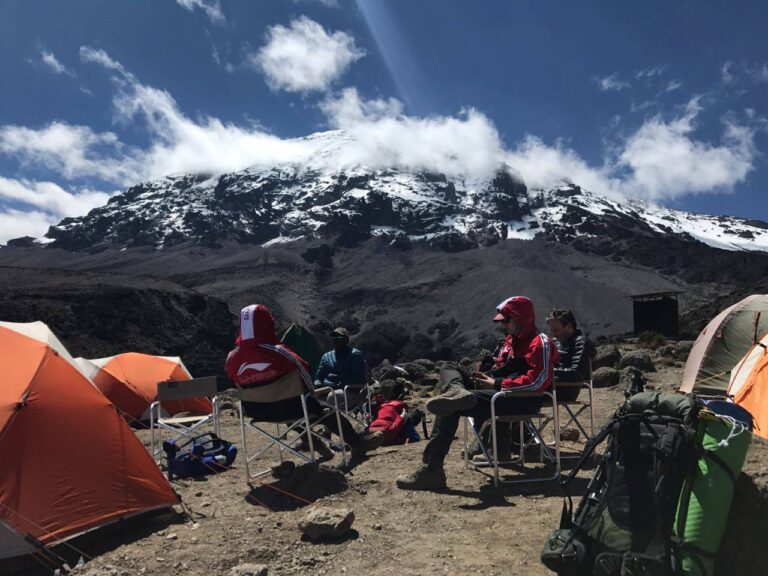
Kilimanjaro Airport Meet-And-Greet Service: Your Smooth Arrival In Tanzania
Top Guide Adventures offers a comprehensive Kilimanjaro Airport meet-and-greet service designed to make your arrival in Tanzania effortless and welcoming. From the moment you step off the...
View package details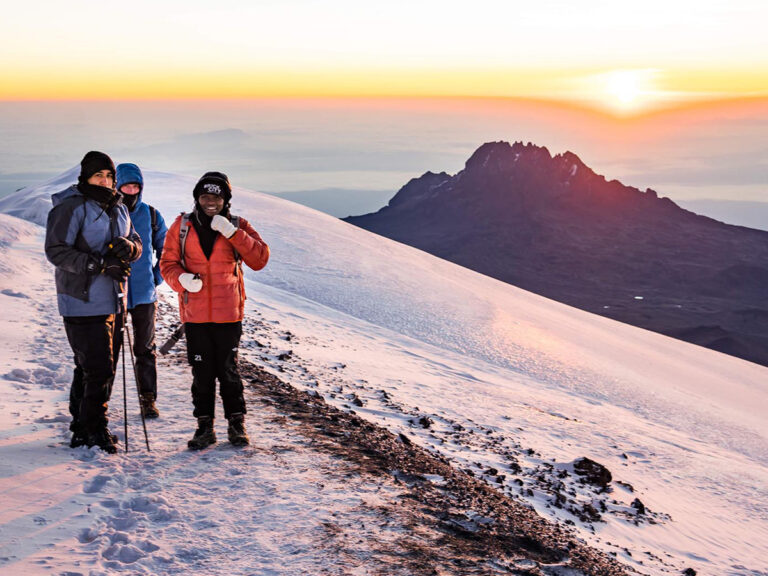
How To Dry Clothes During A Kilimanjaro Climb: Expert Guide For 2026-2027
Staying dry is crucial for comfort and safety on Kilimanjaro. This guide provides essential strategies for drying clothes during your climb, ensuring you remain prepared for changing...
View package details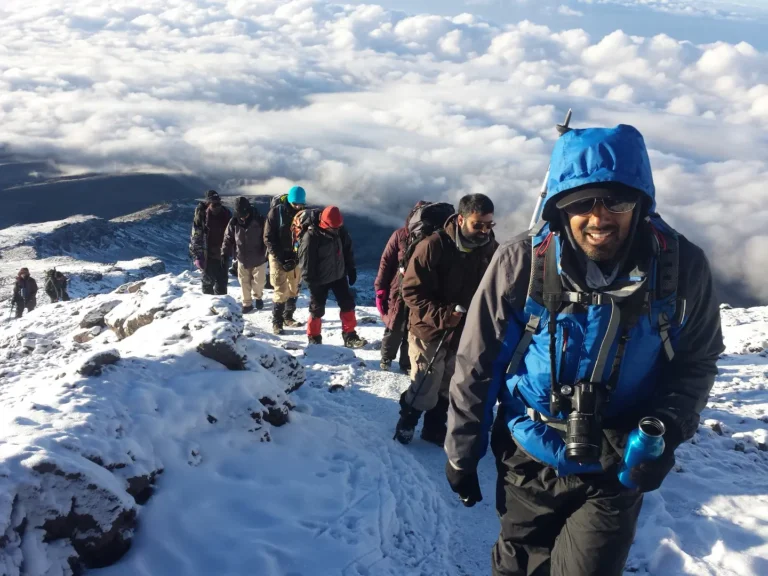
Where To Buy Missing Kilimanjaro Gear In Moshi: Your Essential Shopping Guide
Planning to climb Kilimanjaro? Don't stress about forgotten gear. Moshi offers several reliable shops where you can purchase essential items for your trek. This guide details the best...
View package details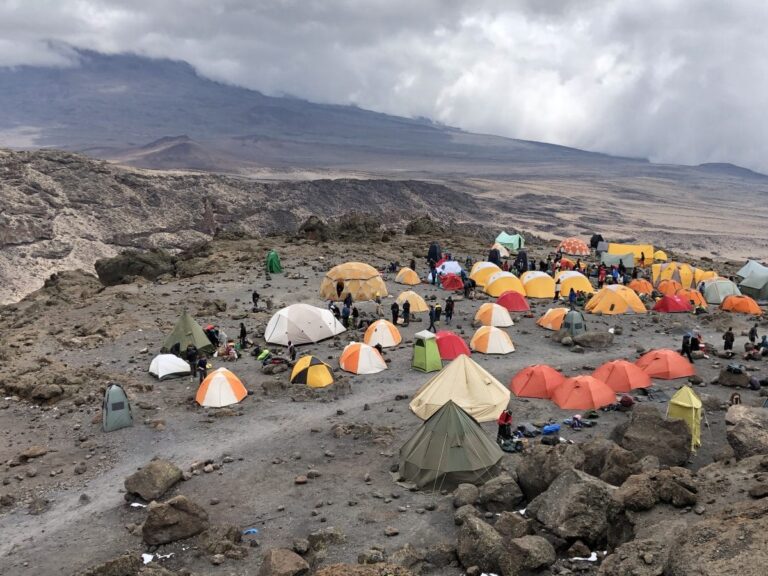
Kilimanjaro Climb With Luggage Storage In Moshi: Your Essential Guide
Organizing a Kilimanjaro climb involves many details, and ensuring your luggage is safely stored in Moshi while you're on the mountain is a key concern for many trekkers. Top Guide...
View package details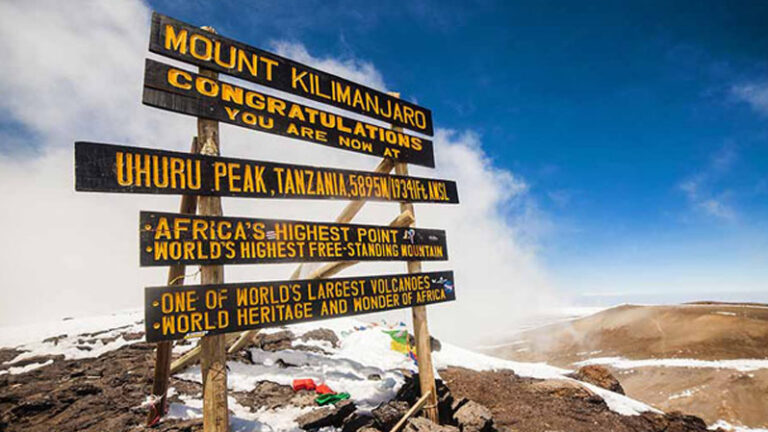
Kilimanjaro Mountain Meal Plan By Day: Fueling Your Summit Success 2026-2027
Understand the essential Kilimanjaro Mountain meal plan by day, covering daily menus, nutritional needs, and preparation tips for your trek. Top Guide Adventures provides insights into...
View package detailsFoods To Avoid Before A Kilimanjaro Climb: Expert Guide For Trekkers 2026-2027
Planning your Kilimanjaro climb for 2026 or 2027? Proper nutrition is key. This guide details essential foods and drinks to avoid before and during your trek to prevent digestive issues and...
View package details
Can You Drink Alcohol Before Climbing Kilimanjaro? 2026-2027
Can You Drink Alcohol before Climbing Kilimanjaro? is explained with current 2026-2027 planning, price, itinerary and booking information.
View package detailsCan You Drink Coffee On Kilimanjaro? Guide
Curious if you can enjoy your morning coffee while climbing Kilimanjaro? This comprehensive guide from Top Guide Adventures covers everything from availability on the mountain to brewing...
View package details
Kilimanjaro Hydration Salts And Electrolyte Guide For Trekkers 2026-2027
Proper hydration is critical for a successful Kilimanjaro climb. This comprehensive guide focuses on the vital role of hydration salts and electrolytes, explaining how they aid...
View package detailsWhat To Eat After Summiting Kilimanjaro Guide
Summiting Kilimanjaro is an incredible feat, but your body will be depleted. Learn what to eat afterward to maximize recovery, replenish nutrients, and celebrate your achievement.
View package detailsNo related package matches those filters. Clear one or more filters to see the other topic-matched options.



