
For a Kilimanjaro climb, you will typically need between two to four sets of base layers, comprising both tops and bottoms. This quantity allows for rotation during the trek, ensuring you always have a dry set available while others are drying or being washed. The exact number can vary based on the specific route, time of year (considering expected weather variations for 2026-2027 climbs), and your personal body temperature regulation.
Understanding the Role of Base Layers on Kilimanjaro
Climbing Mount Kilimanjaro is an extraordinary adventure, but it presents a unique set of environmental challenges. As you ascend, temperatures can plummet dramatically, and conditions can shift rapidly from sunny skies to freezing rain or snow. At the heart of staying comfortable and safe on such a trek is a well-considered layering system. Among the most critical components of this system are base layers. They are your first line of defense against the cold and moisture, directly impacting your overall experience and success on the mountain.
The fundamental purpose of a base layer is to manage your body’s moisture. As you exert yourself during the climb, your body will sweat. If this sweat isn’t wicked away from your skin, it can cool you down rapidly, leading to discomfort and potentially dangerous hypothermia. High-quality base layers are designed to draw moisture (sweat) away from your skin and transfer it to the outer layers of your clothing, where it can evaporate. This process is known as wicking.
Beyond moisture management, base layers also provide essential insulation. They trap a thin layer of warm air close to your body, helping to maintain your core temperature. On Kilimanjaro, where summit temperatures can drop below freezing, even during the day, this insulation is vital. However, it’s a delicate balance; you also need base layers that are breathable enough to prevent overheating during strenuous ascents, especially on the lower, warmer slopes.
The choice of fabric is paramount. Natural fibers like merino wool are highly regarded for their warmth, breathability, and odor resistance, even when damp. Synthetic materials, such as polyester or polypropylene, are also excellent at wicking moisture and dry very quickly. Cotton, on the other hand, is generally a poor choice for base layers on Kilimanjaro. It absorbs moisture and holds onto it, becoming heavy, cold, and slow to dry, which can be a significant risk factor on a mountain climb.
For a typical Kilimanjaro expedition, which often lasts between 6 to 9 days, you’ll want enough base layers to ensure you have a dry set for sleeping and a dry set for hiking each day. This means considering not just the number of sets but also how they will be cleaned and dried on the mountain. While guides can often help with washing, relying on them for a full laundry service is impractical. Therefore, carrying enough to rotate is the most sensible approach.
Why Two to Four Sets? The Logic Behind the Number
The recommendation of two to four sets of base layers for a Kilimanjaro climb is based on practical considerations for a multi-day trek in variable conditions. Let’s break down why this range is generally advised for climbers planning their 2026-2027 expeditions.
The “Two Set” Scenario: Minimum Viable Option
If you are an extremely efficient packer or are on a very strict budget, two sets of base layers (one top and one bottom) might seem sufficient. This scenario works best if you are:
- Climbing during a drier season when sweat evaporation is faster.
- Willing to wear a slightly damp layer while hiking, knowing it will dry overnight.
- Prepared to hand-wash and dry a set every evening, which can be challenging on the mountain.
- Focused on summiting during the warmer months of the year.
With only two sets, one set is typically worn while hiking, and the other is reserved for sleeping or for the next day’s hike if the first set hasn’t dried sufficiently. The biggest drawback here is the potential for discomfort and increased risk of chill if the worn layer doesn’t dry adequately overnight. You might find yourself wearing a damp base layer for extended periods, which is far from ideal for warmth and hygiene.
The “Three Set” Scenario: A Balanced Approach
Three sets of base layers (three tops, three bottoms) represent a more comfortable and practical compromise for most climbers. This allows for a good rotation:
- Set 1: Worn for hiking on Day 1 and potentially washed/dried overnight.
- Set 2: Worn for hiking on Day 2, while Set 1 dries. This set can then be used for sleeping.
- Set 3: Worn for hiking on Day 3, while Set 1 is used for sleeping and Set 2 is washed/dried.
This system ensures you always have a dry layer available for sleeping, which is crucial for rest and recovery. It also means you’re less likely to be forced to hike in a damp base layer for consecutive days. This is a solid choice for most routes and seasons, including the popular windows of 2026 and 2027.
The “Four Set” Scenario: Maximum Comfort and Preparedness
Four sets of base layers (four tops, four bottoms) offer the highest level of comfort and preparedness. This is particularly beneficial for:
- Climbers who tend to sweat heavily.
- Those who are particularly sensitive to cold.
- Climbs during the colder, wetter seasons (e.g., the rainy seasons).
- Longer itineraries (8-9 days) where the opportunities for drying clothes might be fewer.
- Climbers who prioritize having a completely dry set for sleeping every night.
With four sets, you can easily rotate through them, ensuring that at least one set is always drying, one is being worn, and one is reserved for sleeping. This significantly reduces the chances of feeling cold or clammy, contributing to a more enjoyable and safer trek. It provides peace of mind, knowing you have ample dry layers, even if unexpected weather delays drying times.
Key Considerations Influencing Your Choice:
- Personal Metabolism: Do you tend to run hot or cold? If you’re always cold, lean towards more sets. If you overheat easily, you might manage with fewer, provided they dry quickly.
- Season of Climb: The dry seasons (January-March and June-October) generally offer better drying conditions than the rainy seasons (April-May and November).
- Route Length: Longer routes mean more days to manage laundry and drying.
- Activity Level: Higher exertion levels mean more sweat, requiring more frequent changes or better wicking.
- Availability of Washing Facilities: While limited, some lodges or campsites might offer basic washing services. However, do not rely on this.
For most trekkers aiming for Kilimanjaro in 2026 or 2027, three sets of base layers (tops and bottoms) is the recommended sweet spot, offering a good balance of comfort, practicality, and cost. Four sets provide an added layer of security and comfort, especially for those who feel the cold more acutely or are climbing during less predictable weather periods.
Types of Base Layers: Fabric Matters
The effectiveness of your base layers hinges entirely on the material they are made from. On Kilimanjaro, you need fabrics that excel at moisture management, insulation, and quick drying. Here’s a breakdown of the most suitable materials:
Merino Wool
Merino wool has become the gold standard for high-performance outdoor base layers, and for good reason. It’s a natural fiber derived from Merino sheep, known for its exceptionally fine and soft fibers, which make it comfortable against the skin – a crucial factor when you’ll be wearing it for extended periods.
- Moisture Wicking: Merino wool can absorb a significant amount of moisture vapor before it even feels wet to the touch. It then wicks liquid sweat away from your skin, keeping you dry and comfortable.
- Insulation: It provides excellent warmth, even when damp. The natural crimp of the fibers traps air, creating an insulating layer that helps regulate body temperature effectively.
- Breathability: Despite its insulating properties, merino wool is highly breathable, allowing excess heat and moisture to escape, preventing overheating during strenuous activity.
- Odor Resistance: One of merino wool’s most celebrated features is its natural resistance to odor. It can be worn for multiple days without developing unpleasant smells, a significant advantage on a multi-day trek where washing opportunities are limited.
- Temperature Regulation: It has natural thermoregulating properties, meaning it helps keep you warm in the cold and cooler in the heat.
Downsides: Merino wool can be more expensive than synthetic alternatives. It can also take longer to dry than synthetics if it becomes saturated with liquid water.
Weight/Thickness: For Kilimanjaro, look for mid-weight (around 150-200 gsm – grams per square meter) merino wool base layers. Lightweight options might not offer enough warmth for the higher altitudes, while heavyweight can be too warm for the lower sections.
Synthetic Fabrics (Polyester, Polypropylene)
Synthetic base layers, primarily made from polyester or polypropylene, are another excellent choice for Kilimanjaro. They are engineered specifically for performance in outdoor activities.
- Excellent Moisture Wicking: Synthetics are superb at moving moisture away from the skin to the fabric’s surface for evaporation. They often dry faster than merino wool.
- Durability: These fabrics are generally very durable and resistant to abrasion, meaning they can withstand the rigors of trekking and repeated washing.
- Lightweight: They are typically lightweight, adding minimal bulk to your pack.
- Quick Drying: If they get wet from sweat or external moisture, they dry remarkably quickly.
- Cost-Effective: Often more affordable than merino wool, making them a popular choice for budget-conscious trekkers.
Downsides: Synthetics can retain odors more readily than merino wool, even with modern anti-odor treatments. Some people find them less comfortable against the skin compared to the softness of merino wool.
Weight/Thickness: Similar to merino, mid-weight (around 150-200 gsm) polyester base layers are ideal for Kilimanjaro. Some might opt for a lighter set for the lower altitudes and a mid-weight set for higher, colder sections.
Blends (Merino/Synthetic)
Many brands offer base layers that blend merino wool with synthetic fibers. These blends aim to combine the best properties of both materials.
- Enhanced Durability and Drying: The synthetic component increases the fabric’s durability and speeds up drying times.
- Comfort and Warmth: The merino wool ensures natural softness, warmth, and odor resistance.
- Improved Wicking: The combination can enhance moisture management capabilities.
These blends can be an excellent compromise, offering many of the benefits of pure merino wool at a potentially lower price point and with improved performance in terms of drying speed.
Fabrics to Avoid: Cotton
Absolutely avoid cotton for your base layers on Kilimanjaro. While comfortable for everyday wear in mild conditions, cotton is a moisture trap. When you sweat, cotton absorbs it like a sponge and holds onto it, making the fabric heavy, cold, and slow to dry. Wearing wet cotton against your skin in the cold mountain air is a recipe for rapid heat loss and can significantly increase your risk of hypothermia. This is a critical safety point for any Kilimanjaro trek, whether planned for 2026 or 2027.
Base Layer Tops: What to Look For
Your base layer tops are crucial for keeping your core warm and dry. When selecting them for Kilimanjaro, consider the following:
Neckline Styles
- Crew Neck: The most common style, offering good coverage without being restrictive. Suitable for most conditions.
- V-Neck: Offers slightly more ventilation but less coverage. Generally less preferred for cold-weather trekking where maximum warmth is needed.
- 1/4 Zip or 1/2 Zip: These are highly versatile. The zipper allows you to easily vent excess heat during ascents without fully exposing your skin. They also make it easier to put on and take off the layer. A 1/4 zip is usually sufficient for Kilimanjaro.
For Kilimanjaro, a mix of crew neck and 1/4 zip tops can be ideal. You might prefer a simple crew neck for sleeping or for layering under a warmer mid-layer, while a 1/4 zip offers excellent adjustability during the day’s hike.
Sleeve Length
- Long Sleeve: This is the standard and most practical option for Kilimanjaro. It provides maximum coverage and warmth for your arms and torso, protecting against both cold and sun exposure.
- Short Sleeve: While some might consider a short-sleeve base layer for the very lowest, hottest parts of the trek, it’s generally not recommended as a primary base layer. It offers insufficient warmth for the majority of the climb and leaves your arms exposed to sun and wind.
Always opt for long-sleeved base layer tops for Kilimanjaro. Even on warmer days, the sun can be intense at altitude, and a long sleeve provides protection. It also serves as a vital layer of insulation when temperatures drop.
Fit
Base layers should fit snugly against your skin, but not be uncomfortably tight. This close fit is essential for:
- Effective Wicking: The fabric needs to be in direct contact with your skin to draw sweat away efficiently.
- Optimal Insulation: A snug fit traps a thin layer of warm air close to your body, maximizing the insulating properties of the fabric.
Avoid baggy or loose-fitting base layers, as they create air gaps that reduce insulation and can allow moisture to pool against your skin.
Specific Features to Consider
- Thumbholes: Many base layers have built-in thumbholes in the cuffs. These are surprisingly useful on Kilimanjaro, as they allow you to easily extend the coverage of your sleeves over your hands for extra warmth without needing separate gloves. They also prevent sleeves from riding up.
- Flatlock Seams: These are seams that lie flat against the fabric, reducing the risk of chafing and irritation, especially during long days of hiking.
- Antimicrobial Treatments: While merino wool is naturally antimicrobial, synthetic base layers often feature treatments to inhibit bacterial growth and reduce odor.
Recommendation for Kilimanjaro Tops: Aim for two to three long-sleeved tops. Ideally, one or two should be 1/4 zip for versatility, and at least one should be a comfortable crew neck for sleeping or layering. A mix of merino wool or merino blends is highly recommended for their performance and odor resistance.
Base Layer Bottoms: Keeping Your Legs Warm
Base layer bottoms, often called long johns or thermal leggings, are just as critical as the tops for maintaining warmth and comfort on Kilimanjaro. Your legs are working hard during the climb, generating heat, but they are also exposed to significant temperature drops, especially at higher altitudes and during the summit push.
Weight and Material
- Mid-weight is key: Similar to the tops, mid-weight (150-200 gsm) merino wool or synthetic blends are the best choice. Lightweight might be insufficient for the summit night, while heavyweight can be too warm for the lower, forested sections.
- Merino Wool vs. Synthetics: The same considerations apply as for the tops. Merino offers superior odor resistance and comfort for multi-day wear. Synthetics offer faster drying and often a lower price point.
Fit
Base layer bottoms should also fit snugly. They should not bunch up around your ankles or knees, as this can be uncomfortable and impede movement. The close fit ensures:
- Efficient Wicking: Moisture is drawn away from your legs directly to the fabric surface.
- Consistent Insulation: Warm air is trapped close to the skin.
Avoid overly baggy or loose-fitting bottoms, as they will not perform their primary functions effectively and can be a nuisance under your hiking trousers.
Key Features
- Flatlock Seams: Again, crucial for comfort to prevent chafing, especially during long trekking days.
- Cuffed Ankles: Most base layer bottoms will have elasticated or cuffed ankles. This helps keep them in place inside your hiking boots and prevents drafts from entering.
- Fly (Optional): Some thermal bottoms have a fly opening. While convenient for quick bathroom breaks, it’s not an essential feature for Kilimanjaro. Ensure the fly design doesn’t create uncomfortable pressure points.
Recommendation for Kilimanjaro Bottoms: You will generally need two to three pairs of base layer bottoms. One pair can be used for sleeping, and the others rotated for hiking. Given that bottoms can be a bit more challenging to wash and dry thoroughly than tops, having an extra pair offers significant comfort. Many climbers opt for two pairs and ensure one is always designated for sleeping, or three pairs for maximum flexibility. The choice between merino and synthetic often comes down to personal preference and budget.
How Many Sets for Different Routes and Seasons?
While the general recommendation of 2-4 sets of base layers (tops and bottoms) holds true, the specific route and the season of your climb can influence the optimal number.
Route Variations
Kilimanjaro has several popular routes, each offering slightly different environmental conditions and durations:
- Marangu Route (Coca-Cola Route): Often considered the easiest and shortest route, typically 5 days. It’s also the only route with dormitory-style huts. Because you’re not camping, drying clothes can be slightly easier at the lodges, but temperatures still vary immensely. For a 5-day Marangu climb, two to three sets of base layers might suffice, especially if you are efficient with washing.
- Machame Route (Whiskey Route): The most popular route, typically 6-7 days. It’s a camping route with significant altitude gain and varied terrain, from rainforest to alpine desert. For a 6-7 day Machame trek, three to four sets of base layers are recommended to manage moisture and warmth across the longer duration and varied conditions. This is a very common route for 2026-2027 climbs.
- Lemosho Route: A longer, more scenic route, usually 7-8 days. It offers excellent acclimatization. Given the longer duration and potential for varied weather, three to four sets of base layers are advisable.
- Shira Route: Similar in length to Lemosho but starts at a higher altitude. Again, three to four sets are recommended.
- Rongai Route: Approaches from the north, often considered drier. It’s typically 6-7 days. While it might be slightly drier, the altitude and temperature fluctuations still necessitate a good base layer system. Three sets are a good baseline, with four providing extra comfort.
- Northern Circuit and Umbwe Routes: These are longer (9+ days for Northern Circuit) or more challenging (Umbwe). For these extended or demanding treks, four sets of base layers are strongly recommended to ensure you have enough dry options for the duration and varying conditions.
Seasonal Considerations
The weather on Kilimanjaro is highly seasonal, and this significantly impacts how many base layers you might need and how quickly they dry.
- Dry Seasons (January-March and June-October): These are the most popular times to climb, offering clearer skies and less rain. While temperatures are still cold, especially at altitude, clothes tend to dry faster. For these seasons, two to three sets are often sufficient, but three is safer for longer treks or if you’re prone to sweating. Planning a climb for 2026 or 2027 during these months is wise for drier conditions.
- Wet Seasons (April-May and November): These periods bring more rain and cloud cover, especially on the lower slopes. Temperatures can feel colder due to higher humidity and slower drying times. During the rainy seasons, it’s highly advisable to have three to four sets of base layers. You’ll appreciate having a dry set to change into, and drying clothes can become a significant challenge. If you’re considering a climb in late 2026 or early 2027, be mindful of these wetter periods.
- Shoulder Seasons (e.g., late May, early November): These can be transitional periods with mixed weather. It’s prudent to pack for the wetter conditions, meaning three to four sets are a good idea.
General Rule of Thumb for 2026-2027 Climbs:
- Dry Season + Shorter Route (5-6 days): 2-3 sets
- Dry Season + Longer Route (7-9 days): 3 sets
- Wet Season or Mixed Weather + Any Route: 3-4 sets
Ultimately, having an extra set of base layers is a small investment in comfort and safety that can make a big difference on your Kilimanjaro journey.
Base Layers vs. Mid Layers vs. Outer Layers: The Layering System Explained
Understanding how base layers fit into the broader layering system is crucial for effective temperature regulation on Kilimanjaro. The concept of layering is to build warmth and protection by combining multiple specialized garments, allowing you to adapt to changing conditions by adding or removing layers as needed. Base layers are just the first, albeit critical, piece of this puzzle.
1. Base Layer: Moisture Management and Initial Warmth
As discussed extensively, the base layer sits closest to your skin. Its primary functions are:
- Wicking sweat away from the skin.
- Providing a thin layer of insulation.
- Preventing chafing.
Materials: Merino wool, synthetics (polyester, polypropylene), or blends. Avoid cotton.
2. Mid Layer(s): Insulation and Warmth
The mid-layer is worn over the base layer and is responsible for trapping body heat to keep you warm. You might use one or more mid-layers depending on the temperature and your activity level.
- Fleece Jacket/Pullover: A classic choice. Fleece (like Polartec 100, 200, or 300 weight) is warm, breathable, and dries relatively quickly. A mid-weight fleece (e.g., Polartec 200) is a good starting point.
- Down or Synthetic Insulated Jacket: A lightweight, packable insulated jacket (often called a puffy jacket) provides significant warmth for its weight. Down offers the best warmth-to-weight ratio but loses insulating ability when wet. Synthetic insulation performs better in damp conditions. This is essential for colder periods, especially evenings and summit night.
- Insulated Vest: A vest can be useful for adding core warmth without overheating your arms, especially during moderate activity.
For Kilimanjaro: You’ll typically want at least one warm fleece jacket and a packable insulated jacket. Some trekkers opt for a lighter fleece and a heavier insulated jacket to provide more options.
3. Outer Layer (Shell Layer): Protection from Elements
The outer layer, or shell, is your primary defense against wind, rain, and snow. It needs to be waterproof and windproof but also breathable to allow moisture from the inner layers to escape.
- Waterproof/Breathable Jacket (Hardshell): A jacket made from materials like Gore-Tex or similar proprietary fabrics. It should have a hood, adjustable cuffs, and a drawcord hem to seal out the elements. Look for features like pit zips for ventilation.
- Waterproof Trousers: Full-length, waterproof, and breathable trousers are essential for protecting your legs from rain, wind, and snow, especially on summit night and during descents. Full-length side zippers are highly recommended to allow you to put them on and take them off over your boots and hiking pants.
For Kilimanjaro: A good quality waterproof and breathable jacket and trousers are non-negotiable. These will be your shield against the harsh weather encountered at higher altitudes.
Putting It All Together: The Art of Layering on Kilimanjaro
The beauty of the layering system is its adaptability:
- Cooler, Lower Slopes: You might hike in just a base layer top and potentially light hiking trousers or convertible pants.
- Moderate Temperatures: Add a fleece mid-layer over your base layer.
- Cold, Windy Conditions: Wear your base layer, fleece, and insulated jacket.
- Rain or Snow: Add your waterproof shell jacket and trousers over your other layers.
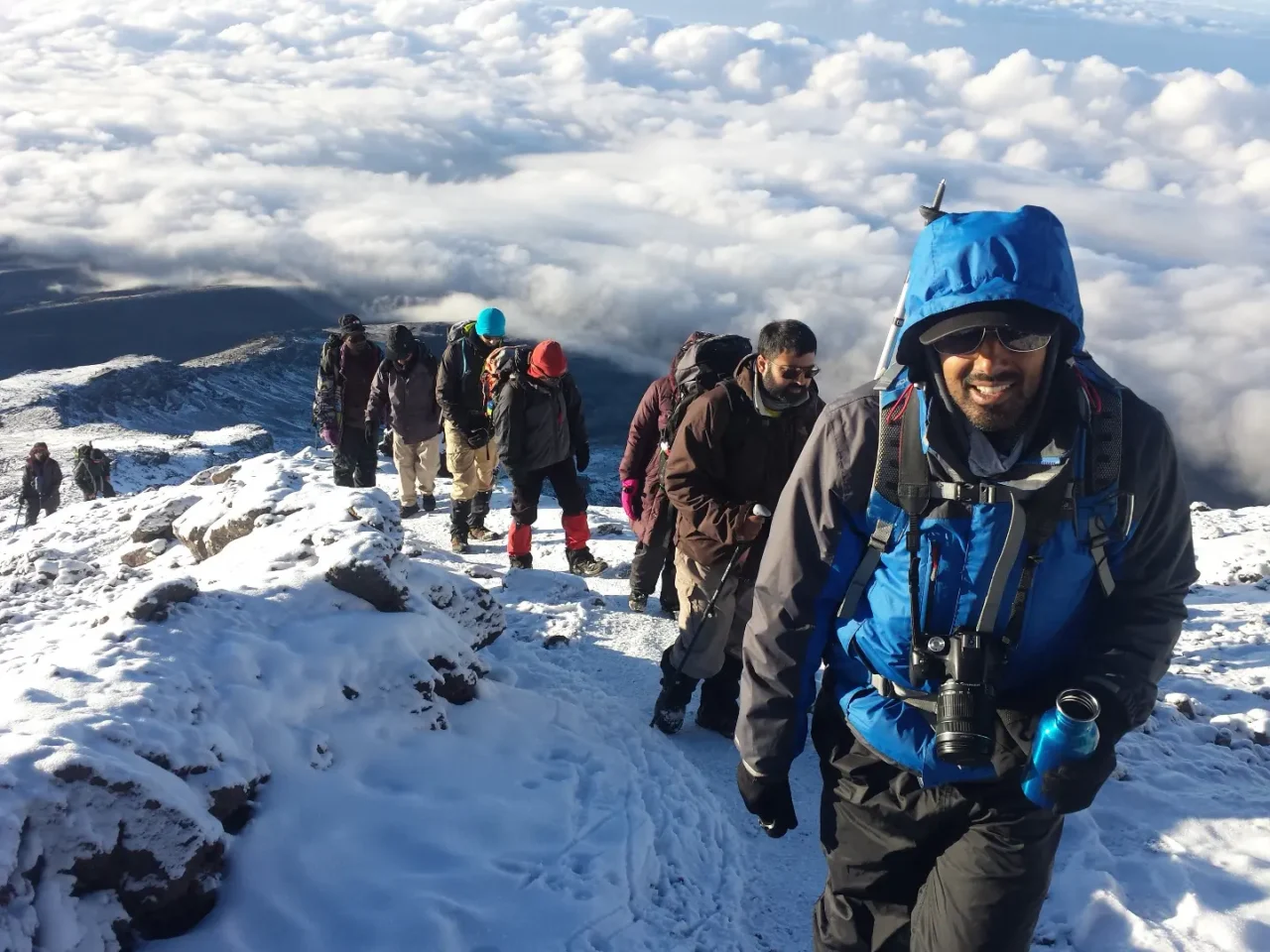
- Summit Night: This is where all layers come into play. You’ll likely wear your base layer, a fleece, your insulated jacket, and then your waterproof shell on top, along with insulated gloves and a warm hat.
The key is to adjust your layers *before* you get too hot or too cold. If you feel yourself starting to sweat heavily on an ascent, remove a layer (like the fleece) *before* you become drenched. Conversely, if you stop for a break and start to feel a chill, put on an extra layer immediately.
Base Layer’s Role in the System: Your base layers are the foundation. If they fail to wick moisture, your mid-layers will become damp, and your outer layers will be less effective. This is why choosing the right fabric and ensuring you have enough dry sets is so critical for any Kilimanjaro trek, whether planned for 2026 or 2027.
How to Care for Your Base Layers on the Mountain
Proper care of your base layers while on Kilimanjaro is essential for maintaining their performance and ensuring your comfort. Given the limited facilities, this requires a practical approach.
Washing
- Hand Washing is Key: You’ll likely be hand-washing your base layers in your tent or at designated washing stations. Use a small amount of mild biodegradable soap or a specialized travel wash.
- Gentle Cycle: Wash gently, paying attention to any particularly sweaty areas. Avoid harsh scrubbing.
- Rinse Thoroughly: Ensure all soap residue is removed, as leftover soap can affect the fabric’s wicking properties and potentially irritate your skin.
- Frequency: Aim to wash your base layers every 2-3 days, or more often if they become particularly saturated with sweat. It’s often practical to wash one set while wearing another.
Drying
This is often the most challenging aspect:
- Wring Out Excess Water: Gently wring out as much water as possible without stretching the fabric.
- Hang to Dry: Use available hangers, tent lines, or even the back of your sleeping bag to hang your base layers.
- Utilize Body Heat: If you’re feeling cold, wearing a damp base layer can help warm it up as your body heat dries it. This is less ideal but sometimes necessary.
- Sunlight (When Available): If you have a sunny afternoon, spread your layers out to dry. Be mindful of potential fading from intense UV exposure.
- Ventilation: Ensure good airflow. If inside a tent, open vents.
- Backpack Drying: Sometimes, you can stuff slightly damp layers into your backpack, and the movement and air circulation during the day can help them dry.
Important Note on Drying Times: Merino wool takes longer to dry than synthetics. If you are relying on quick drying, synthetic or synthetic blends might be a better choice. However, for multi-day wear and odor resistance, merino often wins.
Storage
- Dry Storage Bag: Keep a designated dry bag for your clean, dry base layers.
- Stuff Sacks: Use small stuff sacks for individual sets to keep them organized.
Tip for 2026-2027 Climbs: Consider packing a small amount of travel laundry soap and a lightweight travel clothesline. This can be invaluable for managing your laundry effectively on the mountain.
Packing List Essentials: Base Layers and Beyond
While focusing on base layers, it’s essential to see how they fit into your overall packing list for Kilimanjaro. A well-equipped trekker is a successful trekker.
Your Kilimanjaro Base Layer & Clothing Checklist:
- Base Layer Tops: 2-4 long-sleeved (merino wool or synthetic blend recommended). Include 1/4 zip options for versatility.
- Base Layer Bottoms: 2-3 pairs (merino wool or synthetic blend recommended).
- Mid-Layer Tops: 1-2 fleece jackets/pullovers (mid-weight).
- Insulated Jacket: 1 warm, packable down or synthetic jacket.
- Hiking Trousers: 2 pairs (quick-drying, comfortable, ideally convertible or with ventilation).
- Waterproof Jacket: 1 high-quality, breathable, waterproof shell with a hood.
- Waterproof Trousers: 1 pair, breathable and waterproof, with full side zips.
- Hiking Shirts: 2-3 short or long-sleeved synthetic/merino shirts (for lower, warmer sections).
- Underwear: Moisture-wicking, quick-drying (synthetic or merino).
- Socks: 4-6 pairs of wool or synthetic hiking socks (various weights).
- Gloves: 1 pair liner gloves, 1 pair warm waterproof/windproof outer gloves/mittens.
- Hat: 1 warm fleece or wool hat covering the ears.
- Sun Hat: 1 wide-brimmed hat or cap for sun protection.
- Buff/Neck Gaiter: 1-2 for warmth and sun protection.
- Footwear: Broken-in waterproof hiking boots, camp shoes/sandals.
- Headlamp: With extra batteries.
- Sunscreen, Lip Balm, Sunglasses.
- Water Bottles/Hydration Reservoir.
- Personal First-Aid Kit.
- Toiletries & Wet Wipes.
- Sleeping Bag: Rated to at least 0°F (-18°C) or lower.
- Trekking Poles.
This comprehensive list ensures you’re prepared for all conditions Kilimanjaro might throw at you. Remember that Top Guide Adventures can provide detailed packing lists tailored to your specific climb and the 2026-2027 season.
Making the Right Base Layer Choice for Your 2026-2027 Kilimanjaro Climb
Choosing the right number and type of base layers is a fundamental step in preparing for your Kilimanjaro adventure. It’s not just about having enough clothes; it’s about having the right ones that will perform when you need them most.
Key Takeaways:
- Quantity: Two to four sets of base layers (tops and bottoms) are generally needed. Three sets is the most common recommendation for a balance of comfort, practicality, and cost. Four sets offer maximum security, especially for colder seasons or longer treks.
- Material: Prioritize merino wool or high-quality synthetic fabrics (polyester, polypropylene). Avoid cotton at all costs.
- Tops: Opt for long-sleeved options, with a mix of crew necks and 1/4 zips being ideal.
- Bottoms: Choose snug-fitting, mid-weight thermal leggings.
- Fit: Base layers should be snug but not restrictive for optimal wicking and insulation.
- Season & Route: Adjust your quantity based on the expected weather and the length of your chosen route. Colder, wetter seasons and longer routes warrant more sets.
Investing in good quality base layers is an investment in your comfort, safety, and overall enjoyment of the Kilimanjaro climb. They are the silent heroes of your trekking wardrobe, working constantly to keep you dry and warm as you ascend towards the Roof of Africa.
Planning a Kilimanjaro climb for 2026 or 2027? The team at Top Guide Adventures is here to help you navigate every detail, from gear selection to itinerary planning. We pride ourselves on offering personalized support to ensure your trek is a success. Don’t hesitate to reach out with any questions about your base layers or any other aspect of your upcoming adventure. We can be reached via WhatsApp at +255616946642, by email at topguideadventures@gmail.com, or our backup email info@topguideadventures.com. Let us help you prepare for an unforgettable journey!
Check Availability for How Many Base Layers Do You Need For Kilimanjaro? A Complete Guide Climbers
Ready to compare dates, prices, and the best option for your group? Send the package name and travel month so the team can reply with a clear quote, availability, and what is included.
Do You Need An Ice Axe For Kilimanjaro? Expert Guide 2026-2027
Climbers often wonder if an ice axe is essential for ascending Kilimanjaro. This comprehensive guide from Top Guide Adventures clarifies when it's needed, what alternatives exist, and how...
View package details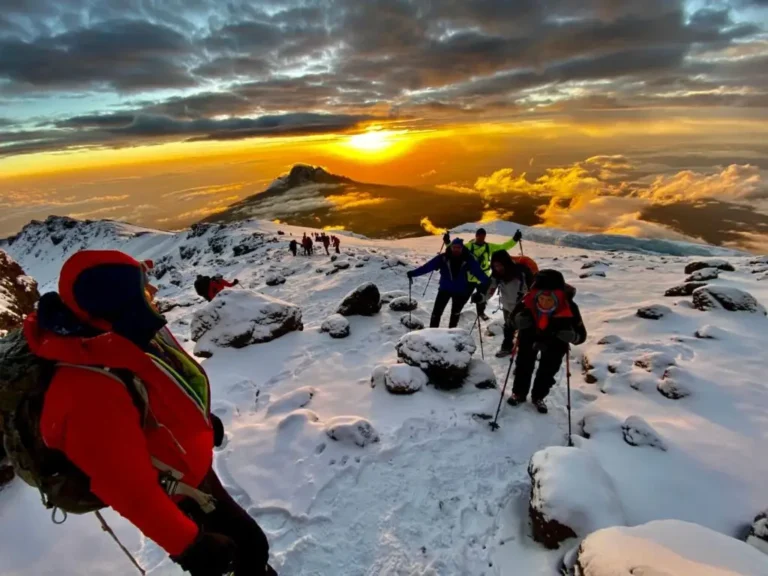
Do You Need Microspikes For Kilimanjaro? Expert Advice Climbers 2026-2027
Climbers often wonder about the necessity of Microspikes for Kilimanjaro. While not always mandatory, they can significantly enhance safety and comfort on icy sections, particularly on...
View package details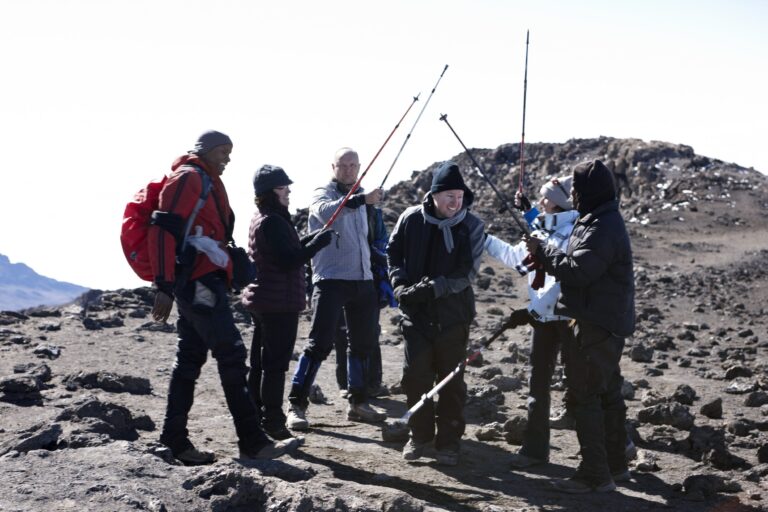
What Size Daypack Do You Need For Kilimanjaro? 2026-2027
What Size Daypack Do You Need for Kilimanjaro? is explained with current 2026-2027 planning, price, itinerary and booking information.
View package details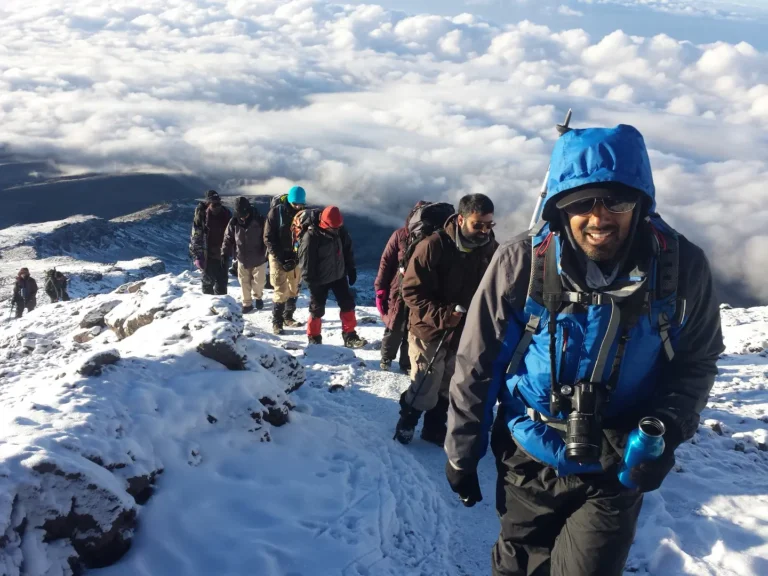
How Many Nights Should You Stay Before Kilimanjaro Climb? 2026-2027
The crucial question of how many nights to stay before climbing Kilimanjaro directly impacts your acclimatization and overall success. Experts recommend a minimum of 2-3 nights in Moshi or...
View package details
German Group Departures For Kilimanjaro: Your Guide 2026-2027
Planning a Kilimanjaro climb with fellow German speakers? Discover curated group departures for 2026-2027, focusing on safety, success, and cultural connection. Top Guide Adventures...
View package details
Private Kilimanjaro Interpreter And Guide Package: Your Ultimate Summit
Discover the benefits of a Private Kilimanjaro Interpreter and Guide Package for your trek. Ensure safety, cultural understanding, and a smoother journey to the Roof of Africa with expert...
View package details
Multilingual Kilimanjaro Group Climbing Tour 2026-2027
Multilingual Kilimanjaro Group Climbing Tour is explained with current 2026-2027 planning, price, itinerary and booking information.
View package details
Kilimanjaro Climb With A Swahili-Speaking Guide: Your Essential Top Adventures
Ascend Mount Kilimanjaro with Top Guide Adventures, led by experienced Swahili-speaking guides. This comprehensive guide covers everything you need to know for a successful climb in...
View package details
Kilimanjaro Climb With A Hindi-Speaking Guide 2026-2027
Kilimanjaro Climb with a Hindi-Speaking Guide is explained with current 2026-2027 planning, price, itinerary and booking information.
View package details
Kilimanjaro Climb With A Hebrew-Speaking Guide: Your Adventure 2026-2027
Discover how to arrange a Kilimanjaro climb with a Hebrew-speaking guide, ensuring a comfortable and culturally connected experience for Israeli hikers planning their 2026-2027 adventure...
View package details
Kilimanjaro Climb With A Korean-Speaking Guide 2026-2027
Kilimanjaro Climb with a Korean-Speaking Guide is explained with current 2026-2027 planning, price, itinerary and booking information.
View package details
Kilimanjaro Climb With A Japanese-Speaking Guide: Your Ultimate Adventure
start your dream Kilimanjaro climb with a trusted Japanese-speaking guide from Top Guide Adventures. We provide comprehensive support, ensuring a safe and unforgettable experience on...
View package detailsNo related package matches those filters. Clear one or more filters to see the other topic-matched options.



